
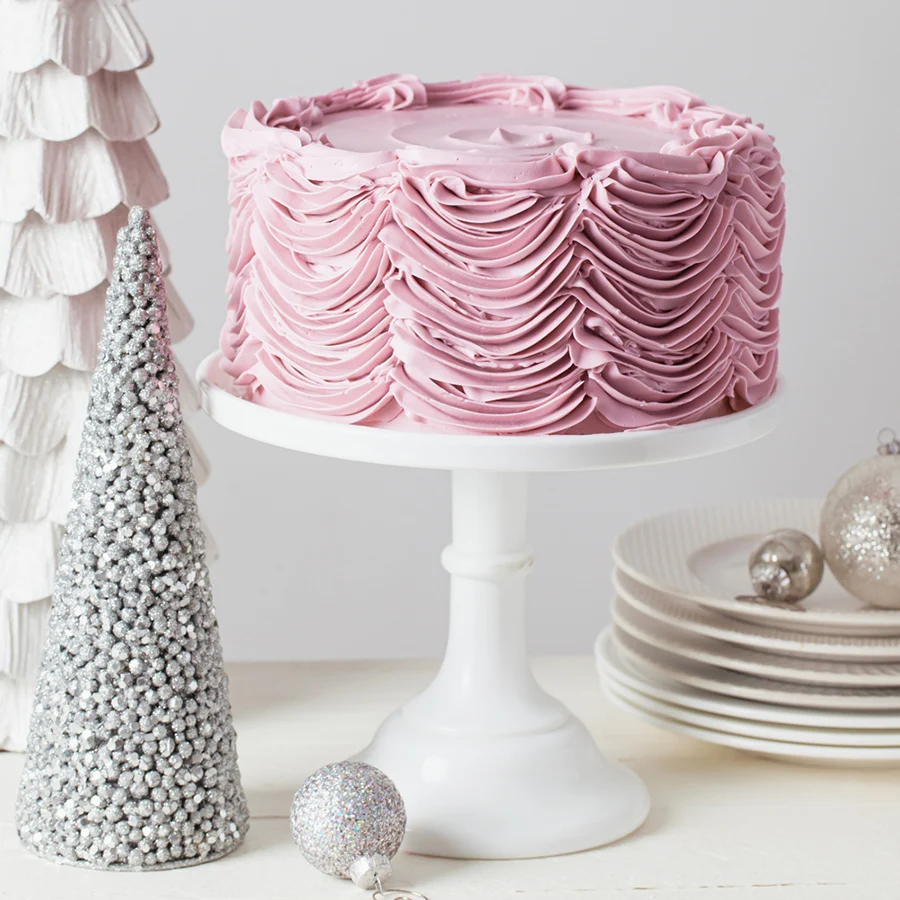
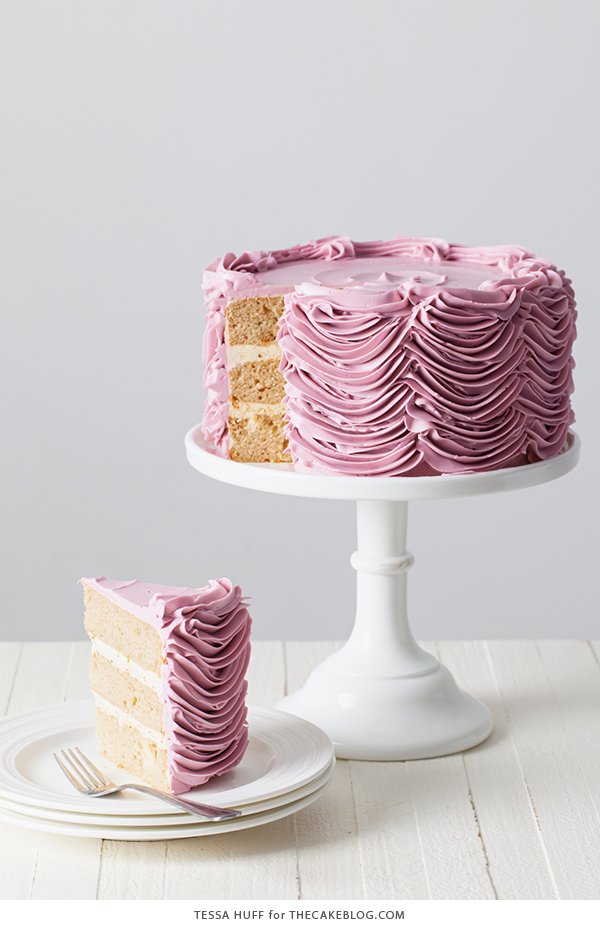
The culinary landscape of the holiday season has been enriched by the introduction of the Hazelnut Nutcracker Cake, a sophisticated confectionary creation developed by renowned pastry architect and author Tessa Huff for The Cake Blog. This dessert serves as a technical and aesthetic tribute to the traditional holiday season, blending complex flavor profiles including brown sugar, fresh nutmeg, and roasted hazelnut praline. The cake is distinguished not only by its ingredient list but also by its intricate "swag" buttercream piping, designed to evoke the visual elegance of classical ballet costumes.

Culinary Architecture and Flavor Profile
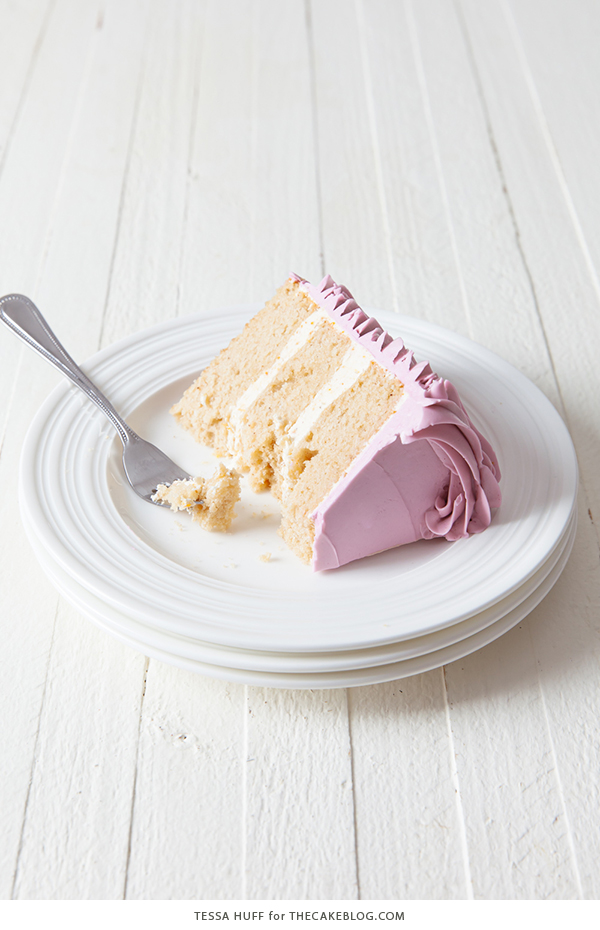
The Hazelnut Nutcracker Cake is constructed upon a foundation of brown sugar and nutmeg sponge. Unlike standard white or yellow cakes, the use of brown sugar introduces molasses-driven moisture and a deep, caramel-like sweetness that complements the volatility of fresh nutmeg. Nutmeg, a spice derived from the seeds of the Myristica fragrans tree, contains the aromatic compound myristicin, which is frequently associated with winter comfort foods and traditional European holiday baking.
The cake is layered with a Swiss meringue buttercream infused with a custom hazelnut praline. The praline process involves the caramelization of sugar followed by the introduction of roasted hazelnuts. Once cooled into a brittle state, the mixture is pulverized into a fine powder. This technique ensures that the hazelnut flavor is distributed uniformly throughout the silky buttercream without compromising its structural integrity. The result is a textural contrast between the soft crumb of the cake and the nuanced, nutty grit of the praline-infused frosting.
Historical and Cultural Context
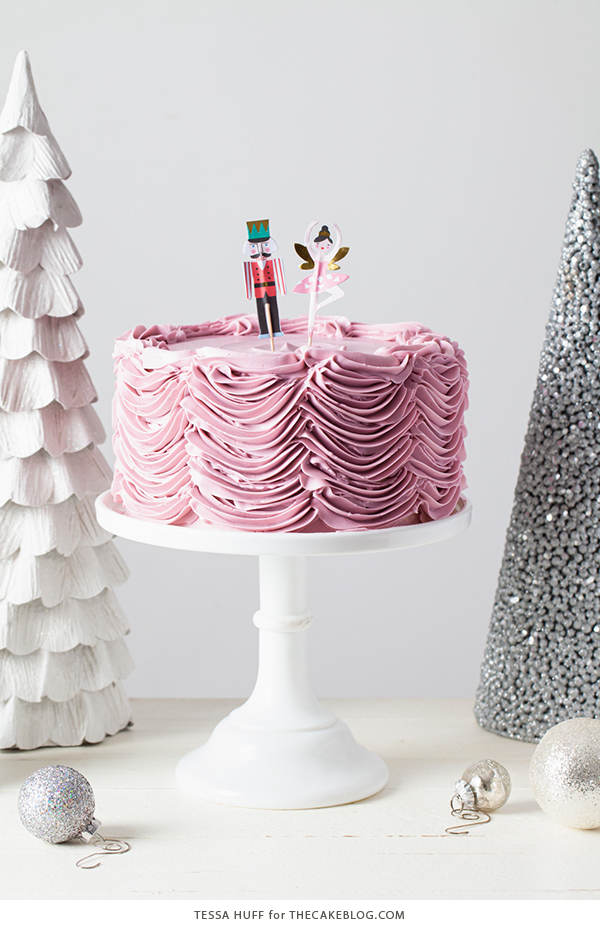
The inspiration for the Hazelnut Nutcracker Cake is rooted in the 1892 ballet The Nutcracker, composed by Pyotr Ilyich Tchaikovsky. The ballet, which features the "Land of Sweets," has become an inextricable part of the Western Christmas tradition. Specifically, the cake draws thematic elements from the Sugar Plum Fairy and the waltzing flowers, translating the ethereal movements of the dance into edible form.
While plums are traditionally associated with the ballet’s central figure, they are often out of season during the peak of winter in many regions. Consequently, Huff’s decision to utilize hazelnuts reflects a pragmatic yet traditional shift toward winter-hardy ingredients. Hazelnuts, or filberts, have a long history in European winter celebrations, particularly in Germanic and Alpine regions where the Nutcracker doll originated. By substituting the fruit with a nut-based profile, the recipe aligns with the historical availability of ingredients during the 19th-century winter months.
Technical Execution and Aesthetic Design
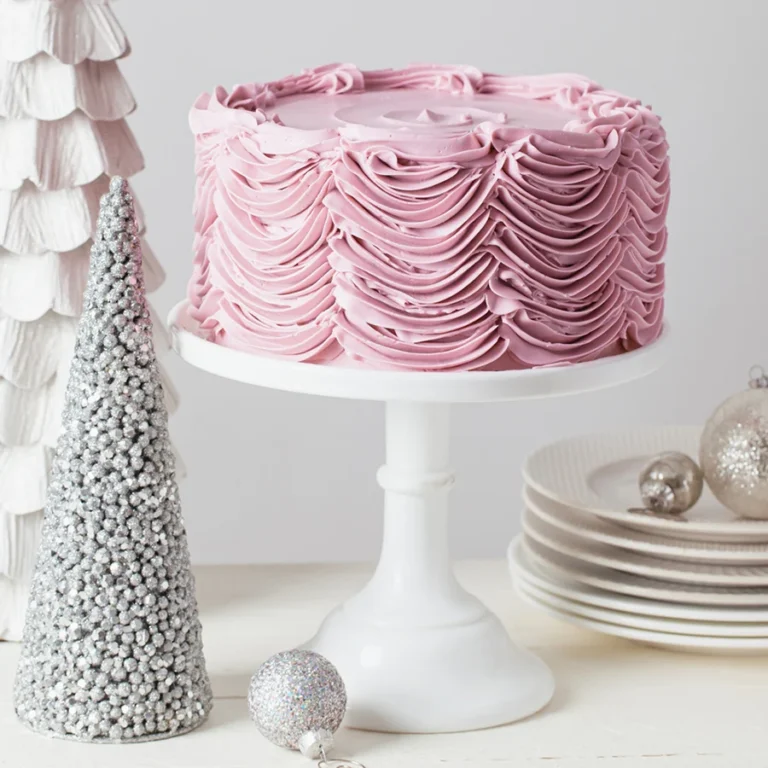
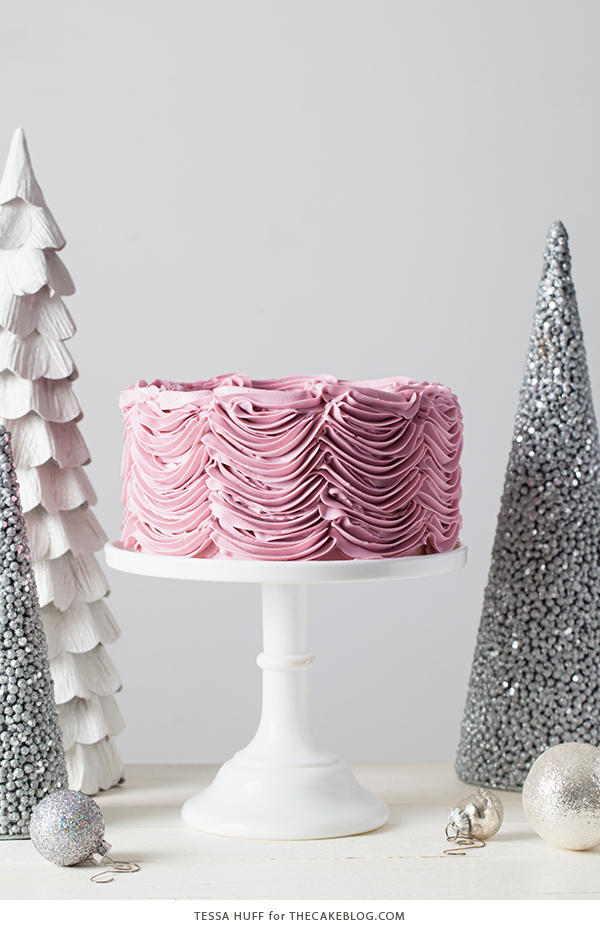
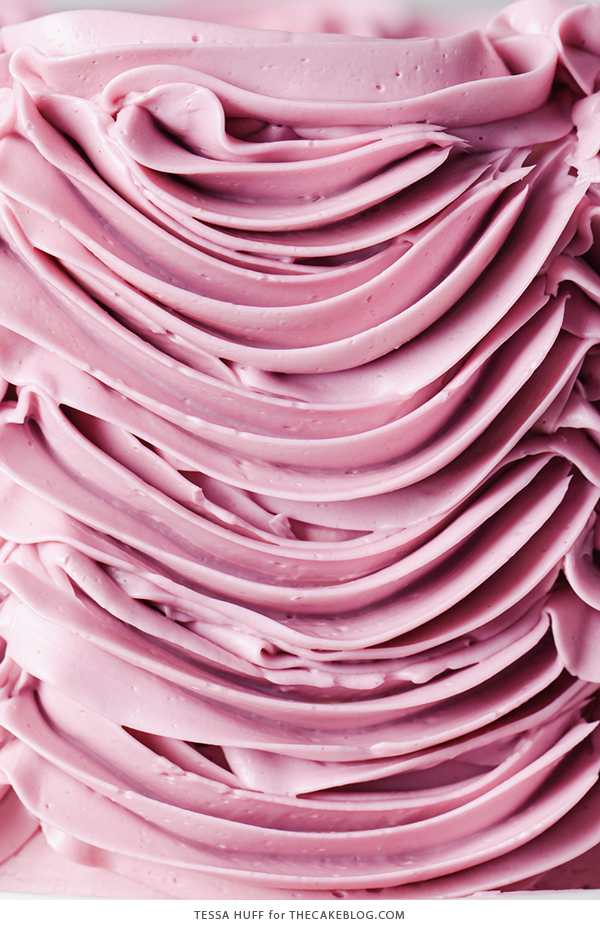
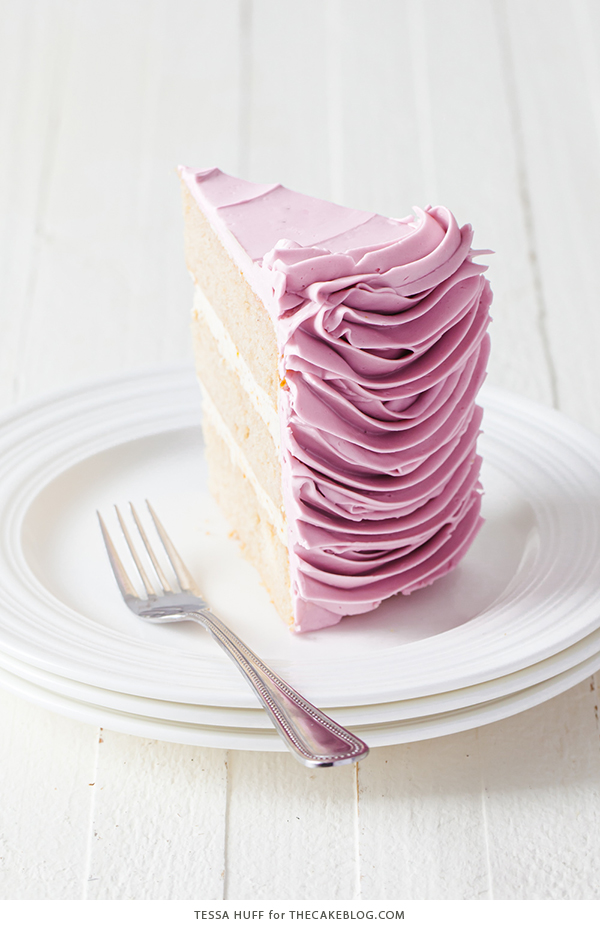
The most striking visual feature of the Hazelnut Nutcracker Cake is its exterior ornamentation. The design utilizes a "swag" piping technique, where buttercream is layered in overlapping, curved rows to mimic the ruffles of a ballerina’s tutu. This requires a high degree of temperature control over the Swiss meringue buttercream; the frosting must remain firm enough to hold its shape while being supple enough to flow through a decorative tip without breaking.
To enhance the thematic connection to the "Sugar Plum" aesthetic, the buttercream is tinted a specific shade of muted purple. This color choice serves as a visual bridge between the nut-centric flavor profile and the traditional imagery of the ballet. The application of the purple ruffles over the neutral-toned hazelnut base creates a multi-dimensional appearance that has become a hallmark of Huff’s "Style Sweet" design philosophy.
The Role of the Contributor: Tessa Huff
Tessa Huff, a professional cake designer, photographer, and cookbook author, has established a reputation for bridging the gap between professional pastry techniques and home baking. Her contributions to The Cake Blog often focus on "elevated" classics—recipes that take familiar flavor combinations and apply advanced decorative techniques.
In statements regarding the development of this recipe, Huff emphasized the role of nostalgia in culinary creation. She noted that the holiday season often triggers sensory memories, and the Nutcracker theme was chosen to resonate with those who associate the ballet with their own childhood holiday experiences. Industry analysts suggest that the success of Huff’s recipes lies in their "approachable complexity," providing enough challenge for experienced bakers while remaining accessible to dedicated hobbyists.
Market Trends and Seasonal Baking Data
The release of the Hazelnut Nutcracker Cake coincides with a significant uptick in home baking activity during the fourth quarter of the fiscal year. According to consumer data from the National Confectioners Association and retail baking trends, there has been a 15% increase in "specialty" holiday baking over the last five years. Consumers are increasingly moving away from pre-packaged desserts in favor of "from-scratch" artisanal cakes that serve as centerpieces for holiday gatherings.
Hazelnuts, a primary ingredient in this recipe, have also seen a rise in global demand. Turkey remains the world’s leading producer, accounting for approximately 70% of the global supply, followed by the United States (primarily Oregon). The integration of hazelnuts into high-end holiday recipes reflects a broader consumer trend toward "premiumization," where home bakers seek out high-quality, whole ingredients to elevate their seasonal offerings.
Chronology of the Recipe Development
The development of the Hazelnut Nutcracker Cake followed a structured timeline typical of professional recipe testing:
- Concept Phase (Early Autumn): Huff identified the Nutcracker theme, focusing on a flavor profile that would evoke "warmth" through spices like nutmeg and cinnamon.
- Ingredient Testing (Mid-Autumn): Multiple iterations of the brown sugar cake were tested to find the ideal balance of moisture and structural strength to support the heavy buttercream.
- The Praline Innovation: The decision to grind the hazelnut brittle into a powder was finalized to ensure the Swiss meringue buttercream maintained its signature smooth mouthfeel.
- Aesthetic Design (Late Autumn): The "tutu" piping design was refined, selecting specific piping tips (often petal tips like the Wilton 104 or 125) to achieve the desired ruffle effect.
- Public Release (December): The recipe was published on The Cake Blog, accompanied by professional photography and a detailed instructional guide.
Impact on the Professional Baking Community
The publication of this recipe has generated a positive response within the online baking community, currently holding a 4.5 out of 5-star rating based on initial reviews. Professional pastry chefs have lauded the recipe for its balance of flavors, noting that the saltiness of the hazelnut praline cuts through the inherent sweetness of the brown sugar cake.
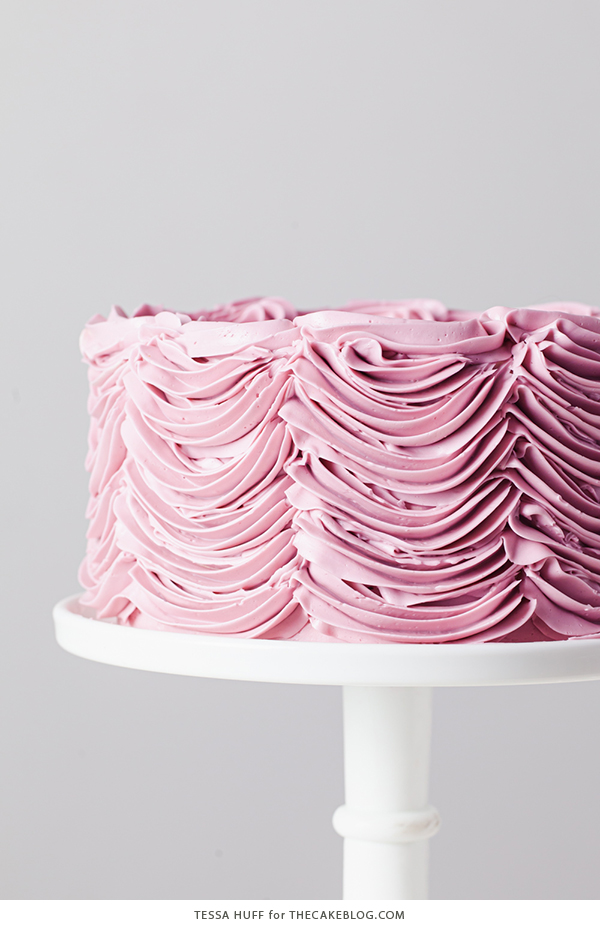
Furthermore, the "swag" piping technique popularized by this cake has seen a resurgence on social media platforms like Instagram and Pinterest. This indicates a shift in cake decorating trends away from the minimalist "naked cake" aesthetic toward more maximalist, textured, and historically-inspired designs.
Broader Implications for Holiday Culinary Traditions
The Hazelnut Nutcracker Cake represents a modern evolution of the holiday dessert. While traditional fruitcakes and Yule logs remain staples, there is a growing niche for "concept cakes" that tell a specific story or reference a particular piece of culture. By grounding the recipe in the narrative of The Nutcracker, Huff has created a product that functions as both a food item and a conversational piece.
The reliance on fresh nutmeg and home-made praline also highlights a return to "slow food" principles in holiday baking. As the digital landscape continues to provide home bakers with access to professional-grade techniques, the distinction between "amateur" and "professional" results continues to blur.
In conclusion, the Hazelnut Nutcracker Cake is more than a seasonal recipe; it is a meticulously designed culinary artifact. It successfully synthesizes historical inspiration, technical pastry skill, and modern flavor preferences. As holiday traditions continue to adapt to contemporary tastes, creations like the Hazelnut Nutcracker Cake provide a blueprint for how nostalgia and innovation can coexist on the dessert table. The enduring popularity of the Nutcracker theme suggests that such culturally-linked culinary projects will remain a significant component of the holiday season for years to come.