For months, couples have curated Pinterest boards filled with images of loose, organically gathered wildflower arrangements, dreaming of a meadowcore wedding look that feels both effortless and deeply personal. The question often arises: is it genuinely possible to achieve this aesthetic without the significant investment of a professional florist? The answer, unequivocally, is yes. This particular wedding flower trend stands out as a rare instance where a do-it-yourself (DIY) approach is not only more economical but also inherently aligned with the desired unstructured, naturalistic outcome. When the core aesthetic aims to evoke the charm of a freshly gathered field bouquet, the pursuit of perfect symmetry becomes an impediment, not a goal.
This extensive guide delves into every facet of executing meadowcore wedding flowers on a budget, from initial conceptualization to the final arrangement. It provides a detailed flower shopping list tailored for this style, outlines essential vessels and tools, offers step-by-step instructions for crafting centerpieces and bouquets, and includes a comprehensive cost breakdown derived from real DIY kit prices. This quantitative analysis allows couples to clearly visualize the substantial savings achievable compared to traditional florist quotes, offering concrete data to inform decisions between hiring a professional, renting arrangements, or undertaking the DIY route.
The Evolution of Meadowcore: A Trend Rooted in Authenticity and Economy
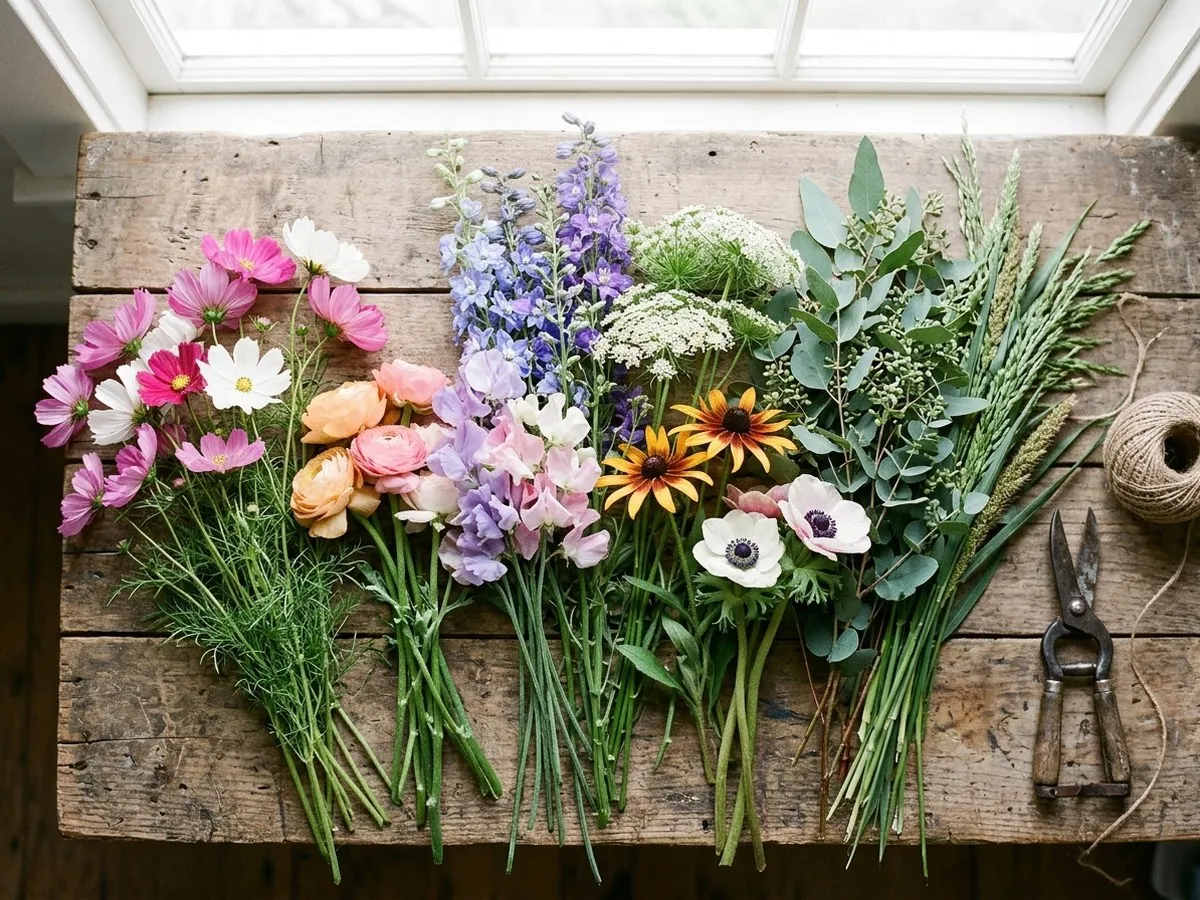
The meadowcore aesthetic transcends a mere floral arrangement; it represents a broader cultural shift in wedding planning towards authenticity, sustainability, and personalized experiences. Characterized by a loose, unstructured floral style, it deliberately mimics the organic beauty of flowers gathered during an early-summer stroll through a natural meadow. This translates into arrangements where cosmos gracefully lean from ceramic pitchers, Queen Anne’s lace artfully spills over vintage bud vases, seeded eucalyptus trails elegantly down tables, and grasses playfully poke out at varied angles. The predominant color palette is soft and understated, featuring creamy whites, buttery yellows, blush pinks, and gentle lavenders, all complemented by an abundance of natural green foliage.
This aesthetic resonates deeply with contemporary trends identified by industry leaders. For instance, Pinterest’s wedding trends report consistently highlights a growing preference for nature-driven palettes and bouquets that consciously depart from rigid tradition in favor of more expressive, individualistic styles. What makes meadowcore particularly compelling for budget-conscious couples is that, unlike many viral aesthetics that often require specialized and expensive components, this trend is genuinely affordable to execute without professional intervention.
The economic implications are significant. Traditional, structured floral designs—such as a perfectly spherical bridal bouquet or a dense, architecturally precise centerpiece—demand rigorous symmetry, specific stem counts of premium, often pricier, focal flowers like garden roses, and hours of highly skilled, practiced technique. Meadowcore, by contrast, rejects these conventions. It actively rewards asymmetry and celebrates the natural flow of botanical elements. It thrives on the use of cheaper, more abundant filler stems and intentionally embraces gaps and airy spaces within arrangements. This inherent flexibility makes it arguably the most forgiving style for first-time DIY flower arrangers. Consequently, achieving meadowcore wedding flowers on a budget is not merely an option; it is the natural and most harmonious choice for embodying this look. For those new to crafting their own wedding florals, a foundational understanding of general DIY wedding flower principles is recommended before delving into the specifics of meadowcore.

Quantifying the Savings: DIY Meadowcore vs. Professional Floristry
A primary driver for couples considering DIY wedding flowers is the potential for substantial cost savings. According to The Knot’s Real Weddings Study, which tracks wedding expenditures, couples marrying in 2025 allocated an average of $2,800 to wedding flowers. This figure fluctuates considerably with guest count: weddings with up to 50 guests averaged $1,600, while those with 51 to 100 guests averaged $2,400. Even for couples opting for more modest floral displays, the lower quartile of spending still registered around $900.
In stark contrast, a DIY approach to meadowcore flowers dramatically reduces these figures. Large DIY flower kits available from online wholesalers, typically designed to furnish a bridal bouquet, three bridesmaid bouquets, and five to six centerpieces, are currently priced between approximately $400 and $570. When factoring in the acquisition of thrifted vessels and a few essential supplies, the total cost for a 50-guest meadowcore wedding can realistically fall within the range of $450 to $650. This represents a potential saving of roughly $1,000 compared to the average florist cost for a wedding of similar size. Such a significant financial redirection can be strategically reallocated towards other critical wedding components, such as a dream photographer, an unforgettable honeymoon, or even bolstering long-term savings. The detailed financial breakdown later in this article will provide further clarity. It is important to note that this cost efficiency does come with a time investment: couples should anticipate dedicating 4 to 6 hours to assembly on the day preceding the wedding.
Strategic Procurement: The Best Flowers and Greenery for Meadowcore
The most challenging aspect of DIY wedding flowers often lies not in the arrangement itself, but in the intelligent procurement of stems. Incorrect ordering—whether of the wrong varieties or insufficient quantities—is where budgets can subtly inflate. The meadowcore aesthetic simplifies this by favoring specific types of blooms and greenery that are both aesthetically appropriate and cost-effective.
Focal Flowers for the Meadowcore Aesthetic: These are the stars of the arrangement, chosen for their soft, romantic, and slightly wild character, deliberately avoiding the formality of traditional roses. Ideal choices include:
- Cosmos: Known for their delicate, daisy-like petals and cheerful disposition.
- Ranunculus: Offering lush, multi-petaled blooms that provide a romantic, layered texture.
- Sweet Peas: Fragrant and delicate, adding a whimsical, climbing quality.
- Larkspur: Tall, elegant spires that provide vertical interest and a touch of wildness.
- Queen Anne’s Lace: Intricate, airy white florets that mimic natural wildflowers.
- Cornflowers (Bachelor’s Buttons): Small, vibrant blue blooms that add pops of color.
- Black-Eyed Susans: Cheerful, daisy-like flowers with dark centers, embodying rustic charm.
- Anemones: Striking blooms, often with dark centers, offering a sophisticated wild touch.
Seasonal availability plays a crucial role in pricing. Ranunculus and sweet peas are typically spring-season flowers, making them more affordable if the wedding occurs between April and June. Cosmos and black-eyed Susans peak in mid-to-late summer, while larkspur and cornflowers are generally available throughout most of the growing season. A practical guideline is to select 3 to 5 focal flower types rather than attempting to incorporate a dozen different varieties. Meadowcore thrives on the thoughtful repetition of a select few stems across all wedding elements, creating a cohesive yet diverse look.

Greenery and Textures for a Wild Appearance: Greenery is a budget’s best friend in meadowcore arrangements. Varieties like seeded eucalyptus, Italian ruscus, and various ferns are inexpensive, widely available, and quickly add volume, significantly reducing the need for a higher quantity of pricier focal flowers. To introduce the distinctive "textural weirdness" that elevates meadowcore beyond a generic floral arrangement, consider incorporating elements such as pampas tufts, bunny tails, and thistle. These additions contribute to the desired untamed and authentic look.
For couples embracing a more sun-dried, rustic side of the aesthetic, a hybrid approach combining fresh stems with dried wedding flowers (e.g., pampas grass, wheat, bunny tails) is highly effective. Dried stems offer several advantages: they are generally cheaper, do not wilt, and can be purchased weeks in advance, eliminating concerns about refrigeration and last-minute stress.
Optimal Sourcing for Budget-Friendly Wildflowers: Three primary sourcing tiers cater to most DIY wedding needs:
- Online Bulk Wholesalers: Companies like FiftyFlowers, Blooms by the Box, and Flower Moxie specialize in providing large quantities of fresh flowers directly to consumers. They offer curated DIY kits specifically designed for weddings, taking the guesswork out of stem counts and variety selection. This option provides convenience, variety, and often competitive pricing for bulk orders.
- Local Flower Farms and Farmers Markets: These sources offer hyper-seasonal blooms, often at excellent prices, and support local agriculture. They are ideal for finding unique, rustic varieties that might not be available from large wholesalers. Visiting a local farm or market in the months leading up to the wedding can provide insight into seasonal availability and pricing.
- Wholesale Clubs and Grocery Stores: For supplemental greenery, basic filler flowers, or last-minute additions, stores like Costco, Sam’s Club, Trader Joe’s, or even local supermarkets can be surprisingly good sources. While their selection may be limited, prices for common flowers and greenery are often very competitive.
A critical logistical detail for first-time DIYers is timing: bulk fresh flowers should be scheduled to arrive 2 to 3 days before the wedding. Most reputable online flower shops structure their delivery dates around this optimal bloom window. Arranging flowers too early risks wilted blooms on the wedding day, as fresh-cut stems have a specific vase life. Thorough research into supplier comparisons is advised to ensure reliability and quality.
The Narrative of Vessels: Containers that Define the Look
In meadowcore design, the choice of container is as integral as the flowers themselves, performing approximately half the work in establishing the desired aesthetic. A loose wildflower arrangement placed in a formal crystal vase would convey a "grandma’s dining room" vibe. However, the exact same arrangement, presented in a vintage glass bottle or a mismatched ceramic pitcher, instantly transforms into the quintessential meadowcore statement. The inherent beauty of this approach is that the "right" vessels are, by design, considerably more affordable than pristine, uniform glass vases often sourced from rental catalogs.
Ideal Vessel Types for Meadowcore: The guiding principle is variety and intentional imperfection. Couples should aim to mix and match an assortment of vessels, including:

- Mismatched bud vases of various shapes and sizes.
- Vintage clear and amber glass bottles, evoking a sense of history and charm.
- Small ceramic pitchers, offering a rustic, homely feel.
- Mercury glass votives, adding a subtle touch of shimmer.
- Stoneware crocks, for an earthy, artisanal presence.
- Simple mason jars, providing an accessible and classic rustic element.
The deliberate mismatching is fundamental to the aesthetic; each table should feel as though its decor was curated from beloved household items rather than a uniform rental catalog. For larger focal points, such as a head table or a welcome sign, a DIY frame wedding centerpiece can serve as a striking sculptural anchor, harmonizing perfectly with the meadowcore aesthetic as an alternative to a traditional tall centerpiece.
Economical Sourcing for Vessels: Acquiring these varied vessels without breaking the bank is straightforward:
- Goodwill and Local Thrift Stores: These are premier sources. Small bottles and bud vases are consistently among the most inexpensive items on their shelves. Dedicating a Saturday to visiting several thrift stores and purchasing every suitable small bottle, pitcher, or bud vase that complements the chosen palette is a highly effective strategy.
- Facebook Marketplace and Wedding Resale Groups: These platforms are invaluable for finding collections of mismatched vessels from previous brides who are reselling their wedding decor. This not only offers significant savings but also contributes to a circular economy.
- Dollar Stores: For rounding out quantities or filling specific needs, retailers like Dollar Tree offer glass jars and small vases at their accessible price points, ensuring no table goes without.
A practical planning estimate involves securing 3 to 5 vessels per guest table, plus an additional 8 to 12 vessels for use in ceremony decor, welcome tables, or other ancillary displays.
Mastering the Art of DIY Meadowcore Arrangement: A Step-by-Step Guide
Once the flowers and vessels have been meticulously sourced, the actual arranging process for meadowcore is remarkably straightforward. The guiding principle is not to overthink it; the inherent goal is a loose, asymmetrical look, which means "mistakes" often enhance the natural charm.
Essential Tools and Supplies: Prior to the arrival of flowers, gather the following:
- Floral shears or sharp scissors: Crucial for clean cuts that prevent stem damage.
- Floral tape: For securing bouquets and intricate arrangements.
- Flower food packets: Typically included with wholesale flower orders, vital for extending vase life.
- 3 to 4 buckets: For conditioning flowers upon arrival.
- All vessels: Cleaned, dried, and ready for use.
Beyond a good pair of scissors, the investment in these tools is minimal, further solidifying the budget-friendly nature of DIY. For those seeking additional preparedness, comprehensive guides on essential tools for DIY wedding flowers are readily available.

Step-by-Step Centerpiece Assembly: The day before the wedding, dedicate time to this enjoyable creative process:
- Conditioning: Upon arrival, unbox flowers, trim an inch off each stem at an angle, and immediately place them in buckets of cool water mixed with flower food. Allow them to hydrate for several hours, preferably overnight, in a cool, dark place.
- Preparation: Fill all cleaned vessels with fresh water and a small amount of flower food.
- Greenery Base: Begin each arrangement by placing a few stems of greenery into the vessel. These act as a supportive framework and establish the overall shape. Allow some greenery to trail or extend outwards for an organic feel.
- Focal Flowers: Introduce the primary focal flowers, distributing them unevenly. Place some higher, some lower, and some leaning slightly to create dynamic interest.
- Filler Flowers/Textures: Integrate smaller filler flowers and textural elements (e.g., bunny tails, thistle) to fill in gaps and add depth.
- Embrace Asymmetry: Consciously avoid creating a perfectly round or symmetrical arrangement. Meadowcore thrives on imbalance and natural flow.
- Vary Heights: A key tip for achieving the wild look is ensuring stems reach different heights, ideally varying by 3 to 5 inches. Uniform height creates a formal appearance, which is contrary to the meadowcore aesthetic.
- Cluster Effect: For guest tables, instead of one large centerpiece, create a cluster of 3 to 5 smaller arrangements in varied vessels. This allows for greater visual interest and flexibility.
Stem Count and Budgeting for Centerpieces: For a typical 10-table wedding, with a loose cluster of 3 to 5 small vessels per table, plan for approximately 8 to 12 focal stems per centerpiece cluster, augmented by ample greenery. This stem count directly influences the overall budget, making it crucial to count tables and plan accordingly before selecting a DIY kit size or placing a bulk order.
Crafting the Meadowcore Wildflower Bouquet: The meadowcore bouquet is a delightful departure from its formal counterparts. Unlike a traditional, tight, spherical, and symmetrical bridal bouquet, a meadowcore bouquet is inherently loose, asymmetrical, and appears arm-gathered, as if plucked directly from a vibrant field. This translates to fewer stems, a more forgiving arrangement technique, and a significantly more attractive price point.
Bridal Bouquet Step-by-Step:
- The Loose Spiral Technique: This is the cornerstone. Begin by holding your first focal stem upright in one hand.
- Adding Stems: Add each subsequent stem at a slight angle, rotating the bouquet a quarter turn between each addition. This creates a natural spiral of stems below your hand.
- Varying Heights and Textures: Allow some stems to sit slightly taller than others, and incorporate a mix of focal flowers, filler, and greenery.
- Embrace Imperfection: Do not strive for an evenly trimmed bottom; meadowcore bouquets often feature visible stems of uneven length below the tie point, contributing to their organic charm.
- Stem Count: Aim for a total of 20 to 30 stems, including greenery, and incorporate 3 to 5 focal flower varieties. This modest stem count is a primary reason why meadowcore bouquets are far more affordable than dense, traditional designs.
- Securing and Finishing: Once satisfied with the shape, secure the bouquet tightly at the grip point with floral tape. Finish by covering the tape with a beautiful trailing silk ribbon in a complementary color like cream or sage. For a detailed visual guide, specific DIY wildflower bouquet tutorials offer process photos and in-depth instructions on the spiral technique.
Bridesmaid Bouquet Variation: Bridesmaid bouquets are essentially miniature versions of the bridal bouquet, typically comprising 10 to 15 stems each, utilizing the same loose spiral technique with slightly less variety. These can be easily created from the same bulk flower order as the centerpieces, optimizing the initial purchase and avoiding additional shopping list items.
Maintaining Freshness Overnight: After assembly, it is crucial to keep all arrangements and bouquets fresh until the wedding day. Stand bouquets upright in tall vases with approximately 2 inches of cool water, away from direct sunlight and heat. A cool basement or garage is an ideal storage location. Avoid using a standard kitchen refrigerator, as they often run too cold, and the ethylene gas emitted by ripening fruits can accelerate wilting. Re-trim the stems of all bouquets and arrangements on the morning of the wedding for peak freshness.
Beyond the Tables: Expanding Meadowcore Throughout the Wedding Day

While centerpieces and bouquets form the core of floral decor, the meadowcore aesthetic is exceptionally versatile and can be extended across the entire ceremony and reception without significantly increasing the budget. Many of these additional elements can be created using leftover stems from the main bulk order, maximizing the investment.
Ceremony Decor:
- Aisle Markers: Line the ceremony aisle with shepherd’s hooks from which small mason jars or vintage bottles, filled with a few sprigs of larkspur and cosmos, are suspended.
- Altar or Arch Decor: Instead of elaborate, dense arrangements, opt for sparse, naturalistic greenery and a few strategically placed blooms woven into a wedding arch or arbor, creating a focal point that feels organic and ethereal.
- Chair Swags: Adorn aisle chairs with small bunches of greenery and a single flower, tied with twine or ribbon.
Reception Details:
- Welcome and Guestbook Tables: Place small, single-stem bud vases or miniature arrangements to greet guests.
- Bar Area: A simple, elongated arrangement of trailing greenery and a few meadow flowers can elevate the bar.
- Cake Decor: Utilize a few fresh, food-safe edible flowers or delicate sprigs of greenery to adorn the wedding cake, adding a natural, whimsical touch.
- Boutonnieres and Corsages: Create simple, elegant boutonnieres using a single focal bloom (e.g., a ranunculus bud or a cornflower) accented with a sprig of seeded eucalyptus, and matching wrist corsages.
These thoughtful additions demonstrate how effectively the meadowcore theme can be integrated throughout the event, reinforcing the cohesive aesthetic while adhering to a strict budget by leveraging existing floral supplies.
Comprehensive Cost Breakdown: The True Price of DIY Meadowcore
To provide a clear financial picture, here is a detailed cost breakdown for a hypothetical 50-guest wedding, encompassing five guest tables, a bridal bouquet, and three bridesmaid bouquets. The flower prices are based on typical large DIY kits from online wholesalers as of this writing, juxtaposed against The Knot’s average florist figure for a comparable guest count.
Estimated DIY Meadowcore Wedding Flower Costs (50 Guests):

- Bulk Flower Kit (e.g., 1 bridal, 3 bridesmaid, 5-6 centerpieces): $400 – $570
- Thrifted Vessels (3-5 per table + extras): $50 – $80
- Floral Supplies (shears, tape, ribbon): $20 – $30
- Total Estimated DIY Cost: $470 – $680
Comparative Florist Costs (50 Guests, based on The Knot’s Study):
- Average Florist Quote (50 guests): $1,600
This comparison highlights a potential saving of approximately $920 to $1,130 for a 50-guest wedding by choosing the DIY meadowcore approach. For couples hosting closer to 100 guests, roughly doubling the flower order and vessel count would still typically result in a total cost well below The Knot’s average of $2,400 for weddings with 51 to 100 guests.
For those desiring the meadowcore aesthetic but preferring to avoid the full DIY commitment, a middle-ground option exists: pre-arranged wedding flowers shipped directly to the door. While this incurs a higher cost than pure DIY, it eliminates the assembly day entirely, offering convenience for a premium.
Final Preparations: Essential Tips Before Ordering
As the journey towards a DIY meadowcore wedding progresses, a few crucial considerations will ensure a smooth and successful experience:
- Seasonal Awareness: Always verify the seasonal availability of desired flowers. Opting for in-season blooms significantly reduces costs and ensures freshness.
- Supplier Research: Thoroughly research online wholesalers or local farms. Read reviews, understand their shipping policies, and confirm their freshness guarantees.
- Trial Run (Optional but Recommended): If time and budget allow, consider a small trial arrangement a few months before the wedding using similar flower types. This helps refine technique and confirm aesthetic preferences.
- Delegate Assembly: Enlist trusted friends or family members to assist with flower conditioning and arrangement assembly. Many hands make light work, and it can be a fun, collaborative pre-wedding activity.
- Embrace Imperfection: Reiterate the core meadowcore philosophy: the beauty lies in its natural, unstructured appearance. Do not stress over minor imperfections; they contribute to the charm.
The choice to embrace DIY meadowcore wedding flowers is a deliberate one, driven by a desire for a unique aesthetic, significant cost savings, and a personal touch. The financial proof, evidenced by the substantial difference in florist bills, validates this decision. For couples ready to explore more creative avenues, a comprehensive library of DIY wedding flower tutorials covers everything from intricate boutonnieres to grand ceremony arches, all presented with the same budget-conscious ethos. This approach empowers couples to craft a wedding that truly reflects their vision, without compromising their financial well-being.