

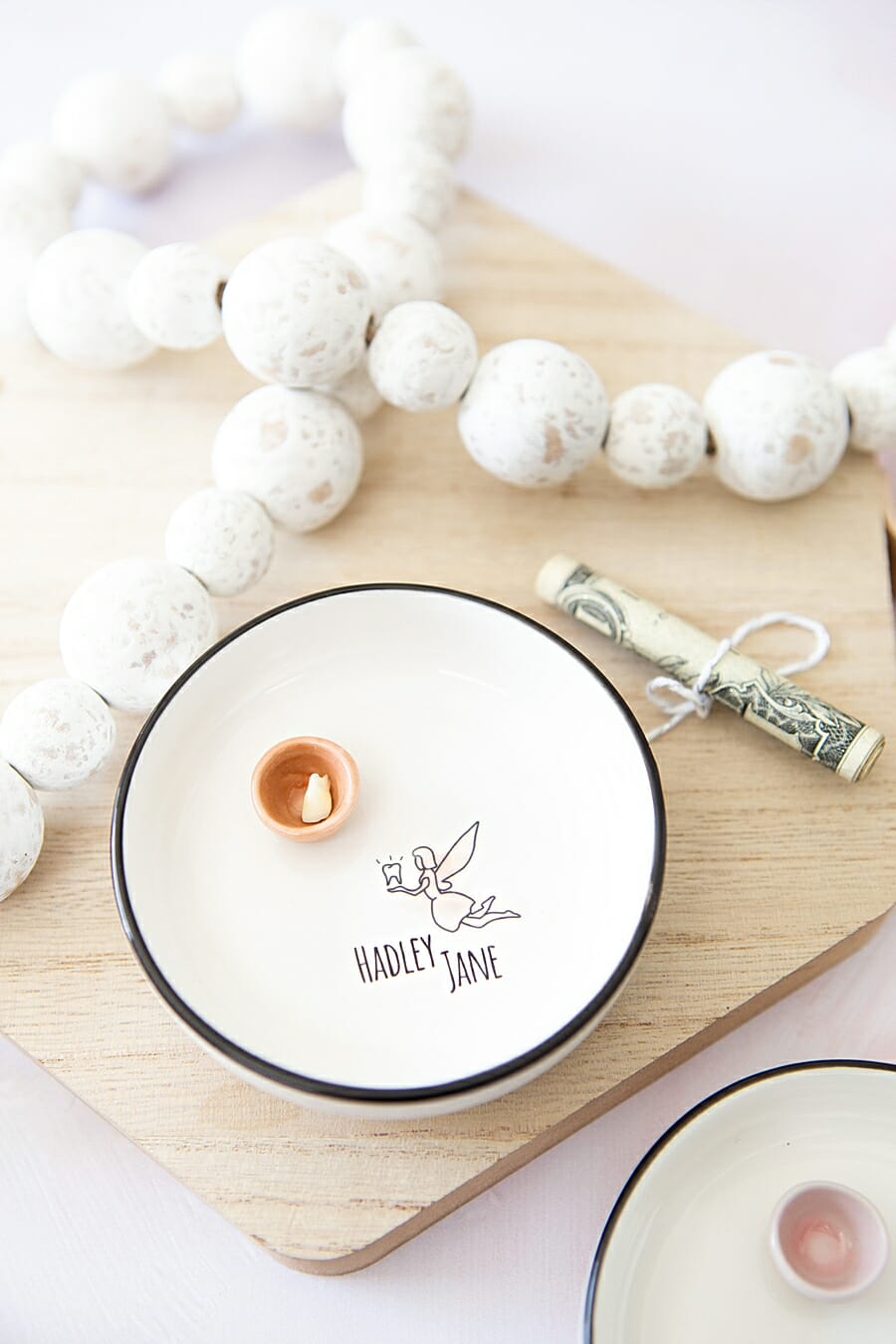
The evolution of childhood traditions has seen a significant shift toward personalization and aesthetic customization, as evidenced by the growing popularity of specialized DIY projects such as the creation of personalized tooth fairy dishes. Utilizing a combination of readily available household technology and specific craft materials, this method provides a contemporary alternative to the traditional tooth fairy pillow. By integrating inkjet waterslide paper technology with miniature ceramic components, parents and guardians are now able to create durable, bespoke containers designed specifically for the exchange of lost primary teeth for monetary rewards. This process represents a broader trend in the "milestone crafting" industry, where the focus has moved from mass-produced items toward unique, handmade artifacts that serve as both functional tools and long-term mementos.
The Shift in Childhood Tradition Rituals
For decades, the standard vessel for a child’s lost tooth was a small fabric pillow, often featuring a pocket, placed beneath a sleeping child’s head. However, logistical challenges—such as the difficulty of a "parental agent" retrieving a small tooth from beneath a sleeping child without waking them—have led to the emergence of bedside table alternatives. The personalized tooth fairy dish addresses these logistical concerns while allowing for a higher degree of artistic expression.
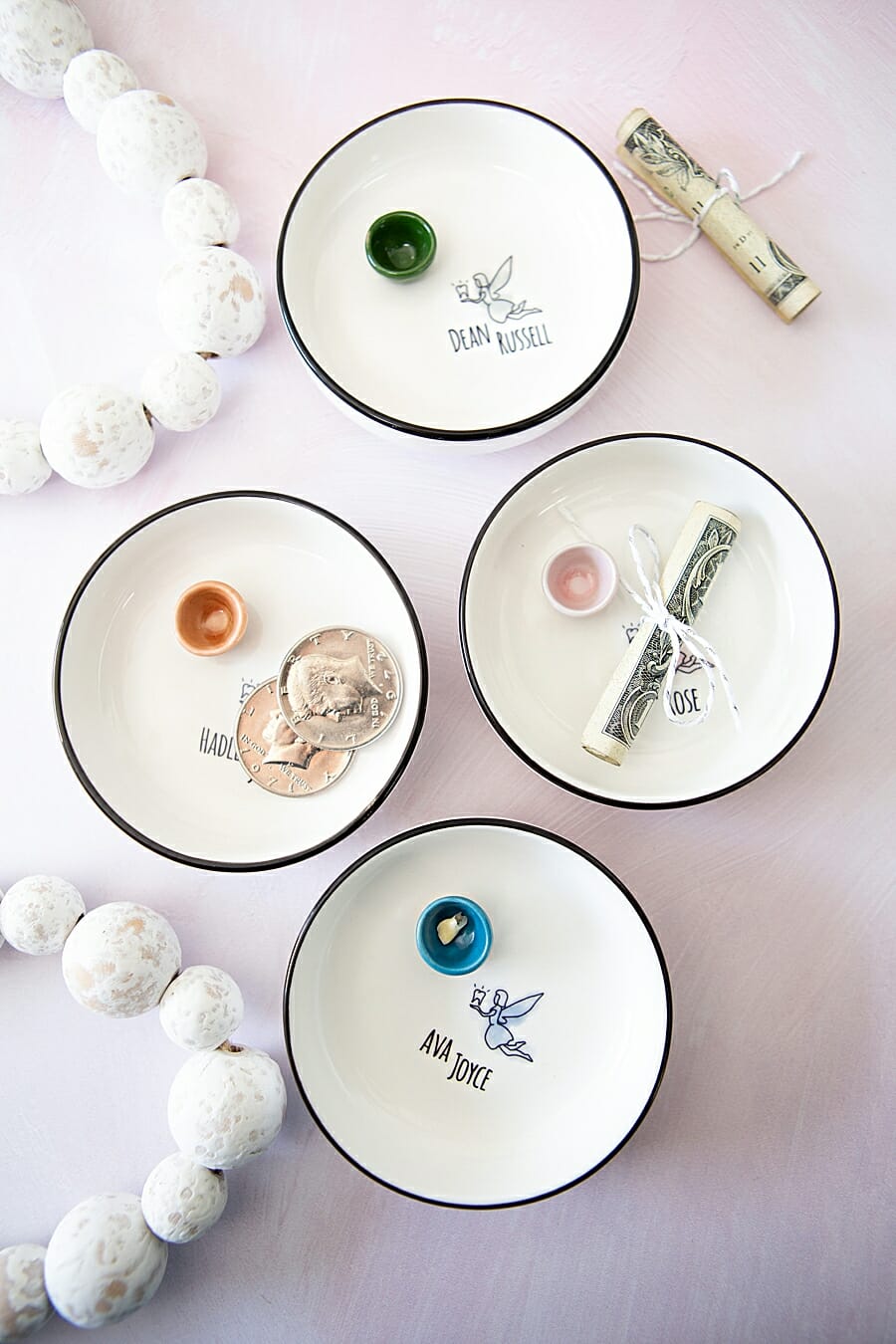
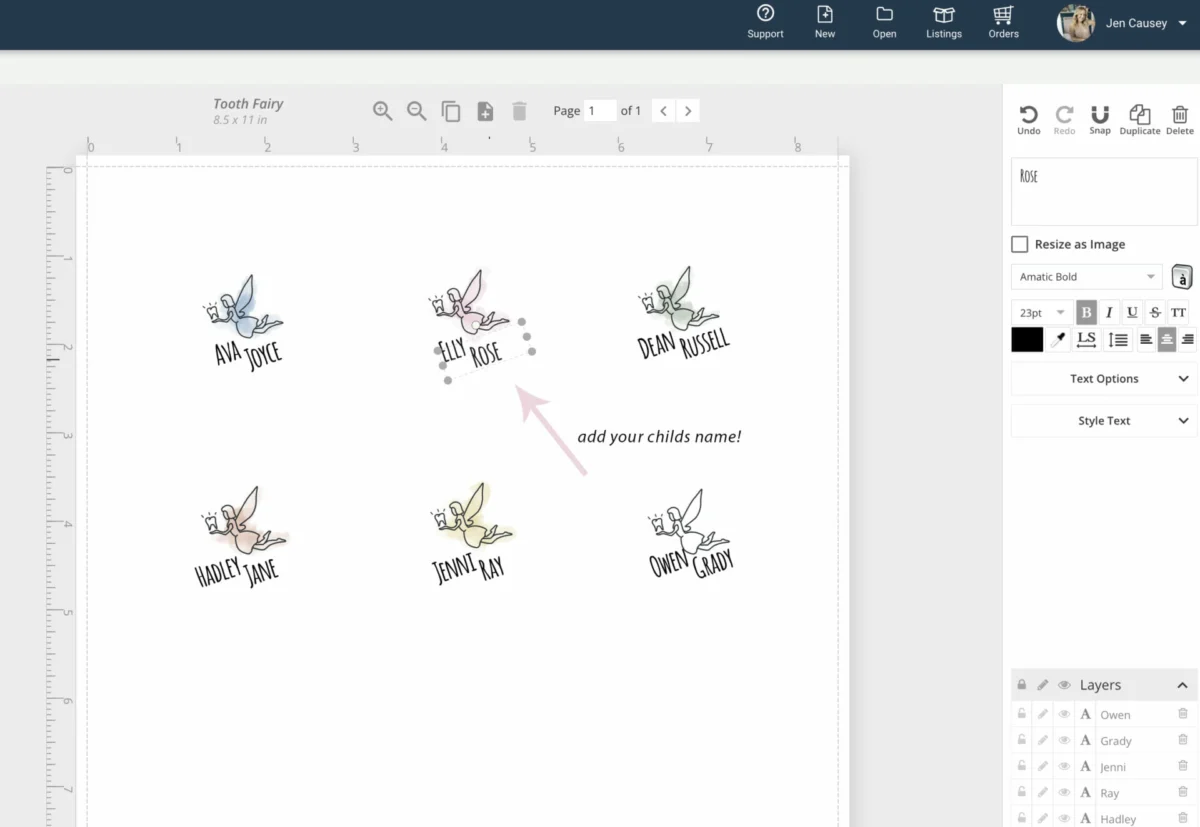
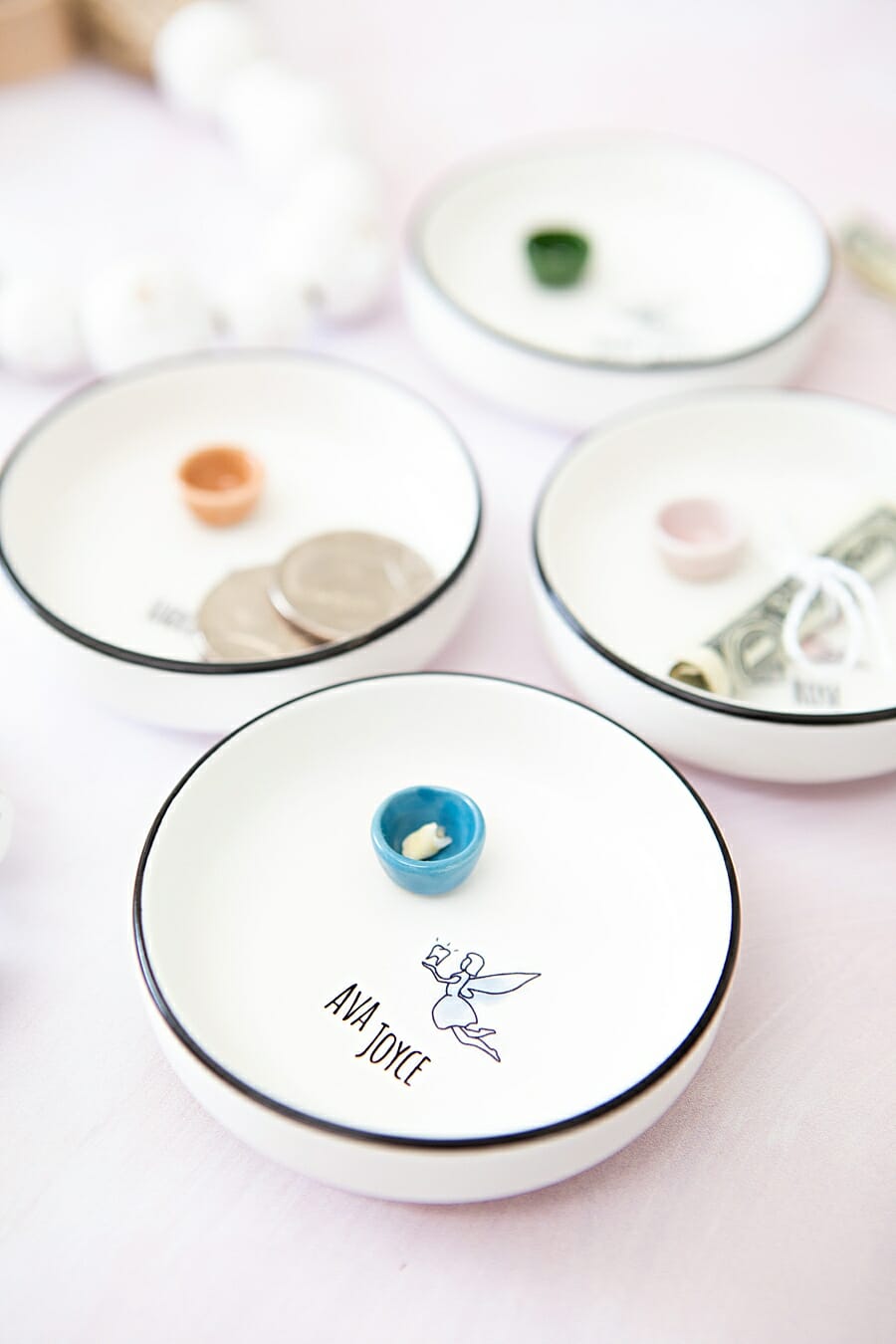
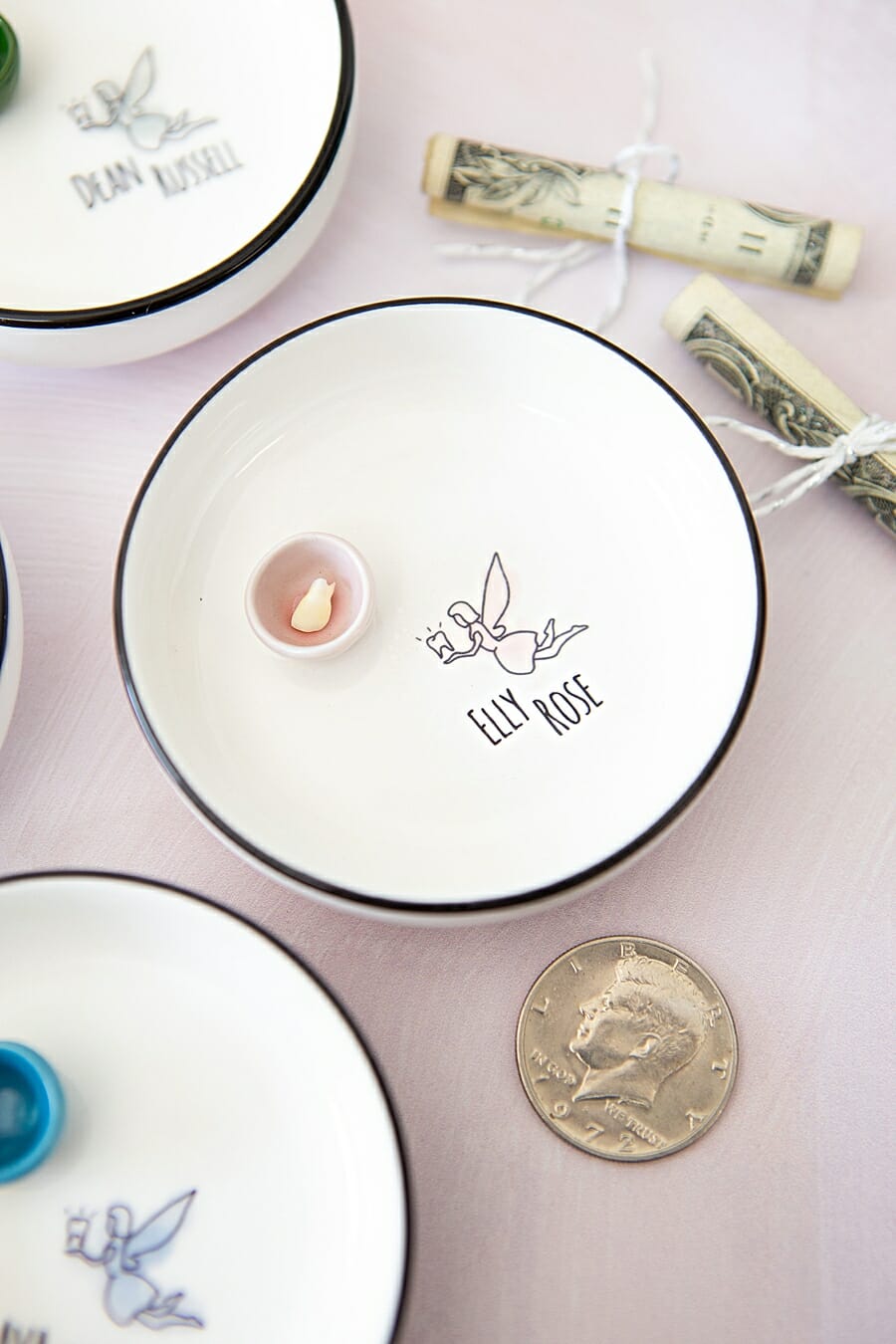
The project utilizes small ceramic sauce dishes and dollhouse-scale bowls as the structural base. By combining these two elements, creators produce a pedestal-style dish that is both stable and visually distinct. The customization aspect is handled through digital design platforms like Corjl, which allow for the manipulation of typography and graphics before the final production phase. This intersection of digital design and physical assembly characterizes the modern DIY movement, which leverages software-as-a-service (SaaS) models to provide professional-grade design capabilities to the general public.
Technical Specifications and Material Requirements
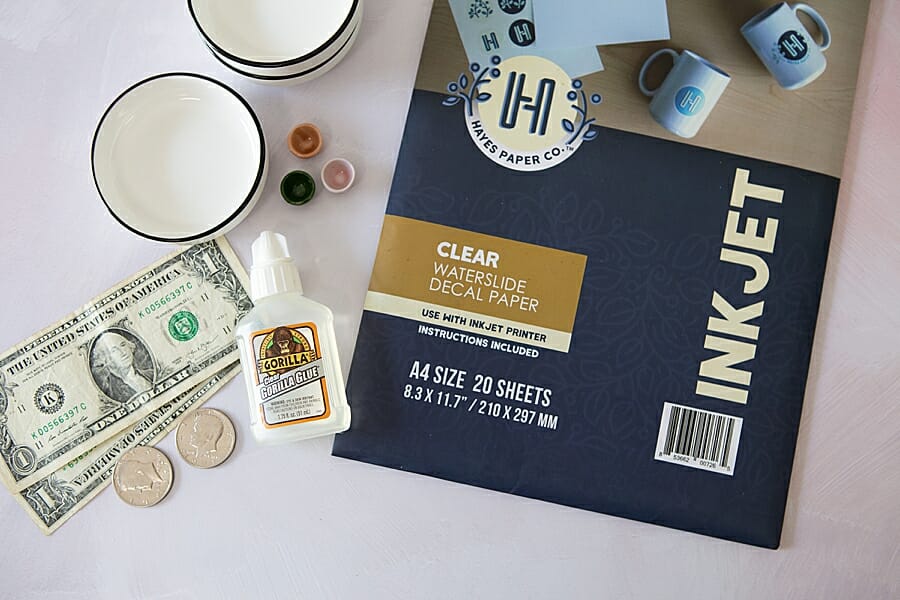
The successful execution of a personalized tooth fairy dish requires a specific set of materials, each chosen for its chemical or structural properties. The core of the customization process is inkjet waterslide paper. Unlike standard adhesive stickers, waterslide paper consists of a thin film—typically made of dextrose or cornstarch—that is backed by a water-soluble adhesive. When soaked, the film releases from the paper backing, allowing it to be positioned on non-porous surfaces like ceramic or glass.
Supporting materials include:
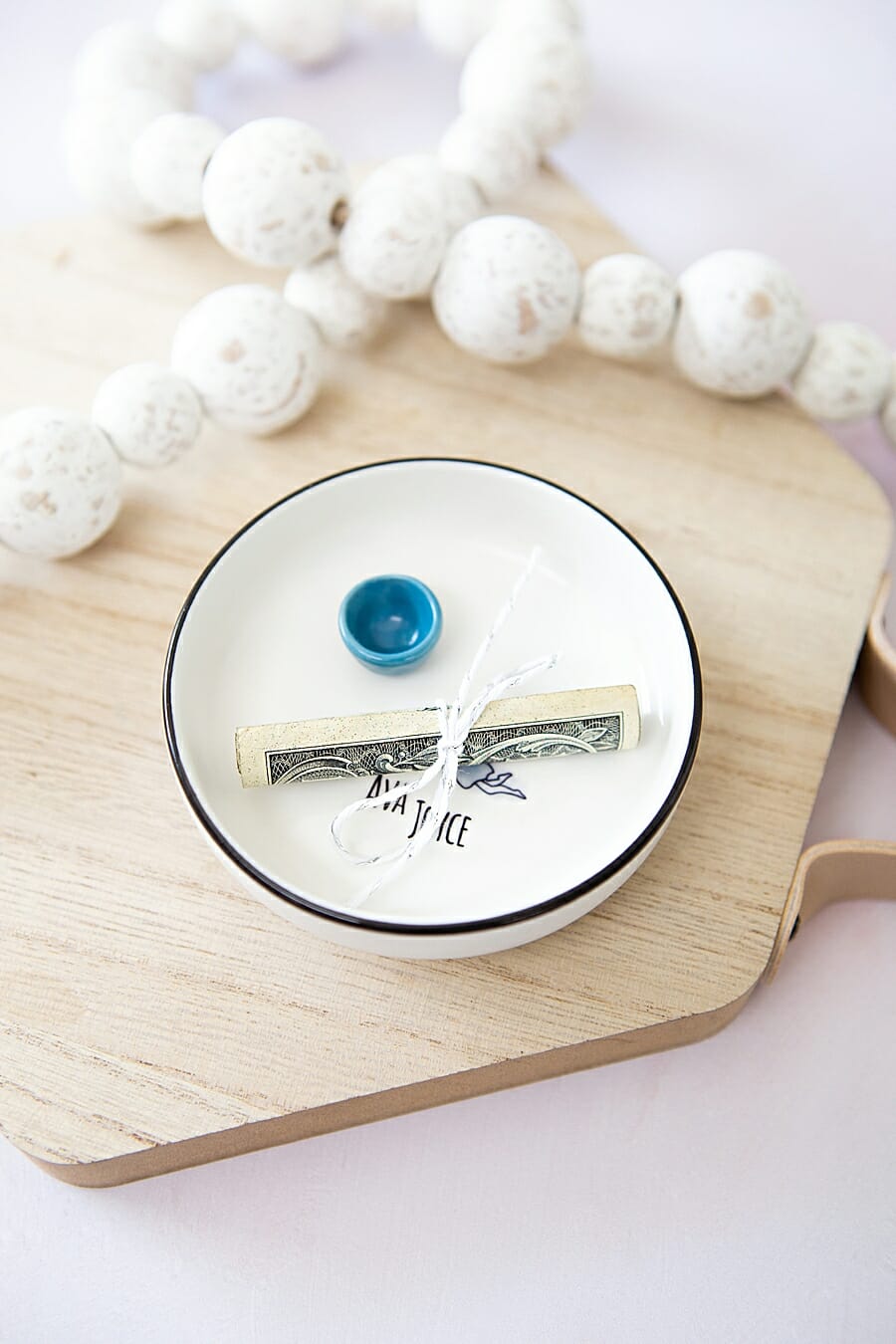
- Ceramic Substrates: Small sauce dishes (typically used for condiments) and miniature dollhouse bowls.
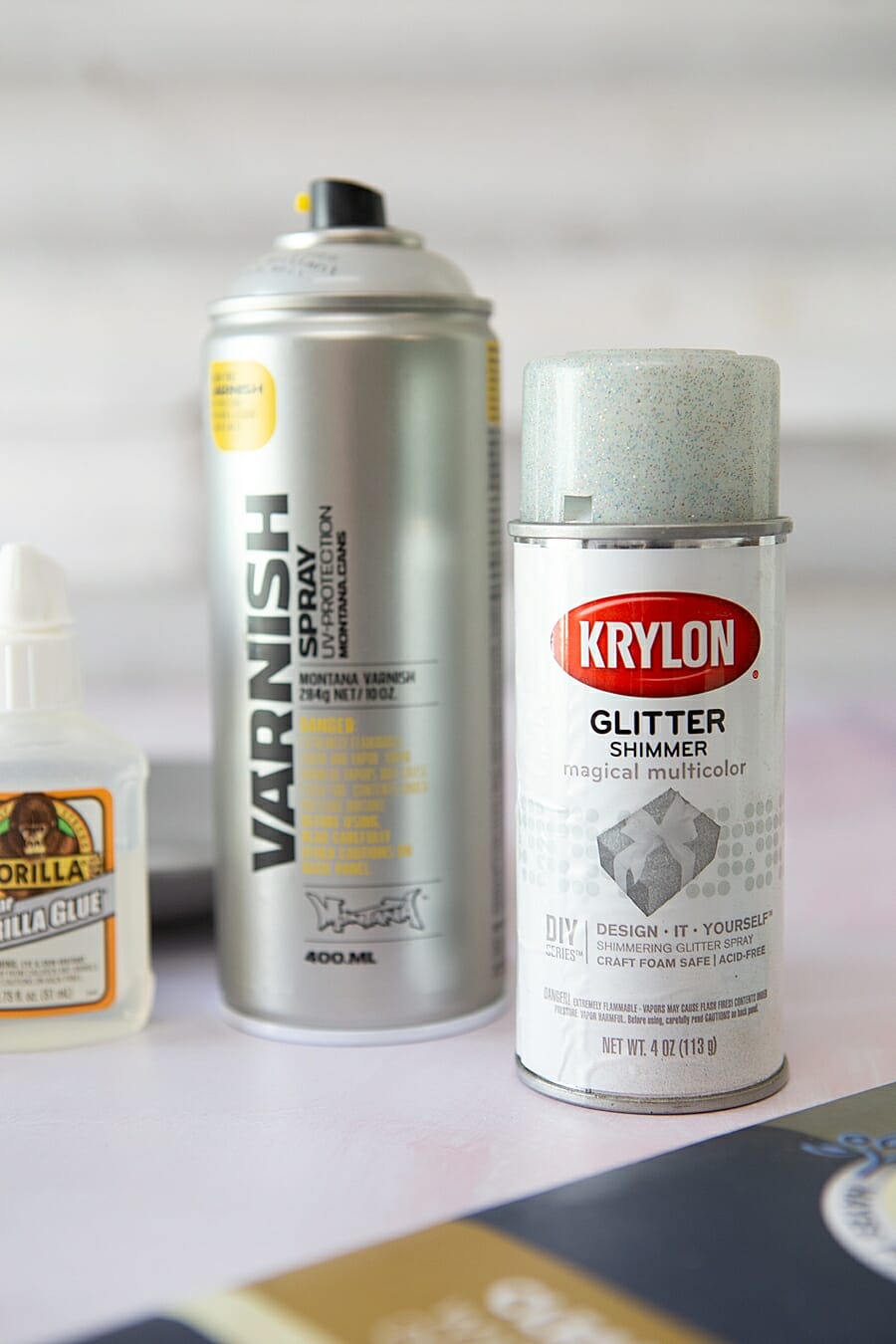
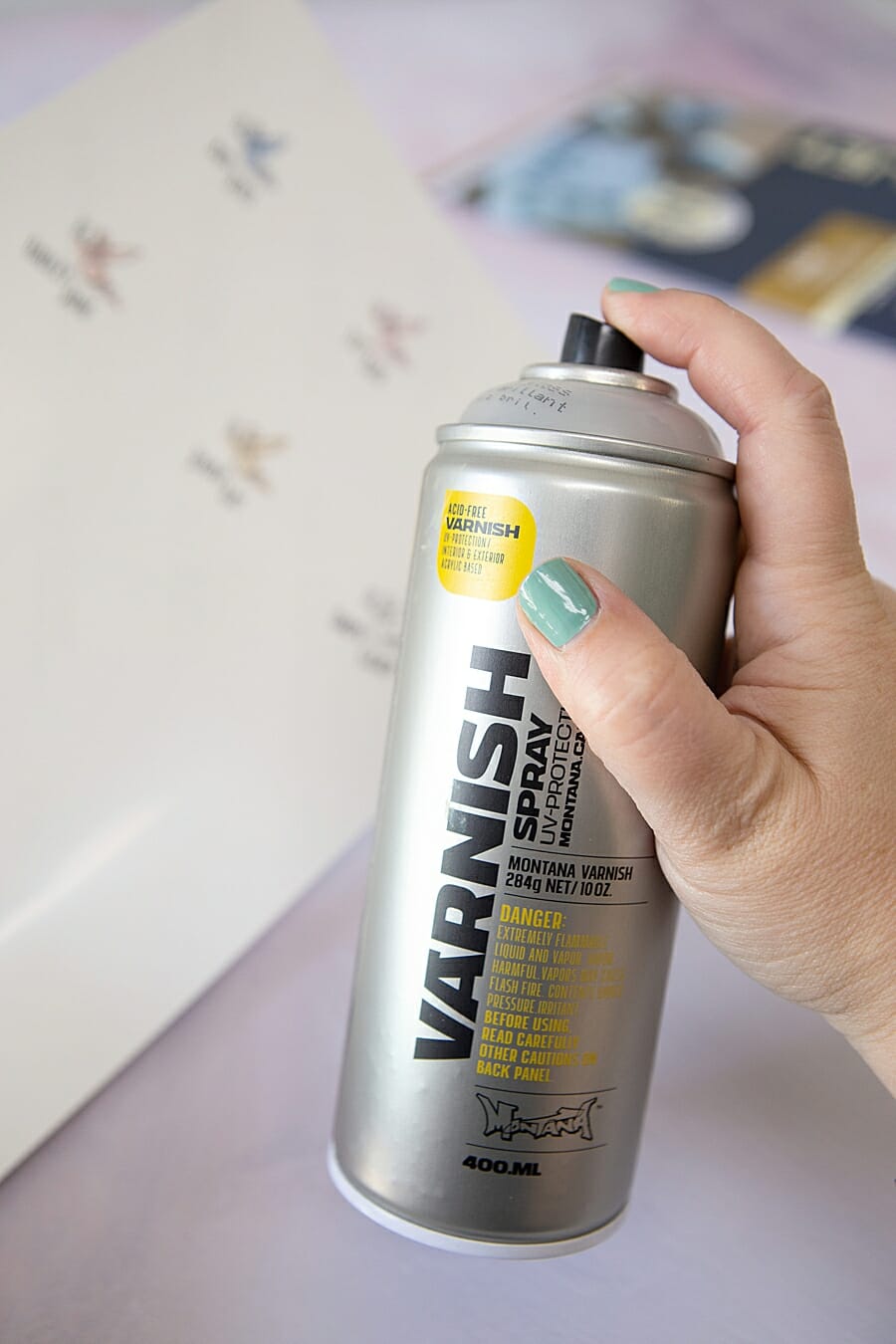
- Sealants: A high-quality clear varnish, such as those produced by Montana, is required to waterproof the inkjet ink, which is otherwise prone to bleeding when exposed to water.
- Adhesives: Cyanoacrylate or specialized polyurethane glues, such as Gorilla Glue, are used for the structural bonding of the ceramic components.
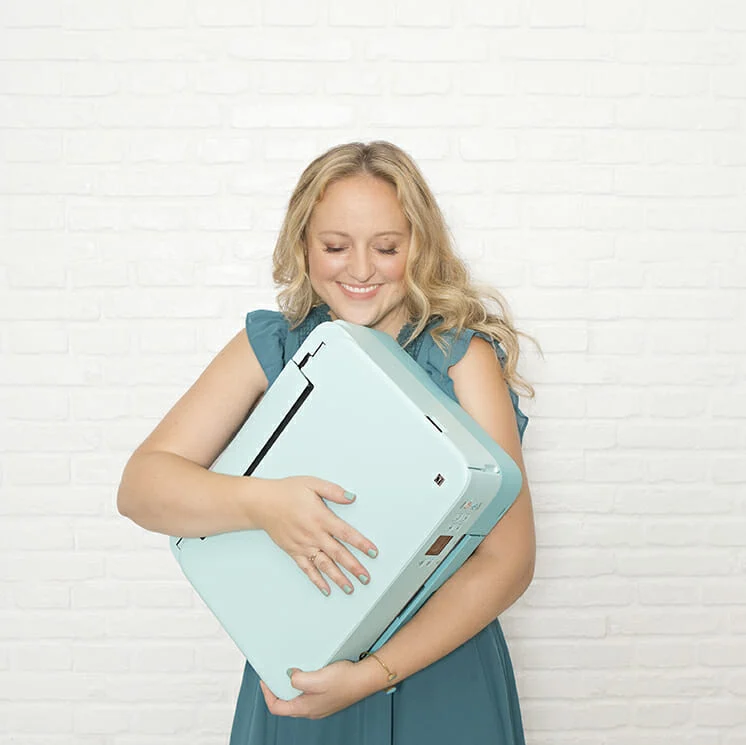
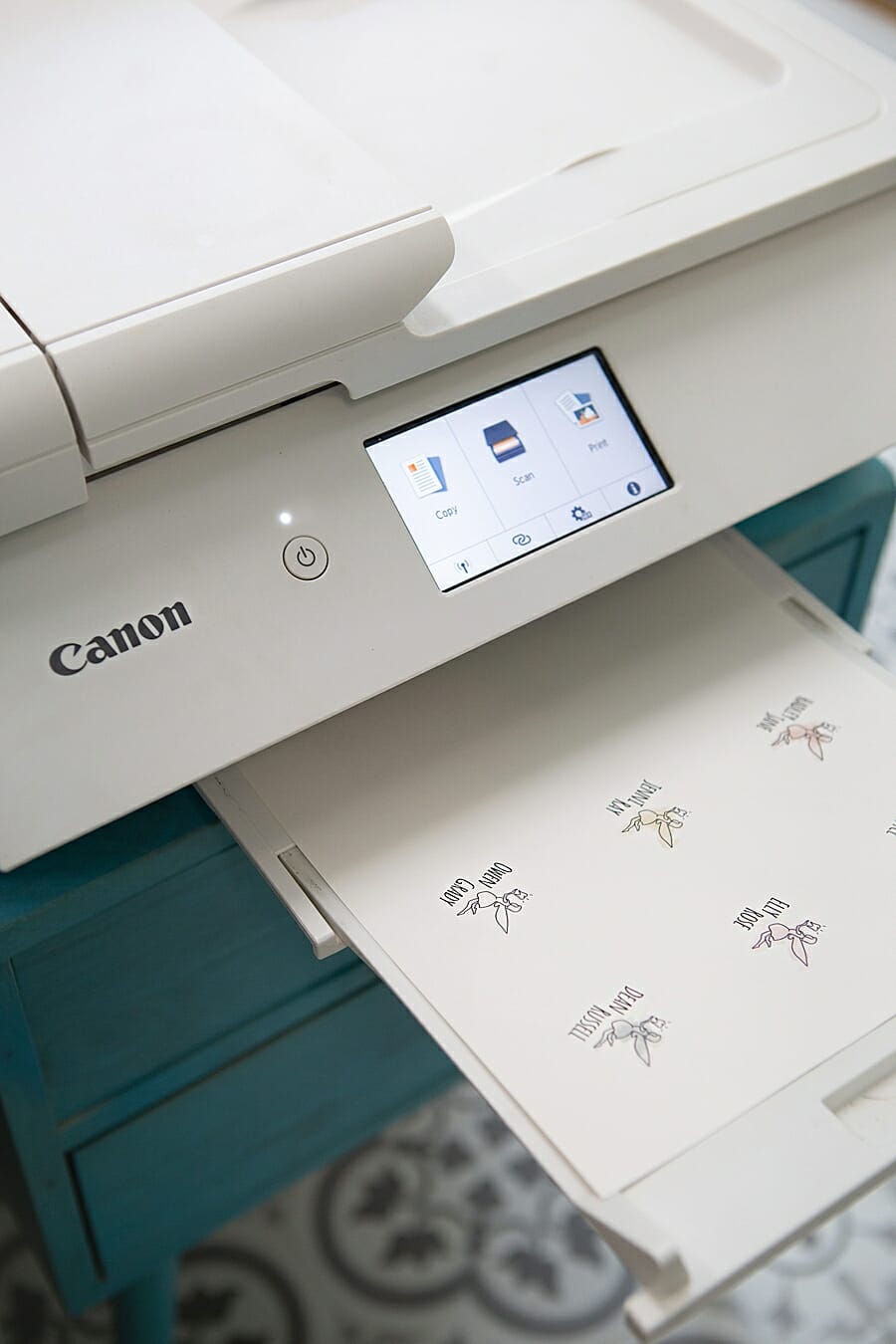
- Printing Hardware: A high-resolution inkjet printer, such as the Canon PIXMA series, is recommended to ensure the clarity of the fine-line fairy illustrations and "Amatic Bold" typography.
Chronology of the Production Process
The creation of these dishes follows a strict chronological sequence to ensure the durability and clarity of the final product. Deviating from this timeline can result in smudged designs or structural failure of the ceramic bond.
Phase 1: Digital Design and Customization
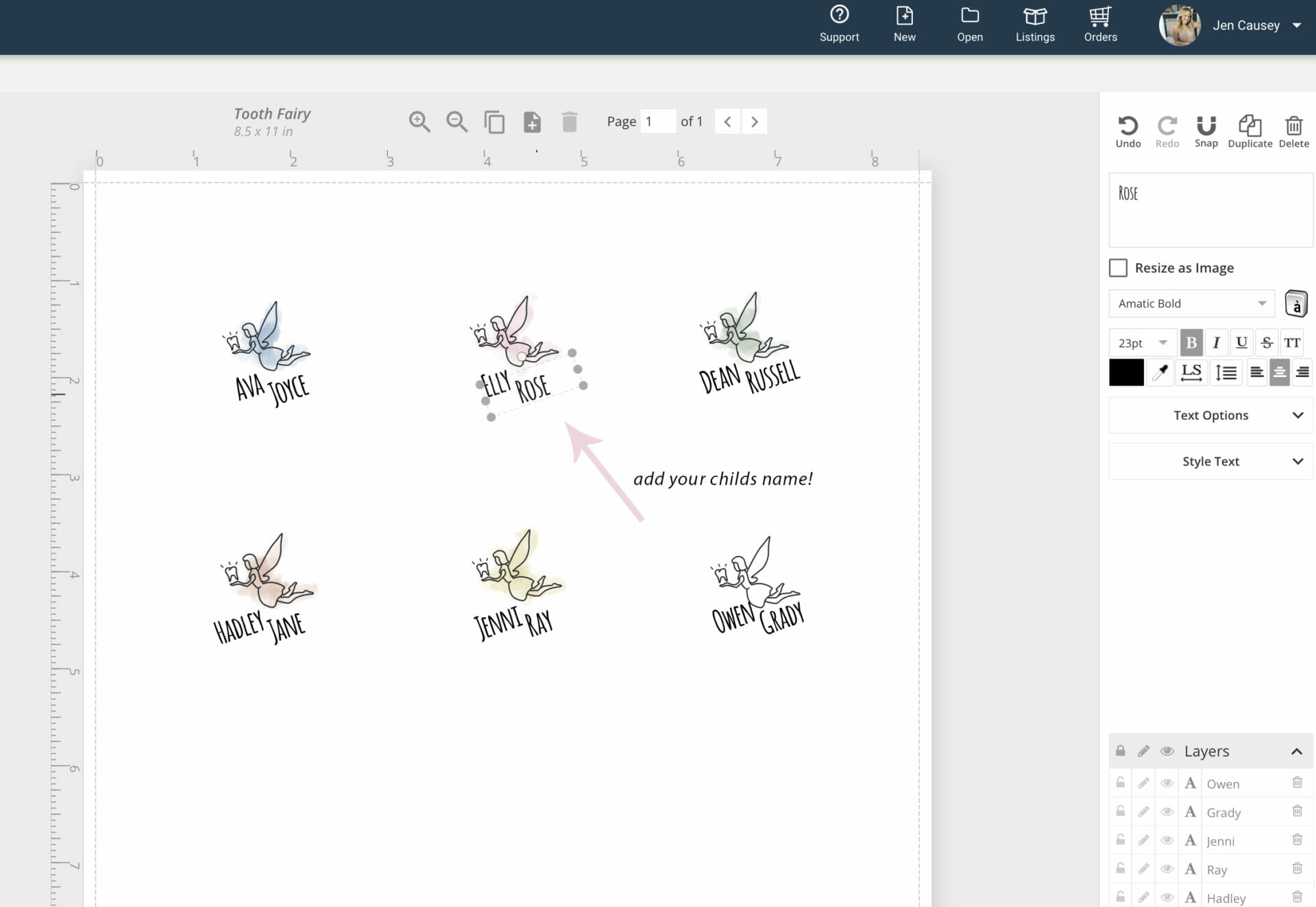
The process begins with the acquisition of a digital template. Users utilize web-based editing software to input names or select color schemes (typically green, peach, pink, blue, or yellow). This phase allows for the "personalization" that distinguishes the item from retail alternatives.
Phase 2: Printing and Initial Curing
Once the design is finalized, it is printed onto the glossy side of the waterslide paper. Industrial standards for this process suggest using the "Best Photo" setting on the printer. Following the print, a mandatory drying period of at least five minutes is required to allow the ink to set before any chemical sealants are applied.
Phase 3: Chemical Sealing
Because inkjet ink is water-soluble, the decal must be "fixed" with a clear varnish. The standard procedure involves applying three light coats of spray varnish, with one-minute intervals between applications. This creates a waterproof barrier. Experts recommend a final sun-curing period of approximately 10 minutes to ensure the varnish is completely inert before water immersion.
Phase 4: Decal Application
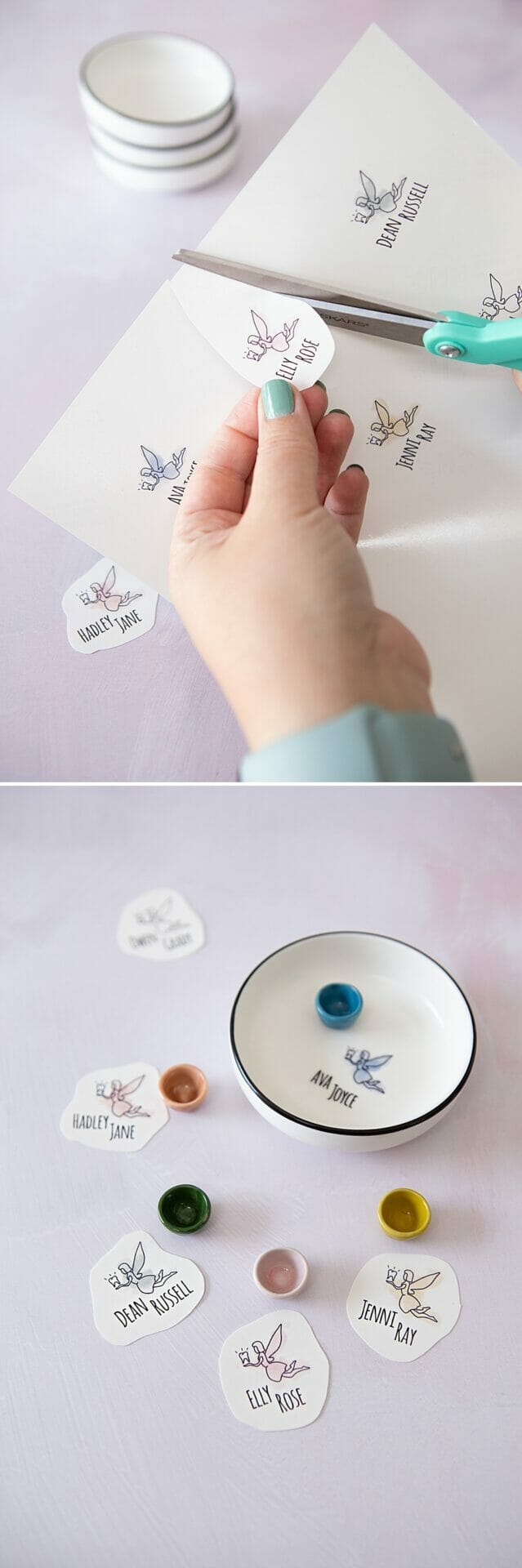
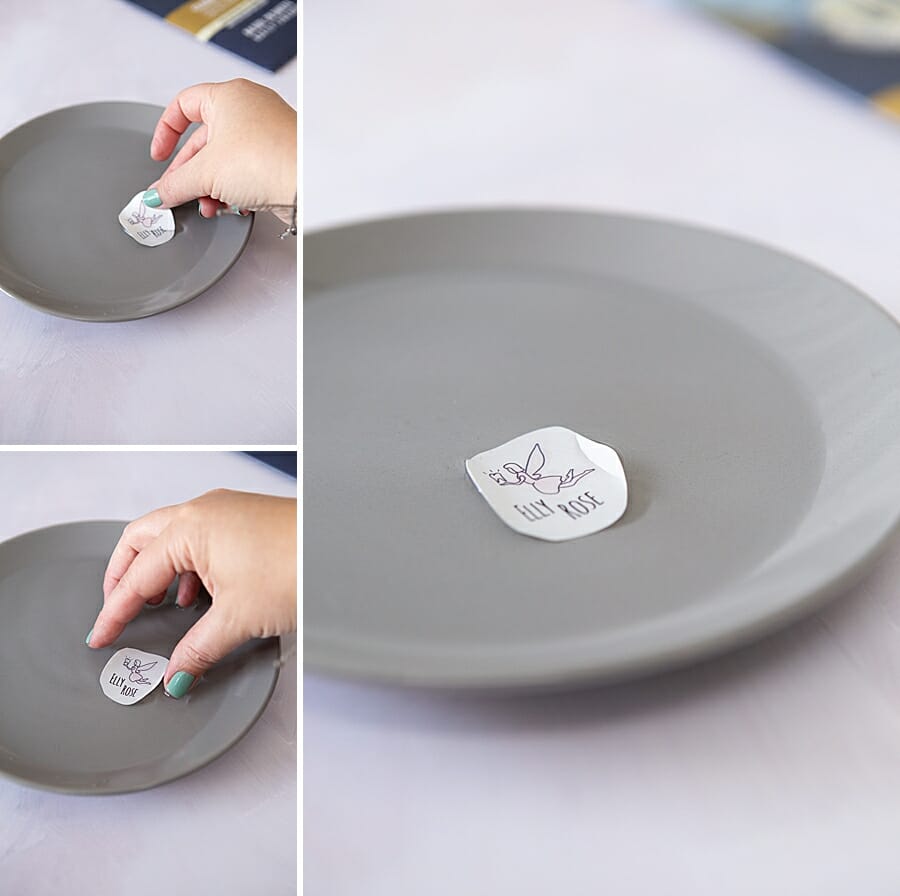
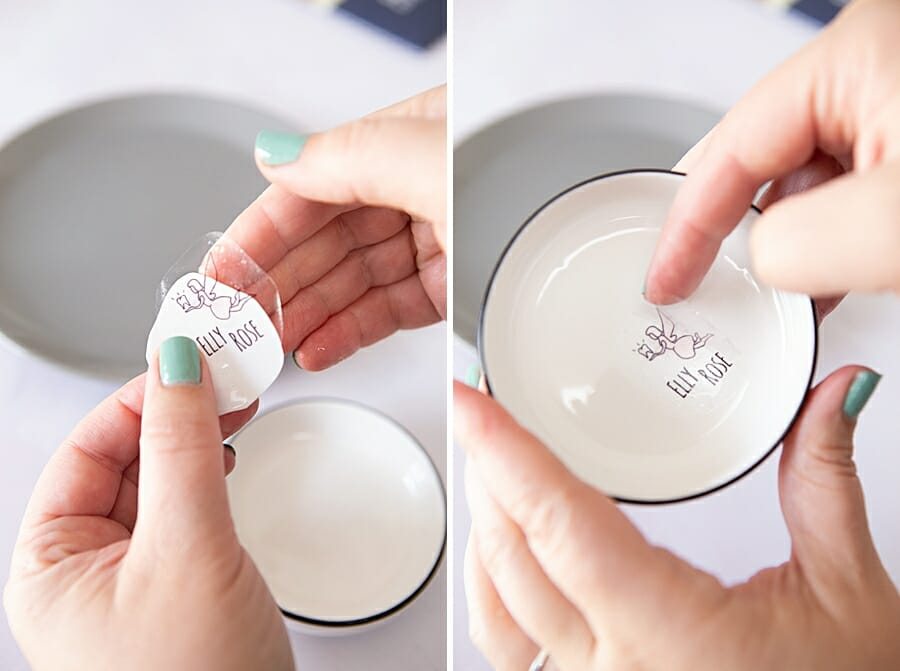
The sealed design is trimmed to within 1/8" of the print. It is then submerged in room-temperature water for approximately 30 seconds. During this time, the water dissolves the starch-based adhesive on the backing paper. The decal is then gently slid onto the ceramic surface. This "sliding" technique allows the user to remove air bubbles and wrinkles before the adhesive sets.
Phase 5: Structural Assembly and Final Curing
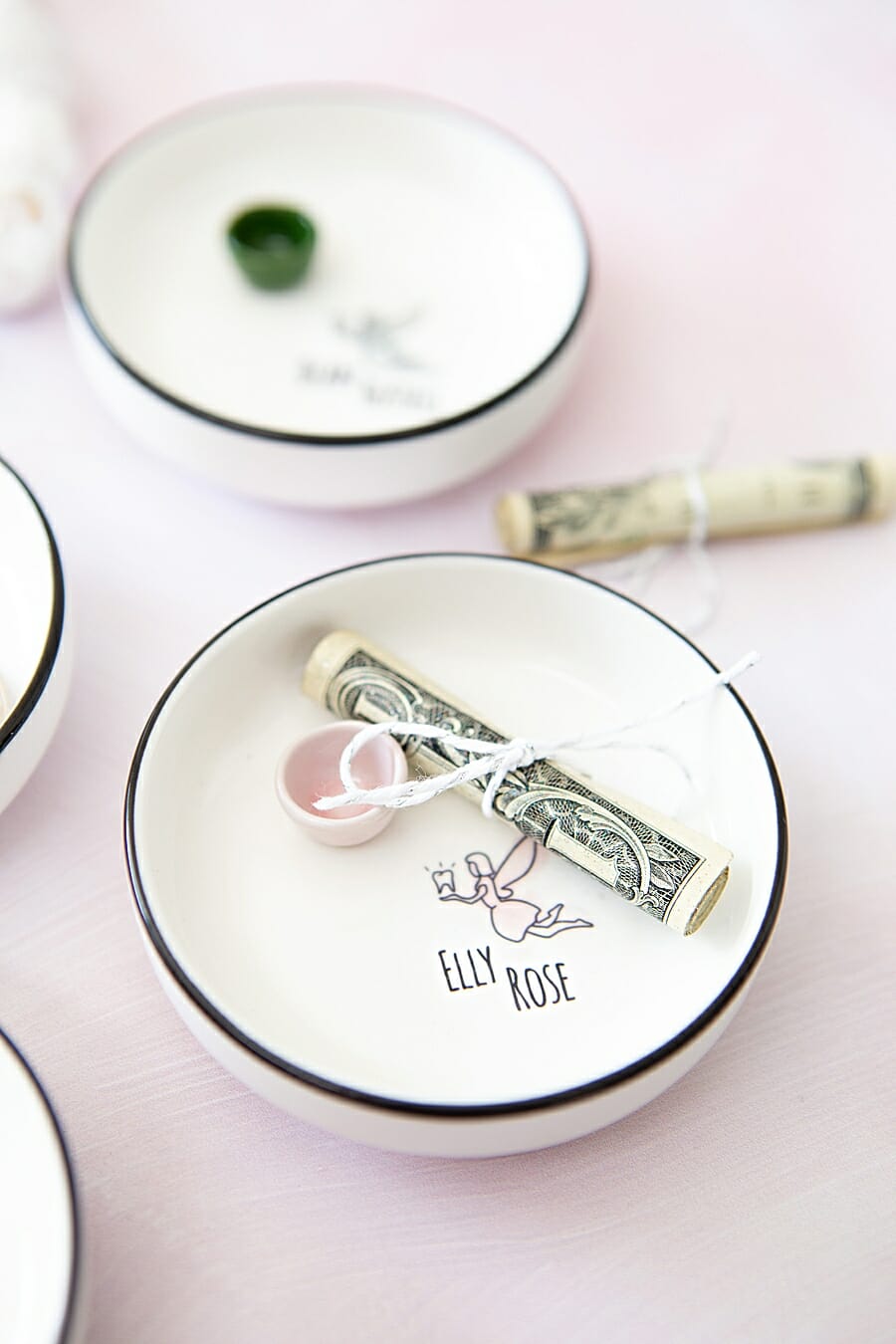
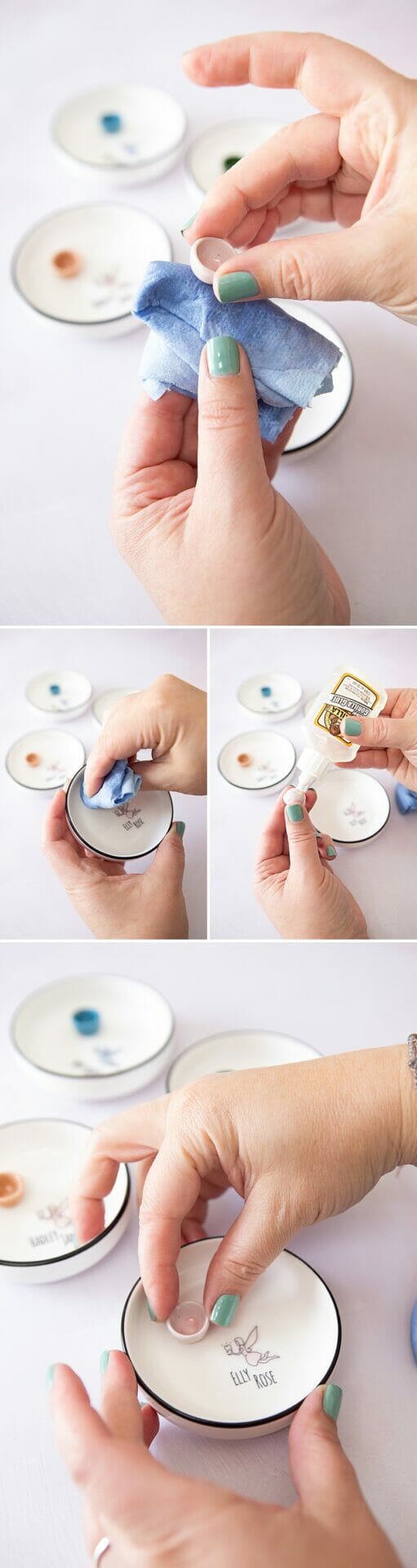
The final stage involves the "pedestal" assembly. Using a moisture-activated adhesive like Gorilla Glue, the smaller dollhouse bowl is attached to the center of the sauce dish. The manufacturer’s instructions for these adhesives often require dampening the surfaces to be joined. The completed assembly requires a minimum of 72 hours (three days) of curing time. This duration is critical for both the decal to achieve maximum adhesion and the glue to reach its full tensile strength.
Safety and Durability Analysis
It is a critical point of factual record that these dishes are categorized as "decorative" rather than "functional" in a culinary sense. The clear varnish used to seal the decals is generally not food-safe (FDA-approved for direct food contact). Furthermore, while the ceramic substrates are often dishwasher-safe, the waterslide decal and the adhesive bond between the two dishes are likely to degrade under the high heat and abrasive detergents of a commercial or home dishwasher.
However, within the context of their intended use—holding a small tooth and a monetary reward—the dishes are considered highly durable. Some crafters suggest "oven curing" the decals to increase their lifespan on ceramics, though this is often deemed unnecessary for items that will not undergo regular washing.
Economic and Market Context: The "Tooth Fairy" Economy
The rise of DIY projects like the personalized dish coincides with a measurable increase in the economic value of the tooth fairy tradition. According to the 2023 Delta Dental Tooth Fairy Poll, the average value of a single lost tooth in the United States reached a record high of $6.23, a significant increase from previous years.
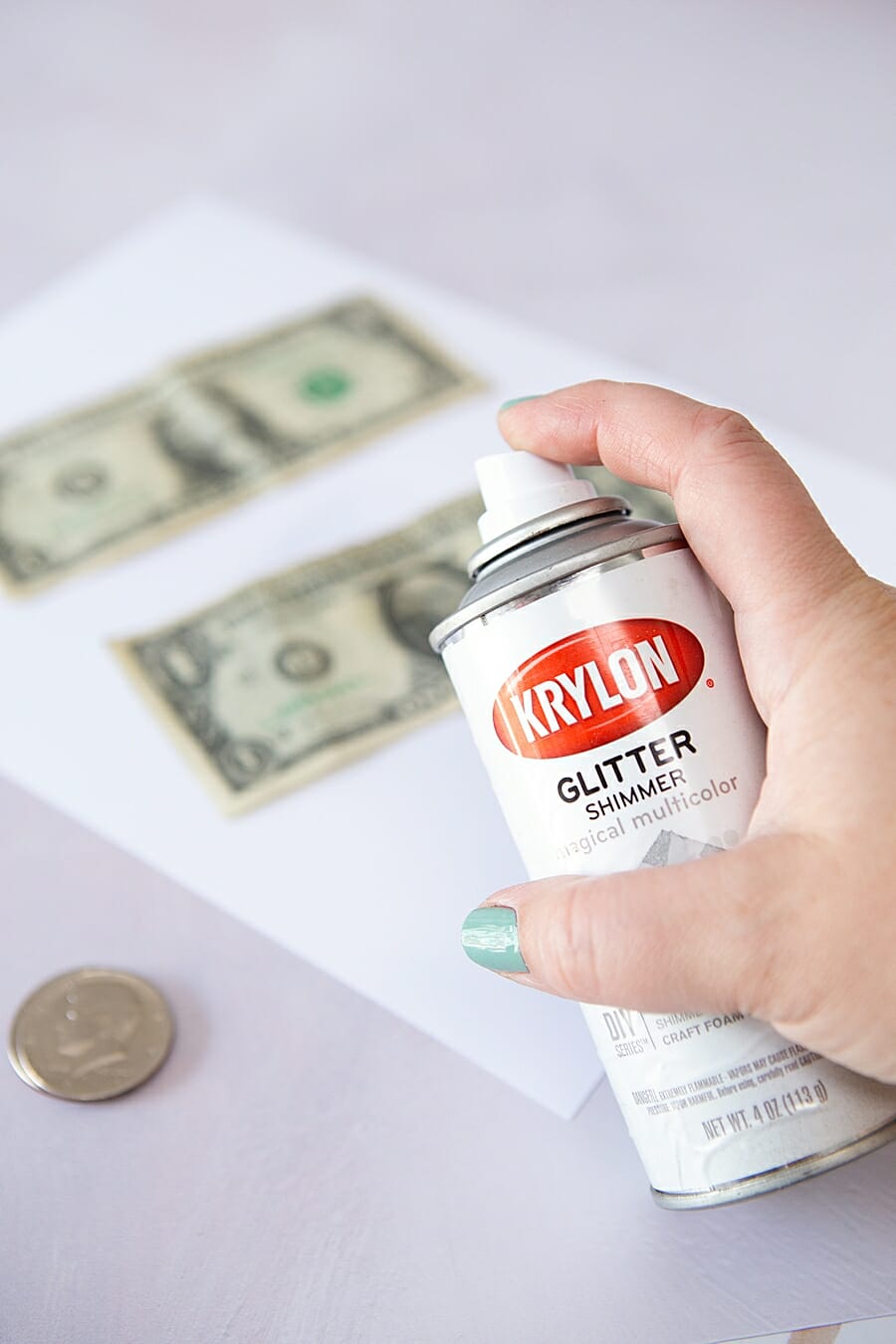
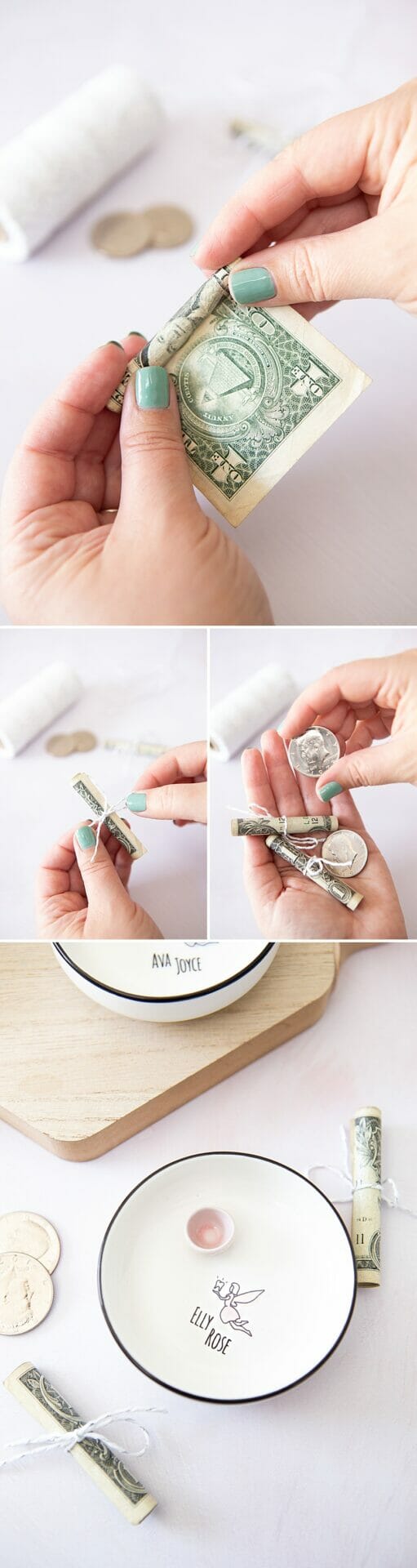
As the monetary stakes of the tradition rise, so too does the consumer interest in the "experience" of the ritual. The market for tooth-fairy-related products has expanded from simple pillows to include "official" certificates, specialized glitter-sprayed currency, and high-end ceramic keepsakes. This DIY approach allows parents to participate in this premium market at a fraction of the cost of high-end boutique retailers, while also adding the sentimental value of a handmade object.
Broader Implications for the Crafting Industry
The methodology used in creating these dishes highlights the democratization of manufacturing technology. Ten years ago, creating a permanent, high-resolution graphic on a ceramic surface would have required a kiln and specialized glazes. Today, the availability of waterslide paper and home-editing software like Corjl allows the average consumer to replicate industrial-quality results.
This project also underscores the importance of social media in the dissemination of crafting techniques. Platforms like Instagram and TikTok serve as the primary "how-to" manuals for the modern era. The use of "reels" to demonstrate the physical manipulation of the decal (such as the "gentle peel" technique) provides a visual guide that static instructions cannot match.
Conclusion and Future Outlook
The personalized tooth fairy dish represents a synthesis of traditional folklore and modern technology. By moving the ritual from the pillow to the bedside table, and from mass-produced fabric to personalized ceramic, the project reflects current trends in home decor and parenting. While the process involves several technical steps—including chemical sealing and multi-day curing—the result is a specialized artifact that meets the aesthetic and functional demands of contemporary families.
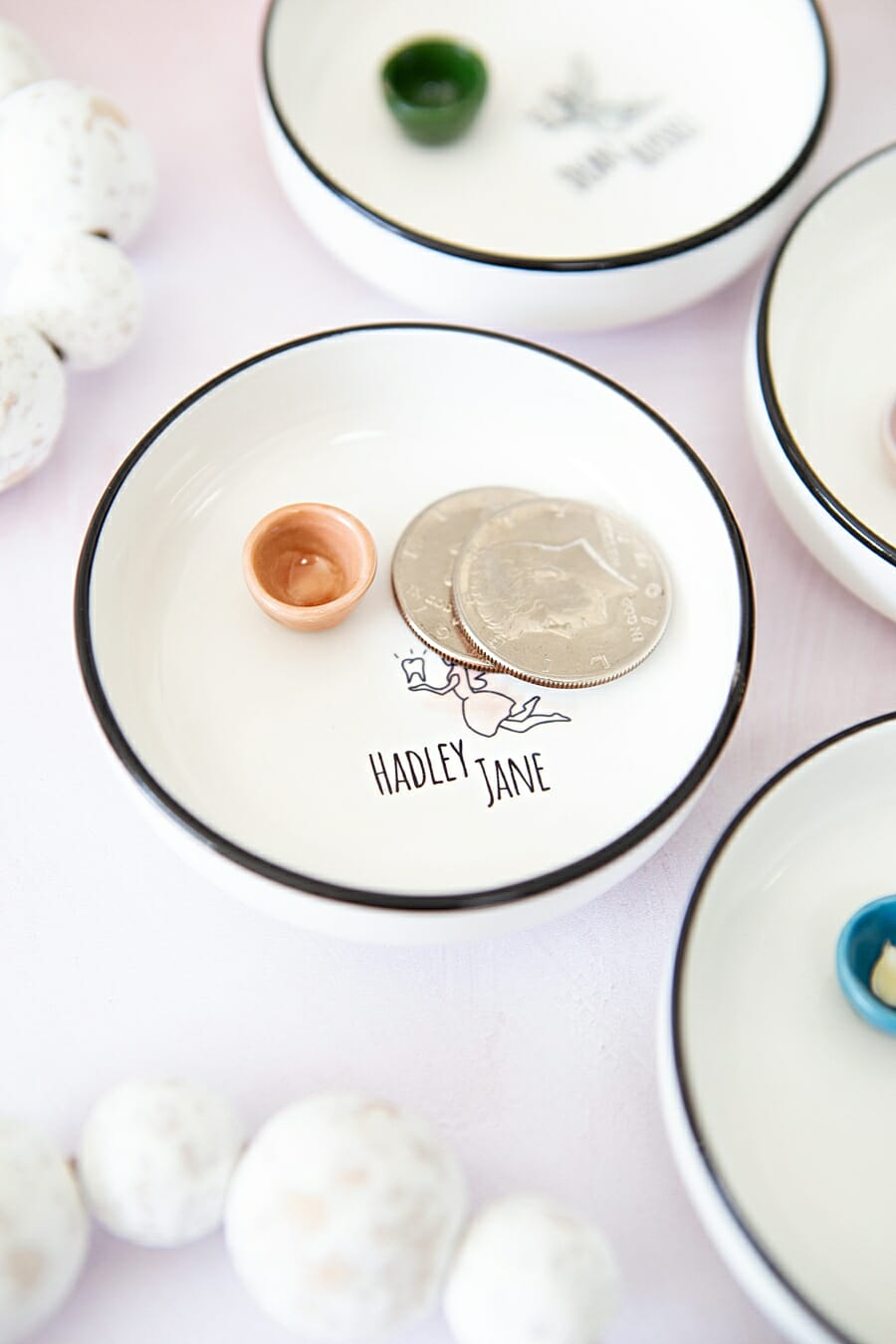
As DIY technology continues to advance, it is likely that we will see further innovations in "tradition-based crafting," where the focus remains on creating tangible, personalized links between parents and children during key developmental milestones. The tooth fairy dish, with its blend of miniature aesthetics and digital customization, stands as a primary example of this ongoing cultural shift.