


As the holiday season approaches, a growing segment of consumers is pivoting away from mass-produced retail solutions in favor of bespoke, hand-crafted traditions that prioritize personalization and cost-effectiveness. This shift is particularly evident in the evolution of the advent calendar, a seasonal staple that has seen a surge in commercialization over the last decade. While major brands like Lego, Disney, and Star Wars dominate the market with pre-packaged toy calendars, many families are reporting "consumer fatigue" by the third week of December, citing the repetitive nature of the contents and the high cumulative cost for multi-child households. In response to these market gaps, DIY innovators are utilizing common household items, such as over-the-door shoe organizers, to create high-capacity, reusable advent systems that cater to large families while maintaining a strict budget.
The Shift from Commercial to Custom Advent Solutions
The traditional advent calendar market has undergone a significant transformation. Once a simple tool for religious observance or a delivery mechanism for small chocolates, it has morphed into a multi-billion dollar industry featuring high-end toys, jewelry, and beauty products. For a family with four children, purchasing individual "toy" advent calendars—which typically retail for approximately $40 each—results in a seasonal expenditure of $160 before the actual holiday even begins.
Beyond the financial investment, there is a documented decline in engagement. Industry analysts note that "surprise fatigue" often sets in when the daily items follow a rigid, predictable theme. A child receiving a twenty-fourth plastic dinosaur or a twenty-fourth piece of plastic jewelry may lose interest well before Christmas Eve. By contrast, the DIY approach allows for a "curated experience," where each day offers a unique, non-thematic item tailored to the specific interests of each family member. This move toward intentional gifting reflects a broader trend in "slow living" and sustainable holiday practices, where the focus shifts from the quantity of plastic goods to the quality of the shared experience.
Project Chronology: From Conceptualization to Execution
The development of the "Shoe Organizer Advent Calendar" followed a structured timeline, beginning nearly two months before the start of the advent season. The project was spearheaded by Jen Causey-Kidder of the DIY platform Something Turquoise, who sought to solve the dual problems of cost and boredom.
Phase I: Procurement and Budgeting (October – Early November)
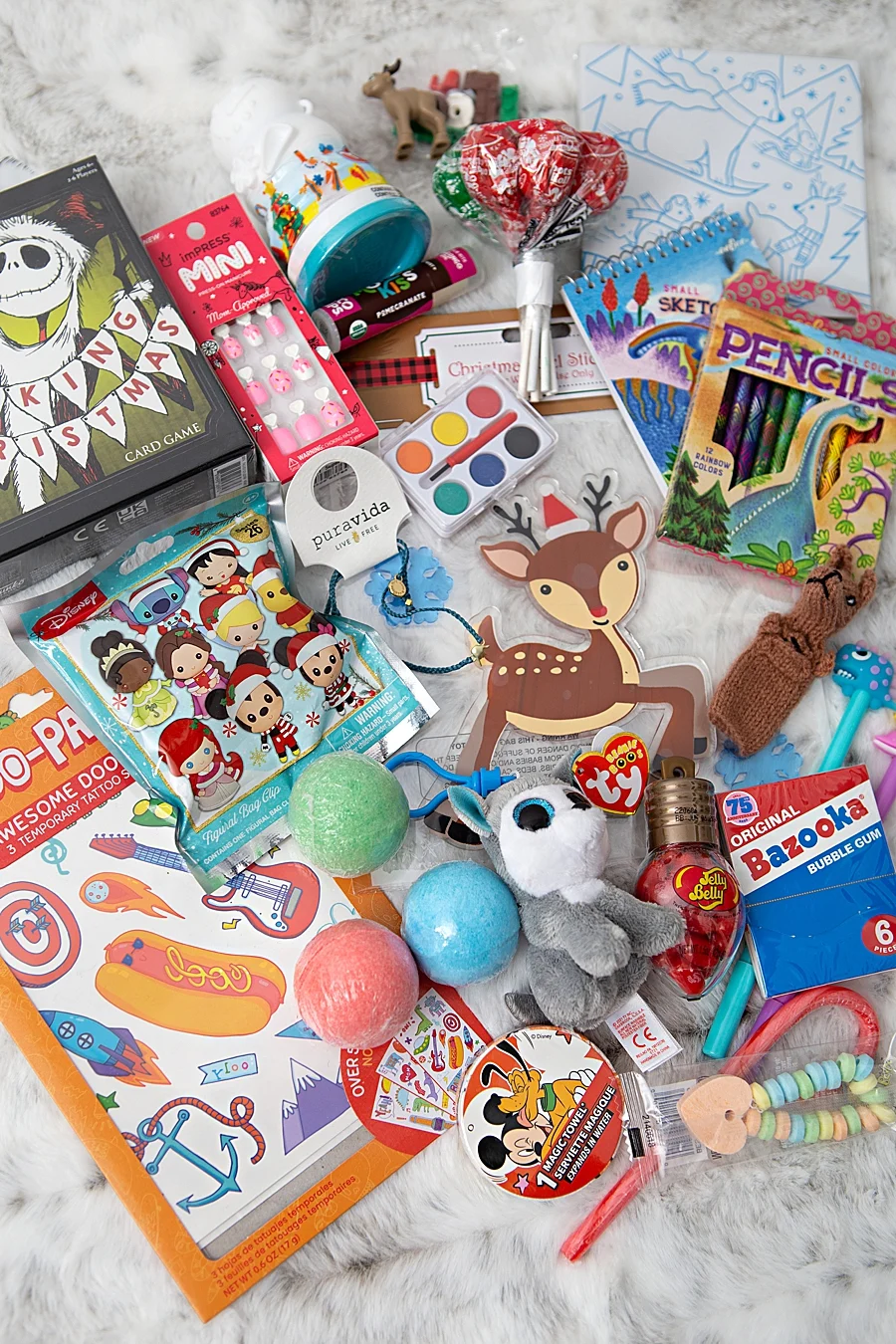
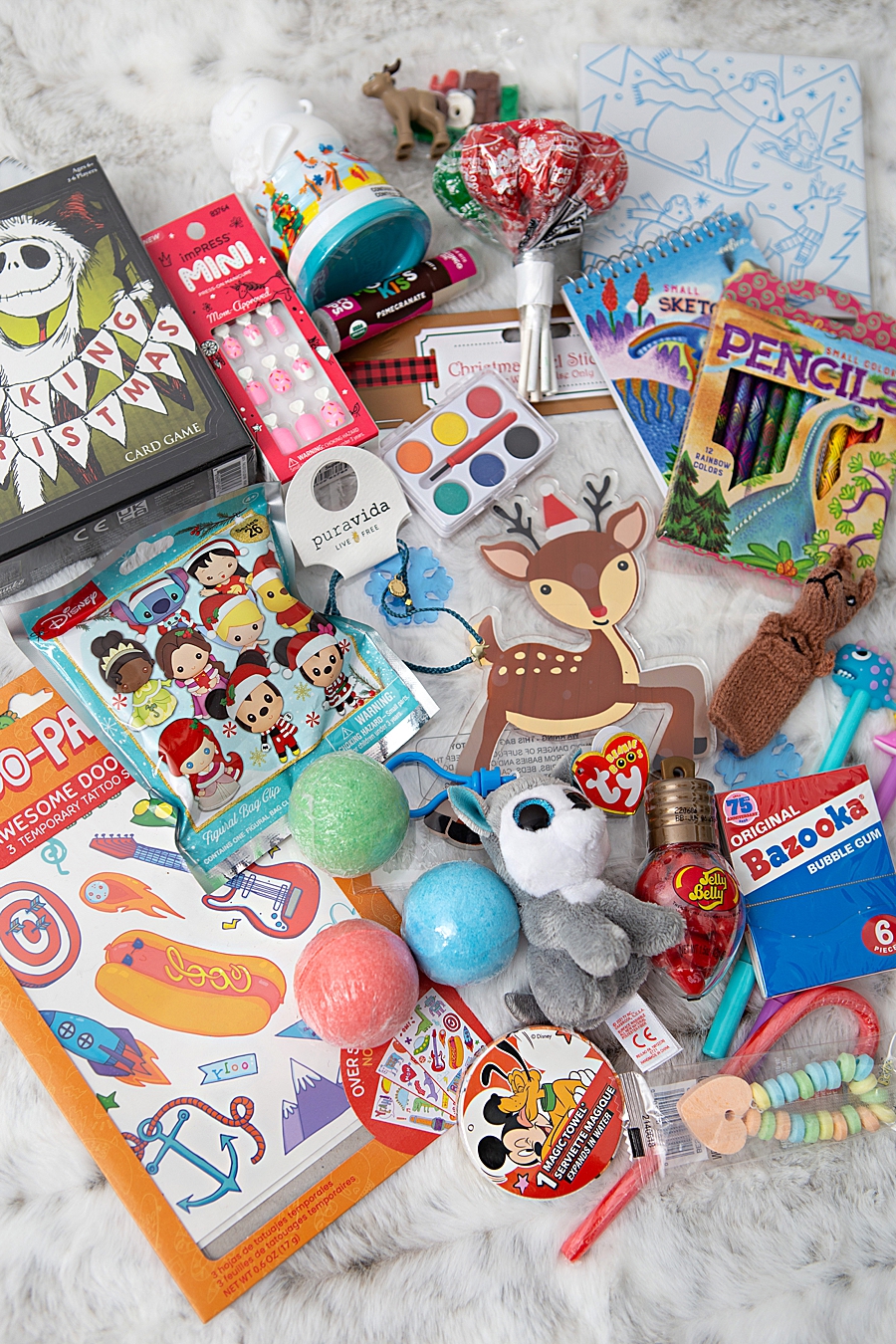
The initial phase involved a strategic audit of the required materials versus the $160 baseline budget established by the cost of four commercial calendars. The total expenditure for gifts and candies was capped at approximately $150, leaving a $10 margin for incidental hardware. To maximize the value of this budget, the creator engaged in a two-month "collecting" phase, sourcing items from a variety of retailers including Target, Sprouts, Walgreens, Dollar Tree, and specialty shops like Benzie Design. This elongated procurement window allowed for the acquisition of diverse items such as Pura Vida bracelets, bath bombs, mini-watercolor sets, and even family games, ensuring that no two days were identical.
Phase II: Structural Engineering (Mid-November)
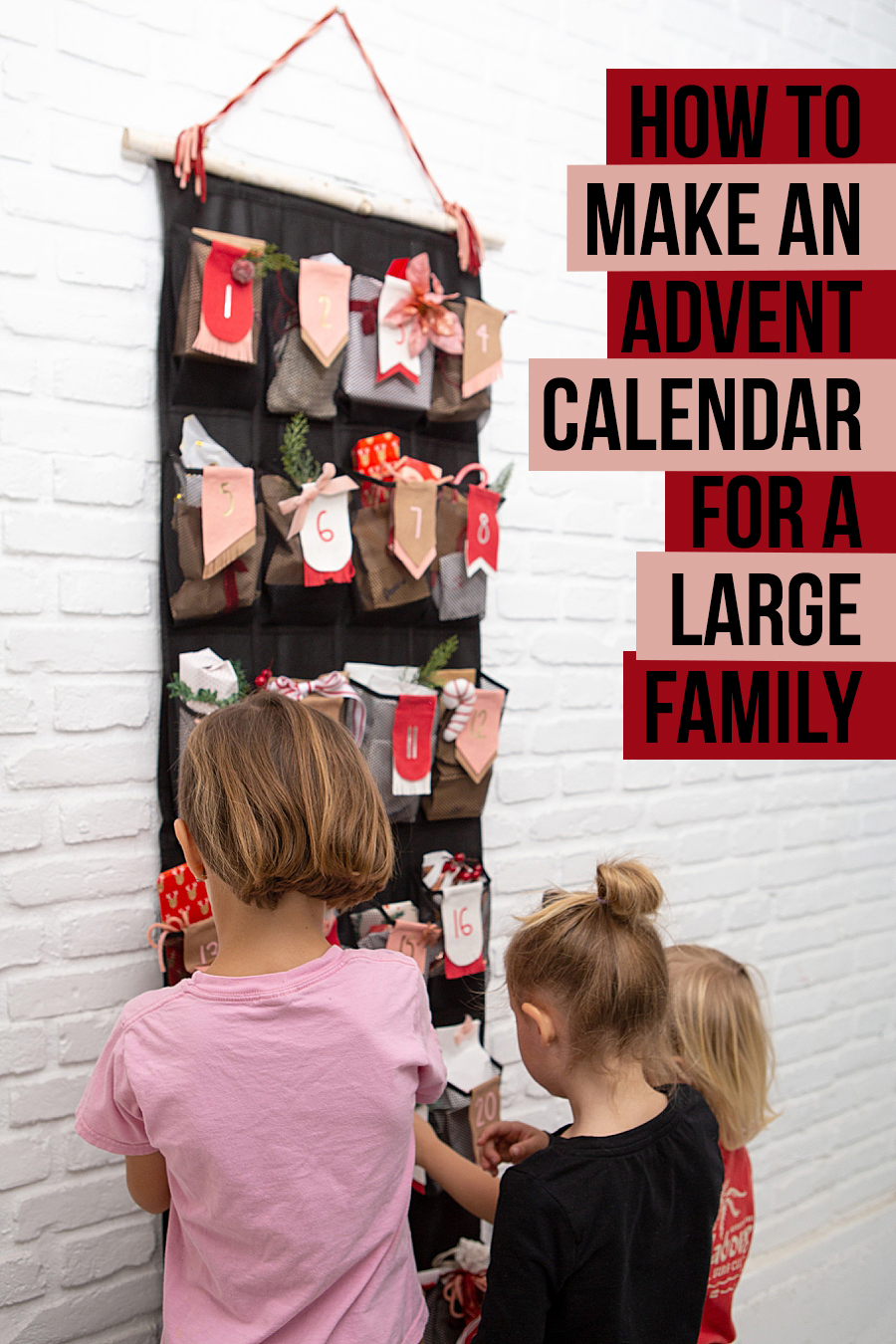
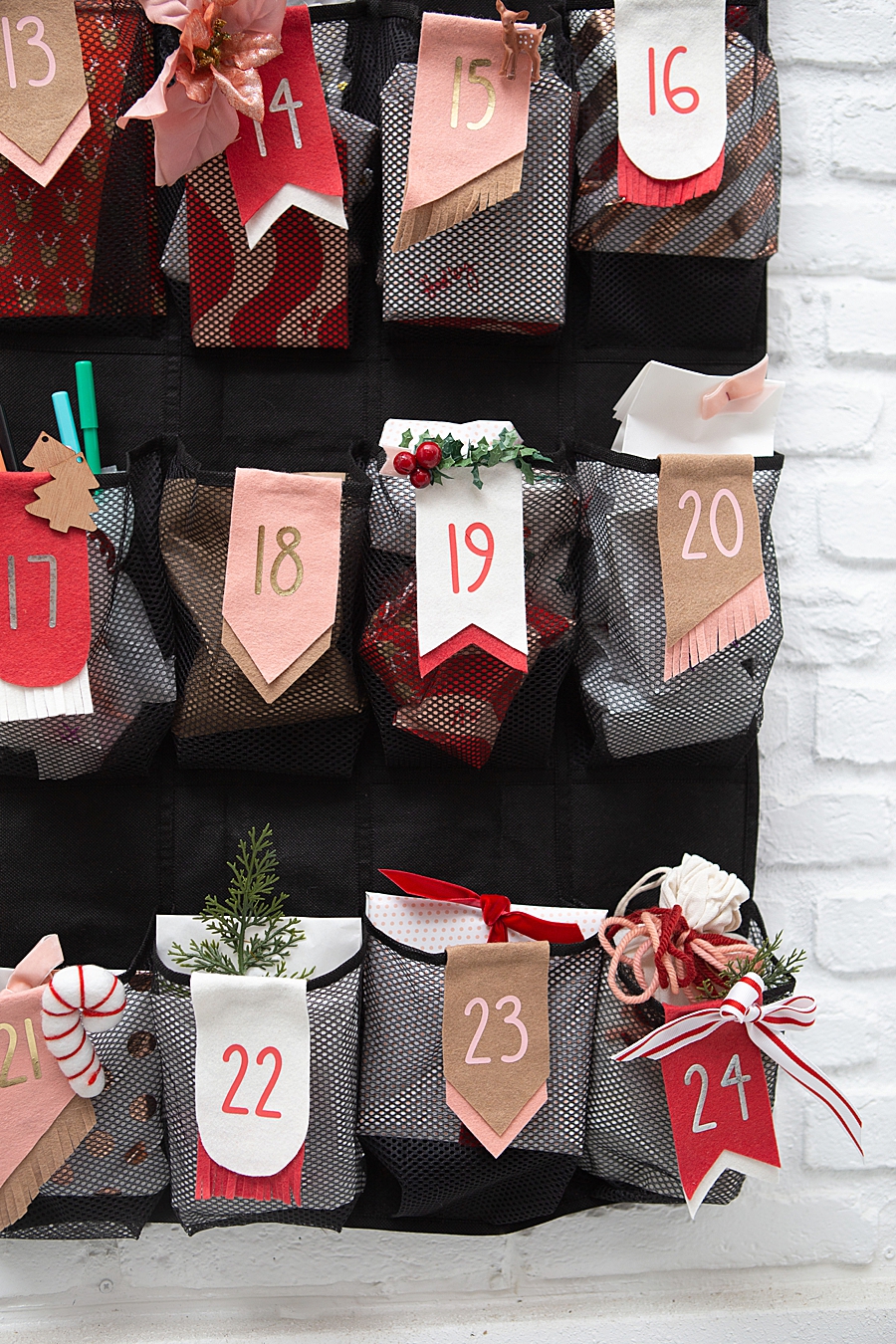
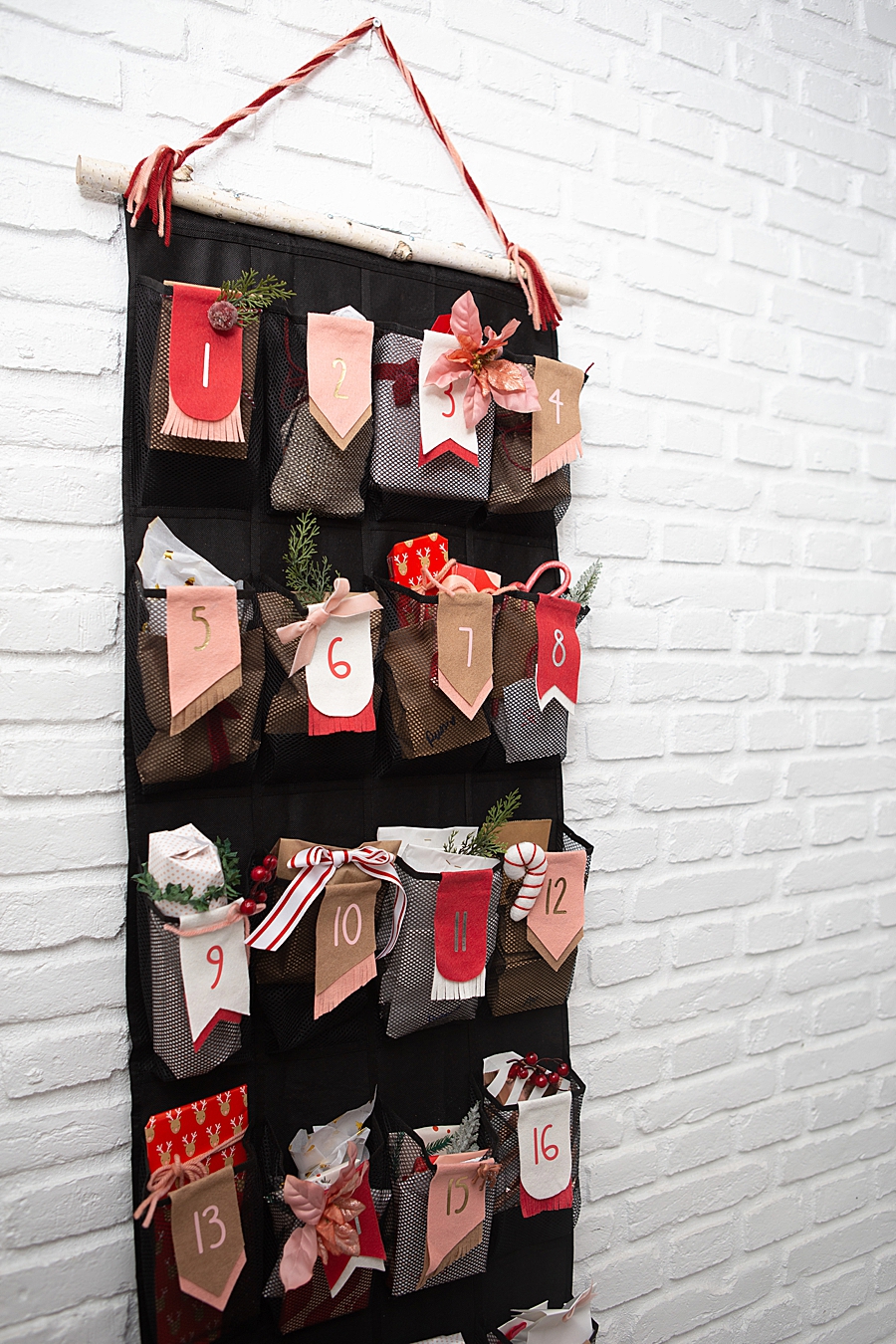
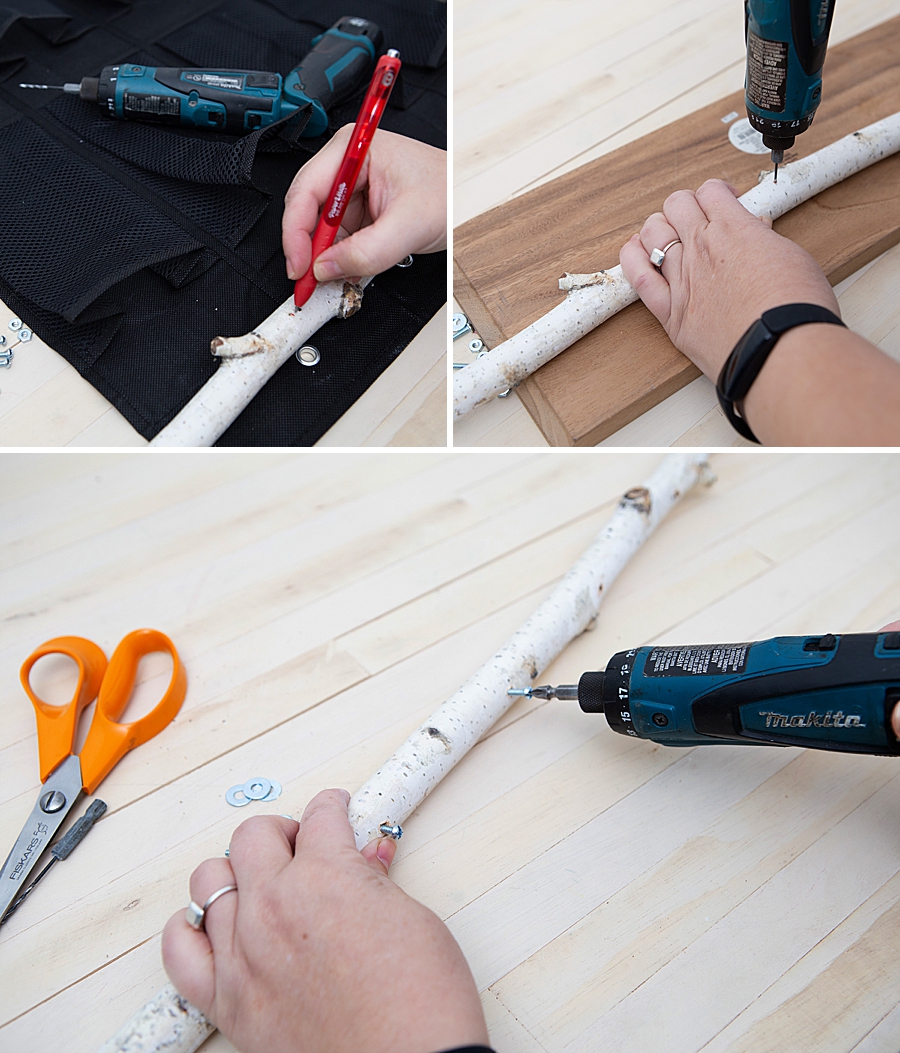
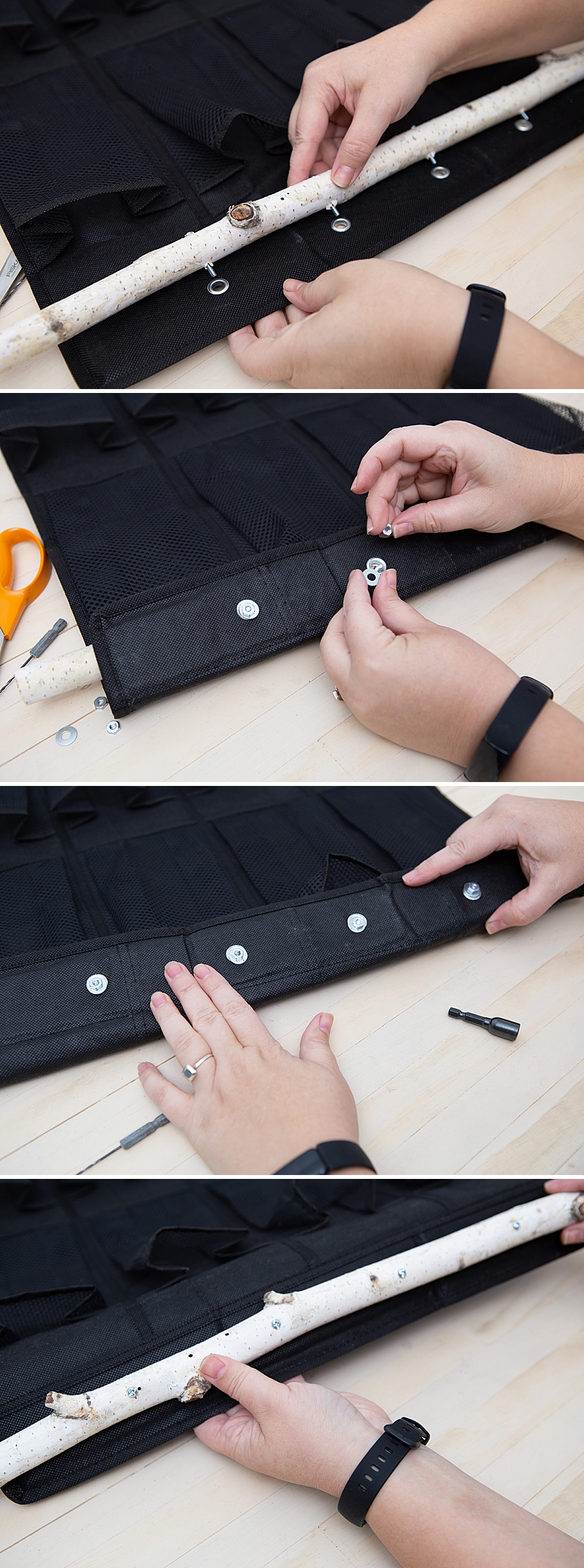
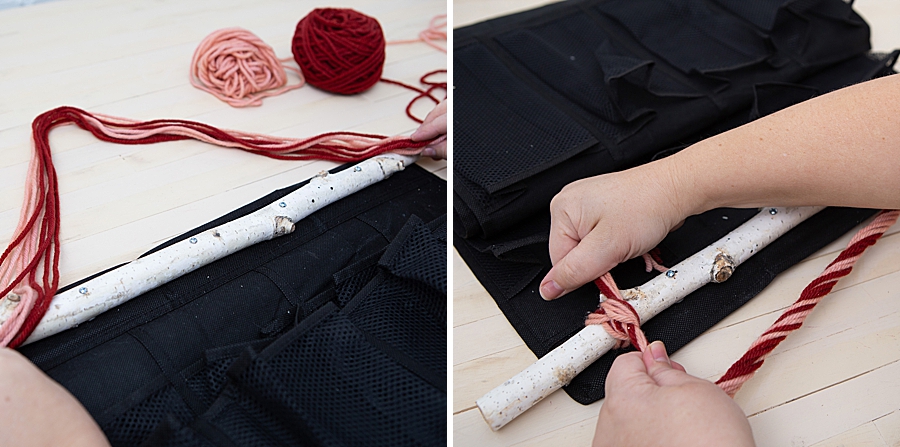
A critical challenge for large-family calendars is the physical weight of 24 days’ worth of gifts for multiple people. To address this, the project utilized a black "over-the-door" shoe rack as the primary chassis. Rather than relying on the standard door hooks, which can be flimsy under heavy loads, the creator implemented a structural reinforcement strategy. A decorative white branch was selected to serve as the mounting bar. This branch was drilled through and secured to the shoe holder using 1.25-inch bolts, washers, and nuts. This engineering choice ensured that the calendar could remain wall-mounted and sturdy throughout the month, even when fully loaded with heavier items like play dough and notebooks.
Phase III: Aesthetic Customization (Late November)
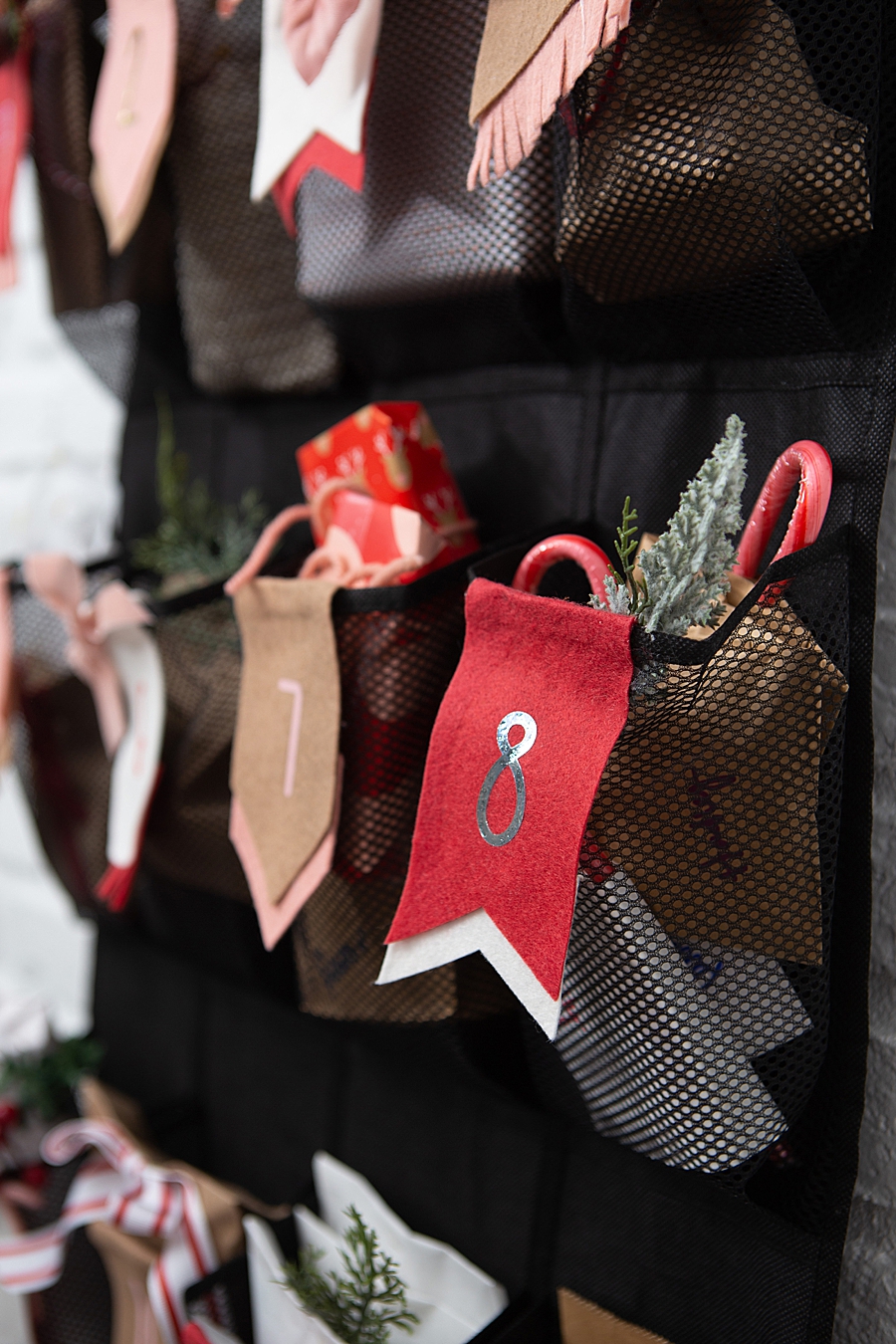
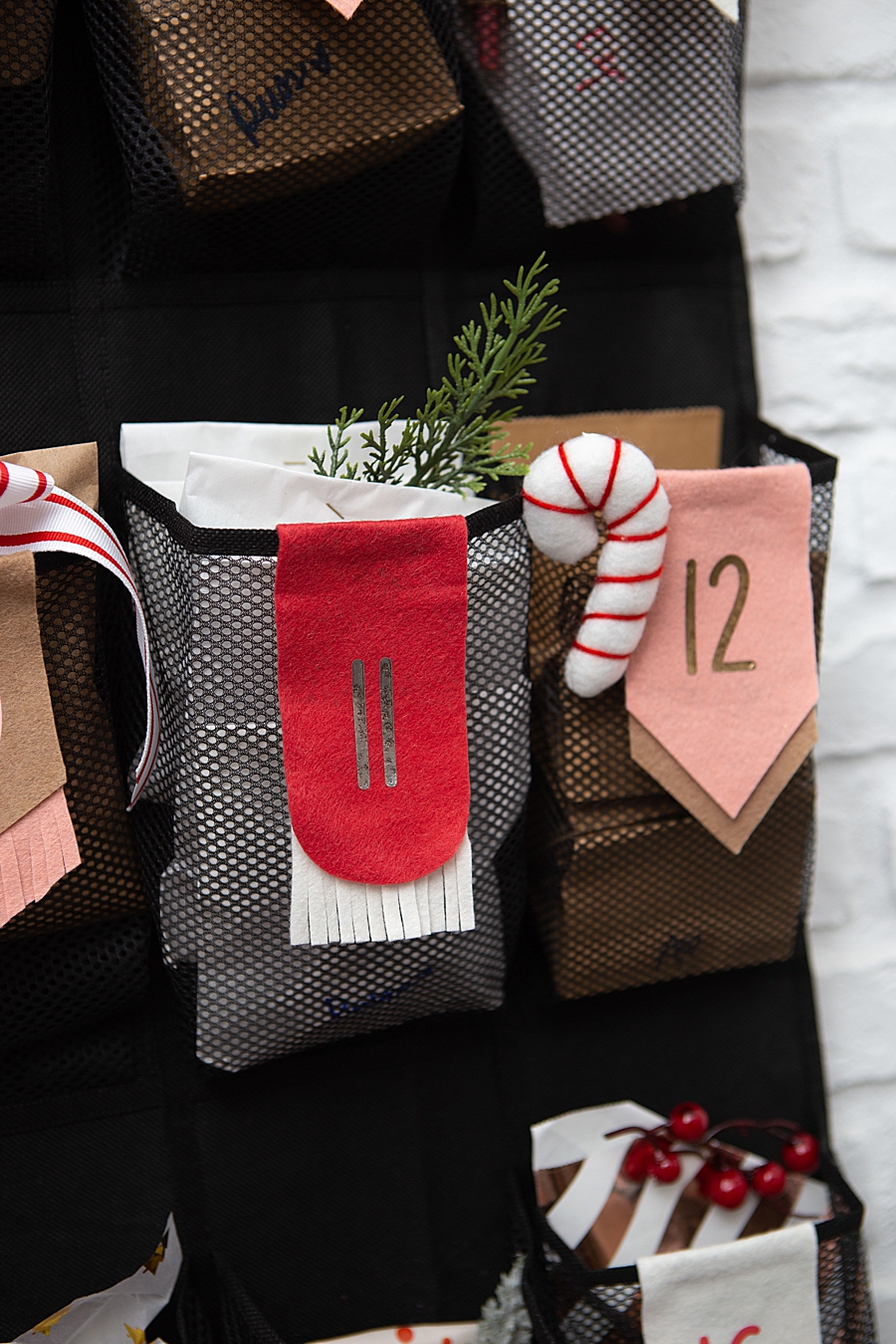
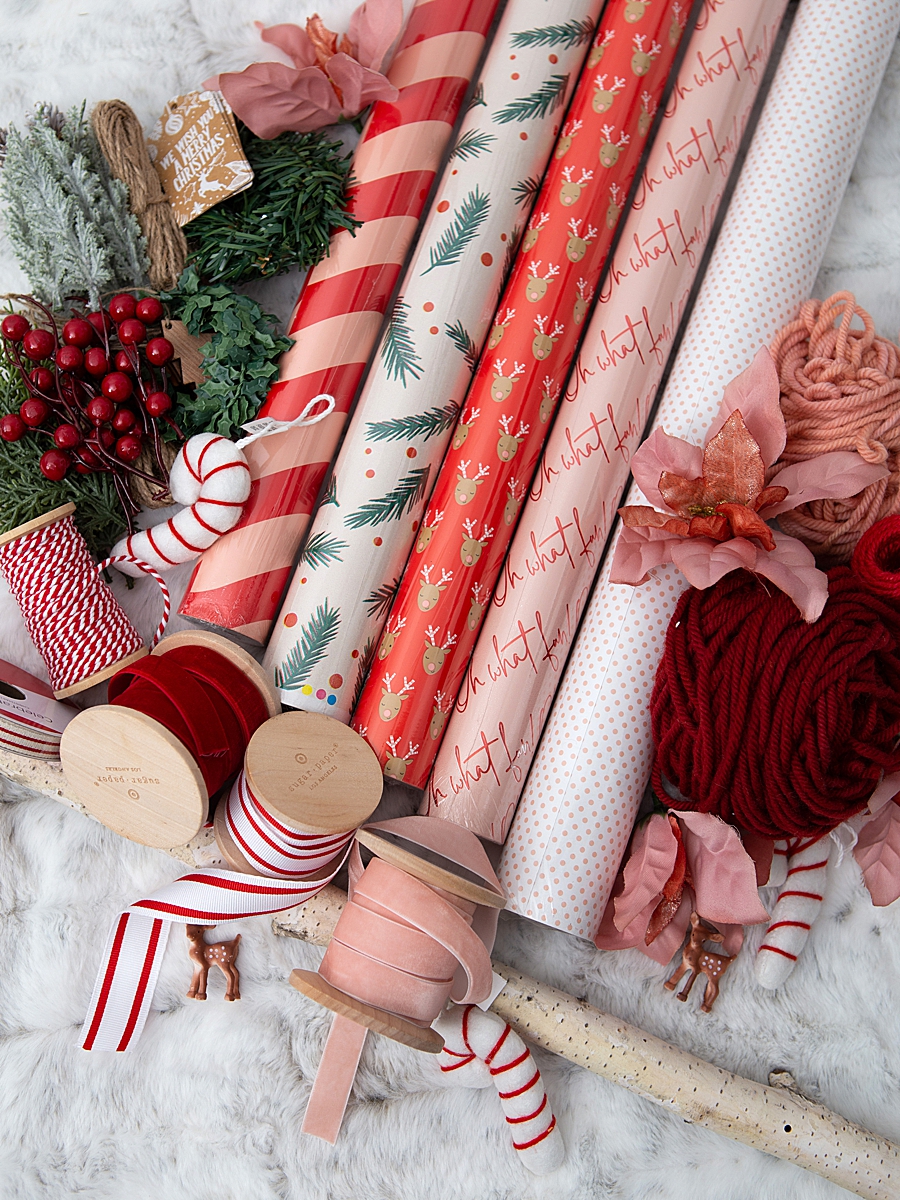
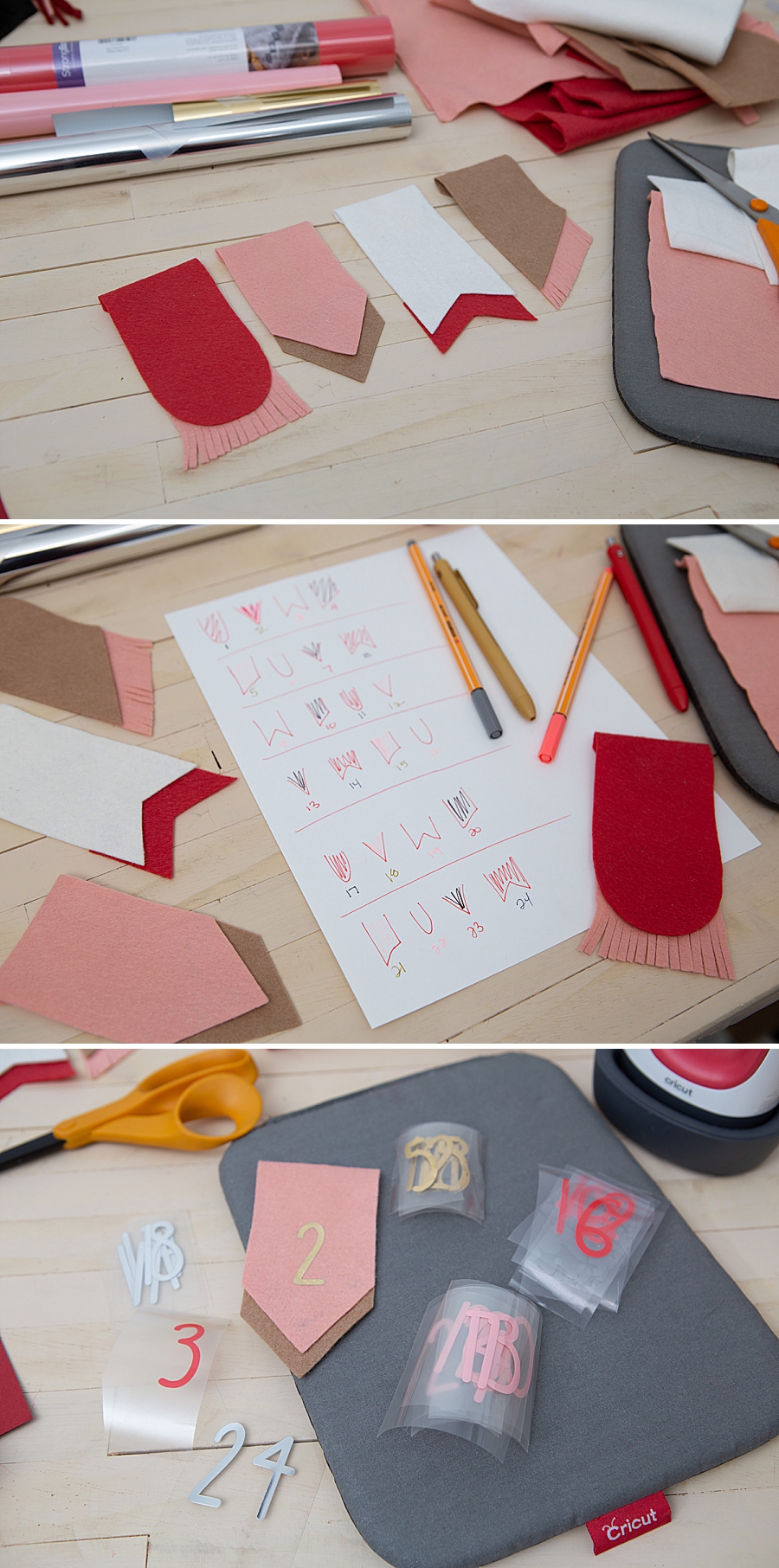
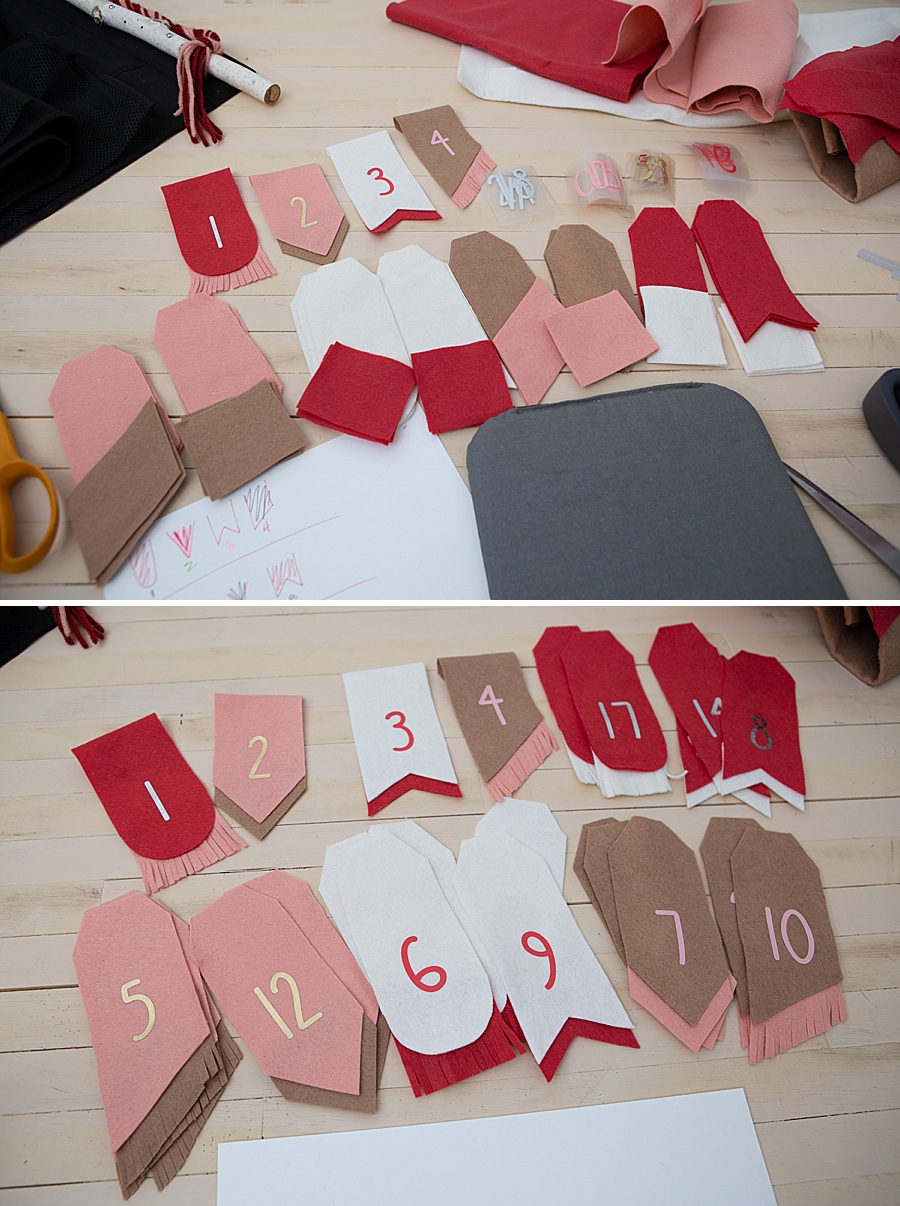
The final construction phase involved the creation of 24 individual felt tags. Utilizing digital crafting tools, specifically a Cricut machine and Benzie Felt, the creator designed four distinct tag styles in a palette of red, blush, white, and "castle" gray. Iron-on vinyl in gold and silver foil was used for the numbering (utilizing the "BFC Autumn Harvest" font). These tags were then adhered to the pockets of the shoe rack using hot glue, alongside various seasonal embellishments sourced from Michaels and Target.

Economic Analysis of the DIY Approach
The financial implications of the DIY advent calendar are significant when analyzed over a multi-year period. While the initial investment of $150 on gifts and approximately $20-$30 on hardware (shoe rack, bolts, and felt) matches the cost of four commercial calendars, the "reusable" nature of the DIY system creates long-term savings.
| Item Category | DIY Cost (Year 1) | Commercial Cost (Year 1) | DIY Cost (Year 2+) |
|---|---|---|---|
| Main Unit (Rack/Hardware) | $25.00 | $0.00 | $0.00 |
| Gifts/Toys | $150.00 | $160.00 | $150.00 |
| Packaging/Tags | $10.00 | $0.00 | $0.00 |
| Total Expenditure | $185.00 | $160.00 | $150.00 |
In this model, the DIY calendar becomes more cost-effective starting in the second year. Furthermore, the DIY approach allows for "zero-waste" or "low-waste" gifting. Commercial calendars often result in 24 pieces of non-recyclable plastic packaging and a cardboard box. The shoe-rack method utilizes a permanent fabric or plastic structure that can be stored and reused for decades, aligning with modern environmental sustainability goals.
Strategic "Mom Tricks" and Logistical Management
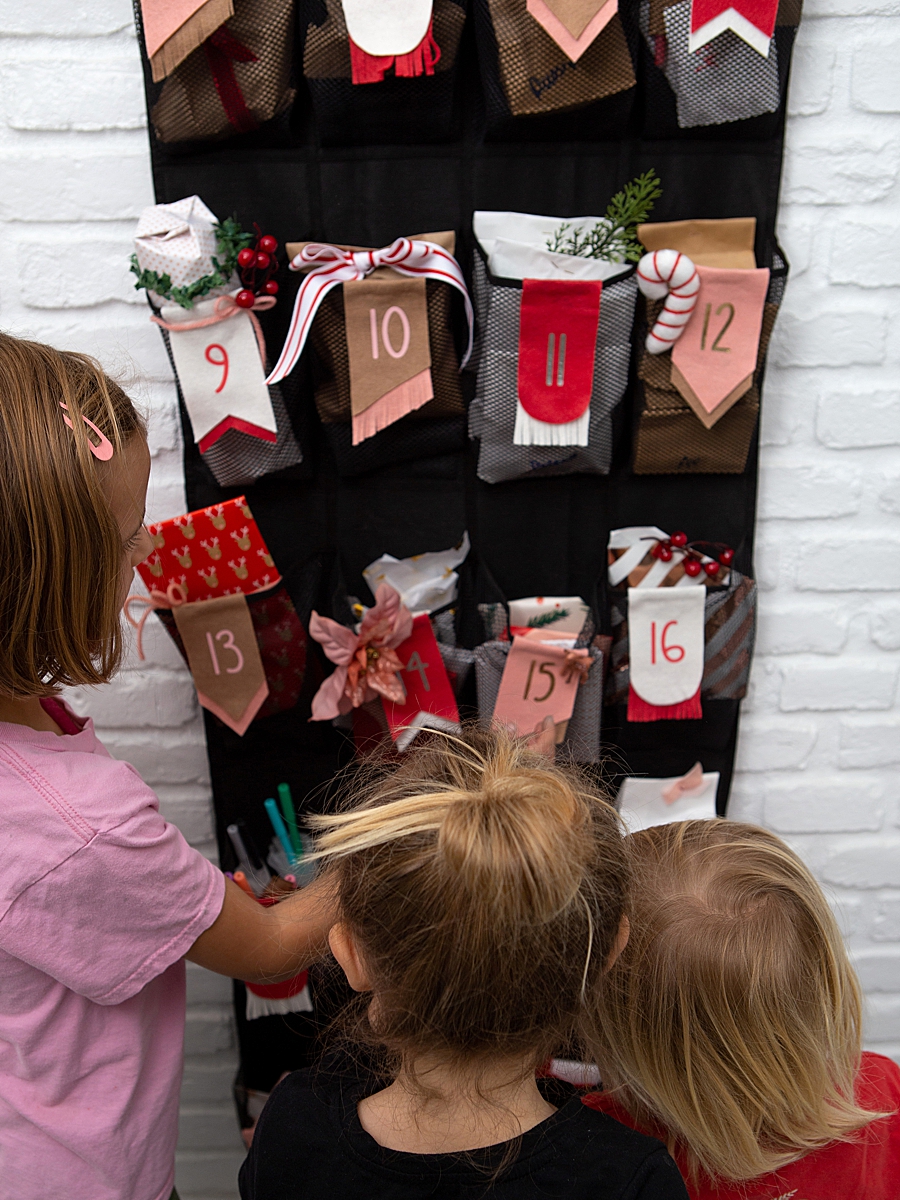
Managing a large family (specifically children aged 1, 3, 4, and 7) requires logistical foresight. One of the primary risks identified in a shoe-rack advent system is the "accessibility factor." Because the lower pockets are within reach of toddlers, there is a high probability of gifts being removed or mixed up before their designated day.
To mitigate this, the creator employed a "day-marking" strategy. Each gift was wrapped and labeled with its specific date before being placed in the pocket. This ensures that even if a child removes an item prematurely, the parent can easily return it to its correct location. Additionally, the creator utilized the "Tag Planning" method, creating a visual chart to alternate colors and styles across the 24 days, ensuring a balanced aesthetic that prevents the calendar from looking cluttered.
Broader Impact on the Crafting Industry and Social Media
The rise of projects like the Shoe Organizer Advent Calendar highlights the symbiotic relationship between DIY creators and the hobbyist economy. Companies like Cricut and Benzie Design have seen sustained growth by providing the tools necessary for consumers to "de-commercialize" their holidays. By sharing these projects on platforms like Instagram Reels (under hashtags like #somethingturquoisediy), creators build a digital repository of "open-source" holiday ideas that empower other families to attempt similar projects.
This democratization of holiday tradition suggests a shift in consumer power. Rather than being passive recipients of what retail giants decide to include in a $40 box, parents are taking on the role of "curator." This allows for the inclusion of practical items—such as chapstick, pens, and finger puppets—alongside luxury items like jewelry, creating a more balanced and valued experience for the child.
Conclusion: The Future of Seasonal Traditions
The DIY shoe-rack advent calendar is more than a simple craft project; it is a response to the homogenization of the holiday season. By repurposing a utilitarian object like a shoe organizer, families are able to reclaim the "countdown to Christmas" as a personalized, sustainable, and organized ritual.
As the "labor of love" concludes and the calendar is hung, the implications are clear: the modern consumer is increasingly willing to trade time for quality. While the construction of a custom 24-day system is time-intensive—requiring months of gift collection and hours of assembly—the result is a sturdy, reusable family heirloom that solves the logistical challenges of large-family living. In an era of mass production, the move toward "hand-made" and "thoughtfully sourced" represents a significant pivot in how families celebrate the passage of time during the winter months. The success of this project, as documented by the engagement on social media and the detailed "how-to" guides provided by creators, serves as a blueprint for others looking to balance the magic of the holidays with the realities of a budget and a busy household.