The intersection of high-end imaging technology and the growing "Maker Movement" has reached a new milestone this holiday season as Canon U.S.A., Inc. expands its footprint in the personalized stationary market. By leveraging specialized hardware like the PIXMA TS9521C Crafting Printer alongside intuitive design software, the company is facilitating a shift from mass-produced holiday correspondence toward bespoke, home-printed media. This evolution in consumer behavior is supported by the release of curated digital assets and professional-grade consumables designed to bridge the gap between amateur crafting and commercial-quality output.
Technical Foundations of Modern Home Printing
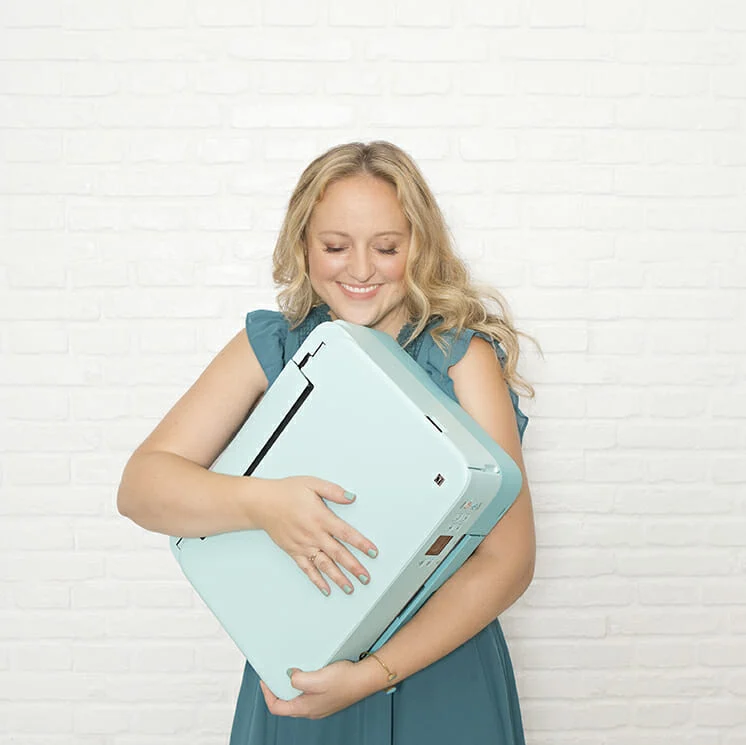
At the center of this technological shift is the Canon PIXMA TS9521C, a device specifically engineered to meet the versatile needs of the crafting community. Unlike standard office printers, the TS9521C—often marketed as the "Crafter’s Printer"—supports a wide array of media types and sizes, most notably 12×12 inch borderless printing, which is a standard requirement for scrapbooking and advanced card making.
The printer utilizes a five-color individual ink system, which includes a pigment black ink for sharp text and dye-based inks for rich, vibrant colors in photographs. This technical configuration ensures that personalized holiday cards, which often feature high-resolution family photography, maintain professional color accuracy and archival longevity. Furthermore, the integration of the ChromaLife100 system protects photos from fading, a critical factor for physical mementos intended to be preserved for years.

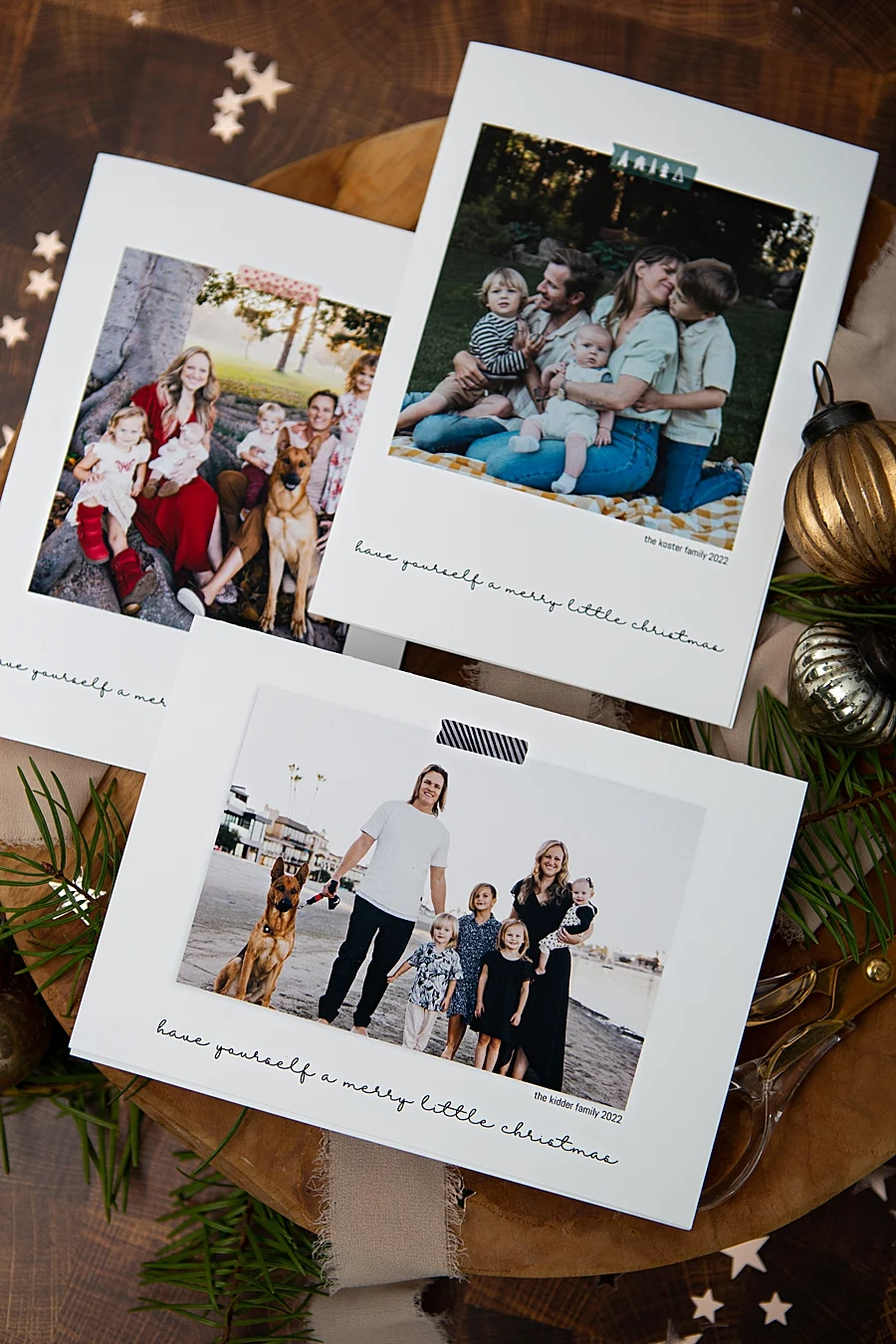
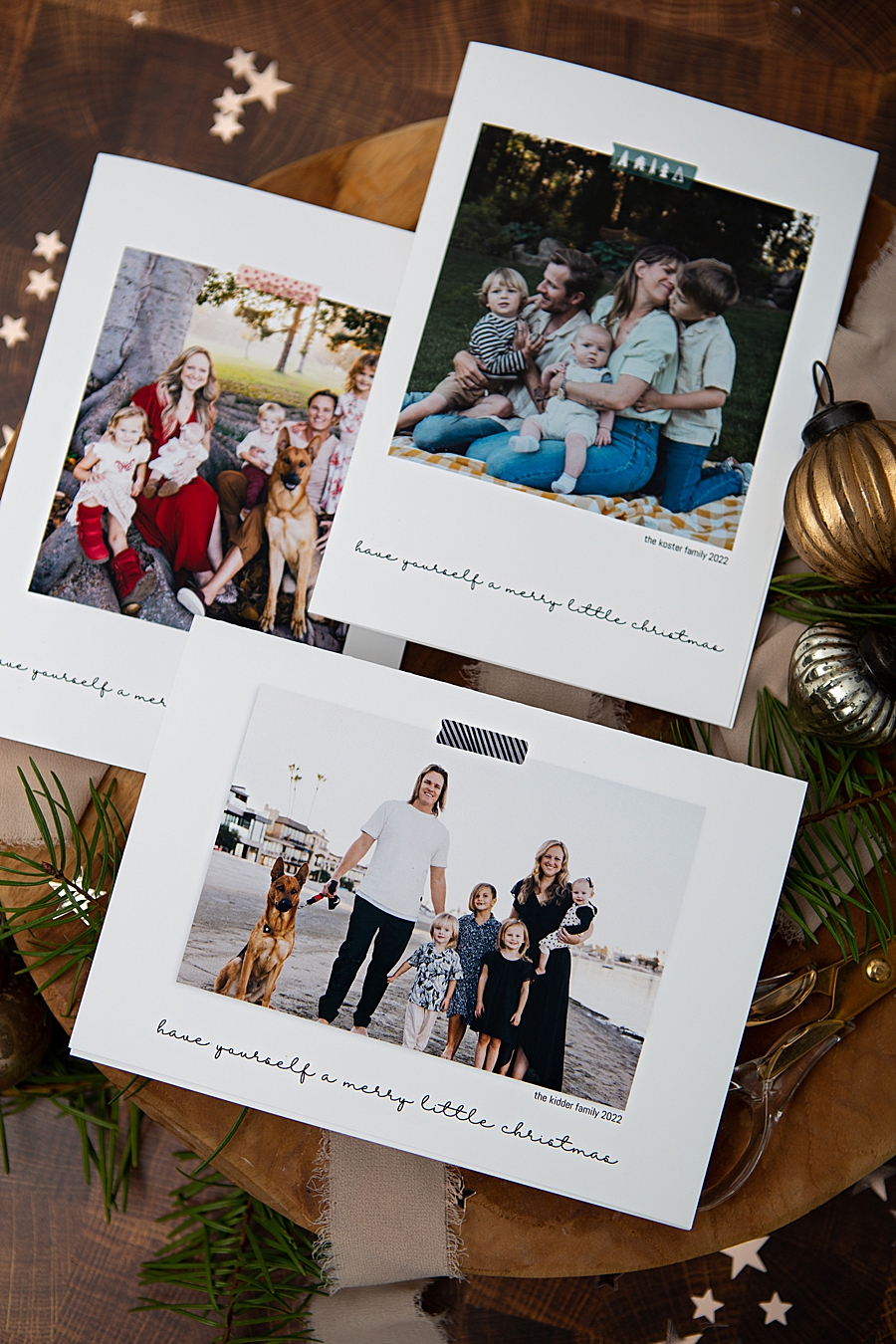
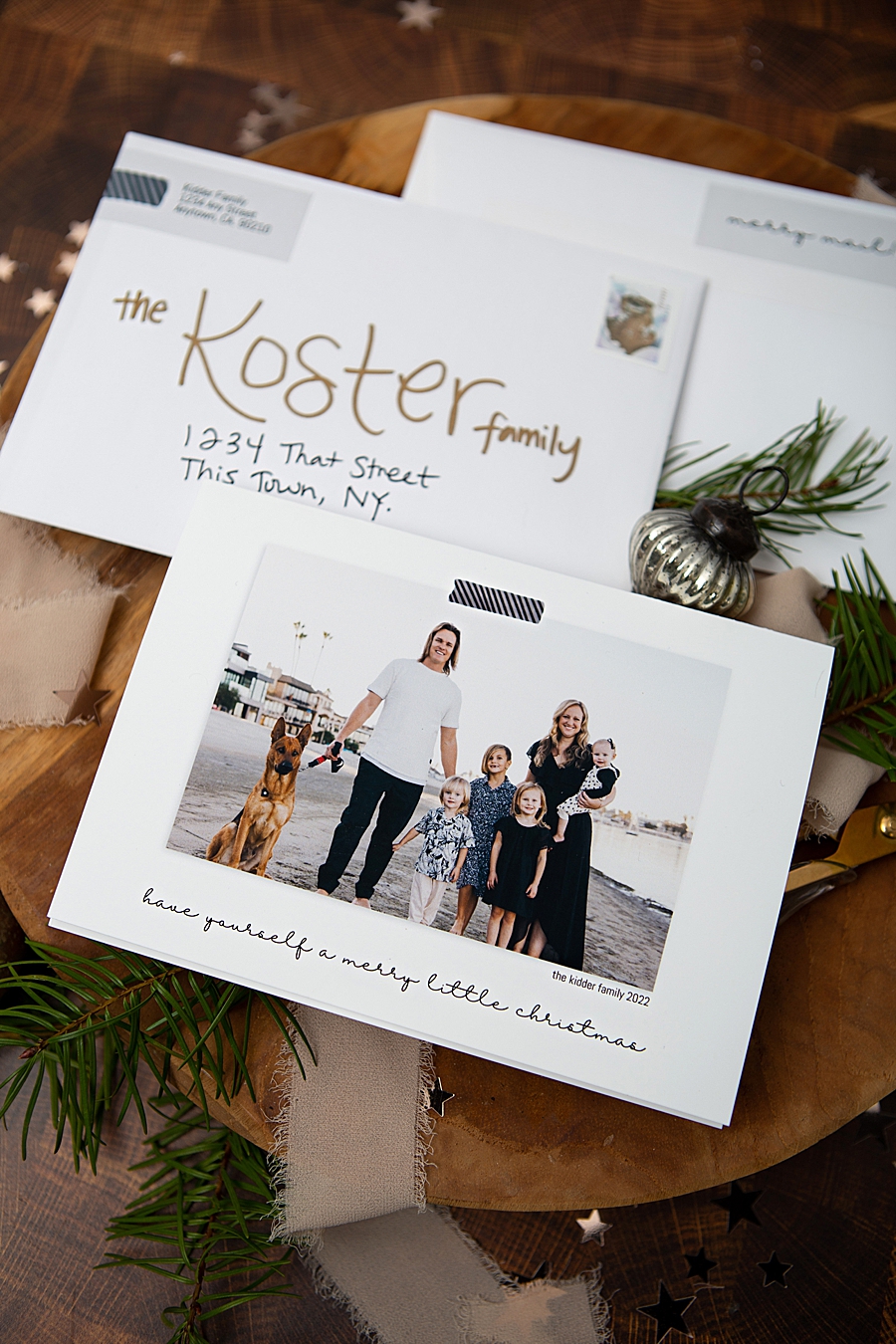
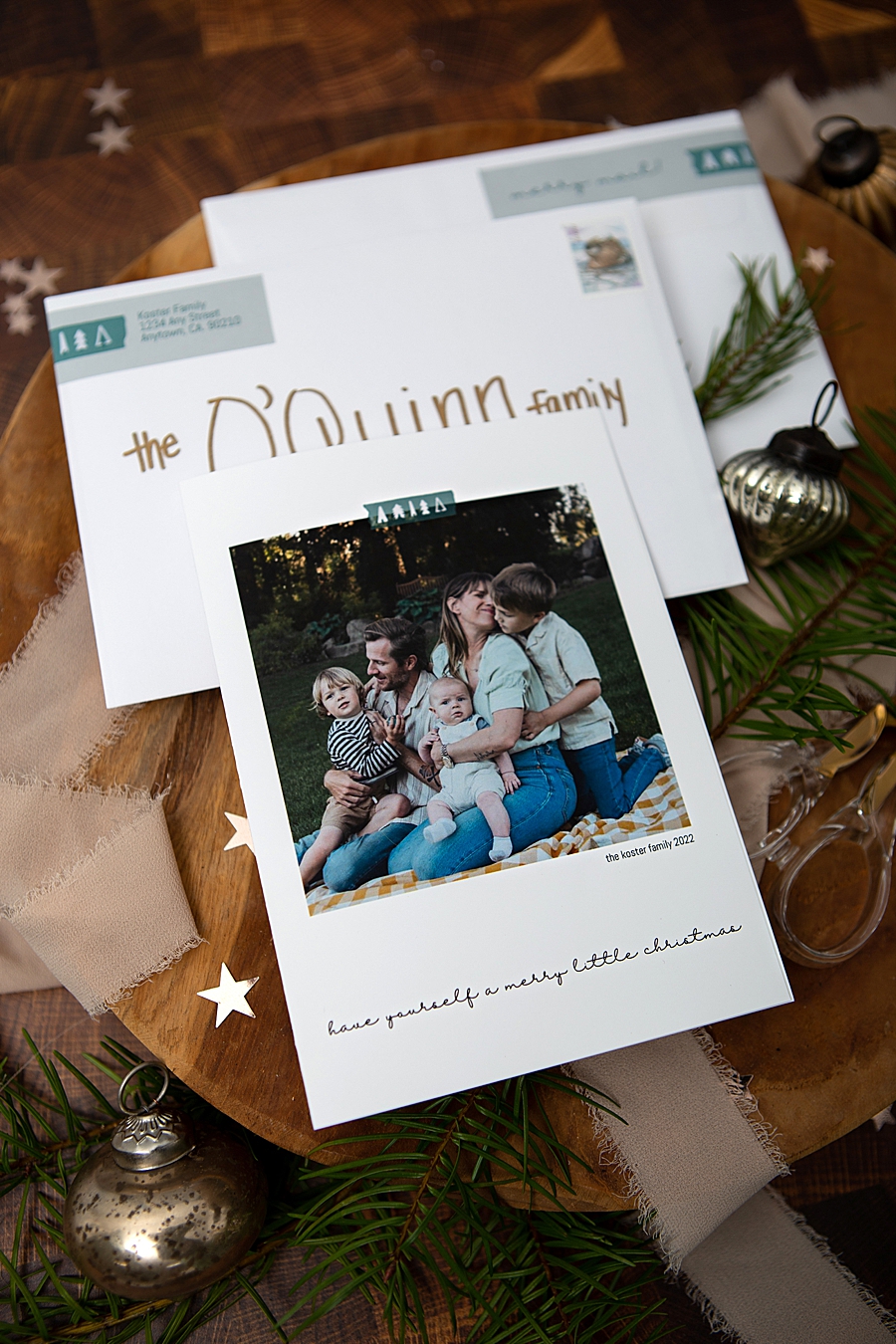
Supporting the hardware is a specialized line of consumables, such as the 7×10 Double-Sided Greeting Card Paper Pack. This product features pre-scored, heavyweight matte photo paper, allowing consumers to produce 5×7 folded cards that mirror the tactile quality of premium retail stationary. The inclusion of matching envelopes in these packs represents a strategic move by Canon to provide a "total solution" ecosystem, reducing the friction typically associated with DIY printing projects.
The Chronology of Personalized Production
The process of creating high-fidelity holiday cards has been streamlined through a multi-step digital-to-physical workflow. This chronology begins with design selection and ends with a finished, distributed product, reflecting the modern consumer’s preference for customization without the need for advanced graphic design degrees.
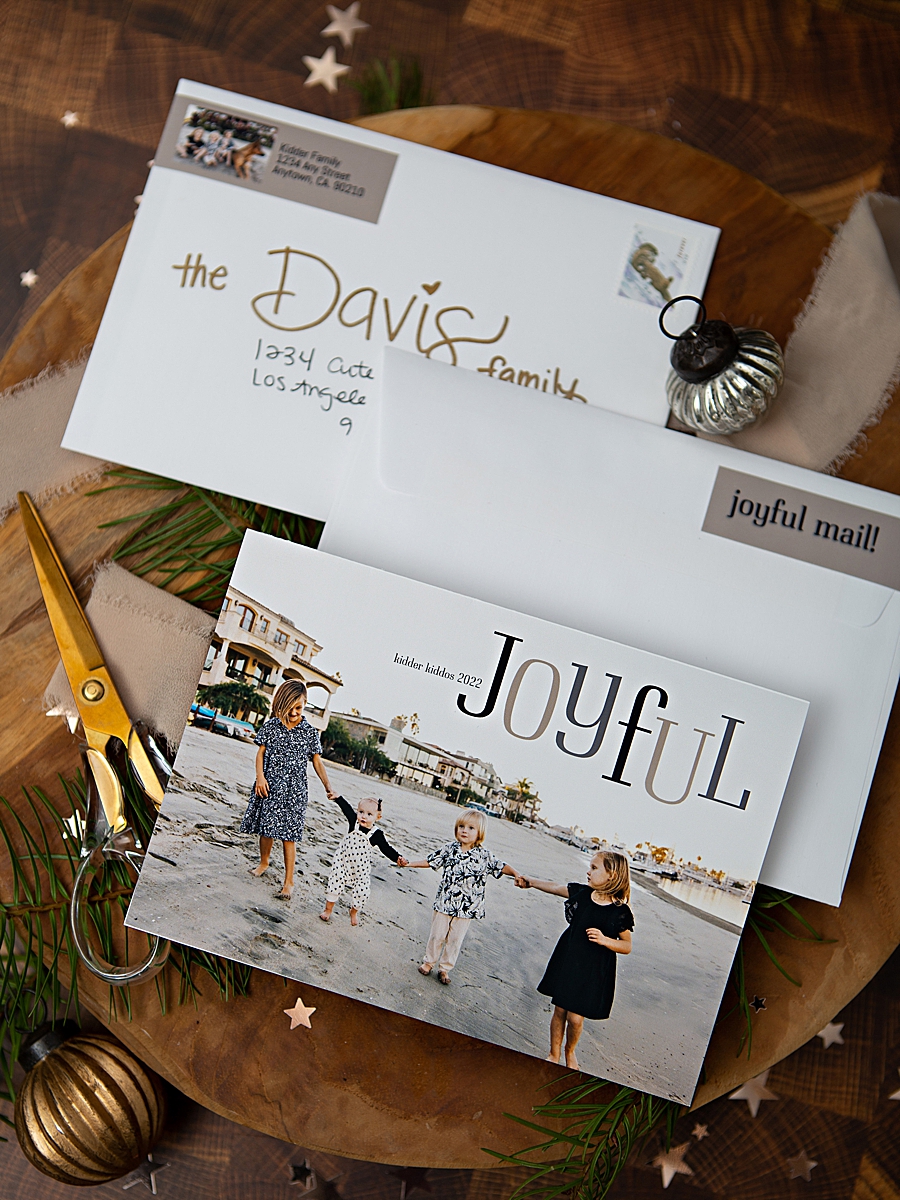
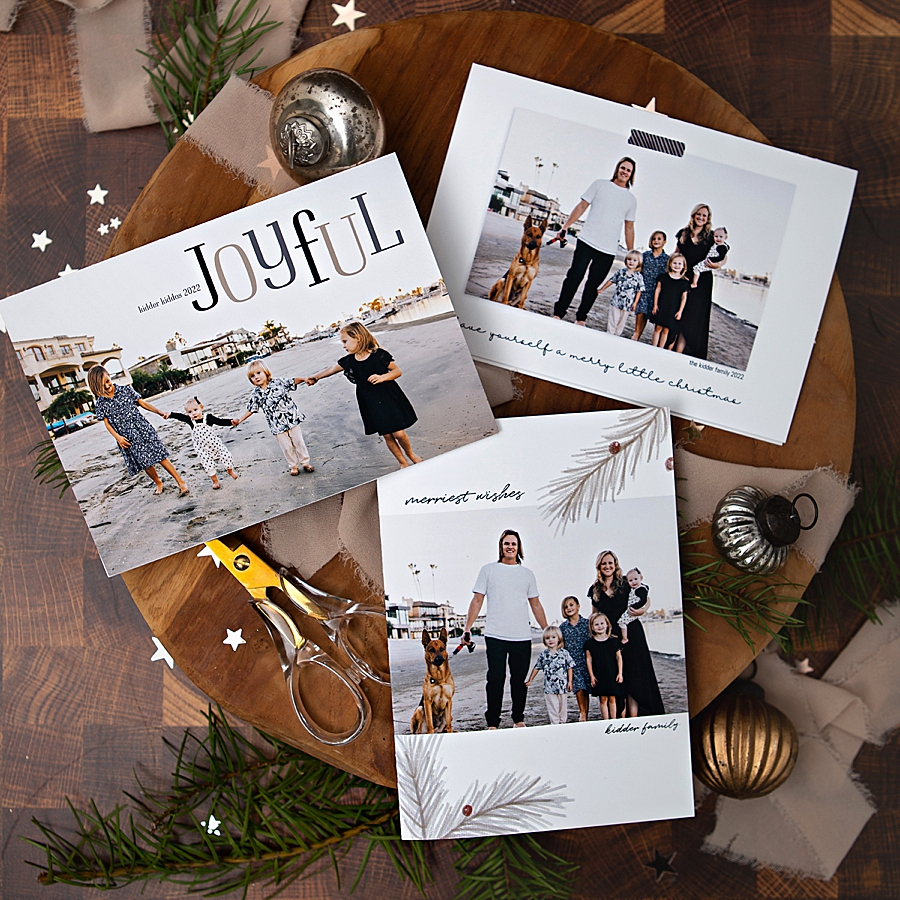
- Asset Acquisition and Software Integration: Consumers access professional design templates—such as the "Joyful," "Tape," and "Berries" motifs—through platforms like Corjl. This browser-based editing software allows for real-time manipulation of layers, text, and imagery.
- Personalization and Formatting: Users integrate personal photography into the templates. The software provides the flexibility to adjust color palettes to match the aesthetic of the uploaded photos, ensuring a cohesive visual identity.
- Technical Configuration: The design is exported in a format compatible with the PIXMA’s high-resolution settings. This stage involves selecting the correct media type in the printer driver to ensure the ink distribution matches the absorption rate of the double-sided matte paper.
- Physical Execution: The printer utilizes its specialized rear tray to handle thicker cardstock without jamming, a common issue in traditional front-loading printers. The double-sided capability of the paper allows for the simultaneous printing of internal messages and external graphics.
- Finishing and Distribution: Due to the pre-scored nature of the Canon paper packs, the final cards require no industrial cutting equipment, allowing for immediate folding and mailing.
Market Data and Consumer Trends in Stationery
The shift toward DIY holiday cards is backed by significant market data within the global greeting card industry. While digital communications have grown, the physical greeting card market remains a multi-billion dollar industry. According to industry analysis, approximately 6.5 billion greeting cards are purchased annually in the United States alone, with the holiday season accounting for the largest share of this volume.
Market research indicates that "personalized" and "custom-made" segments are the fastest-growing categories within the stationery sector. Consumers are increasingly moving away from "boxed" cards found in big-box retailers in favor of products that offer a unique personal touch. The cost-effectiveness of home printing is also a driving factor. While a single custom card from a premium online vendor can cost between $2.50 and $5.00 (excluding shipping), home printing using the PIXMA system reduces the per-unit cost significantly after the initial hardware investment.

Furthermore, the rise of the "Maker Economy" has seen a 20% increase in the ownership of specialized crafting tools since 2020. Canon’s focus on the TS9521C aligns with this trend, positioning the printer not just as a peripheral, but as a core tool for home-based creative entrepreneurs and hobbyists.
Strategic Collaborations and Digital Accessibility
A key component of Canon’s strategy involves collaboration with creative influencers and design platforms to lower the barrier to entry for consumers. By providing free access to premium designs through promotional codes—such as the "canonholiday" initiative—the company incentivizes the use of its ecosystem.

The use of Corjl software is particularly noteworthy from a technical standpoint. By utilizing a platform that allows for granular editing—where users can change specific elements like the color of a "berry" graphic or the pattern of a "digital tape" embellishment—Canon is tapping into the demand for high-level customization. This approach moves beyond the "template" model and offers a "sandbox" model where the user feels a sense of authorship over the final product.
Industry experts suggest that these collaborations are essential for hardware manufacturers to remain relevant in a digital-first world. By providing the "software" (the designs) for free, they drive the demand for the "ink and paper" (the consumables) and the "hardware" (the printers).
Professional Analysis of Implications
The implications of high-quality home printing extend beyond the holiday season. The ability to produce professional-grade, double-sided, scored media at home disrupts the traditional commercial printing model for small-batch needs. For small businesses, real estate agents, and independent creators, this technology allows for the production of marketing materials, invitations, and thank-you notes without the lead times or minimum order requirements of professional print shops.
From a sustainability perspective, home printing offers a "print-on-demand" alternative to mass-produced cards. Every year, millions of unsold greeting cards are discarded by retailers. By printing only what is needed, consumers contribute to a reduction in paper waste and the carbon footprint associated with the logistics of mass retail distribution.
However, the shift also places a greater emphasis on the "digital literacy" of the consumer. While the software is designed to be intuitive, the successful execution of these projects requires an understanding of print margins, resolution (DPI), and color profiles. As these tools become more sophisticated, the gap between "consumer" and "prosumer" continues to blur.
Future Outlook for the Home Printing Industry
Looking forward, the home printing industry is expected to integrate more AI-driven design tools. We are likely to see printers that can automatically suggest layout adjustments based on the photo uploaded or adjust ink usage based on the specific texture of the paper detected by internal sensors.
Canon U.S.A.’s current initiatives suggest a long-term commitment to the crafting and DIY sector. As hybrid work models persist, the home office is being reimagined as a creative studio. The PIXMA TS9521C and its associated media packs are early examples of hardware designed for this multi-functional future.
In conclusion, the ability to print professional-quality holiday cards at home represents a convergence of high-resolution imaging, user-friendly design software, and specialized media. By empowering consumers to take control of the production process, companies like Canon are not only selling products but are facilitating a return to personalized, tangible correspondence in an increasingly digital age. The success of this model during the holiday season serves as a blueprint for the future of the bespoke stationery market.