


As the holiday season approaches, a growing number of households are re-evaluating traditional consumer habits in favor of personalized, cost-effective traditions. This shift is particularly evident in the advent calendar market, where the limitations of pre-packaged retail options have prompted a surge in DIY alternatives. For families with multiple children, the financial and logistical burdens of maintaining individual, high-end toy advent calendars have reached a tipping point, leading to innovative solutions that prioritize variety, personalization, and long-term sustainability.
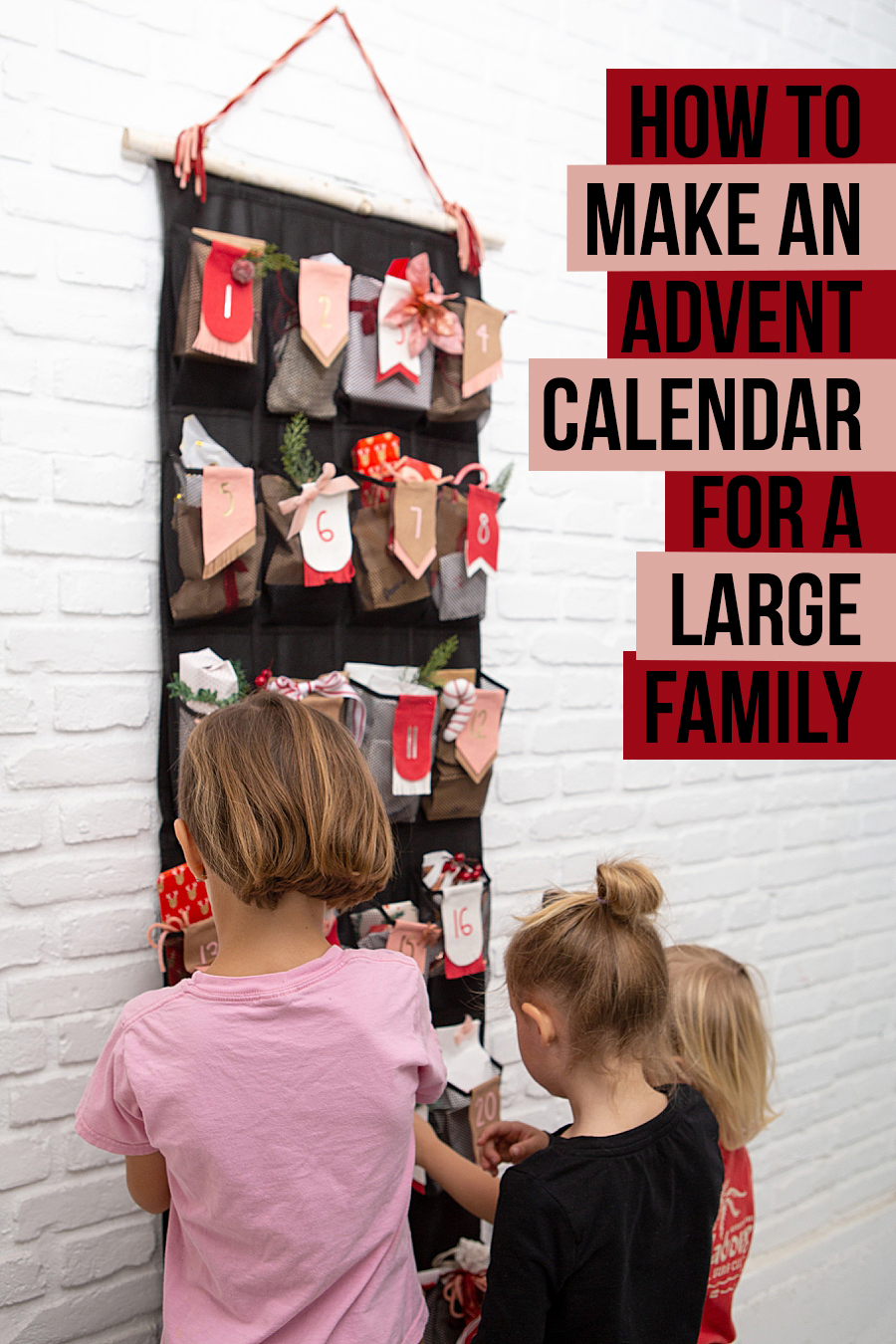
Recent consumer reports indicate that the average price of a branded toy advent calendar—ranging from Lego and Star Wars to Disney Princesses and various jewelry lines—hovers around $40. For a household with four children, this represents a seasonal expenditure of approximately $160 on items that, according to many parents, often lose their novelty well before Christmas Eve. Jen Causey-Kidder, a prominent figure in the DIY community and creator of the lifestyle platform Something Turquoise, recently documented a comprehensive pivot from these commercial offerings toward a custom-built system designed to serve a large family through a single, centralized display.
The Shift from Commercial to Custom Solutions
The primary catalyst for this transition is twofold: economic efficiency and engagement longevity. In a traditional retail model, parents purchase multiple individual units that often contain repetitive items. By the third week of December, the initial excitement of opening a daily surprise frequently wanes as children encounter similar figurines or accessories. Furthermore, the cumulative cost of $160 for four calendars provides a budget that, if managed independently, can procure a more diverse and high-quality array of gifts.
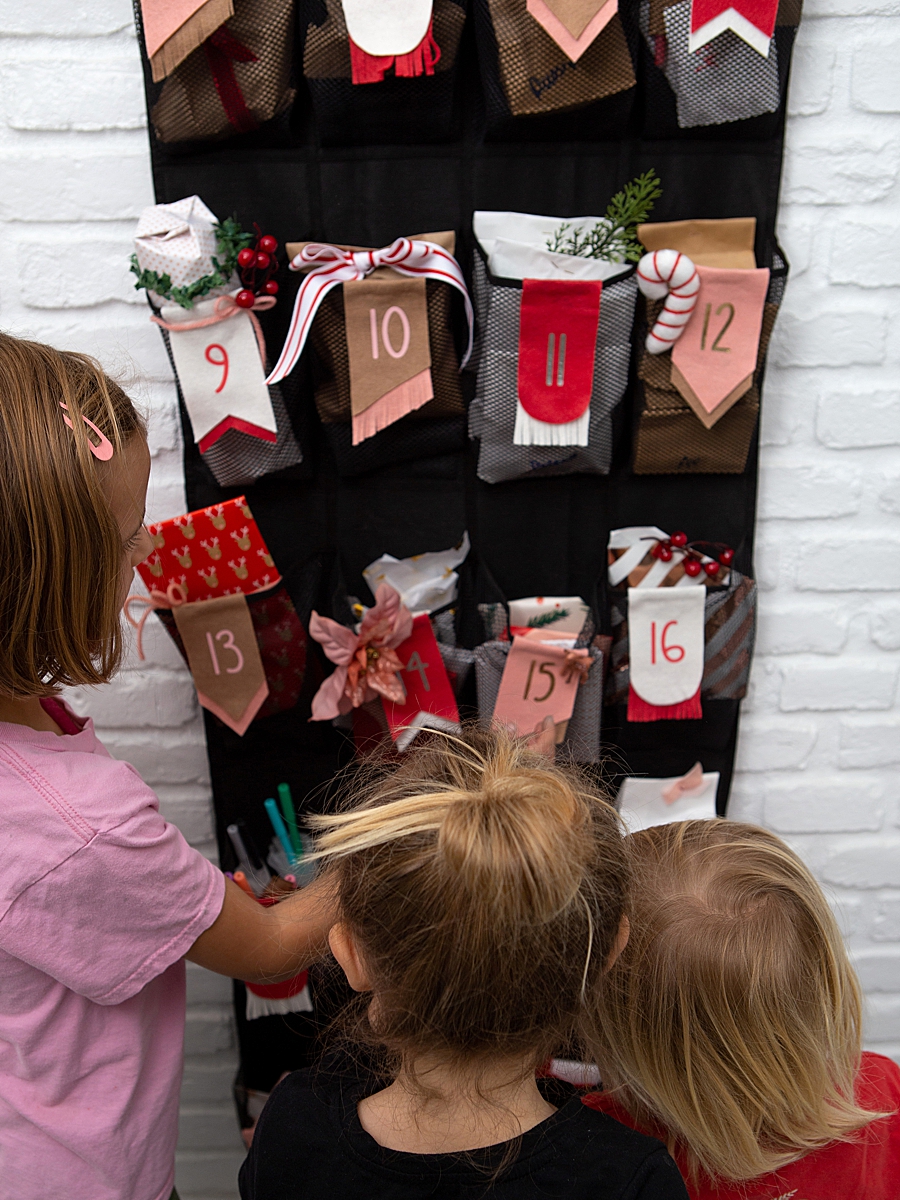
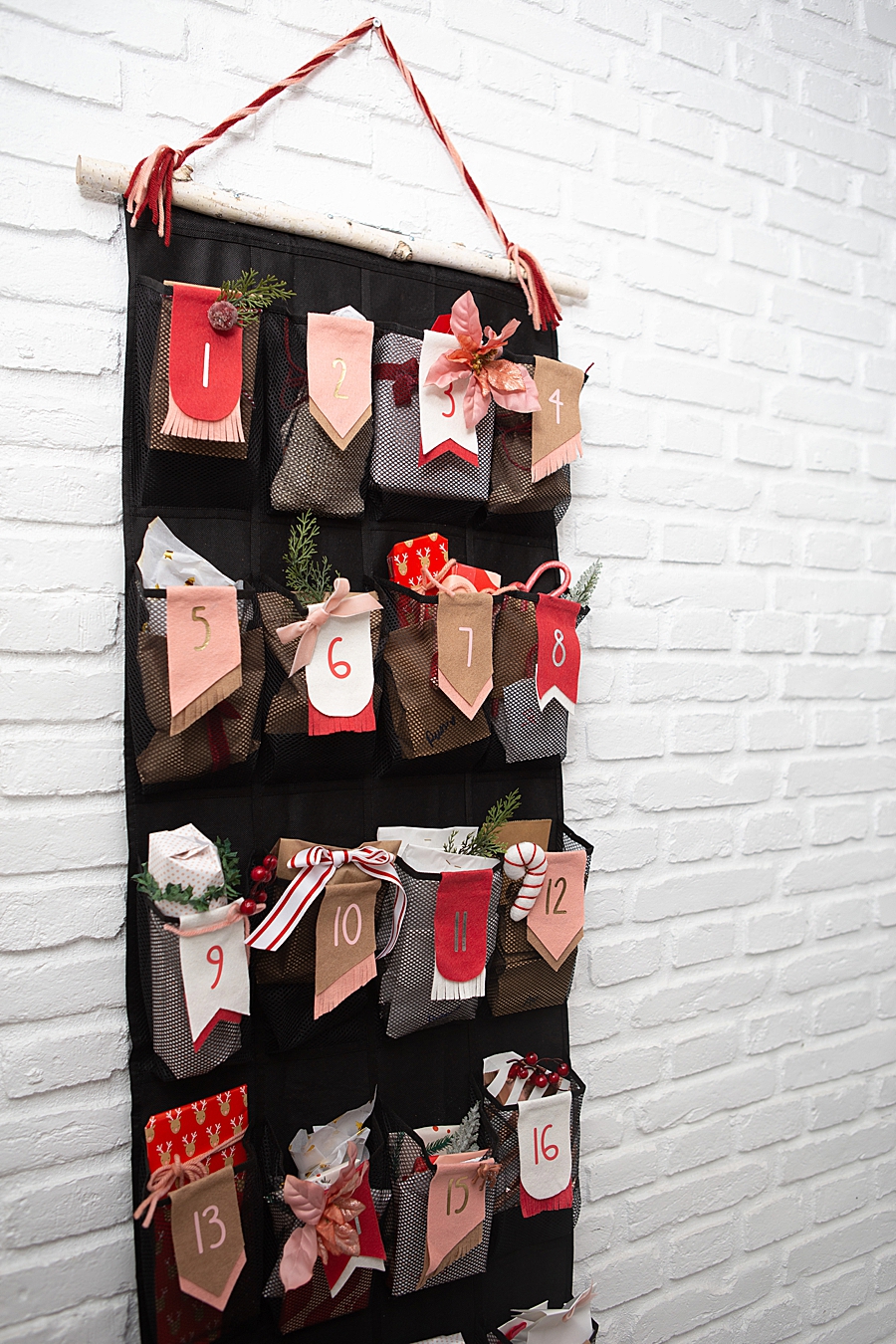
Causey-Kidder’s initiative involved reallocating the $160 budget to source unique, individualized items for each day of the month. By utilizing a "back-of-the-door" shoe holder as the primary vessel for the calendar, the project successfully consolidated the holiday tradition into a single, space-saving installation. This method addresses a common pain point for large families: the clutter and physical space required to display multiple individual advent boxes.
Project Chronology and Development
The development of the DIY large-family advent calendar followed a structured timeline, beginning two months prior to the holiday season. This preparation phase was essential for sourcing a diverse range of items without exceeding the established budget.
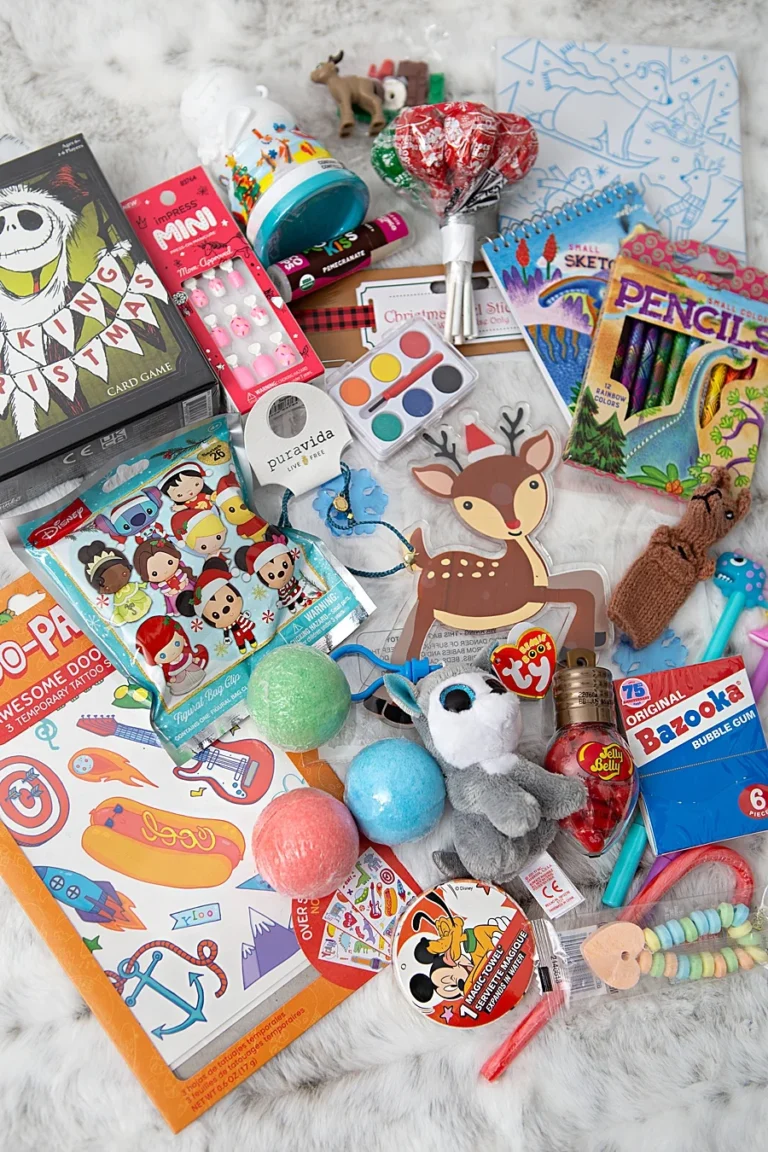
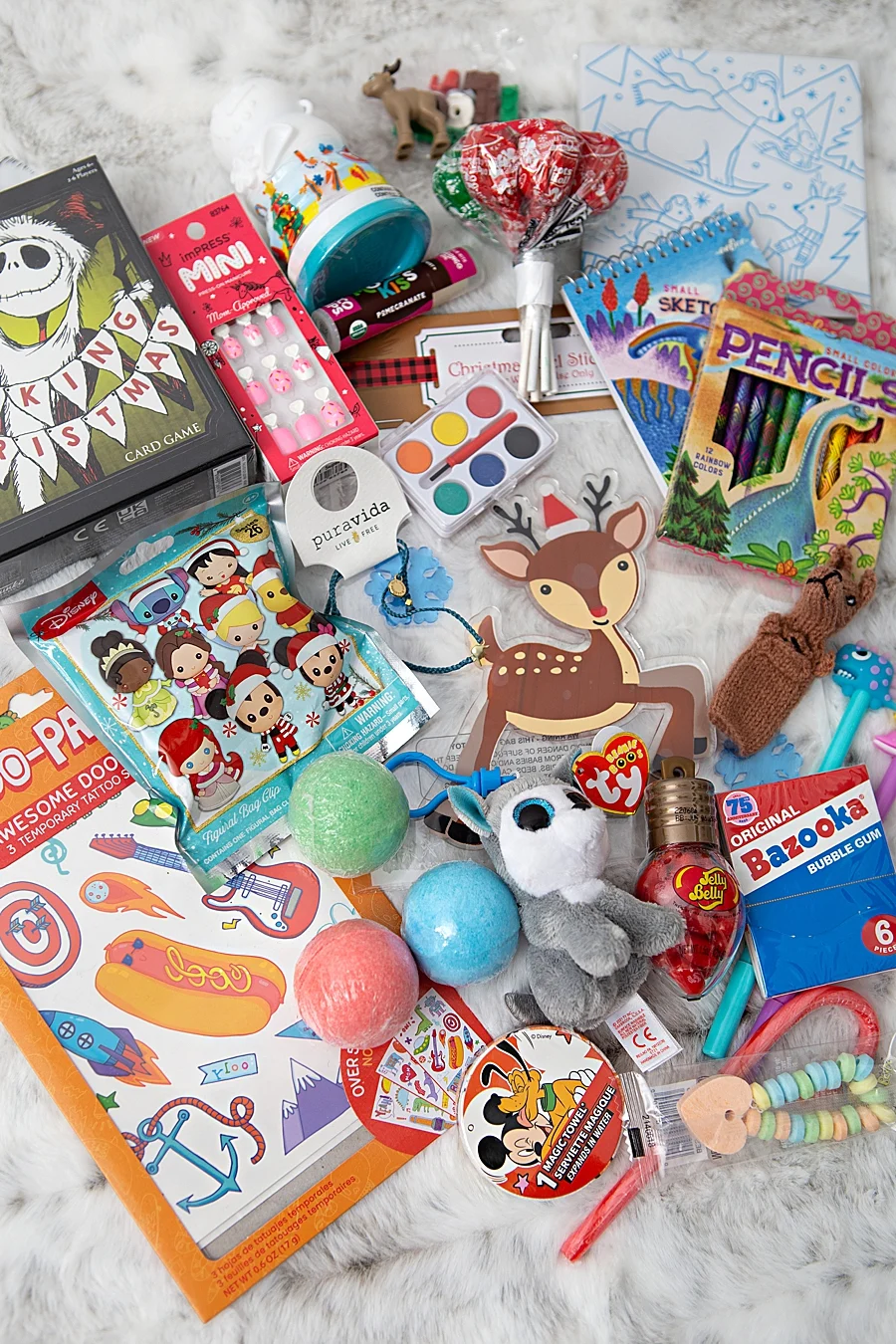
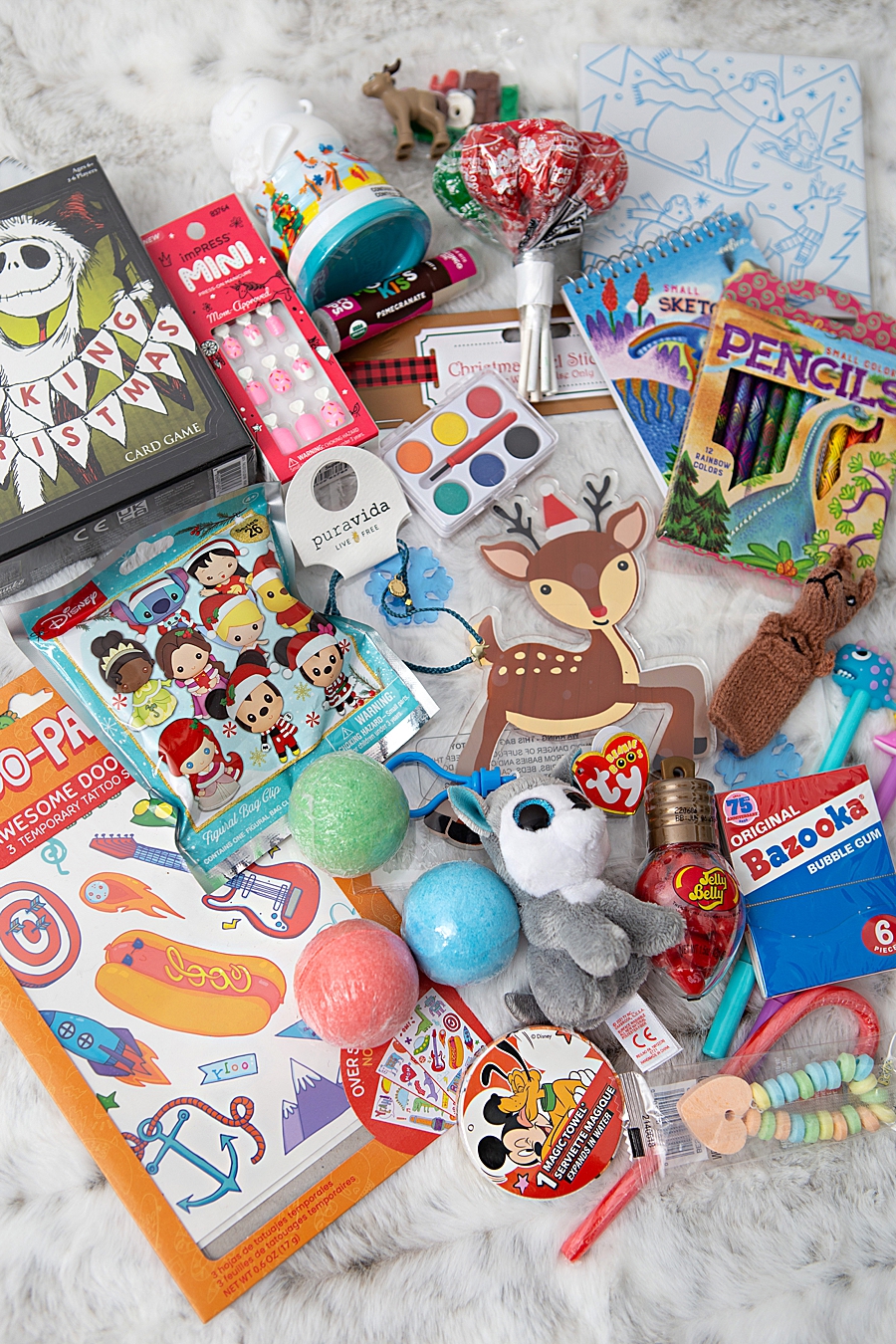
- Procurement Phase (October–November): Over a period of eight weeks, the creator collected small gifts from various retailers, including Target, Sprouts, Walgreens, Alin Paper, and the Dollar Tree. This extended window allowed for the acquisition of high-interest items such as Pura Vida bracelets, KISS imPress nails, mini watercolor sets, and small LEGO kits.
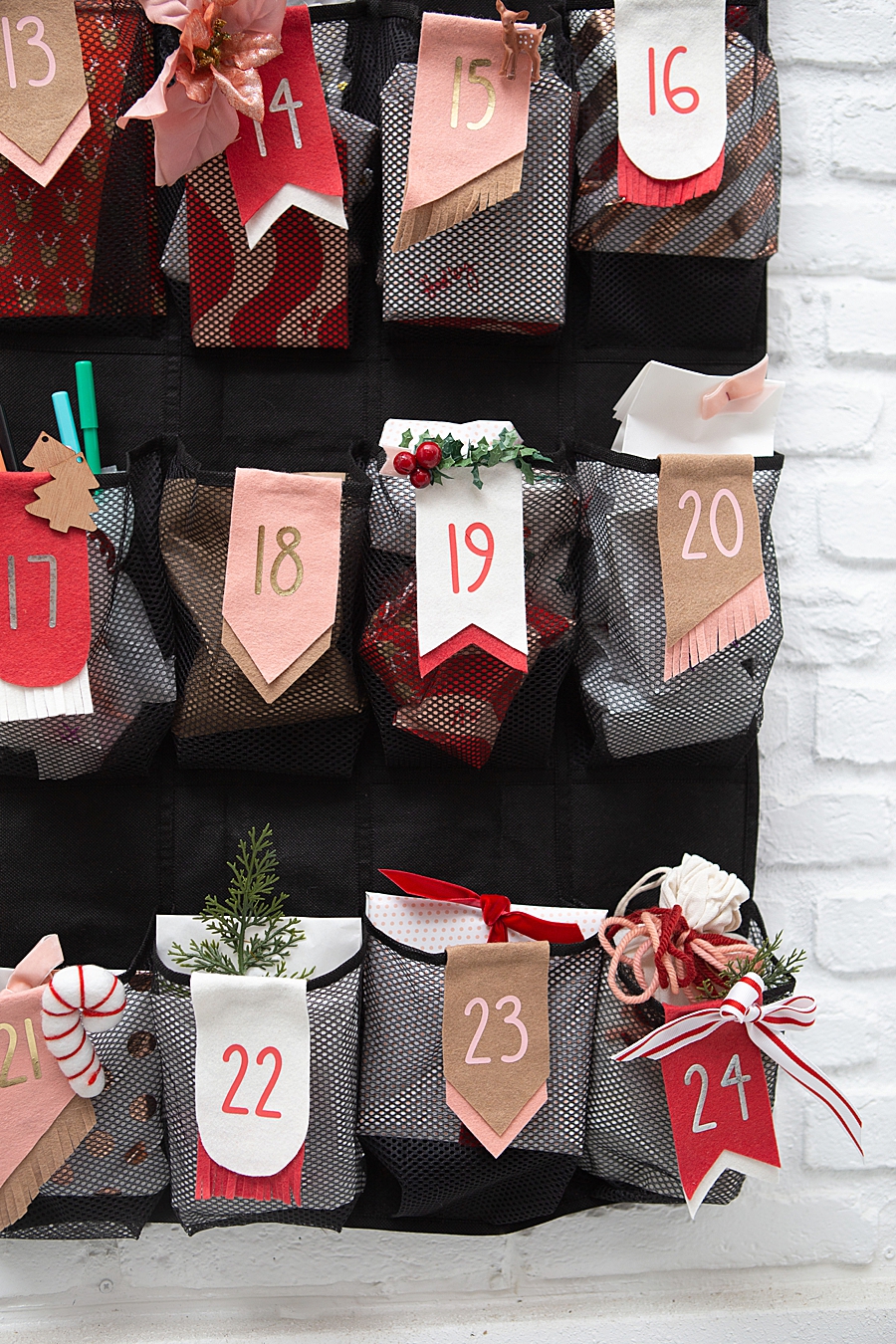
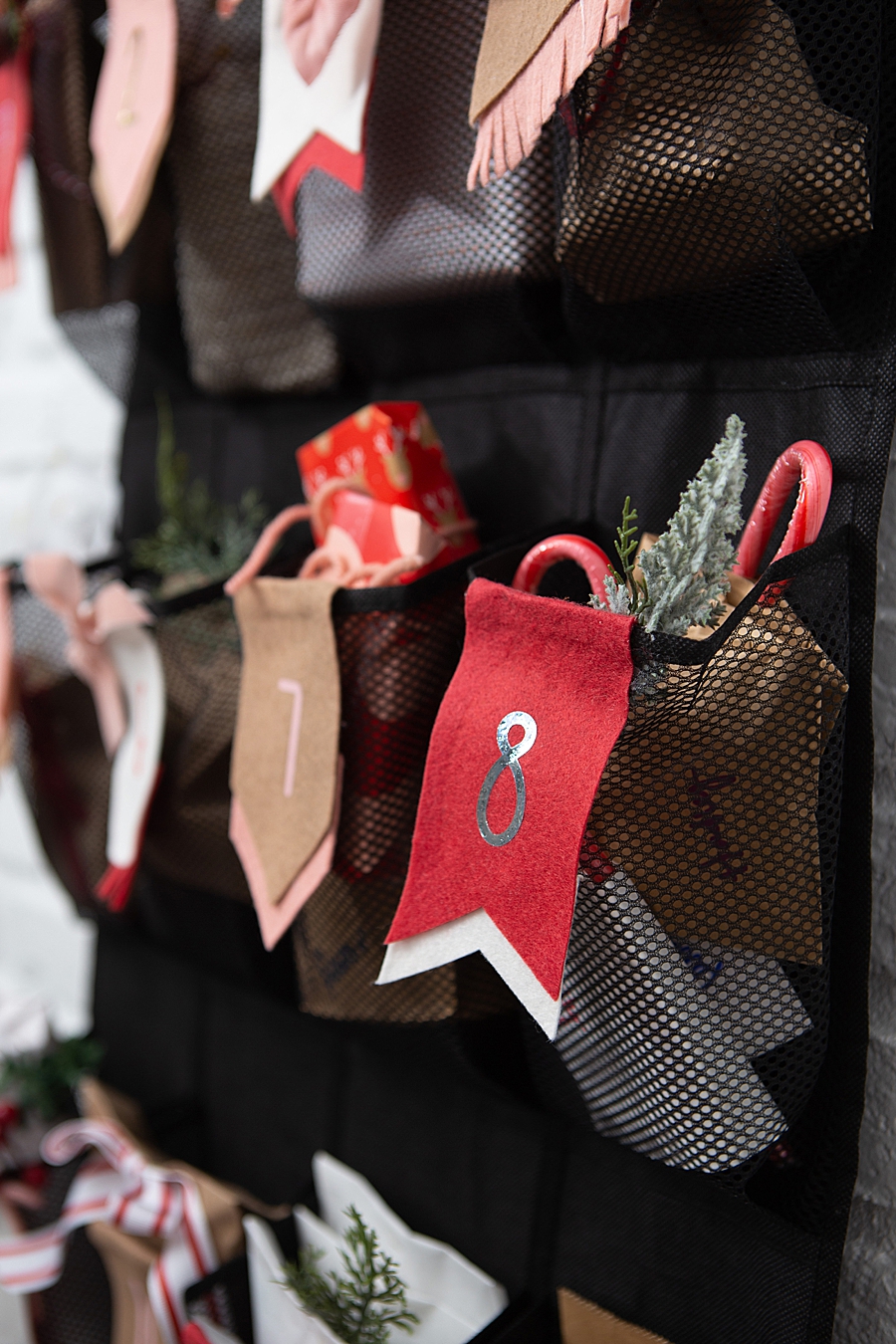
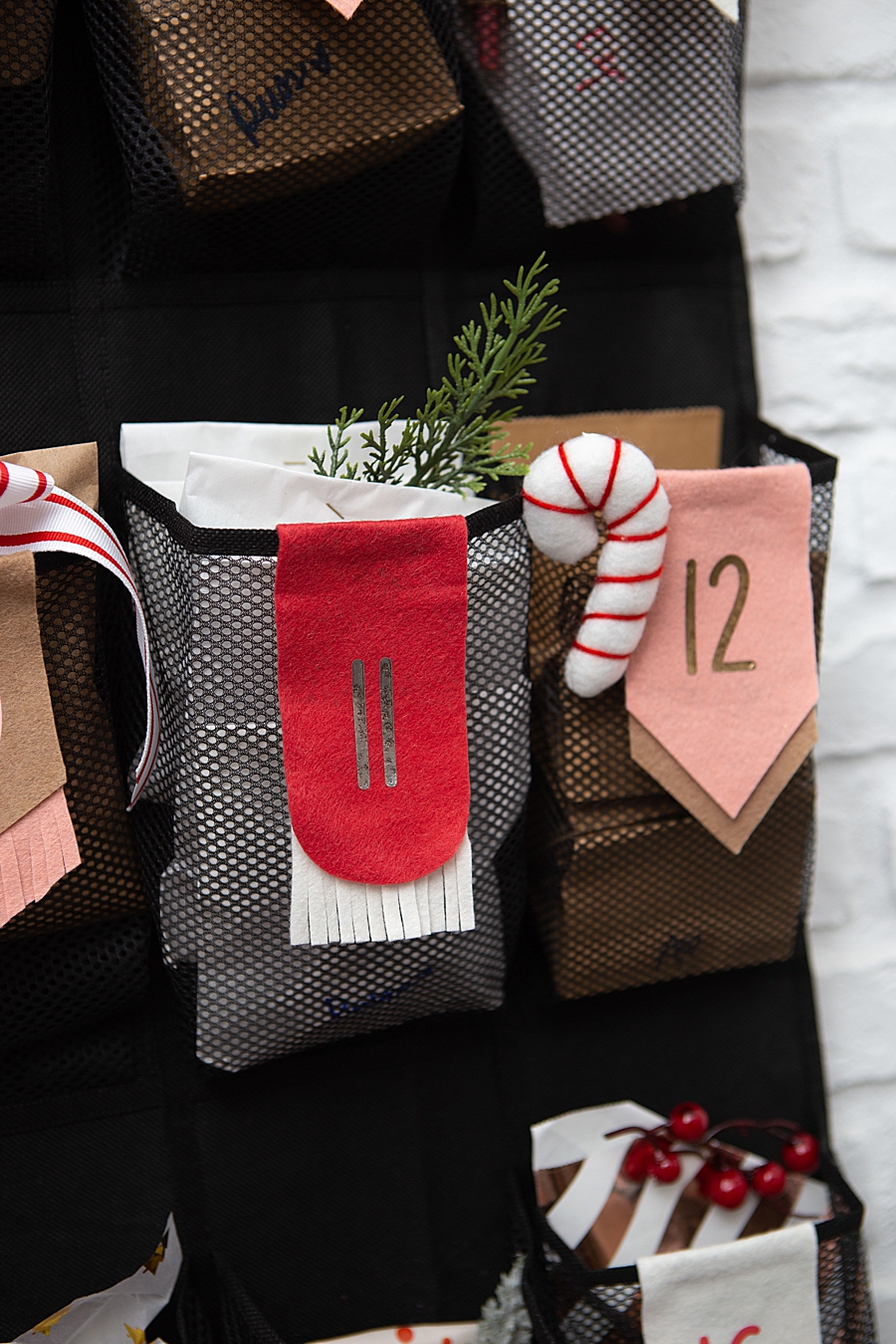
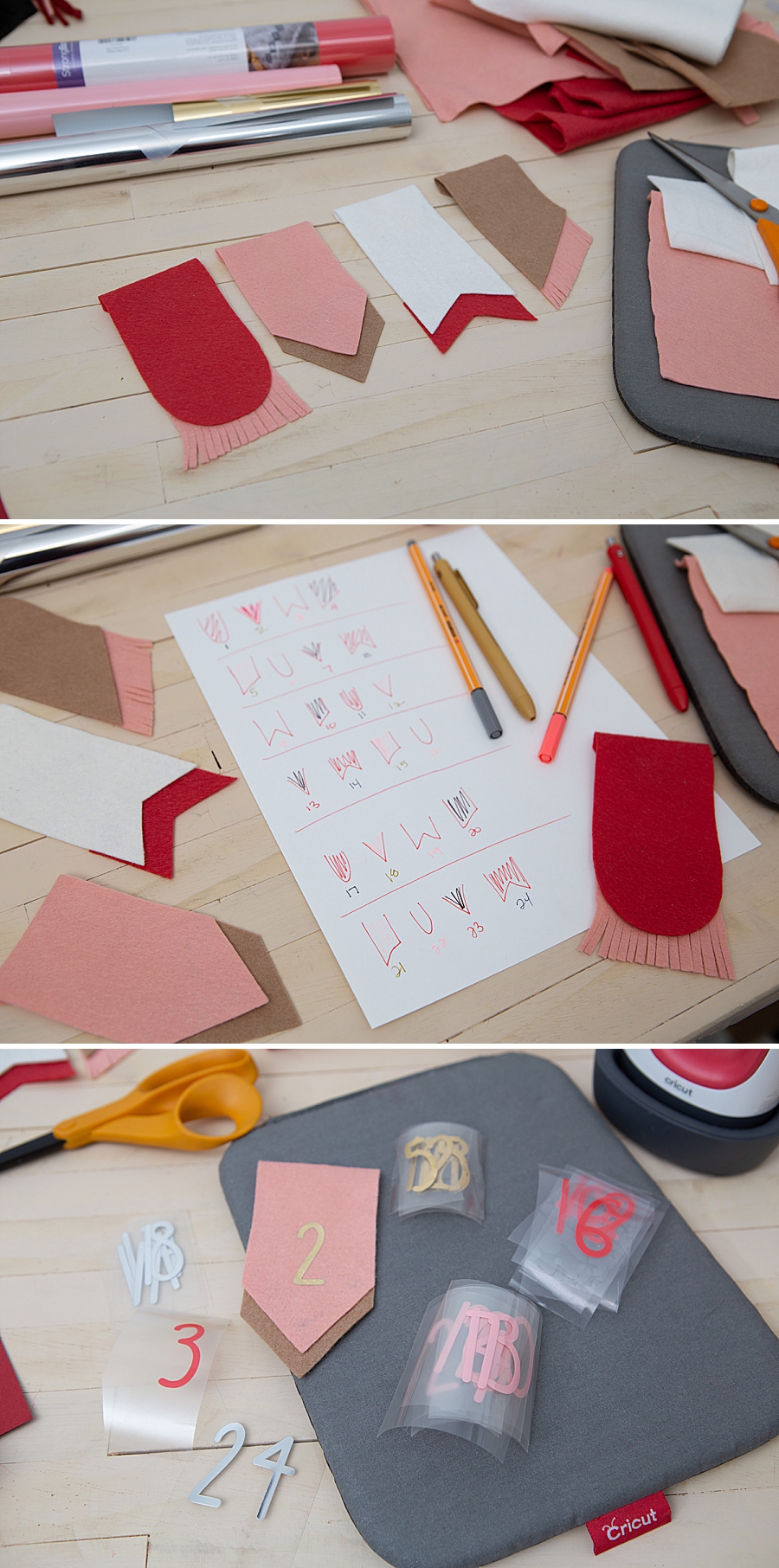
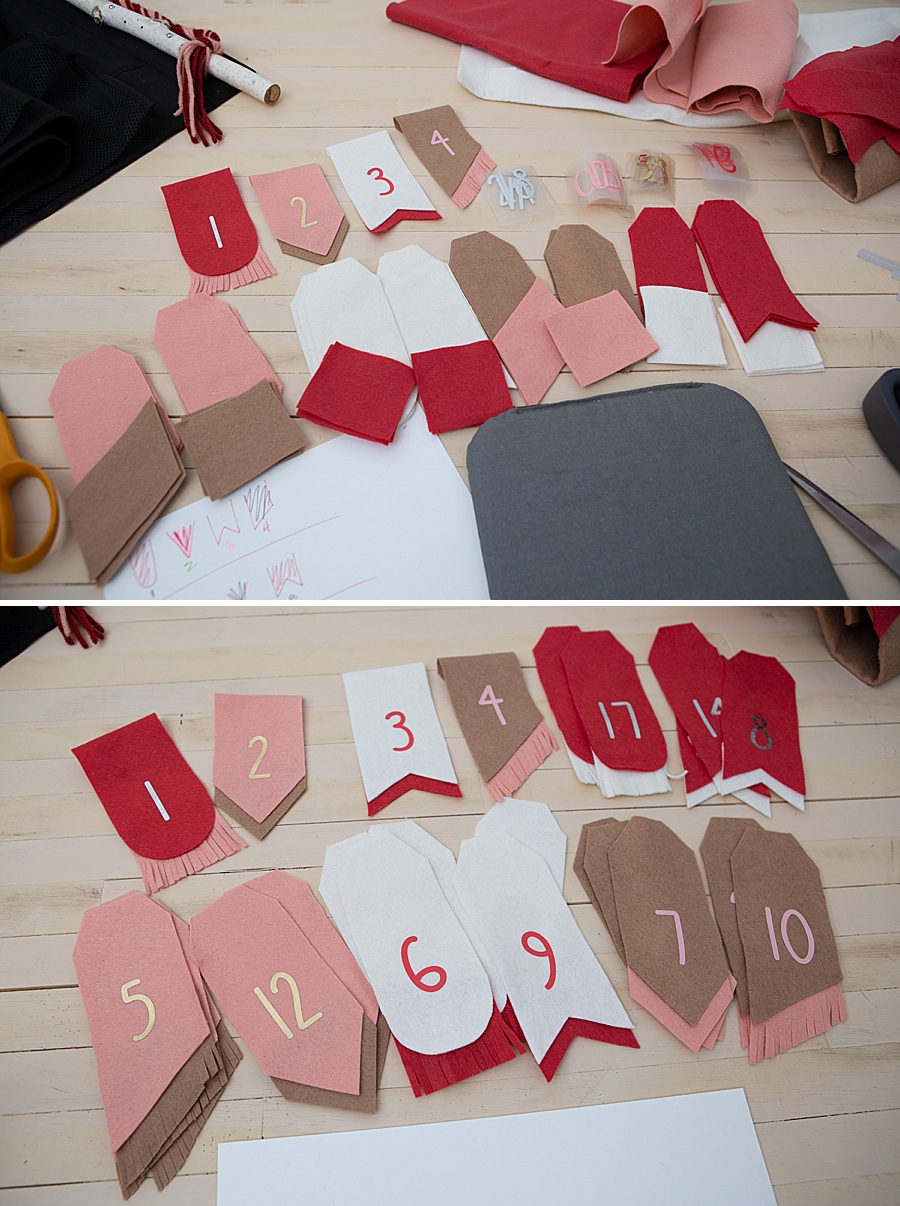
- Design and Fabrication: The construction of the calendar utilized a mix of repurposed materials and specific craft supplies. The design process involved creating 24 distinct felt tags using Benzie Felt in shades of Red, Blush, White, and Castle. These tags were numbered using a digital design canvas and iron-on vinyl (Cricut), ensuring a professional and cohesive aesthetic.
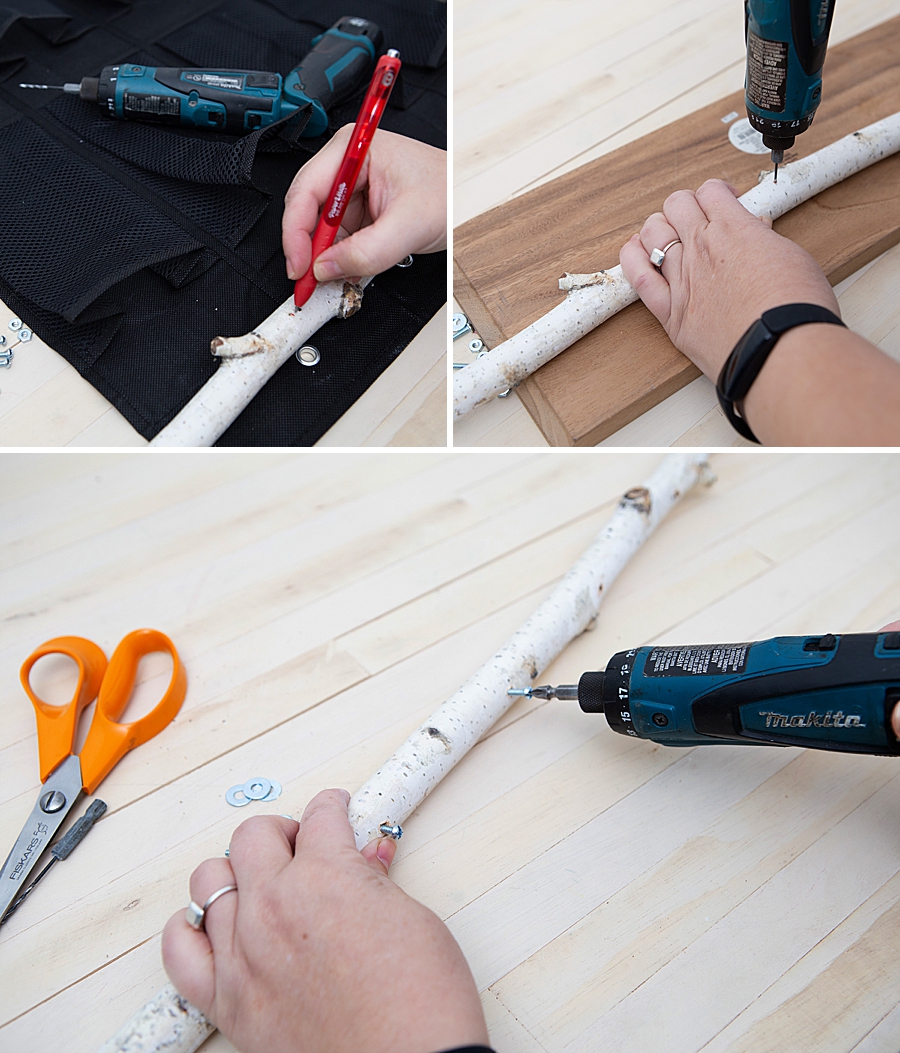
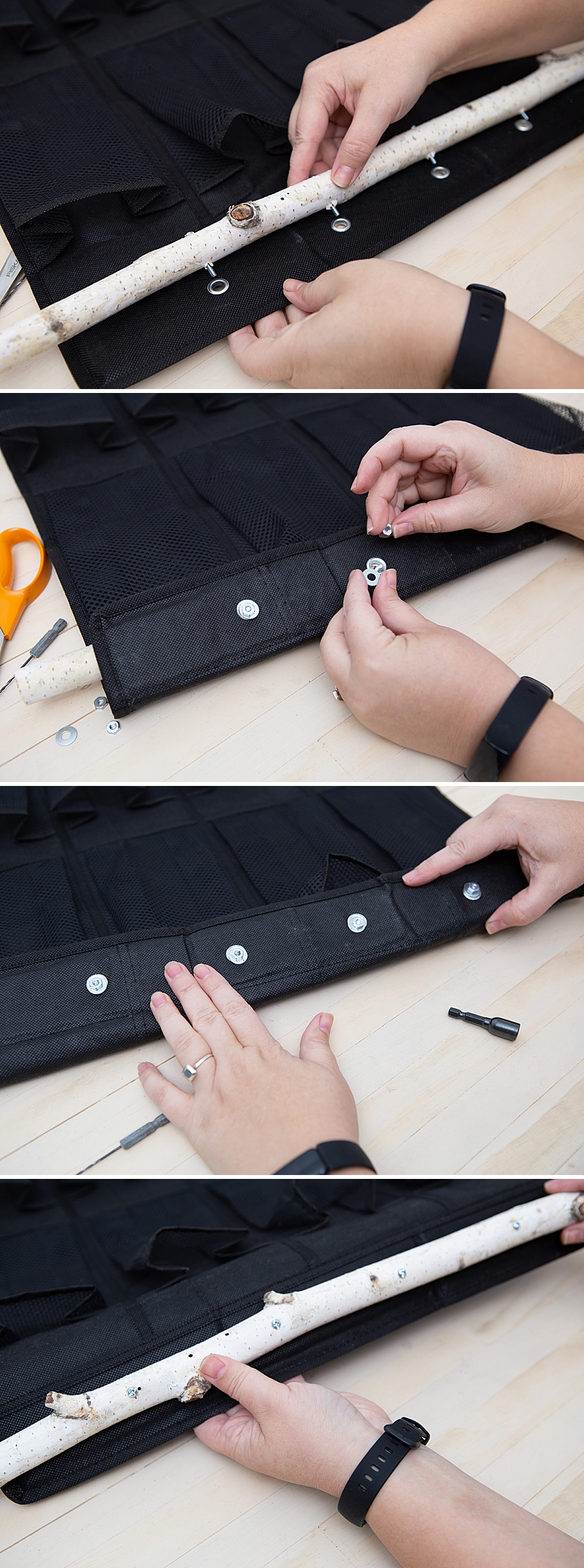
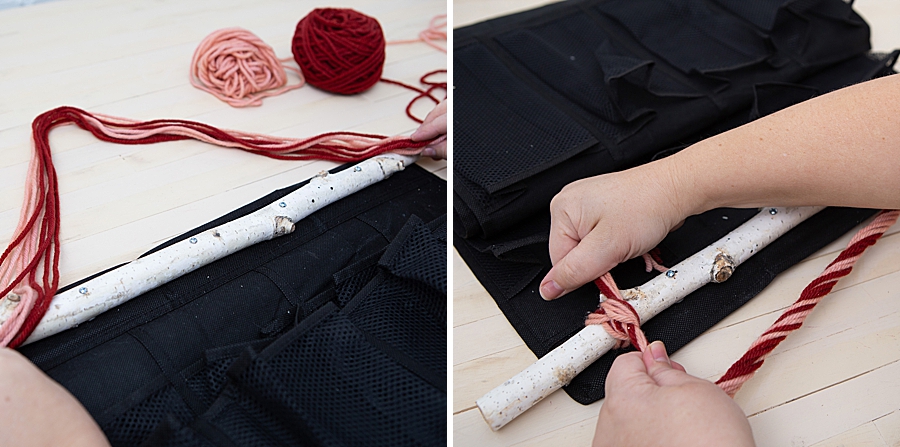
- Structural Engineering: Given the weight of 24 pockets filled with toys, candies, and accessories, the calendar required a reinforced hanging system. A white decorative branch served as the mounting bar. To ensure stability, the branch was drilled and secured to the shoe organizer using 1.25-inch bolts, washers, and nuts.
- Assembly and Labeling: The final stage involved wrapping each individual gift and placing them in the pockets. A strategic "Mom Trick" was employed during this phase: each gift was labeled with its specific opening date. This measure was implemented to prevent younger children from prematurely removing or mixing up gifts in the lower, more accessible pockets.
Financial and Material Analysis
A detailed breakdown of the project’s costs reveals a competitive edge over retail alternatives. While the initial investment in hardware—such as the shoe rack, screws, and certain crafting tools—added to the first-year cost, these items are considered reusable assets for future holiday seasons.
- Gift Contents: Approximately $150 (covering 24 days of gifts for four children).
- Textiles and Aesthetics: Benzie Felt and Cricut Iron-on vinyl were used for the numbering system.
- Hardware: A black back-of-the-door shoe rack (sourced from Amazon) and a decorative branch.
- Wrapping: Paper sourced from Target’s Sugar Paper line and embellishments from Michaels.
The total expenditure remained within the $160 threshold that would have otherwise been spent on four commercial calendars. However, the DIY version provided a significantly higher "value-per-item" ratio and allowed for the inclusion of family-centric gifts, such as a full family game, which commercial calendars cannot accommodate.

Logistical Innovations for Large Households
The use of a shoe organizer as an advent calendar is a notable logistical innovation for high-occupancy homes. Traditional advent calendars are often made of flimsy cardboard that can easily be damaged by toddlers or young children. The fabric or plastic construction of a shoe rack offers superior durability.

Furthermore, the vertical orientation of the shoe rack allows parents to manage the "flow" of the holiday. By placing more delicate or complex gifts in the higher pockets and sturdier items in the lower ones, parents can mitigate the risk of accidental damage by younger siblings. In the case of the Causey-Kidder family, whose children range in age from 14 months to 7 years, this hierarchical organization was a critical component of the project’s success.
Psychological and Developmental Impact
Child development experts often note that the "anticipation phase" of the holidays is as significant as the holiday itself. Personalized advent calendars can enhance this experience by tailoring rewards to a child’s specific interests or developmental milestones. For example, the inclusion of mini notebooks and colored pencils for an older child alongside finger puppets for a toddler ensures that the daily ritual remains age-appropriate and engaging for all participants.
Moreover, the DIY approach introduces a level of mystery that branded calendars lack. When a child receives a "Star Wars" calendar, they know every gift will be themed around that franchise. A personalized calendar, however, offers a diverse spectrum of surprises—from bath bombs and tattoos to "magic towels" and play dough—which maintains a higher level of cognitive engagement throughout the 24-day period.
Broader Market Implications and Sustainability
The rise of DIY advent calendars reflects a broader consumer trend toward "slow holidays" and sustainable living. The excessive plastic packaging found in mass-produced advent calendars has become a point of contention for environmentally conscious shoppers. By creating a reusable textile-based system, families can significantly reduce their annual plastic waste.
Retailers are beginning to take notice of this shift. While major brands continue to dominate the market with licensed products, there is a growing niche for "fill-your-own" advent kits. However, as demonstrated by the shoe-rack method, consumers are increasingly bypassing these pre-made kits in favor of household items that offer greater utility and customization.
Conclusion: A Labor of Love and Efficiency
The transition from store-bought to handmade advent calendars represents a fusion of financial pragmatism and creative parenting. While the "labor of love" required to curate, wrap, and organize 24 days of unique gifts is substantial, the result is a more meaningful and organized holiday tradition.
For the modern large family, the shoe-organizer advent calendar is more than just a craft project; it is a strategic solution to "advent fatigue." It proves that with a bit of planning and a modest budget, it is possible to create a high-impact holiday experience that outshines the most expensive retail offerings. As families look for ways to simplify their lives without sacrificing the magic of the season, such personalized DIY projects are likely to become a permanent fixture in the holiday landscape.