
The Evolution of Holiday Confectionery Aesthetics
The introduction of the "Christmas Wreath Cupcakes" tutorial reflects a broader trend in the culinary arts where traditional holiday symbols are miniaturized and adapted for individual servings. Historically, the Christmas wreath—a symbol of eternal life and growth dating back to 16th-century Germany—has transitioned from a decorative evergreen arrangement for doors and mantels into a recurring motif in the pastry industry. DePaoli’s designs leverage this cultural familiarity, translating the textures of pine, holly, and festive ornaments into edible formats using varied piping techniques.
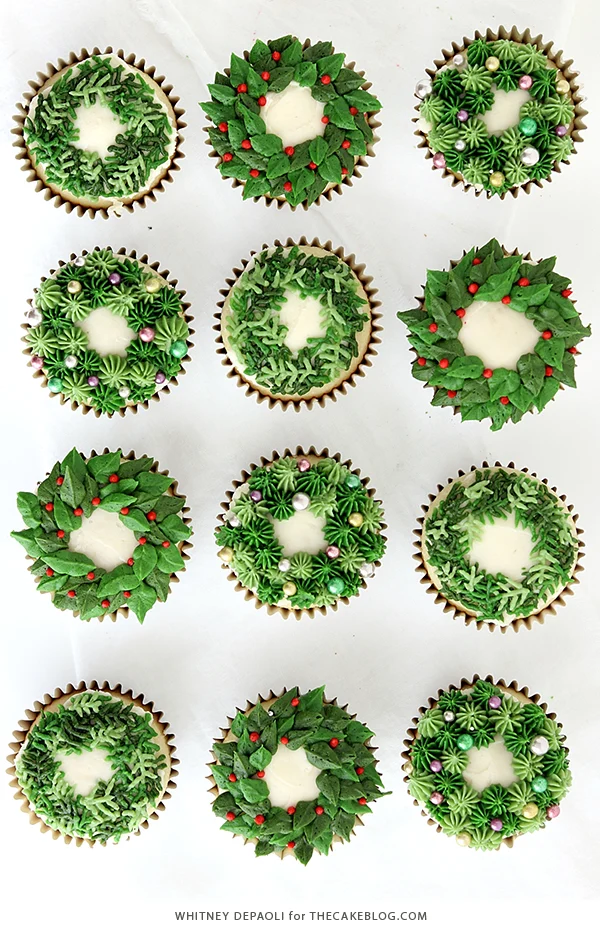
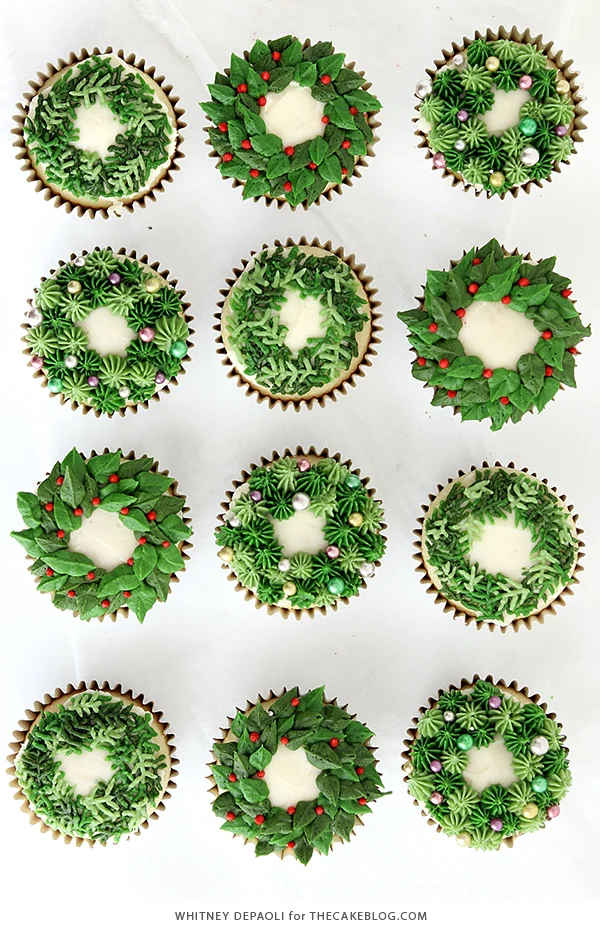
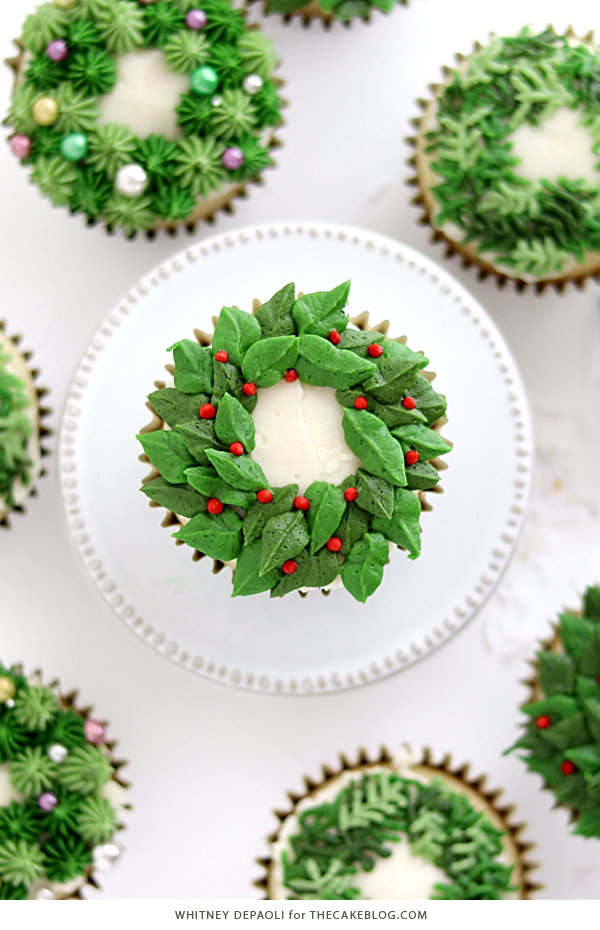
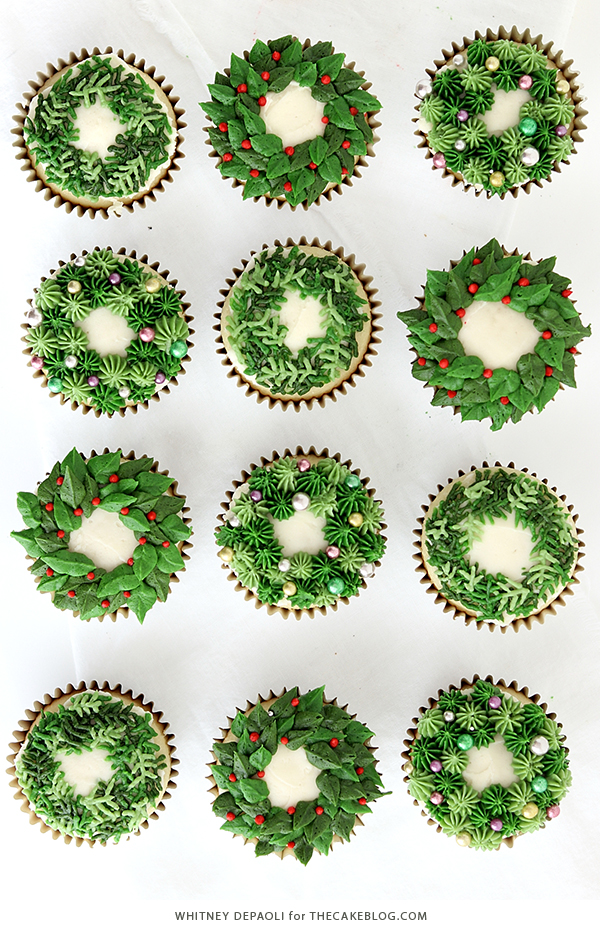
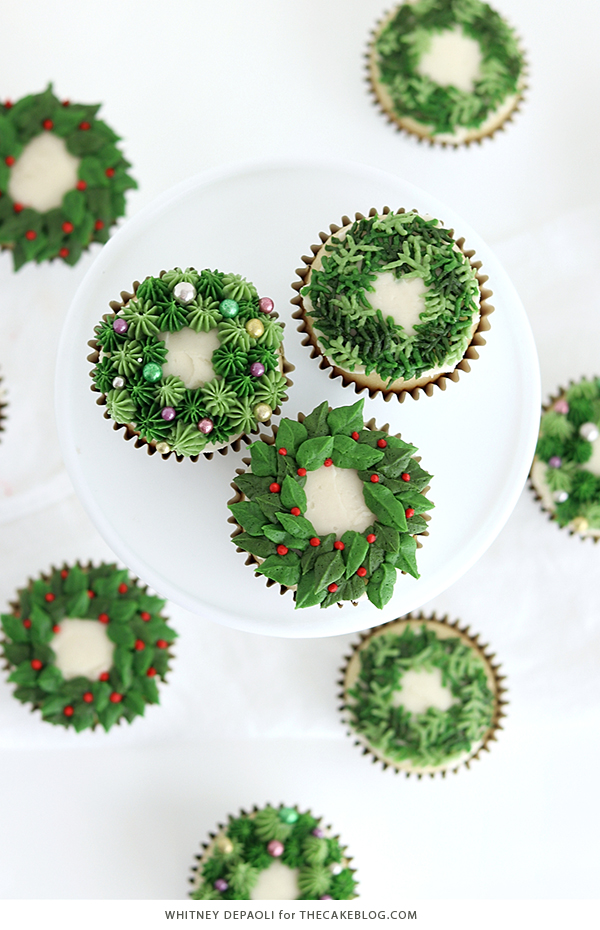
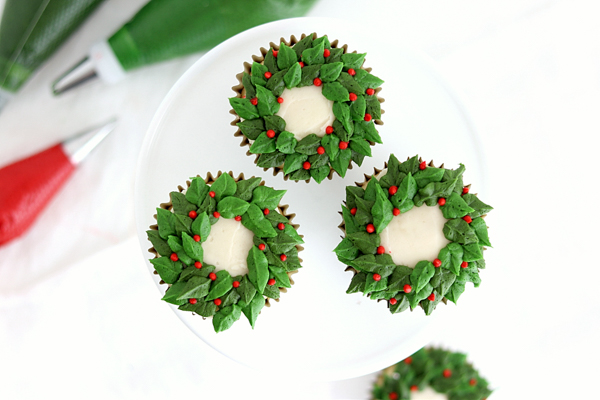
Industry analysts note that the demand for "Instagrammable" food items has fundamentally altered the way recipes are developed and shared. Tutorials like DePaoli’s are no longer merely about flavor profiles; they are comprehensive visual blueprints. The three designs featured in the tutorial—the Berry Wreath, the Pine Sprig Wreath, and the Sprinkled Wreath—cater to different skill levels and aesthetic preferences, ensuring a broad appeal across the baking community.
Technical Specifications and Equipment Innovation
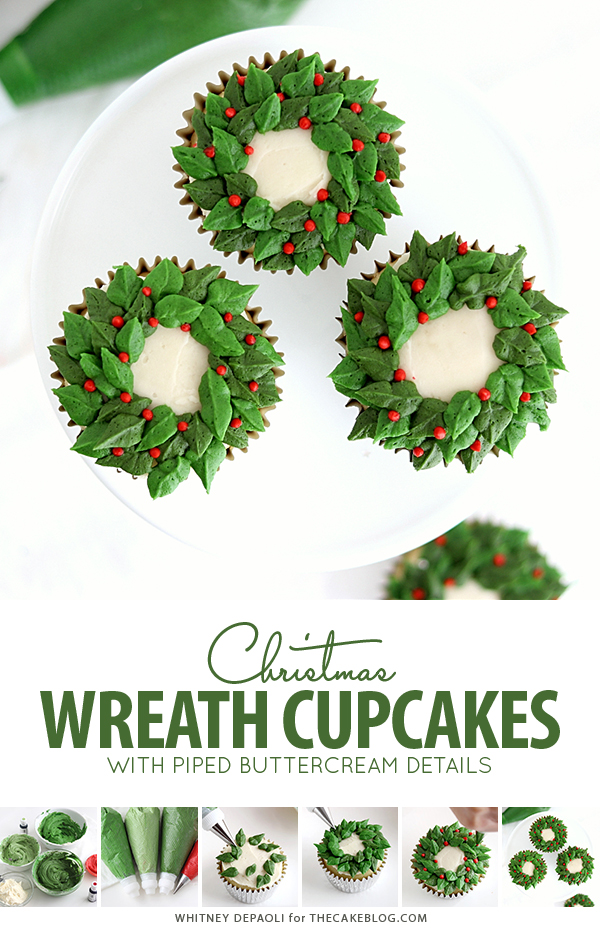
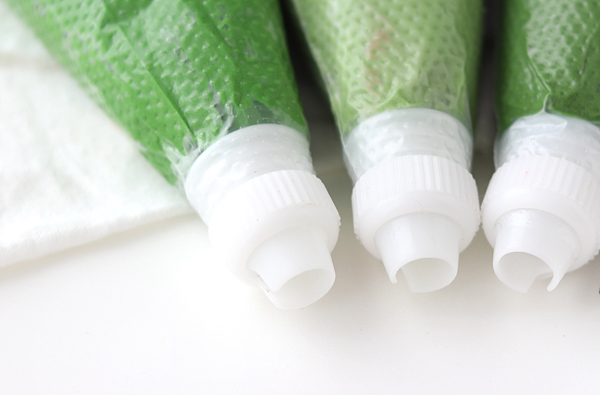
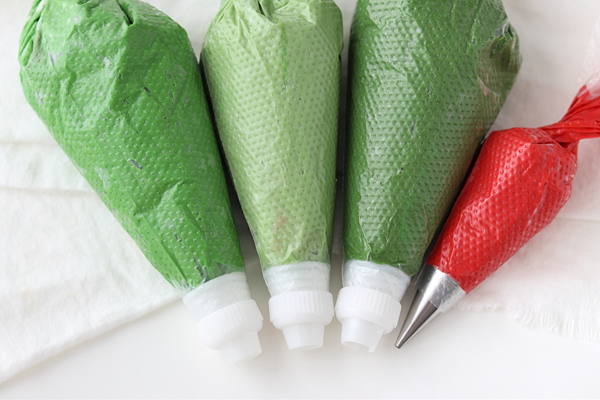
A critical component of the "Christmas Wreath Cupcakes" methodology is the strategic use of buttercream couplers. In the tutorial, DePaoli highlights the efficiency of couplers in managing multiple piping tips across various shades of green buttercream. From a technical standpoint, a coupler is a two-part plastic apparatus that allows a baker to switch piping tips on a single bag of frosting without emptying the contents. This innovation is presented not only as a time-saving measure but also as a means of reducing plastic waste, as it minimizes the number of disposable piping bags required for a single project.
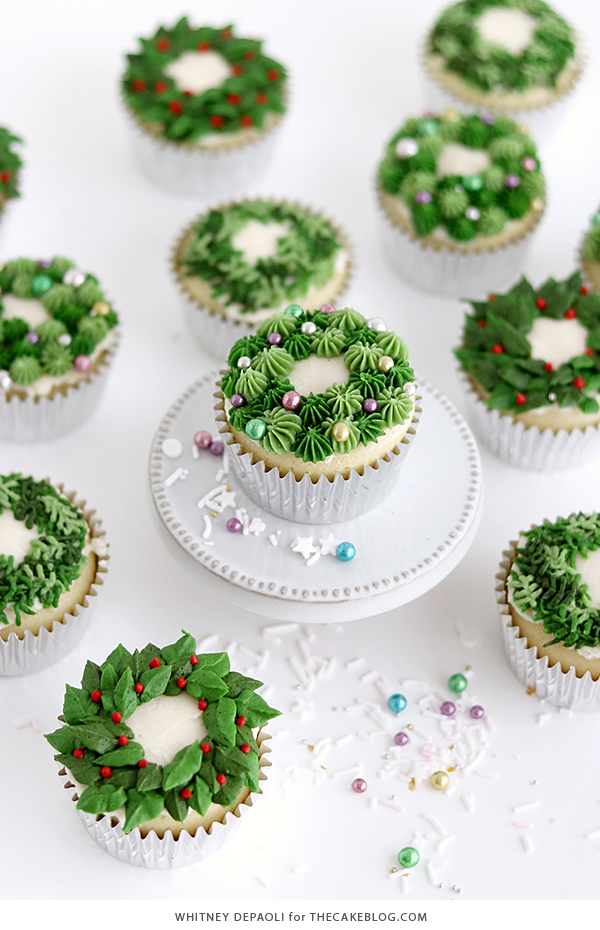
The tutorial specifies the use of "American Buttercream," a crusting frost made primarily from butter and powdered sugar. While European variants like Swiss or Italian Meringue buttercream offer a silkier texture, American Buttercream is frequently cited in professional tutorials for its structural integrity. The higher sugar content allows the piped details—such as the delicate "v" shapes of the pine sprigs or the sharp points of the drop stars—to maintain their definition at room temperature, a vital factor for displays at holiday gatherings.
A Chronological Guide to Wreath Construction
The execution of the wreath cupcakes follows a rigorous chronological framework designed to ensure consistency across batches. The process begins with the preparation of the base and the calibration of the color palette.
Phase I: Color Calibration and Base Preparation
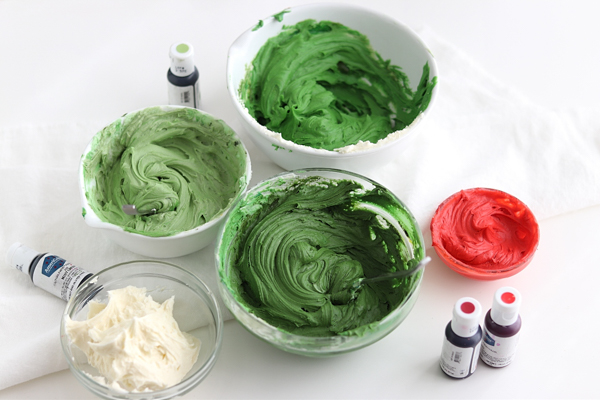
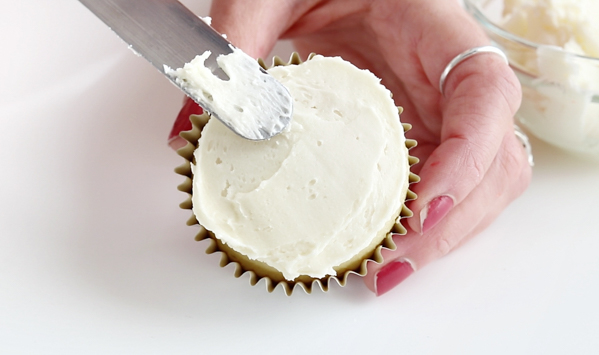
The tutorial mandates the creation of three distinct shades of green—light, medium, and dark—using professional-grade food coloring gels. DePaoli specifically references Americolor Forest Green and Avocado to achieve a natural, multi-dimensional evergreen appearance. Additionally, a concentrated red (Americolor Super Red) is utilized for the berry accents. The base of each cupcake is treated with a thin, level layer of uncolored buttercream, providing a neutral "canvas" that allows the green wreaths to stand out visually.
Phase II: The Berry Wreath Execution
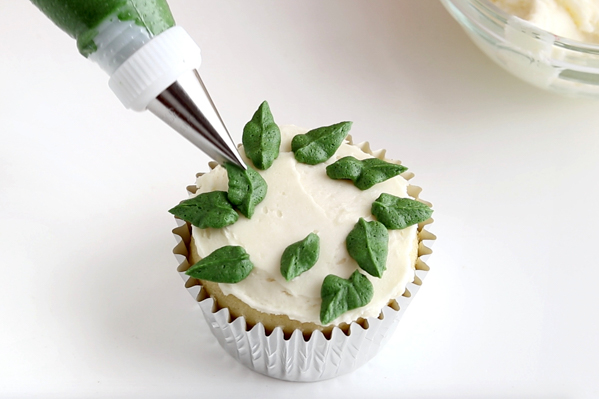
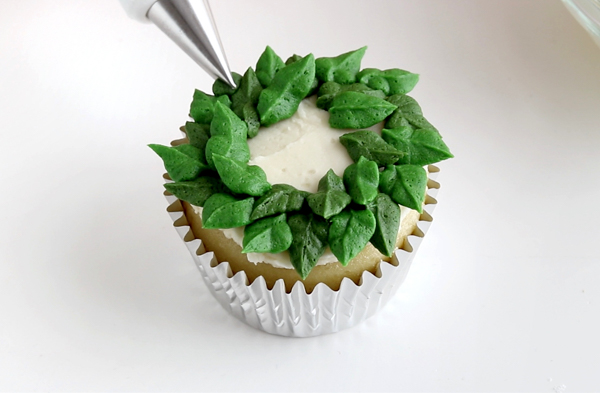
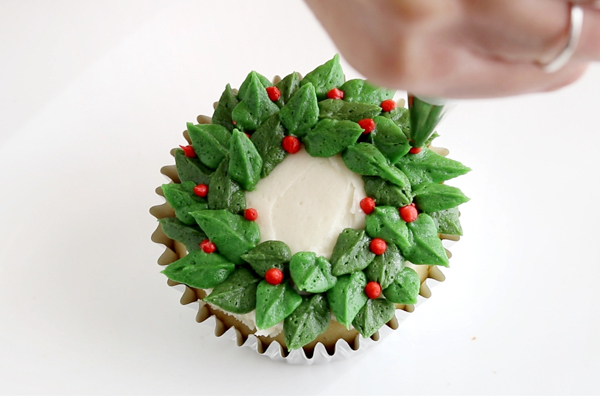
The Berry Wreath design utilizes the #352 leaf tip. This specific tip is engineered with a notched end that, when squeezed and pulled, creates a pointed leaf shape. The technique involves a two-toned approach, alternating between medium and dark green leaves to mimic the natural density of a holly bush. The final step in this design is the application of red buttercream "berries" using a #3 round tip, placed in clusters to provide a color contrast that adheres to traditional holiday palettes.
Phase III: The Pine Sprig Wreath Methodology
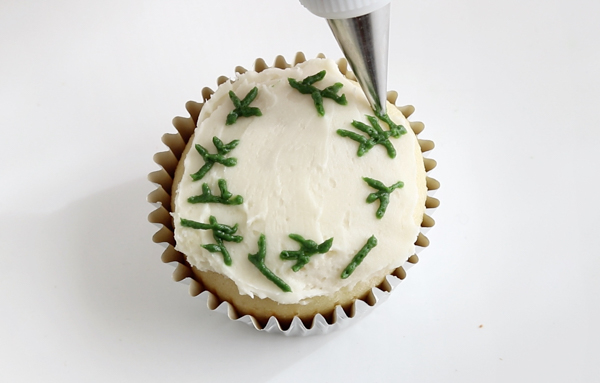
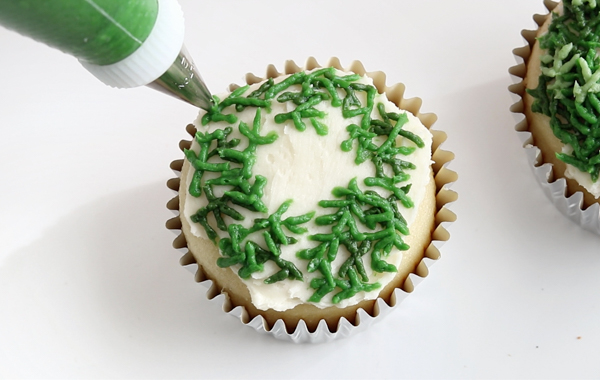
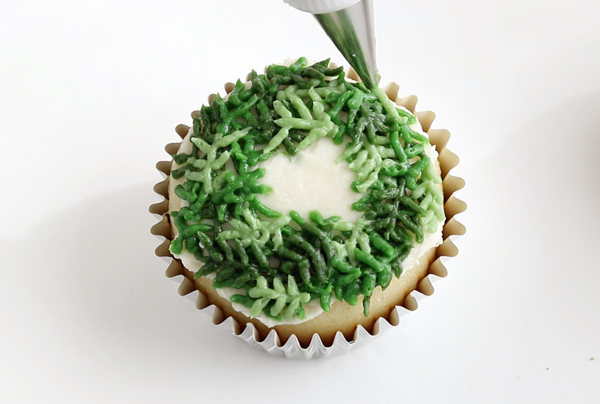
Considered the most labor-intensive of the three designs, the Pine Sprig Wreath requires a #3 round tip for all three shades of green. The process involves piping a central line and overlaying it with small "v" shapes to simulate the needles of a pine branch. By layering light, medium, and dark sprigs, the baker creates a sense of depth and realism. This design reflects a trend toward hyper-realistic botanical piping in the cake decorating industry.
Phase IV: The Sprinkled Wreath and Final Assembly
The third design, the Sprinkled Wreath, utilizes the #199 open star tip to create "drop stars." This technique is faster than the sprig method and provides a modern, textured look. The "ornaments" are added using spherical sprinkles, such as the "Serendipity" mix from Fancy Sprinkles. This phase highlights the intersection of piping skills and the use of pre-made decorative elements to achieve a professional finish.
Market Trends and Consumer Behavior in Seasonal Baking
The release of seasonal tutorials like "Christmas Wreath Cupcakes" is supported by significant data regarding the home baking market. According to market research reports, the global baking ingredients market was valued at approximately $16.6 billion in 2022 and is projected to grow as more consumers engage in "hobbyist" baking. The holiday season accounts for a disproportionate share of this revenue, with sales of flour, butter, and decorative sprinkles peaking in November and December.
Furthermore, the rise of "DIY" culture has seen a 25% increase in searches for "cupcake decorating tutorials" during the winter months over the last three years. DePaoli’s contribution to The Cake Blog addresses this demand by providing high-definition imagery and step-by-step instructions that bridge the gap between amateur baking and professional pastry arts.
Expert Analysis: The Psychological Impact of Festive Aesthetics
Culinary psychologists suggest that the appeal of these wreath designs lies in the "sensory-emotional" connection consumers have with holiday traditions. The use of specific shades of green and red triggers nostalgic responses, while the act of detailed piping provides a meditative outlet for the baker.
"The Christmas wreath is a symbol of continuity," says a hospitality industry consultant. "When you translate that into a cupcake, you are offering a tangible, edible piece of that tradition. Tutorials that focus on the ‘variety’ of designs, as Whitney DePaoli does, allow for personal expression within a structured framework, which is highly satisfying for the home cook."
The emphasis on using couplers and specific tips also reflects a professionalization of the home kitchen. As tools that were once exclusive to commercial bakeries become widely available via online retailers, the standard for home-baked goods has risen. This "professionalization of the amateur" is a key driver in the success of platforms like The Cake Blog.
Broader Implications for the Baking Community
The "Christmas Wreath Cupcakes" tutorial is more than a set of instructions; it is a testament to the evolving standards of digital food media. By providing specific tip numbers (#352, #3, #199) and brand recommendations, the tutorial removes the guesswork often associated with complex decorating projects. This level of detail ensures a higher success rate for users, which in turn fosters a more engaged and capable community of bakers.
As the holiday season progresses, the impact of such tutorials is visible on social media platforms, where hashtags related to "wreath cupcakes" and "holiday baking" see thousands of unique posts. These user-generated contributions serve as a feedback loop, validating the techniques shared by contributors like DePaoli and encouraging further innovation in the field.
In conclusion, the Christmas Wreath Cupcakes tutorial stands as a significant resource for the 2019 holiday season and beyond. It combines historical motifs with modern technical execution, providing a clear, factual, and highly effective roadmap for creating professional-quality festive treats. Through its focus on equipment efficiency, color theory, and textured piping, the guide elevates the humble cupcake into a sophisticated element of the holiday dessert table, reflecting the current state of the art in the global baking industry.