

The intersection of domestic craftsmanship and personalized home aesthetics has reached a new milestone as consumers increasingly pivot away from mass-produced seasonal items in favor of bespoke, high-quality alternatives. This shift is exemplified by recent developments in the niche market of bottle brush trees—a staple of mid-century holiday decor that has seen a significant resurgence. Industry experts and independent artisans are noting a growing demand for products that allow for precise color matching and "heirloom" quality, moving beyond the standard offerings found in major retail chains. This movement is driven by a combination of supply chain fatigue, a desire for domestic manufacturing, and the rise of "prosumer" culture, where individuals utilize professional-grade materials like Rit Dye and artisan-sourced bases to create custom interior landscapes.
The Shift Toward Domestic Artisanal Sourcing
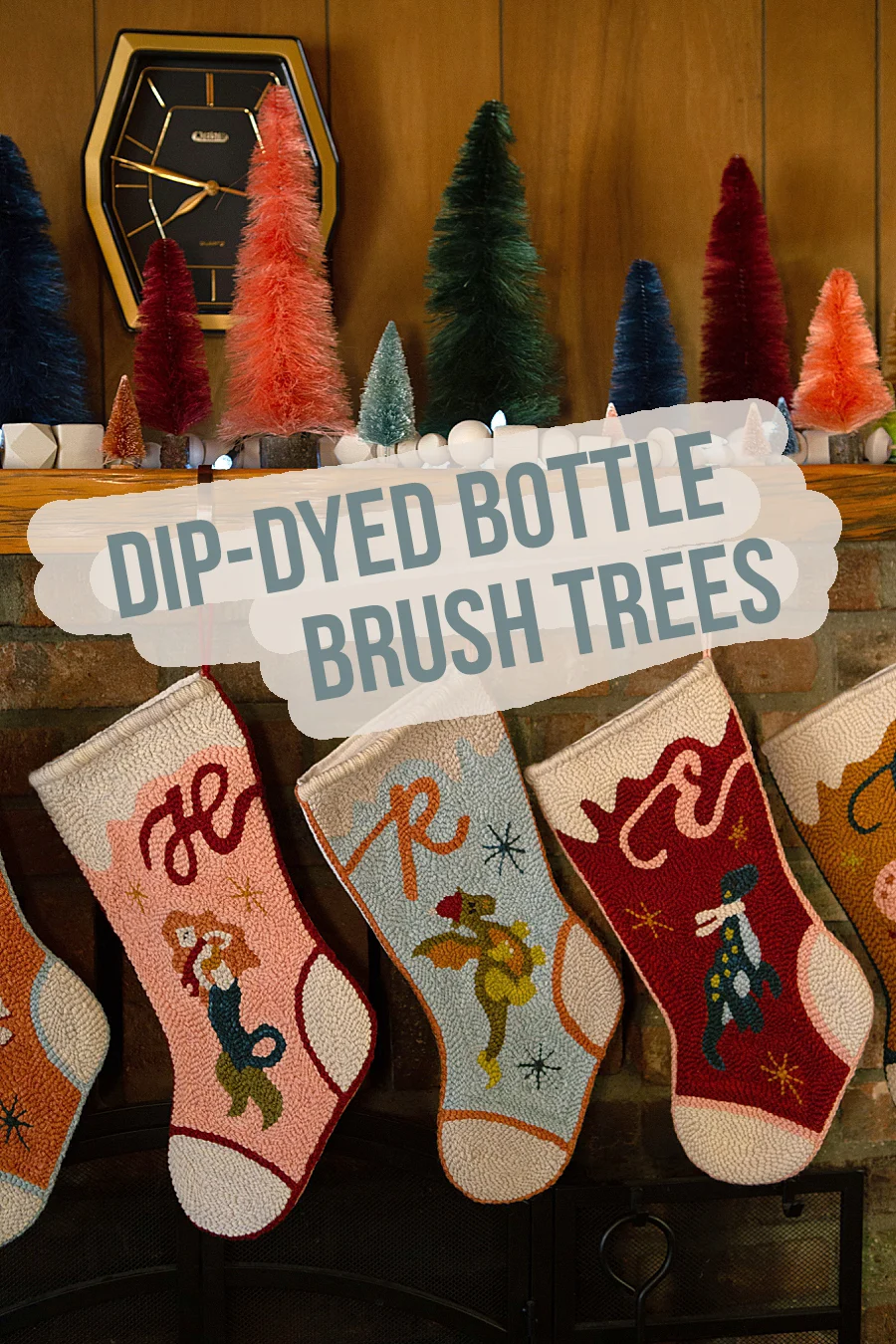
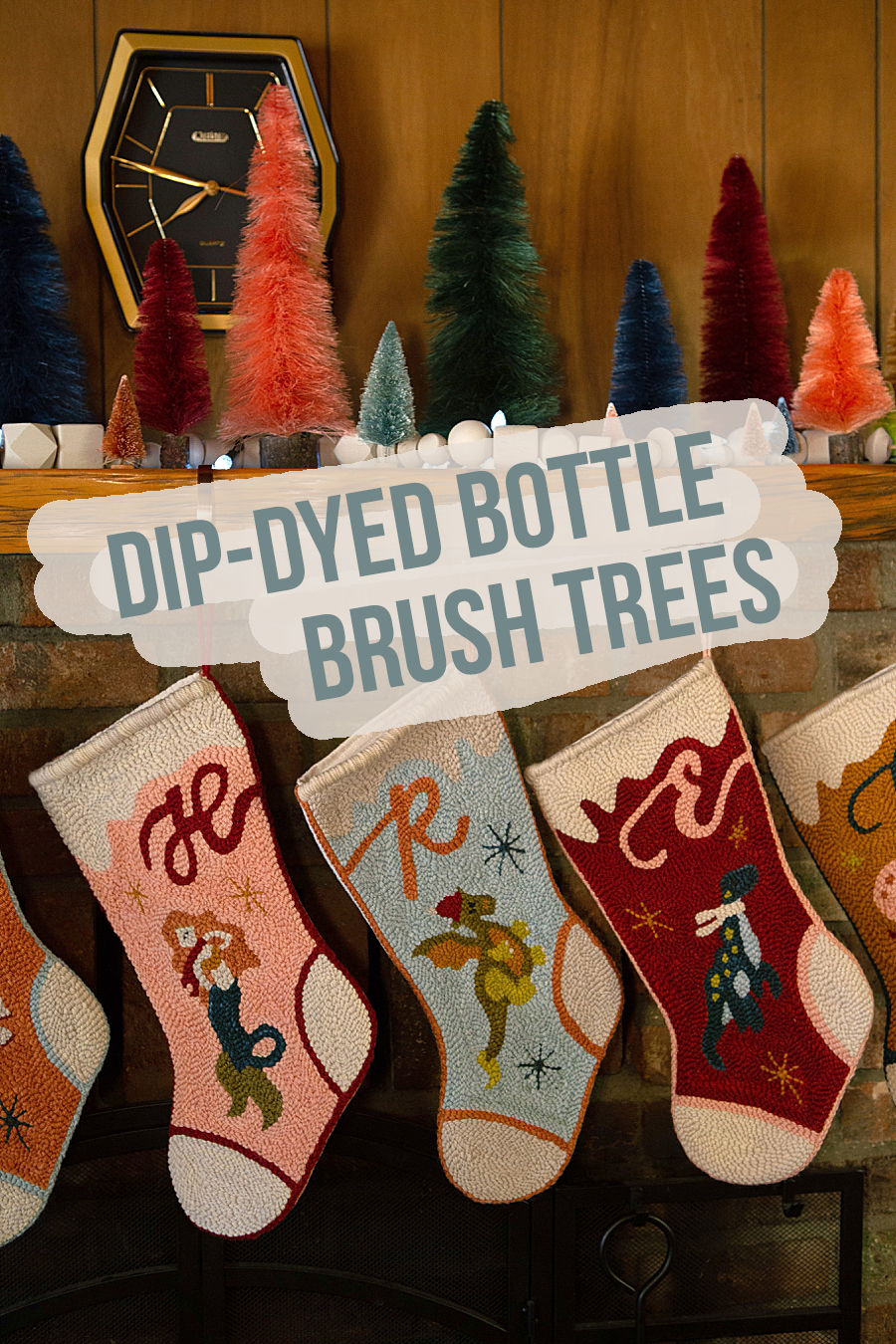
In the current economic climate, a notable segment of the consumer base has expressed growing dissatisfaction with imported, mass-produced goods. This sentiment often stems from perceived quality discrepancies and a desire to support the domestic "cottage industry." When seeking specific holiday accents, such as bottle brush trees intended to complement complex textile projects like punch-needle stockings, many decorators have found traditional retail inventories lacking.
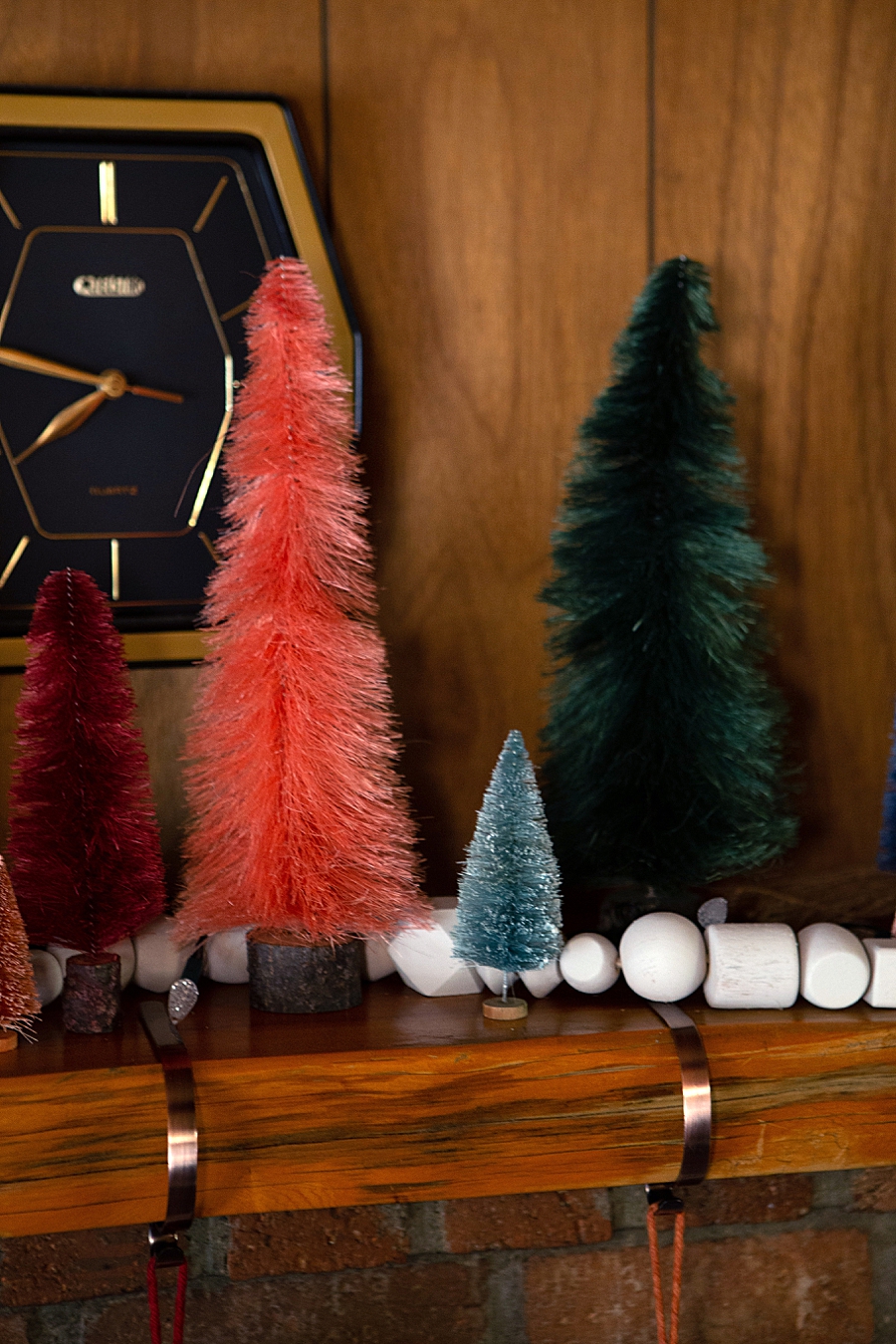
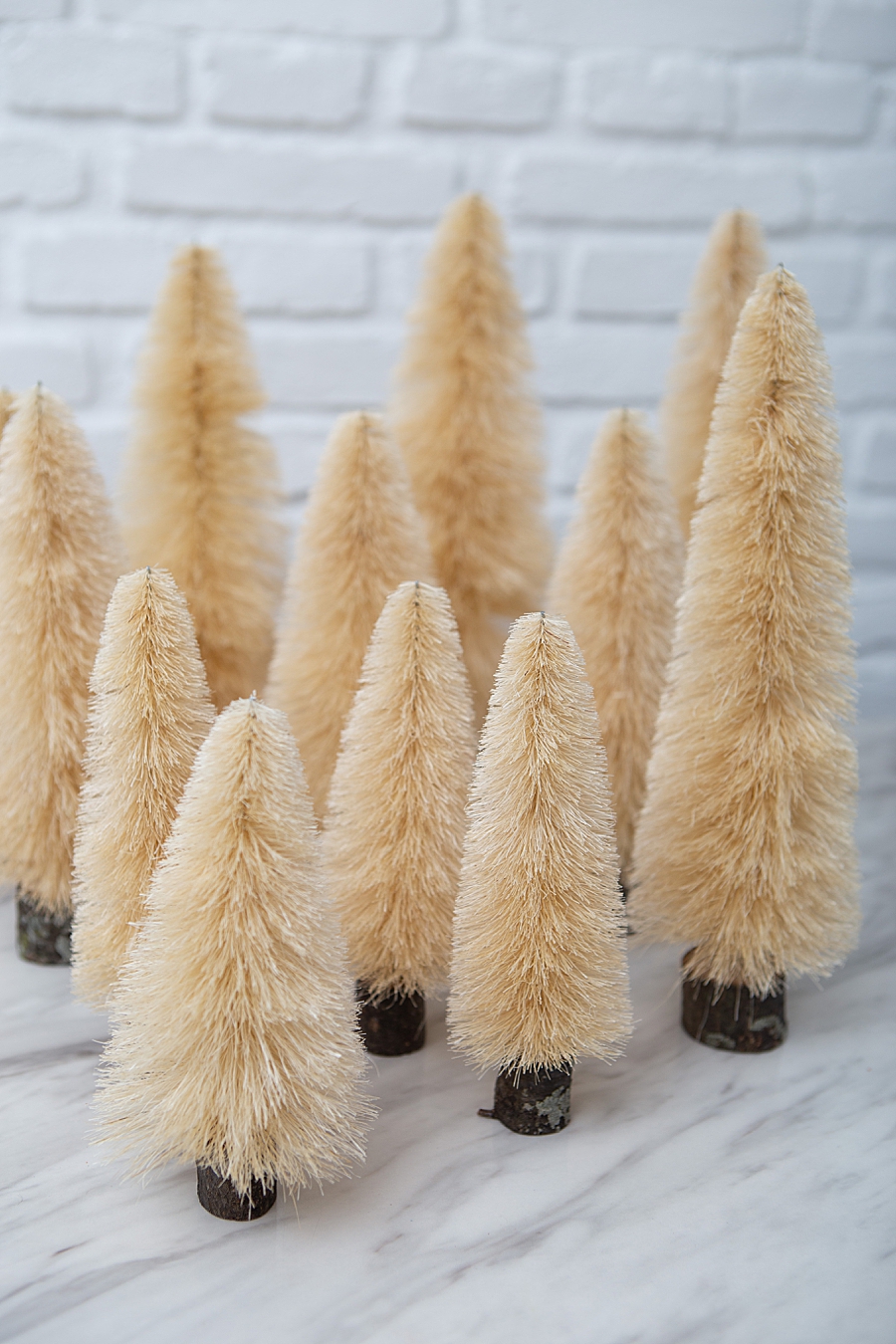
Rachel, the founder of Studio59 Handmade, has emerged as a key figure in this sector. Operating through the Etsy platform, Studio59 Handmade provides a range of American-made bottle brush trees that vary in width—including classic, thin, and wide profiles—and heights ranging from 4 to 12 inches. These trees are typically sold in a "natural" state, serving as a blank canvas for further customization. This accessibility to raw, high-quality materials allows enthusiasts to bypass the limitations of pre-dyed imports, which are often restricted to a narrow palette of primary colors.
The preference for handmade items is not merely an aesthetic choice but a socio-economic one. Data from the handmade marketplace indicates that consumers are willing to pay a premium for items that offer transparency in manufacturing and the ability to customize. This trend is particularly prevalent in the holiday decor sector, where "heirloom" quality is prioritized over disposability.
Technical Analysis of the Dip-Dyeing Process
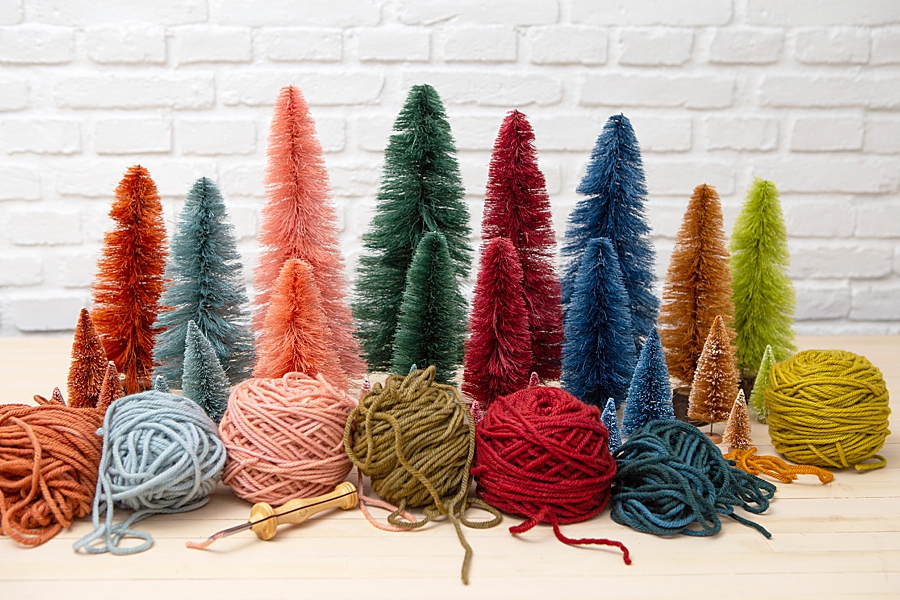
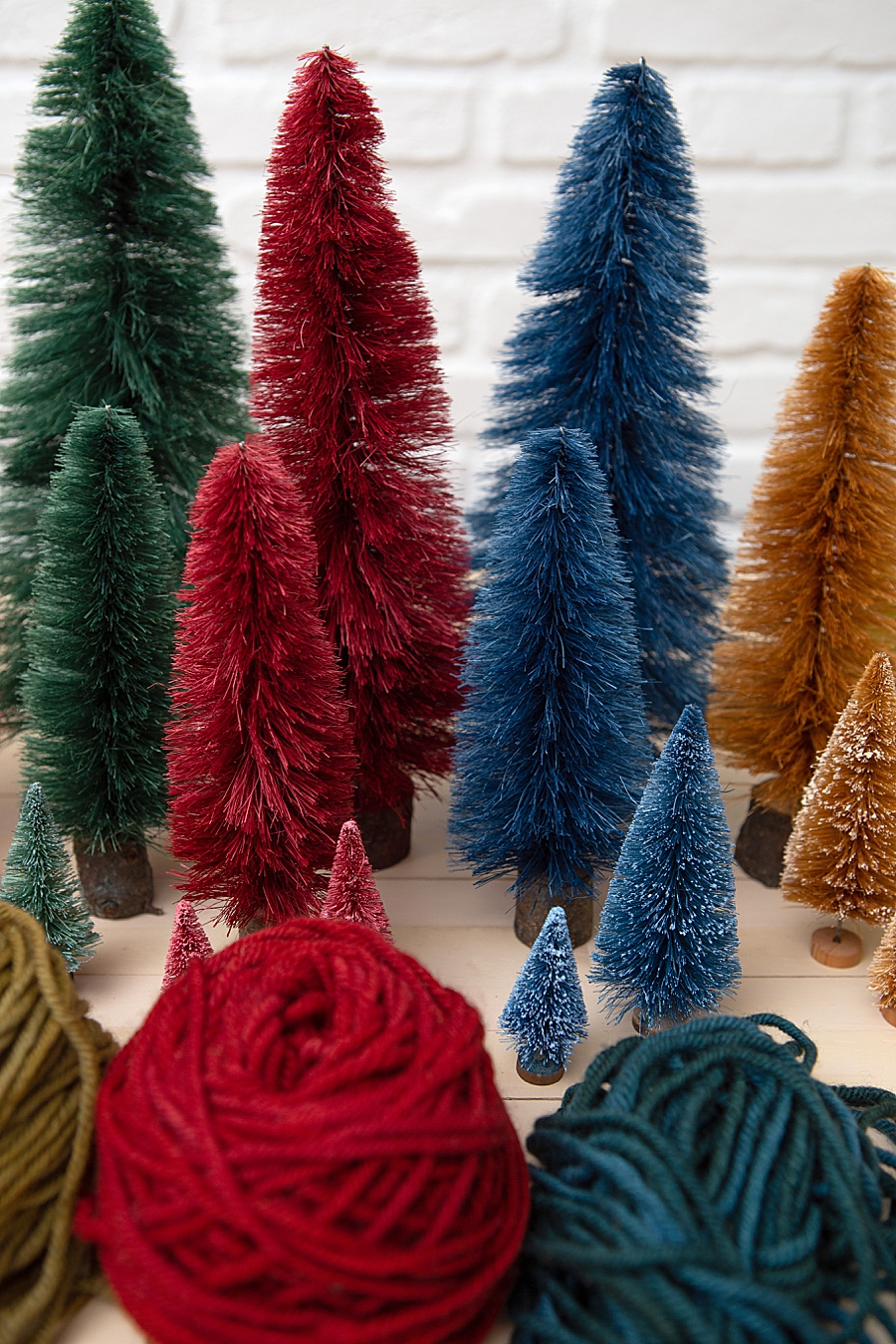
The customization of bottle brush trees involves a sophisticated understanding of textile chemistry and color theory. To achieve a precise match with existing decor—such as the Cardo yarn by Manos del Uruguay used in punch-needle applications—artisans utilize specialized dyeing techniques. The process relies heavily on the versatility of synthetic and all-purpose dyes, with Rit Dye being the industry standard for such applications.
Chemical Composition and Preparation
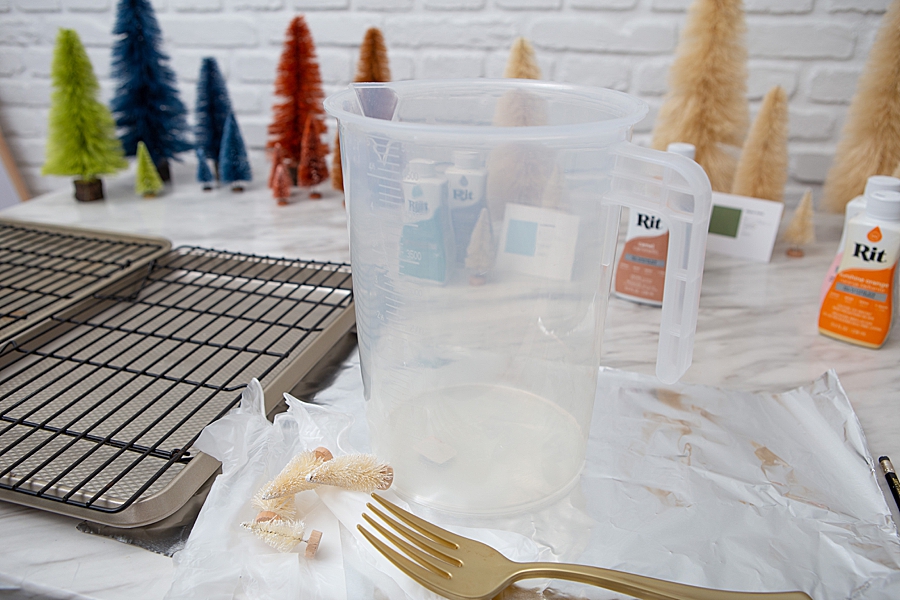
The success of the dip-dyeing method depends on the preparation of a dye bath that ensures even saturation and color fastness. The standard procedure involves the following technical steps:
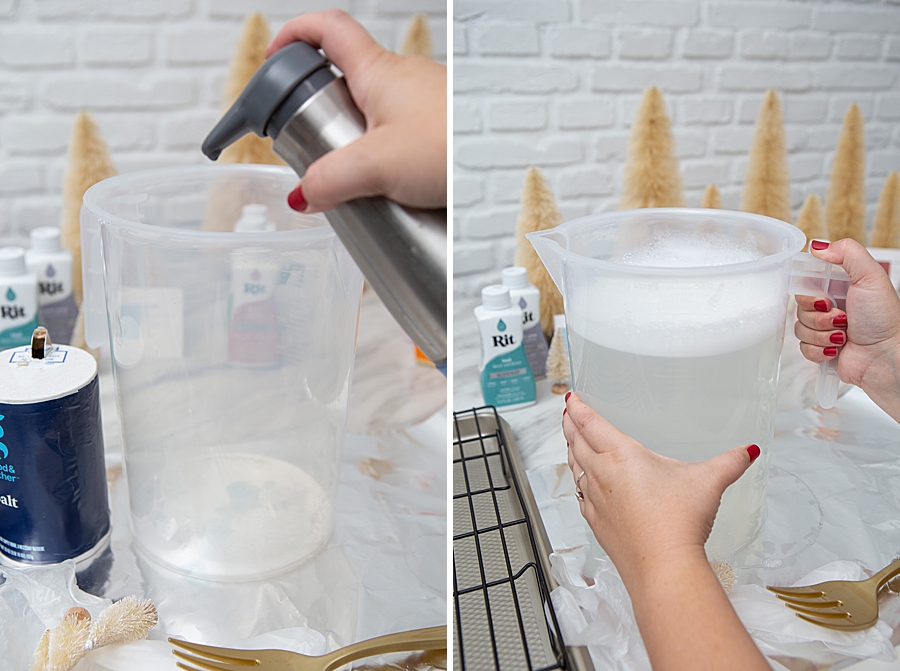
- Solution Base: The use of the hottest available water is critical to open the fibers of the tree bristles, allowing for maximum dye penetration.
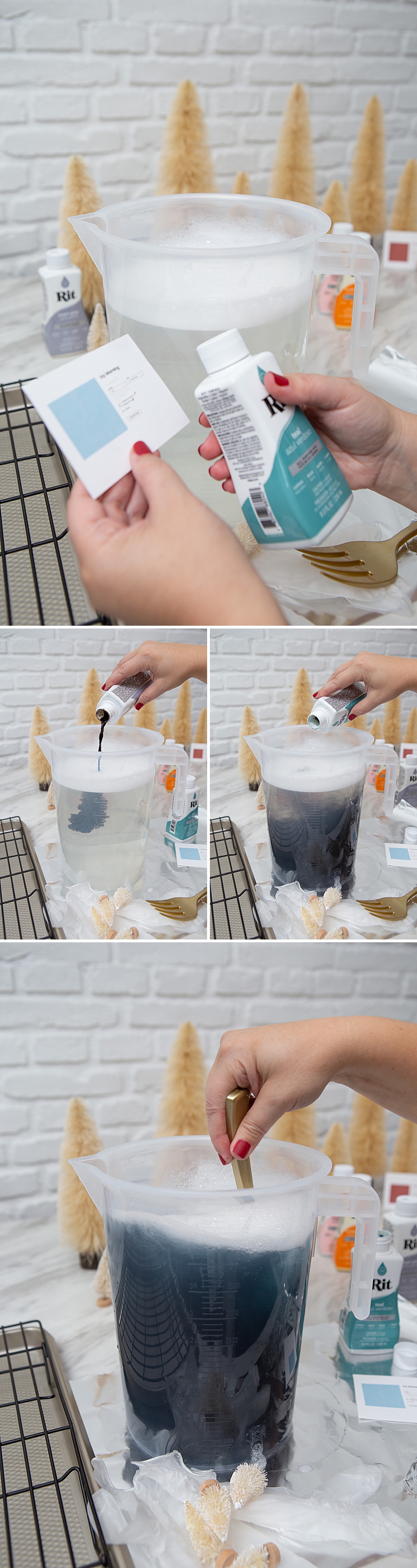
- Surfactants and Mordants: The addition of dish soap acts as a surfactant, breaking the surface tension of the water to ensure the dye spreads evenly across the dense bristles. Salt is added as a mordant, which helps the dye molecules bond more effectively to the material, particularly if the bristles contain natural fibers or specific synthetics.
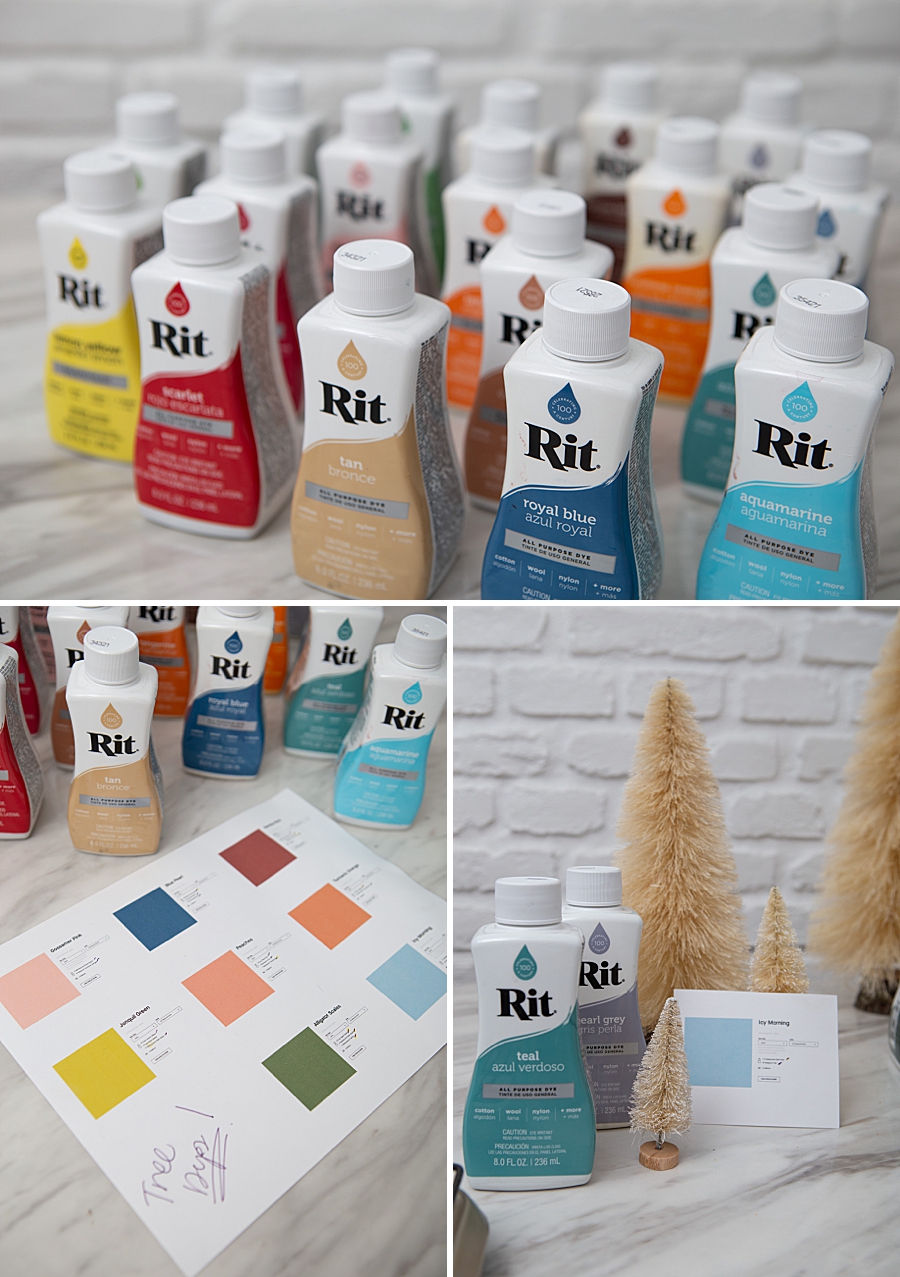
- Color Formulation: Rather than relying on guesswork, modern DIY practitioners utilize digital color formula libraries. Rit Dye, for instance, provides a comprehensive database of formulas that can be adjusted based on the volume of water used—typically scaled to a one-gallon mixing pitcher for home projects.
Precision Application and Testing
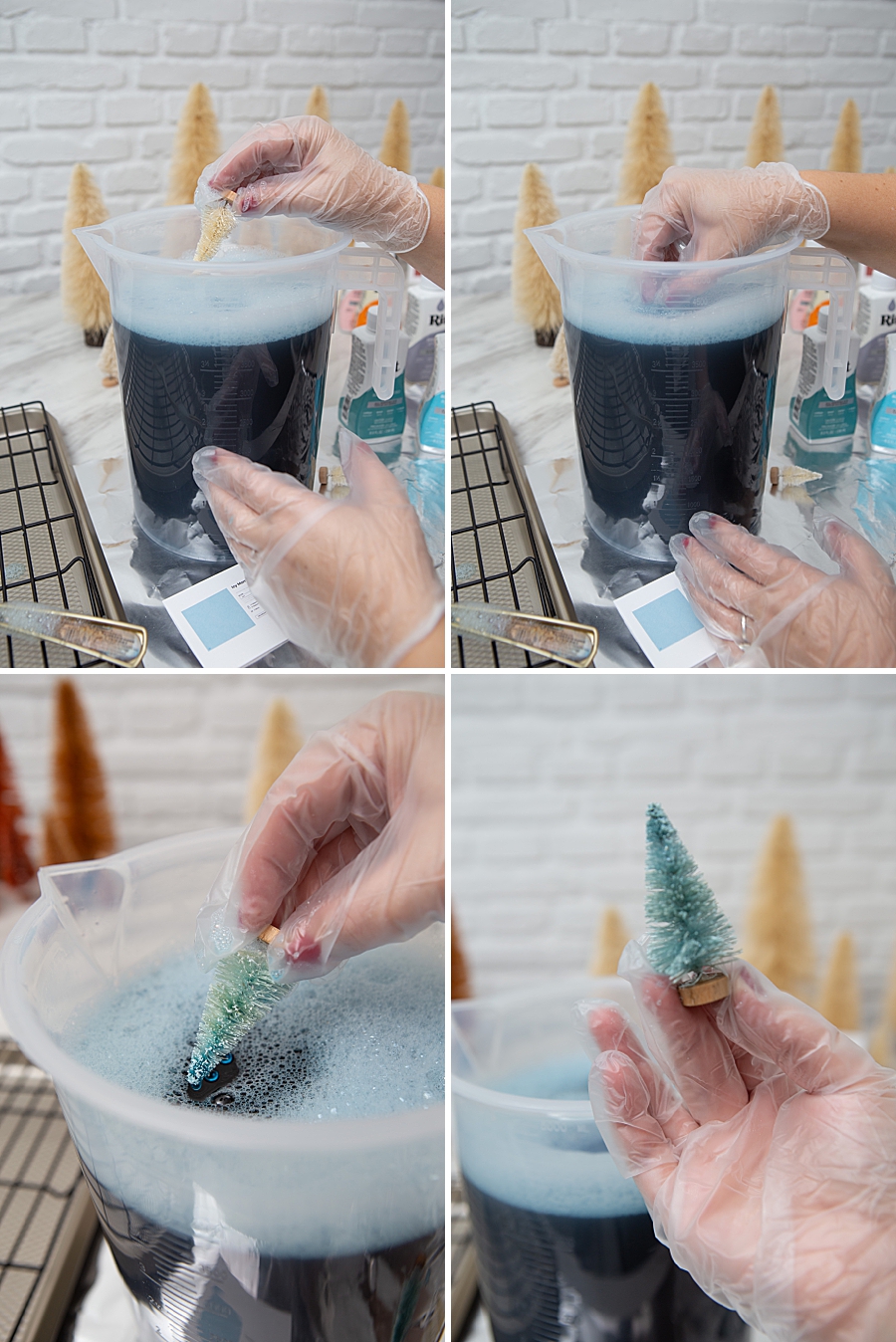
Because artisan-sourced trees represent a higher financial investment than mass-produced versions, the industry emphasizes a "test-first" methodology. Practitioners often utilize smaller, lower-cost "test trees" to verify the color output before committing the primary stock to the dye bath.
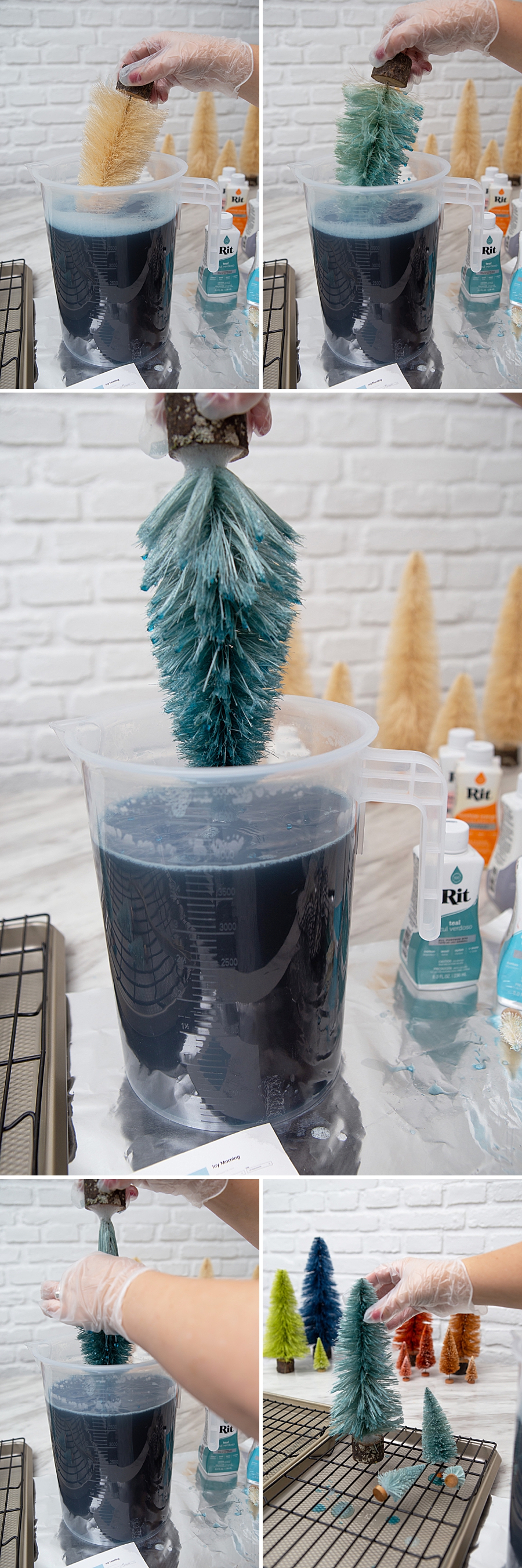
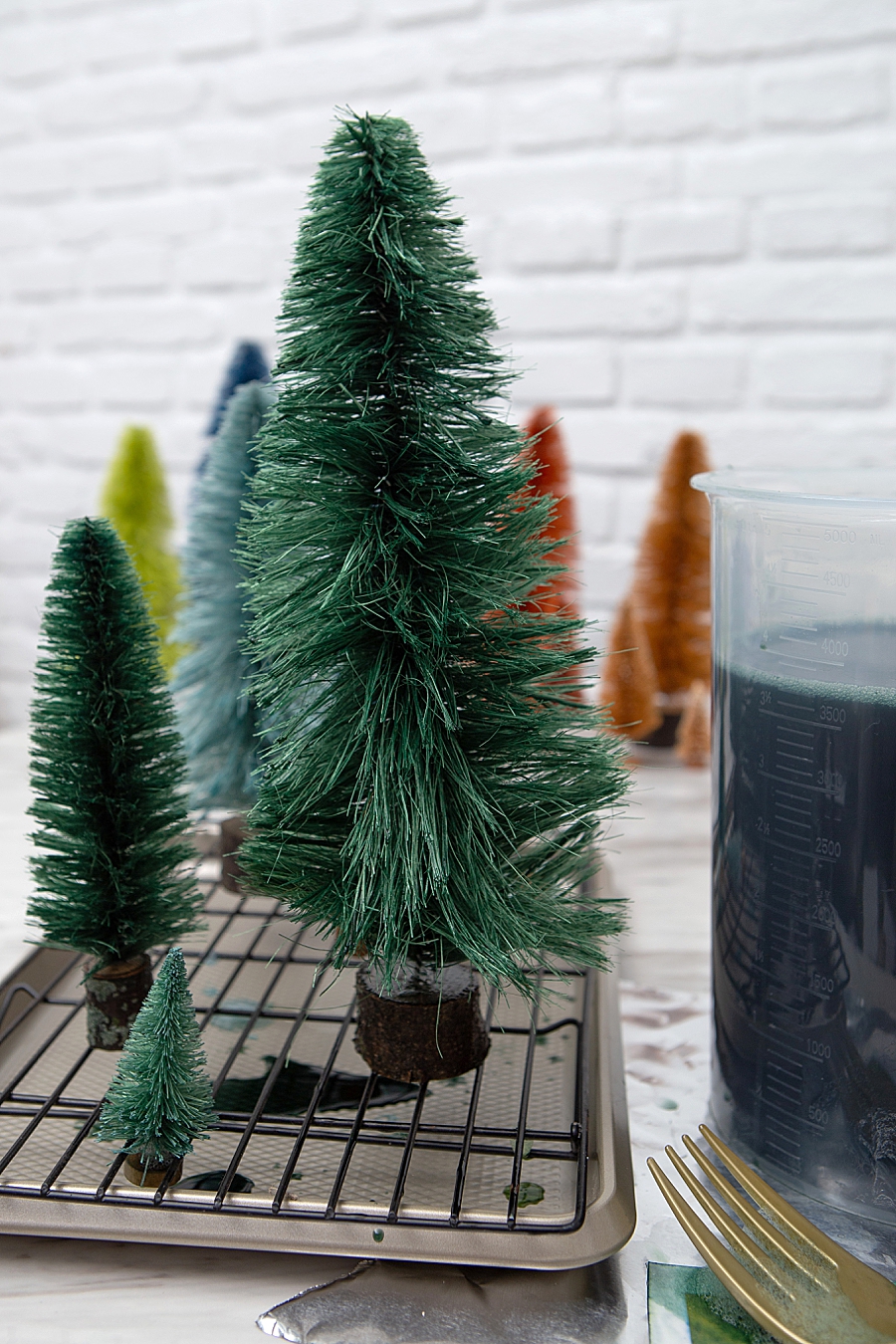
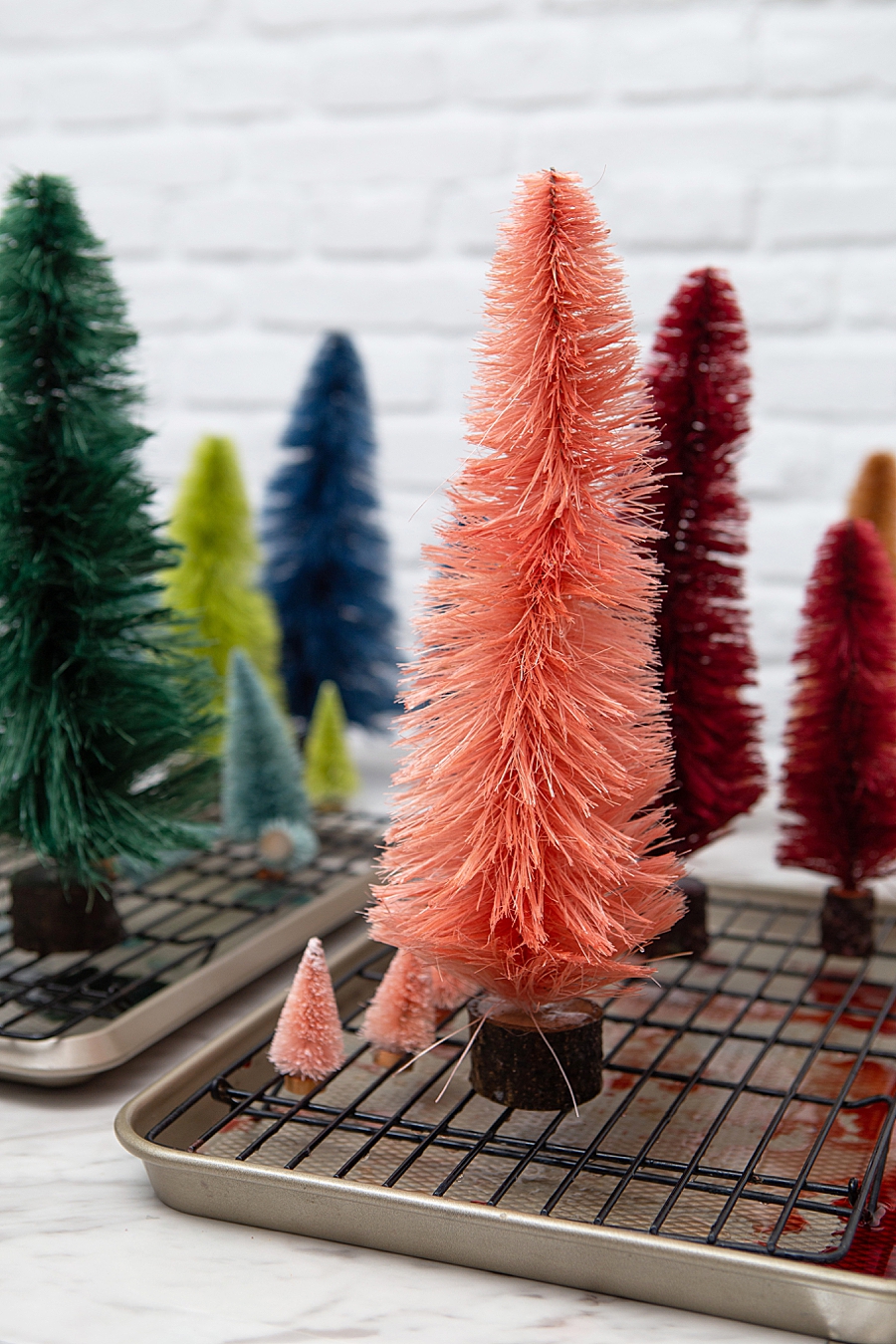
The physical application involves a controlled immersion, usually lasting approximately 45 seconds. This duration is sufficient for the capillary action of the bristles to draw the dye into the center of the tree. Post-immersion, the removal of excess moisture is vital to prevent "pooling" or uneven color distribution. The drying phase requires a ventilated environment, typically utilizing cooling racks over cookie sheets to allow for 360-degree airflow over a 24-hour period.
Chronology of the Customization Workflow
The timeline for producing a set of custom-matched bottle brush trees follows a logical progression that aligns with broader "slow-craft" principles.
- Phase 1: Sourcing and Identification: The process begins with the identification of the primary aesthetic driver—in this case, the specific hues of a punch-needle stocking project. This phase involves locating a domestic supplier capable of providing various sizes and shapes of natural-colored trees.
- Phase 2: Digital Color Matching: Utilizing online resources, the artisan selects dye formulas that correspond to the yarn or textile being matched. This bridge between digital resources and physical crafting is a hallmark of contemporary DIY trends.
- Phase 3: Laboratory-Style Mixing: The dye bath is prepared under controlled conditions, ensuring the ratio of dye to water, salt, and soap is consistent to maintain color integrity across multiple batches.
- Phase 4: Execution and Curing: The trees are dyed in a series of controlled dips. The curing process is the most time-consuming, requiring a full overnight dry to ensure the color is set and the bristles return to their intended texture.
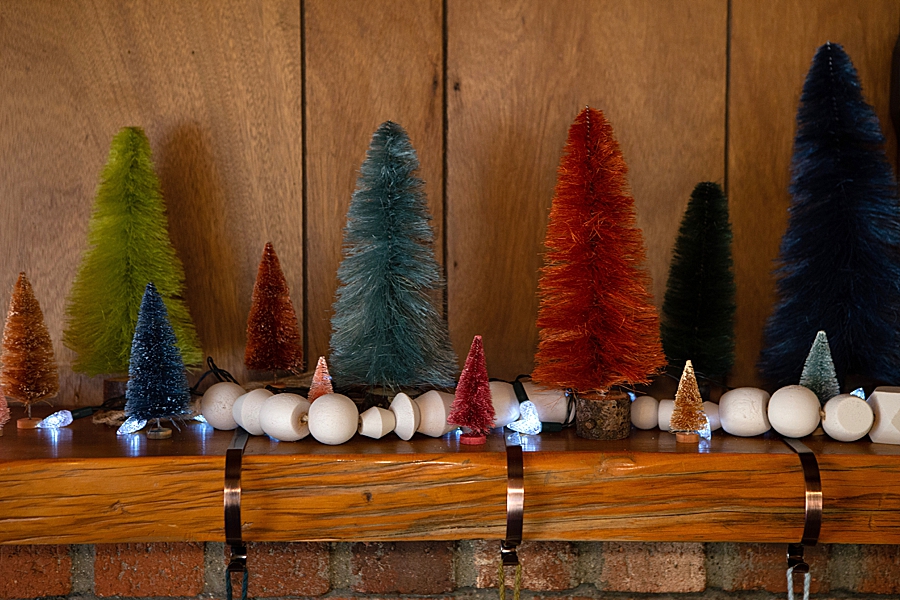
- Phase 5: Integration: The final products are integrated into a larger holiday tableau, creating a cohesive visual narrative that links different craft mediums, such as needlework and miniature landscaping.
Broader Economic and Cultural Implications
The rise of customized seasonal decor reflects a larger movement toward "curated living." As social media platforms like Instagram and Pinterest continue to influence interior design, the "standard" holiday look is being replaced by highly individualized themes. This has significant implications for the retail and manufacturing sectors.
The Rise of the Micro-Manufacturer
Small-scale producers like Studio59 Handmade are increasingly filling the gap left by large retailers who cannot provide the level of specificity or the "Made in USA" pedigree that modern consumers demand. This shift supports a decentralized economy where specialized artisans can thrive by providing high-quality components for others to customize.
Sustainability and the "Heirloom" Mindset
By moving away from "junk" (low-quality, mass-produced imports), consumers are inadvertently engaging in more sustainable consumption patterns. High-quality bottle brush trees, dyed with care, are intended to be kept for decades rather than discarded after a single season. This "heirloom" mindset reduces waste and encourages a more thoughtful approach to holiday consumption.
The Professionalization of the Hobbyist
The use of professional-grade tools—such as gallon-sized mixing pitchers, specific chemical additives, and digital formula sheets—suggests a professionalization of the domestic hobbyist. The line between "crafting" and "home manufacturing" is blurring, as individuals gain access to the same resources and information once reserved for industrial designers.
Conclusion and Future Outlook
The trend of dip-dyeing bottle brush trees to match handmade textiles is a microcosm of a larger shift in the global marketplace. It represents a rejection of the "one-size-fits-all" approach to seasonal decor and a return to artisanal values. As more consumers seek out domestic sources and master the technical skills required for customization, the demand for high-quality, "blank" artisanal goods is expected to grow.
This movement also highlights the importance of platforms like Etsy in connecting specialized manufacturers with a discerning public. Looking forward, it is likely that more companies will follow the lead of brands like Rit Dye by providing the digital infrastructure (such as color formulas and tutorials) necessary to support this "creator economy." The result is a holiday landscape that is more colorful, more personal, and more domestically rooted than in previous generations. The success of projects such as the punch-needle stocking coordination demonstrates that for the modern decorator, the joy of the holiday season is increasingly found in the process of creation rather than the act of simple acquisition.