

The landscape of the global DIY and home-crafting industry has undergone a significant transformation over the last decade, transitioning from basic hand-assembly projects to high-tech manufacturing processes previously reserved for industrial facilities. Central to this evolution is the introduction of Cricut Infusible Ink, a proprietary sublimation-based technology designed to bridge the gap between amateur crafting and professional-grade product personalization. By allowing users to create permanent, factory-standard designs on a variety of substrates—including textiles, ceramics, and metals—this technology has redefined the capabilities of the "maker economy."
The Evolution of Personalization Technology
Historically, home-based garment and gift customization relied heavily on Heat Transfer Vinyl (HTV) or "iron-on" materials. While effective, HTV functions by adhering a thin layer of plastic-based material onto the surface of a substrate using heat-sensitive glue. The limitations of this method are well-documented: over time, the adhesive can fail, leading to peeling, cracking, and fading, particularly after repeated laundering.
Cricut Infusible Ink represents a departure from topical adhesives, utilizing the chemical process of sublimation. In this process, specialized solid-state inks are subjected to high temperatures (typically between 385°F and 400°F), causing them to convert directly into a gas without passing through a liquid phase. Simultaneously, the heat opens the pores of polymer-based materials or polyester fibers, allowing the gaseous ink to permeate the surface. As the material cools, the pores close, trapping the ink inside the substrate. The result is a design that is physically part of the object rather than a layer on top of it.
Technical Specifications and Material Compatibility
The efficacy of Infusible Ink is contingent upon the chemical composition of the "blank" or base material. Because the sublimation process requires a molecular bond with polymers, the technology is only compatible with materials featuring a high polyester count (typically 65% or higher) or those treated with a specialized poly-coating.
- Textiles: Optimized for white or light-colored polyester fabrics. On dark fabrics, the ink is not visible because it is translucent; on cotton, the ink has no polymer to bond with and will wash out.
- Hard Substrates: Ceramic mugs, slate coasters, and aluminum sheets must be manufactured with a sublimation-compatible coating to ensure the ink "takes" to the surface.
- Consumables: The technology is delivered via two primary mediums:
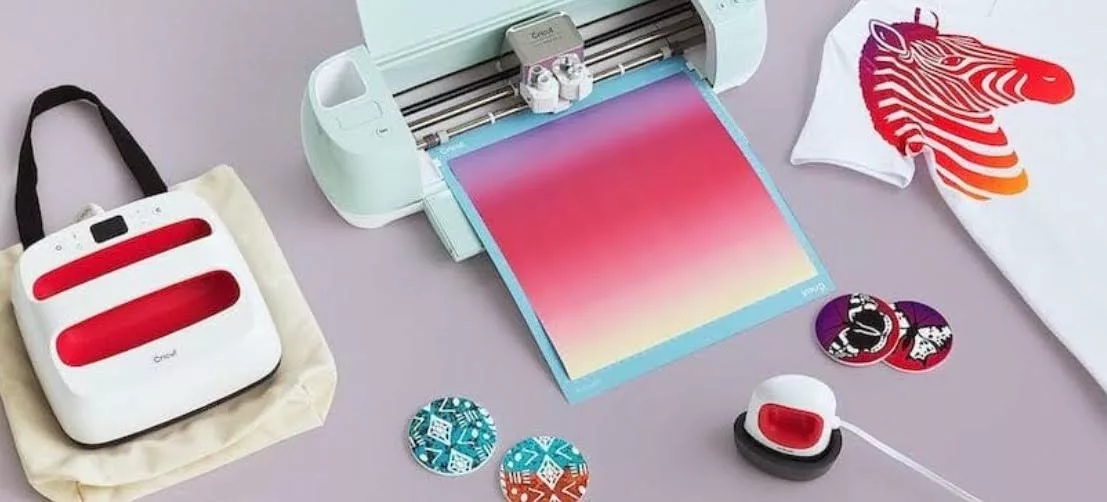
- Transfer Sheets: Pre-inked solid-color or patterned sheets that are cut into specific shapes using a digital cutting machine.
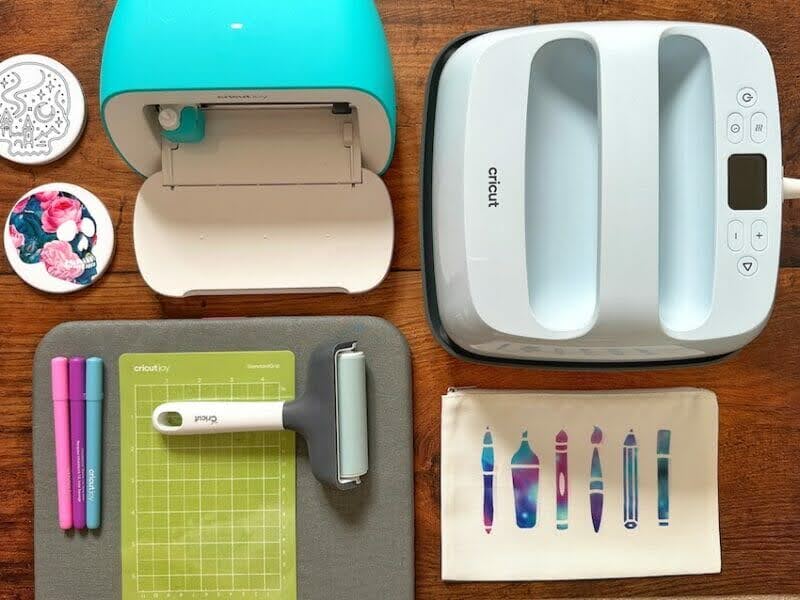
- Pens and Markers: Tools that allow for freehand drawing or machine-plotted illustrations on standard laser copy paper, which then serve as the transfer medium.
Operational Protocol: The Textile Fabrication Process
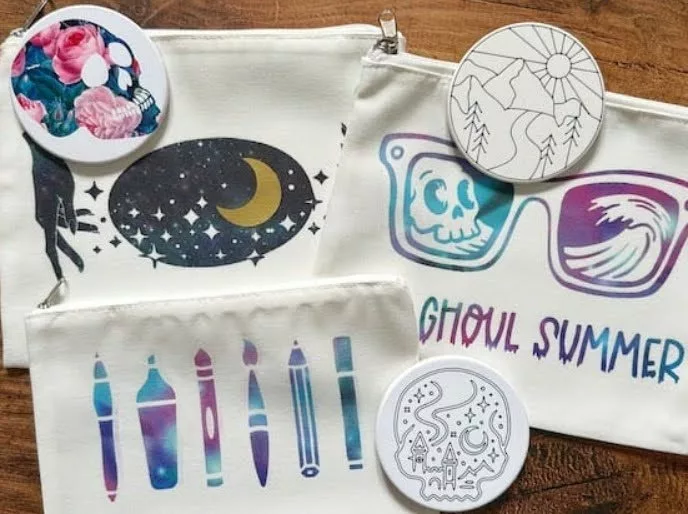
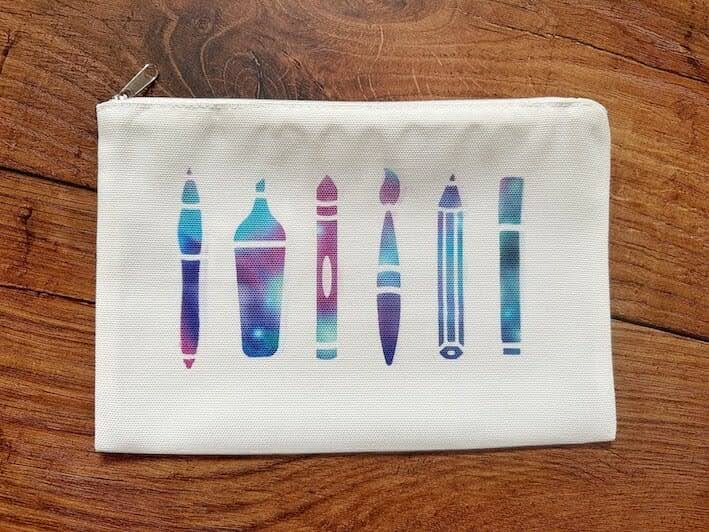
To understand the practical application of this technology, one must look at the standard workflow for customizing a synthetic textile, such as a cosmetic bag or a tote. This process requires precision in temperature control and pressure application.
Phase 1: Digital Design and Preparation
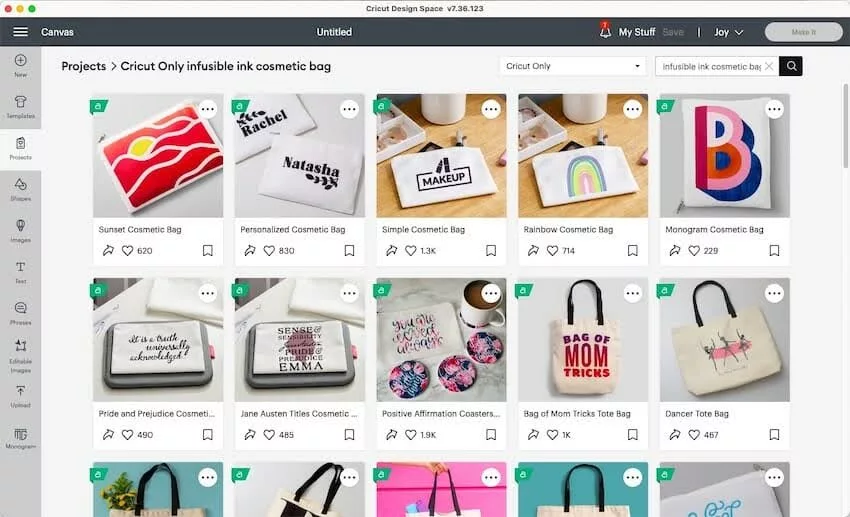
Users utilize software such as Cricut Design Space to render vector-based graphics. A critical step in this phase is the "Mirror" command. Because the design is placed face-down against the substrate during the transfer, the image must be cut or drawn in reverse to appear correctly on the final product.
Phase 2: Precision Cutting
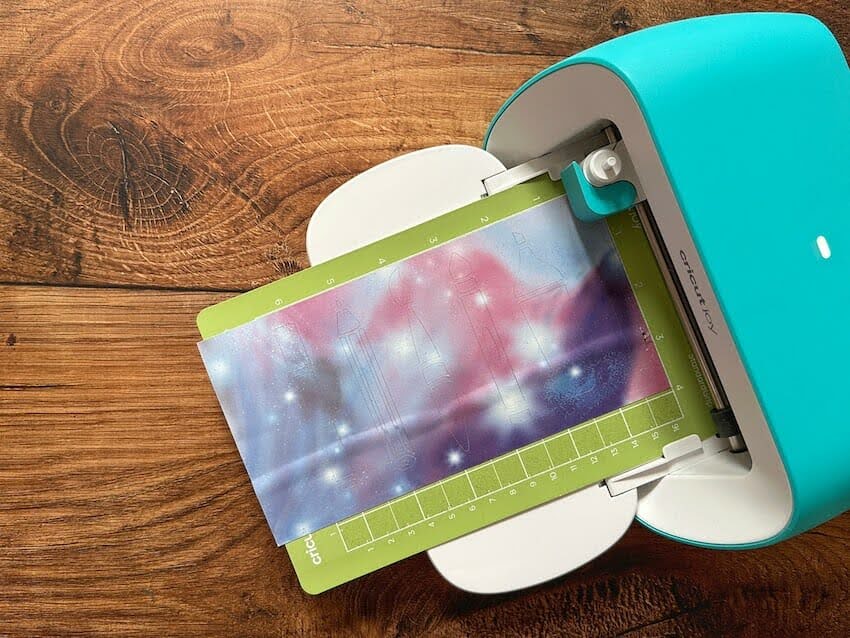
The Infusible Ink Transfer Sheet is loaded into a cutting machine (such as the Cricut Explore, Maker, or Joy series). Unlike HTV, which is often cut on the "shiny" side, Infusible Ink sheets are placed ink-side up. The machine executes the design with a fine-point blade. Following the cut, the user performs "weeding"—the removal of excess material—leaving only the desired graphic on a clear, slightly tacky liner.
Phase 3: Thermal Application
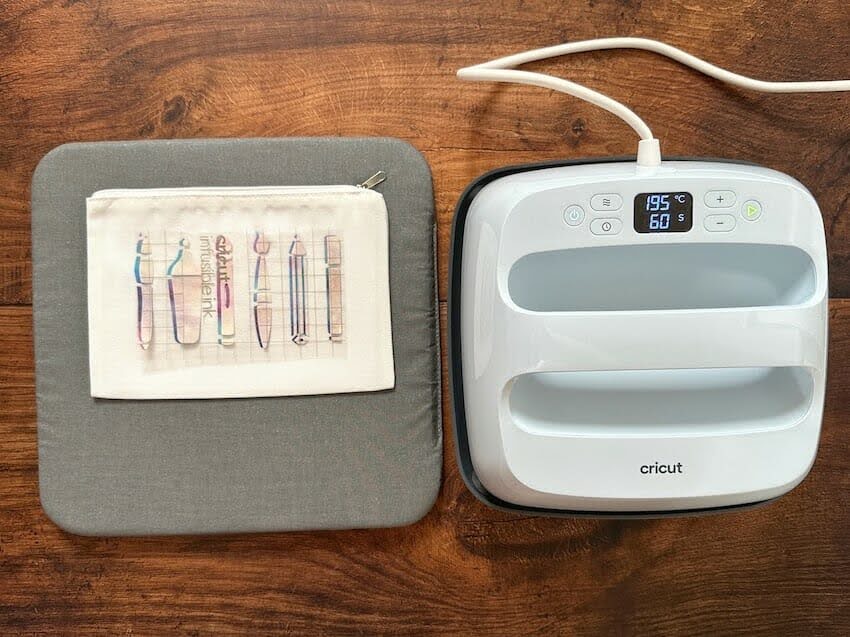
The substrate is prepared by removing any debris with a lint roller, as microscopic fibers can cause blue "specks" during the sublimation process. The design is then placed face-down. To protect the heat press and the substrate, a layer of clean butcher paper is placed over the transfer. A heat press, such as the Cricut EasyPress, is applied at 385°F for 60 seconds with light pressure. Upon completion, a "cold peel" or "warm peel" is executed depending on the specific material instructions, revealing a vibrant, permanent design.
Operational Protocol: Hard Surface Customization
The application of Infusible Ink to non-porous surfaces like ceramic coasters follows a similar chemical logic but requires different handling techniques due to the heat-retention properties of ceramic and stone.
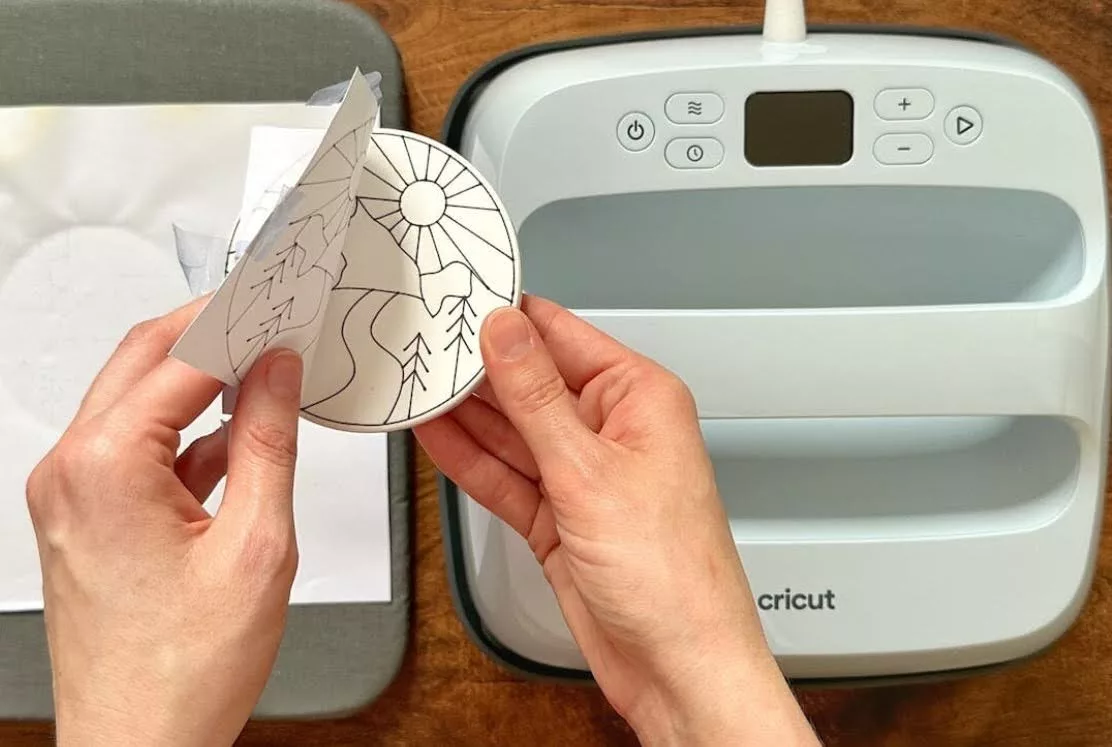
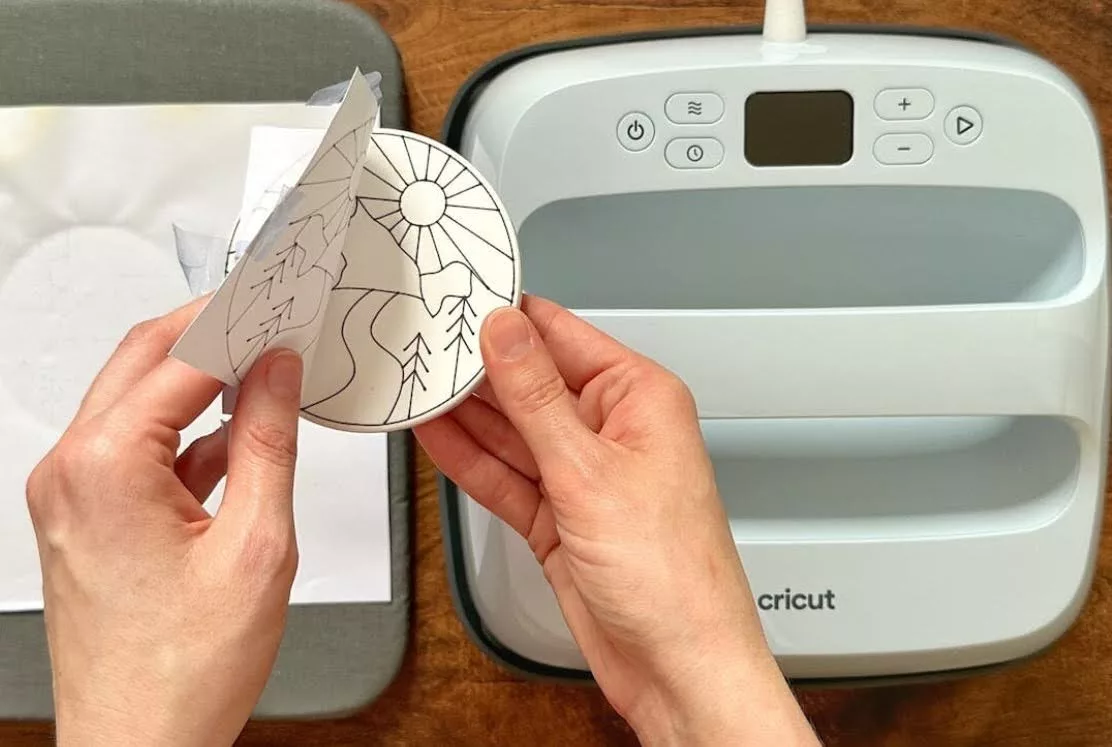
When using Infusible Ink Pens for a coaster project, the design is first drawn onto laser copy paper. This paper acts as the carrier. The ceramic blank—which must be a sublimation-compatible coaster—is cleaned with a lint-free cloth. The design is secured to the coaster using heat-resistant tape to prevent "ghosting," a phenomenon where the paper shifts during heating and creates a blurred image.
Unlike textiles, coasters are often pressed upside down (heat source applied to the bottom of the coaster) or with a specific stack of materials (silicone mats and cardstock) to ensure even heat distribution. Because ceramics retain heat for a significant duration, the cooling phase is a critical safety and quality-control step in the manufacturing process.
Market Data and the Maker Movement
The rise of Infusible Ink technology mirrors broader trends in the global craft and hobby market, which was valued at approximately $40 billion in the United States alone in recent years. According to industry analysis, the "Personalized Gift" market is expected to see a compound annual growth rate (CAGR) of nearly 10% through 2030.
The shift toward sublimation-at-home has been driven by the "prosumer" demographic—individuals who purchase professional-grade equipment for personal use or small-scale entrepreneurship. Cricut’s simplification of the sublimation process has effectively lowered the barrier to entry. Previously, sublimation required expensive wide-format printers, specialized inks, and complex software. By providing pre-inked sheets and user-friendly hardware, the technology has become accessible to the average consumer.
Industry Implications and Professional Standards
The introduction of these products has forced a recalibration of quality standards in the handmade marketplace. Platforms like Etsy and Shopify have seen an influx of vendors utilizing Infusible Ink to produce "merchandise-grade" apparel and home decor.
Professional analysts note that the permanence of the ink provides a competitive advantage for small businesses. A garment produced with Infusible Ink can be marketed as "fade-proof" and "peel-proof," allowing home-based creators to compete directly with commercial screen-printing and Direct-to-Garment (DTG) services. However, the requirement for high-polyester content remains a limitation for those seeking the "feel" of 100% cotton, leading to ongoing research into polymer sprays and "glitter" HTV bases that can accept sublimation ink on cotton surfaces.
Technical Best Practices and Maintenance
To achieve industrial-quality results, operators must adhere to strict environmental and maintenance protocols:
- Moisture Control: Sublimation is sensitive to humidity. Both the transfer sheets and the substrates must be kept dry, as moisture can turn to steam and disrupt the ink transfer, leading to uneven coloring.
- Surface Contamination: Oils from human skin can interfere with the chemical bond. It is often recommended to handle blanks by the edges or wear gloves.
- Post-Production Care: While the designs are permanent, the longevity of the base material is maintained through specific care instructions. For textiles, cold-water washing and low-heat drying are standard. For ceramics, avoiding abrasive scrubbers ensures the poly-coating remains intact.
Conclusion
Cricut Infusible Ink represents a significant milestone in the democratization of manufacturing technology. By translating the complex science of sublimation into a consumer-friendly format, it has empowered individuals to produce professional-grade, permanent goods from a home environment. As the maker economy continues to expand, the integration of such high-performance materials is likely to drive further innovation in personalized manufacturing, blurring the lines between the hobbyist’s workshop and the industrial factory floor. The power of permanent, vibrant design is no longer a corporate secret; it is a tool in the hands of the global creative community.