The preservation of a wedding gown represents the final, critical step in the wedding lifecycle, transitioning a garment from an active piece of apparel to a long-term historical artifact. As wedding gowns continue to represent one of the most significant financial investments for a couple—with average costs ranging from $1,800 to over $5,000 for couture pieces—the industry surrounding textile conservation has evolved to meet a growing demand for professional-grade archival services. While many brides feel a personal connection to their gowns that encourages a "do-it-yourself" (DIY) approach, textile experts warn that the line between successful home storage and irreversible damage is thin. The decision between professional preservation and home-based maintenance requires a nuanced understanding of textile chemistry, archival standards, and the logistical risks associated with long-term storage.
The Science of Fabric Degradation and the Necessity of Professional Cleaning
The primary challenge in wedding gown preservation is the presence of latent or "invisible" stains. According to textile conservationists, substances such as champagne, white wine, sugar, and perspiration may appear invisible immediately following the wedding but will undergo a process of oxidation over time. Sugar-based stains, in particular, caramelize when exposed to air and heat, turning into permanent brown spots that are nearly impossible to remove once they have set.
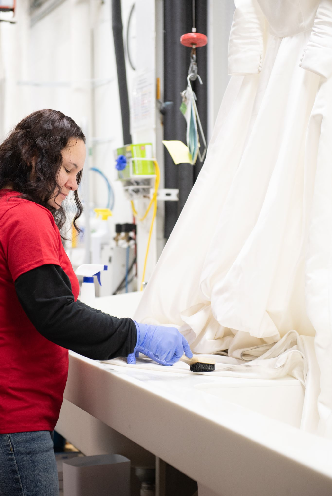
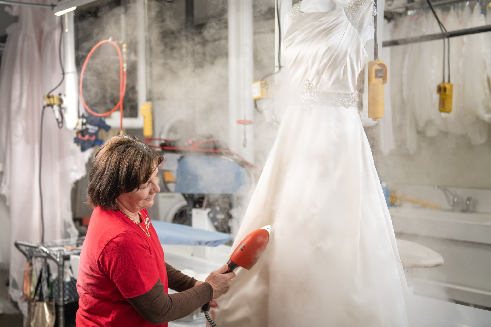
Professional preservationists utilize specialized solvents and cleaning methods that differ significantly from standard dry cleaning. Many leading services, including Trusted Wedding Gown Preservation and Wedding Gown Preservation Kit, utilize System K4. This is a halogen-free, organic solvent that is biodegradable and designed to be gentle on delicate bridal fabrics like silk, organza, and fine lace while remaining powerful enough to dissolve oils and sugars.
A DIY attempt at cleaning a wedding gown often involves domestic detergents or over-the-counter stain removers. Industry analysts note that these substances can often "set" a stain by altering the pH of the fabric or by failing to fully rinse out, leading to chemical scorching over decades of storage. For this reason, the consensus among bridal experts is that while storage can be managed at home, the initial cleaning phase must be handled by professionals equipped with the proper chemical tools and expertise in hand-cleaning intricate beadwork and embroidery.
Chronology of Preservation: The Critical 30-Day Window
The timeline for treating a wedding gown is a decisive factor in the success of the preservation. Industry standards, frequently cited by bridal authorities such as The Knot, suggest that the preservation process should ideally begin within three to four weeks of the ceremony.
- Immediate Post-Wedding (Day 1–7): The gown should be placed in a breathable fabric bag, never plastic, which can trap moisture and cause mildew. Brides are advised to document any known spills or marks, such as grass on the hem or makeup at the neckline, to provide a roadmap for the cleaner.
- The Assessment Phase (Day 7–21): This is the period for selecting a preservation service. Whether opting for a local specialist or a mail-in kit, the gown should be inspected for loose threads, missing beads, and the severity of hemline soiling.
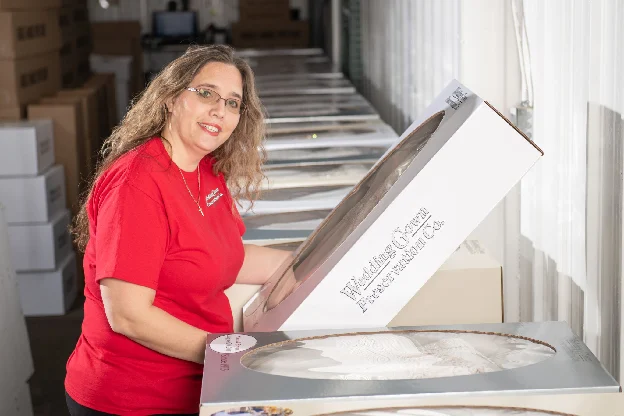
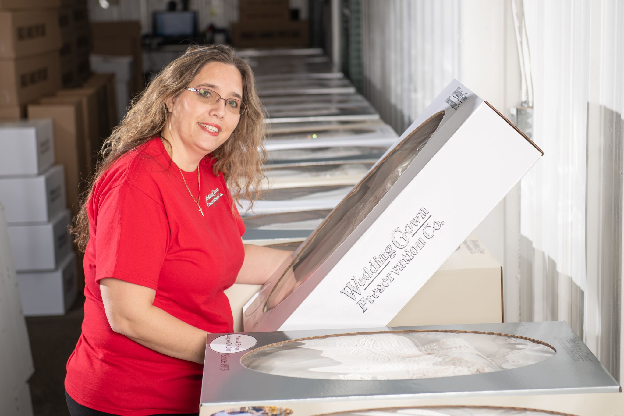
- The Cleaning and Neutralization Phase (Week 4–12): Professional services typically take between six to twelve weeks to complete the process. This involves several stages: inspection, hand-spotting, full-immersion cleaning (if safe for the fabric), and a final inspection under UV light to ensure no latent stains remain.
- Archival Boxing (Final Stage): Once cleaned, the gown is wrapped in acid-free tissue and placed in a pH-neutral box. This prevents the "yellowing" effect caused by the acidic gasses released by standard cardboard.
Comparative Analysis of Professional Preservation Services
For brides navigating the market, the choice often comes down to four major US-based providers. Each service offers a different balance of price, security, and specialized care.
Trusted Wedding Gown Preservation
Based in Freehold, New Jersey, this service is noted for its tiered kit system. They offer specific packages based on the gown’s value: "Traditional" for dresses under $2,000 and "Celebrity" for couture items valued over $3,000. Their inclusion of up to five accessories (veils, garters, etc.) at no extra cost makes them a high-value option for brides with complex ensembles. Their 100-year anti-yellowing guarantee is a standard-setter for the industry.
Wedding Gown Preservation Kit
This service is recognized for its "embossed chest" packaging, which features a UV-coated viewing window. This allows the owner to view the gown without breaking the seal of the preservation box, which is vital for maintaining the internal environment. They offer extensive shipping insurance, with options to cover gowns up to $24,000 in value, catering to the luxury market.
David’s Bridal
As a major retailer, David’s Bridal offers a streamlined mail-in kit that is highly accessible. While it provides a quicker turnaround (as little as two weeks), it is often viewed as a "standard" service best suited for simpler gowns that do not require extensive hand-restoration or have extremely high replacement values.
Elegance Preserved
Focusing on the West Coast with physical locations in San Francisco and San Diego, Elegance Preserved differentiates itself through a "hand-cleaning only" philosophy. They avoid automated machinery, making them the preferred choice for gowns with heavy beading, delicate lace, or historical significance. Their lifetime guarantee reflects a boutique approach to textile conservation.
Financial Considerations and Market Data
The cost of wedding gown preservation is an investment in the garment’s future resale or heirloom value. Professional services generally range from $250 to $700, though specialized restoration for vintage gowns can exceed $1,000.
Data from the secondary bridal market suggests that a professionally preserved gown retains a significantly higher resale value on platforms such as Stillwhite or Preowned Wedding Dresses. Buyers are often willing to pay a premium for a gown that comes with a certificate of preservation, as it guarantees the fabric is free of latent stains and structural damage.
Furthermore, the "insurance" factor of professional kits is a significant data point. Most mail-in services provide between $500 and $2,000 of shipping insurance as a baseline. Given the logistical risks of transit, this professional backing provides a level of security that DIY shipping or local transport cannot match.
The DIY Component: Creating a Keepsake Shadow Box
While the gown itself requires professional intervention, the "DIY" spirit is best applied to the creation of a keepsake shadow box. This allows the bride to preserve the emotional essence of the day through smaller, more manageable items.
Textile experts suggest using leftover fabric from alterations—scraps that would otherwise be discarded—rather than cutting the gown itself. A shadow box project typically involves a budget of $60 to $100 and provides a decorative way to display:
- Invitation suites and programs.
- Dried florals from the bouquet.
- Offcuts of lace or silk from the dress hem.
- Small charms or cake toppers.
To ensure these items do not degrade, the use of archival-grade mounting tapes and UV-protective glazing is recommended. This creates a "wall-hanging" version of the preservation box, allowing for daily interaction with the memories of the event without exposing the main gown to light and dust.
Industry Implications and Long-Term Outlook
The shift toward professional preservation reflects a broader trend in the bridal industry toward sustainability and heritage. As "fast fashion" is increasingly criticized, the preservation of a high-quality wedding gown is seen as an environmentally conscious choice, allowing for the garment to be reused by future generations or sold into the circular economy.
The adoption of eco-friendly solvents like System K4 indicates that the industry is also moving toward "green" chemistry, reducing the environmental footprint of what was once a chemically intensive process. This evolution ensures that the preservation of the past does not come at the expense of the future.
Ultimately, the consensus among textile professionals and bridal consultants is a "split" methodology. The chemical and structural integrity of the gown should be entrusted to professional services that offer insured shipping, specialized solvents, and archival-grade storage materials. Simultaneously, the bride can maintain a personal connection to the event by DIYing a shadow box of accessories and fabric scraps. This dual approach ensures that the wedding dress remains a pristine heirloom for 100 years or more, while the couple has a tangible, beautiful reminder of their celebration to display in their home.