

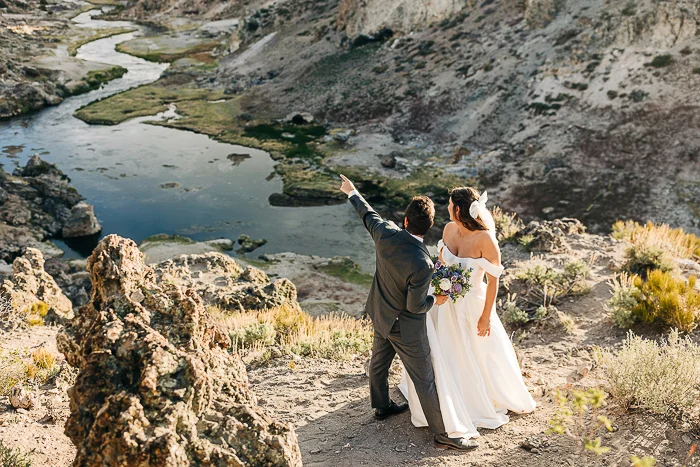
The art of conveying profound emotion through visual mediums has long fascinated creators and audiences alike. In a significant departure from traditional portraiture, the Photobug Community recently concluded its highly anticipated "Body Language" photo challenge for June, demonstrating unequivocally that the human form, even without visible facial expressions, possesses an unparalleled capacity to communicate joy, sorrow, connection, and myriad other complex feelings. This innovative challenge invited photographers from around the globe to submit images where the subjects’ faces were obscured or absent, compelling them to rely solely on posture, gesture, interaction, and environmental context to tell compelling stories of love and human experience. The initiative has not only pushed the boundaries of photographic technique but has also underscored the deep psychological underpinnings of non-verbal communication in visual art.
The Enduring Power of Non-Verbal Communication in Visual Arts
Human beings are inherently adept at interpreting non-verbal cues. Decades of psychological research, notably in fields like kinesics (the study of body movement) and proxemics (the study of personal space), have consistently shown that a significant portion of human communication occurs outside of spoken words or overt facial expressions. Gestures, posture, eye contact (even implied), touch, and the distance maintained between individuals all contribute to a rich tapestry of meaning. In photography, where a single frame must encapsulate an entire narrative, harnessing these non-verbal elements becomes paramount, especially when the most obvious emotional conduit—the face—is deliberately removed.
Historically, artists across various disciplines have explored this concept. Classical Greek and Roman sculptures, for instance, often depict figures in dynamic poses that convey narrative and emotion without relying on facial details. Think of the agony captured in the Laocoön Group or the grace in the Discobolus. In painting, masters like Edgar Degas and Henri de Toulouse-Lautrec frequently captured the essence of their subjects through their physical attitudes and interactions within a scene, rather than direct gazes. Photography, a relatively younger art form, has inherited this tradition, with pioneers like Henri Cartier-Bresson and Robert Doisneau often lauded for their ability to seize "decisive moments" where body language speaks volumes. The Photobug Community’s challenge is a modern reinterpretation and active exploration of this timeless artistic principle, adapted for the contemporary digital age.
The Photobug Community: A Catalyst for Photographic Innovation
Founded with the mission to inspire, educate, and connect wedding and lifestyle photographers worldwide, the Photobug Community has established itself as a leading online platform for creative exchange and professional development. With thousands of members contributing to its vibrant forums, resource libraries, and monthly challenges, the community serves as a vital incubator for emerging talent and a showcase for established artists. Its challenges are carefully curated to encourage photographers to experiment with new techniques, explore diverse themes, and push their creative boundaries.
The "Body Language" challenge is a prime example of Photobug’s commitment to fostering artistic growth. Launched in June 2024, the challenge was announced across the community’s social media channels and internal forums, inviting submissions over a period of approximately three weeks. The criteria were specific: images had to depict human subjects, preferably couples, where facial features were not visible or were intentionally obscured. Judges were instructed to evaluate entries based on their emotional impact, compositional strength, technical execution, and the photographer’s success in conveying narrative through physical form alone. This stringent yet open-ended brief aimed to filter for truly innovative and impactful submissions.
"Our monthly challenges are designed to stretch the creative muscles of our community members, and the ‘Body Language’ theme was particularly successful in this regard," stated a spokesperson for the Photobug Community, whose name was withheld as per internal policy but who is intimately involved in curating the challenges. "We wanted to see if photographers could still evoke profound feelings of love, connection, and intimacy without relying on the subject’s gaze or smile. The response was overwhelming, proving that the human body is an incredibly articulate storyteller."
Unpacking the ‘Body Language’ Challenge: Techniques and Submissions
The submissions to the June "Body Language" challenge showcased a remarkable diversity of artistic approaches and technical prowess. Photographers employed a range of techniques to achieve the desired effect:
- Strategic Framing and Cropping: Many entries utilized tight crops or clever framing to focus on hands intertwined, shoulders leaning, or feet dancing, leaving faces out of the frame entirely. This technique forces the viewer’s eye to specific points of interaction, emphasizing physical connection.
- Silhouettes and Shadows: A popular choice was the use of silhouettes against dramatic backdrops, such as sunsets or cityscapes. The absence of detail in a silhouette paradoxically allows the viewer to project their own emotions and narratives onto the figures, making the image universally relatable. Shadows were also strategically used to obscure faces while highlighting body contours and intimate gestures.
- Depth of Field and Focus: Creative use of shallow depth of field allowed photographers to render faces out of focus while keeping hands, arms, or torsos sharply defined. This subtle blurring acts as a deliberate artistic choice, guiding the viewer’s attention to the expressive parts of the body.
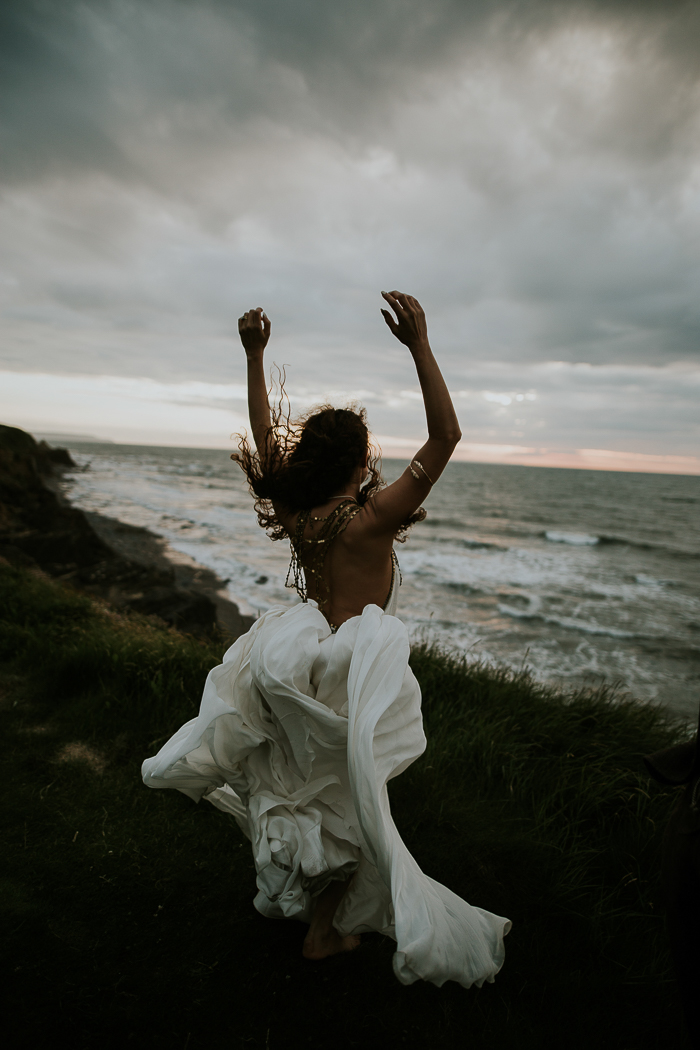
- Movement and Gesture: Capturing subjects in motion—a twirl, a gentle embrace, a comforting lean—proved highly effective. The dynamism of movement often communicates emotion more viscerally than a static pose. The angle of a head on a shoulder, the tension or relaxation in clasped hands, or the sweep of a dress all contributed to the narrative.
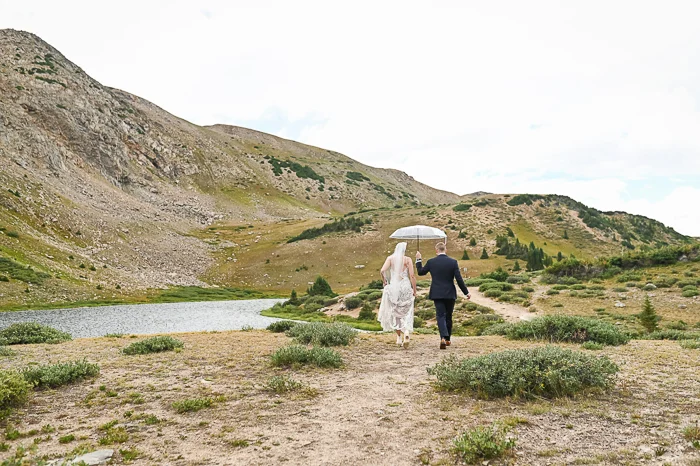
- Environmental Context: The surroundings played a crucial role in many winning submissions. A couple walking hand-in-hand through a dense forest, their backs to the camera, suggests intimacy and shared journey. Two figures huddled together against a vast, dramatic landscape evokes feelings of protection and solidarity. The environment often amplified the emotions conveyed by the body language.
One illustrative example among the selected entries was an image captured by Samsul Hidayat, which powerfully encapsulated the challenge’s essence. While the specific details of the image are not fully described, the context implies a profound emotional resonance achieved without facial visibility. Such images serve as compelling evidence that skilled photographers can guide viewers to experience empathy and connection through the sheer artistry of composition and the interpretation of human form.
Artistic Precedents and Psychological Underpinnings
The success of the "Body Language" challenge is not merely anecdotal; it taps into established principles of art and psychology. In art history, movements like Symbolism and Romanticism often relied on allegorical figures and dramatic poses to convey deep emotional or philosophical truths, sometimes deliberately obscuring faces to achieve a more universal resonance. Early photography, with its long exposure times, often resulted in blurred or indistinct faces, inadvertently training viewers to interpret other visual cues.
From a psychological standpoint, our brains are wired to infer meaning from incomplete information. This cognitive phenomenon, known as "closure" in Gestalt psychology, allows us to perceive a complete whole even when parts are missing. When presented with an image where a face is absent, our minds actively engage in filling that void, often projecting our own experiences and emotions onto the subjects. This active participation can lead to a more profound and personal connection with the photograph, making the experience more intimate and memorable.
Dr. Eleanor Vance, a professor of Visual Perception and Art Psychology at a prominent European university, who was consulted for her expertise, commented, "The ‘Body Language’ challenge is a brilliant experiment in human perception. By removing the most overt emotional indicator—the face—it forces the viewer to engage on a deeper, more empathetic level. The ambiguity can actually enhance the emotional impact, as it allows for a broader spectrum of personal interpretation and connection, making the feeling conveyed potentially more universal than if a specific facial expression were shown."
Impact on Photographic Practice and Industry Trends
The implications of such challenges extend beyond a single contest. They have a tangible impact on photographic practice and broader industry trends.
- Skill Development: For participating photographers, the challenge serves as an invaluable training ground. It compels them to hone their observational skills, pay closer attention to detail, and master advanced compositional techniques. It forces them to think beyond conventional portraiture and explore innovative ways to tell stories.
- Client Expectations: As more photographers embrace these creative approaches, client expectations may evolve. Couples seeking wedding or engagement photography might increasingly request images that prioritize authentic, candid moments and evocative body language over traditional, posed shots focused solely on smiling faces. This shift reflects a broader cultural trend towards authenticity and raw emotion.
- Artistic Expression: The challenge validates and promotes alternative forms of artistic expression within photography. It encourages photographers to view the entire human form as a canvas for emotion, broadening the scope of what is considered "beautiful" or "moving" in an image.
- Educational Value: The curated collection of winning images from the "Body Language" challenge will serve as a powerful educational resource for aspiring photographers. It provides concrete examples of how to achieve emotional depth and narrative complexity without relying on conventional methods.
"This challenge isn’t just about winning; it’s about growing," remarked a seasoned professional photographer and long-time Photobug Community member, who wished to remain anonymous to avoid influencing future submissions. "It pushed me to look at my subjects differently, to anticipate moments where their bodies would speak volumes, and to frame shots that capture those fleeting, intimate gestures. It’s made me a more observant and thoughtful photographer."
Broader Implications for Visual Storytelling
The success of the "Body Language" challenge signals a broader shift in visual storytelling, emphasizing depth, inference, and universal connection. In an era saturated with highly curated and often superficial imagery, there is a growing appetite for content that resonates on a deeper, more authentic level. Images that invite interpretation rather than dictating it often hold a more lasting impact.
This trend is not limited to wedding or lifestyle photography. It can be seen across various visual media, from documentary filmmaking to advertising, where subtle cues and implied narratives are increasingly used to engage audiences. The ability to convey complex emotions through non-verbal means is a powerful tool for creators seeking to transcend cultural and linguistic barriers, speaking directly to the shared human experience.
Looking ahead, the Photobug Community is likely to continue pioneering such innovative challenges, further solidifying its role as a thought leader in the photographic world. By consistently encouraging its members to explore the nuanced complexities of visual communication, it helps shape the future of photography, ensuring that the art form remains vibrant, relevant, and capable of touching hearts in unexpected and profound ways. The "Body Language" challenge stands as a testament to the fact that sometimes, in art as in life, what is left unsaid, or unseen, speaks the loudest. The ongoing dialogue between photographers, their subjects, and their audience, mediated by the expressive power of the human form, promises a rich future for emotional storytelling through imagery.