


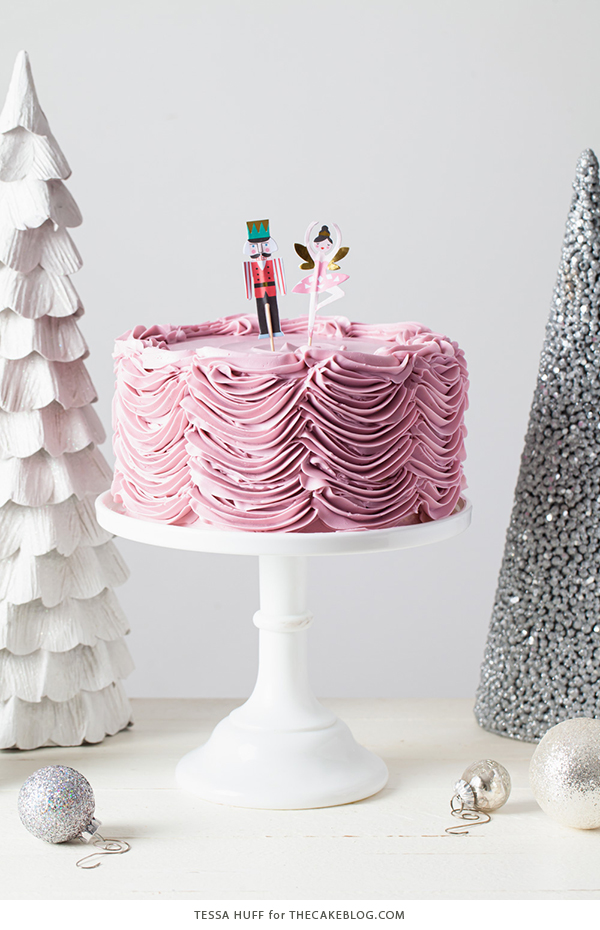
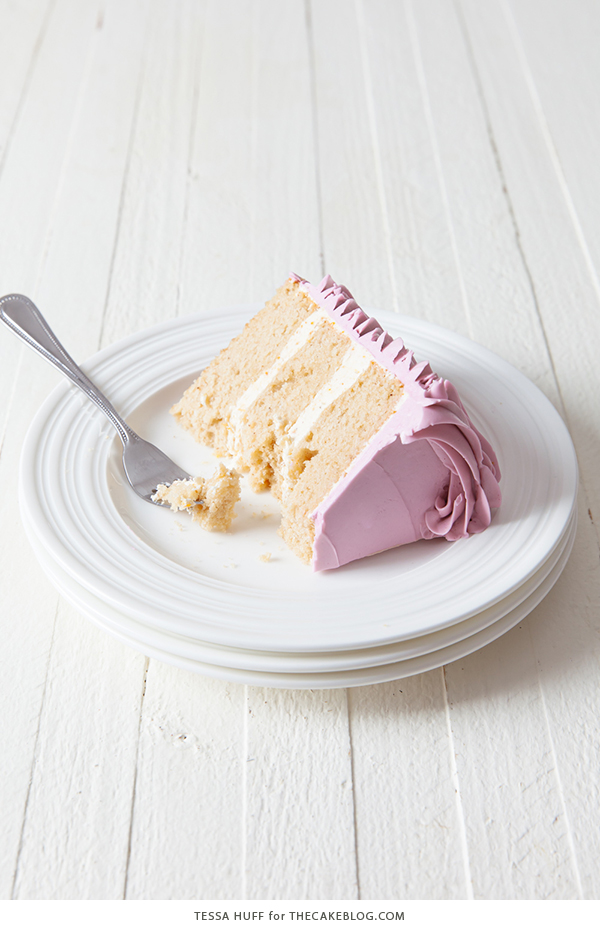
The culinary landscape of the holiday season has been expanded with the introduction of a sophisticated dessert profile known as the Hazelnut Nutcracker Cake. Developed by prominent cake designer and author Tessa Huff in collaboration with The Cake Blog, this recipe serves as a technical and aesthetic homage to the traditional winter season and the cultural legacy of Tchaikovsky’s "The Nutcracker." The dessert is characterized by its multi-layered composition, featuring a brown sugar and nutmeg-infused sponge, a hazelnut praline-enriched Swiss meringue buttercream, and intricate swag piping designed to emulate the ornate costumes of classical ballet.

Technical Composition and Flavor Profile
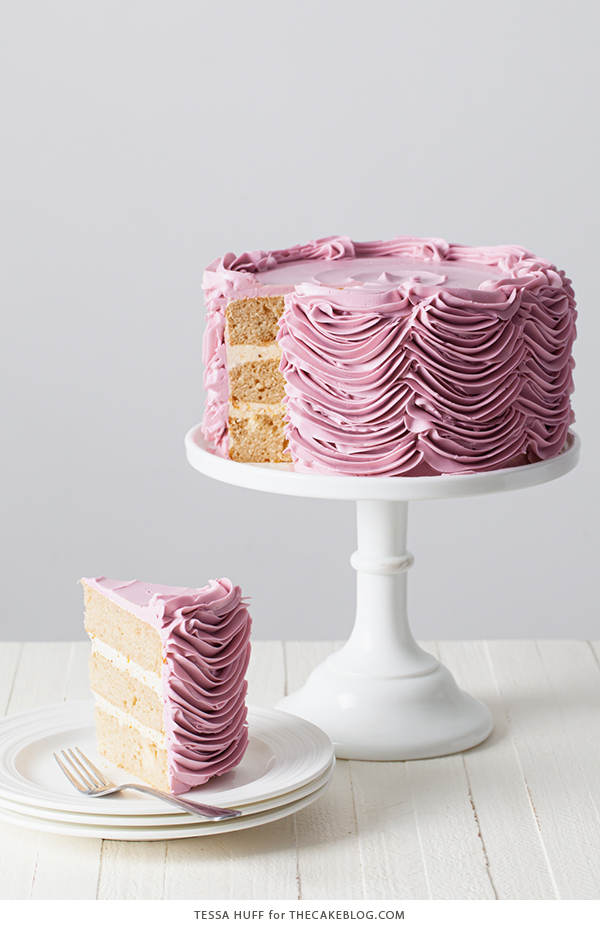
The Hazelnut Nutcracker Cake is built upon a foundation of brown sugar and fresh nutmeg. Unlike traditional white or yellow cakes that rely on granulated sugar for sweetness, the use of brown sugar introduces molasses, which contributes to a moist crumb and a deep, caramel-like undertone. This choice is deliberate, as the acidity in brown sugar interacts with leavening agents to produce a specific texture that supports the weight of dense buttercream.
The inclusion of fresh nutmeg is a nod to the historical significance of the spice in winter gastronomy. Nutmeg (Myristica fragrans), historically one of the most sought-after spices in the world, provides a warm, aromatic profile that balances the richness of the hazelnut. According to culinary historians, the pairing of nutmeg with nuts and brown sugar has been a staple of Northern European and North American holiday baking since the 19th century.
The secondary component, the hazelnut praline buttercream, utilizes a Swiss meringue base. This technique involves heating egg whites and sugar over a bain-marie to 160°F (71°C) before whipping them into a stable foam and incorporating unsalted butter. The addition of a "praline powder"—created by grinding candied hazelnut brittle—introduces both a concentrated nutty flavor and a granular texture that contrasts with the silkiness of the meringue.
The Influence of The Nutcracker on Modern Gastronomy
The aesthetic and thematic inspiration for the cake is derived from "The Nutcracker," a two-act ballet originally choreographed by Marius Petipa and Lev Ivanov with a score by Pyotr Ilyich Tchaikovsky. Since its premiere in 1892, the ballet has become an inextricable part of the Christmas tradition, particularly in North America following the success of George Balanchine’s 1954 production for the New York City Ballet.
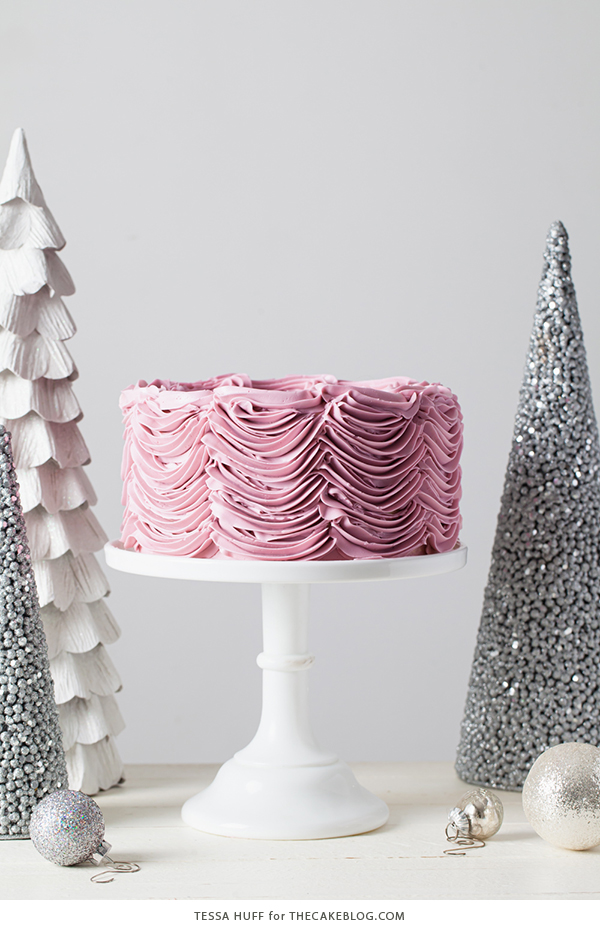
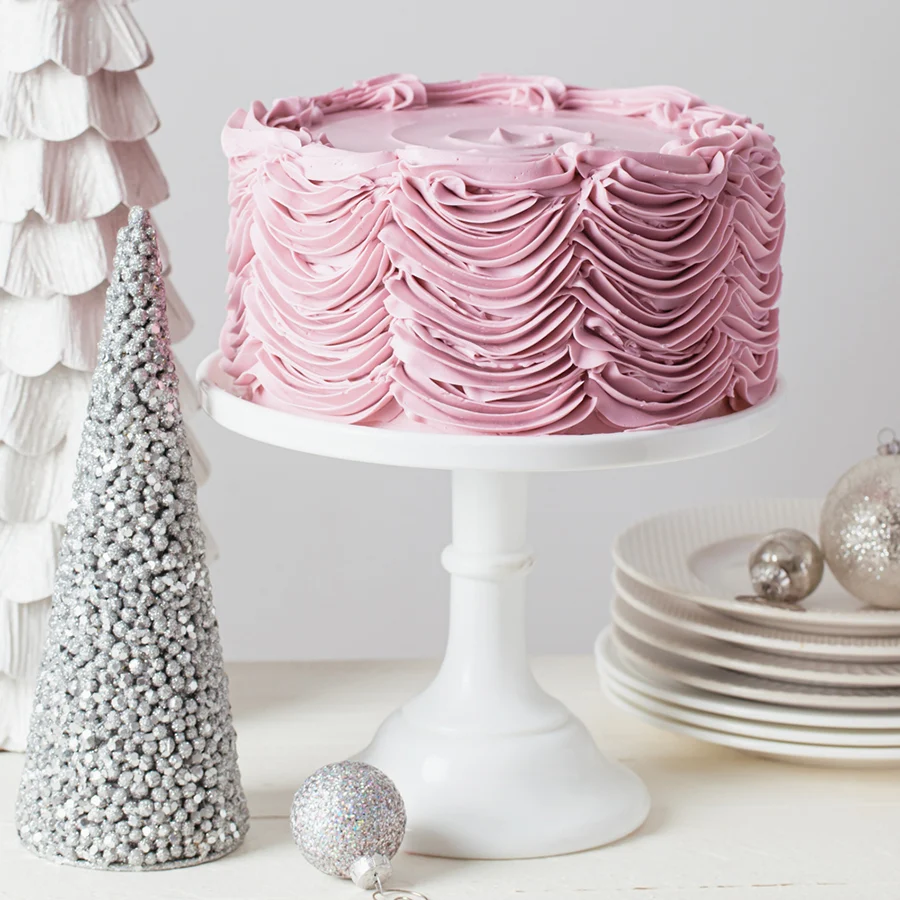
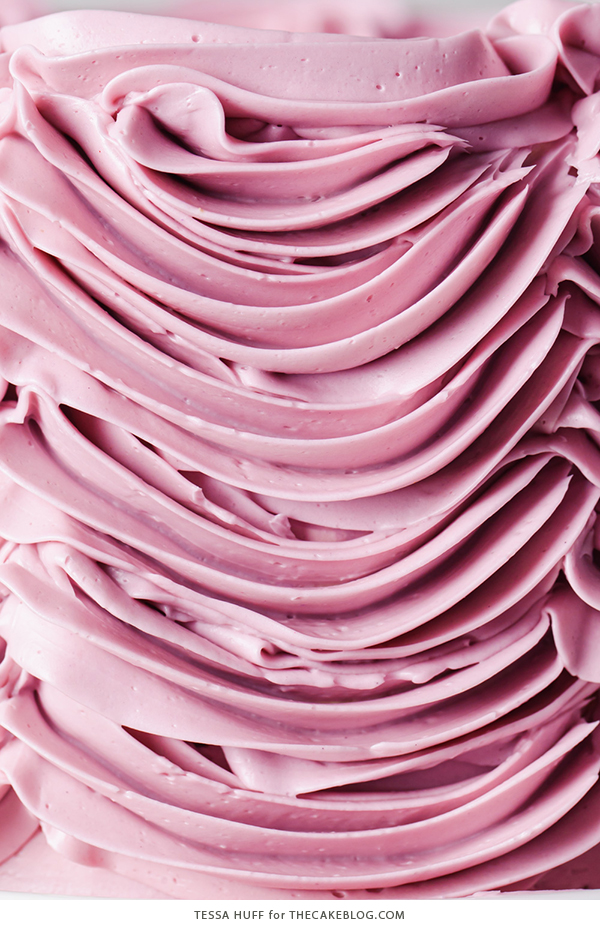
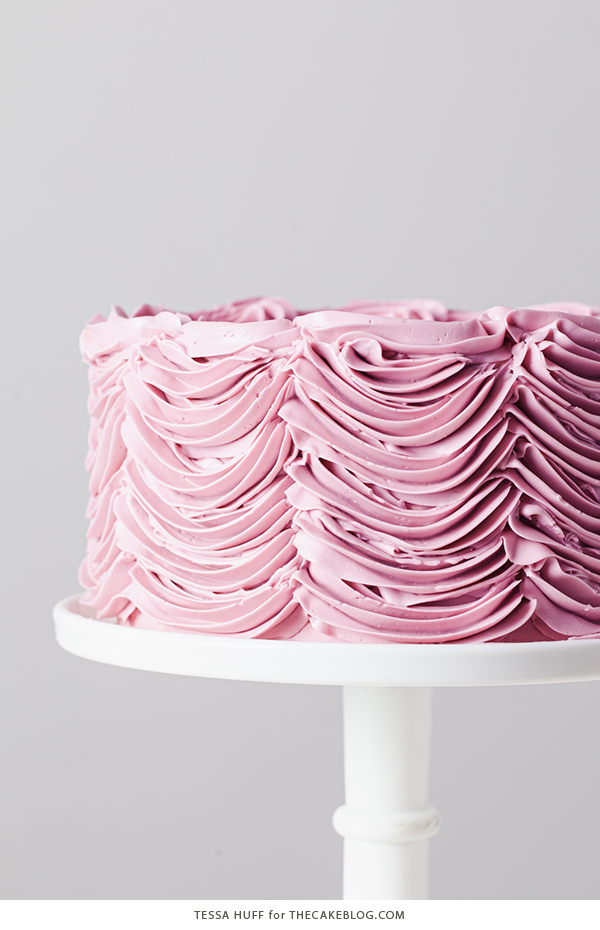
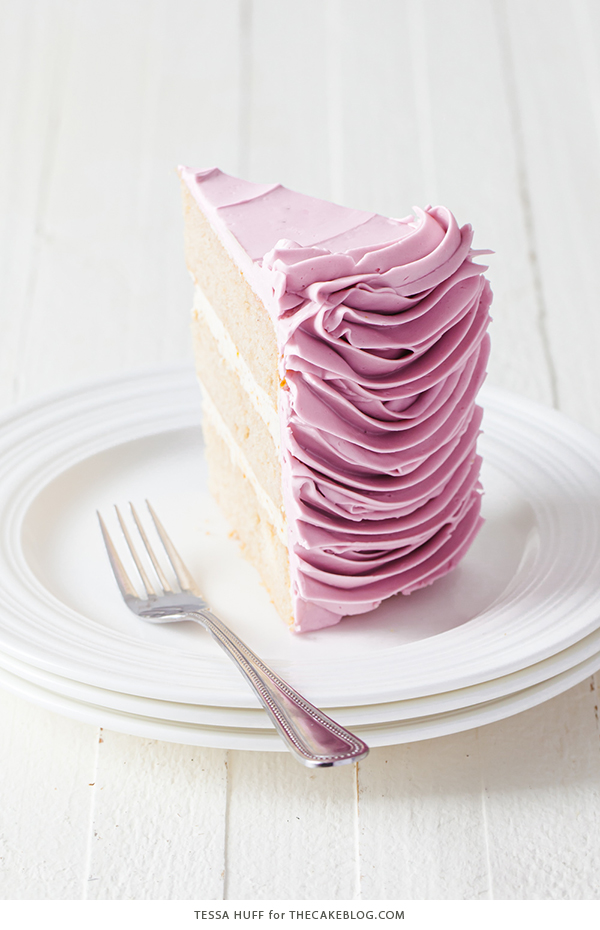
The Nutcracker’s influence on food is most famously represented by the "Land of Sweets" in Act II, which features characters representing various delicacies, including chocolate (Spanish dance), coffee (Arabian dance), tea (Chinese dance), and the Sugar Plum Fairy. Tessa Huff’s recipe seeks to translate these theatrical elements into a physical medium. The "swag" buttercream piping on the cake’s exterior is a direct reference to the ruffles and drapery of a ballerina’s tutu and the velvet curtains of a grand theater.
While "sugar plums" are the most literal interpretation of the theme, Huff’s decision to utilize hazelnuts reflects seasonal availability and the traditional use of nutcrackers to open hard-shelled nuts during winter festivities. Hazelnuts, specifically the Corylus avellana variety, are harvested in late autumn and have long been associated with European winter markets.
Chronology of Development and Assembly
The creation of the Hazelnut Nutcracker Cake follows a rigorous professional timeline, moving from structural baking to delicate confectionery work:
- Preparation of the Sponge: The brown sugar nutmeg cake layers are baked first to allow for complete cooling. This is essential for structural integrity, as warm cake layers would cause the high-fat content of the Swiss meringue buttercream to melt upon contact.
- Confection of the Hazelnut Praline: The praline is created by caramelizing sugar and coating roasted hazelnuts. Once cooled and hardened into a brittle, it is pulverized. This step represents the "flavor engine" of the recipe.
- Emulsification of the Buttercream: The Swiss meringue is prepared, a process that requires precise temperature control to ensure the egg proteins are safely cooked while maintaining their ability to hold air.
- Architectural Assembly: The cake is assembled using a crumb coat—a thin layer of frosting that seals in loose crumbs—followed by a final smooth coat.
- Artistic Execution: The final stage involves tinting a portion of the buttercream to a "sugared plum" purple and executing the swag piping. This requires a steady hand and a specific petal tip (such as the Wilton 104) to create the layered, fabric-like appearance.
The Economic and Cultural Context of Holiday Baking
The release of high-concept recipes like the Hazelnut Nutcracker Cake occurs within a broader economic context. According to data from the National Retail Federation, spending on food and beverage items during the winter holidays accounts for a significant portion of annual consumer expenditure. In the United States alone, holiday sales have seen a steady increase, with a growing segment of consumers investing in premium ingredients for "at-home" artisanal baking.
Furthermore, the "Baking Economy" has been bolstered by the rise of digital platforms. The Cake Blog, where this recipe was debuted, serves as a hub for a global community of hobbyists and professional pastry chefs. The dissemination of complex techniques—such as Swiss meringue buttercream and advanced piping—reflects a democratization of culinary school-level skills.
Industry analysts note that recipes associated with cultural "events" or "icons" (like The Nutcracker) tend to have higher engagement rates. This is attributed to the "nostalgia factor," where consumers seek to recreate childhood memories through sensory experiences like taste and smell.
Professional Analysis of Ingredient Synergy
From a food science perspective, the Hazelnut Nutcracker Cake is a study in flavor synergy. The primary aromatic compound in nutmeg, myristicin, is fat-soluble, meaning it is amplified when paired with the high butter content of the frosting and the natural oils in the hazelnuts.
The use of hazelnuts is also strategically sound. Global hazelnut production is dominated by Turkey (accounting for approximately 70% of the world’s supply), but the Pacific Northwest of the United States has seen a 10% increase in acreage over the last decade. This increased availability of high-quality domestic nuts has made hazelnut-based desserts more accessible to the North American home baker.
The choice of Swiss meringue buttercream over American buttercream (a simple mixture of butter and powdered sugar) is a hallmark of professional-grade cake design. Swiss meringue is less sweet and has a lower glycemic index than its American counterpart, allowing the subtle notes of the nutmeg and the roasted qualities of the hazelnut to remain the focal point of the palate.
Broader Implications for the Baking Industry
The introduction of the Hazelnut Nutcracker Cake highlights a trend toward "storytelling through sugar." Modern pastry chefs are increasingly expected to provide more than just a recipe; they are expected to provide a narrative. Tessa Huff’s work exemplifies this shift, where the cake serves as a medium for performance art and cultural commentary.
For the baking industry, this signifies a move toward specialized equipment and ingredients. The demand for specific piping tips, high-quality offset spatulas, and professional-grade food colorings (such as gel pastes) has seen a marked uptick during the Q4 period. Retailers specializing in baking supplies often report that thematic content from influential creators like Huff can lead to immediate spikes in specific product categories.
Conclusion
The Hazelnut Nutcracker Cake stands as a significant contribution to the holiday culinary canon. By merging the technical demands of professional pastry work with the emotional resonance of a classic holiday tradition, the recipe offers a sophisticated alternative to standard seasonal desserts. It reflects a confluence of history, science, and art, providing a comprehensive sensory experience that aligns with the grandeur of its namesake ballet. As home baking continues to evolve in complexity, such recipes serve as benchmarks for the intersection of traditional flavors and modern decorative techniques.