
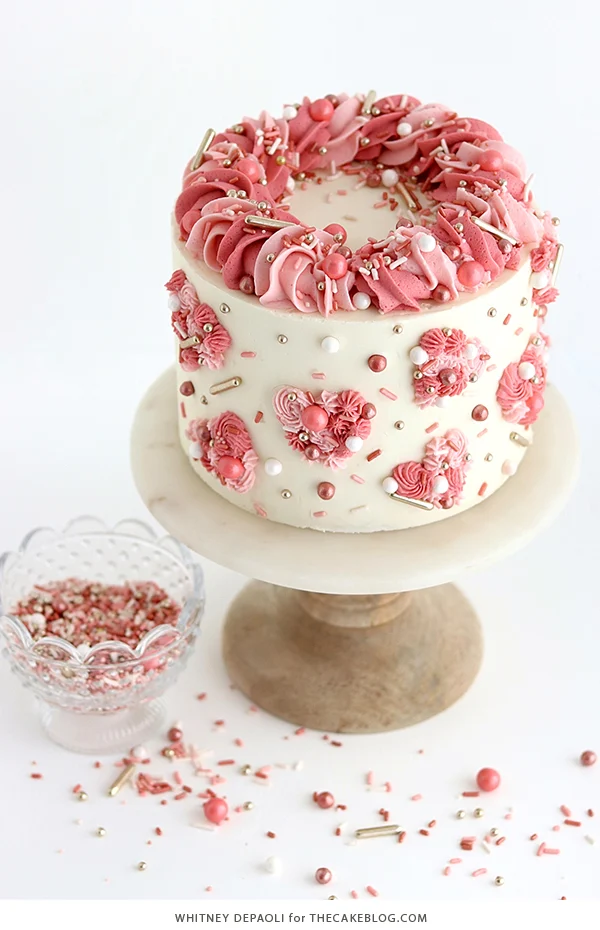
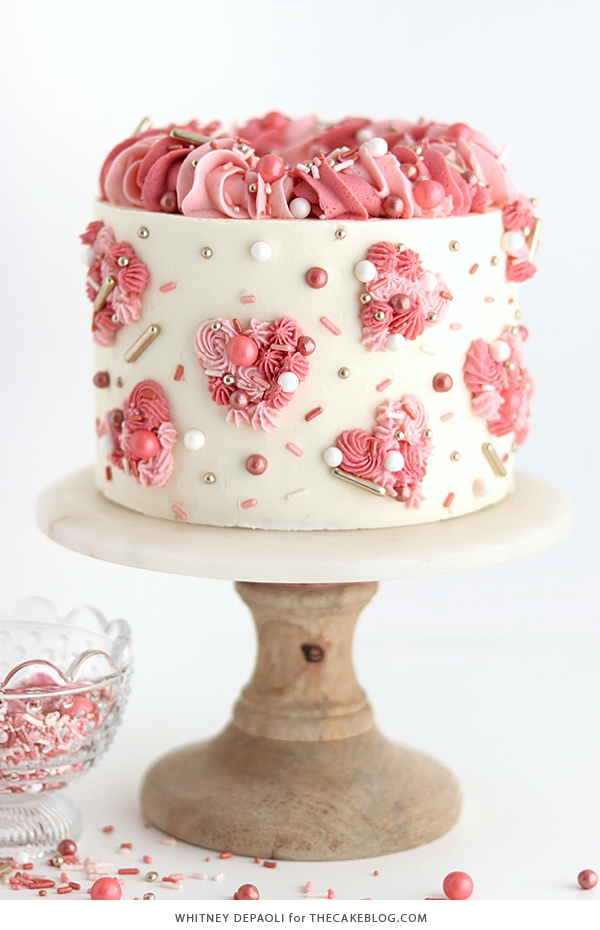
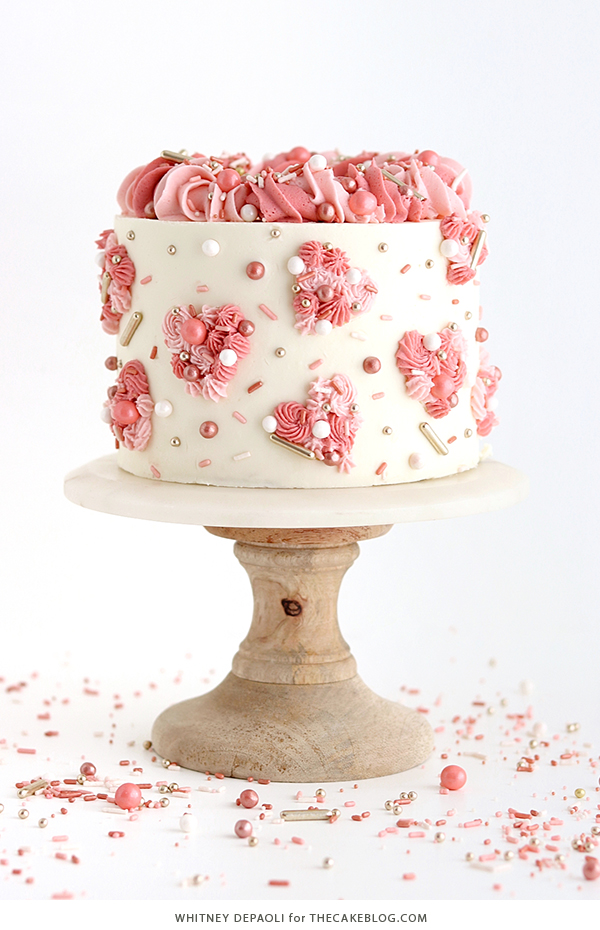
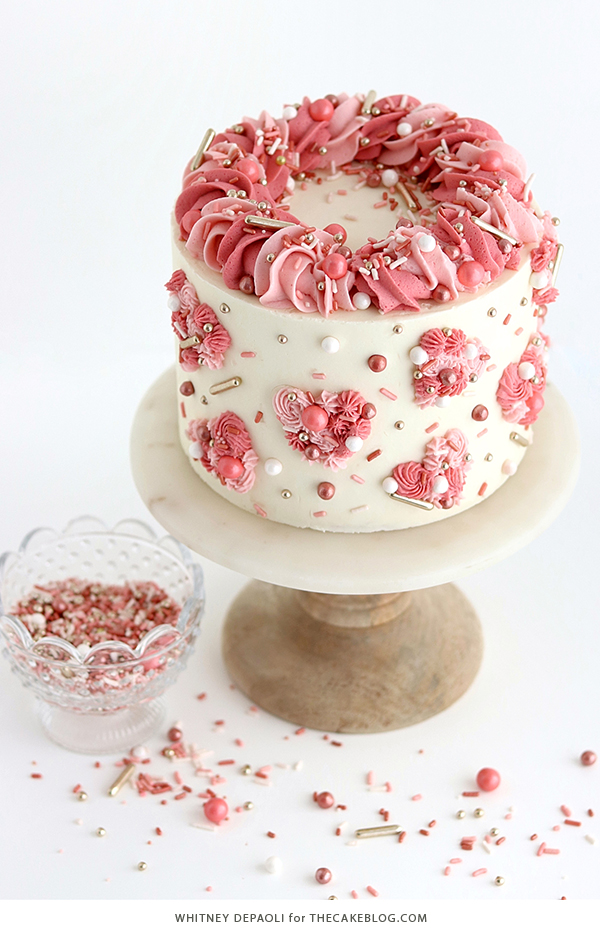
The technique serves as a case study in the democratization of advanced pastry arts, where complex visual effects are achieved through systematic, accessible steps. By leveraging common tools such as heart-shaped cookie cutters as guides and a variety of star-shaped piping tips, the design achieves a multidimensional "rose gold" aesthetic that aligns with current consumer preferences for metallic and pastel color palettes. This movement toward "textural maximalism" in cake design reflects a broader trend in the food and beverage sector where visual appeal is prioritized for social media engagement and high-end retail presentation.
Technical Methodology and Decorative Chronology
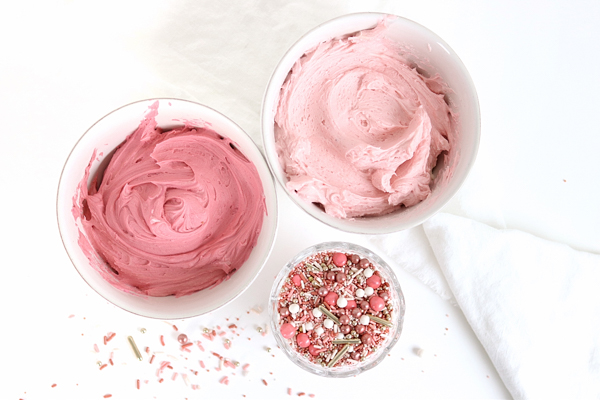
The execution of the Piped Hearts design follows a rigorous chronological sequence designed to ensure structural integrity and visual consistency. The process begins with the preparation of a stable medium, typically American buttercream, which is favored in domestic and high-volume commercial settings for its "crusting" properties and ease of tinting. In this specific application, the buttercream is divided and saturated with professional-grade gel colors—specifically Americolor Dusty Rose—to achieve a graduated tonal effect.
The chronology of the decorating process is as follows:
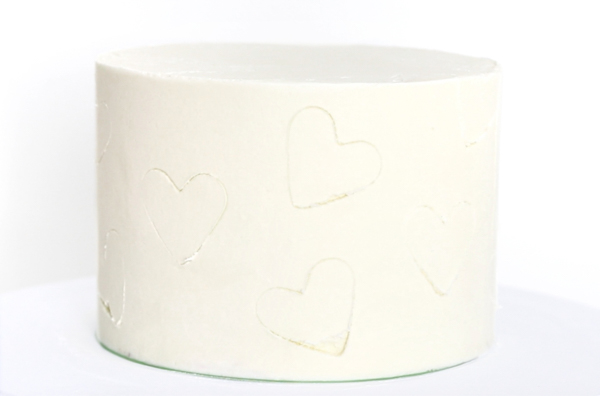
- Surface Preparation: The base cake must be frosted and thoroughly chilled. This refrigeration phase is critical as it hardens the outer layer of buttercream, allowing for clean imprints without compromising the cake’s structural "crumb coat" or final smooth finish.
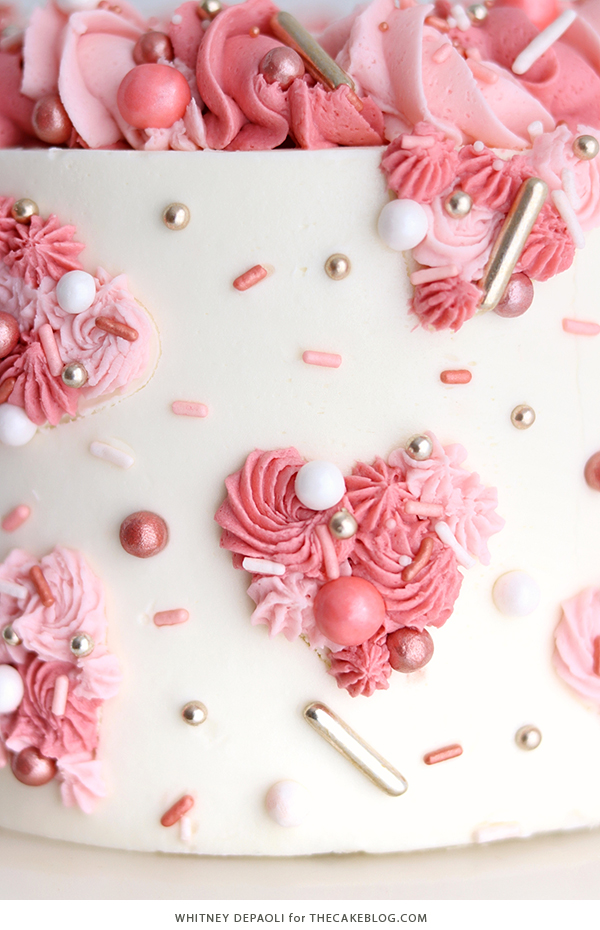
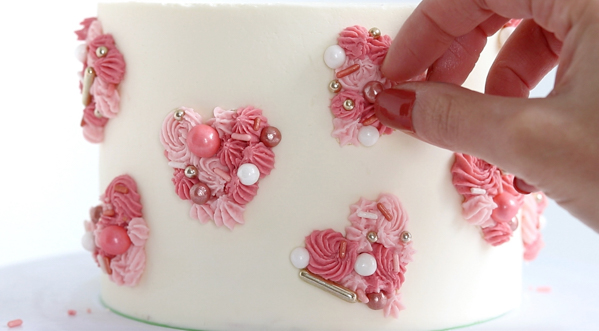
- Geometric Imprinting: A stainless steel or plastic heart-shaped cookie cutter is utilized not as a cutting tool, but as a stamp. By lightly pressing the cutter into the chilled surface, the decorator creates a blueprint for the subsequent piping. This ensures uniform sizing and spatial distribution, which is vital for the "random yet balanced" pattern required by the modern aesthetic.
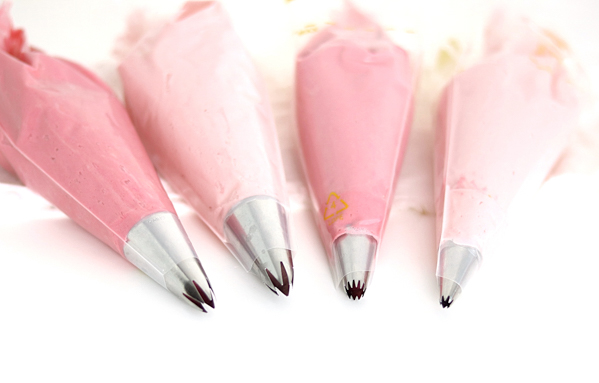
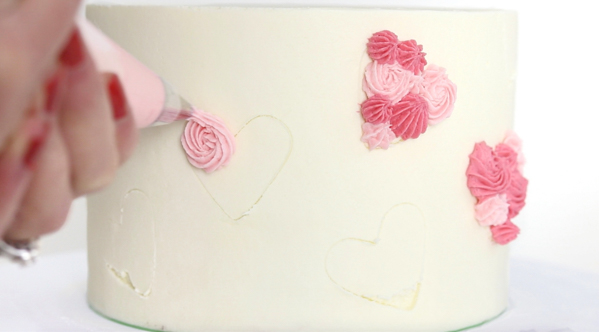
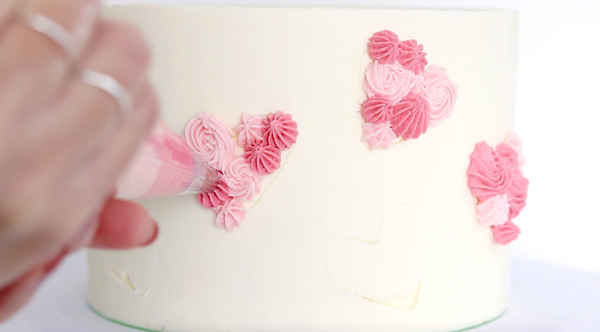
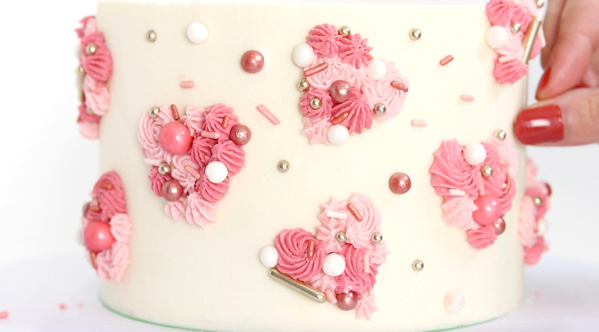
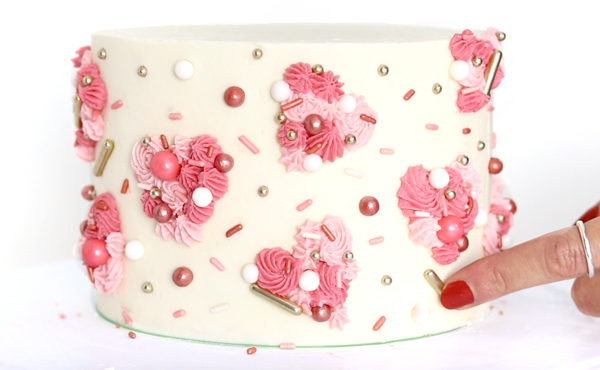
- Multidimensional Piping: The design utilizes three distinct piping tips: the 1M (open star), the 199 (small open star), and the 21 (star tip). By alternating these tips within the imprinted boundaries, the decorator creates a variety of rosettes and stars. This variation in tip geometry is what produces the "shag" or "tapestry" texture that has become a hallmark of the 2020s baking style.
- Mixed-Media Embellishment: Following the piping, various sugar pearls and sprinkles are applied. This serves a dual purpose: it fills microscopic gaps in the buttercream and adds a reflective quality to the matte frosting.
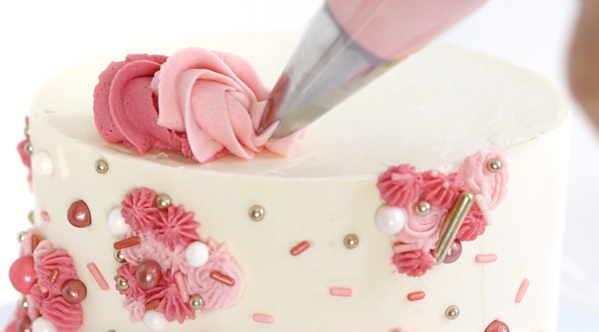
- Structural Bordering: The final stage involves a "rosette rope border" around the upper circumference of the cake. This technique involves piping interlocking rosettes in a counter-clockwise motion at a 45-degree angle, providing a frame that draws the eye toward the center of the confection.
Economic Impact of the Valentine’s Day Confectionery Market
The emergence of specialized tutorials like the Piped Hearts Valentine’s Cake is timely, given the immense economic scale of the holiday. According to data from the National Retail Federation (NRF), Valentine’s Day spending in the United States alone frequently exceeds $25 billion annually. While jewelry and evening out remain top categories, "candy" and "food items" consistently rank as the most frequent purchases, with over 50% of consumers planning to buy confections.
The shift toward DIY (Do-It-Yourself) high-end cake decorating is part of a larger growth trend in the "Cottage Food" industry. As of 2023, the global bakery market was valued at approximately $497 billion, with a projected compound annual growth rate (CAGR) of 4.6% through 2030. Within this market, the segment for specialized decorating supplies—including piping tips, gel colors, and edible glitters—has seen a surge in demand. Retailers such as Wilton and AmeriColor have reported increased engagement as home-based bakers seek to replicate "Instagrammable" designs that were once the exclusive domain of luxury patisseries.
Regulatory Standards and Safety in Cake Decoration
A critical component of the modern decorating discourse involves the use of metallic elements, such as the gold and silver dragees used in the Piped Hearts design. The tutorial includes a necessary regulatory caveat regarding these items. In the United States, the Food and Drug Administration (FDA) has historically classified silver-coated dragees as "non-edible" because silver is not approved as a food additive or colorant.
While these items are widely sold and considered "food safe for decoration" in many international markets (such as the EU and Canada, where regulations differ), the FDA requires that they be labeled for decorative use only and removed before consumption. This highlights a recurring tension in the confectionery industry between aesthetic innovation and food safety compliance. Professional bakers are increasingly required to navigate these regulations, often substituting metallic dragees with mica-based "luster dusts" that have received FDA "GRAS" (Generally Recognized as Safe) status.
Influence of Social Media and Digital Communities
The Piped Hearts Valentine’s Cake is not an isolated creative work but is part of a collaborative digital ecosystem. Whitney DePaoli notes that the technique was inspired by "Frosted Fuji Cakes," a prominent figure in the Instagram baking community. This cross-pollination of ideas is a defining feature of the modern "Creator Economy."
Platforms like Instagram and TikTok have fundamentally changed how culinary techniques are disseminated. A design can go from a single post to a global trend within 48 hours. This has forced traditional culinary institutions to adapt, as "viral" techniques often bypass classical training in favor of visual impact and innovative tool use. The "shag cake" or "textured heart" trend is a direct result of this digital-first approach to recipe and design sharing.
Industry Response and Professional Analysis
Pastry chefs and industry analysts suggest that the popularity of the Piped Hearts design reflects a broader consumer desire for "maximalist comfort." After years of minimalist "naked cakes" dominating the wedding and event industry, there is a visible pivot back toward heavy buttercream and intricate piping.
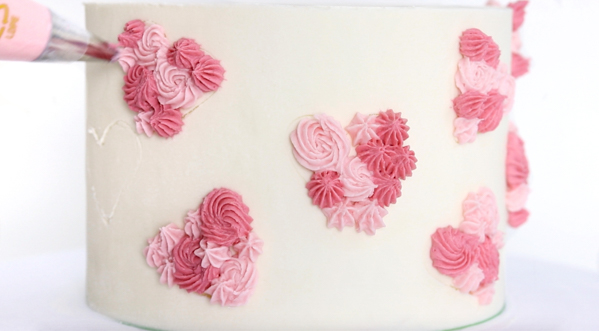
"The industry is seeing a return to the ‘over-piped’ look of the 1970s and 80s, but with a refined, modern color palette," says one industry analyst. "Techniques like the heart imprint allow amateur bakers to achieve a level of symmetry that was previously very difficult. It’s about removing the barrier to entry for high-end aesthetics."
Furthermore, the versatility of the technique is noted as a key driver of its success. While the current iteration focuses on Valentine’s Day, the "imprint and fill" method can be adapted for any holiday or theme—using stars for Independence Day or pumpkins for Halloween—making it a valuable skill for commercial bakeries looking to streamline their seasonal offerings.
Broader Implications for the Baking Supply Chain
The widespread adoption of these decorating trends also has tangible effects on the global supply chain. The specific demand for "Dusty Rose" or "Rose Gold" pigments can lead to temporary shortages of specific food coloring chemicals. Similarly, the trend toward high-texture piping increases the per-unit consumption of butter and sugar.
As home baking continues to evolve into a sophisticated hobby and a viable micro-business model, the demand for professional-grade tools (like the 1M and 199 tips) is expected to remain high. This evolution is also driving innovation in packaging, as these highly textured cakes require specialized "tall" cake boxes to prevent damage to the delicate rosettes and vertical heart designs during transport.
In conclusion, the Piped Hearts Valentine’s Cake is more than a seasonal tutorial; it is a manifestation of the current state of the confectionery arts. It represents the intersection of social media influence, economic holiday spending, regulatory navigation, and the ongoing evolution of technical pastry skills in a digital age. As Valentine’s Day approaches, this design stands as a primary example of how traditional symbols of affection are being reimagined through the lens of modern craftsmanship and global connectivity.