
Confectionery Innovation and Design Philosophy
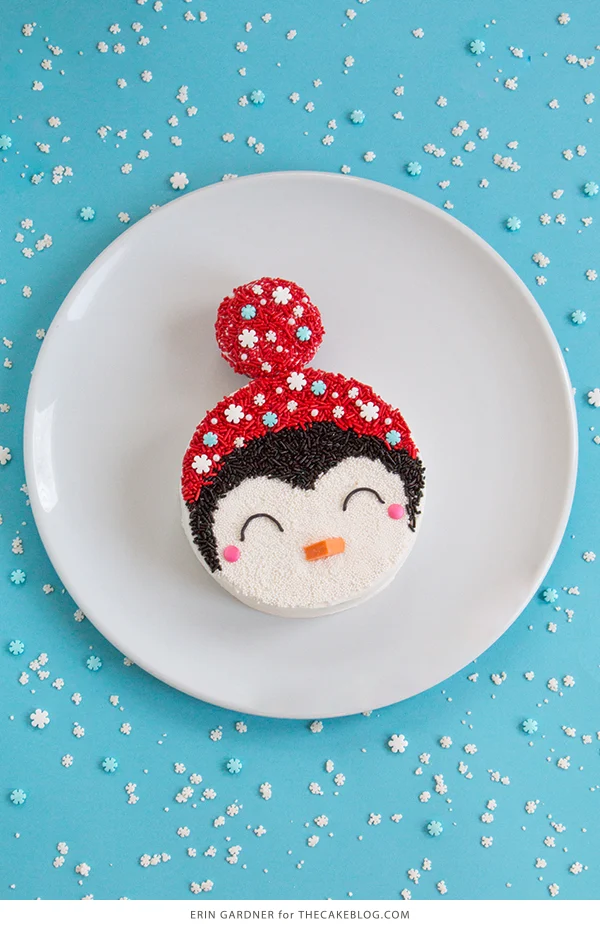
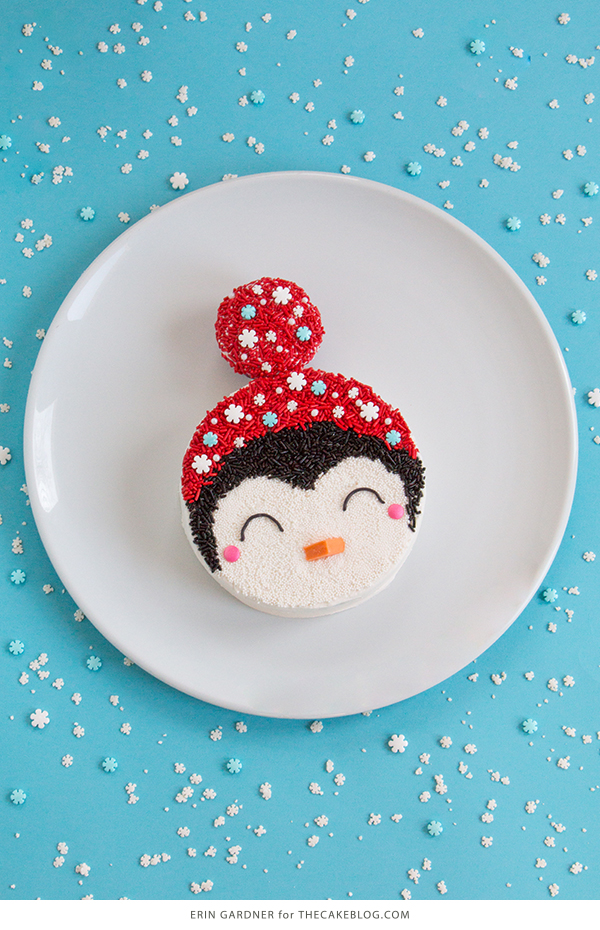
The Penguin Cake is designed as a centerpiece for small-scale holiday gatherings and winter-themed celebrations. Unlike traditional tiered cakes that rely on complex fondant sculpting, this design utilizes the "mosaic sprinkle method." This technique involves the strategic placement of various nonpareils and candy shapes to create a recognizable character portrait on a flat buttercream surface.
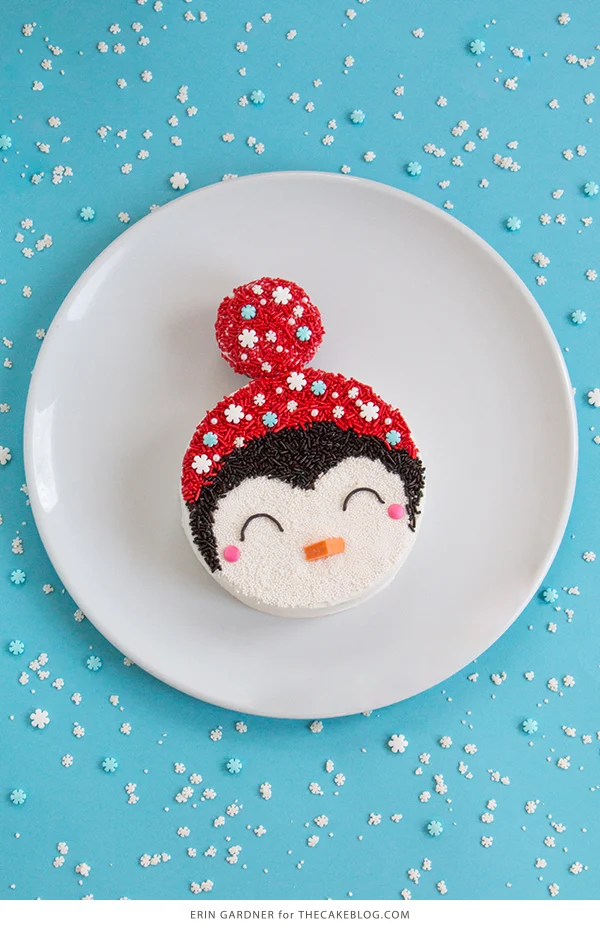
According to the tutorial, the design’s primary appeal lies in its customizability. Gardner notes that the base model—a black and white penguin wearing a red winter hat—can be modified with chocolate sunglasses, various hat colors, or themed sprinkles such as stars and miniature trees. This modular approach to cake design reflects a broader trend in the baking industry toward "template-based" decorating, where a single structural concept can be adapted to suit multiple occasions.
Technical Chronology: The Construction Process
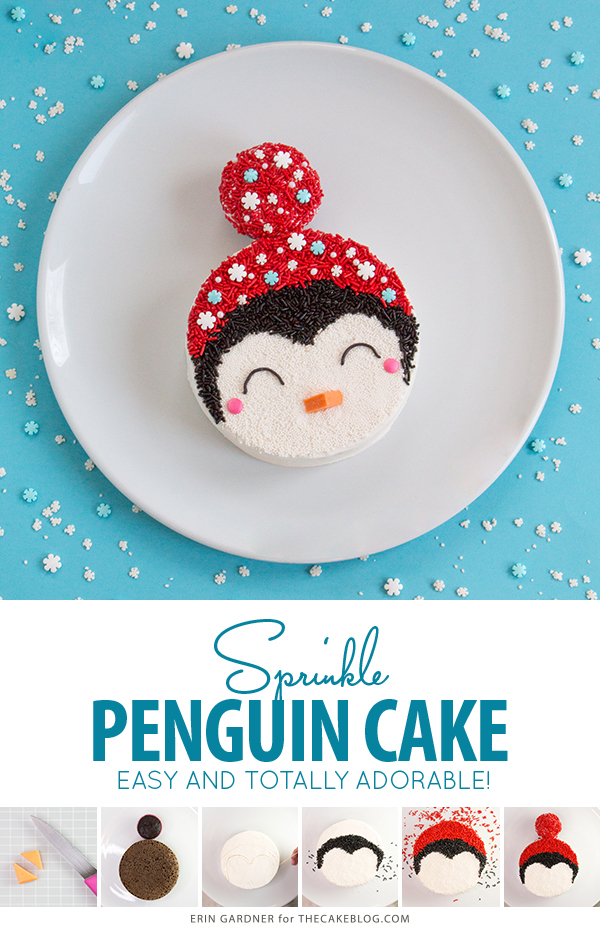
The execution of the Penguin Cake follows a precise four-stage workflow designed to minimize errors and maximize the visual density of the sprinkles.
Stage 1: Surface Preparation
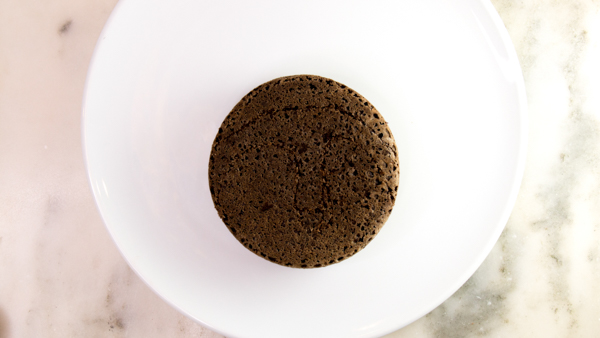
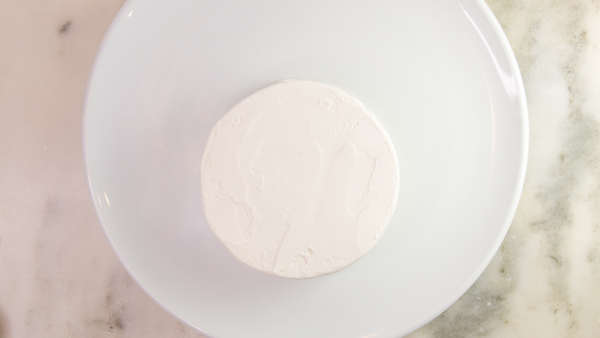
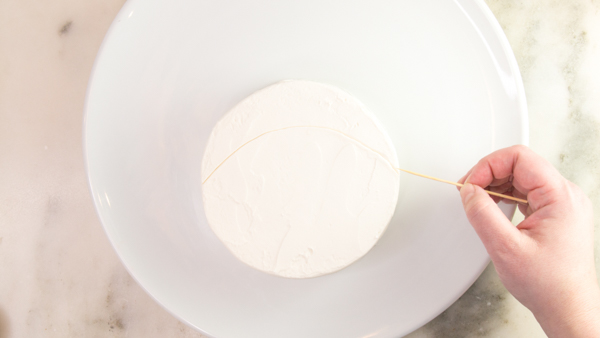
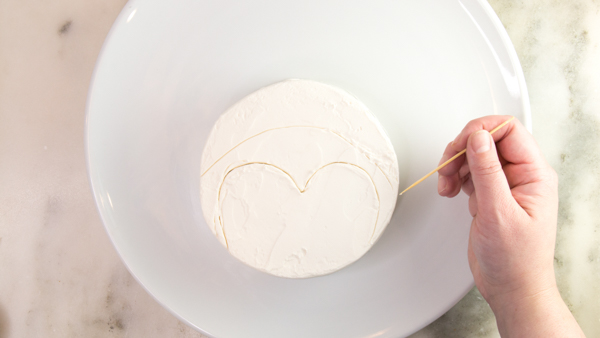
The process begins with the application of a thick layer of plain buttercream. Unlike standard cakes where a smooth "crumb coat" and final layer are the end goals, the Penguin Cake requires a substantial volume of frosting to act as an adhesive. Bakers are instructed to use a toothpick or skewer to etch a "half-moon" shape across the top of the cake to delineate the hat and an "open-bottom heart" shape to define the penguin’s facial features. The tutorial emphasizes that surface imperfections are negligible at this stage, as the entire facade will eventually be obscured by the sprinkle layer.
Stage 2: The Mosaic Application
The application of the nonpareils is the most labor-intensive phase of the project. Gardner recommends placing the cake platter on a baking sheet to catch excess debris—a practical consideration for maintaining kitchen hygiene. The workflow dictates starting with the largest area first:
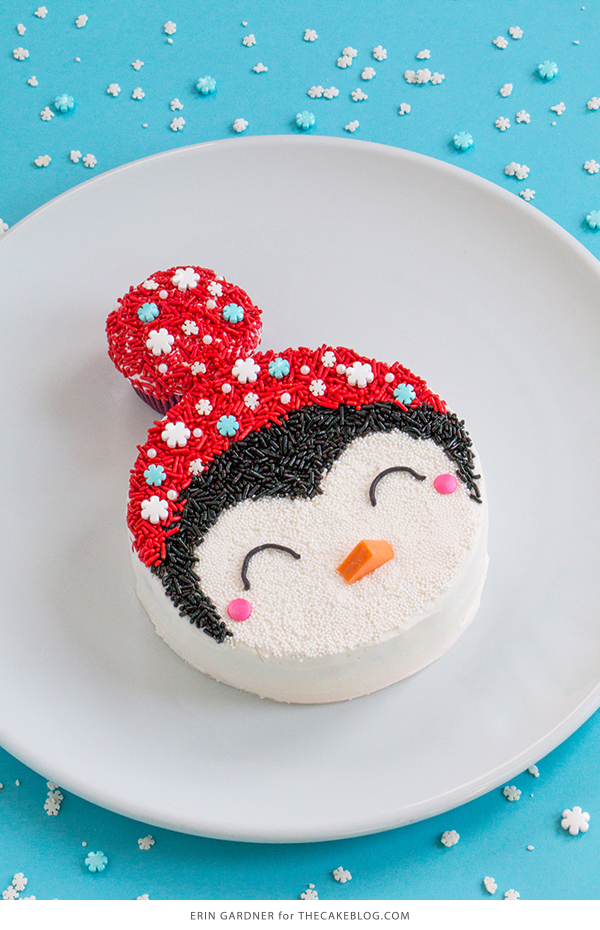
- The Face: White nonpareils are applied using a spoon and smoothed with the back of the utensil.
- The Body: Black sprinkles are layered to represent the penguin’s skin, with a toothpick used for fine-tuning the borders between the black and white sections.
- The Hat: Red sprinkles are applied to the top section to complete the primary color blocks.
Stage 3: Three-Dimensional Elements
To add depth to the design, a standard cupcake is repurposed as a "pom-pom" for the penguin’s hat. The cupcake is frosted, dipped in red sprinkles, and adhered to the cake platter with a dab of buttercream. This use of a secondary baked good as a structural element is a hallmark of modern "hybrid cakes" that combine different scales of pastry.
Stage 4: Character Detailing
The final stage involves the application of candy-based features. A Starburst fruit chew is sliced diagonally to create a triangular beak. Pink confetti sprinkles are used for the cheeks, and black buttercream is piped through a small round tip to create semi-circular eyes. The design is finalized with snowflake-shaped sprinkles on the hat to reinforce the winter theme.
Supporting Data: The Rise of the DIY Baking Market
The release of Gardner’s tutorial coincides with a sustained surge in the global home baking market. According to market research data from Grand View Research, the global bakery product market was valued at approximately USD 416.7 billion in 2021 and is expected to expand at a compound annual growth rate (CAGR) of 5.1% through 2030. Within this sector, the "cake decorating supplies" niche has seen disproportionate growth, driven by social media platforms like Pinterest and Instagram.
The "sprinkle cake" trend, specifically, has become a staple of digital food content. Search interest for "unique cake decorating ideas" typically spikes by 40% between November and January. Gardner’s contribution addresses a specific consumer demand for "high-reward, low-technical-skill" projects. By replacing difficult fondant work with sprinkle-mapping, the tutorial lowers the barrier to entry for novice decorators while maintaining a professional-grade aesthetic.
Environmental and Structural Considerations
A critical component of the tutorial involves the chemical interaction between the sprinkles and the buttercream. Gardner provides a cautionary note regarding "moisture migration"—a common issue in confectionery where the sugar coating of the sprinkles absorbs moisture from the frosting, leading to softening or color bleeding.
To mitigate this, the tutorial suggests finishing the cake on the day of service. For storage, the advice varies based on the type of buttercream used; however, an airtight container is recommended to maintain the texture of the sprinkles. This focus on the "shelf-life of aesthetics" is a vital consideration for bakers who must balance visual appeal with food safety and structural integrity.
Industry Responses and Inferred Market Impact
While official corporate statements from sprinkle manufacturers were not issued alongside the tutorial, the impact on the retail sector is often immediate. Tutorials that specify certain shapes—such as "snowflake sprinkles" or "pink confetti sprinkles"—frequently lead to localized sell-outs of those specific SKUs in craft and baking supply stores.
Professional bakers have noted that "character cakes" like Gardner’s penguin are increasingly requested for children’s birthdays and "winter one-derland" themed parties. The shift toward these "flat-lay" character designs allows bakeries to produce high-margin custom cakes with lower labor costs compared to 3D sculpted fondant figures.
Broader Implications for Digital Culinary Education
The Penguin Cake tutorial is more than a simple recipe; it is a case study in the democratization of culinary arts through digital media. By breaking down a complex visual into a series of manageable, non-technical steps, contributors like Erin Gardner are reshaping how the public interacts with professional-level pastry design.
This movement toward "instructional aesthetics" has several broader implications:
- The Aesthetic Economy: The value of the cake is increasingly tied to its "photogenic" quality, designed specifically for social media sharing.
- Resourcefulness in Design: The use of everyday candies (like Starburst) to replace specialized modeling chocolate suggests a trend toward "pantry-friendly" decorating.
- Community Engagement: The concept of a "sprinkle universe" creates a brand narrative that encourages followers to collect and try every design in the series, fostering long-term audience retention for platforms like The Cake Blog.
Conclusion
The Penguin Cake represents a intersection of seasonal marketing, technical accessibility, and the ongoing "cute" (kawaii) trend in global food culture. As home bakers look for ways to elevate their holiday tables without the need for professional-grade sculpting tools, the mosaic sprinkle method provides a viable and highly customizable solution. Through the meticulous guidance of Erin Gardner, the project reinforces the idea that professional-looking results are achievable through strategic planning and common kitchen supplies, further cementing the role of digital tutorials in the modern culinary landscape. For those embarking on this winter project, the result is a dessert that balances structural simplicity with an "adorable" visual impact that resonates across age groups and celebration types.