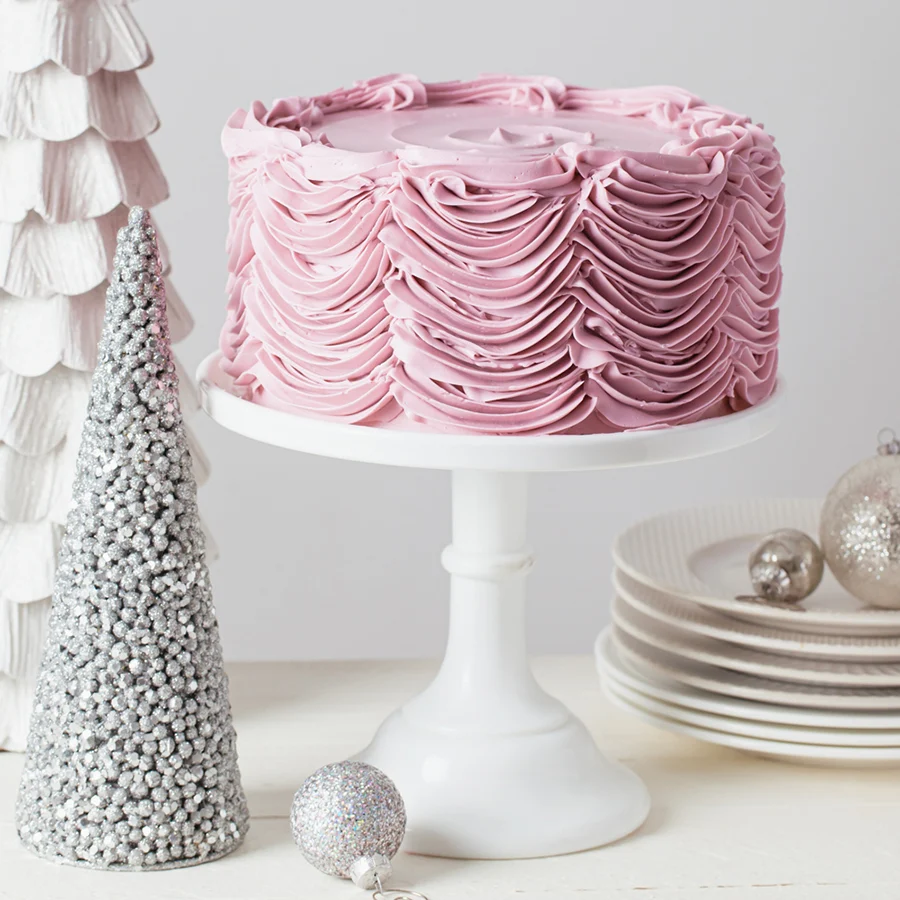
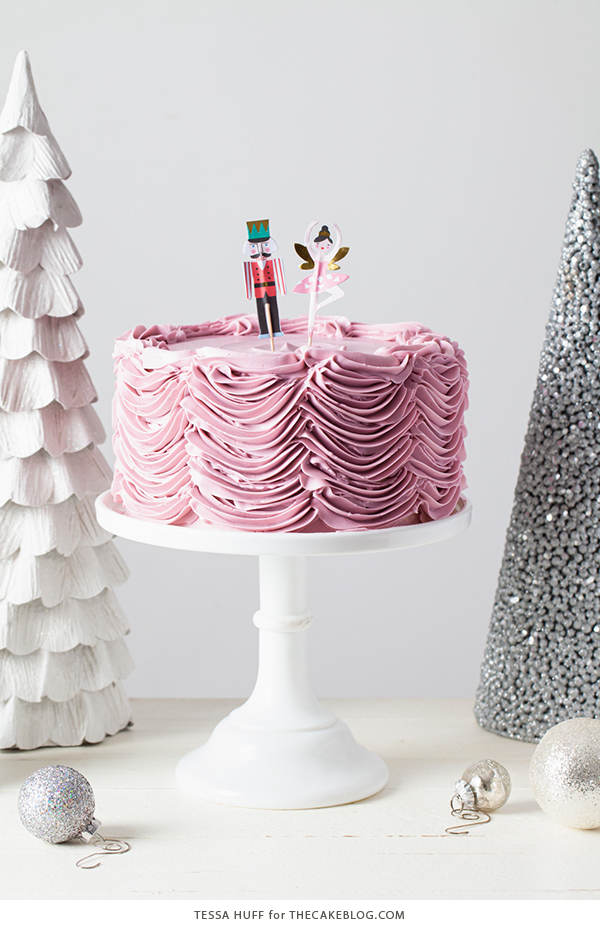
The intersection of culinary arts and seasonal tradition has reached a new milestone with the release of a specialized dessert concept designed to evoke the aesthetic and emotional resonance of the winter holiday season. Developed by prominent pastry contributor Tessa Huff for the digital platform The Cake Blog, the Hazelnut Nutcracker Cake represents a sophisticated fusion of classic spice profiles and intricate buttercream architecture. This dessert serves as a technical homage to the 19th-century ballet "The Nutcracker," utilizing a specific palette of brown sugar, fresh nutmeg, and roasted hazelnuts to simulate the "visions of sugarplums" and waltzing flowers synonymous with the theatrical production.

The Conceptual Framework of Seasonal Gastronomy
The development of themed confectionery often relies on the synthesis of nostalgia and technical precision. In the case of the Hazelnut Nutcracker Cake, the design philosophy is rooted in the creator’s personal history with the performing arts. For many practitioners in the baking industry, the holiday season is defined by a specific set of cultural touchstones. The Nutcracker ballet, composed by Pyotr Ilyich Tchaikovsky and based on E.T.A. Hoffmann’s 1816 story, has become an indelible fixture of the December calendar. By translating the visual elements of the ballet—specifically the ruffles of a tutu and the warm, woody tones of the titular nutcracker—into an edible medium, the recipe bridges the gap between performance art and pastry science.
While the "Sugar Plum Fairy" is a central figure in the inspiration for this cake, the recipe deviates from the literal use of plums, which are typically out of season during the peak of winter in many regions. Instead, the flavor profile shifts toward the roasted hazelnut, a nut that enjoys peak market demand during the fourth quarter of the fiscal year. This strategic substitution maintains the "nutty" theme of the ballet while utilizing ingredients that are at their peak of freshness and availability.
Technical Composition and Ingredient Analysis
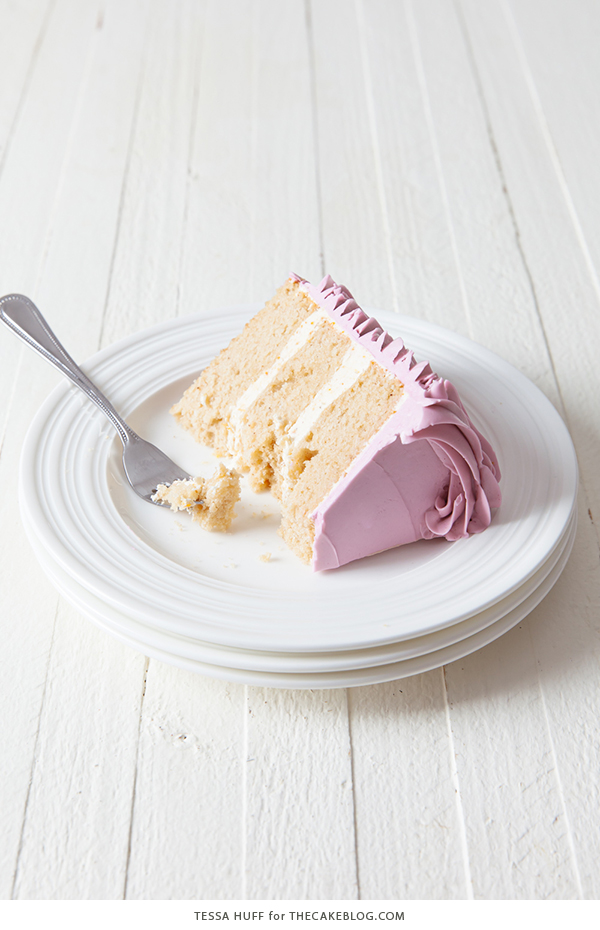
The Hazelnut Nutcracker Cake is structured around three primary components: a brown sugar and nutmeg sponge, a handcrafted hazelnut praline, and a Swiss meringue buttercream. Each element is engineered to provide a specific textural contrast and a layered flavor experience.
The Brown Sugar and Nutmeg Base
The foundation of the cake is a sponge that utilizes brown sugar as its primary sweetener. Unlike granulated white sugar, brown sugar contains molasses, which contributes moisture and a deep, caramel-like acidity. This is paired with fresh nutmeg and cinnamon. From a chemical perspective, the use of fresh nutmeg is critical; the volatile oils in the spice dissipate quickly once ground, meaning that "fresh-grated" nutmeg provides a significantly higher aromatic impact than pre-ground varieties. This combination of spices is designed to mimic the "warmth" associated with traditional winter beverages and baked goods.
The Hazelnut Praline Development
A significant portion of the cake’s flavor profile is derived from the hazelnut praline. The process involves candying hazelnuts in a caramelized sugar solution until they reach a brittle state. Once cooled and hardened, this brittle is processed into a fine powder. This technique, often referred to in professional pastry circles as "praliné," allows the intense flavor of the roasted nuts and burnt sugar to be distributed evenly throughout the buttercream without compromising the smoothness of the frosting.
Swiss Meringue Buttercream and Aesthetics
The frosting used for the Hazelnut Nutcracker Cake is a Swiss meringue buttercream (SMBC). In the hierarchy of cake coatings, SMBC is favored by professionals for its stability and silky mouthfeel. It is created by whisking egg whites and sugar over a double boiler until the sugar dissolves and the proteins reach a safe temperature, then whipping the mixture into a stiff meringue before incorporating softened butter.
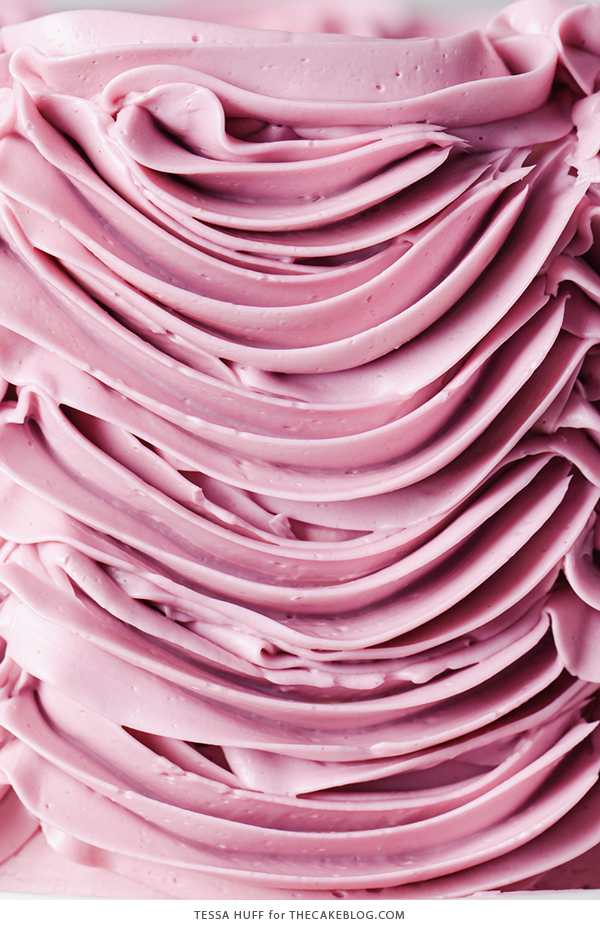
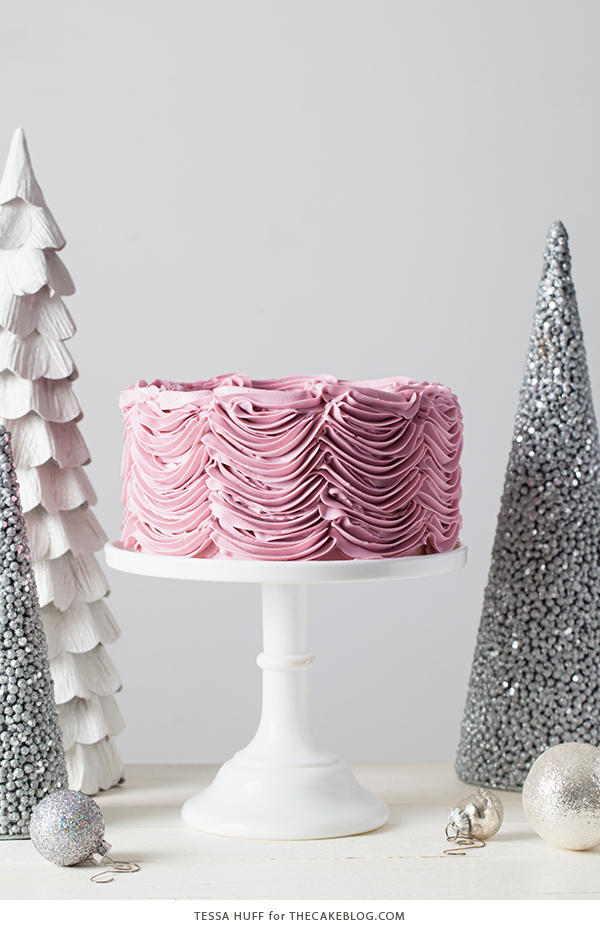
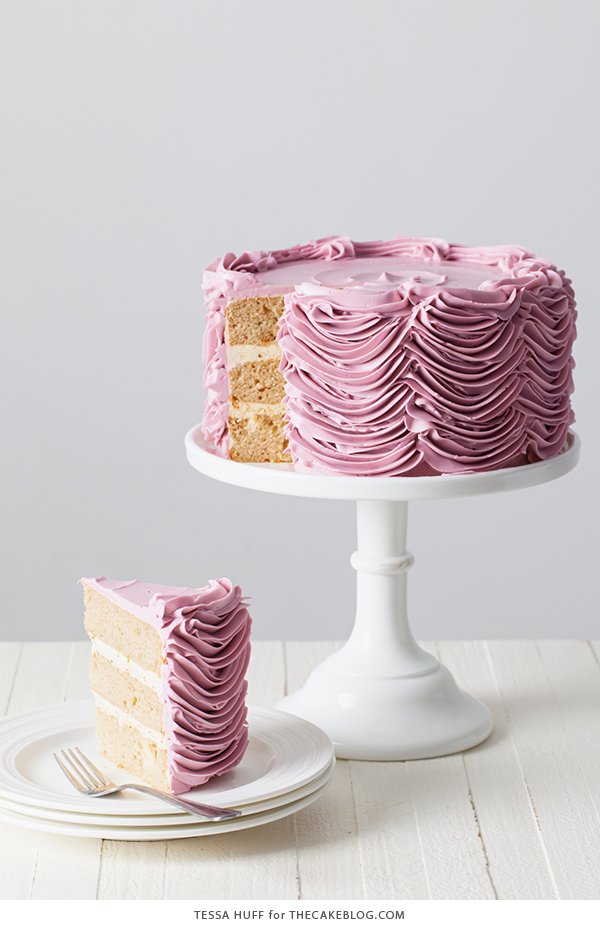
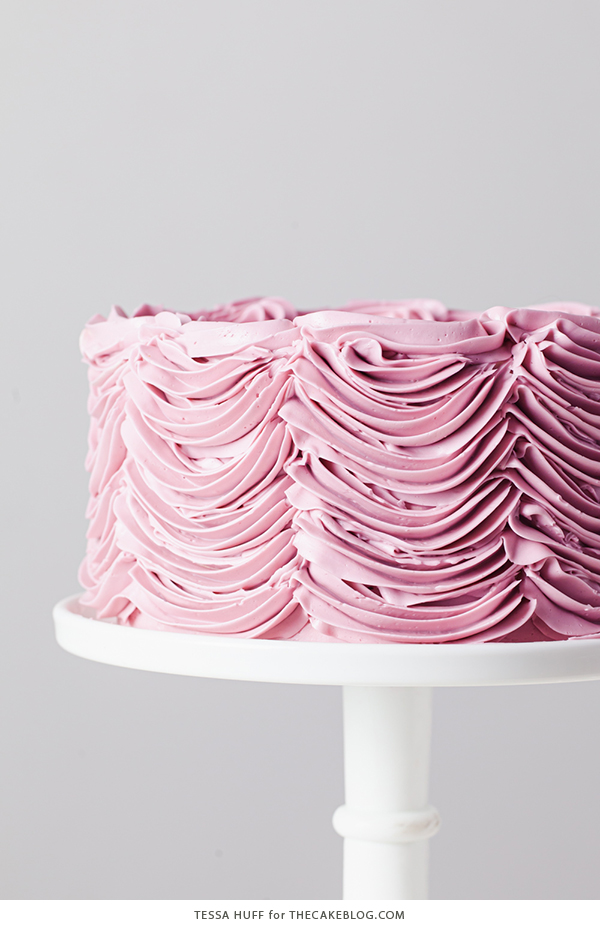
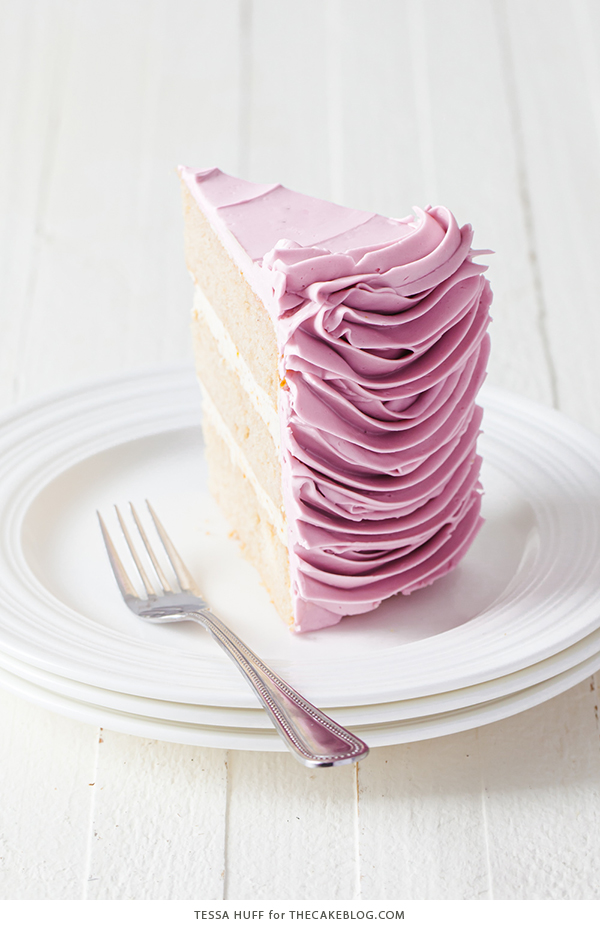
The aesthetic finish of the cake utilizes a "swag" piping technique. This involves the application of buttercream in a series of overlapping U-shaped curves, intended to mimic the fabric drapes and ruffles found in classical ballet costuming. To further the connection to the Nutcracker theme, a portion of the buttercream is tinted with a "sugared plum" purple hue, providing a visual link to the ballet’s most famous character.
Chronology of the Recipe Development and Release
The release of the Hazelnut Nutcracker Cake followed a structured timeline typical of high-end seasonal culinary content:
- Concept Phase (Early Autumn): The creator identified the need for a Nutcracker-themed dessert that avoided the clichés of peppermint or gingerbread. Research focused on the "Dance of the Sugar Plum Fairy" and the "Waltz of the Flowers."
- Flavor Testing (Mid-Autumn): Iterations of the cake were tested to balance the potency of the nutmeg against the richness of the hazelnut. The decision to use a praline powder rather than whole nuts within the layers was finalized to ensure structural integrity during the piping process.
- Visual Design and Prototyping (Late Autumn): The "swag" piping technique was selected to provide a vintage yet sophisticated look. Color swatches for the "sugared plum" purple were tested to ensure they remained appetizing under various lighting conditions.
- Public Release (December 2019): The recipe was officially published on The Cake Blog, accompanied by a detailed assembly guide and photographic documentation by Tessa Huff.
Supporting Data: The Economics of Holiday Baking
The launch of specialized recipes like the Hazelnut Nutcracker Cake occurs within a broader economic context of increased consumer spending in the baking sector. Data from the global hazelnut market indicates that approximately 70% of the world’s hazelnut supply originates from Turkey, with peak exports occurring in the months leading up to the European and North American holiday seasons.
In the United States, the "home baking" industry sees a significant surge in the fourth quarter. According to retail data, sales of spices such as nutmeg and cinnamon can increase by over 50% during November and December compared to the annual average. Furthermore, the rise of "aesthetic baking"—driven by social media platforms—has created a high demand for recipes that offer both a unique flavor profile and a "photogenic" final product. The Hazelnut Nutcracker Cake addresses both of these consumer desires, positioning it as a high-value asset for home bakers looking to elevate their holiday repertoire.
Official Responses and Culinary Impact
While formal "official statements" in the world of independent recipe development are rare, the reception from the baking community has been overwhelmingly positive. Industry peers have noted that the cake’s design successfully captures a "vintage elegance" that is often missing from modern, minimalist cake trends.
Tessa Huff, the architect of the recipe, has emphasized that the goal was to create something that felt "nostalgic and child-like," yet technically proficient. Feedback from users who have replicated the recipe highlights the "addictive" nature of the hazelnut brittle and the effectiveness of the spice blend in the cake layers. Analysts in the culinary media space have pointed to this recipe as an example of "narrative baking," where the story behind the food (the ballet) is as important as the ingredients themselves.
Broader Implications and Future Trends
The success of the Hazelnut Nutcracker Cake signals a continuing trend toward more complex, multi-component desserts for the home baker. As the accessibility of professional-grade tools (such as stand mixers and specialized piping tips) increases, the gap between "amateur" and "professional" output continues to narrow.
Furthermore, the move away from traditional fruit-based holiday cakes toward nut-and-spice-centric profiles reflects a shifting palate in the Western market. Consumers are increasingly seeking flavors that are less cloyingly sweet and more "earthy" or "aromatic." The use of roasted hazelnuts and fresh-grated spices aligns with the "slow food" movement, which prioritizes the quality and origin of ingredients over the speed of preparation.
As a cultural artifact, the Hazelnut Nutcracker Cake stands as a testament to the enduring power of Tchaikovsky’s work. It demonstrates that nearly 130 years after the ballet’s premiere, its themes and aesthetics continue to inspire new forms of creative expression, including the ephemeral art of the pastry chef. The cake is not merely a dessert but a seasonal event, requiring time, precision, and an appreciation for the historical traditions that define the modern holiday experience.