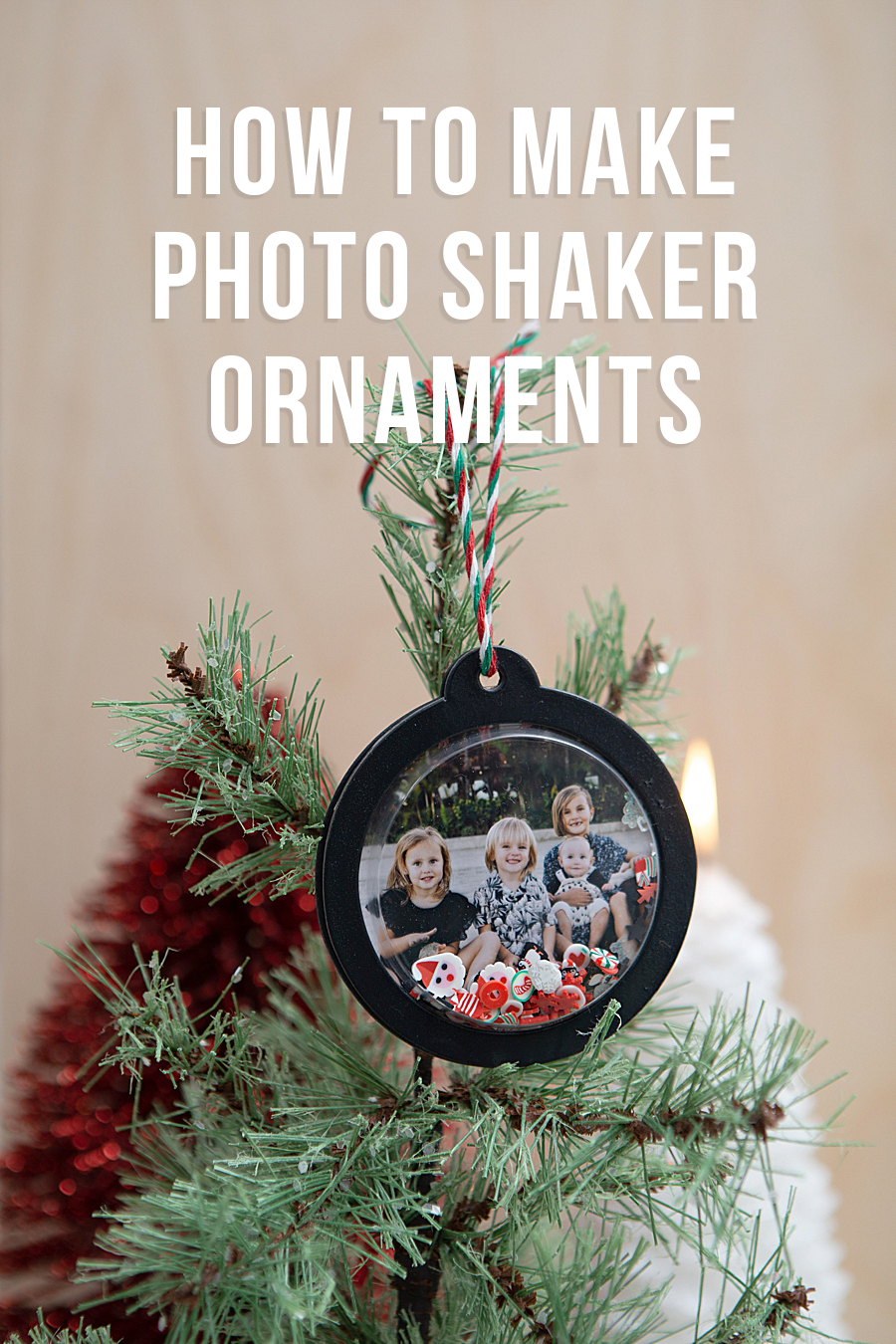
The integration of high-fidelity portable printing technology into the domestic crafting sector has reached a new milestone with the deployment of the Canon SELPHY Square QX10, a device that bridges the gap between digital photography and physical mementos. As the holiday season prompts a surge in personalized gift-giving and home décor, consumer interest has shifted toward tools that offer professional-grade results within a compact, user-friendly framework. The recent application of this technology in the creation of photo shaker ornaments illustrates a broader trend in the "maker movement," where high-tech hardware is utilized to enhance traditional, tactile crafting methods. By leveraging dye-sublimation printing and mobile application integration, hobbyists are now able to produce archival-quality imagery that serves as the centerpiece for complex DIY projects, such as the multidimensional ornaments currently trending in the home-crafting community.
Technical Specifications and Market Positioning of the SELPHY Square QX10
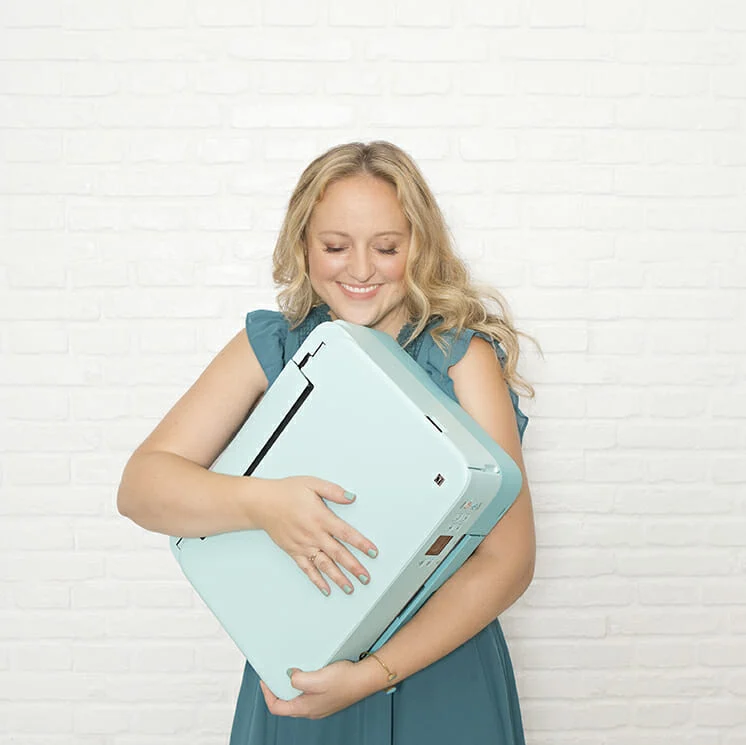
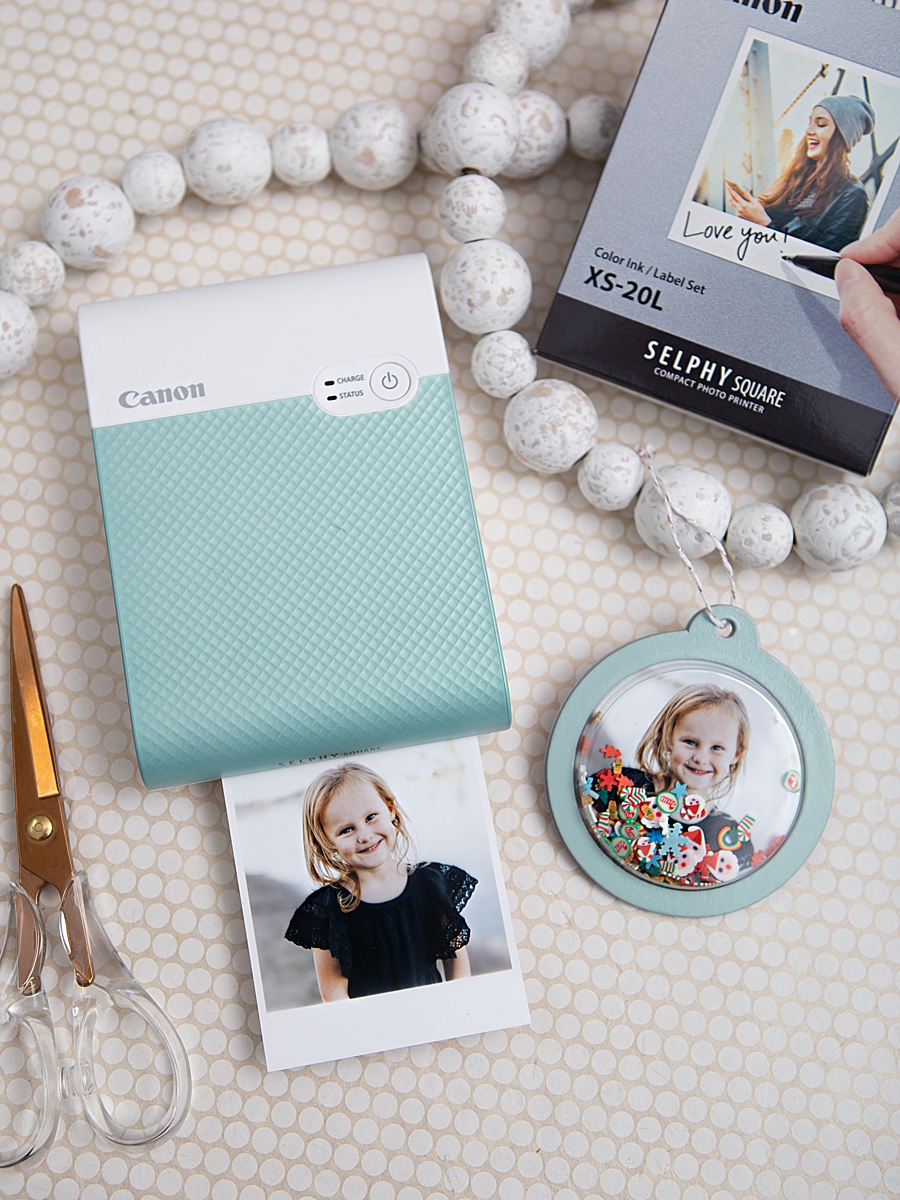
The Canon SELPHY Square QX10 represents a strategic move by Canon U.S.A., Inc. to capture the high-end portable print market. Weighing less than one pound, the device is designed for maximum mobility, powered by an internal rechargeable battery that eliminates the need for external power sources during operation. Unlike traditional inkjet printers that rely on liquid droplets, the QX10 utilizes dye-sublimation technology. This process involves a heat-transfer system that applies three separate layers of color (cyan, magenta, and yellow) followed by a clear protective overcoat.
The technical advantage of this method is twofold: it prevents smudging immediately upon exit from the printer and provides a "100-year" archival rating when stored under proper conditions. The output is a 2.7” x 2.7” square print, a format popularized by social media platforms like Instagram, which appeals to a demographic accustomed to square-crop aesthetics. Furthermore, the specialized XS-20L paper features a peel-off adhesive backing, transforming each photograph into a high-quality sticker, a feature that significantly expands the utility of the prints for scrapbooking, journaling, and domestic labeling.
The Evolution of the Shaker Craft Trend
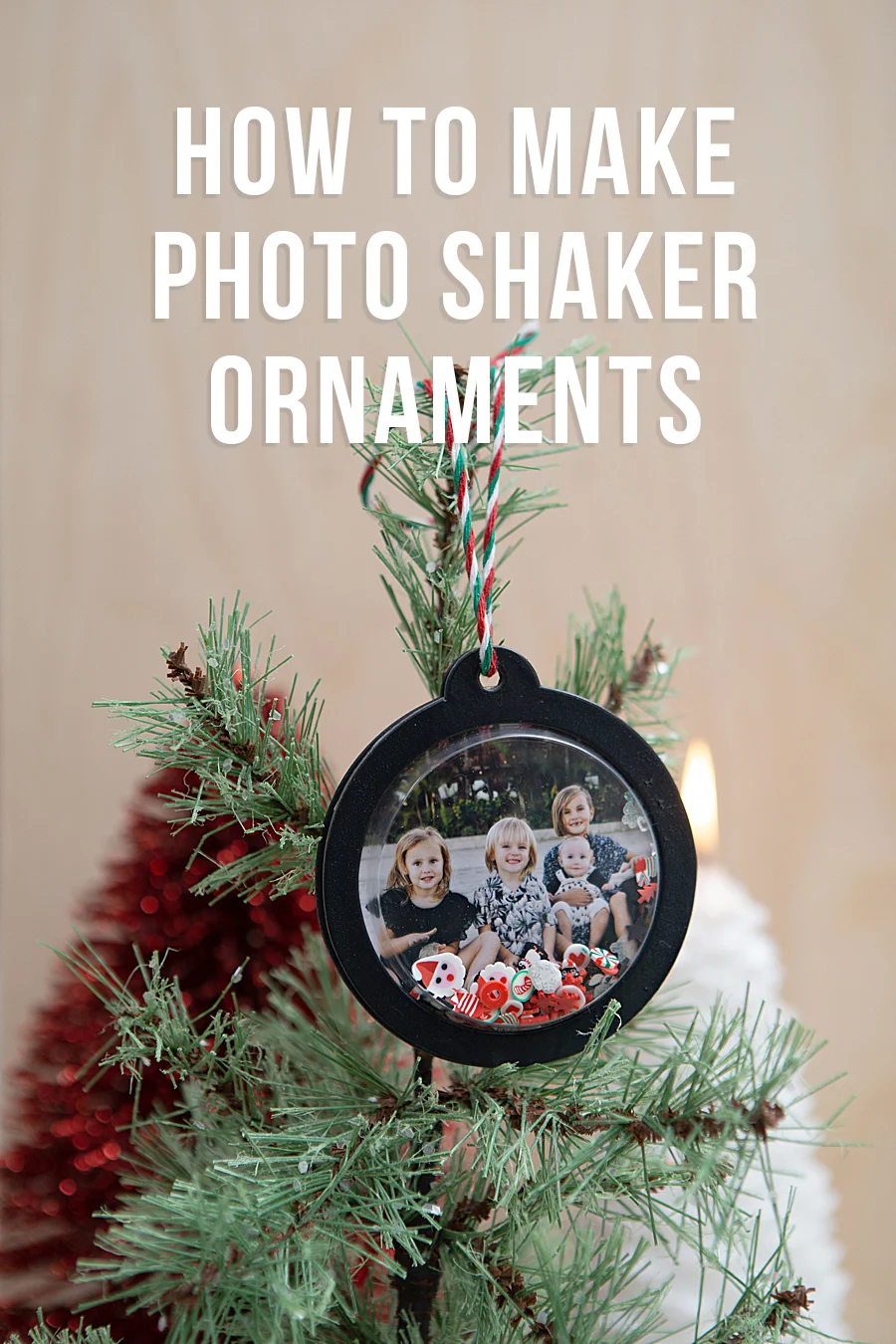
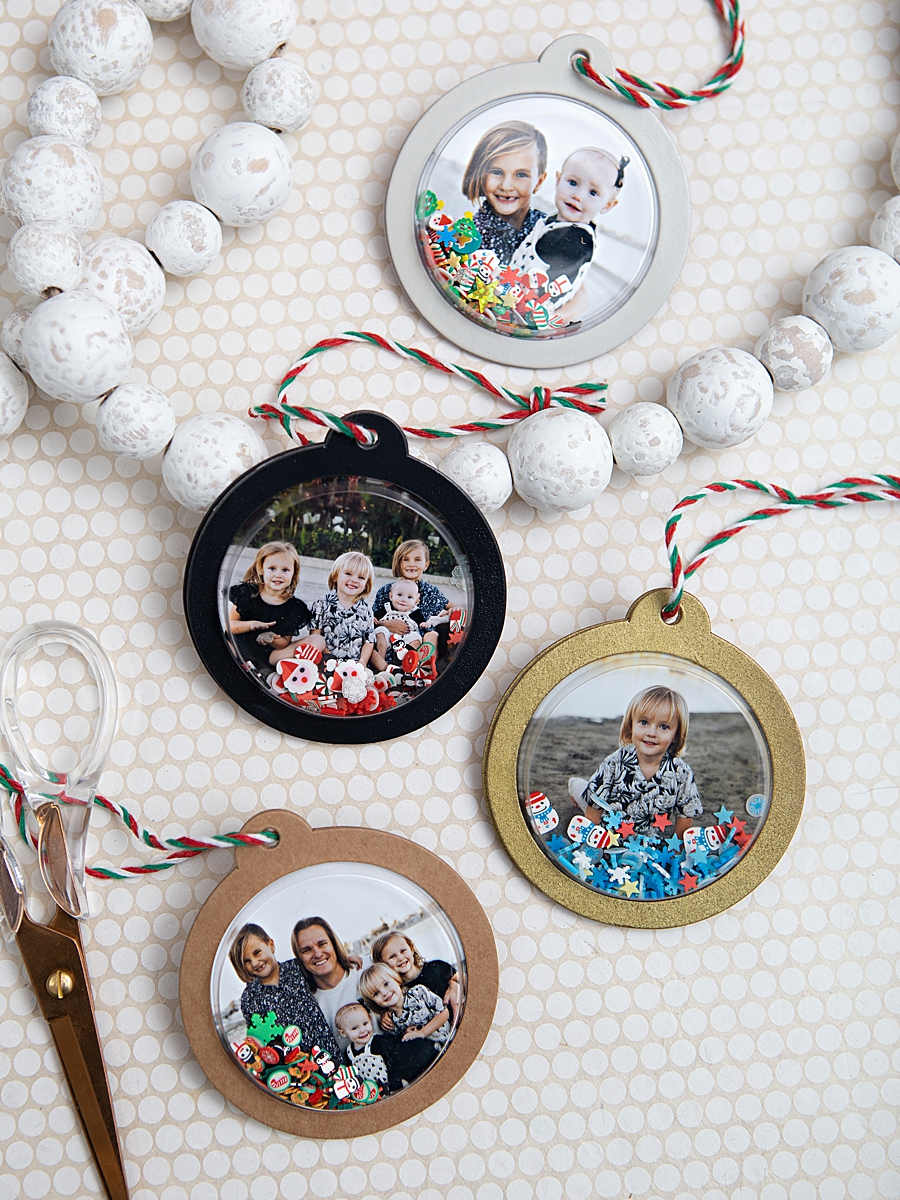
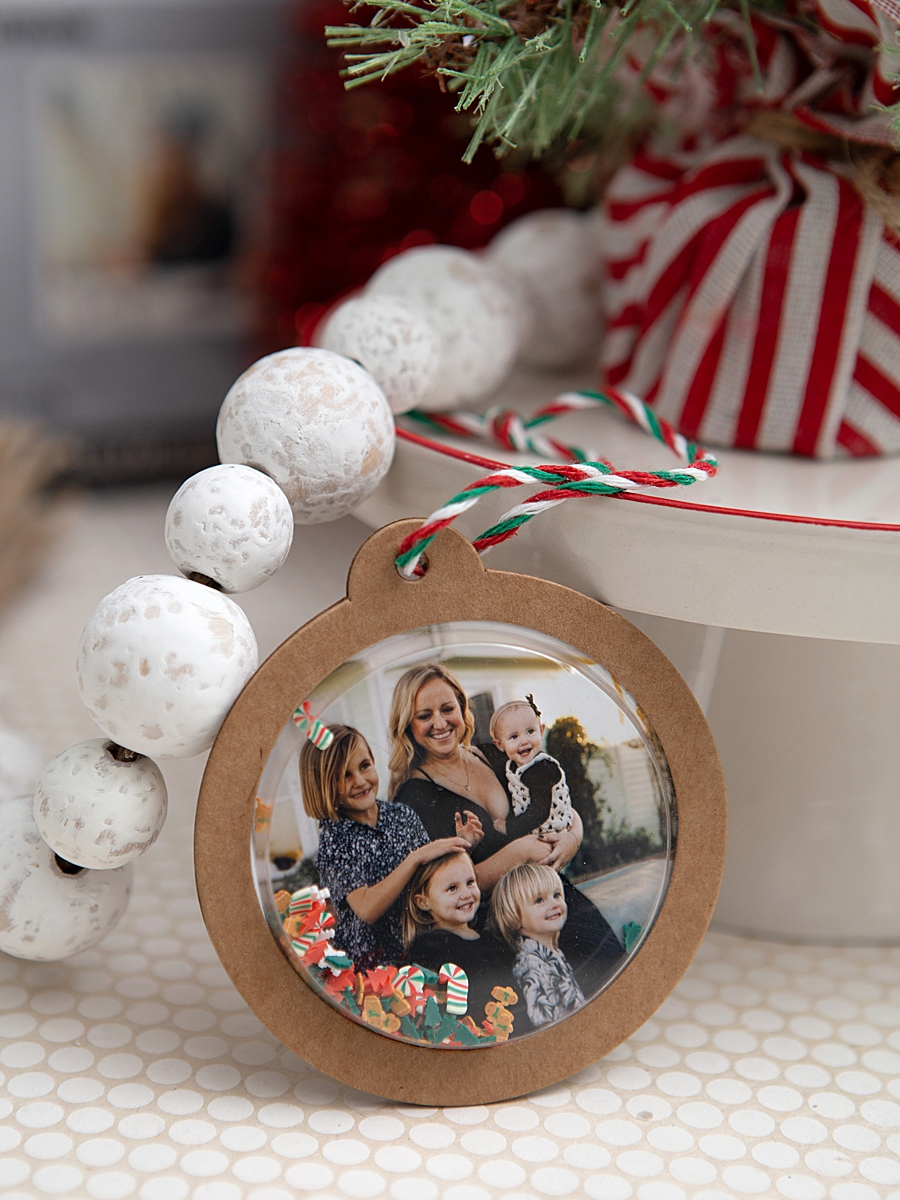
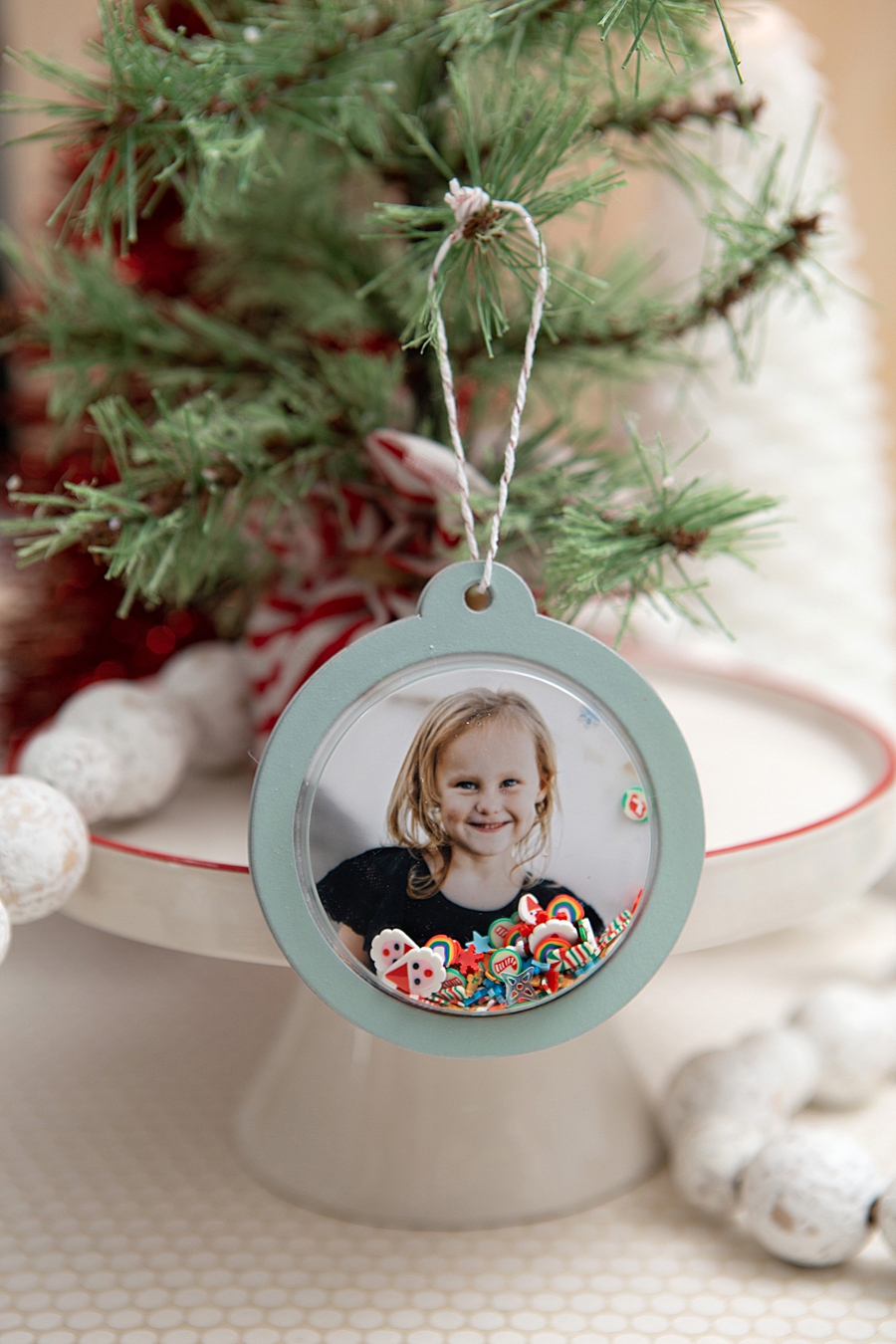
The "shaker" concept in crafting—characterized by a transparent window filled with loose sequins, glitter, or beads that move when shaken—has seen a resurgence in the 2020s. Originally a staple of card-making, the technique has been adapted for holiday ornaments. The methodology involves creating a sealed chamber, or "dome," typically using plastic covers and heavy-duty cardstock.
In the current market, the synergy between photography and shaker crafts is driven by the desire for "hyper-personalization." While generic holiday decorations remain available, data from the Association for Creative Industries (AFCI) suggests that consumers are increasingly investing in personalized "storytelling" crafts. The use of a portable printer allows for the immediate conversion of digital family portraits into the physical core of these shaker ornaments, providing a level of customization that mass-produced goods cannot replicate.
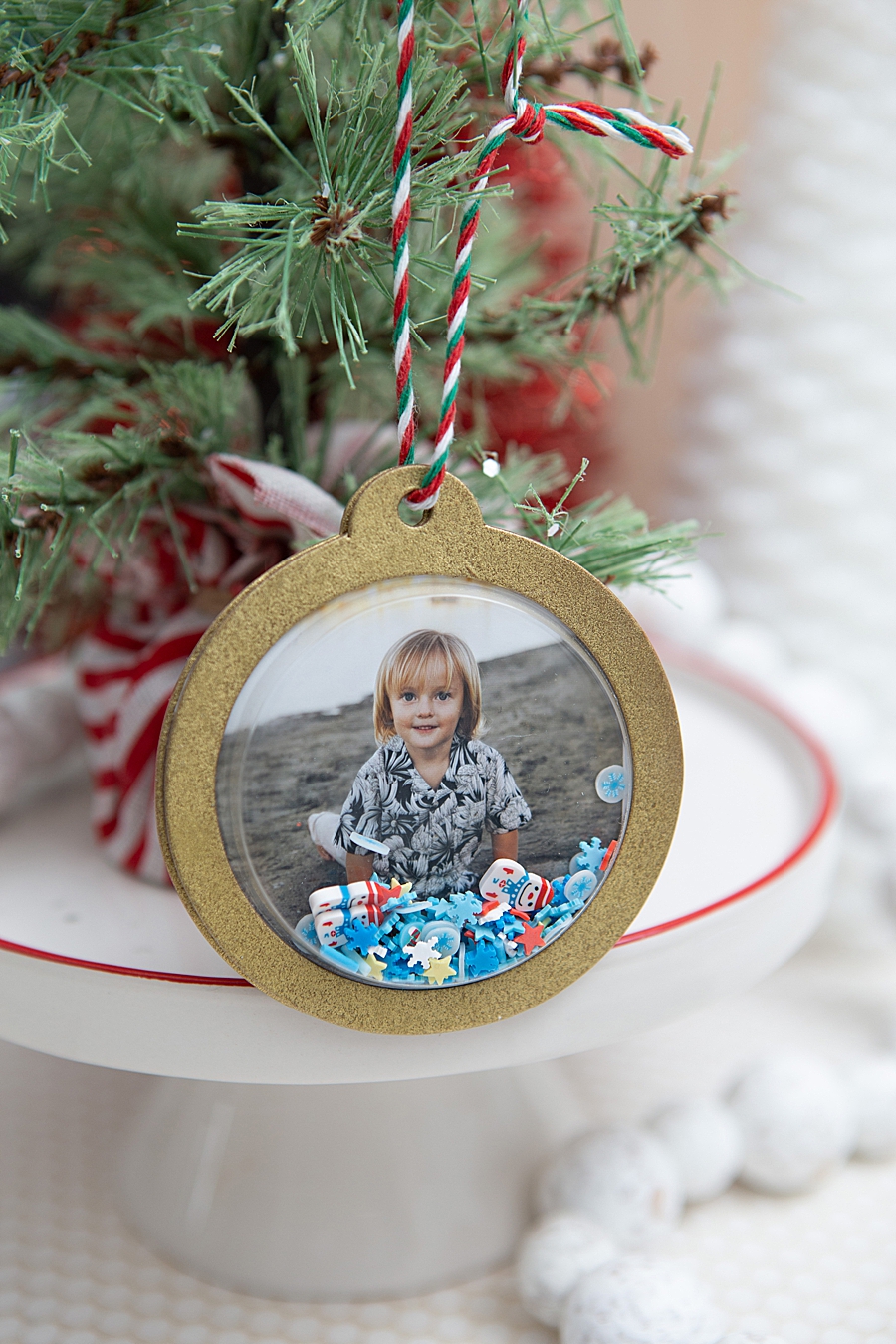
Chronology of the DIY Photo Shaker Project
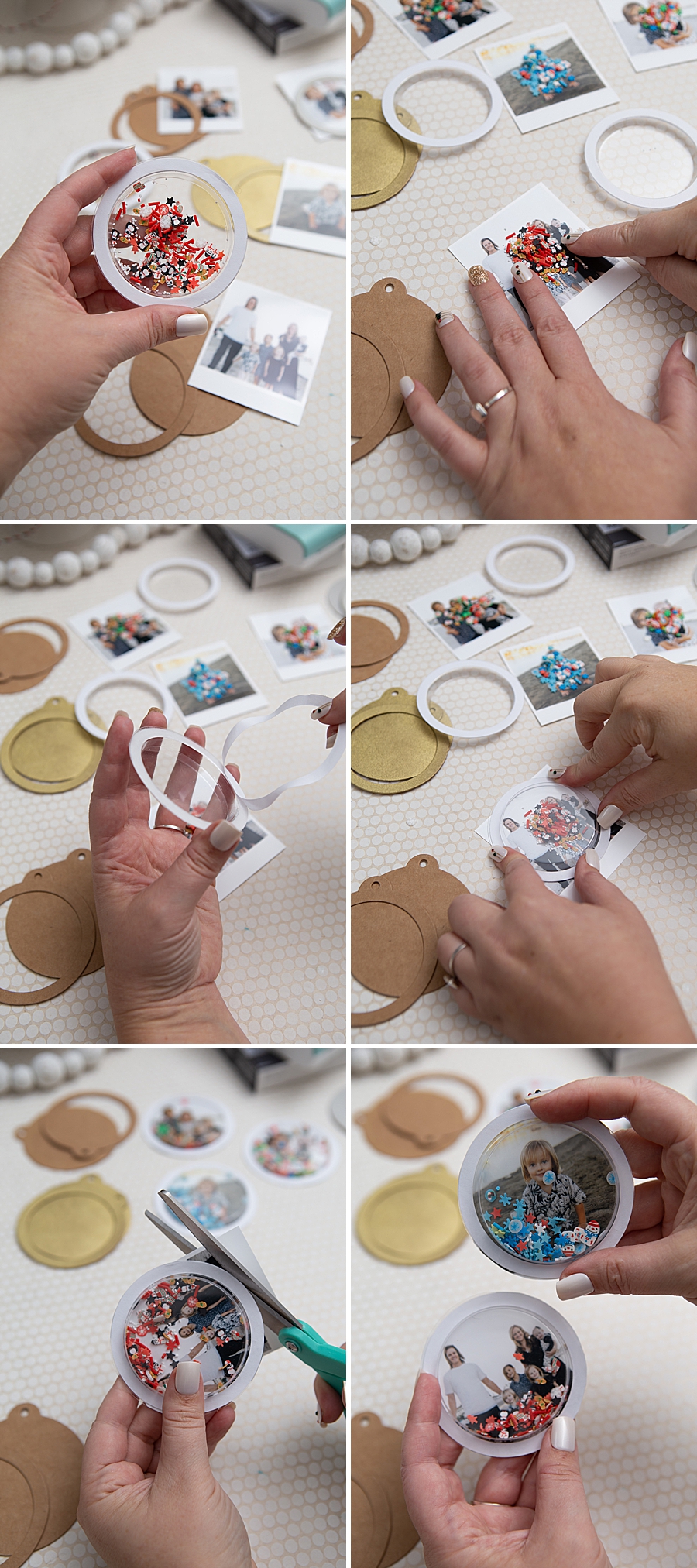
The production of photo shaker ornaments follows a specific technical sequence, requiring both digital precision and manual assembly. The process, as documented by creative specialists such as Jen Causey-Kidder of Something Turquoise, unfolds in several distinct phases:
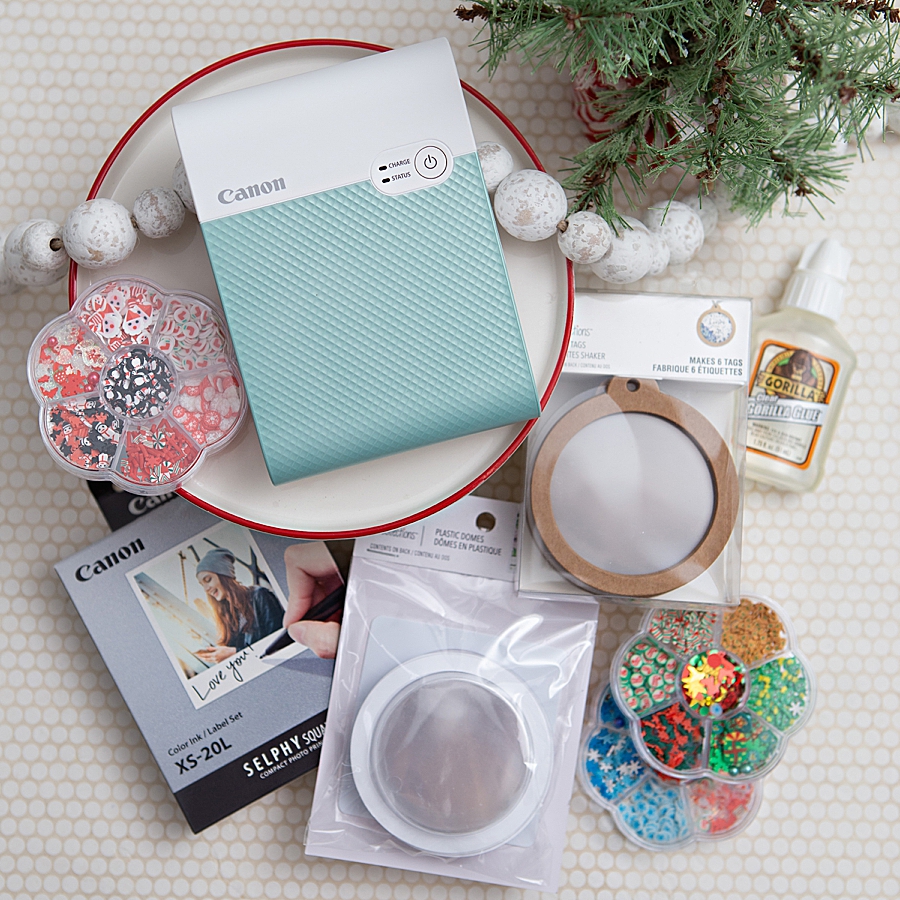
Phase I: Digital Preparation and Interface
The process begins within the Canon SELPHY Photo Layout 2.0 App. Users select images from their mobile device’s library, utilizing built-in editing tools to adjust cropping, filters, and borders. The app connects to the QX10 via a QR code scan, establishing a direct wireless link.
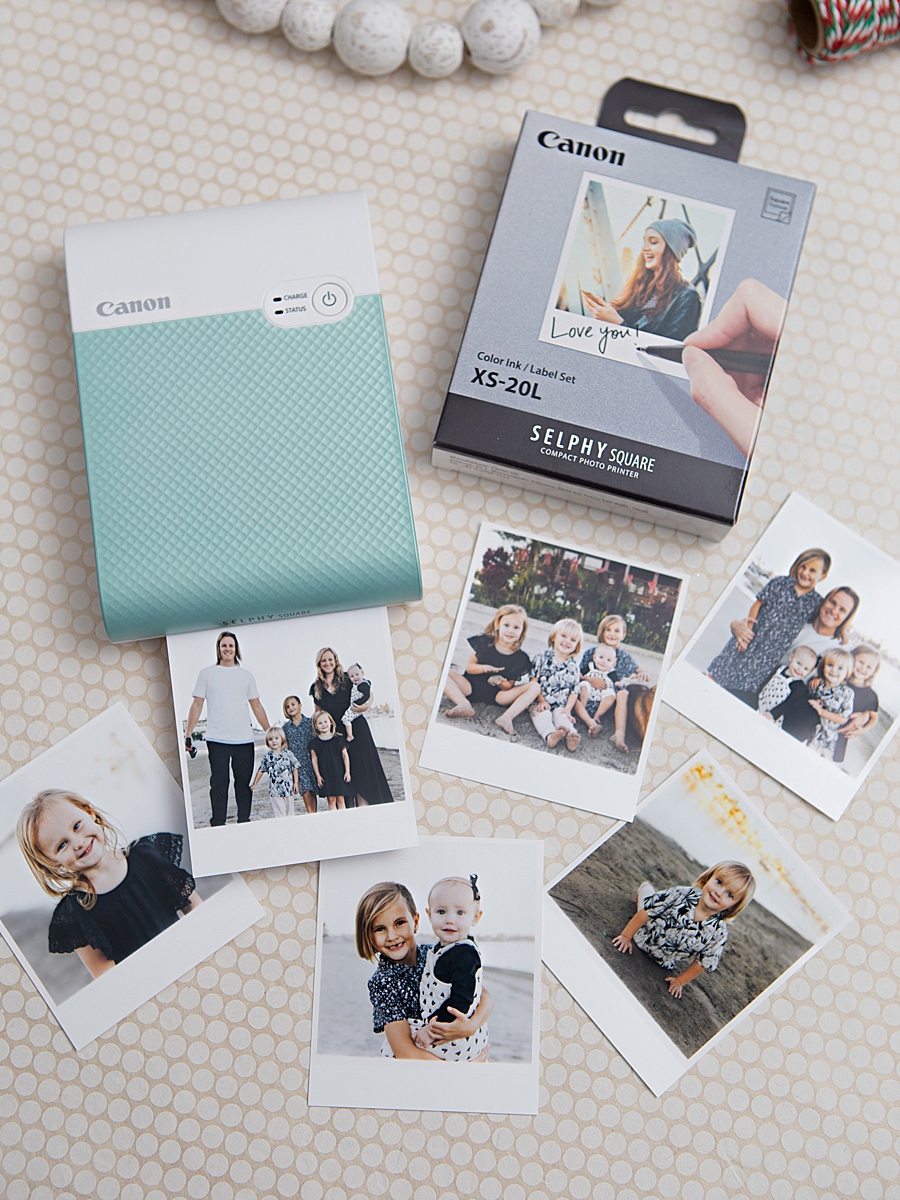
Phase II: The Dye-Sublimation Print Cycle
Once the print command is issued, the printer executes a four-pass system. The paper moves in and out of the device four times, once for each color layer and a final time for the protective coating. This visibility of the printing process has been noted as a significant point of engagement for users, particularly in educational or family settings where the mechanics of color layering are demonstrated in real-time.
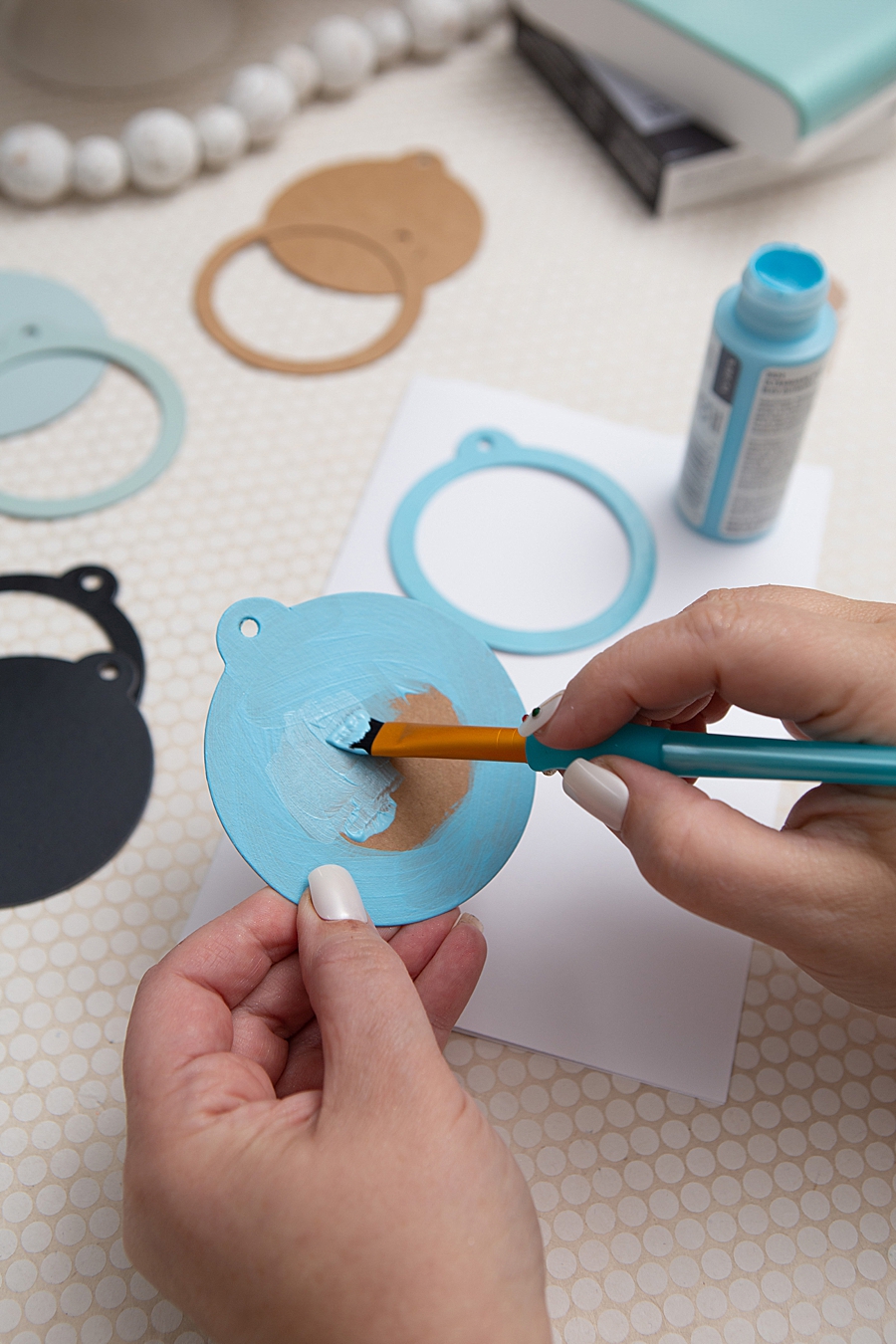
Phase III: Substrate Preparation
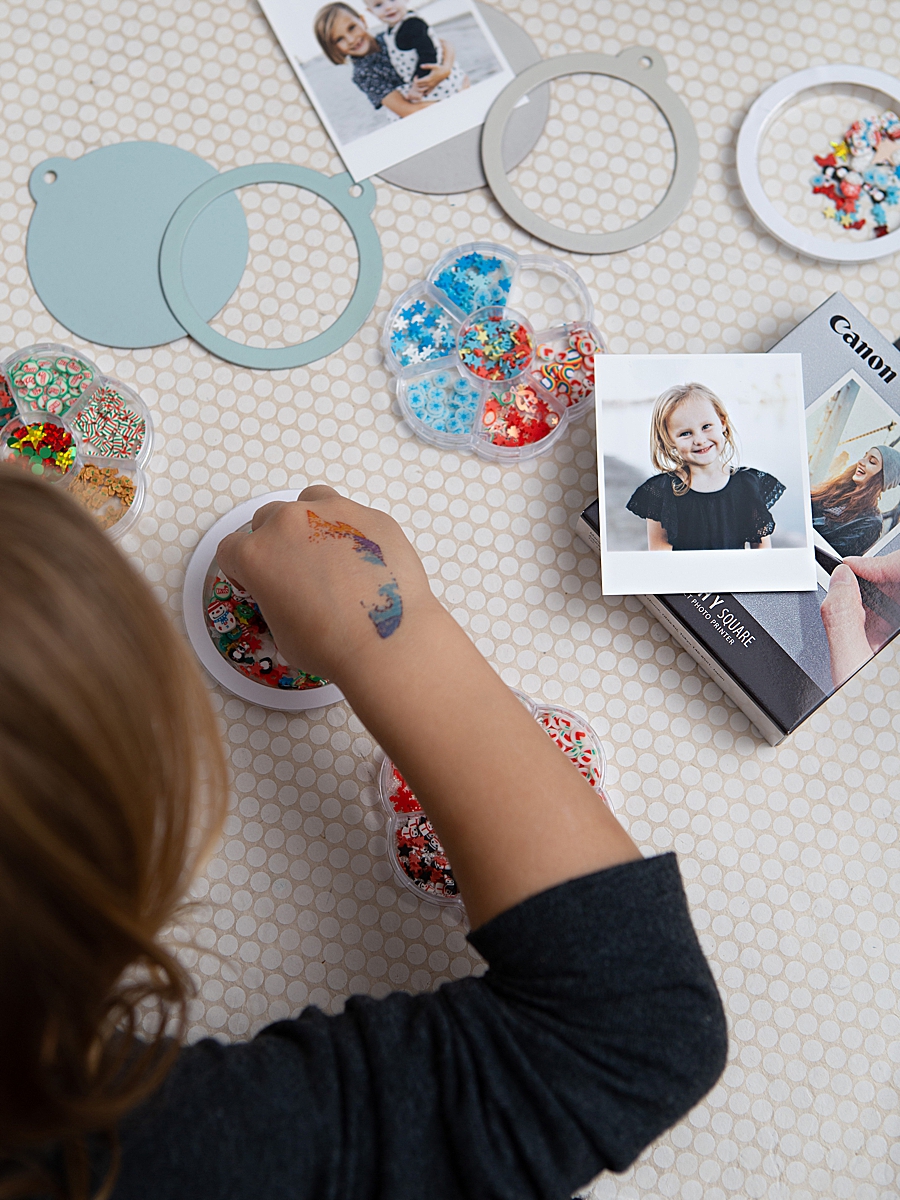
While the prints are finalized, the structural components of the ornament—kraft shaker tags—are prepared. This phase often involves the application of craft or spray paint to match seasonal themes. Technical requirements for this stage include multiple coats (typically two to three) followed by a clear gloss sealant to ensure the durability of the tag under the weight of the shaker dome.
Phase IV: Chamber Assembly and Filling
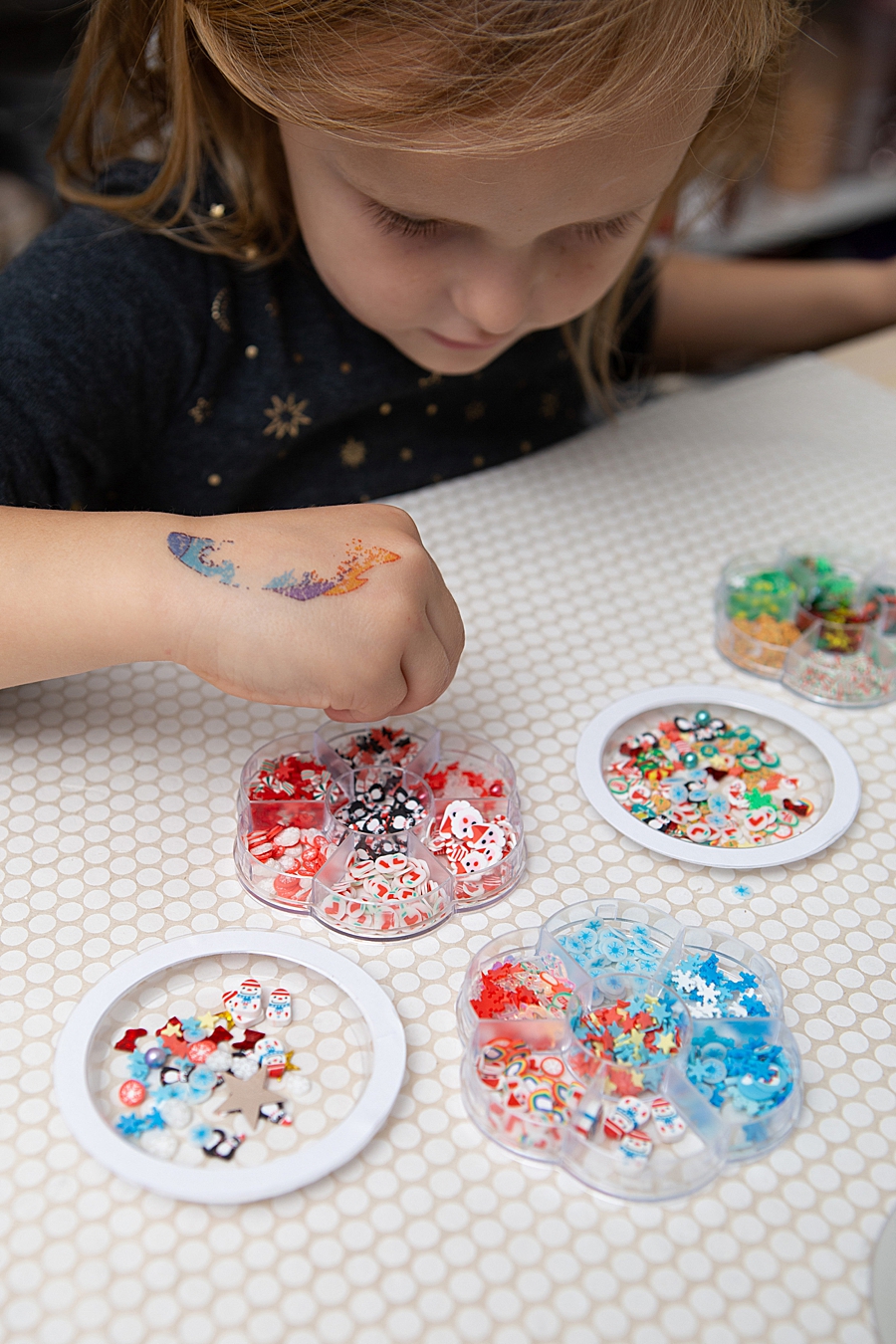
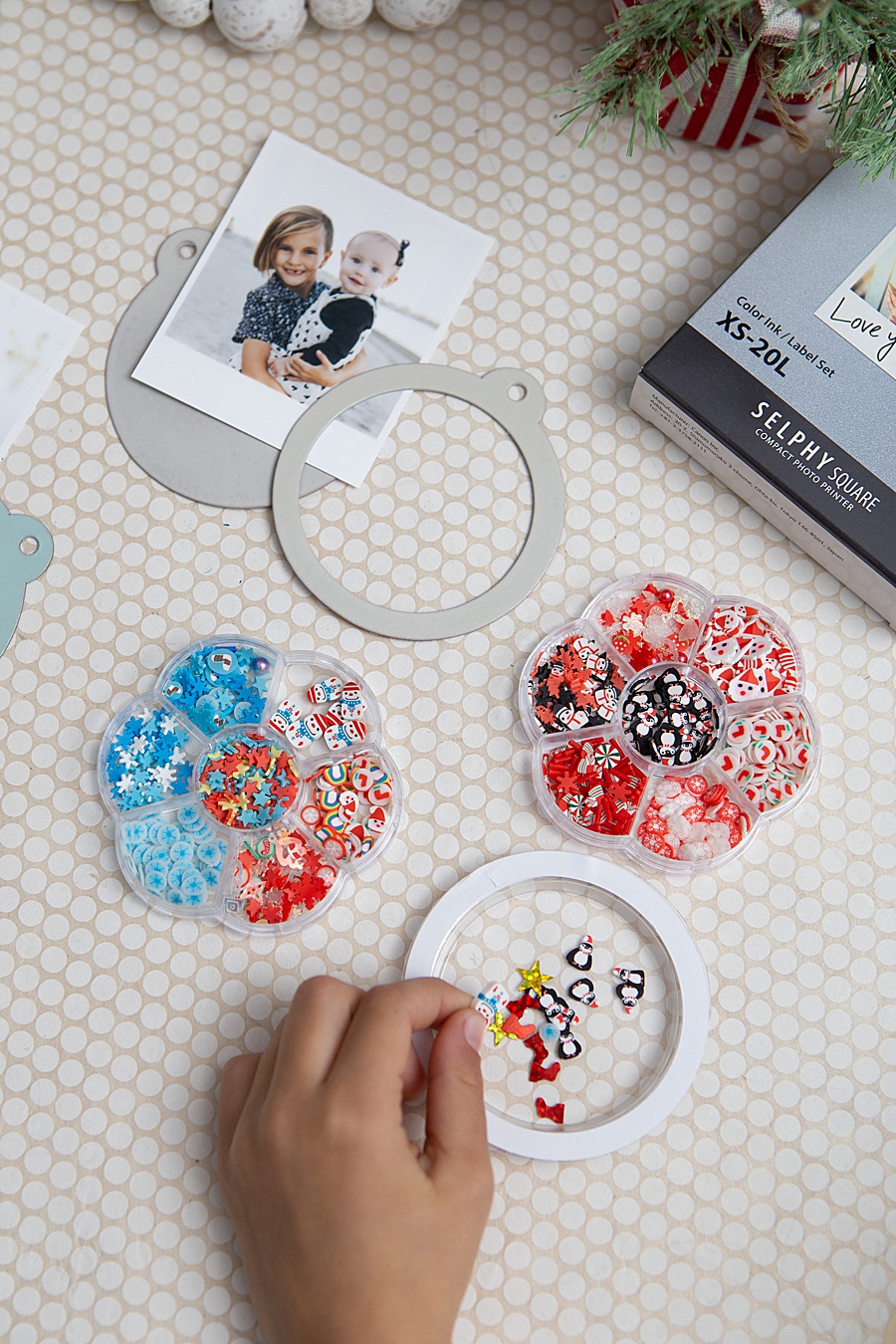
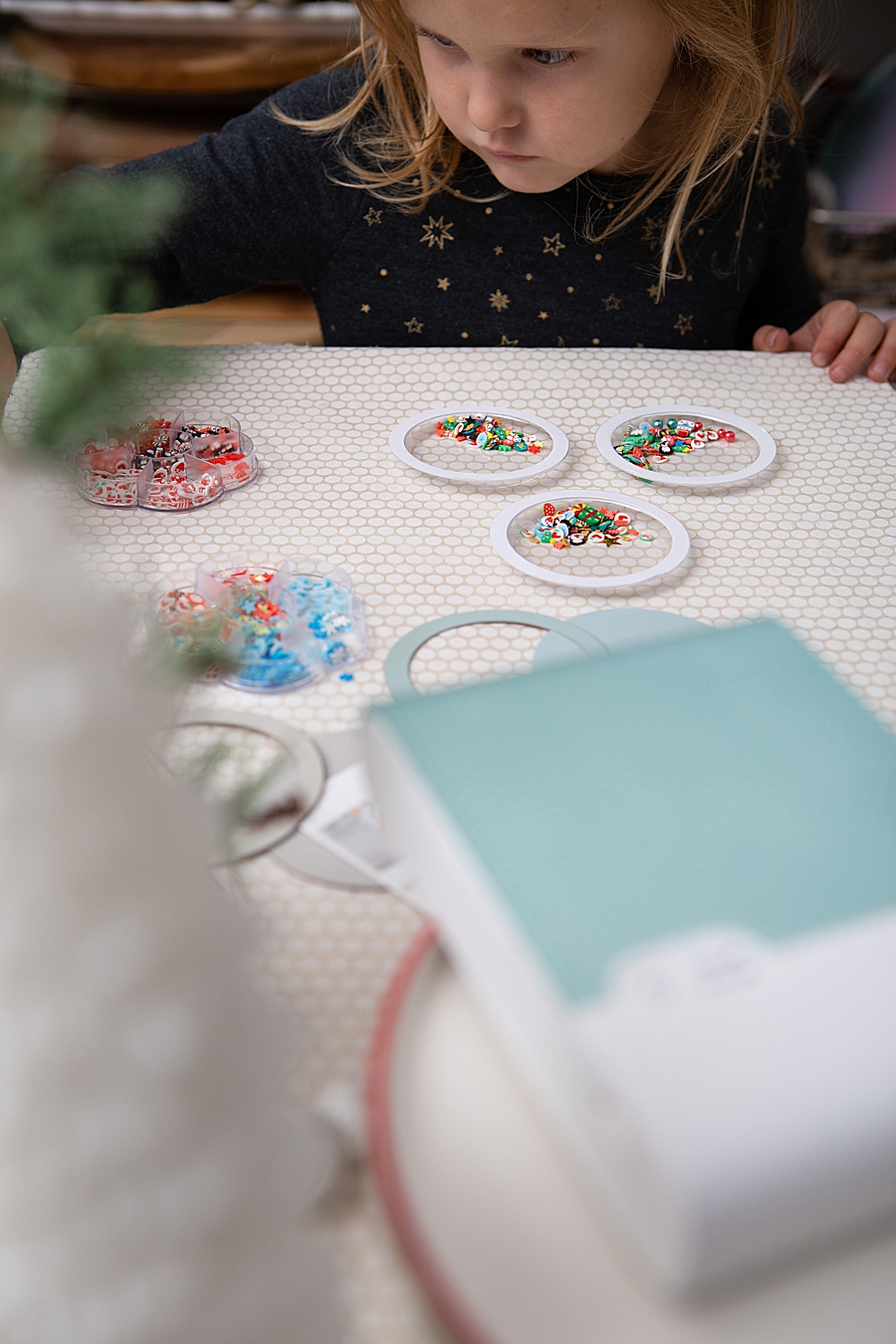
The "shaker bits," which can include specialized sequins, miniature beads, or even faux-nail art supplies, are placed into a plastic circle dome. Industry standards suggest filling the dome approximately 1/8th full to ensure that the internal photograph remains visible while still providing the desired kinetic "shake" effect.
Phase V: Chemical Bonding and Curing
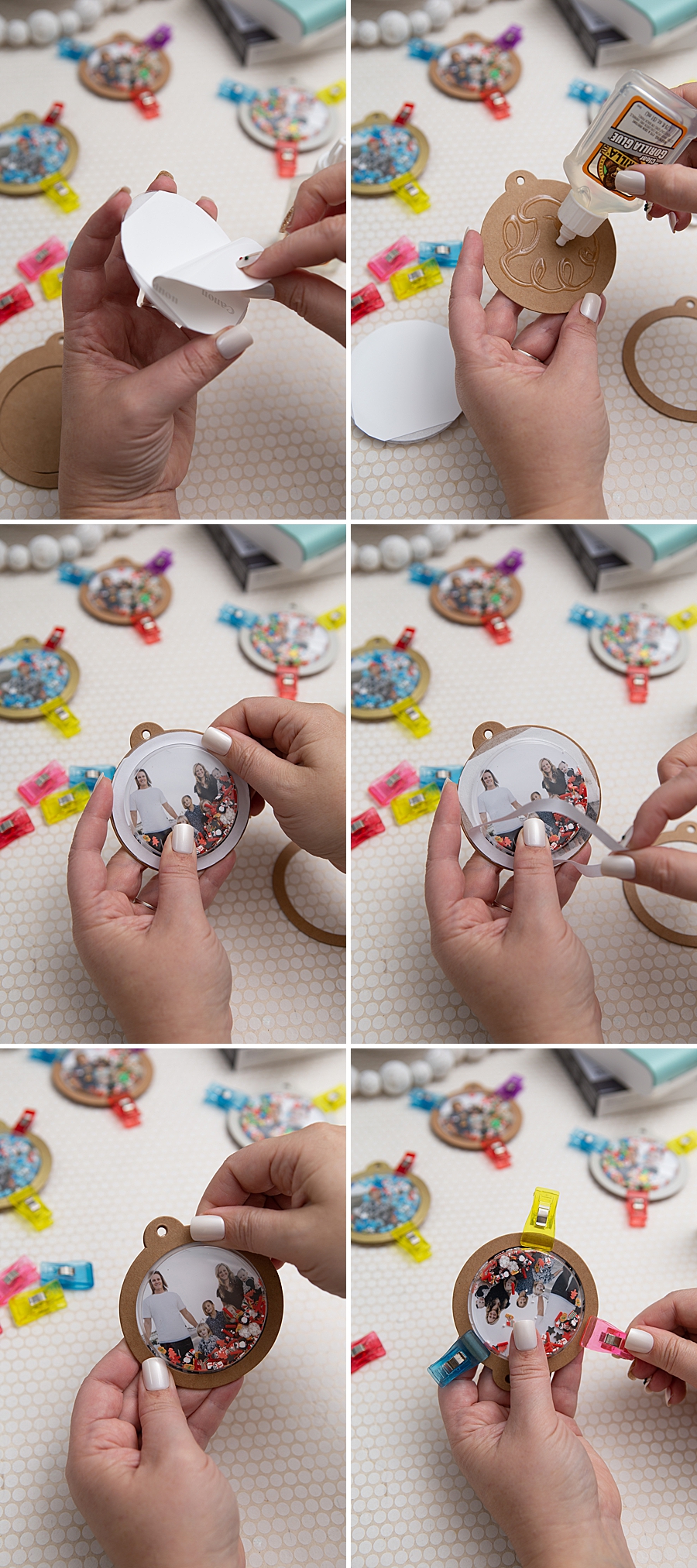
The final assembly requires the use of high-strength adhesives, such as Gorilla Glue, to secure the plastic dome to the photo-laden kraft tag. Because the materials involved—plastic, adhesive-backed photo paper, and treated cardstock—have different porosities, the curing time is critical. Initial bonding occurs within two hours, but a full 24-hour cure is mandated for structural integrity, particularly if the ornament is to be hung on a Christmas tree where it may be subject to temperature fluctuations and physical handling.
Economic and Industry Analysis: The DIY Sector
The DIY and crafting industry has experienced robust growth, with the global market valued at approximately $647 billion in 2021 and projected to expand significantly through 2030. This growth is fueled by the "Prosumer" category—individuals who purchase professional-grade equipment for personal or small-scale commercial use.
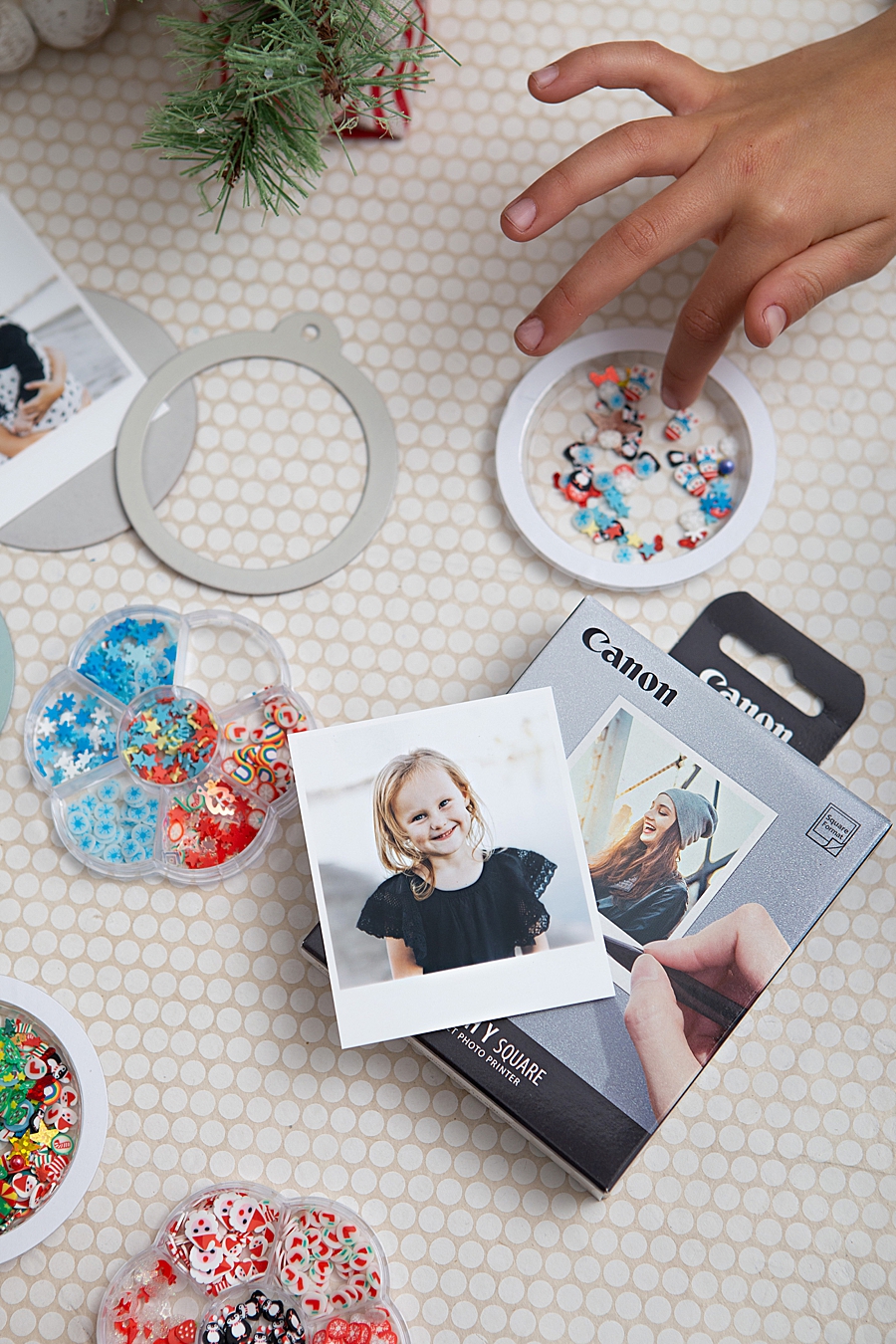
Canon’s partnership with creative platforms indicates a calculated effort to integrate hardware into the daily workflows of this demographic. By providing a printer that handles the "ink cassette and paper" as a single unified pack (20 sheets per pack), Canon has simplified the supply chain for the end-user, reducing the technical barrier to entry. This "plug-and-play" model is essential for maintaining momentum in the seasonal crafting market, where time-efficiency is a primary concern for consumers.
Psychological and Social Implications of Physical Media
In an era dominated by "digital amnesia"—the tendency to forget information that is stored electronically—the shift back to physical photo printing has documented psychological benefits. Sociological studies on family bonding suggest that physical artifacts, such as personalized ornaments, serve as "anchors" for collective memory.
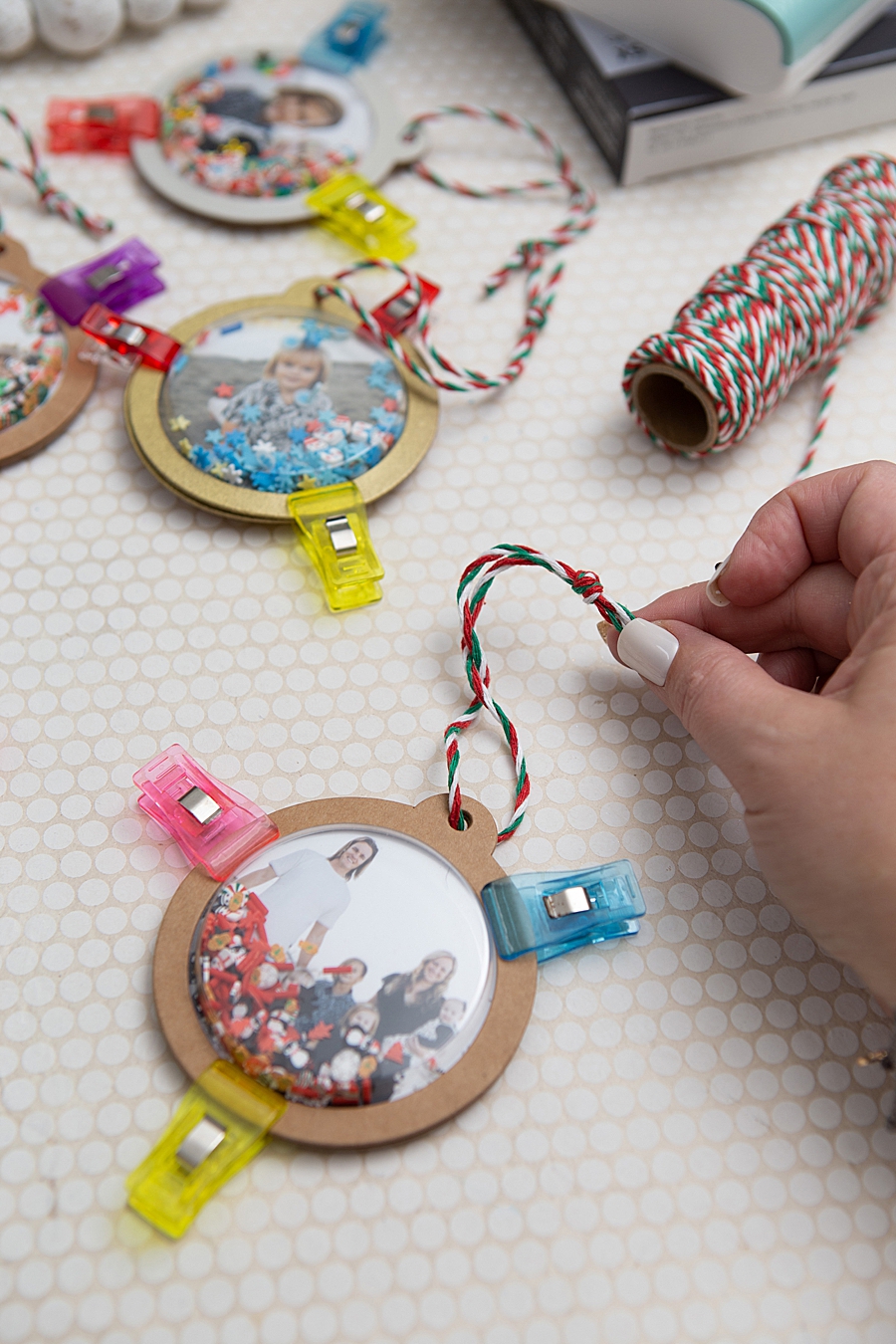
The interactive nature of the shaker ornament specifically targets the "sensory engagement" aspect of memory-making. For children and families, the act of shaking an ornament to reveal a photo of a shared experience creates a recursive loop of positive reinforcement. This explains the "obsession" noted by users; the ornament is not merely a static decoration but an interactive device that demands physical participation.
Broader Impact on Home Decorating Trends
The success of portable printing in the DIY space is likely to influence future product development in the consumer electronics sector. As users demand more "instant" results, we can expect to see further miniaturization of dye-sublimation technology and increased integration with augmented reality (AR) apps. For instance, the ability to scan a photo shaker ornament with a smartphone to trigger a video of the moment the photo was taken is a logical next step in the evolution of this craft.
Furthermore, the environmental impact of these projects is a growing point of discussion. The use of kraft paper (biodegradable) and long-lasting prints (reducing the need for replacement) aligns with a "slow-decorating" movement that prioritizes quality and longevity over disposable, mass-market plastic ornaments.
Conclusion
The application of the Canon SELPHY Square QX10 in the creation of photo shaker ornaments represents a sophisticated intersection of modern imaging technology and traditional handcrafting. By providing high-durability, adhesive-backed prints in a portable format, Canon has enabled a new level of creative expression that resonates with the current consumer demand for personalization and tactile engagement. As the holiday season progresses, the proliferation of these "shaker" projects serves as a testament to the enduring value of the physical photograph in a digital world. Through careful assembly, proper chemical curing, and the use of archival materials, these DIY projects transition from simple crafts to lasting family heirlooms, underscoring the vital role of technology in preserving personal history.