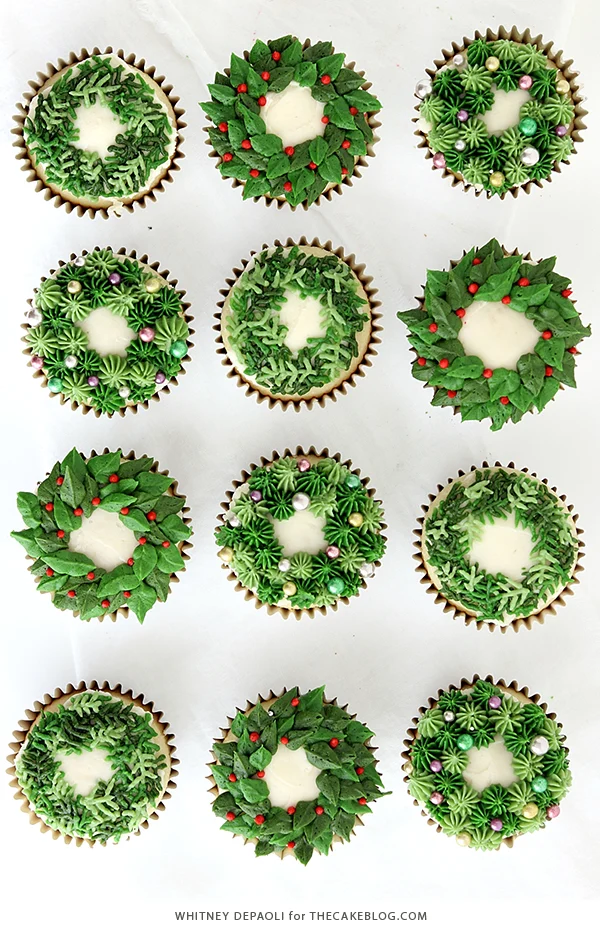
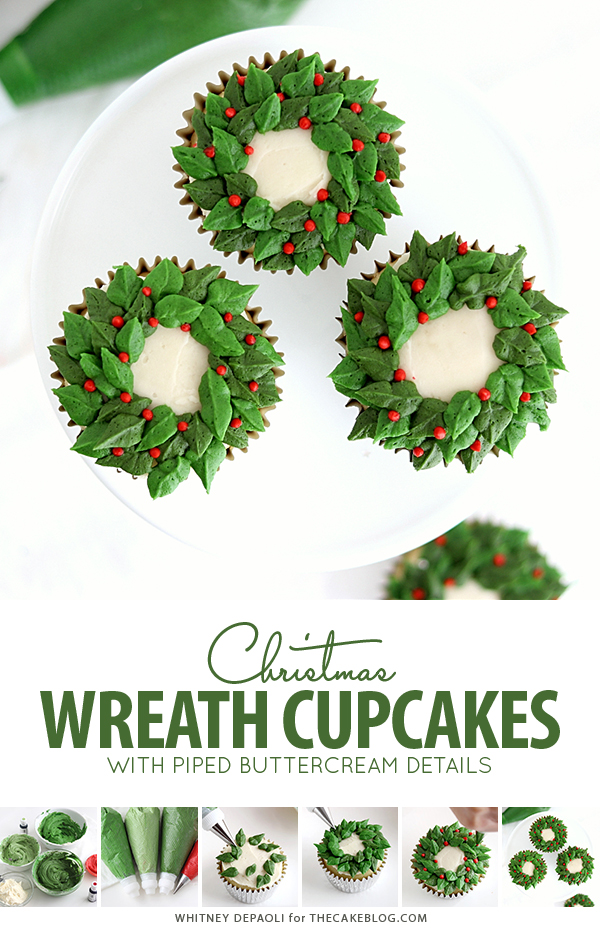
The holiday season is traditionally marked by a surge in domestic culinary creativity, with seasonal baking serving as a cornerstone of modern festive celebrations. As consumers increasingly seek personalized and aesthetically sophisticated desserts, the demand for professional-grade tutorials has reached an all-time high. Whitney DePaoli, a prominent contributor to the culinary landscape via The Cake Blog, has introduced a comprehensive guide to Christmas Wreath Cupcakes, offering three distinct buttercream designs—the Berry Wreath, the Pine Sprig, and the Sprinkled Wreath. This initiative reflects a broader trend in the confectionery industry where visual storytelling and technical precision are prioritized alongside flavor profiles. By utilizing specialized piping techniques and a curated color palette, these designs provide a versatile approach to holiday catering, suitable for both amateur enthusiasts and professional pastry chefs.
Technical Specifications and Material Requirements
The successful execution of these festive designs relies heavily on the quality of tools and the stability of the medium. DePaoli emphasizes the use of American Buttercream, a choice favored for its structural integrity and ease of pigmentation. Unlike softer meringues, American Buttercream maintains its shape under varying room temperatures, which is critical for the intricate leaf and needle textures required for wreath motifs.
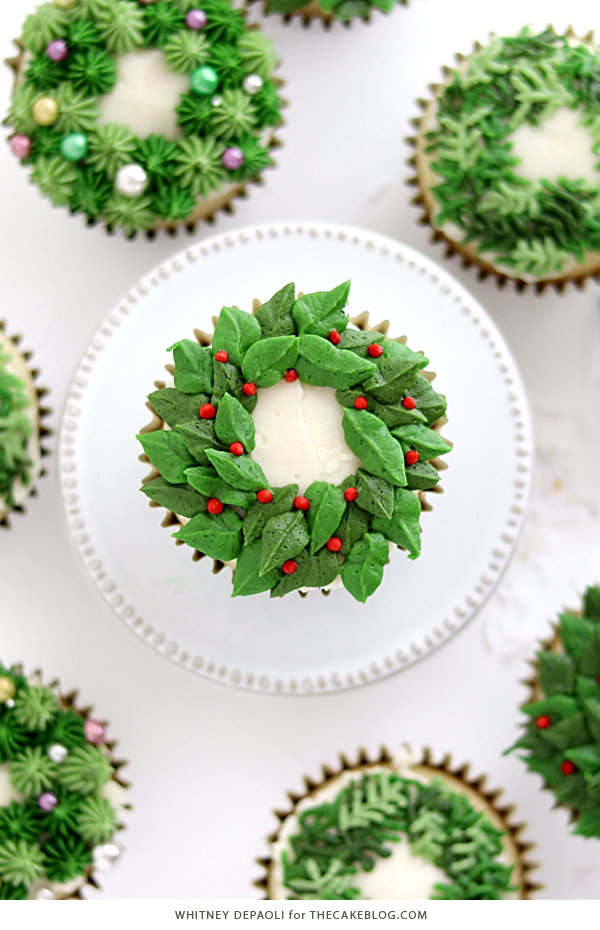
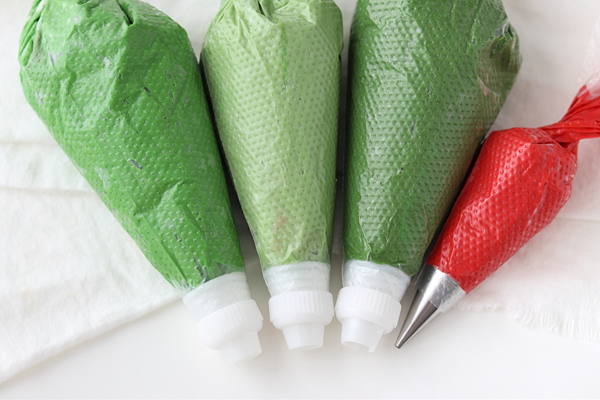
The project necessitates a specific inventory of piping tips to achieve the desired textures. These include the #352 leaf tip for the Berry Wreath, the #3 small round tip for the Pine Sprig and berry details, and the #199 open star tip for the Sprinkled Wreath. Central to the efficiency of this process is the implementation of plastic couplers. These devices allow for the rapid exchange of piping tips without the need to empty or replace the buttercream bags, thereby reducing material waste and streamlining the assembly line process. For the color palette, the tutorial utilizes high-viscosity gel food colorings, specifically Americolor Super Red, Forest Green, and Avocado, to achieve the deep, saturated hues synonymous with traditional Christmas iconography.
The Chronology of Festive Production
The production of these cupcakes follows a strict chronological sequence to ensure consistency across batches. The process begins with the preparation of the base and the calibration of the buttercream shades.
Phase I: Pigmentation and Bag Preparation
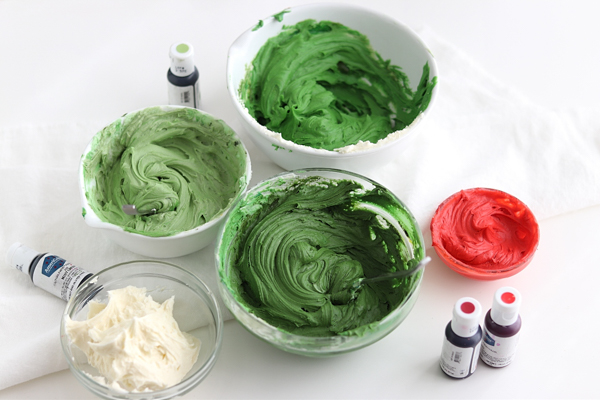
The first stage involves dividing a standard batch of buttercream into specific volumes for coloring. Approximately one-third of a cup is reserved as uncolored (white) for the base coat. Another fifth of a cup is tinted a vibrant red for the berries. The remaining volume is distributed among three bowls to create a gradient of green: light, medium, and dark. This multi-tonal approach is essential for adding depth and realism to the botanical designs, mimicking the natural variegation found in evergreen foliage.
Phase II: The Foundation Layer
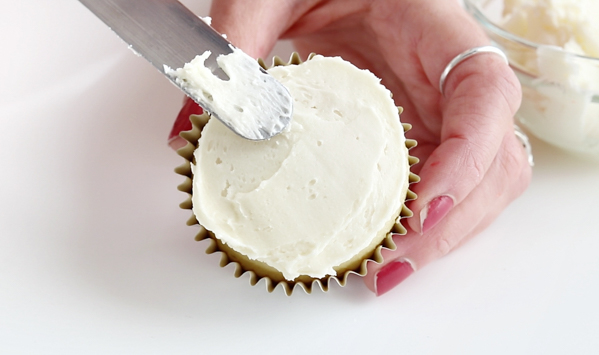
Before the decorative piping commences, each cupcake receives a "crumb coat" or a thin base layer of white buttercream. Applied with a small icing spatula, this layer serves two purposes: it seals the surface of the cake to prevent crumbs from interfering with the piping, and it provides a neutral background that makes the green wreaths visually prominent.

Phase III: Design Execution
The execution of the three designs follows specific technical pathways:
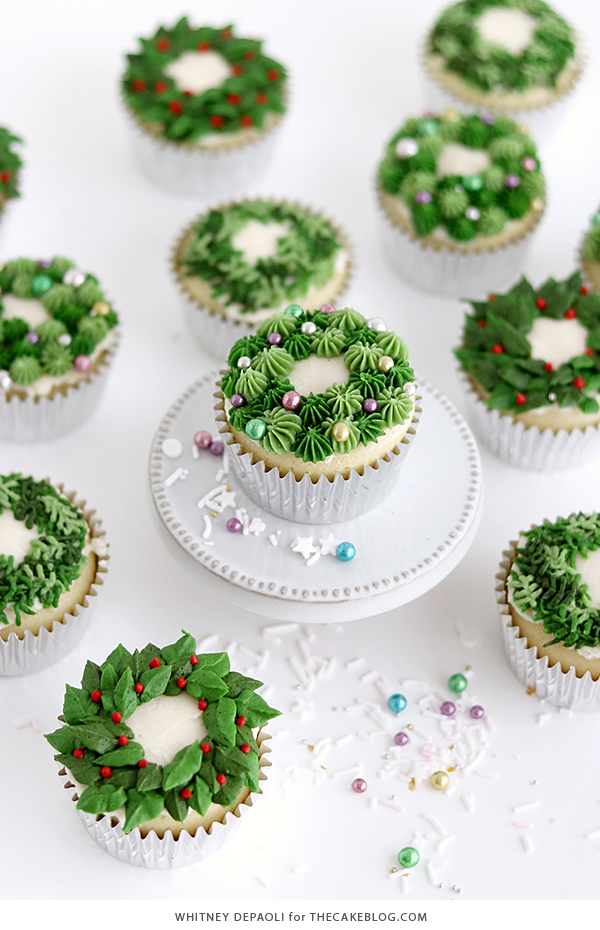
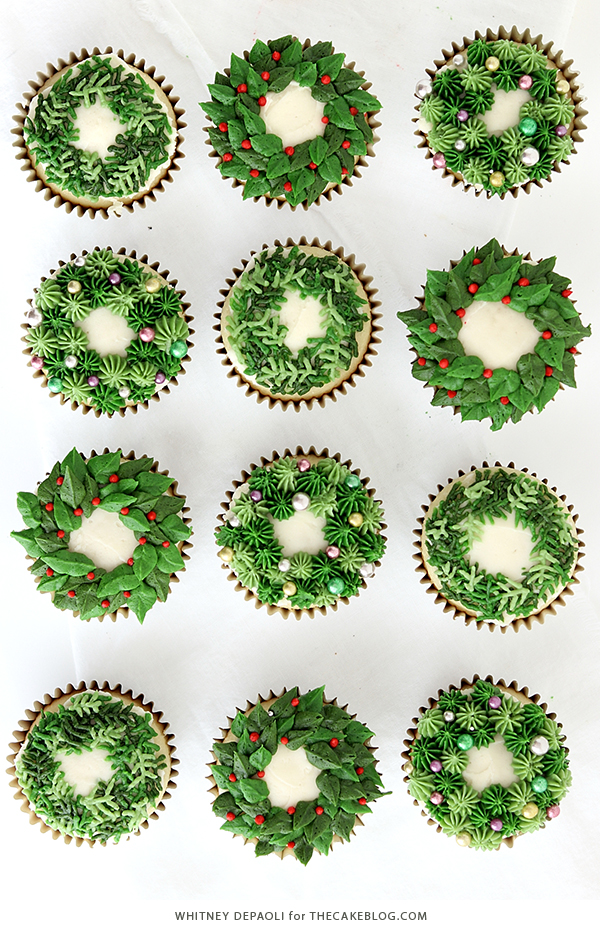
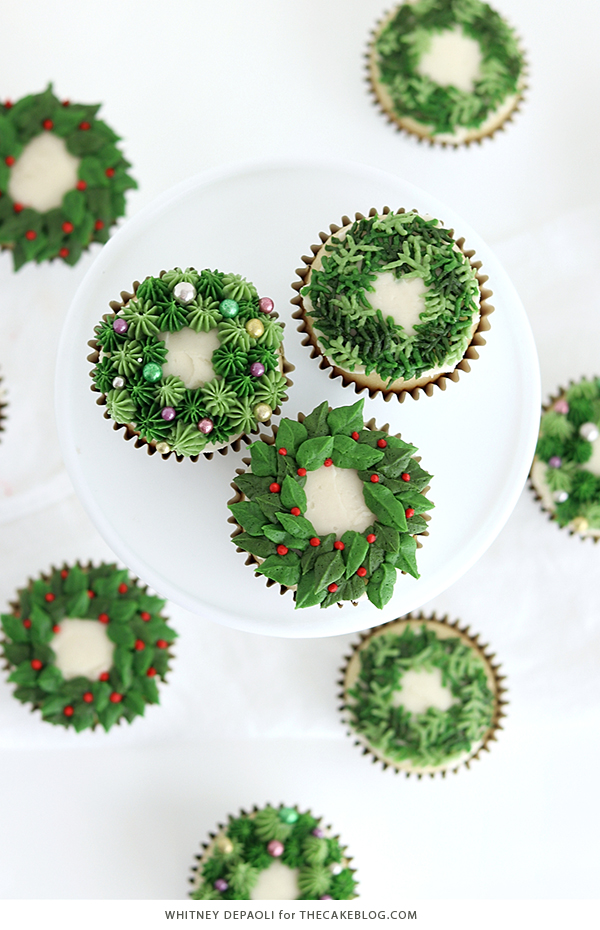
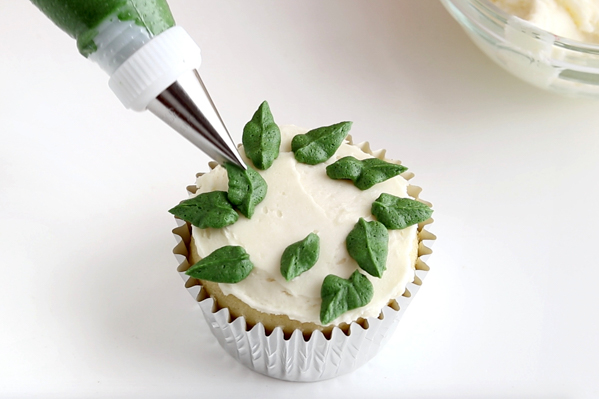
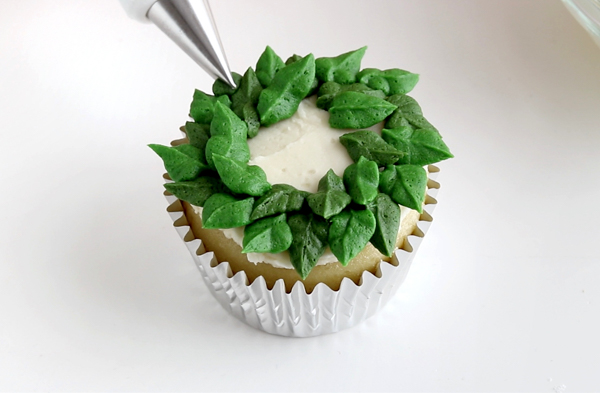
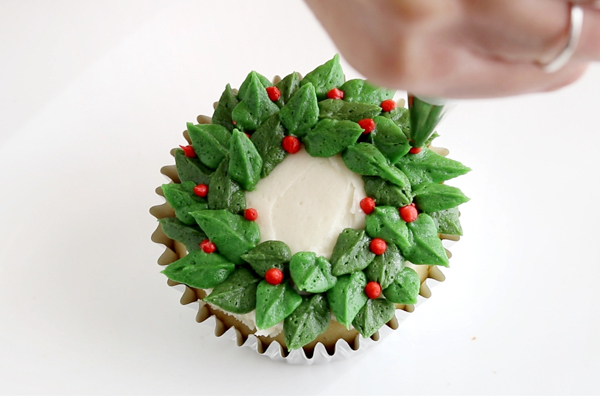
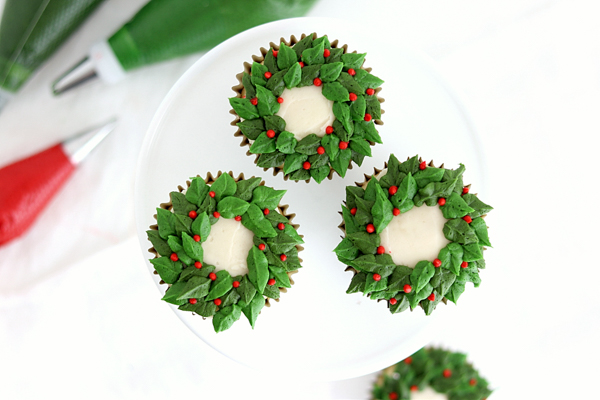
- The Berry Wreath: Utilizing the #352 tip, the baker creates a series of overlapping leaves. The technique requires holding the tip parallel to the cupcake surface with the "beak" of the tip positioned vertically. By alternating between medium and dark green, a textured, two-toned foliage ring is formed. The design is finalized with the #3 tip, which is used to pipe small red dots representing holly berries.
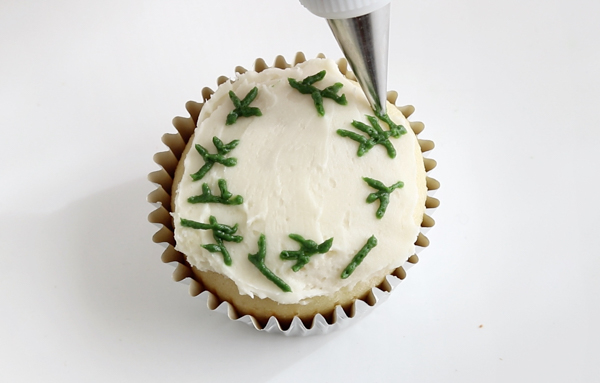
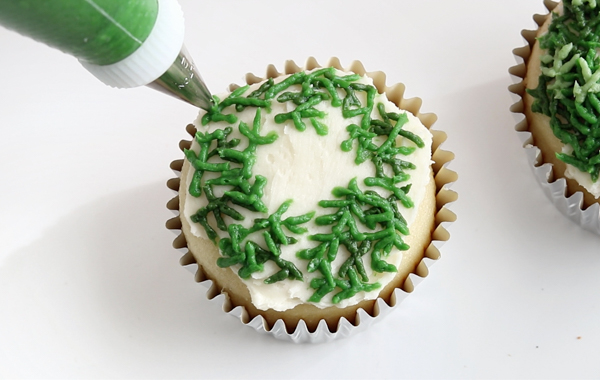
- The Pine Sprig: This design is the most labor-intensive, requiring the #3 tip for all three shades of green. The baker pipes central lines with small "v" shapes layered over them to simulate pine needles. The integration of all three green shades eliminates white space and creates a dense, realistic evergreen appearance.
- The Sprinkled Wreath: Aimed at a more whimsical aesthetic, this design uses the #199 tip to create "drop stars." By pulling the tip vertically away from the cupcake, a series of textured dollops are formed in a circular pattern. The addition of spherical sprinkles, such as the "Serendipity" mix, serves as a surrogate for holiday ornaments.
Market Trends and the Economic Impact of Holiday Baking
The release of such tutorials coincides with significant growth in the global baking supplies market. According to recent industry reports, the global cakes and pastries market is projected to grow at a compound annual growth rate (CAGR) of approximately 3.5% through 2028. A substantial portion of this growth is attributed to the "home baking" segment, which saw a dramatic resurgence during the 2020-2022 period and has since stabilized as a mainstream hobby.
The seasonal peak between November and December accounts for an estimated 25-30% of annual retail sales for baking ingredients like flour, butter, and specialty items such as food gels and piping tips. Digital platforms and culinary blogs have become the primary drivers of this market, with 74% of home bakers reporting that they look to online tutorials for holiday inspiration. The democratization of professional techniques through contributors like Whitney DePaoli has led to increased consumer spending on high-end equipment, as enthusiasts move away from basic tools toward professional-grade kits including couplers and specialized tips.
Historical and Cultural Significance of the Wreath Motif
The choice of the wreath as a central design element is deeply rooted in historical tradition. Wreaths have been used as symbols of victory, status, and celebration since the Greco-Roman era. In the context of Christmas, the circular shape represents eternity and the "unending circle of life," while the use of evergreens symbolizes survival through the harsh winter months.
By translating these ancient symbols into an edible format, modern bakers are participating in a long-standing cultural practice of "seasonal aesthetics." The transition of the wreath from a door ornament to a cupcake topper reflects the modern trend of "tablescaping," where every element of a holiday meal is expected to contribute to a cohesive visual theme.
Expert Perspectives on Culinary Artistry
Industry analysts suggest that the success of the Christmas Wreath Cupcakes tutorial lies in its accessibility. "The use of three distinct designs allows the baker to choose a level of complexity that matches their skill set," notes a culinary trend analyst. "While the Pine Sprig requires significant manual dexterity and time, the Sprinkled Wreath offers a high-impact visual result with less technical effort. This tiered approach is essential for maintaining engagement in the digital tutorial space."
Furthermore, professional pastry chefs highlight the importance of the "multi-sensory experience" in holiday desserts. The variety of textures—from the sharp lines of the pine needles to the smooth roundness of the buttercream berries—creates a visual complexity that enhances the perceived value of the product. In a commercial setting, such attention to detail allows boutique bakeries to command premium pricing for seasonal assortments.
Broader Implications for the Baking Community
The proliferation of high-quality instructional content has significant implications for the professional baking community. As home bakers become more proficient, professional establishments are pushed to innovate further to maintain a competitive edge. This cycle of innovation benefits the consumer, who is presented with an ever-expanding array of creative options.
Moreover, the psychological benefits of seasonal baking should not be overlooked. Studies in the field of occupational therapy have suggested that creative activities like baking can reduce stress and improve mood, particularly during high-pressure holiday seasons. The act of "piping these cute little wreath cupcakes," as DePaoli describes, offers a form of "culinary mindfulness" that resonates with a wide demographic.
In conclusion, the Christmas Wreath Cupcakes tutorial is more than a simple recipe; it is a reflection of the current intersection between traditional holiday values and modern digital craftsmanship. Through the strategic use of color, texture, and specialized tools, DePaoli provides a blueprint for elevating a standard dessert into a sophisticated piece of edible art. As the holiday season progresses, such designs are expected to remain a staple of the festive table, reinforcing the role of the baker as both a provider of sustenance and a creator of holiday magic.