The culinary landscape of the winter holiday season has been enriched by the introduction of the Hazelnut Nutcracker Cake, a sophisticated dessert creation by noted cake designer and author Tessa Huff. Developed for the digital platform The Cake Blog, this recipe integrates traditional seasonal flavors with advanced confectionery techniques, specifically focusing on a brown sugar and nutmeg-infused sponge paired with a hazelnut praline Swiss meringue buttercream. The cake is distinguished not only by its flavor profile but also by its intricate aesthetic, which utilizes swag buttercream piping to evoke the visual themes of classical ballet.
Conceptualization and Aesthetic Inspiration
The development of the Hazelnut Nutcracker Cake was rooted in the cultural tradition of The Nutcracker ballet, a staple of the December holiday season in North America and Europe. The creator, Tessa Huff, sought to translate the "child-like wonder" and nostalgia associated with the performance into a tangible culinary experience. While the "Sugar Plum Fairy" remains the most iconic culinary reference within the ballet, the seasonal availability of ingredients necessitated a pivot toward roasted hazelnuts and warming spices.

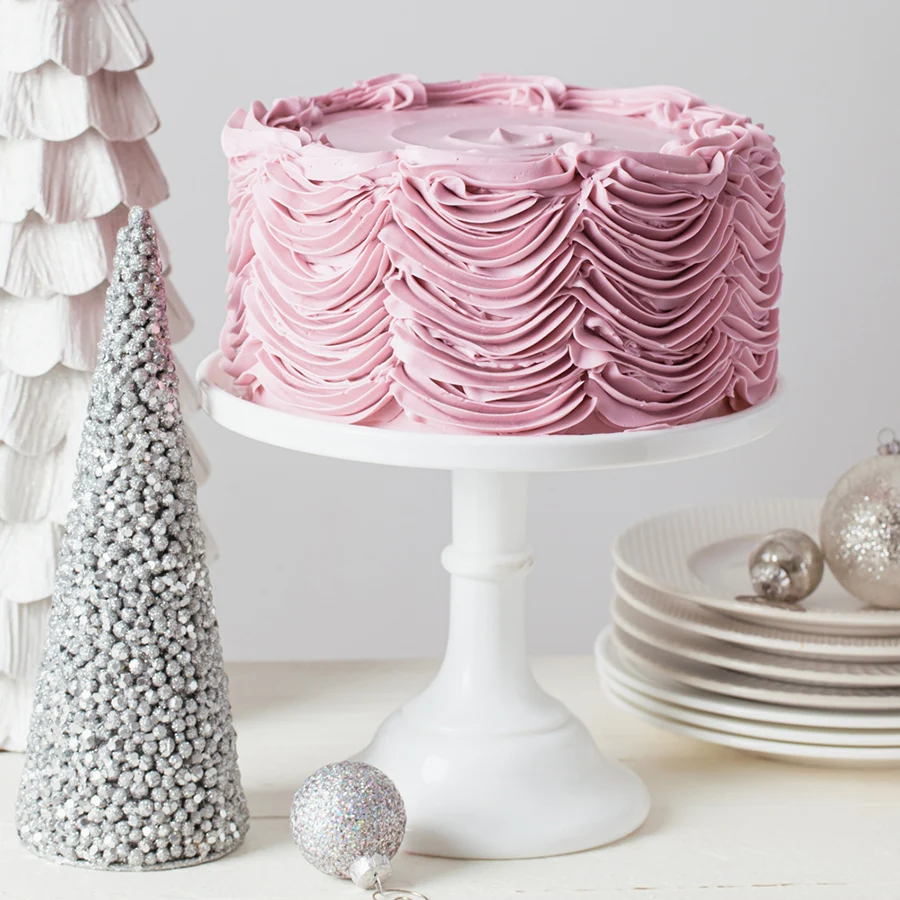
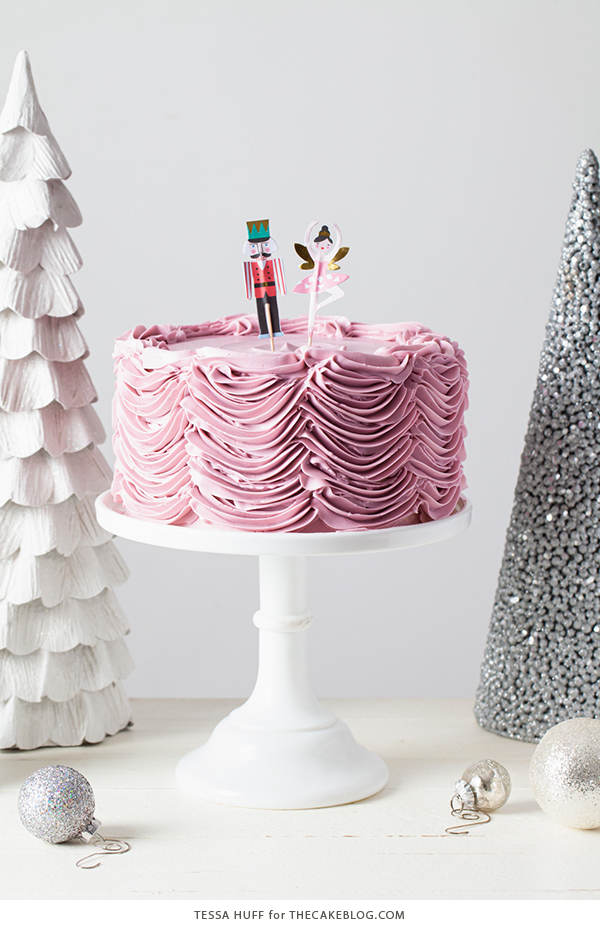
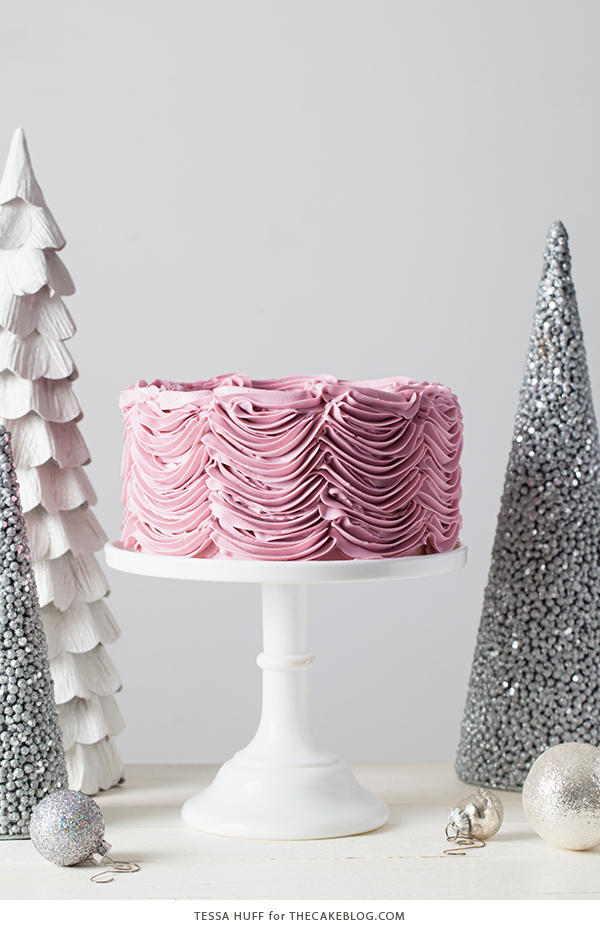
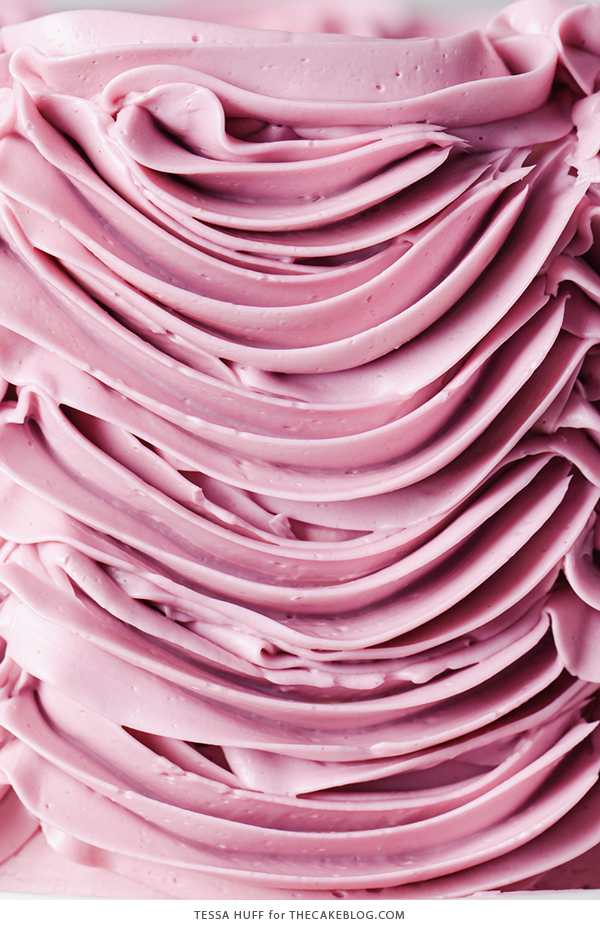
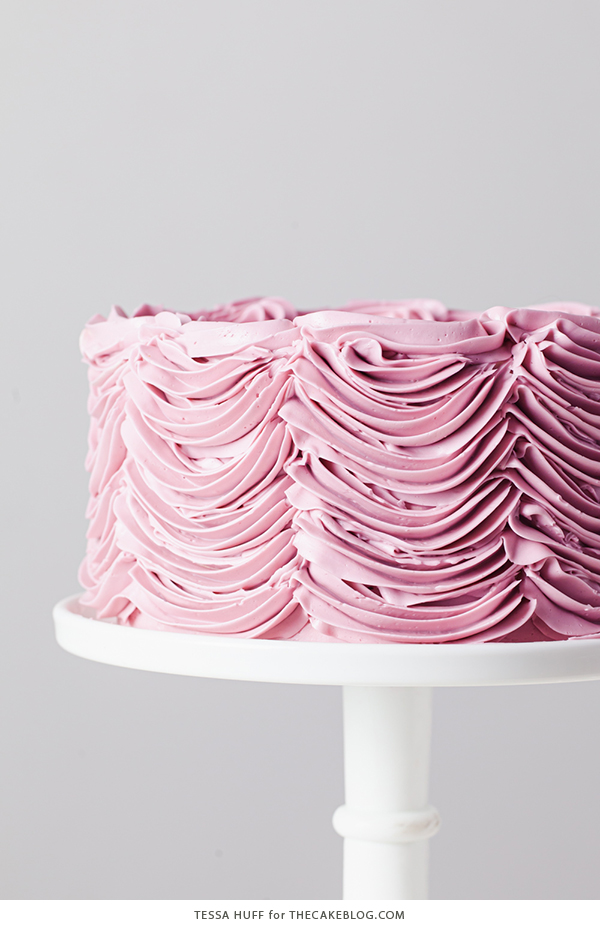
The visual design of the cake serves as a direct tribute to the costume design of the ballet. The exterior features a "sugared plum" purple hue, achieved through tinted buttercream. The application of the frosting utilizes a specific swag piping technique designed to mimic the ruffles and layers of a ballerina’s tutu. This integration of performing arts aesthetics into pastry design reflects a growing trend in the artisanal baking industry, where visual storytelling is prioritized alongside flavor complexity.
Flavor Profile and Ingredient Composition
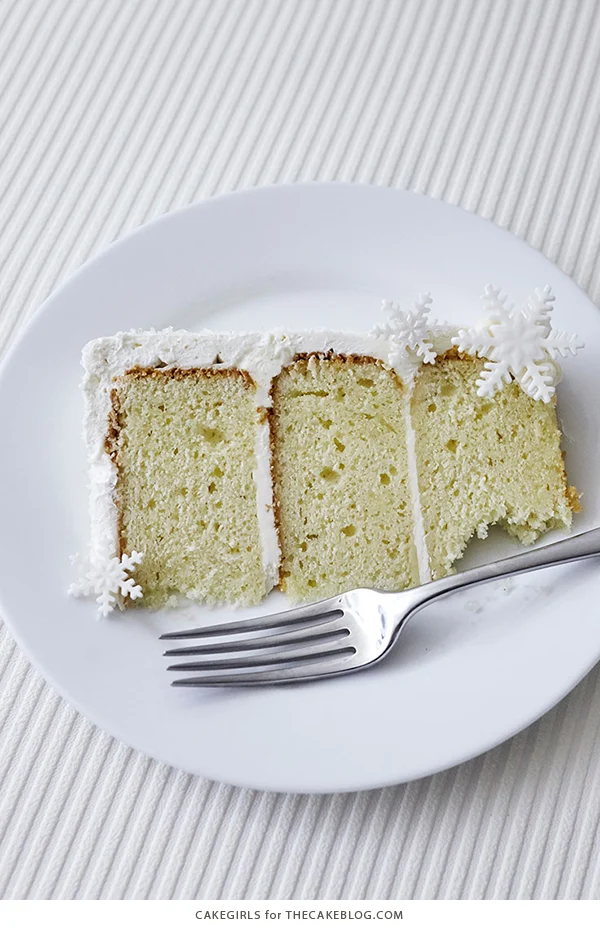
The Hazelnut Nutcracker Cake is built upon a foundation of spiced brown sugar sponge. The choice of brown sugar over refined white sugar provides a deeper, molasses-driven sweetness that complements the inclusion of fresh nutmeg and cinnamon. Nutmeg (Myristica fragrans), a spice historically valued for its aromatic properties in winter beverages and baked goods, provides a bridge between the sweetness of the cake and the earthiness of the nut components.
The centerpiece of the recipe’s flavor architecture is the hazelnut praline buttercream. This component involves a multi-stage process:
- Candied Hazelnut Brittle: Hazelnuts are roasted and encased in a caramelized sugar shell.
- Praline Powder: The brittle is processed into a fine powder, ensuring that the flavor is distributed evenly throughout the frosting without compromising the structural integrity of the Swiss meringue.
- Swiss Meringue Buttercream: A base of egg whites and sugar cooked over a bain-marie, whipped into a stable foam, and emulsified with butter. This method is preferred by professional pastry chefs for its silky texture and lower perceived sweetness compared to American buttercream.
Chronology of Production and Assembly
The execution of the Hazelnut Nutcracker Cake follows a rigorous professional timeline to ensure optimal texture and presentation.
Phase I: Preparation of the Spiced Sponge
The process begins with the preparation of the brown sugar nutmeg cake layers. Professional standards dictate that ingredients, particularly eggs and butter, be brought to room temperature to ensure proper emulsion during the creaming stage. The inclusion of fresh nutmeg is emphasized, as pre-ground varieties often lose their volatile oils and aromatic potency over time.
Phase II: The Praline Component
Simultaneously, the hazelnut praline is manufactured. This requires precise temperature control during the caramelization of the sugar to avoid bitterness. Once the brittle has cooled and hardened, it is pulverized. This powder serves a dual purpose: it provides a concentrated hazelnut flavor and introduces a unique, slightly granular texture that contrasts with the smooth buttercream.
Phase III: Buttercream Synthesis and Tinting
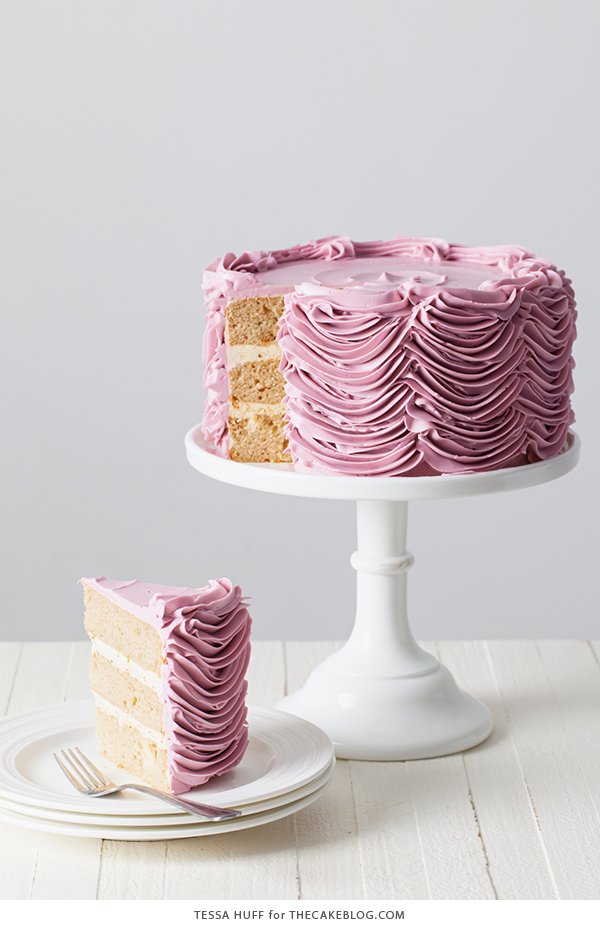
The Swiss meringue buttercream is prepared in two batches or divided. One portion is infused with the hazelnut praline powder for the interior filling and the initial crumb coat. The remaining portion is tinted with food coloring to achieve the signature "sugarplum" purple required for the final decorative swags.
Phase IV: Structural Assembly and Decoration
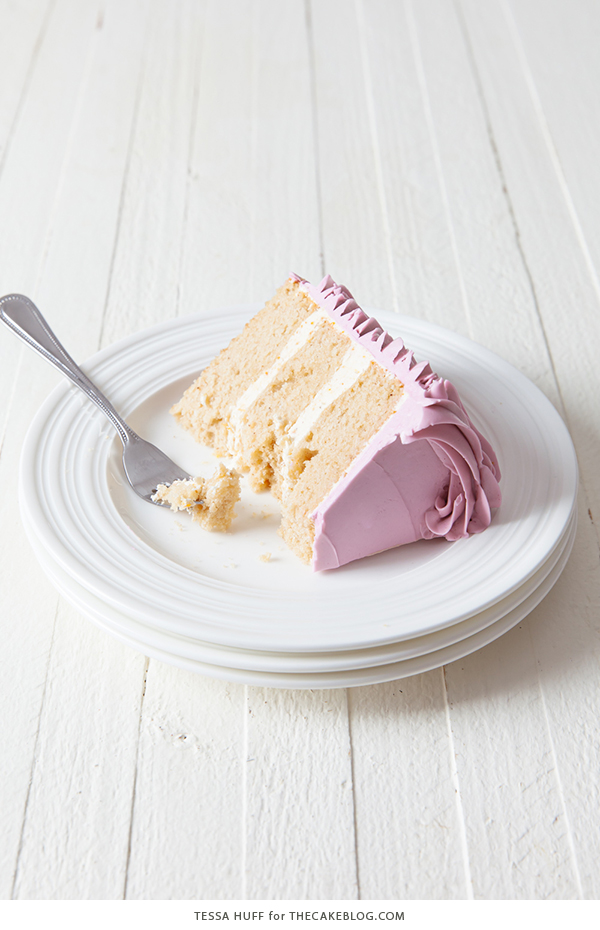
The cake is assembled with alternating layers of sponge and praline buttercream. After a period of refrigeration to stabilize the structure, the final decorative layer is applied. The swag piping requires a steady hand and a specific petal tip to create the overlapping ruffles that define the Nutcracker theme.
Supporting Data: The Seasonal Nut and Spice Market
The release of hazelnut-based recipes in December aligns with global agricultural and economic trends. According to industry data, Turkey produces approximately 70% of the world’s hazelnuts, with the United States (primarily Oregon) serving as a significant secondary producer. Hazelnut consumption peaks during the fourth quarter of the fiscal year, driven by holiday baking demands and the confectionery industry’s reliance on the nut for praline and chocolate pairings.
Furthermore, the "warming spice" market—comprising nutmeg, cinnamon, and cloves—sees a 30-40% increase in retail volume during the winter months. The Hazelnut Nutcracker Cake capitalizes on these market fluctuations by utilizing ingredients that are at their peak of consumer relevance.
The Cultural Significance of The Nutcracker in Culinary Arts
The Nutcracker ballet, which premiered in St. Petersburg in 1892 with music by Pyotr Ilyich Tchaikovsky, did not become a global phenomenon until the mid-20th century. Its rise in popularity, particularly in the United States following George Balanchine’s 1954 production, has cemented its imagery in the public consciousness.
In the culinary sector, the "Nutcracker" theme is a powerful marketing tool. The association with the "Land of Sweets" provides a natural narrative for pastry chefs and home bakers alike. By naming the dessert the "Hazelnut Nutcracker Cake," the creators leverage over a century of cultural heritage, appealing to a demographic that associates the holiday season with the specific aesthetic and auditory cues of the ballet.
Technical Analysis of Swiss Meringue Buttercream
From a technical standpoint, the choice of Swiss meringue buttercream (SMBC) is significant. Unlike American buttercream, which relies on powdered sugar for stability, SMBC relies on a cooked meringue base. This results in a more stable frosting that can withstand the weight of decorative piping without "crusting."
Analysis of the recipe suggests that the addition of praline powder serves as a stabilizing agent. The fine particles of nut and caramel absorb a small amount of moisture from the buttercream, creating a denser consistency that is ideal for the interior layers of a multi-tiered cake. This technical detail ensures that the cake remains structurally sound during transport or prolonged display at holiday events.
Official Responses and Industry Impact
Editorial contributors at The Cake Blog have noted that the Hazelnut Nutcracker Cake represents a bridge between high-concept professional baking and accessible home kitchen projects. While the techniques—such as making praline from scratch and piping swags—are advanced, the instructions provided by Tessa Huff are designed to be reproducible for the dedicated hobbyist.
Culinary critics have observed that the shift away from fruit-based "plum" cakes toward nut-based "Nutcracker" cakes reflects a modern preference for richer, more decadent flavor profiles in winter desserts. The move also avoids the logistical challenges of sourcing high-quality stone fruits during the off-season, opting instead for the shelf-stable and seasonally appropriate hazelnut.
Broader Implications for the Digital Culinary Space
The publication of this recipe highlights the evolving role of digital content creators in the culinary industry. Platforms like The Cake Blog serve as modern repositories for specialized knowledge, often replacing traditional cookbooks as the primary source for seasonal inspiration.
The Hazelnut Nutcracker Cake is more than a recipe; it is a case study in how digital media combines photography, storytelling, and technical instruction to influence consumer behavior. As home bakers seek "Instagrammable" results, the emphasis on unique visual techniques like the tutu-inspired piping becomes a key driver of engagement and recipe adoption.
Future Outlook for Seasonal Cake Design
As the artisanal baking movement continues to grow, the integration of theatrical and nostalgic themes is expected to increase. The Hazelnut Nutcracker Cake sets a precedent for thematic cakes that move beyond simple color palettes, instead incorporating textural and structural elements that reference specific cultural touchstones.
For the upcoming holiday seasons, industry analysts predict a continued focus on "texture-heavy" frostings and the use of "earthy" spices to balance the high sugar content typical of festive desserts. The success of the Hazelnut Nutcracker Cake suggests that there is a robust market for sophisticated, narrative-driven confectionery that honors tradition while employing modern technical skill.