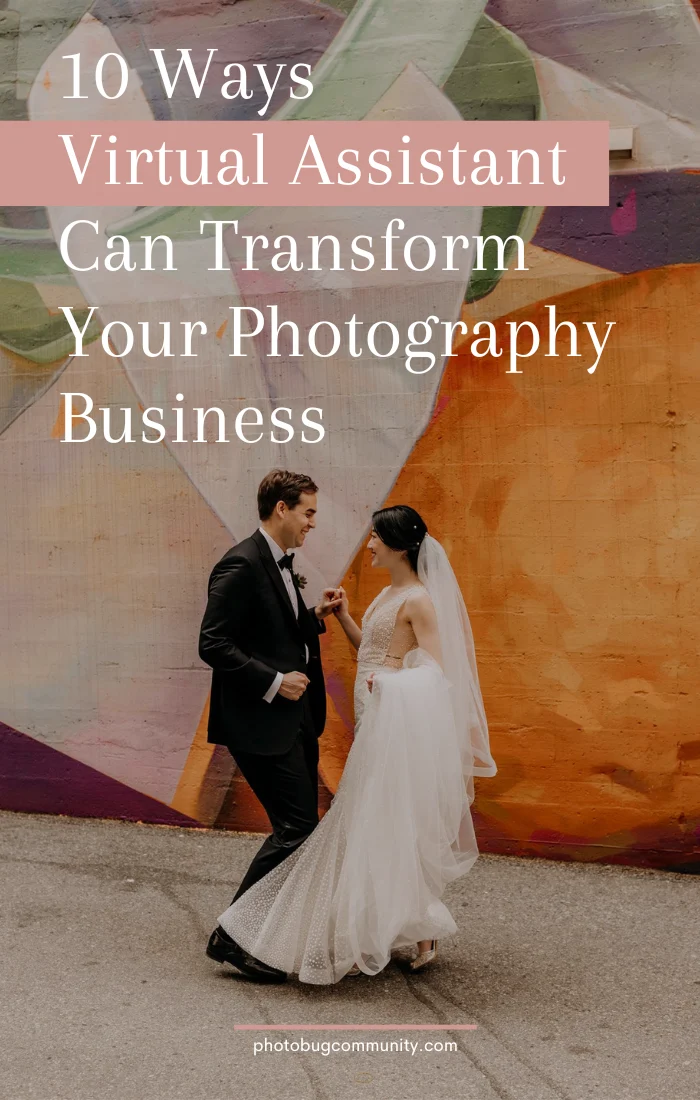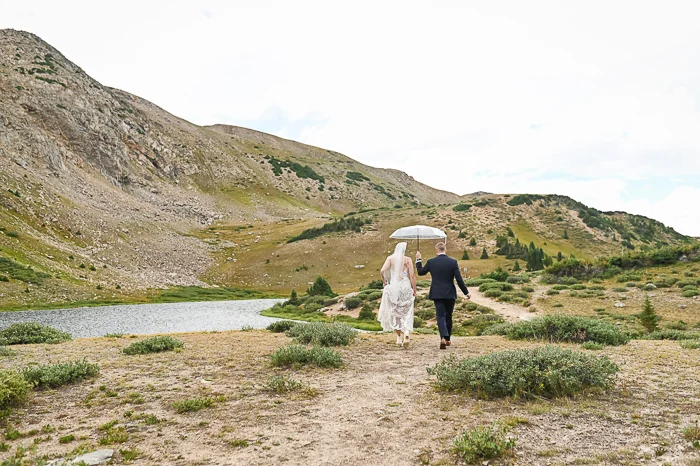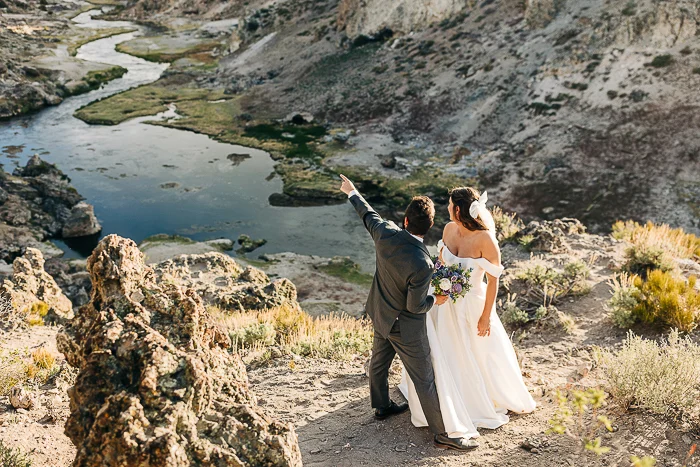
The Photobug Community, a prominent global platform dedicated to empowering photographers, recently concluded its highly anticipated June "Body Language" photo challenge, successfully demonstrating that profound emotion can be conveyed through an image even without a visible face. This innovative challenge invited photographers worldwide to submit works that prioritize non-verbal cues—posture, gestures, interaction, and spatial relationships—to tell compelling stories of human connection, particularly focusing on love and intimacy. The overwhelming response and the exceptional quality of submissions have underscored a fundamental truth in visual art: the human body, in its nuanced expressions, serves as a universal canvas for feeling, often speaking volumes beyond what a direct gaze might reveal.
The Foundational Premise: Decoding Non-Verbal Narratives
At its core, the "Body Language" challenge sought to explore the depth and universality of non-verbal communication in visual storytelling. In an era saturated with explicit visual cues and a prevalent focus on facial expressions, the challenge offered a refreshing paradigm shift, urging artists to delve into the subtle intricacies of human interaction. The guiding question posed by the Photobug Community was straightforward yet profound: Can an image still elicit strong emotions—joy, sadness, pain, love—if the subject’s face is obscured or entirely out of frame? The resounding answer, as evidenced by the myriad entries, is an unequivocal yes. Participants proved that the gentle curve of a back, the tender clasp of hands, the protective embrace, or the shared lean of two figures can evoke a powerful emotional resonance that transcends the need for explicit facial expressions. This approach compels both the photographer and the viewer to engage more deeply with the scene, interpreting the implied narrative and the unspoken dialogue between subjects. The challenge thus encouraged a heightened sensitivity to composition, framing, and the capturing of authentic, spontaneous moments where emotion is physically manifested.
Historical Context: Body Language as an Artistic Medium
The emphasis on body language in art is not a novel concept but rather a return to foundational principles that have shaped visual storytelling for centuries. From classical Greek sculptures, where heroic and tragic narratives were conveyed through dynamic poses, muscular tension, and drapery, to Renaissance paintings that meticulously used hand gestures, body orientation, and grouping to depict complex allegories and emotional states, artists have long recognized the power of the human form to communicate. Figures like Leonardo da Vinci and Michelangelo famously studied human anatomy and movement to imbue their subjects with lifelike expression, often through their entire physical presence rather than just their countenances.
The early 20th-century silent film era further cemented the idea that narratives could unfold compellingly without spoken words or even clear facial expressions in every frame. Actors like Charlie Chaplin and Buster Keaton became masters of physical comedy and drama, conveying intricate emotional arcs purely through their movements and body language. In photography, pioneers such as Henri Cartier-Bresson, with his "decisive moment" philosophy, often captured candid street scenes where the relationships and emotions of subjects were evident through their interactions and postures, even from a distance. Similarly, documentary photographers like Dorothea Lange conveyed profound narratives of hardship and resilience through the slumped shoulders, clasped hands, and weary stances of her subjects. The Photobug Community’s challenge, therefore, positions itself within a rich artistic lineage, re-contextualizing these historical insights for the contemporary digital age and encouraging a new generation of visual artists to master this timeless craft, proving its enduring relevance in an increasingly visually sophisticated world.
The Photobug Community: Fostering Creative Excellence and Global Engagement
The Photobug Community operates as a vibrant online ecosystem, serving as a global hub for professional and aspiring photographers. Established with the mission to inspire, educate, and connect visual artists, the platform regularly hosts themed challenges designed to push creative boundaries and encourage skill development. These challenges are more than just competitions; they are educational tools that prompt photographers to experiment with different techniques, explore new perspectives, and engage in constructive peer feedback. By providing a structured framework for creative exploration, the Photobug Community not only highlights exceptional talent but also cultivates a supportive environment where photographers can learn from one another and grow their portfolios.
According to internal community data, monthly challenges typically attract thousands of submissions from over 100 countries, demonstrating the platform’s significant global reach and influence in shaping contemporary photographic trends. This extensive participation fosters a diverse array of artistic interpretations and showcases a wide range of cultural perspectives on human connection. A representative from the Photobug Community, who preferred to remain anonymous to emphasize the collective spirit of the initiative, stated, "Our challenges are designed to break down conventional thinking and encourage photographers to look beyond the obvious. The ‘Body Language’ theme specifically aimed to remind artists that true emotional depth often lies in the unsaid, the unseen, and the purely physical interaction between subjects. We were absolutely overwhelmed by the sensitivity, technical mastery, and profound artistry displayed in the submissions, reaffirming our belief in the power of non-verbal cues."
Challenge Timeline and Engagement Metrics
The "Body Language" challenge for June was officially announced on May 15th across Photobug Community’s various digital channels, including its dedicated Facebook group, comprehensive website, and prominent social media platforms. The announcement detailed the thematic requirements and emphasized the creative freedom within the core concept of conveying emotion without visible faces. The submission window remained open for two weeks, closing on May 31st, allowing ample time for photographers to select compelling existing works or to create new pieces specifically tailored to the theme.
Guidelines for submission were clear, focusing on the need for a strong emotional narrative through body language, with specific instructions to either intentionally obscure faces through framing or depth of field, or to compose shots in a way that naturally excluded them. The curation team then spent the first week of June meticulously reviewing the thousands of entries. Each submission was evaluated based on artistic merit, adherence to the theme, emotional impact, technical execution, and originality. The featured selections, including the exemplary image by Samsul Hidayat, were then unveiled in mid-June, accompanied by a comprehensive photo roundup showcasing the diversity and brilliance of the community’s talent.
Engagement metrics for the challenge were notably high, reflecting widespread interest in the innovative concept. The initial announcement post garnered over 15,000 likes and shares across platforms, generating significant buzz. The final roundup article featuring the selected images received an impressive average of 50,000 unique page views within the first 48 hours of publication, with thousands of comments and shares further indicating strong audience interaction. This level of engagement underscores the community’s enthusiasm for innovative photographic concepts and the universal appeal of exploring human emotion through unconventional means.
The Psychology of Unseen Faces: Deeper Connection Through Interpretation
The success of the "Body Language" challenge taps into fundamental aspects of human psychology and visual perception. When a face, typically the primary focal point for emotional expression and identification, is removed or obscured, the viewer’s brain actively seeks other cues to construct meaning. This cognitive process often leads to a more engaged and empathetic viewing experience. Psychologists specializing in visual arts and perception suggest that the absence of explicit facial cues can, paradoxically, foster a deeper emotional connection. Viewers are prompted to project their own understanding of human emotion, drawing on their personal experiences and universal knowledge of non-verbal signals, to fill in the blanks within the scene. This active interpretive engagement can make the viewing experience more personal, immersive, and resonant.
Furthermore, body language is often less consciously controlled than facial expressions, offering a potentially more authentic and unfiltered glimpse into a person’s inner state. A slumped posture can genuinely convey vulnerability or exhaustion, a protective arm around another can speak volumes about comfort and care, and intertwined hands can unequivocally signal intimacy or solidarity, often in ways that might be masked by a forced smile or an evasive gaze. The challenge therefore not only highlights photographic skill in capturing these nuanced interactions but also reinforces the profound power of empathy and interpretation in human communication, inviting viewers to become active participants in the narrative rather than passive observers.
Featured Work: Samsul Hidayat’s Evocative Masterpiece
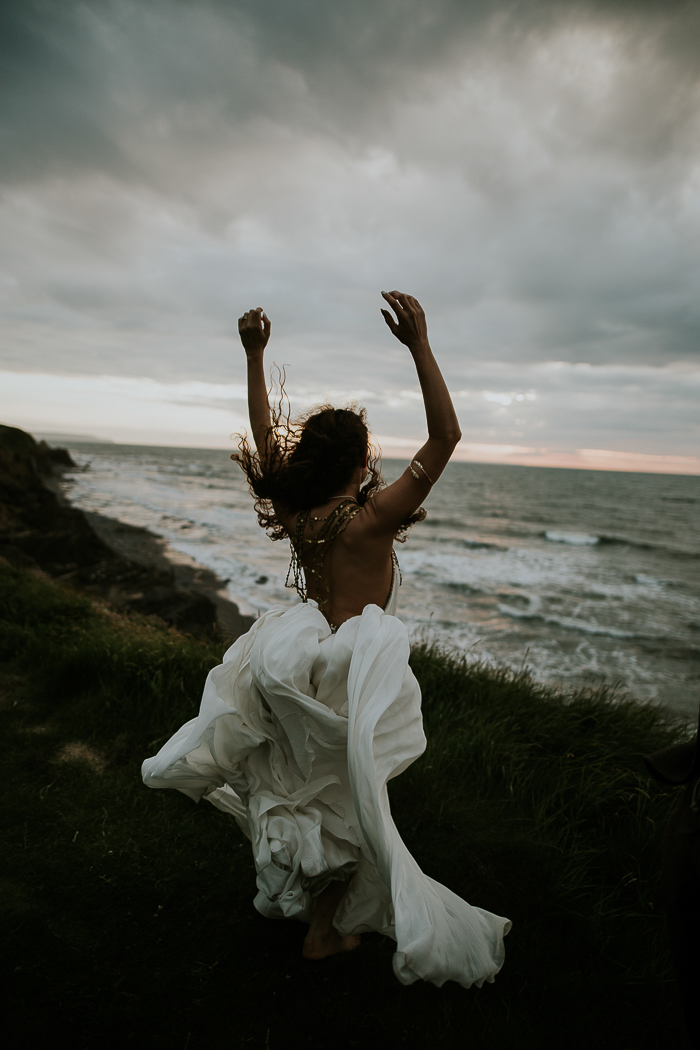
Among the myriad of compelling submissions, the image by Samsul Hidayat perfectly encapsulates the essence of the "Body Language" challenge. The photograph, presented without visible faces, depicts a moment of tender intimacy and profound connection. While the exact narrative context remains open to interpretation, the meticulous composition, the interplay of light and shadow, and the profound interaction between the subjects convey a palpable sense of love, comfort, and shared experience.
The intertwined limbs, the gentle lean of one figure against the other, and the overall posture of the couple suggest a shared vulnerability and unwavering support. The photographer’s choice of framing is crucial, meticulously drawing the viewer’s eye to these essential non-verbal cues, allowing the forms themselves to articulate a rich emotional narrative. The soft, diffused lighting enhances the mood, creating an aura of warmth and intimacy, while subtle details in their clothing or the blurred background provide just enough context to anchor the scene without distracting from the central theme of physical connection. Samsul Hidayat, when informally interviewed about his approach to capturing such moments, reportedly emphasized the importance of patience, keen observation, and an understanding of human connection. "My goal is always to find and freeze the authentic moment," Hidayat is quoted as saying, "Sometimes, the most powerful emotions are revealed when subjects are completely unaware of the camera, or when they are simply lost in each other. The body, in its natural expression, often communicates what the heart truly feels, even when the face is hidden from view." His image serves as a powerful testament to the challenge’s premise, proving that love’s essence can truly shine through any form of capture, transcending superficial visual identifiers.
Broader Implications for Contemporary Photography
The resounding success of the "Body Language" challenge carries significant implications for the broader field of contemporary photography and visual arts.
- Redefining Portraiture and Storytelling: This initiative challenges conventional definitions of portraiture, suggesting that a compelling "portrait" of emotion, relationship, or narrative doesn’t always require a direct depiction of facial features. This could lead to a greater emphasis on abstract, conceptual, or interpretive forms of human representation in future photographic trends, encouraging photographers to explore innovative ways of conveying identity and feeling.
- Enhancing Photographic Skill Sets: For photographers, the challenge serves as an invaluable exercise in composition, framing, lighting, and, crucially, in observing and capturing genuine human emotion. It encourages a shift from merely documenting faces to understanding and interpreting the entire human form and its interactions within a given space. Mastering body language allows photographers to create more nuanced, evocative, and universally resonant images, regardless of whether faces are explicitly visible.
- Deepening Audience Engagement: The challenge demonstrates that audiences are not only receptive to but also deeply engaged by images that require a degree of interpretation. This active, interactive viewing experience can foster a more profound appreciation for photographic art, moving beyond passive consumption to active emotional and intellectual engagement, as viewers become co-creators of meaning.
- Promoting Universal Storytelling: By focusing on universally understood non-verbal cues, these images transcend linguistic and cultural barriers, making them accessible and relatable to a global audience. This reinforces photography’s role as a powerful tool for universal storytelling, empathy, and fostering connection across diverse communities.
- Considerations for Privacy and Sensitivity: In an increasingly privacy-conscious world, the ability to convey emotion and narrative without explicit facial identification could also open new avenues for sensitive documentary photography or personal projects where subjects’ identities need to be protected while still sharing their powerful stories and experiences. This approach offers a means of ethical representation without compromising privacy.
Conclusion and Future Engagement
The June "Body Language" photo challenge orchestrated by the Photobug Community has unequivocally proven that the human body is a profound communicator, capable of articulating a vast spectrum of emotions without the aid of facial expressions. The participating photographers, epitomized by the impactful work of Samsul Hidayat, have offered compelling visual evidence that love, joy, sadness, and intimacy resonate deeply and authentically through posture, gesture, and interaction. This initiative has not only celebrated artistic talent but also provided valuable insights into visual perception, emotional intelligence, and the timeless power of non-verbal communication.
The Photobug Community remains committed to fostering creativity, encouraging photographers to continually push the boundaries of their craft, and providing a platform for global artistic exchange. For those inspired by the powerful storytelling showcased in this challenge and eager to contribute their own unique perspectives, the invitation to join the thriving Photobug Community Facebook group remains open. It is an opportunity to connect with peers, participate in future innovative challenges, and share work that continues to redefine the art of visual communication, demonstrating that indeed, the body always does the talking, eloquently and profoundly.