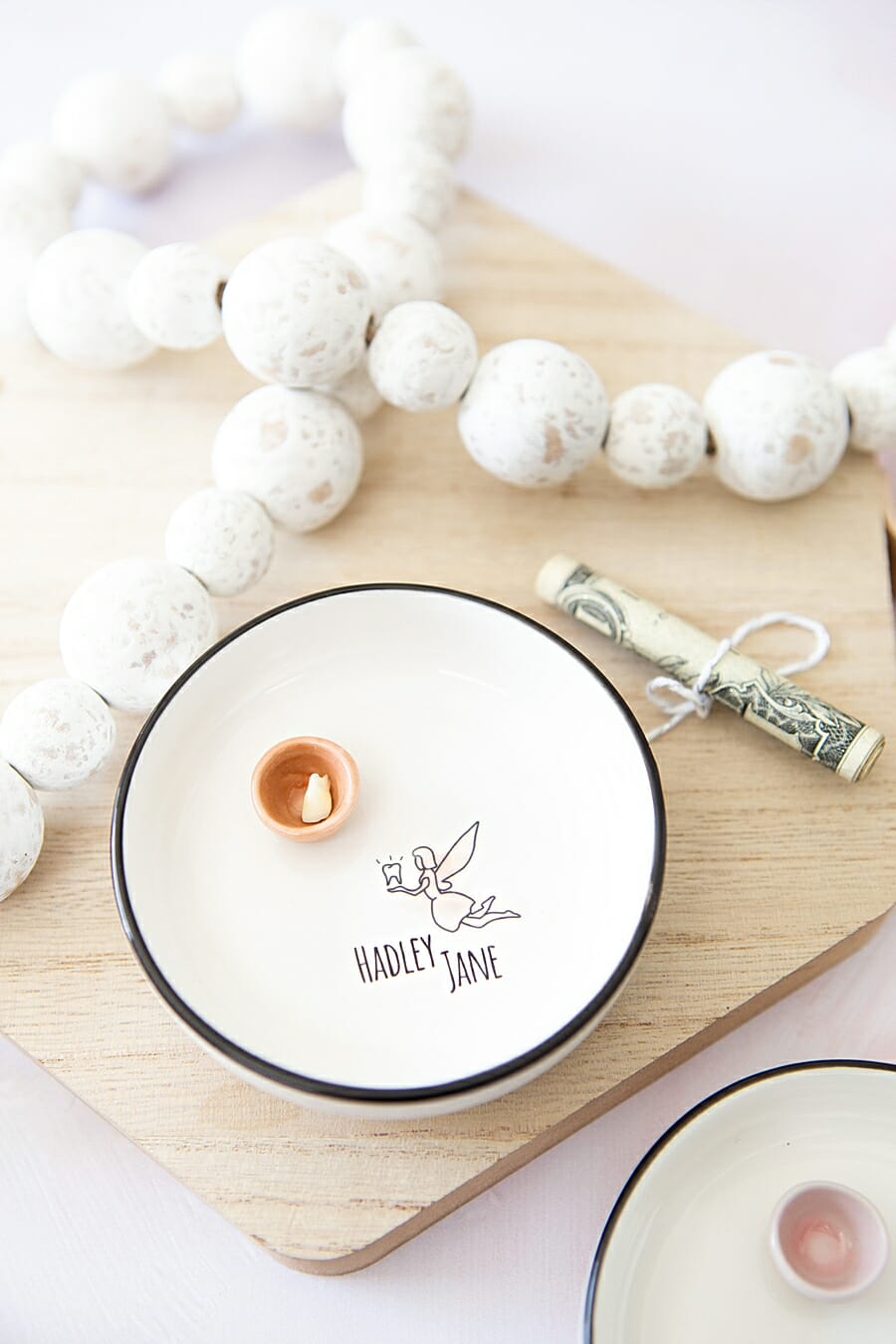
The landscape of childhood milestones is undergoing a significant transformation as parents increasingly pivot from mass-produced soft goods toward personalized, durable keepsakes. This shift is most recently evidenced by a growing trend in the customization of "Tooth Fairy dishes," a modern alternative to the traditional tooth pillow. Utilizing advanced home-printing technologies such as inkjet waterslide paper and digital design platforms like Corjl, a new methodology for preserving pediatric milestones has emerged. This movement reflects a broader consumer interest in "hyper-personalization," where digital tools allow for the creation of professional-grade ceramic items within a domestic setting.
Technical Analysis of the Waterslide Decal Process
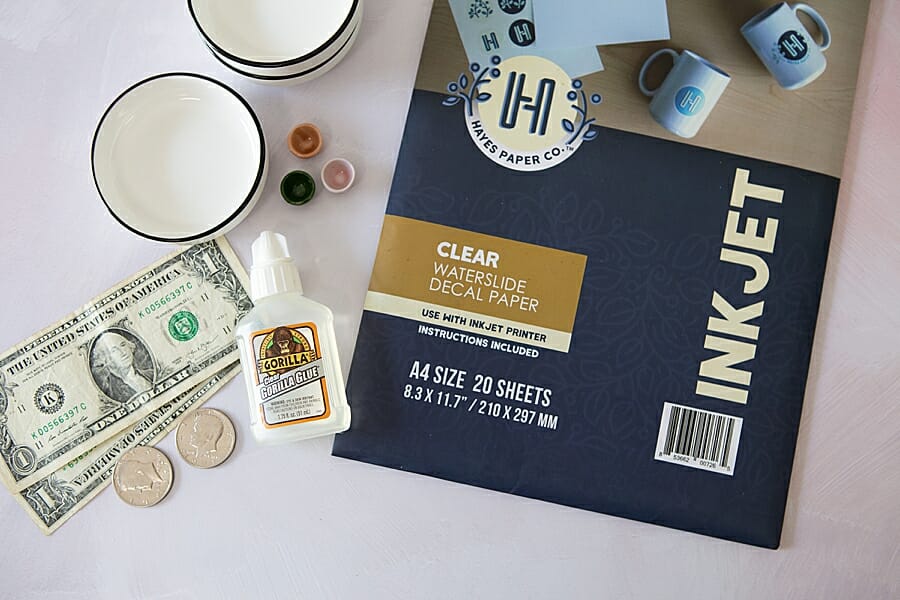
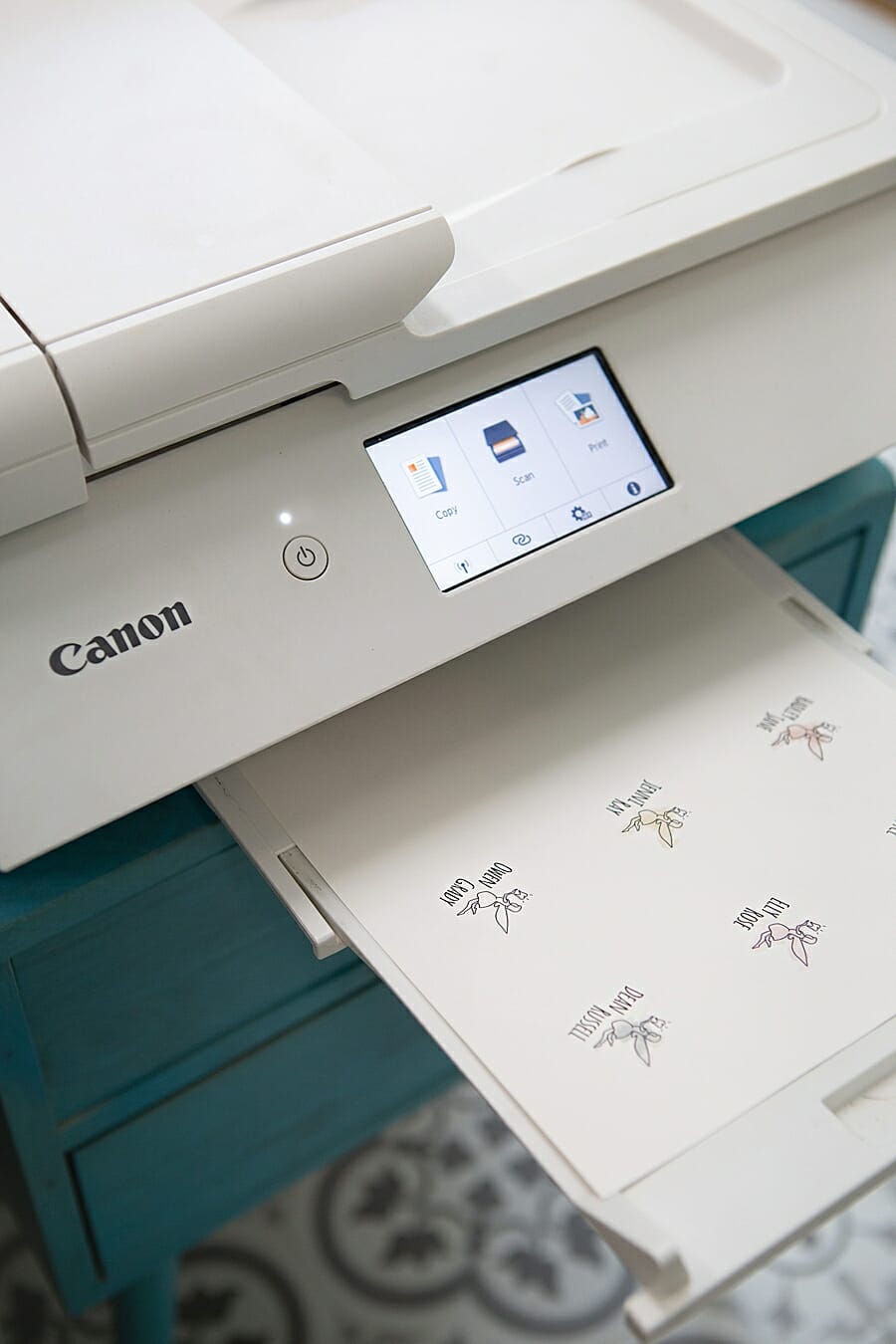
The core of this innovation lies in the application of waterslide decal technology, a method traditionally reserved for industrial model-making and professional ceramic decoration. Waterslide paper is a specialized substrate composed of a water-soluble adhesive layer and a thin, flexible polymer film. When processed through a standard inkjet printer—such as the Canon PIXMA TS9521C—the paper allows high-resolution graphics to be transferred onto non-porous surfaces including glass, metal, and glazed ceramics.
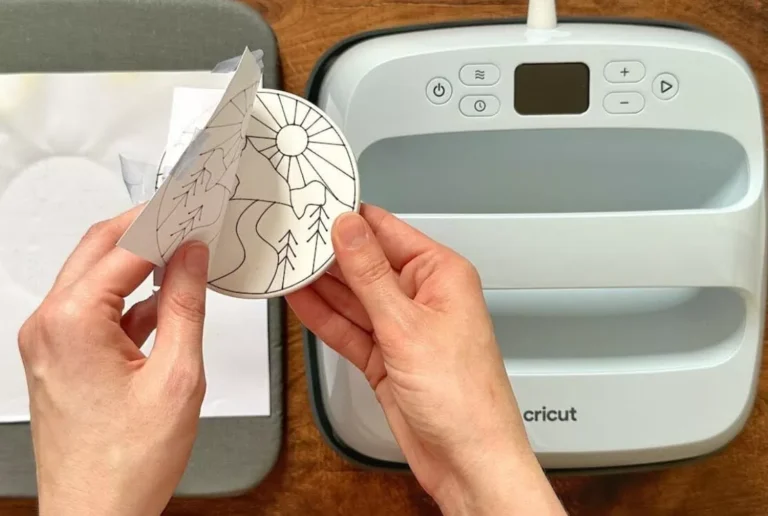
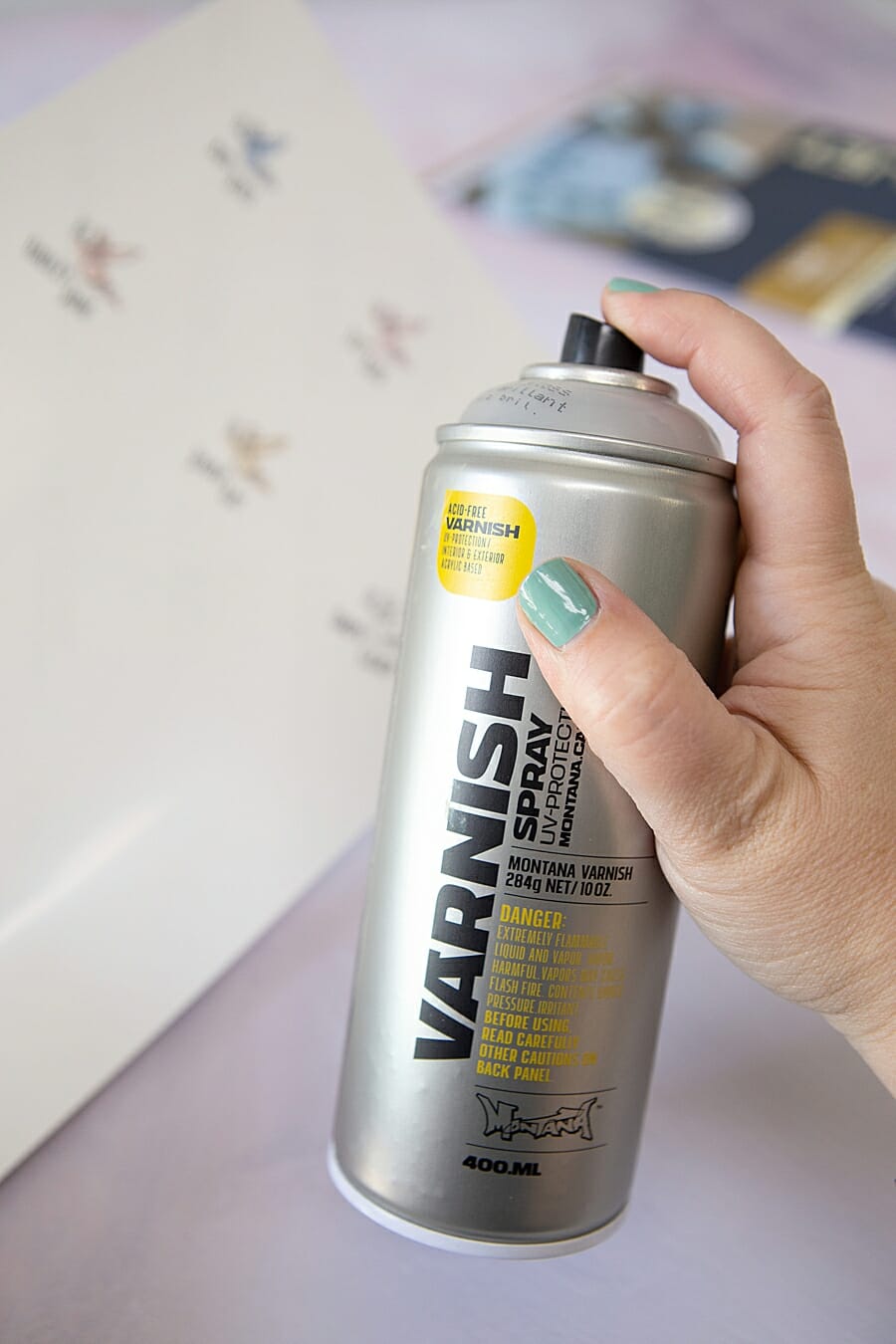
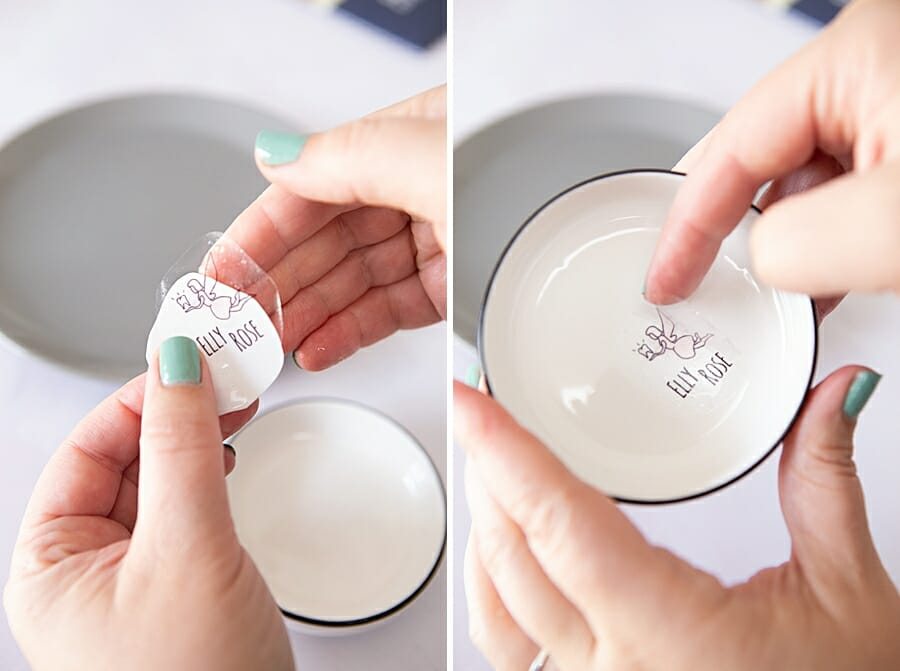
The process involves several critical chemical and mechanical steps to ensure the longevity of the design. Because inkjet ink is water-soluble, the printed graphic must be hermetically sealed with a clear acrylic or varnish coating. Experts suggest multiple light applications of a high-quality sealant, such as Montana Clear Varnish, to create a waterproof barrier. Once the sealant has cured, the decal is submerged in water, which dissolves the adhesive layer and allows the polymer film to slide off its paper backing. This film is then manipulated onto the ceramic surface, where it adheres as the water evaporates.
A Chronological Framework for Ceramic Customization
The production of these personalized dishes follows a strict chronological sequence to ensure structural integrity and aesthetic quality. The timeline for creating a single unit typically spans several days due to the curing requirements of the adhesives and sealants involved.
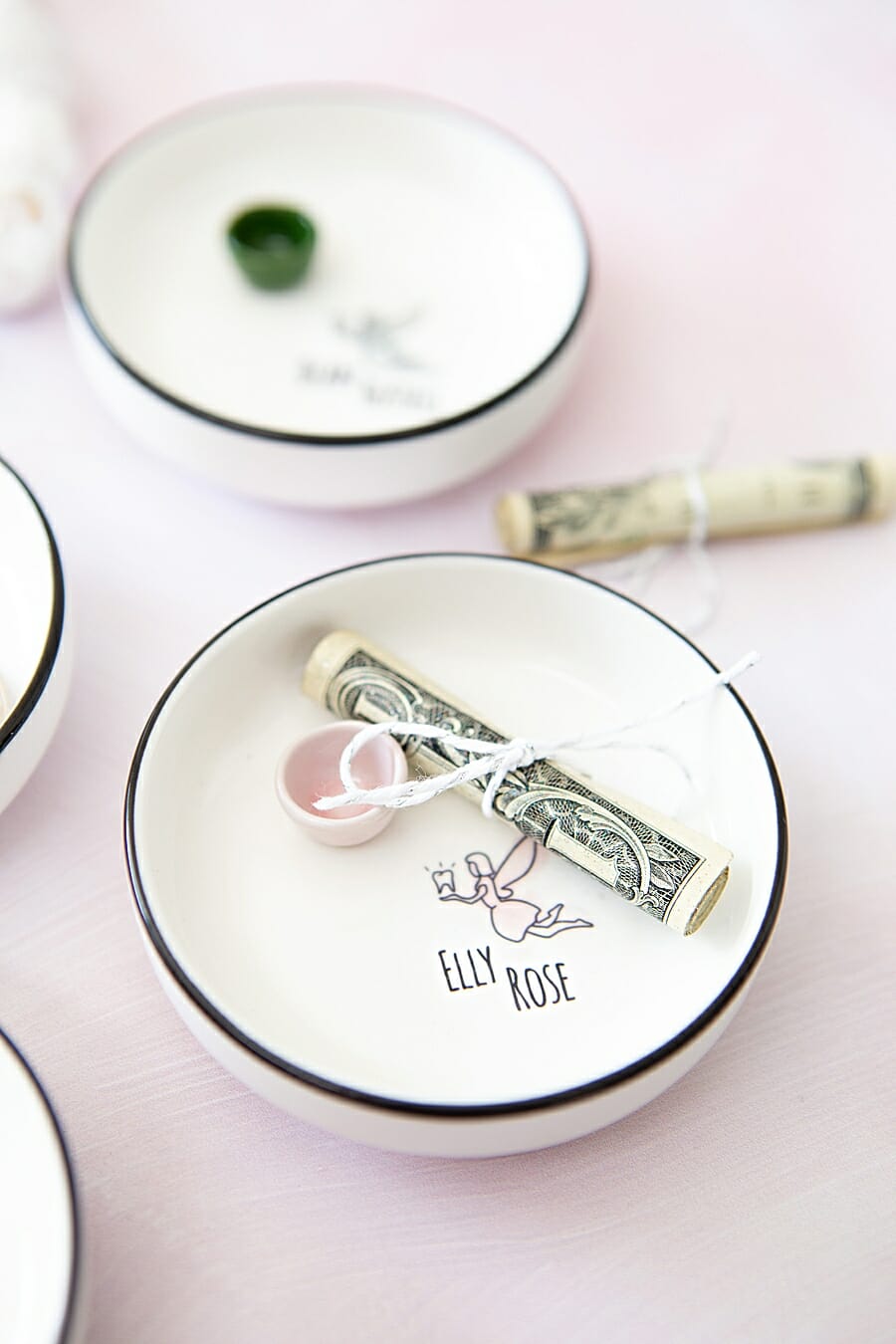
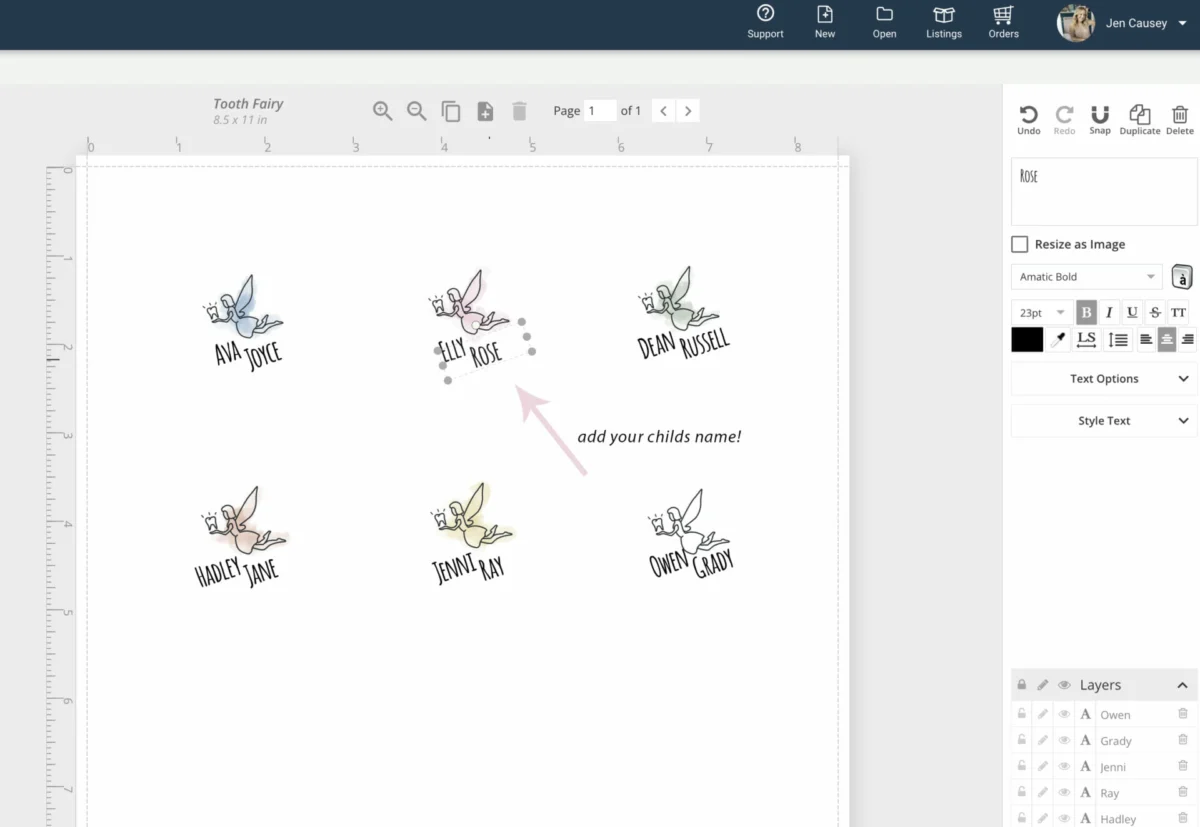
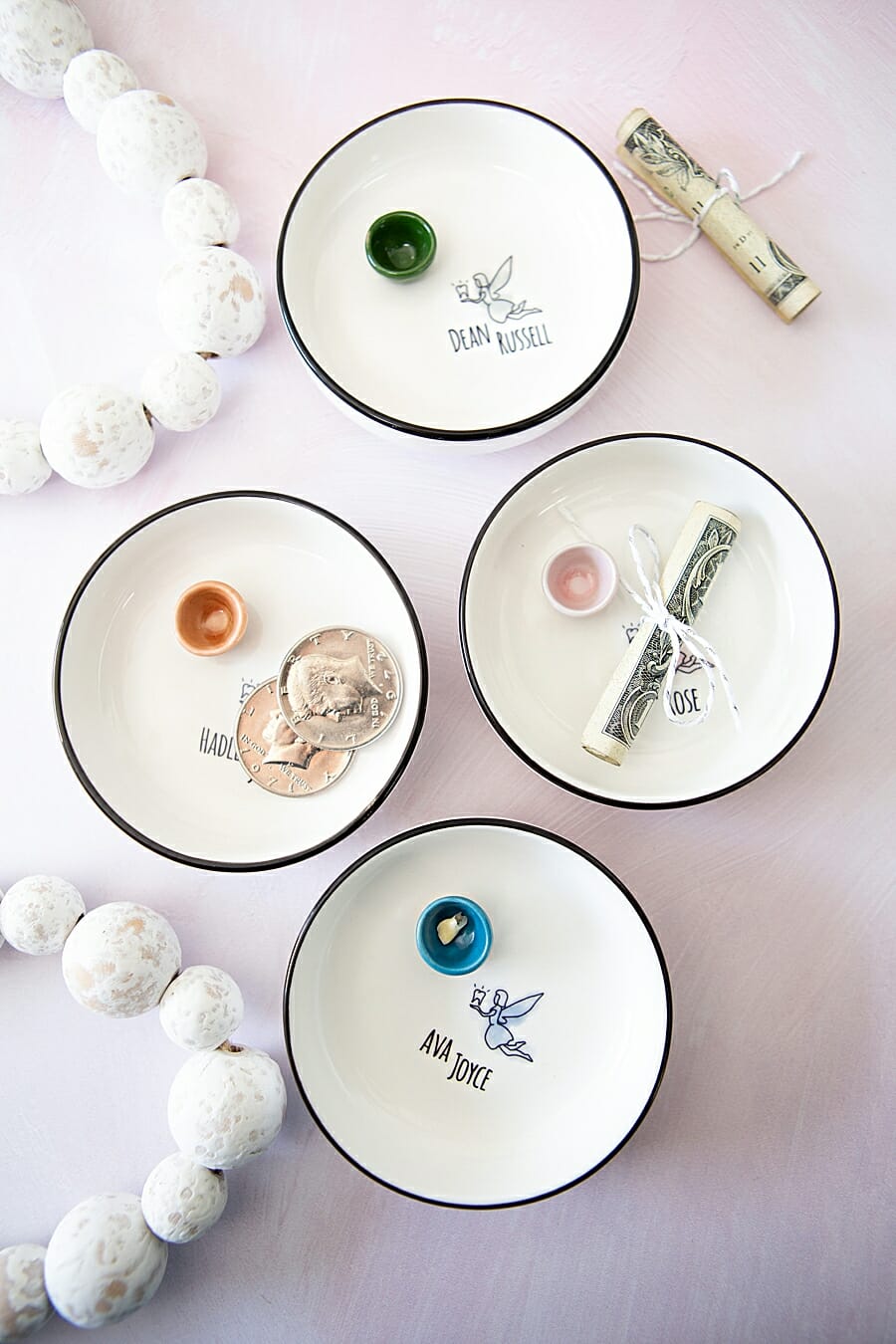
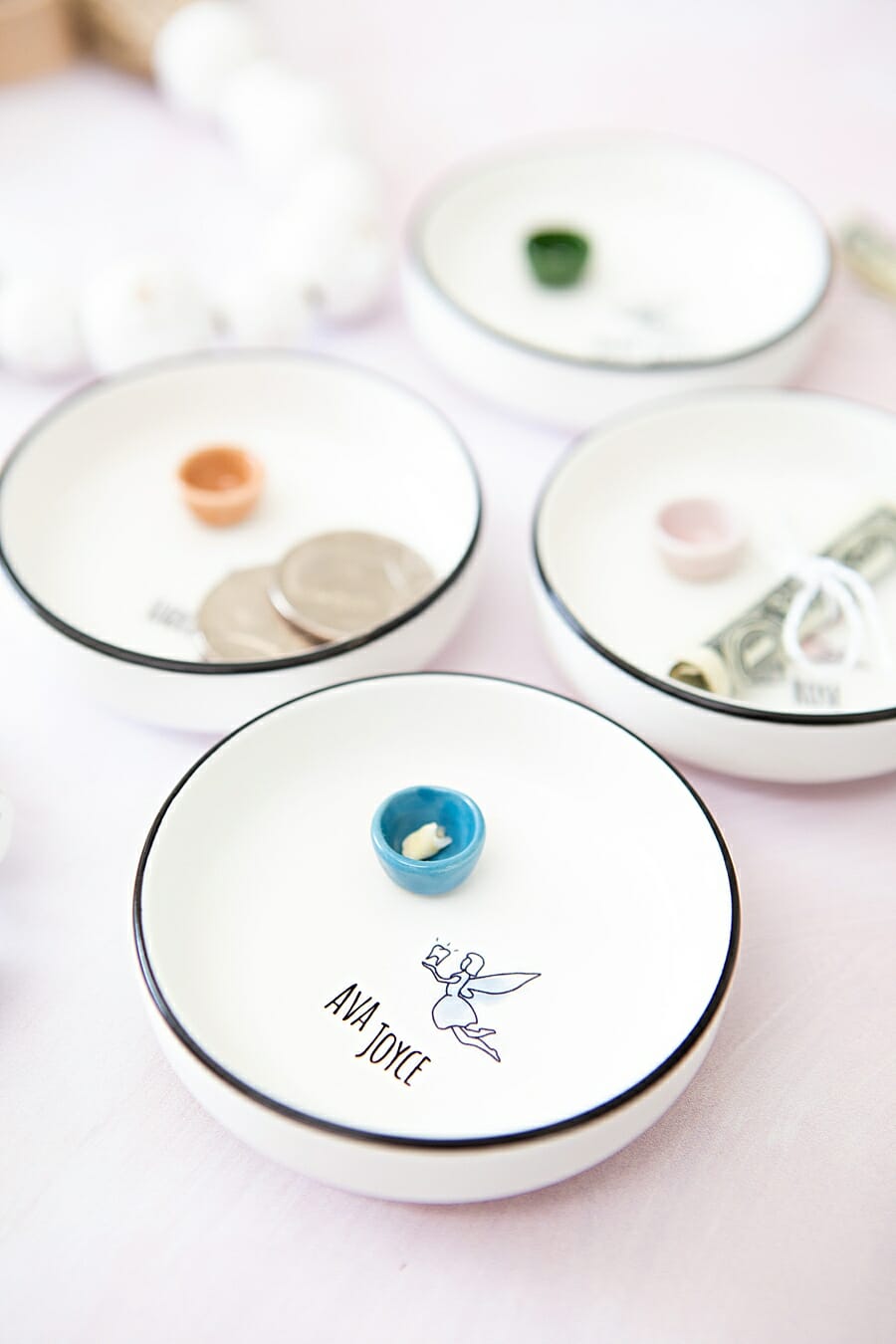
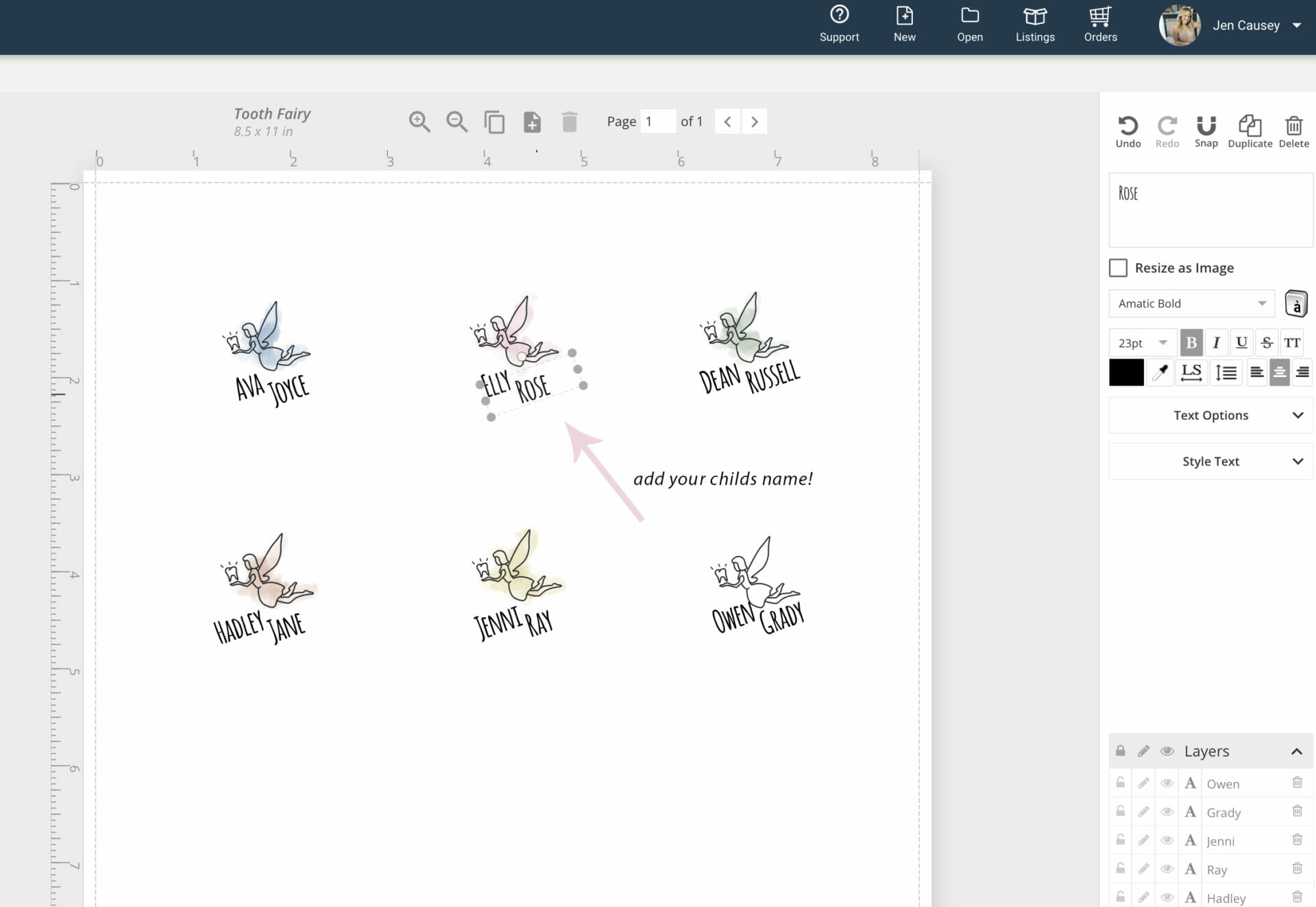
- Design and Digital Personalization: Users utilize web-based interfaces like Corjl to modify vector graphics. This stage allows for the integration of specific names, color schemes (commonly including peach, pink, blue, and green), and typography, such as the Amatic Bold font.
- Printing and Initial Sealing: The design is printed onto the gloss side of the waterslide paper. Following a five-minute drying period for the ink, the paper is treated with three successive coats of clear varnish, with one-minute intervals between applications to prevent running or blurring.
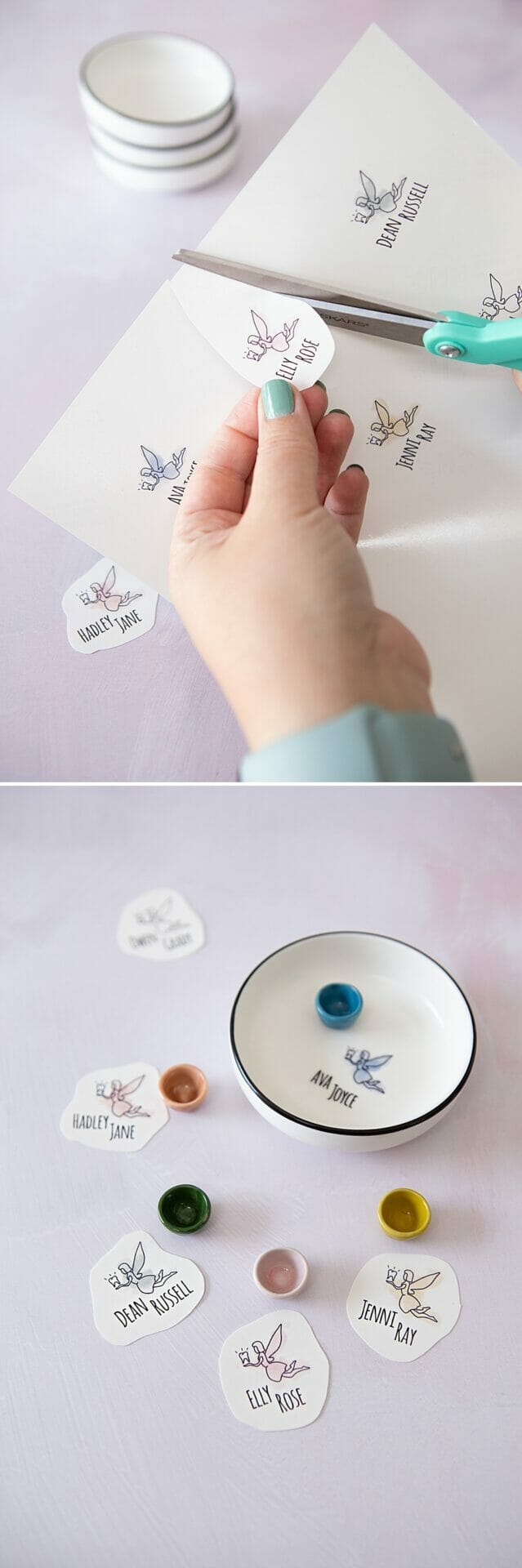
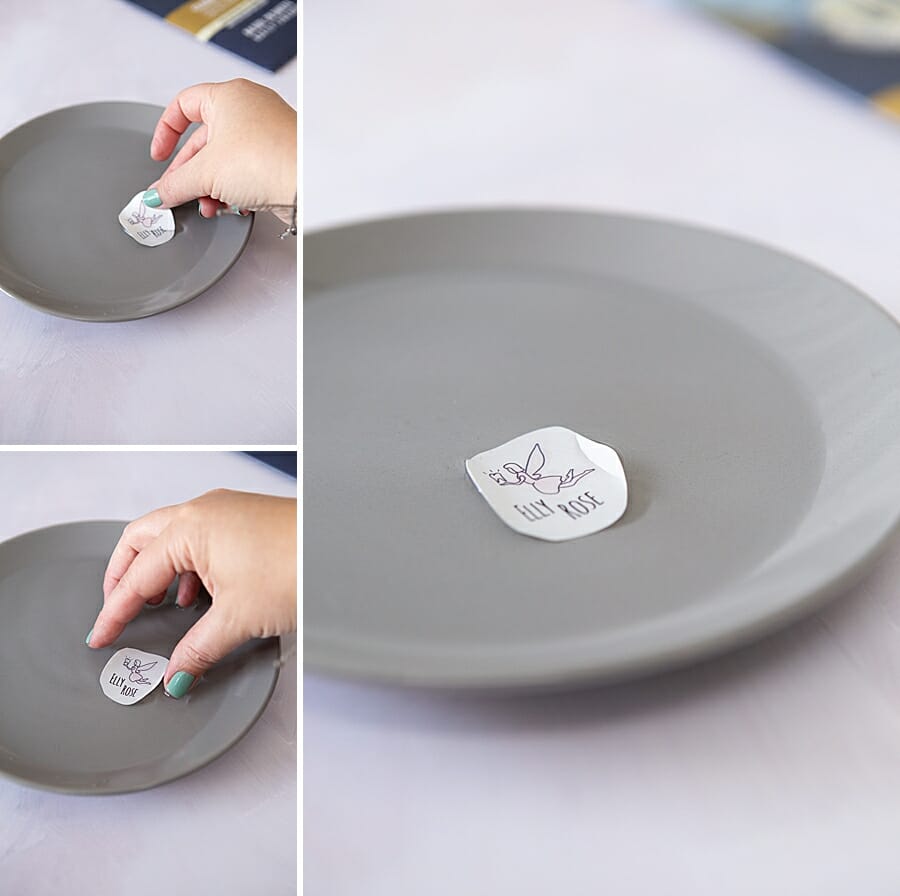
- Hydration and Application: After the varnish has dried—often accelerated by sunlight exposure—the decal is trimmed to a 1/8-inch margin. It is then submerged in room-temperature water for 30 seconds. The saturated decal is applied to the ceramic dish, and air bubbles are removed using a squeegee or soft cloth.
- Structural Assembly: For tiered designs, such as those utilizing dollhouse-scale bowls as pedestals for sauce dishes, a secondary bonding agent is required. Polyurethane-based adhesives, like Gorilla Glue, are applied to dampened surfaces to create a permanent bond between the two ceramic components.
- Curing Phase: The completed assembly requires a minimum of 72 hours of curing time. While some ceramics allow for oven-curing to increase durability, atmospheric drying is preferred for items not intended for culinary use.
Material Specifications and Safety Protocols
While the aesthetic appeal of personalized ceramics is high, manufacturers and DIY practitioners emphasize specific safety and utility constraints. The materials used in this process, particularly the sealants and the waterslide film itself, are generally classified as non-food safe. Consequently, these dishes are strictly designated for the storage of non-consumable items, such as primary teeth and legal tender.
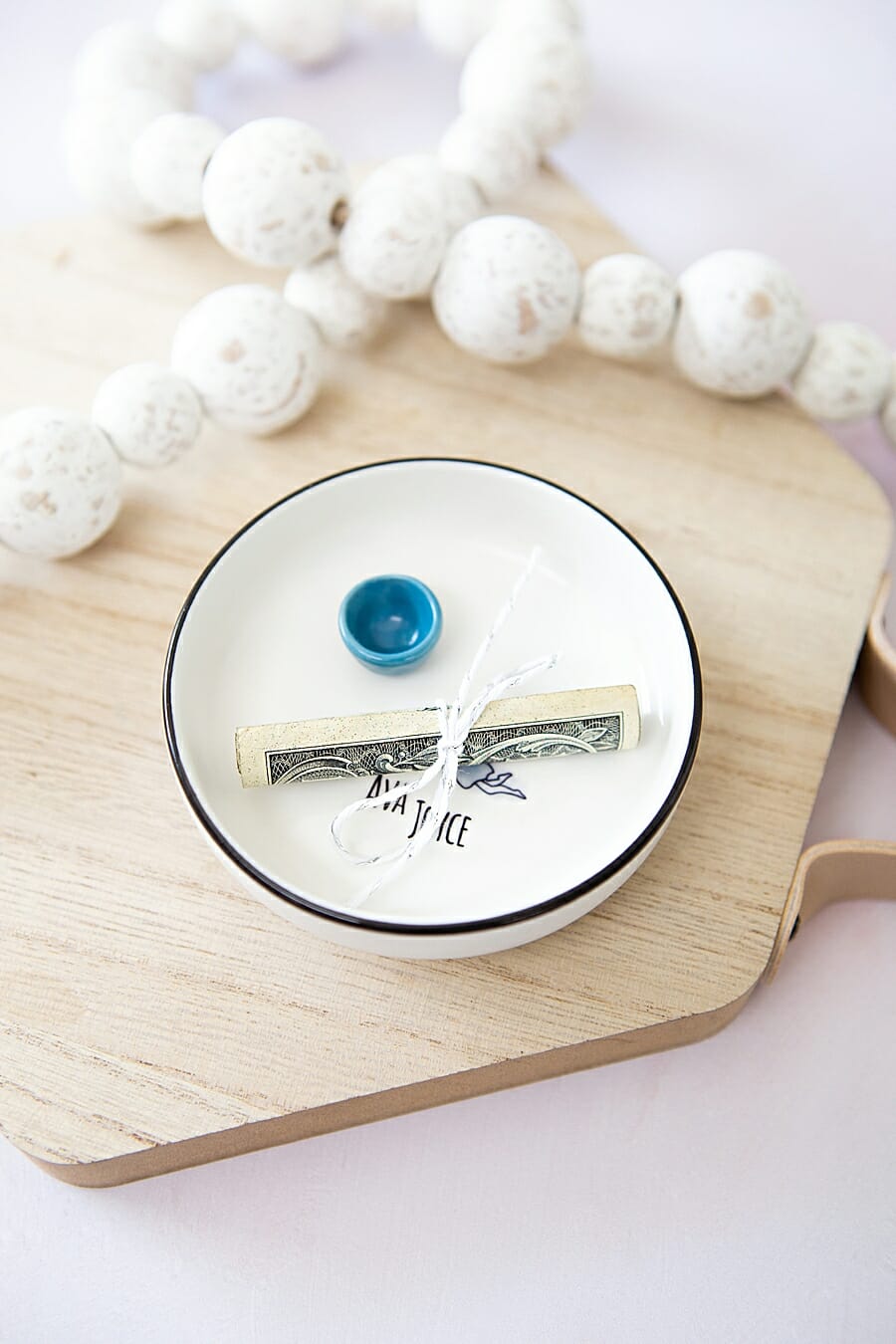
Furthermore, the delicate nature of the polymer film means these items are not dishwasher safe. The abrasion from standard detergents and the high temperatures of a cleaning cycle would likely cause the decal to delaminate or yellow. This technical limitation reinforces the item’s status as a "keepsake" rather than a functional piece of dinnerware.
The Socio-Economic Context of the Tooth Fairy Tradition
The rise of bespoke Tooth Fairy accessories is supported by significant economic data regarding the "Tooth Fairy economy." According to annual surveys conducted by financial institutions like Visa and Delta Dental, the average payout for a lost tooth has seen a steady increase over the last decade, often fluctuating between $4.00 and $6.00 per tooth in the United States. This inflation in "tooth value" has been accompanied by an increase in parental spending on the "experience" of the tradition.
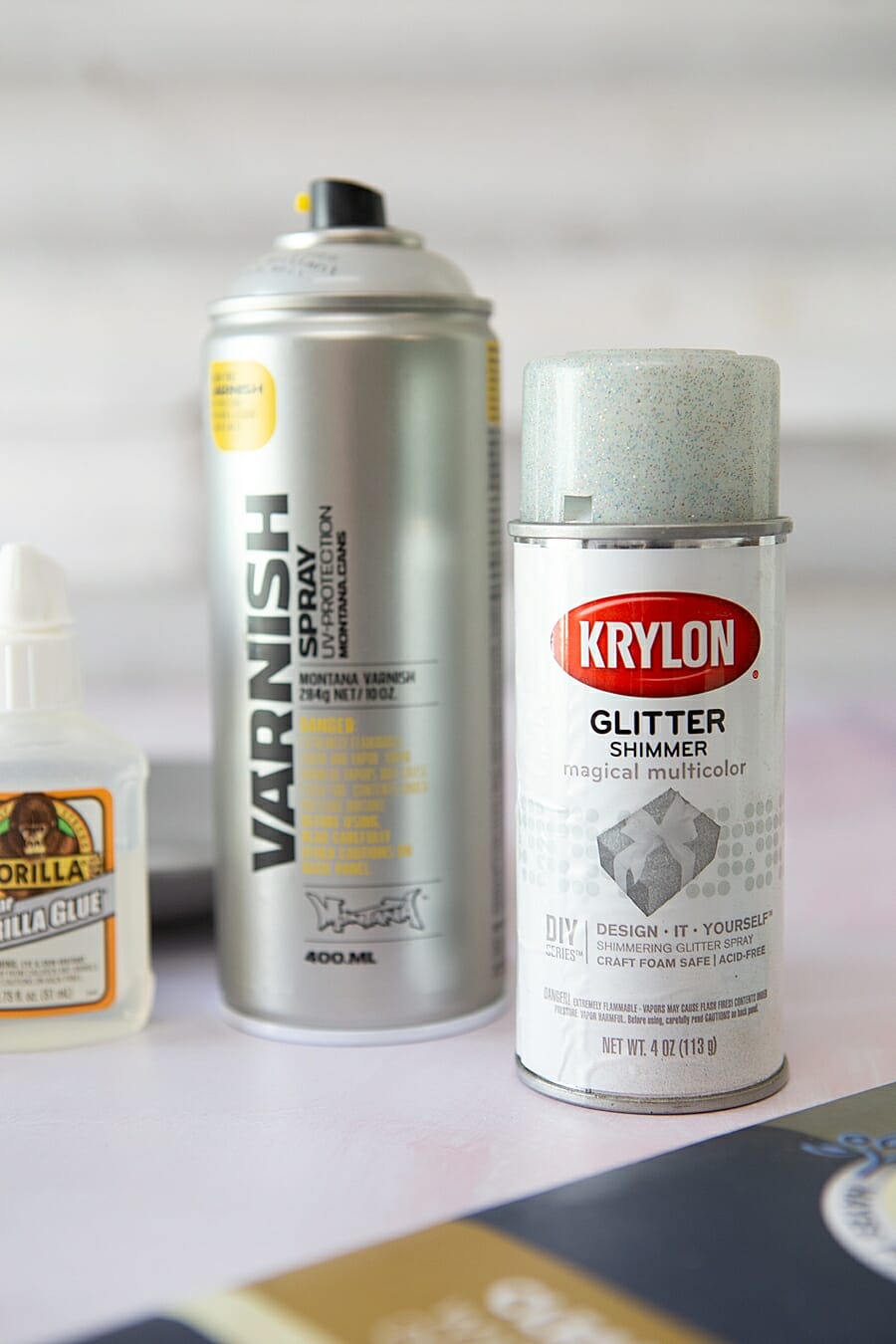
Market research indicates that the personalized gift market is projected to grow significantly through 2030. Parents are no longer satisfied with generic products; they seek items that reflect the child’s identity. The use of "glitter money" or polished half-dollar coins, as mentioned in recent lifestyle reports, further illustrates the move toward a more curated and "magical" childhood experience. By creating a permanent dish, parents are establishing a micro-tradition that persists throughout the child’s developmental years, providing a sense of continuity and ritual.
Psychological Implications of Permanent Keepsakes
Child development experts note that rituals like the Tooth Fairy serve as important "rites of passage" that help children navigate the physical changes of growing up. The transition from the "tooth pillow"—which is often hidden or tucked away—to a visible, personalized dish on a nightstand serves as a tangible marker of growth.
The act of "polishing" coins or "glittering" dollar bills adds a layer of enchantment that reinforces the parent-child bond. From a psychological perspective, these small efforts signify parental investment in the child’s imaginative world. The durability of ceramic also allows the item to be stored and revisited in adulthood, functioning as a "memory object" that triggers nostalgia and a sense of familial history.
Industry Trends in Hyper-Personalized Parenting
The DIY methodology highlighted in this report reflects a broader "Maker Movement" within the parenting demographic. This trend is driven by the accessibility of high-end crafting tools and the democratization of design software. Platforms like Instagram and TikTok have played a pivotal role in the dissemination of these techniques, with hashtags such as #somethingturquoisediy facilitating a community-driven exchange of ideas and troubleshooting tips.
This shift has implications for the retail sector as well. Traditional toy and gift retailers are facing increased competition from the "prosumer" market, where individuals can manufacture high-quality, customized goods at home for a fraction of the retail price. The cost of materials for a DIY tooth fairy dish—including the sauce dish, dollhouse bowl, and a single sheet of waterslide paper—is estimated to be significantly lower than comparable personalized items found in high-end boutiques.
Broader Impact and Conclusion
The evolution from simple tooth pillows to sophisticated, personalized ceramic dishes represents a convergence of technology, tradition, and consumer behavior. As home manufacturing capabilities continue to expand, the distinction between "store-bought" and "handmade" is blurring. The use of industrial-grade materials like Montana varnish and Gorilla Glue in domestic projects indicates a move toward professional-standard DIY.
Ultimately, the personalized Tooth Fairy dish is more than a craft project; it is a manifestation of the modern parent’s desire to document and elevate the mundane milestones of childhood. By utilizing digital tools to create physical artifacts, families are crafting a new visual language for tradition—one that is durable, highly specific, and deeply integrated into the digital-to-physical workflow of the 21st century. As these practices become more mainstream, they will likely influence the next generation of pediatric products, emphasizing longevity and individual identity over mass-market uniformity.