


The landscape of the global craft and hobby market, currently valued at approximately $50 billion, has undergone a significant transformation with the introduction of professional-grade sublimation technologies for the domestic consumer. Among the most prominent advancements is Cricut Infusible Ink, a specialized heat-transfer system designed to produce permanent, factory-quality results on various compatible substrates. Unlike traditional heat-transfer vinyl (HTV) or "iron-on" materials, which utilize an adhesive layer to bond a film to the surface of a fabric or object, Infusible Ink employs a chemical process known as sublimation. This process allows the ink to permeate the fibers or coating of the base material, resulting in a finished product that is resistant to flaking, peeling, cracking, or fading. As the demand for personalized merchandise continues to rise, driven by the growth of e-commerce platforms such as Etsy and Shopify, understanding the technical nuances and application methods of this ink-transfer technology has become essential for both hobbyists and small-scale entrepreneurs.
The Science and Mechanics of Sublimation Technology
To appreciate the efficacy of Cricut Infusible Ink, one must understand the underlying science of sublimation. In a standard heat-transfer application, the medium remains in a solid state and is adhered to the surface via heat-activated glue. In contrast, sublimation involves a phase transition where a solid substance transforms directly into a gas without passing through a liquid state. When subjected to temperatures typically ranging between 385°F and 400°F (195°C to 205°C), the solid ink on a Cricut Infusible Ink Transfer Sheet or Pen converts into a gas. Simultaneously, the high heat causes the pores of the polymer-based substrate—such as polyester fabric or a poly-coated ceramic—to open.
The gaseous ink then permeates these open pores. As the heat source is removed and the material cools, the pores close, effectively trapping the ink inside the substrate where it reverts to a solid state. This molecular bond ensures that the design becomes an integral part of the material rather than a superficial layer. This distinction is critical for items subjected to frequent laundering or outdoor use, as the lack of an adhesive layer eliminates the risk of "edge lift" or texture degradation over time.
A Chronology of the Personalization Movement
The release of Infusible Ink by Cricut Inc. in 2019 marked a pivotal moment in the democratization of manufacturing. Previously, sublimation was a complex industrial process requiring expensive specialized printers, high-end software, and industrial heat presses. The timeline of this technology’s accessibility highlights a broader trend in the "maker movement":
- Pre-2010s: Sublimation remains largely restricted to commercial printing houses due to the high cost of entry and technical expertise required.
- 2010–2018: The rise of desktop cutting machines allows for intricate vinyl designs, but users remain frustrated by the longevity of adhesive-based products on apparel.
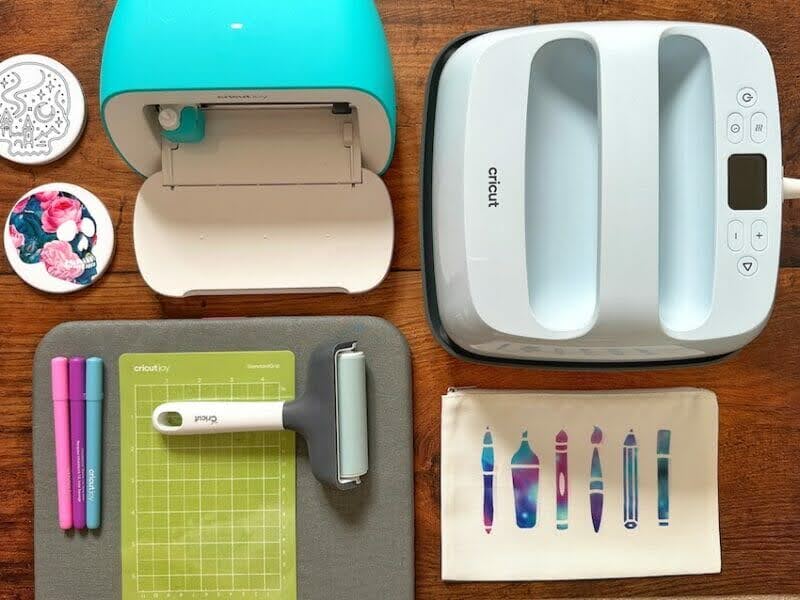
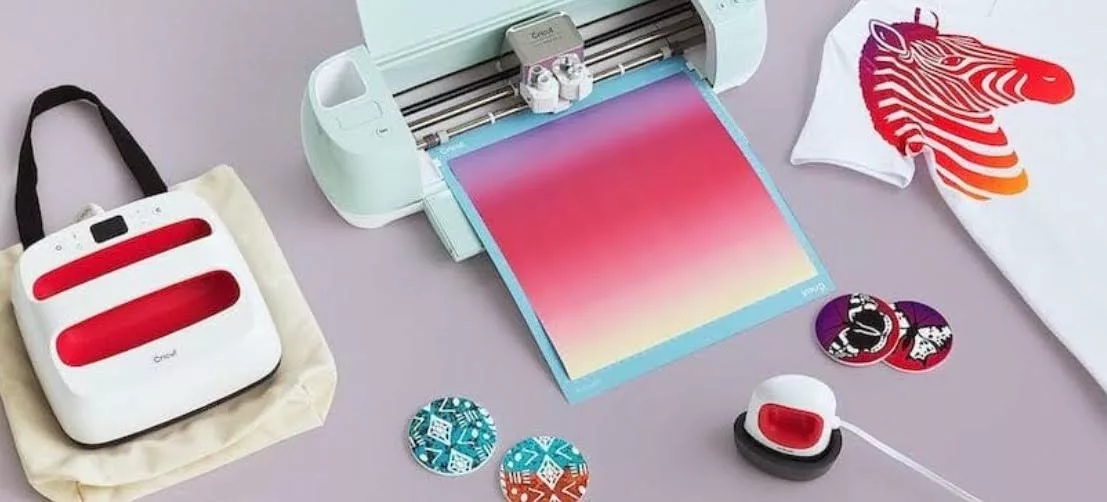
- 2019: Cricut launches the Infusible Ink system, providing pre-inked sheets and specialized markers that utilize standard household cutting machines (like the Cricut Explore and Maker series) and consumer heat presses (the EasyPress).
- 2020–Present: The ecosystem expands to include "blanks"—specially formulated mugs, hats, and apparel optimized for ink absorption—further stabilizing the results for non-professional users.
Market Data and Economic Implications
Industry analysts note that the "personalization economy" is a primary driver of the current craft market’s 4.5% compound annual growth rate (CAGR). According to market research, nearly 40% of consumers express a preference for personalized gifts over mass-produced items. By simplifying the sublimation process, Cricut has enabled a surge in micro-entrepreneurship. Small business owners can now produce high-margin items like custom coasters, tote bags, and bridal party gifts with an initial capital investment of less than $1,000, compared to the several thousand dollars previously required for commercial sublimation setups.
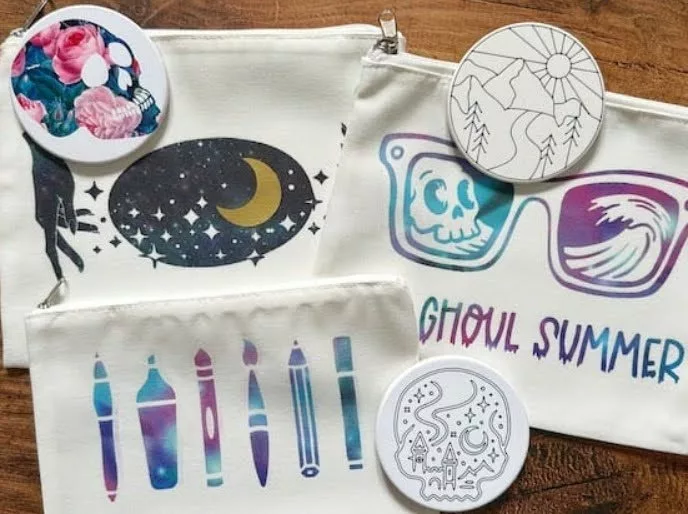
Furthermore, the longevity of these products provides a sustainable advantage. While HTV designs may last for 25 to 50 washes, Infusible Ink designs are rated to last the entire lifespan of the garment. This durability is a significant selling point in the "slow fashion" movement, where consumers prioritize quality and longevity over disposable, fast-fashion alternatives.
Procedural Analysis: Applying Transfer Sheets to Soft Goods
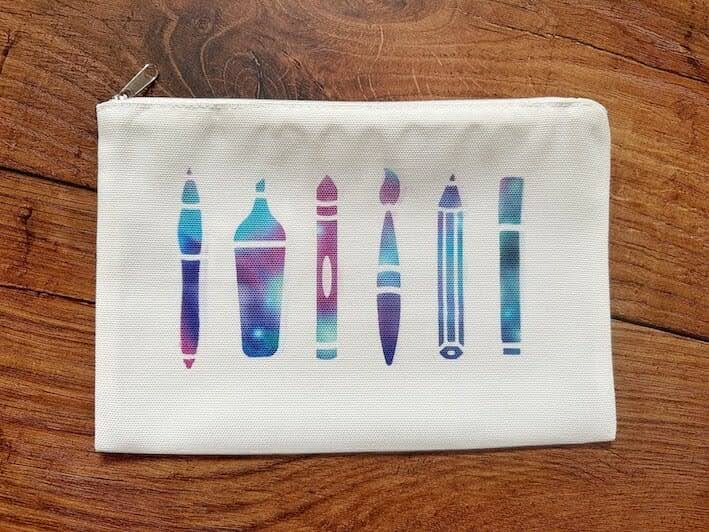
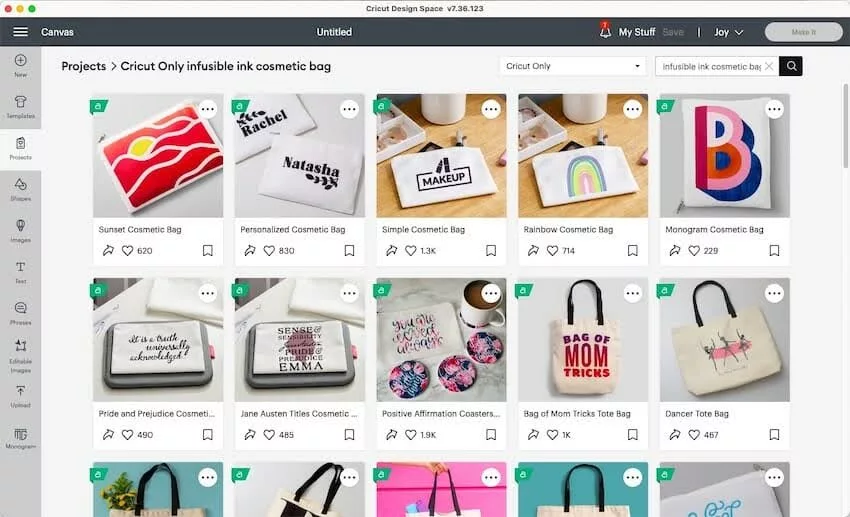
The application of Infusible Ink Transfer Sheets requires a disciplined approach to ensure color vibrancy and design integrity. The following procedure outlines the creation of a professional-grade cosmetic bag, a standard project for assessing material compatibility.
Phase 1: Design and Preparation
The operator must utilize the Cricut Design Space software to select or create a vector-based design. A critical technical requirement in this phase is the "Mirror" function. Because the design is placed face-down on the substrate during the heat transfer process, the image must be mirrored horizontally before cutting to ensure correct orientation upon completion.
Phase 2: Precision Cutting and Weeding
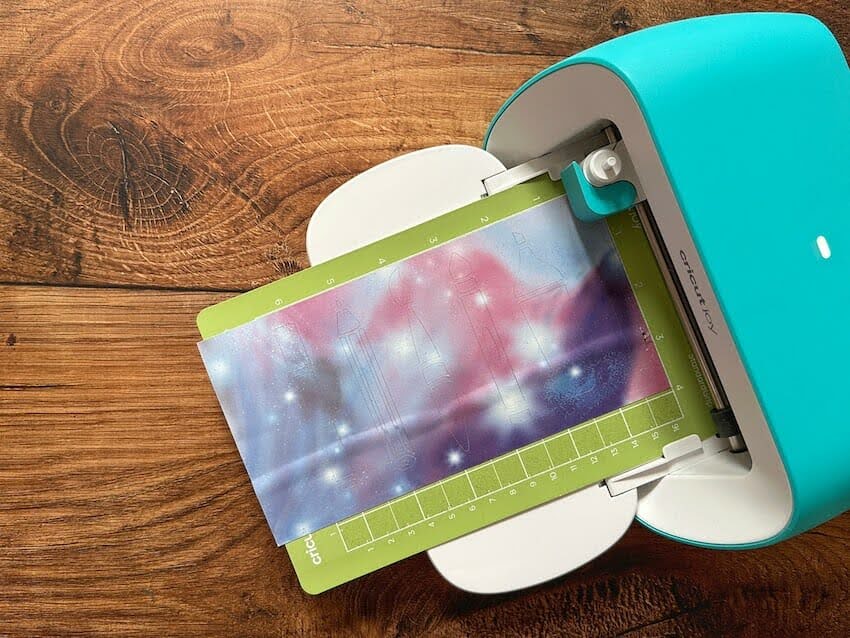
The transfer sheet is placed onto a standard grip cutting mat with the ink side facing upward. Once the cutting machine has completed the design, the "weeding" process begins. Unlike vinyl weeding, which often requires a metal tool, Infusible Ink sheets are typically "cracked" by slightly bending the paper, allowing the excess material to be removed by hand or with tweezers. It is imperative that the operator’s hands are dry and free of oils or lotions, as moisture can damage the sensitive ink surface.
Phase 3: Thermal Integration
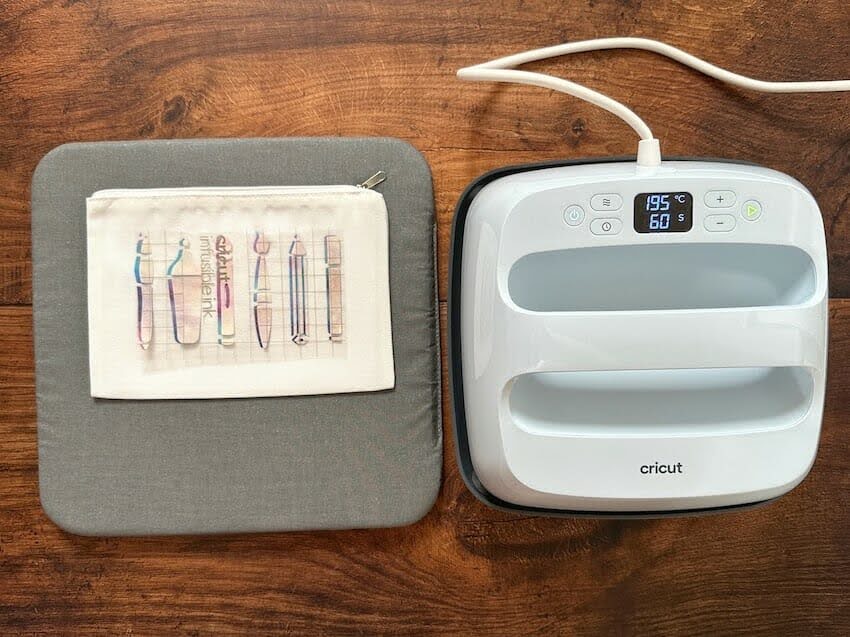
The substrate—in this case, a polyester-based cosmetic bag—is prepared by using a lint roller to remove any microscopic fibers that could cause blue "speckling" when heated. A piece of cardstock is placed inside the bag to prevent the ink from bleeding through to the opposite side. The design is placed face-down, secured with heat-resistant tape, and covered with a sheet of butcher paper (usually provided with the ink sheets). The heat press is applied with firm, consistent pressure for the duration specified by the manufacturer’s heat guide.
Technical Guidelines for Hard Substrates: The Ceramic Coaster Project
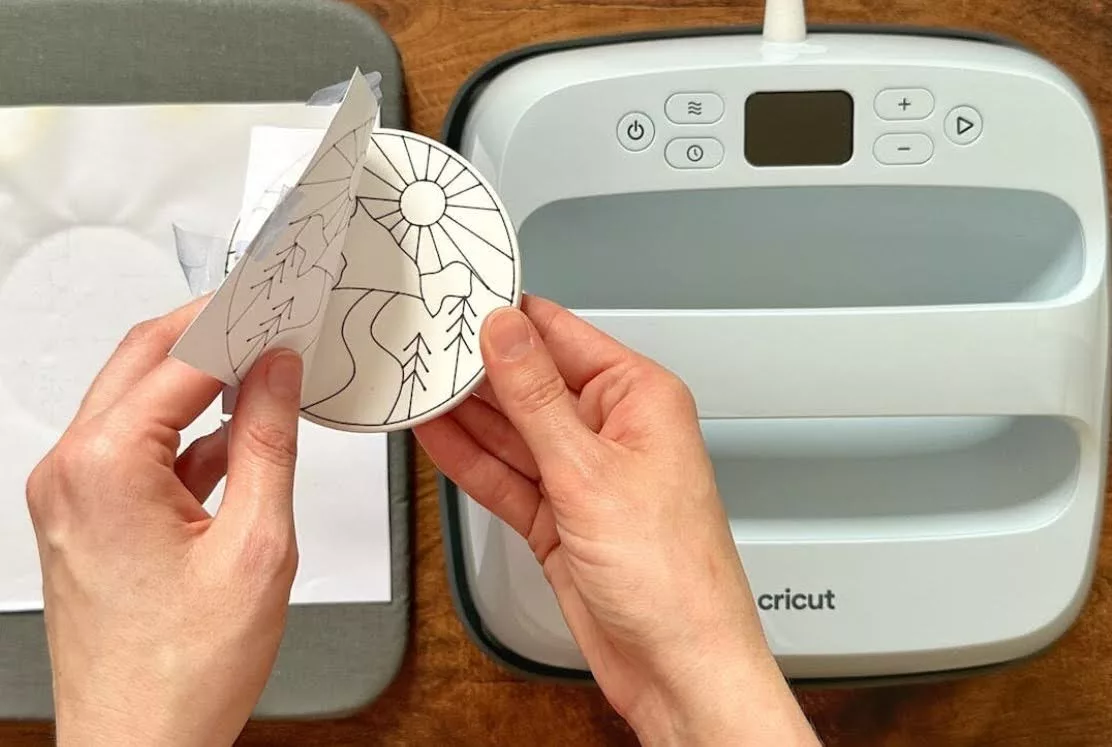
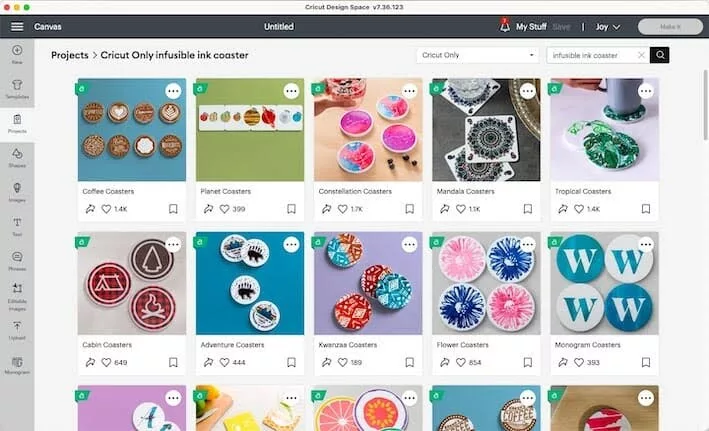
Hard substrates, such as ceramic coasters, require a different thermal profile and application technique, often utilizing Infusible Ink Pens and Markers for custom illustrations.
Step 1: Graphical Execution
Using the "Draw" function in the design software, the cutting machine utilizes an Infusible Ink Pen to trace the design onto standard laser copy paper. This allows for hand-coloring or intricate line work that mimics a hand-painted aesthetic.
Step 2: Substrate Decontamination
Ceramic surfaces must be cleaned with a lint-free cloth and, if necessary, isopropyl alcohol to remove fingerprints. Any residual oils will act as a barrier, preventing the gaseous ink from bonding with the poly-coating of the coaster.
Step 3: Reverse Thermal Application
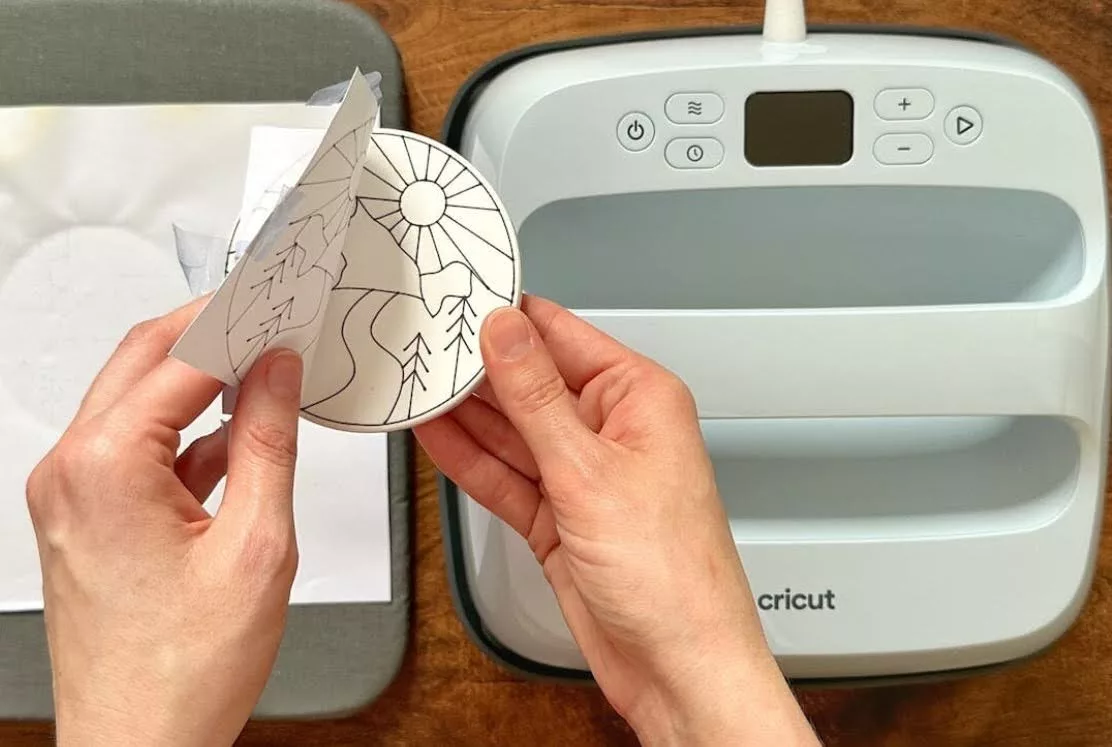
For coasters, it is often recommended to place the design on the heat press mat, followed by the coaster (face-down) on top of the design. This "bottom-up" heating method ensures that the ceramic surface reaches the necessary temperature to facilitate the sublimation process. After the heating cycle, the coaster will be extremely hot and must be allowed to cool completely on a heat-resistant surface before the paper is removed.
Official Responses and Best Practices
Technical experts from the crafting industry emphasize that the success of Infusible Ink is highly dependent on the "Three Pillars of Sublimation": Temperature, Time, and Pressure. Deviating from any of these variables can result in "ghosting" (a blurred image) or "fading" (incomplete ink transfer).
"The most common failure point for new users is the substrate," states a technical bulletin regarding sublimation standards. "One cannot use 100% cotton fabrics, as cotton fibers do not have the molecular structure required to trap the ink gas. A minimum of 65% polyester content is generally required, with 100% polyester yielding the most vibrant results."
Furthermore, environmental factors such as humidity can affect the transfer. Excess moisture in the fabric can turn to steam during the heating process, displacing the ink gas and causing uneven coloring. Professionals recommend "pre-pressing" the fabric for 15 seconds to evaporate any latent moisture before applying the ink design.
Broader Impact and Future Outlook
The evolution of Cricut Infusible Ink represents a broader shift in consumer technology toward professionalization at the home level. As patent landscapes evolve and chemical engineering advances, it is anticipated that the range of compatible materials will expand. Research is currently underway to develop sublimation-friendly coatings for natural fibers like cotton and silk, which would further disrupt the traditional garment printing industry.
In conclusion, Cricut Infusible Ink is more than a craft supply; it is a sophisticated application of chemical engineering that has empowered a new generation of creators. By understanding the science of sublimation, adhering to strict procedural protocols, and leveraging the economic trends of the personalization market, users can produce items that rival factory-manufactured goods in both aesthetics and durability. As the technology continues to mature, the boundary between "homemade" and "professional" will continue to blur, fostering a new era of decentralized manufacturing and creative expression.