
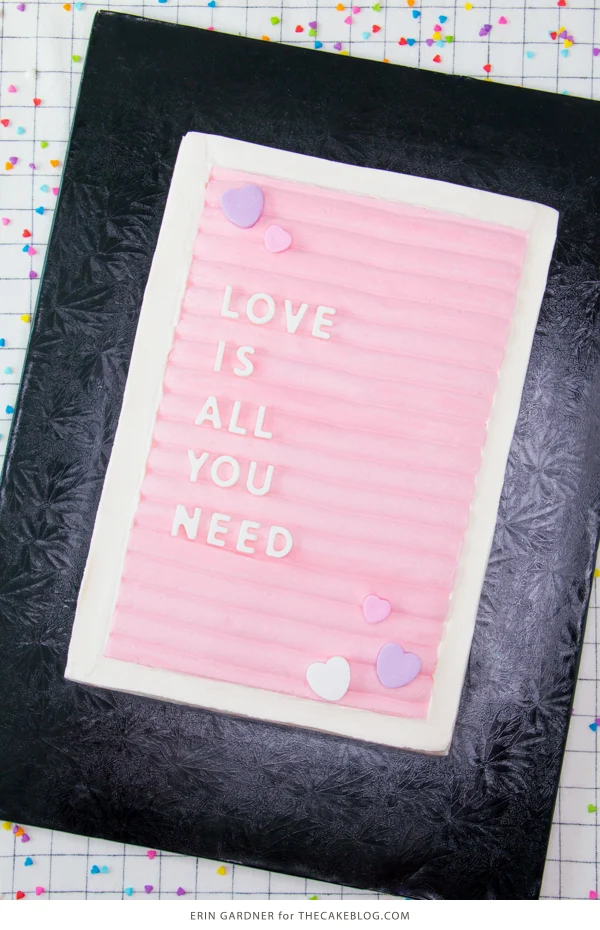
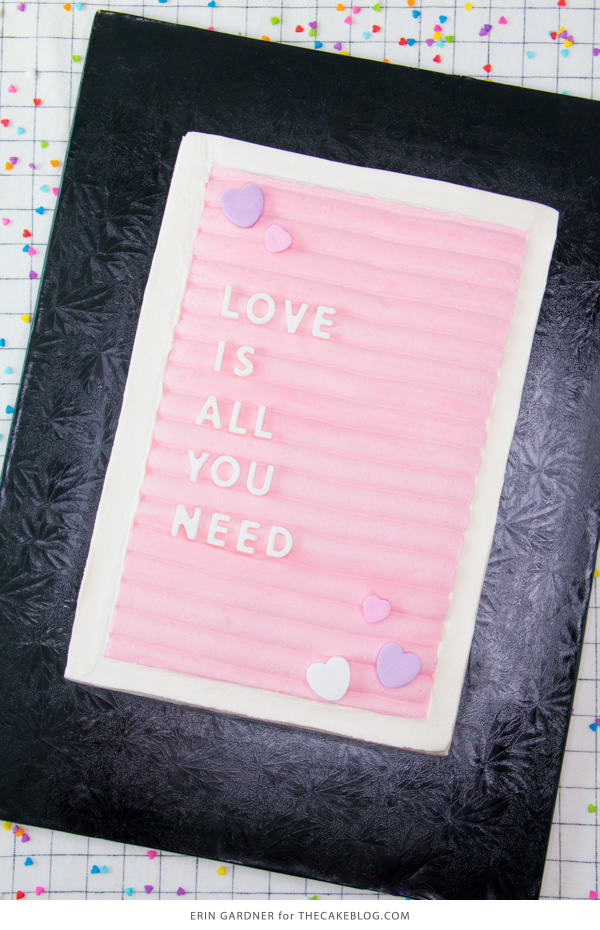
The culinary landscape of home baking has witnessed a significant shift toward customizable, interactive designs that bridge the gap between traditional pastry arts and contemporary home decor. One of the most prominent examples of this trend is the Message Board Sheet Cake, a design concept championed by pastry expert Erin Gardner. This technique reimagines the classic American sheet cake as a functional, edible analog to the felt letter boards that have dominated interior design aesthetics for the past decade. By utilizing specific texturing tools and molded chocolate components, bakers are now able to deliver personalized messages in a format that is both visually structured and highly adaptable to various social occasions, ranging from Valentine’s Day to corporate milestones.
The development of the Message Board Sheet Cake reflects a broader movement within the confectionery industry toward "accessible professionalization." This movement prioritizes techniques that yield high-visual impact results while remaining achievable for hobbyists with varying levels of specialized equipment. The design’s core appeal lies in its dual-path methodology: it offers a streamlined process for those with professional-grade scalloped cake combs and silicone molds, while simultaneously providing viable alternatives for those using basic kitchen staples. This democratization of design has contributed to the proliferation of the "message board" aesthetic across social media platforms, where the clarity of the typography and the nostalgia of the form factor resonate strongly with digital audiences.
Technical Methodology and Execution
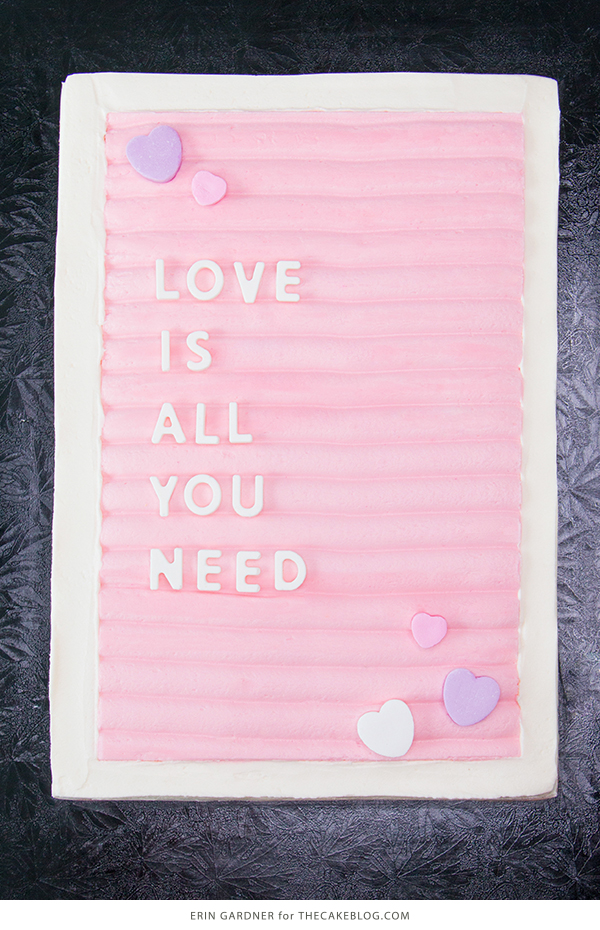
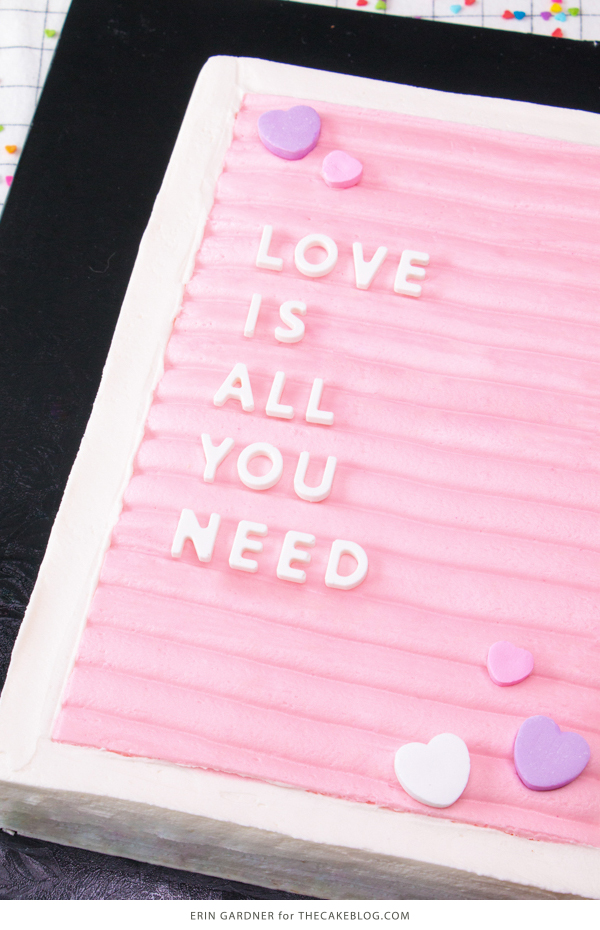
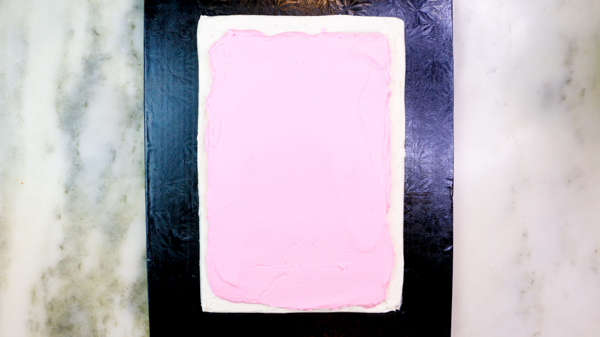
The construction of a Message Board Sheet Cake requires a disciplined approach to buttercream management and structural planning. The process begins with the application of a dense, level layer of buttercream—frequently tinted in pastel hues such as pink to evoke seasonal themes. Unlike traditional frosting techniques that prioritize smooth finishes, this design requires the intentional creation of "ridges" to mimic the grooves of a physical letter board.
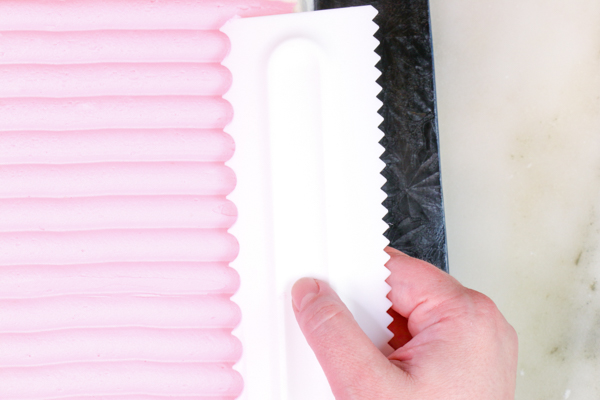
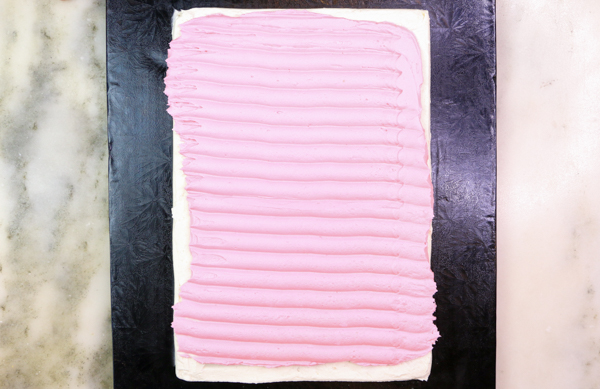
Professional bakers typically employ a scalloped cake comb to achieve this effect. The comb is dragged through the buttercream to create uniform, parallel lines. Precision is paramount during this stage; overlapping the comb by one or two ridges ensures a seamless transition across the length of the cake. For bakers lacking specialized combs, an alternative method involves piping individual lines using a large round tip. While this method is more accessible, industry analysis suggests it consumes approximately double the volume of buttercream, a factor that professional bakeries must account for in their cost-of-goods-sold (COGS) calculations.
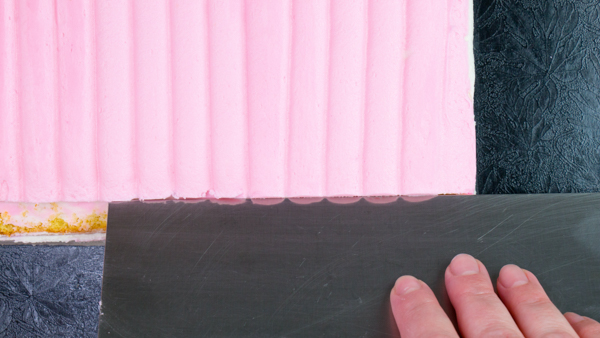
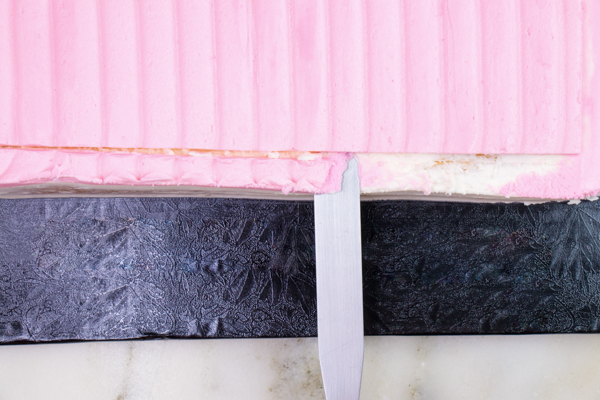
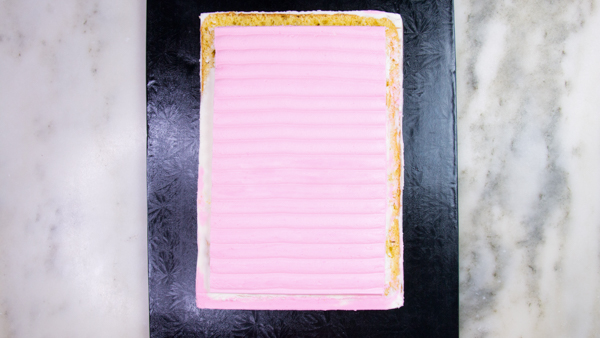
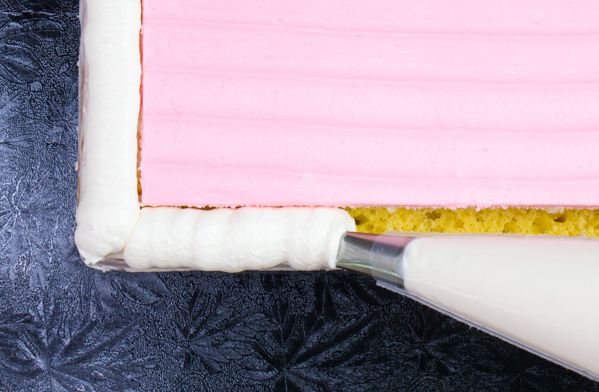
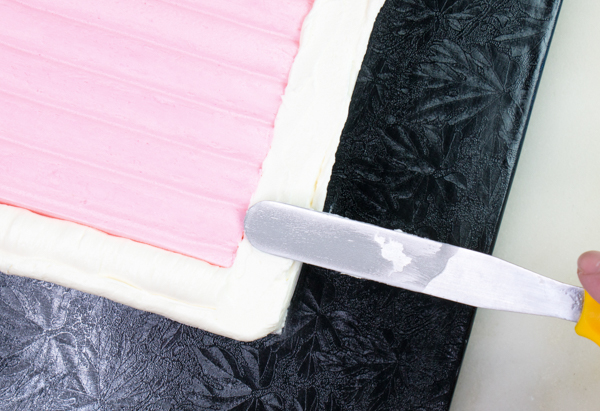
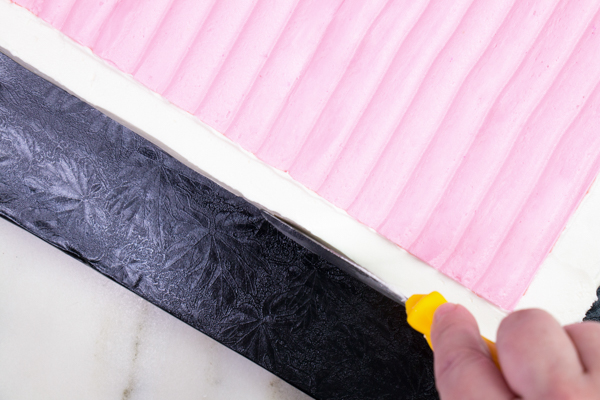
Following the texturing process, the cake must be chilled until the buttercream reaches a specific firm state. This stabilization is critical for the next phase: the "framing" of the board. Using a heated bench scraper, a one-inch border is excised from the edges of the cake, creating a recessed area. This void is then filled with a contrasting buttercream—often white—applied with a basketweave tip. This architectural approach creates a raised "frame," completing the illusion of a framed felt board.
The Science of Edible Typography
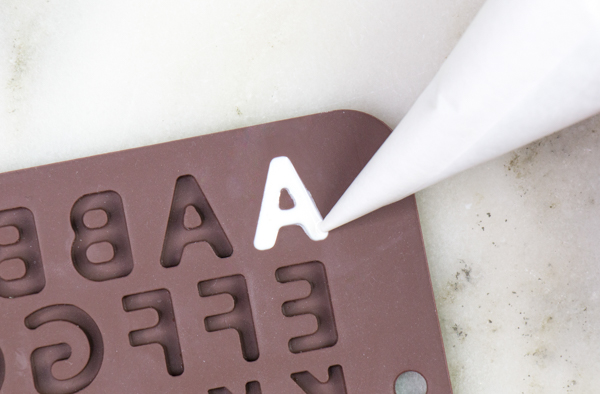
The "letters" of the message board are traditionally rendered in white chocolate or compound coating. This choice of medium provides the structural integrity necessary for the letters to stand out against the soft buttercream background. The technical process involves melting the chocolate to a precise temperature to ensure a smooth pour into letter molds. To mitigate the risk of aesthetic defects, bakers must "tap" or vibrate the molds against a hard surface to release trapped air bubbles—a common challenge in small-scale chocolate casting.
In scenarios where molds are unavailable, a manual tracing technique is employed. By placing parchment paper over a printed template, bakers can pipe melted chocolate directly onto the paper. This "freehand" approach, while requiring more manual dexterity, allows for complete font customization, enabling the cake to match specific branding or event themes. Once the chocolate has set—either at room temperature or through rapid cooling in a refrigerated environment—the letters are harvested and positioned.
Chronology of Production
The production timeline for a Message Board Sheet Cake is divided into four distinct phases, ensuring that temperature-sensitive components are handled optimally:
- Phase I: Preparation and Base Coating (Hour 0–1): The sheet cake is baked, cooled completely, and leveled. The primary buttercream layer is applied.
- Phase II: Texturing and Stabilization (Hour 1–2): The ridges are combed or piped into the surface. The cake is then placed in a blast chiller or standard refrigerator to firm the fats in the buttercream.
- Phase III: Framing and Casting (Hour 2–3): The border is cut and the basketweave frame is piped. Simultaneously, the chocolate letters are molded and set.
- Phase IV: Assembly and Finishing (Hour 3–3.5): The message is mapped out on parchment paper to ensure proper kerning and alignment. Letters are transferred to the cake, starting from the center and working outward to maintain symmetry.
Economic and Industry Context
The rise of designs like the Message Board Sheet Cake coincides with a period of robust growth in the global baking supplies market. According to recent market research data, the global cake decorating equipment market was valued at approximately $845 million in 2022 and is projected to reach over $1.2 billion by 2030, growing at a CAGR of 4.5%. This growth is driven by the increasing popularity of "DIY" culture and the influence of instructional content from experts like Erin Gardner.
Furthermore, the shift toward sheet cakes represents a pivot in consumer behavior. While tiered cakes were long considered the standard for formal events, the "elevated sheet cake" has seen a resurgence. This is attributed to the ease of transport, the higher surface-area-to-volume ratio which allows for more decorative space, and the simplicity of portioning in a post-pandemic social environment.
Expert Analysis and Social Implications
Industry observers note that the Message Board Sheet Cake is more than a culinary trend; it is a communication tool. "The design allows for a level of literalism that traditional floral decorations lack," says one industry analyst. "It turns the dessert into the centerpiece of the event’s narrative, whether it’s a gender reveal, a birthday, or a Valentine’s Day sentiment."
The psychological impact of the design also plays a role in its success. The "letter board" aesthetic is deeply rooted in mid-century nostalgia, yet its modern revival in home decor has made it a symbol of contemporary "Instagrammable" life. By translating this look into a medium that is meant to be consumed, bakers are playing with the concept of ephemeral communication—the idea that a message can be both seen and literally internalized.
Future Outlook and Adaptability
The versatility of the Message Board Sheet Cake suggests it will remain a staple in the decorator’s repertoire for the foreseeable future. The design is infinitely scalable; it can be adapted for mini-cakes or expanded for large-scale corporate sheet cakes. Moreover, the color palette can be shifted from the traditional pink and white to high-contrast black and white for a more modern, sophisticated look, or bright primary colors for children’s events.
As the home baking community continues to evolve, the emphasis on "tool-agnostic" tutorials will likely increase. The ability to achieve professional results with both high-end equipment and basic household items ensures that culinary creativity remains accessible to all demographics. The Message Board Sheet Cake stands as a testament to this evolution, proving that with a few technical insights and a structured approach, the humble sheet cake can be transformed into a sophisticated vehicle for personal expression.