

Theoretical Foundation and Culinary Inspiration
The genesis of the Hazelnut Nutcracker Cake lies in the intersection of childhood nostalgia and the "Land of Sweets" depicted in Pyotr Ilyich Tchaikovsky’s 1892 ballet. While the narrative of the ballet famously features the Sugar Plum Fairy, the seasonal availability of ingredients often dictates the evolution of holiday recipes. As fresh plums are typically out of season during the winter months in the Northern Hemisphere, Huff opted for a flavor profile rooted in the warming spices and roasted nuts traditional to European winter markets.

The choice of hazelnuts (genus Corylus) provides a robust, earthy foundation that contrasts with the delicate, airy nature of the buttercream. When combined with the deep, molasses-rich notes of brown sugar and the volatile aromatic compounds found in freshly grated nutmeg, the cake achieves a profile that is both complex and comforting. This selection of ingredients reflects a broader trend in the high-end pastry industry toward "nostalgic refinement," where traditional holiday flavors are elevated through professional-grade techniques.
Structural Composition and Ingredient Analysis
The architectural integrity of the Hazelnut Nutcracker Cake is dependent on several distinct components, each requiring precise execution to ensure both aesthetic appeal and palatability.
The Brown Sugar Nutmeg Sponge
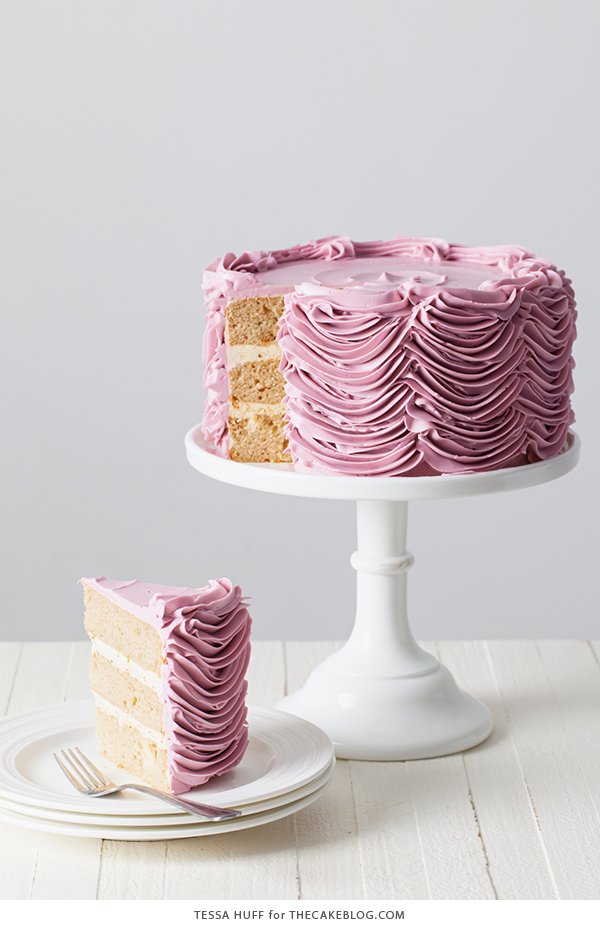
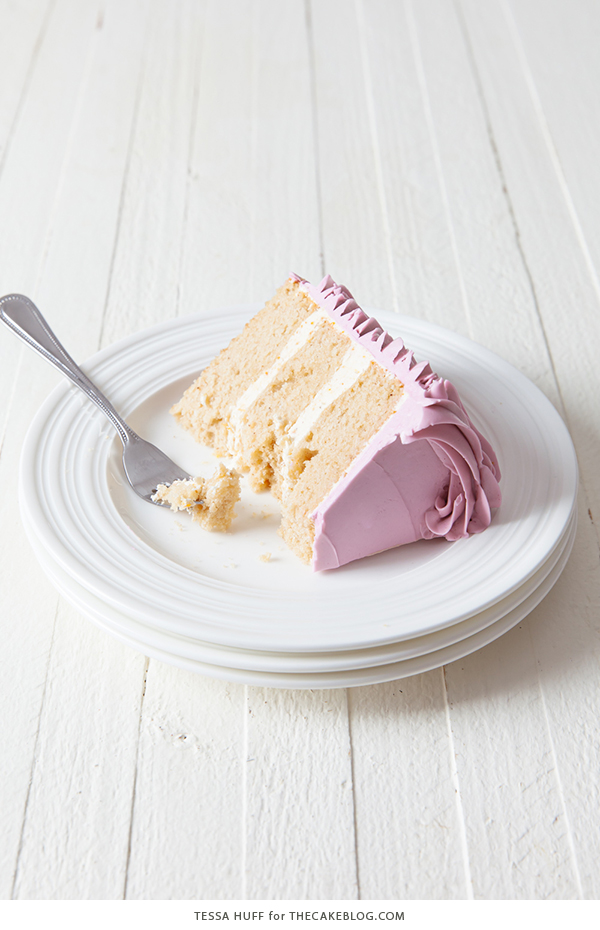
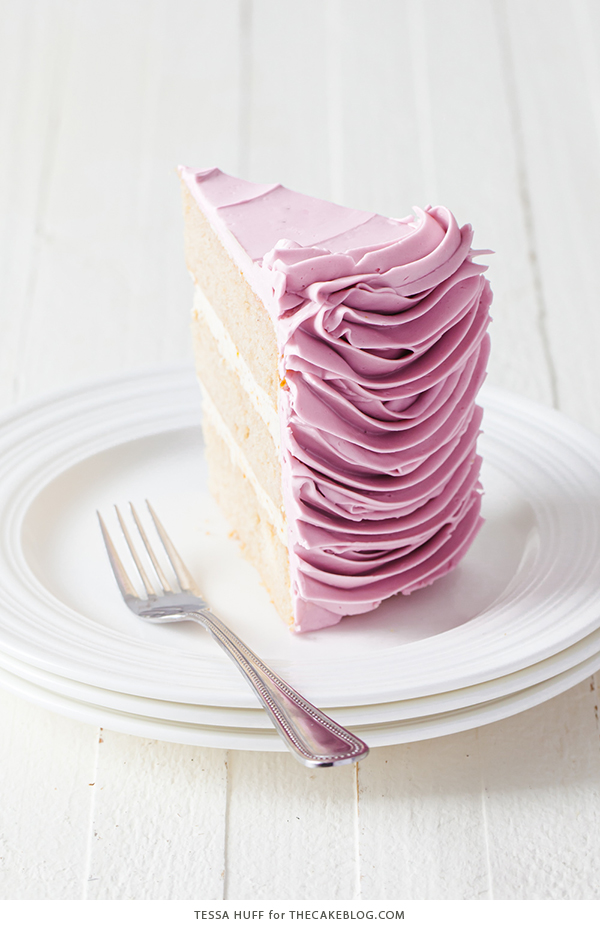
The base of the cake utilizes a specialized crumb structure designed to support the weight of multiple layers of buttercream and decorative piping. Unlike standard white sponges, the inclusion of brown sugar introduces a higher moisture content and a slight acidity, which reacts with leavening agents to produce a tender yet resilient texture. The addition of fresh nutmeg is critical; the spice contains myristicin and elemicin, which provide the characteristic "warmth" associated with winter baking.
The Hazelnut Praline Component
A defining feature of this recipe is the candied hazelnut brittle. This process involves the caramelization of sucrose around roasted hazelnuts, which are then cooled and pulverized into a fine praline powder. From a chemical perspective, this adds a layer of "burnt sugar" complexity and a textural variance that prevents the buttercream from becoming cloying. The praline serves as a flavor intensifier, ensuring that the hazelnut profile remains prominent even when incorporated into the rich fat solids of the butter.
Swiss Meringue Buttercream
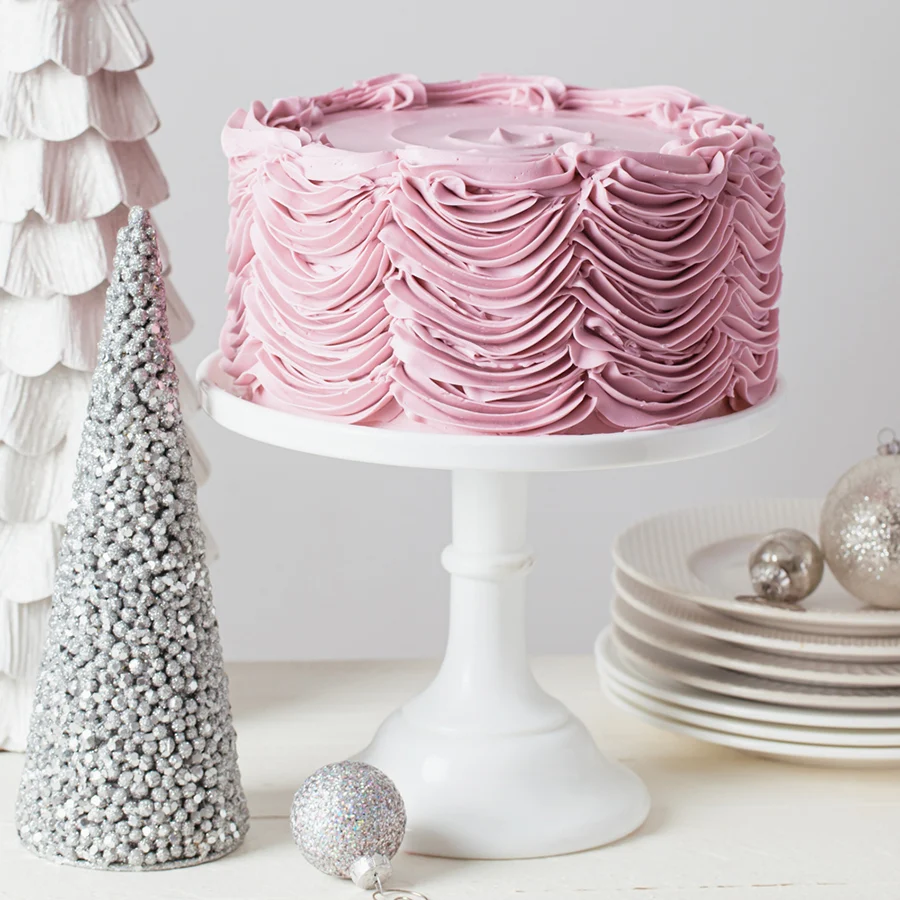
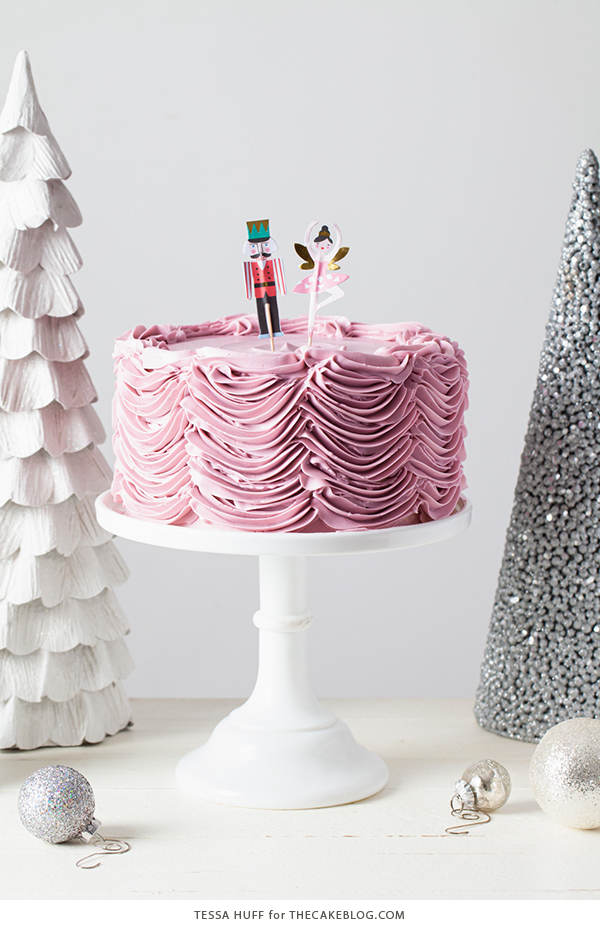
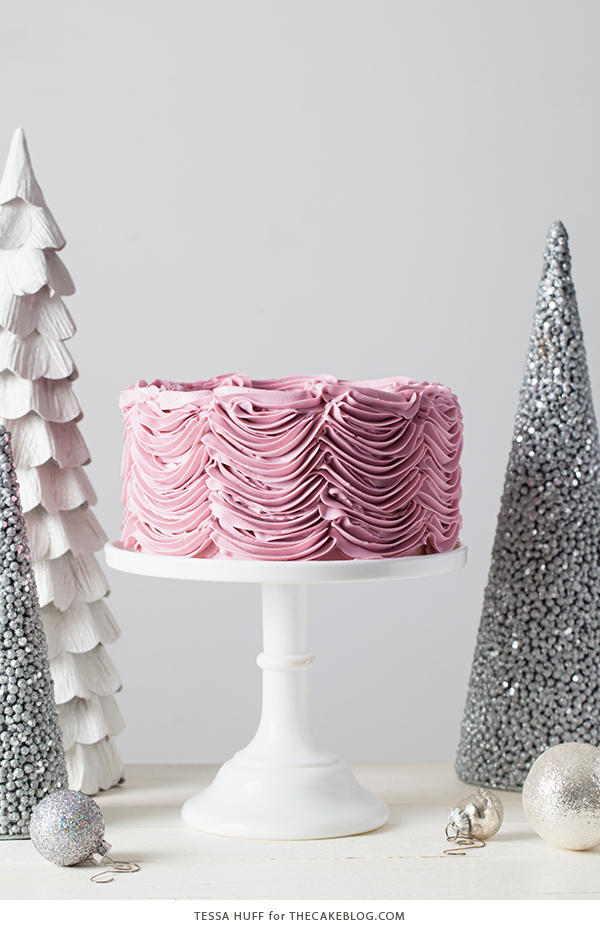
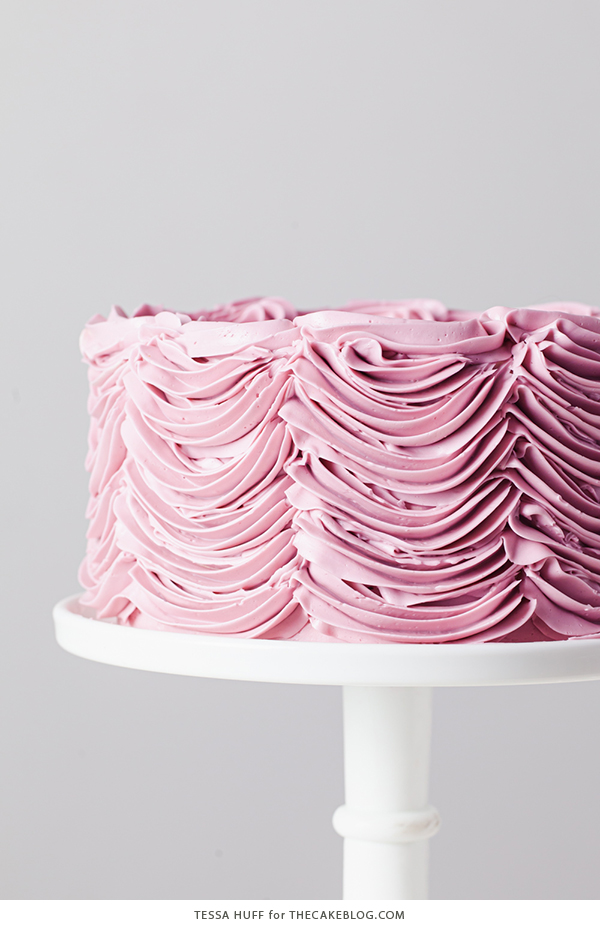
The cake utilizes a Swiss meringue buttercream (SMBC) as its primary frosting. SMBC is favored by professional pastry chefs for its stability and silky mouthfeel. It is created by heating egg whites and sugar over a bain-marie to approximately 160°F (71°C) to ensure pasteurization and the complete dissolution of sugar crystals, followed by vigorous whipping and the gradual incorporation of unsalted butter. The result is a medium that is exceptionally smooth, making it the ideal canvas for the cake’s signature "sugared plum" purple tint and the intricate swag piping.
Chronology of Development and Assembly
The creation of the Hazelnut Nutcracker Cake follows a logical progression that mirrors the production of a theatrical performance, beginning with the preparation of raw materials and culminating in the final visual presentation.
- Preparation of the Praline (The Foundation): The hazelnuts are roasted to enhance their natural oils before being coated in a hard-crack stage caramel. This component must be prepared in advance to allow for complete cooling before it is ground into the praline powder used to flavor the frosting.
- Baking the Sponge (The Core): The layers are baked and leveled. Cooling is a critical phase here; a cake that has not reached room temperature will cause the Swiss meringue buttercream to collapse upon contact.
- Frosting Synthesis: The buttercream is divided into two portions. The primary portion is flavored with the hazelnut praline powder, while a secondary portion is reserved for decorative work, tinted with a specific shade of purple intended to mimic the velvet and tulle of ballet costumes.
- The Assembly (The Staging): The cake is stacked with layers of praline buttercream. A thin "crumb coat" is applied to seal in moisture and provide a smooth surface for the final aesthetic layer.
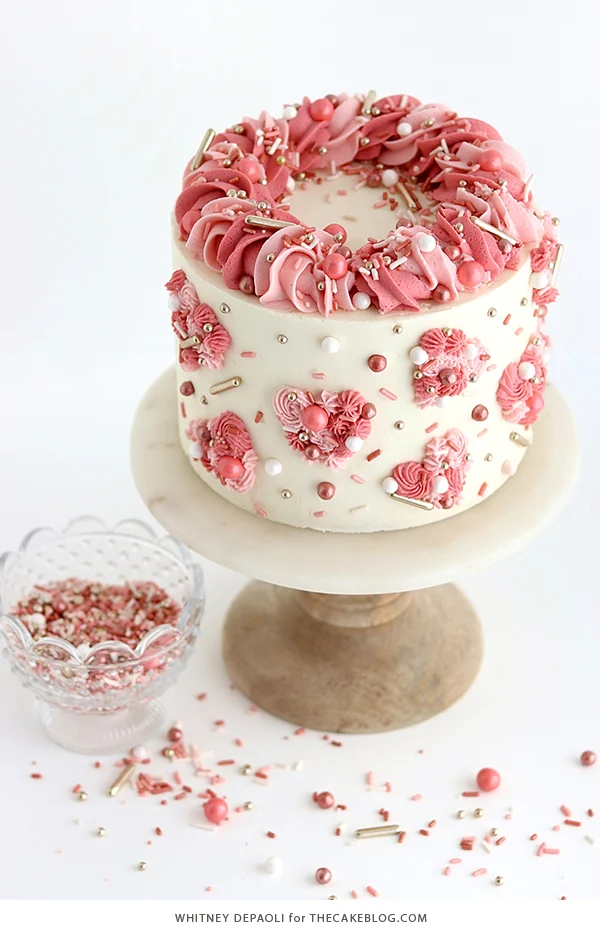
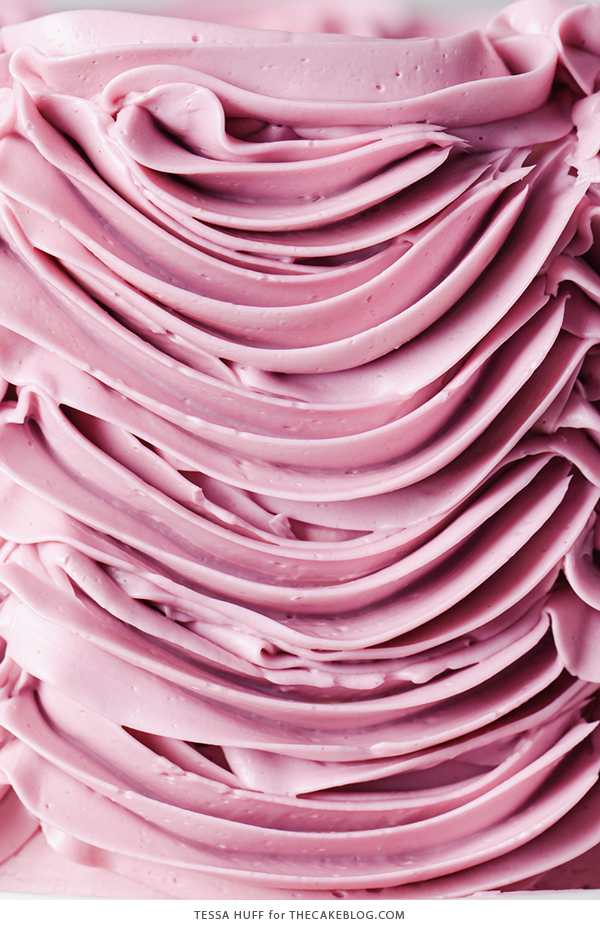
- Decorative Piping (The Performance): The final step involves the "swag" piping technique. Using a petal tip, the baker creates overlapping ruffles around the circumference of the cake. This technique requires consistent pressure and a steady rotation of the cake turntable to achieve the symmetry required for a professional finish.
Technical Analysis of Aesthetic Choices
The visual identity of the Hazelnut Nutcracker Cake is as significant as its flavor profile. The decision to use a "sugared plum purple" for the exterior ruffles is a deliberate nod to the Sugar Plum Fairy, bridging the gap between the nut-based flavor and the balletic theme.
The piping technique—specifically the "swag" or "ruffle" style—serves as a literal interpretation of a tutu. In the world of competitive and professional baking, the ability to execute clean, consistent ruffles is a mark of advanced skill. The repetition of the pattern creates a sense of movement, echoing the "Waltz of the Flowers" or the "Dance of the Reed Flutes." This alignment of culinary technique with artistic theme is a hallmark of Tessa Huff’s design philosophy, which often seeks to tell a story through the medium of sugar and flour.
Economic and Cultural Context of Holiday Baking
The release of high-concept recipes like the Hazelnut Nutcracker Cake occurs within a specific economic window. The fourth quarter of the year typically sees a 15% to 25% increase in the sales of baking staples, including flour, sugar, and high-fat butter. Specialty ingredients, such as hazelnuts, see a significant spike in demand. Turkey, which produces approximately 70% of the world’s hazelnuts, remains the primary supplier for the global market, and fluctuations in hazelnut prices can impact the accessibility of such recipes for home bakers.
Furthermore, the "Nutcracker" theme taps into a massive cultural economy. The ballet itself accounts for nearly 40% of the annual revenue for many major American ballet companies. By associating a cake with this specific cultural touchstone, content creators like those at The Cake Blog leverage existing consumer sentiment and seasonal traditions to drive engagement.
Industry Implications and Digital Influence
The Hazelnut Nutcracker Cake is representative of the evolving landscape of digital food media. In the past, such complex recipes were the exclusive domain of professional pastry kitchens or high-end cookbooks. Today, contributors like Tessa Huff democratize these skills by providing detailed instructions and visual guides to a global audience.
Professional reactions to the recipe have highlighted its balance of accessibility and sophistication. By using a standard Swiss meringue buttercream but elevating it with homemade praline, the recipe encourages home bakers to experiment with "from-scratch" components that significantly improve the final product’s quality.
The broader impact of such recipes is the elevation of the "home baker" status. As social media platforms continue to prioritize visual content, the demand for aesthetically "stunning" cakes has forced a surge in the availability of professional-grade tools and ingredients for the general public. The Hazelnut Nutcracker Cake serves as both a tutorial and a challenge for this growing community of enthusiasts.
Final Summary of the Culinary Work
The Hazelnut Nutcracker Cake stands as a testament to the power of thematic baking. It successfully synthesizes the technical requirements of high-level pastry work—such as caramelization, meringue stability, and precision piping—with the emotional resonance of holiday tradition.
Through its use of warm spices, roasted nuts, and a color palette inspired by the theater, the cake offers a multi-sensory experience that extends beyond mere consumption. It is an artifact of modern culinary culture that honors the past while utilizing contemporary techniques to inspire a new generation of bakers. As a contribution to The Cake Blog, it reinforces the platform’s role as a leader in the intersection of cake design and seasonal celebration, ensuring that the legacy of "The Nutcracker" continues to evolve in kitchens around the world.