


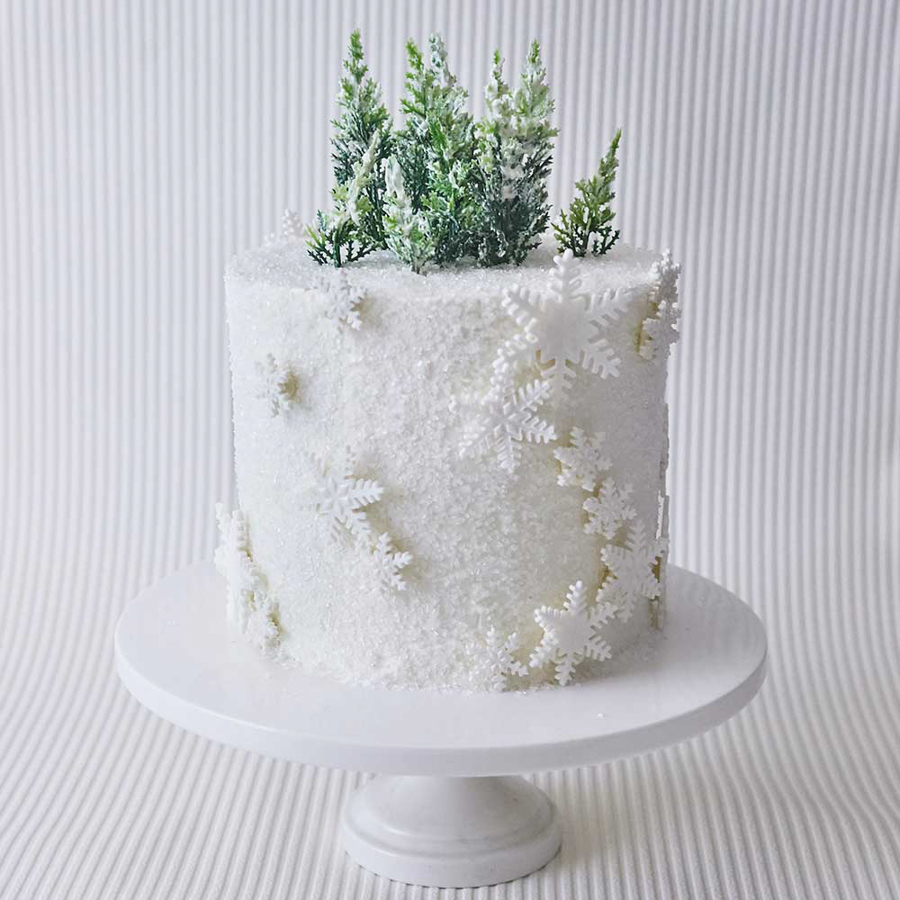
The culinary landscape of the holiday season has been redefined by the intersection of professional-grade aesthetics and home-based execution, a trend exemplified by the recent release of the Winter Wonderland Snowflake Cake tutorial. Developed by Mary and Brenda Maher, the founders of the renowned Chicago-based confectionery brand Cakegirls, the tutorial provides a comprehensive guide to constructing a high-impact seasonal centerpiece. Published in collaboration with The Cake Blog, the project emphasizes a "snow globe" aesthetic, utilizing specialized textures and minimalist color palettes to achieve a sophisticated visual profile. The design reflects a broader movement within the baking industry toward accessible luxury, where complex visual effects are achieved through the strategic application of fundamental tools and techniques.
Creative Genesis and Design Philosophy
The conceptual framework for the Winter Wonderland Snowflake Cake originated from the atmospheric conditions of Chicago during the winter months. According to the designers, the visual inspiration was drawn specifically from the observation of a "snowy walk," during which the urban landscape mirrored the encapsulated environment of a snow globe. This observation led to the selection of a monochromatic white-on-white palette, prioritizing texture over color to convey depth.
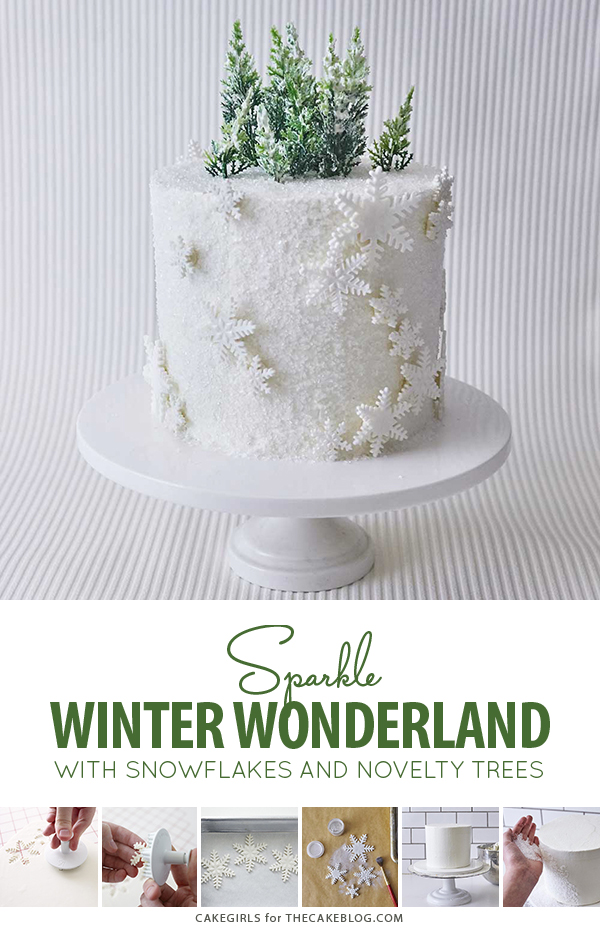
The design philosophy centers on the "Eureka" moment of combining three distinct elements: precision-cut fondant snowflakes, a high-refraction sugar coating, and miniature novelty trees. By focusing on these components, the Maher sisters aimed to create a cake that functions as a structural centerpiece for holiday buffets while remaining manageable for intermediate-level bakers. The reliance on a simple snowflake cutter—a staple in professional pastry kits—demonstrates an intentional move toward "stunningly simple but elegant" design, a hallmark of the Cakegirls’ approach to modern confectionery.
Technical Specifications and Ingredient Architecture
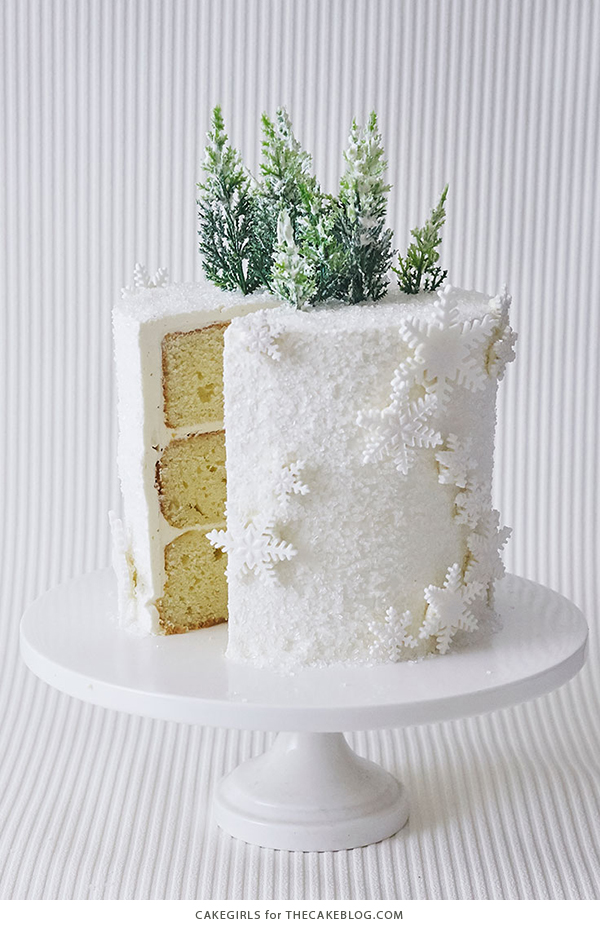
A successful execution of the Winter Wonderland Snowflake Cake requires a specific structural foundation. The tutorial specifies the use of three 6-inch round cake layers. This verticality is essential for the "forest" aesthetic on the top surface, providing enough height to balance the decorative trees and the cascading snowflakes on the lateral sides.
Flavor Profiles and Internal Composition
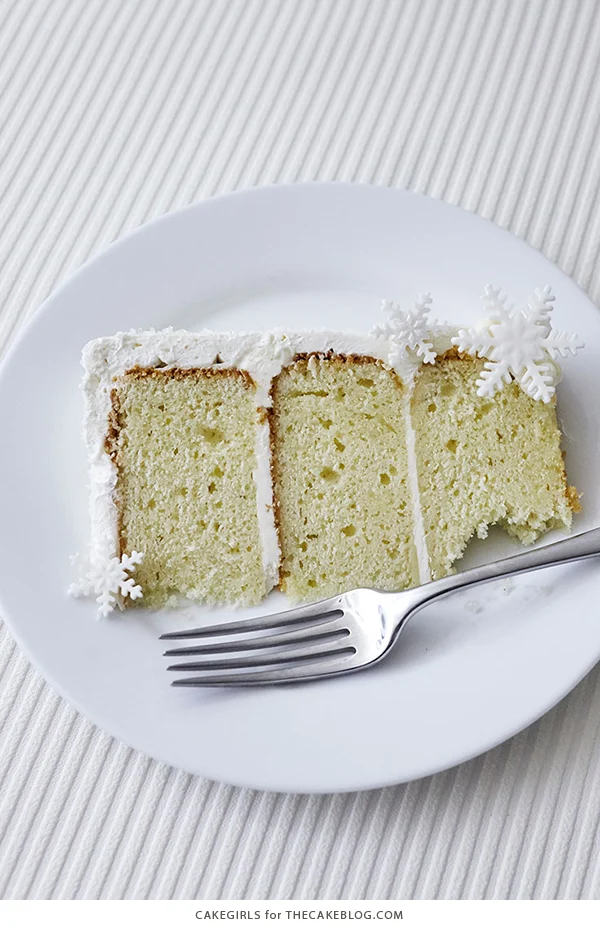
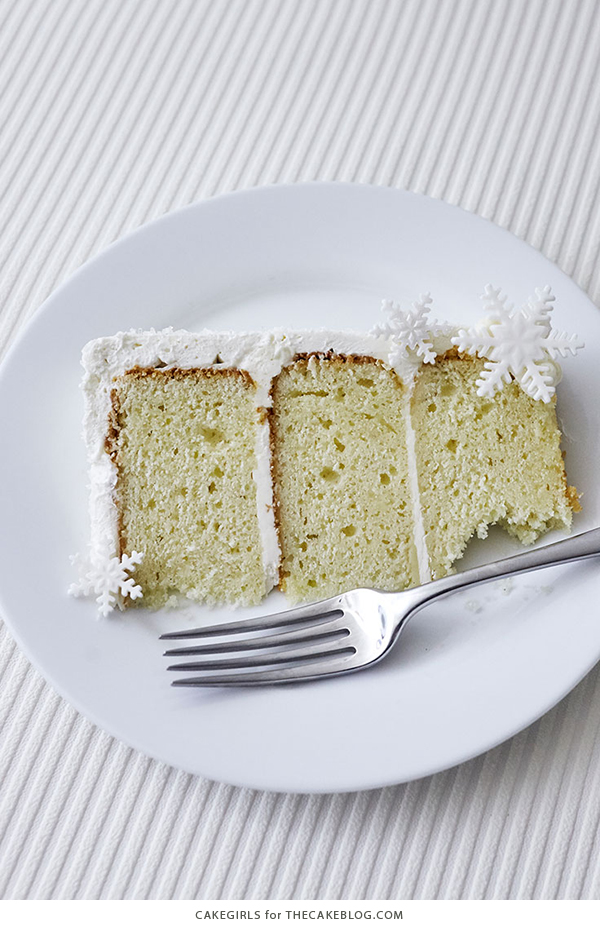
While the visual exterior is the primary focus, the internal composition is designed to complement the winter theme. The base recommendation is a classic vanilla cake paired with Swiss meringue buttercream. Swiss meringue buttercream is frequently cited by pastry chefs for its superior stability and silky texture, which allows for the smooth finish required before the application of sugar crystals.
However, the tutorial suggests two significant variations to cater to different holiday palates:
- Eggnog Infusion: Incorporating the spiced, creamy notes of eggnog into the sponge or frosting to align with traditional holiday flavor profiles.
- Champagne Mimosa: A more celebratory, sophisticated option that utilizes the effervescence of sparkling wine, suitable for New Year’s Eve events.
Material Requirements
The decorative elements necessitate specific supplies that bridge the gap between hobbyist baking and professional artistry. Key materials include:
- White Fondant: Used for the structural snowflakes.
- Super Pearl Luster Dust: A mica-based pigment used to create a pearlescent finish.
- White Crystal Sugar: A large-grain sanding sugar that mimics the crystalline structure of fresh snow.
- Novelty Trees: Miniature, non-edible decorative elements that are modified with buttercream to simulate frost.
Chronological Production Timeline
The construction of the Winter Wonderland Snowflake Cake is strategically divided into a two-day process. This timeline is designed to ensure the structural integrity of the fondant elements and the stability of the buttercream foundation.
Phase I: Ornamental Preparation (T-minus 24 Hours)
The initial stage focuses on the creation of the snowflake accents. Fondant must be rolled to a precise thickness—no more than 1/8 to 1/4 inch—on a surface lightly dusted with powdered sugar to prevent adhesion. Using plunger-style cutters, a variety of sizes are produced to create visual interest through scale.
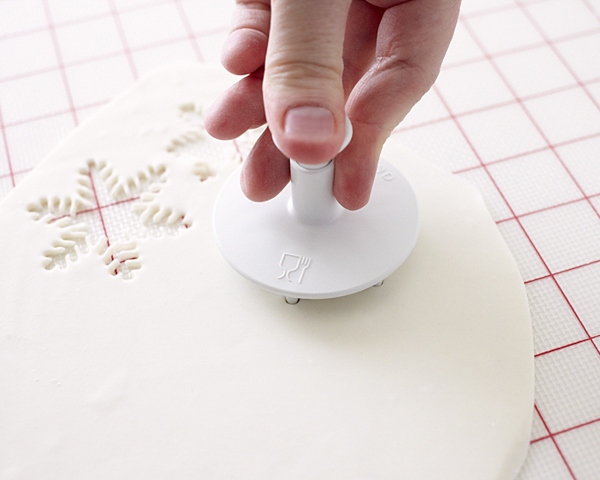
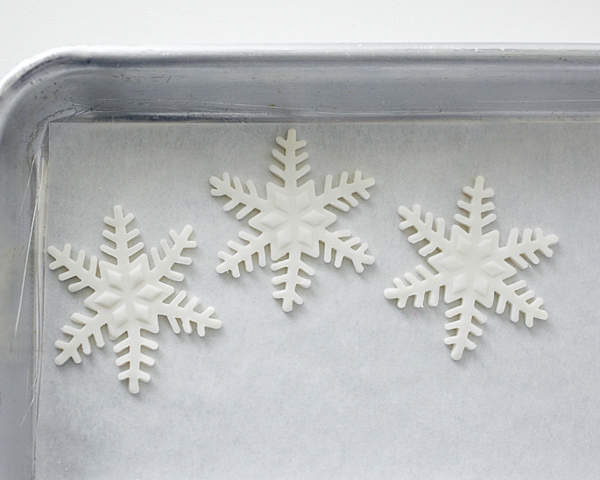
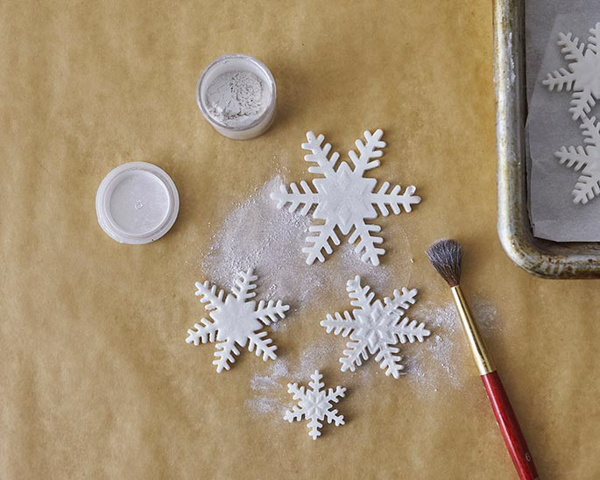
These elements require a minimum of 24 hours to dry on parchment-lined trays. During this period, the moisture evaporates from the fondant, allowing the snowflakes to become rigid enough to be handled and mounted vertically. Once dried, the snowflakes are treated with Super Pearl luster dust. The tutorial notes that for purely decorative snowflakes, the dust can be applied dry; however, if the intention is for the elements to be fully edible, bakers are advised to ensure their luster dust brand is FDA-approved for consumption.
Phase II: Assembly and Textural Application (The Day of Event)
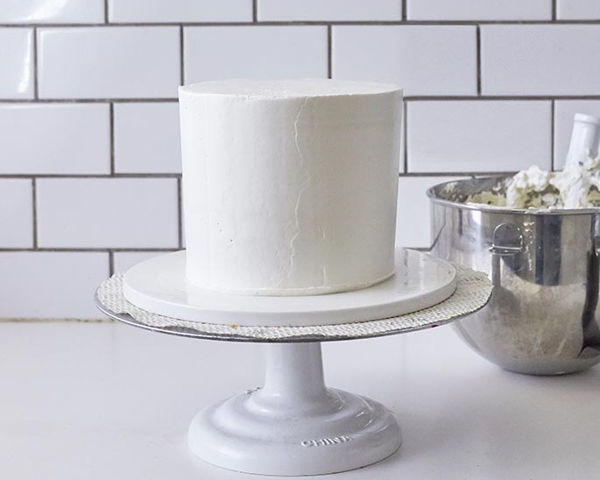
The second phase begins with the "crumb coating" and final icing of the three-layer cake. Achieving a smooth finish is paramount, followed by a mandatory one-hour refrigeration period. This cooling stage firms the buttercream, which is a critical prerequisite for the sugar application process.

The application of the "sparkle" effect involves a manual technique where white sugar crystals are pressed into the sides of the cake. This is a delicate procedure:
- The baker holds a handful of sugar and gently runs their palm upward along the chilled buttercream.
- A tray is placed beneath the cake to reclaim falling crystals, a measure that ensures resource efficiency, particularly for larger cakes that may require up to two jars of sugar.
- The top of the cake is sprinkled using a spoon, with the instruction to leave "empty patches" to be filled later by fondant snowflakes, creating a more natural, organic appearance.
Phase III: Final Landscape Design
The concluding steps involve the "forest" construction. Novelty trees are manually straightened and trimmed to varying heights to simulate a natural treeline. A light application of buttercream is smeared onto the branches to represent accumulated snow. Finally, the pre-prepared snowflakes are attached to the sides and top using small "dots" of buttercream as an adhesive, completing the Winter Wonderland aesthetic.
Industry Context and Market Implications
The release of the Winter Wonderland Snowflake Cake tutorial occurs within a broader context of the "DIY Professional" movement in the culinary arts. Market data from the past decade indicates a significant rise in the sale of specialty baking tools to home consumers. Snowflake punch cutters and luster dusts, once exclusive to professional bakeries, are now widely available through mass-market retailers.
The Role of Digital Influencers
The collaboration between Cakegirls and The Cake Blog highlights the influential role of digital content creators in shaping holiday consumption patterns. By providing free, high-quality instructional content, Mary and Brenda Maher effectively drive the demand for the specific materials used in their designs. This symbiotic relationship between content creation and retail supply chains is a cornerstone of the modern "maker" economy.
Aesthetic Trends: The Snow Globe Effect
The "Snow Globe" aesthetic identified by the Maher sisters has seen a resurgence in winter 2019 and beyond. This trend prioritizes "clean" designs—white, silver, and translucent elements—over the traditional red and green holiday palettes. Professional analysts suggest that this shift reflects a desire for more "evergreen" winter decor that remains relevant from late November through February.
Broader Impact on Holiday Baking Standards
The Winter Wonderland Snowflake Cake serves as a benchmark for what is achievable in a home kitchen. It challenges the notion that professional-looking cakes require decades of training, suggesting instead that success is a product of high-quality tools and disciplined timing.
The tutorial also addresses the logistical challenges of holiday hosting. By breaking the process into two days, it acknowledges the time constraints of the average home baker. Furthermore, the flexibility in flavor (Vanilla, Eggnog, or Champagne) allows the recipe to be adapted for various demographics, from family-oriented Christmas dinners to adult-centric New Year’s Eve parties.
In summary, the Winter Wonderland Snowflake Cake is more than a seasonal recipe; it is a technical manual for modern holiday elegance. Through the strategic use of texture, light-reflective materials, and a clear chronological workflow, the Maher sisters have provided a blueprint for a centerpiece that captures the atmospheric essence of winter while remaining accessible to the dedicated enthusiast. As the trend toward high-concept home baking continues to grow, tutorials of this caliber remain essential resources for elevating the standards of domestic culinary production.