
The landscape of the global personalized goods market, currently valued at approximately $30 billion, has undergone a significant transformation with the introduction of consumer-accessible sublimation technology. Leading this shift is Cricut Infusible Ink, a proprietary system that allows independent creators and hobbyists to produce permanent, high-fidelity designs that were previously exclusive to industrial manufacturing facilities. Unlike traditional heat transfer vinyl (HTV), which adheres to the surface of a substrate, Infusible Ink utilizes a chemical sublimation process to integrate pigment directly into the molecular structure of the material. This technological advancement ensures that designs remain resistant to flaking, peeling, or cracking, even after repeated laundering or environmental exposure.
The Science of Sublimation in Home Crafting
The efficacy of Cricut Infusible Ink is rooted in the principles of sublimation, a phase transition where a substance moves from a solid state directly into a gas without passing through a liquid phase. In the context of Infusible Ink, the solid dye on a transfer sheet or marker is activated by high temperatures—typically between 385°F and 400°F (195°C to 205°C). When this gas permeates a compatible polymer-based material, such as polyester or a poly-coated ceramic, the pores of the material open to receive the gas. As the heat source is removed and the material cools, the gas reverts to a solid, becoming a permanent part of the substrate’s fibers or coating.
This process offers a distinct advantage over mechanical bonds. In standard iron-on applications, an adhesive layer sits atop the fabric, creating a "hand" or a felt texture that is susceptible to mechanical stress and thermal degradation. Infusible Ink results in a "zero-hand" finish, meaning the decorated area feels identical to the rest of the item, maintaining the breathability of fabrics and the smooth finish of hard goods.
Chronology of Development and Market Context
The release of the Infusible Ink system in 2019 marked a pivotal moment for Cricut Inc., a company that had largely built its reputation on precision cutting machines like the Explore and Maker series. Prior to this, home-based sublimation required expensive dedicated printers, specialized inks, and complex color management software. By pre-printing sublimation ink onto "transfer sheets" and developing specialized markers, Cricut effectively democratized the technology for the "prosumer" market.
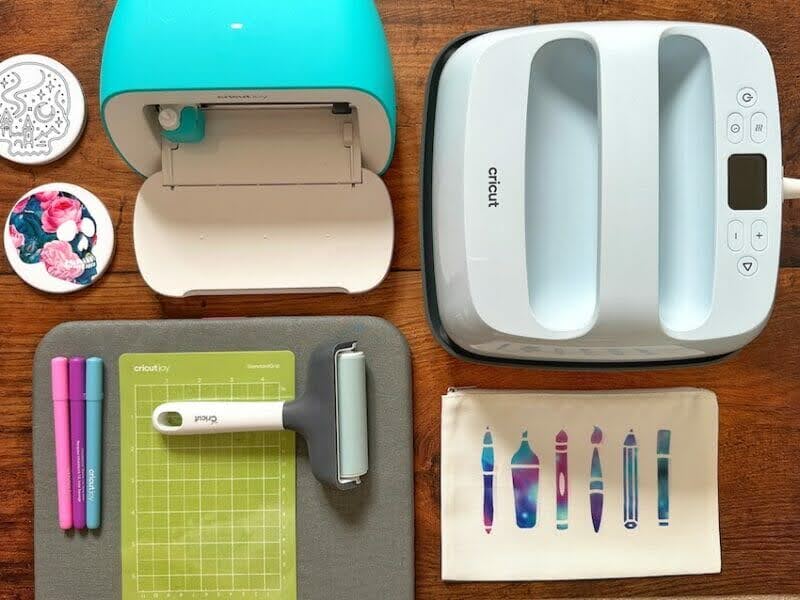
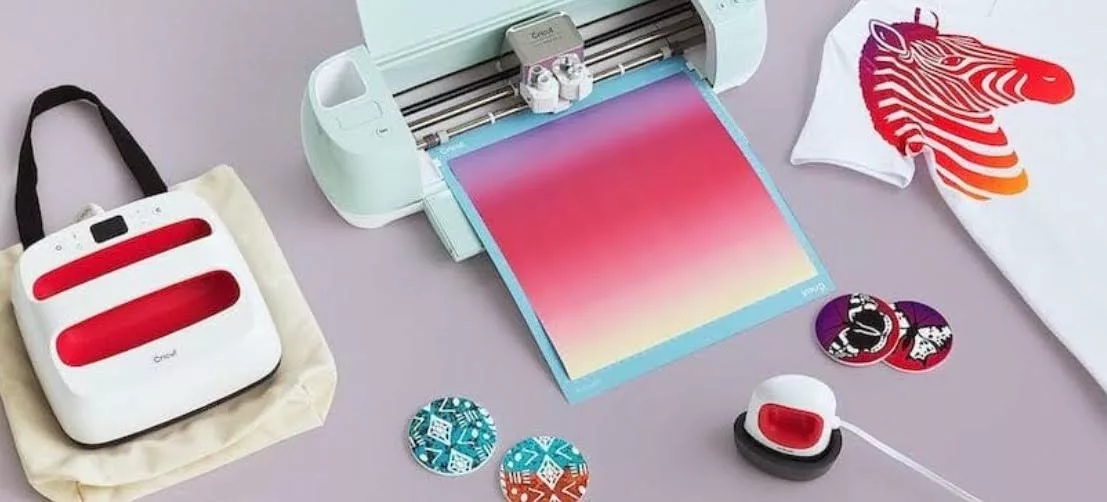
This move coincided with the rapid growth of the "maker economy," fueled by platforms such as Etsy and Shopify. Industry analysts note that the ability to create factory-quality merchandise from a home studio has lowered the barrier to entry for small-scale entrepreneurs. The Infusible Ink ecosystem was designed to work seamlessly with the Cricut EasyPress, a heat press device that provides the consistent, edge-to-edge heat necessary for successful sublimation, which traditional household irons cannot achieve due to uneven heat distribution and steam vents.
Technical Requirements and Material Compatibility
Success with Infusible Ink is contingent upon the use of specific "blanks" or base materials. Because the sublimation process requires a chemical bond with polymers, the ink will not adhere to 100% natural fibers like cotton or untreated wood. For fabric applications, a minimum of 65% polyester content is generally required, though 100% polyester yields the most vibrant results.
Cricut provides a range of certified blanks, including:
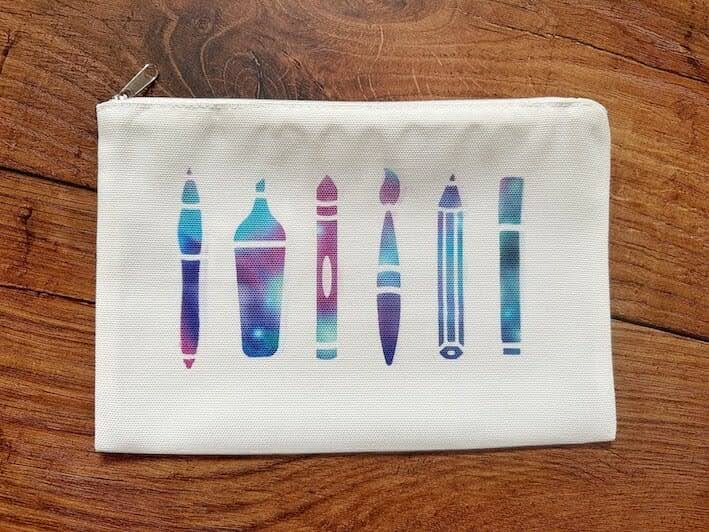
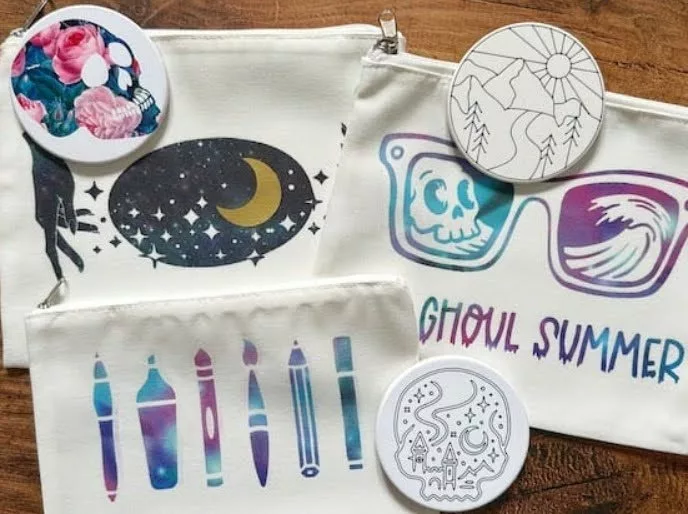
- Soft Goods: T-shirts, tote bags, pillow covers, and cosmetic bags featuring high-polyester counts.
- Hard Goods: Ceramic mugs, coasters, and aluminum sheets treated with a special polymer coating.
While third-party sublimation blanks are available on the market, industry experts often recommend Cricut-branded materials for beginners to ensure color accuracy and heat settings alignment. Using non-compatible materials often results in "ghosting" (blurred edges), faded colors, or complete transfer failure.
Standard Operating Procedure: Soft Goods Personalization
The process for applying Infusible Ink to soft goods, such as a polyester cosmetic bag, follows a rigorous technical workflow to ensure professional results.
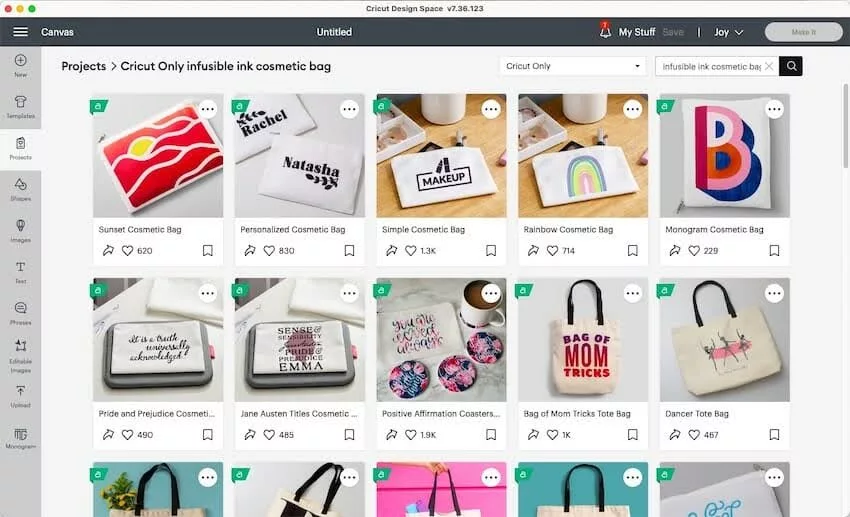
Phase 1: Digital Asset Preparation
Designers utilize the Cricut Design Space software to select or create a vector image. A critical step in this phase is the "Mirror" command. Because the ink is transferred face-down, the design must be horizontally flipped in the software to appear correctly on the final product.
Phase 2: Mechanical Cutting and Weeding
The Infusible Ink Transfer Sheet is loaded onto a standard grip cutting mat with the ink side facing upward. The cutting machine (such as the Cricut Joy, Explore, or Maker) executes the design. Unlike HTV, which is pliable, Infusible Ink sheets are paper-like. "Weeding"—the process of removing excess material—is performed by gently "cracking" the paper to reveal the cut lines and then removing the unwanted sections with tweezers or fingers.
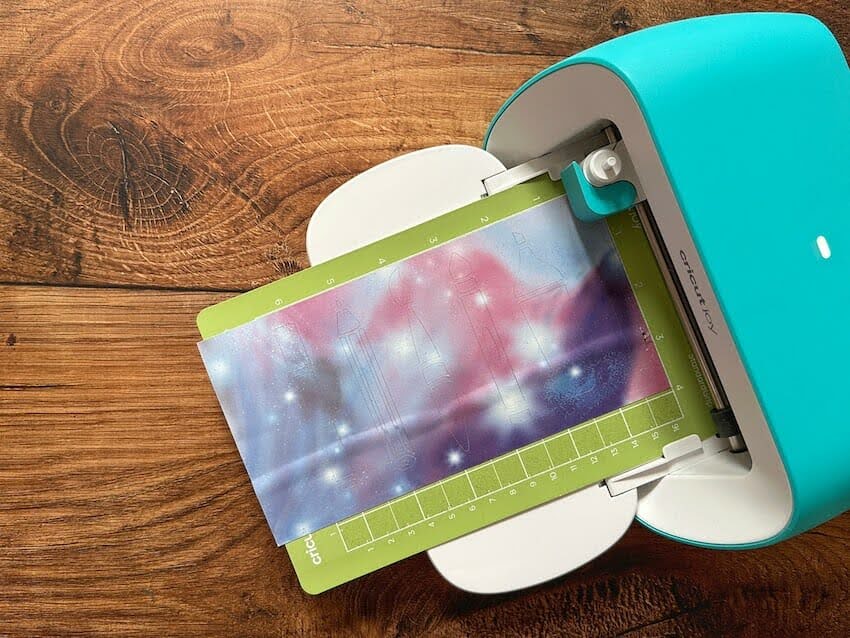
Phase 3: Thermal Application
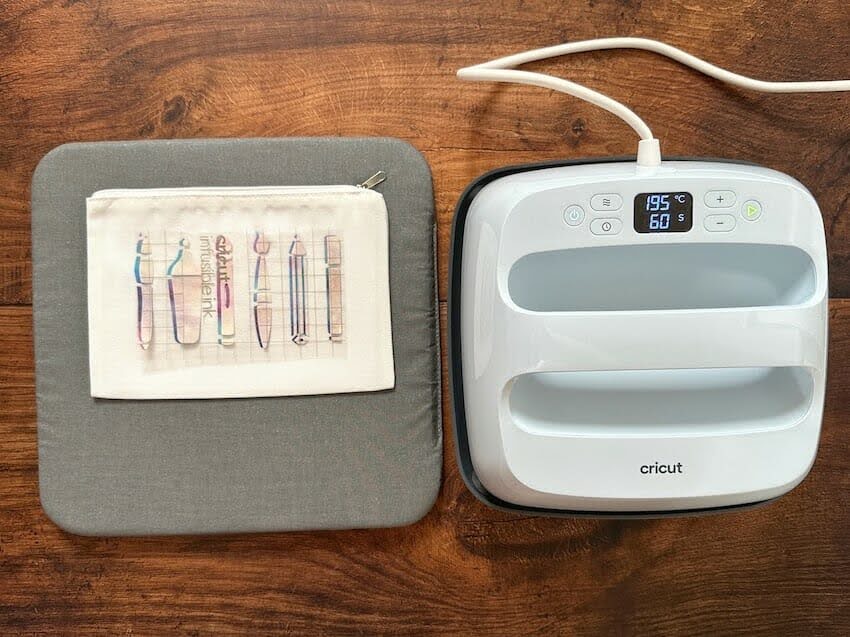
The substrate is prepped using a lint roller to remove microscopic fibers that could cause blue specks during the heating process. A piece of cardstock is placed inside the bag to prevent the ink from bleeding through to the other side. The design is placed face-down, covered with butcher paper (usually included with the sheets), and pressed with an EasyPress at 385°F for 60 seconds. The "cold peel" method is typically recommended, allowing the material to cool completely before removing the carrier sheet to prevent blurred lines.
Standard Operating Procedure: Hard Goods and Drawing Technology
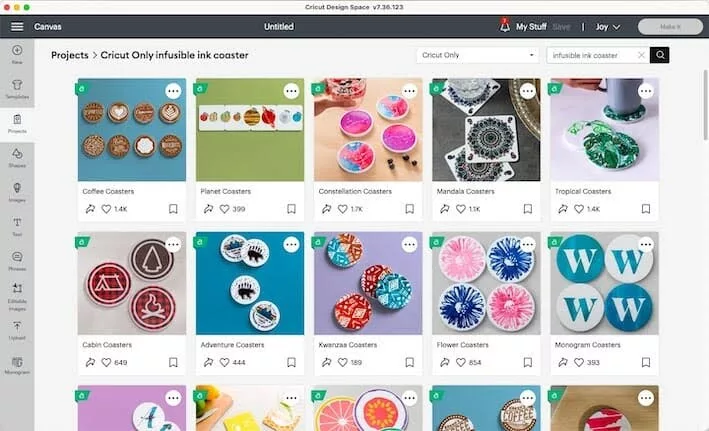
For items like ceramic coasters, the use of Infusible Ink Pens and Markers allows for a different creative approach, mimicking hand-drawn or plotted artwork.
Phase 1: Machine-Guided Drawing
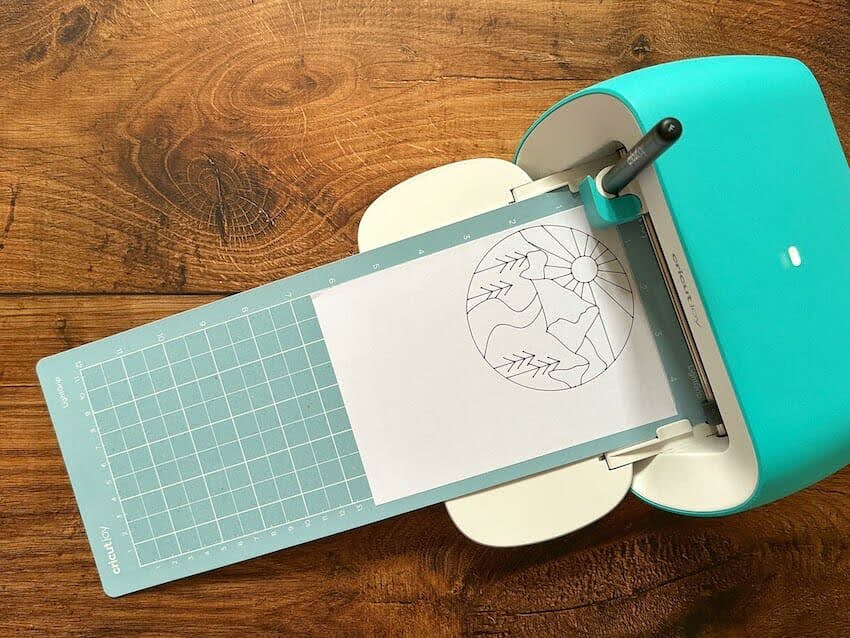
The Cricut machine can be equipped with Infusible Ink Pens to draw intricate designs onto standard laser copy paper. This allows for multi-color designs that would be difficult to layer with transfer sheets. Users must ensure the design is mirrored before the machine begins the drawing process.
Phase 2: Manual Coloring and Preparation
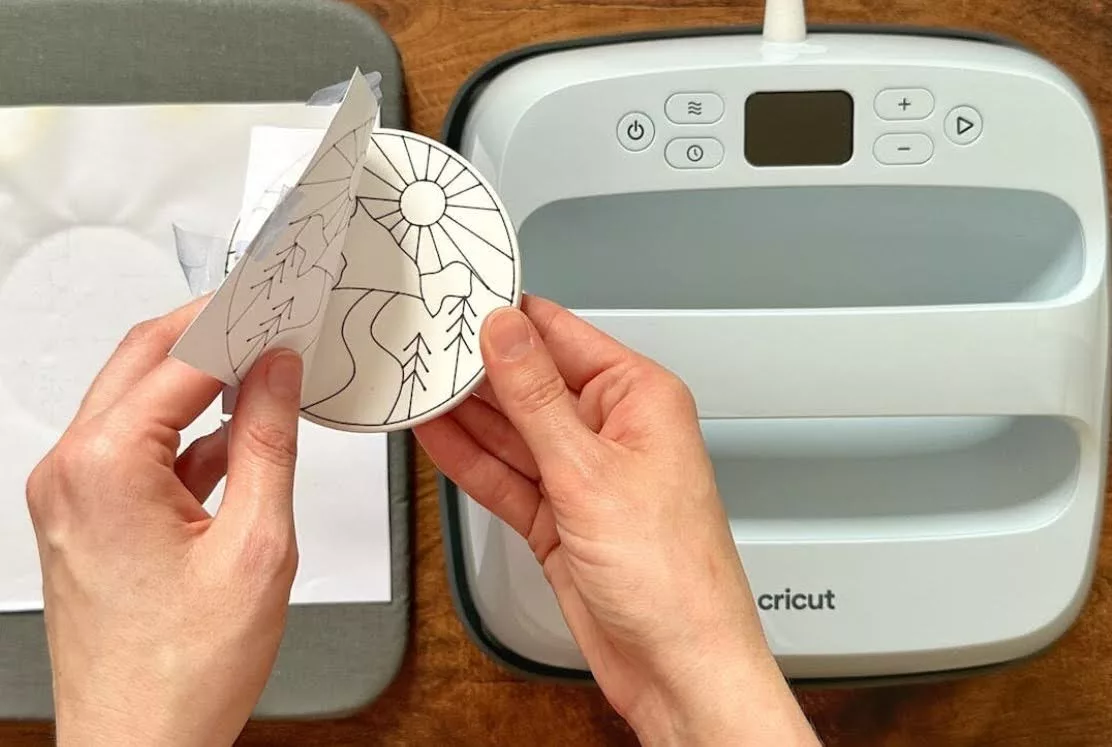
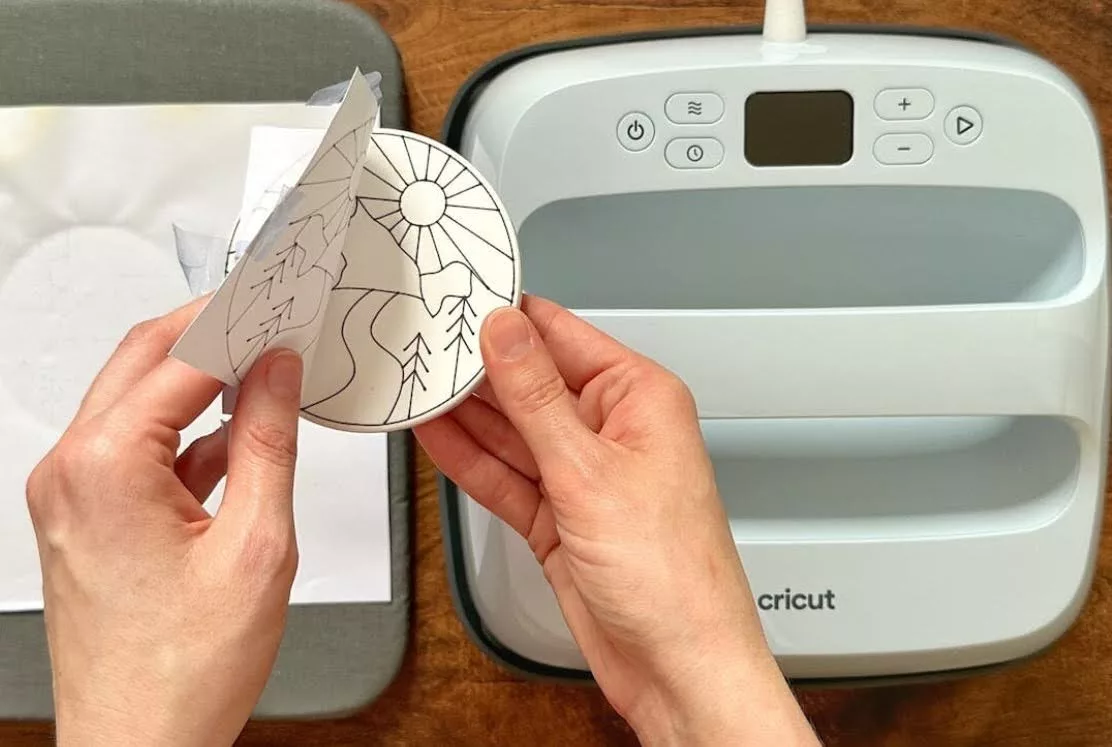
Once the machine has outlined the design, the user can manually fill in colors using markers. The ceramic coaster is then cleaned with a lint-free cloth and isopropyl alcohol to remove oils or fingerprints that might interfere with the ink bond.
Phase 3: Heat Transfer for Ceramics
The thermal requirements for ceramics differ from fabrics. The coaster is placed face-down on the drawn design, secured with heat-resistant tape, and pressed at 400°F. Due to the high thermal mass of ceramic, the pressing time is often longer (up to 240 seconds), and the cooling period is significantly extended. Safety protocols are paramount here, as the ceramic remains at high temperatures for several minutes post-transfer.
Economic and Environmental Implications
The durability of Infusible Ink has implications for sustainable consumption. In the "fast fashion" and DIY sectors, iron-on designs often fail after a few wash cycles, leading to the disposal of the garment. Infusible Ink’s permanent nature extends the lifecycle of the personalized item, as the design is as durable as the fabric itself.
From an economic perspective, the system has enabled a surge in "micro-manufacturing." Home-based businesses can now produce "swag" and promotional items in small batches without the high setup costs of screen printing or industrial sublimation. This has decentralized the production of customized goods, allowing for more localized and niche-market commerce.
Critical Safety and Maintenance Protocols
To maintain the integrity of the technology and the safety of the user, several protocols must be observed:
- Ventilation: The sublimation process releases a small amount of gaseous byproduct. It is recommended to work in a well-ventilated area.
- Moisture Control: Any moisture on the substrate or the hands can cause "bleeding" or uneven color.
- Thermal Protection: Use of a heat-resistant mat is required to protect work surfaces from the extreme temperatures of the press.
- Post-Process Care: For soft goods, washing in cold water and avoiding high-heat drying is recommended to preserve the vibrancy of the polyester fibers. For hard goods, avoiding abrasive cleaners is essential to protect the polymer coating.
Industry Outlook
As personalization technology continues to evolve, the distinction between professional manufacturing and home crafting continues to blur. Cricut’s Infusible Ink remains a benchmark in this sector, representing a shift toward high-performance materials in the hobbyist market. Future developments are expected to focus on expanding the range of compatible natural fibers and increasing the ecological profile of the inks used.
The broader impact of this technology is the empowerment of the individual creator. By providing the tools to create permanent, factory-quality goods, the Infusible Ink system does more than facilitate a hobby; it provides a platform for artistic expression and commercial enterprise that is built to last. Through the precise application of heat, chemistry, and digital design, the "maker" of today is equipped with the capabilities of the factory of yesterday.