
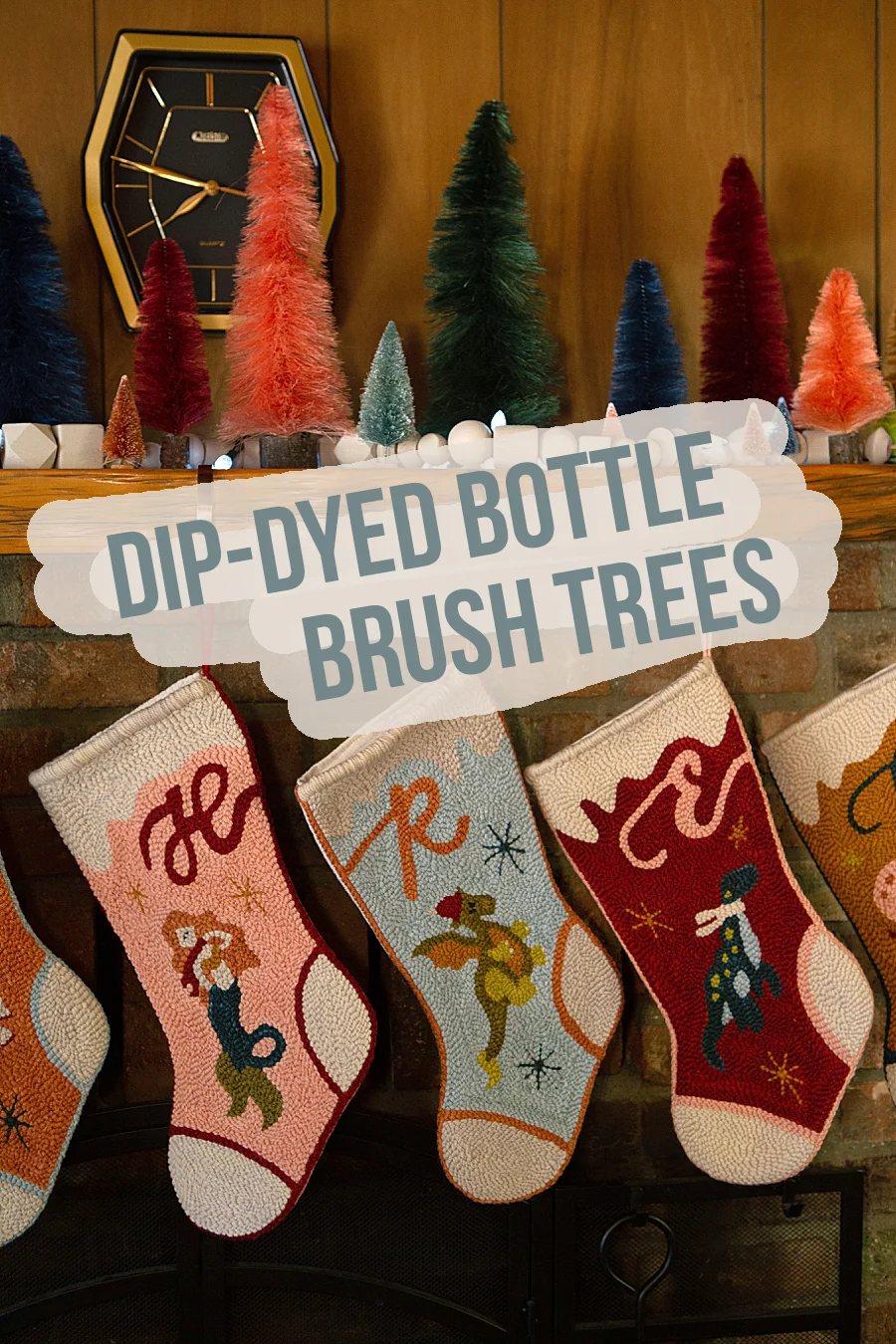
The landscape of holiday interior design is currently experiencing a significant pivot toward domestic craftsmanship and personalized "heirloom" quality decorations, as evidenced by the recent project completed by DIY specialist Jen Causey-Kidder of Something Turquoise. This initiative, which involved the meticulous dip-dyeing of handmade bottle brush trees to match custom punch needle stockings, highlights a growing consumer preference for American-made goods over mass-produced imports. By sourcing natural-fiber trees from domestic artisans and utilizing specific chemical dye formulas, creators are now able to achieve a level of aesthetic cohesion previously unavailable through traditional retail channels. This movement represents a convergence of the "slow-made" movement and the technical precision of modern color theory, providing a roadmap for consumers seeking to bypass the limitations of the global supply chain.
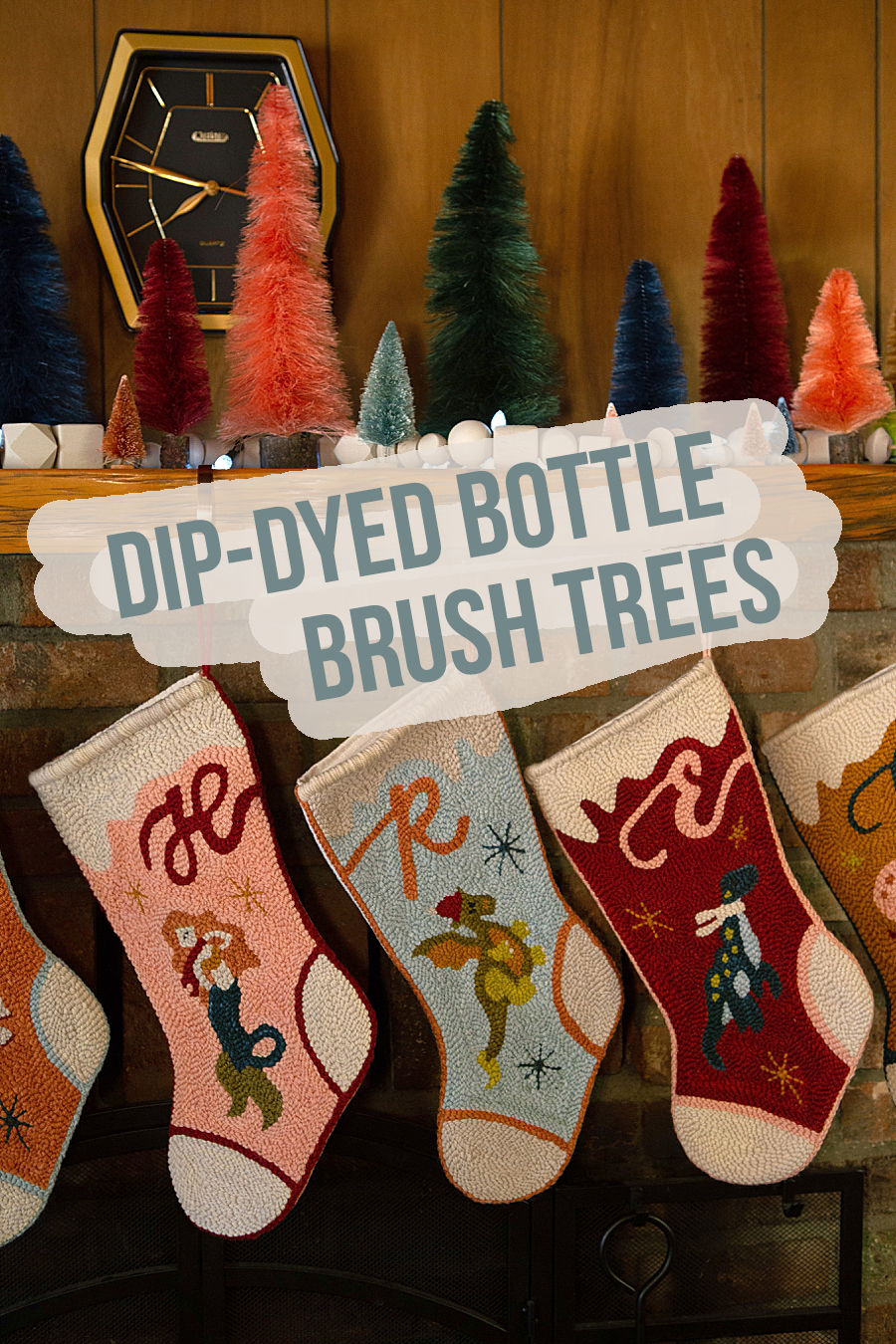
The Evolution of the Domestic Artisanal Market
The resurgence of interest in handmade holiday decor is largely a response to the perceived decline in the quality and durability of mass-produced seasonal items. For many years, the market for bottle brush trees—a staple of mid-century modern and nostalgic Christmas displays—has been dominated by international manufacturing hubs, particularly in China. However, discerning hobbyists and professional decorators have noted a lack of variety in color and texture within these mass-market offerings.
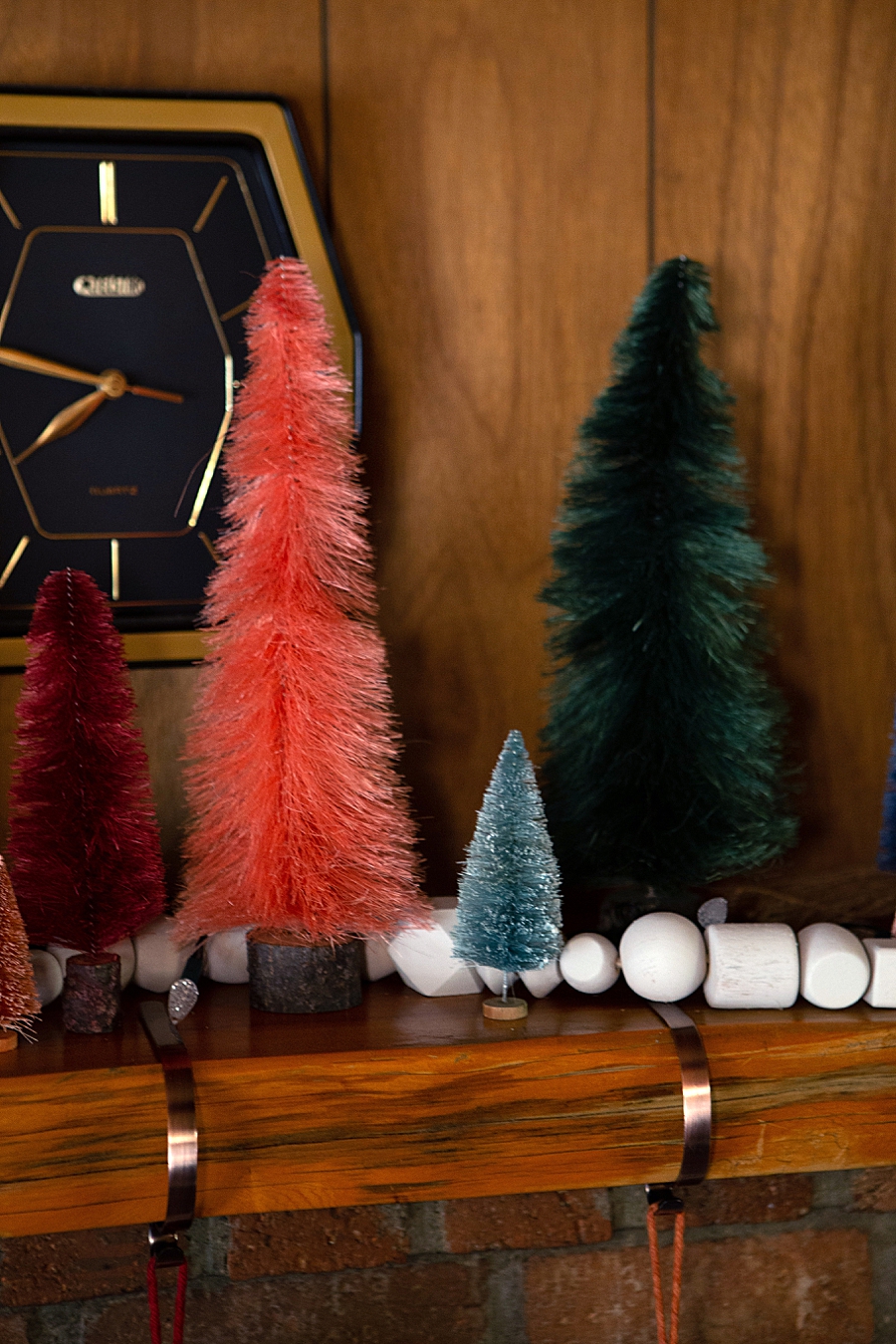
The search for high-quality, domestically produced alternatives led to the discovery of specialized artisans such as Rachel of Studio59 Handmade. Operating through the Etsy marketplace, Studio59 Handmade provides a range of bottle brush trees in various widths—classic, thin, and wide—and heights ranging from 4 to 12 inches. Unlike their factory-made counterparts, these trees are crafted with a focus on structural integrity and material quality, allowing them to withstand the moisture-intensive process of dip-dyeing without losing their shape or shedding excessively. This shift toward "buying local" or "buying handmade" is reflective of a broader economic trend where consumers are willing to pay a premium for transparency in the manufacturing process and the ability to customize products to their specific needs.
Technical Methodology: The Chemistry and Chronology of Dip-Dyeing
The process of customizing holiday decor through dyeing is a multi-stage technical operation that requires precision in both measurement and timing. The methodology employed in the Something Turquoise project provides a standardized framework for achieving professional-grade results at home.
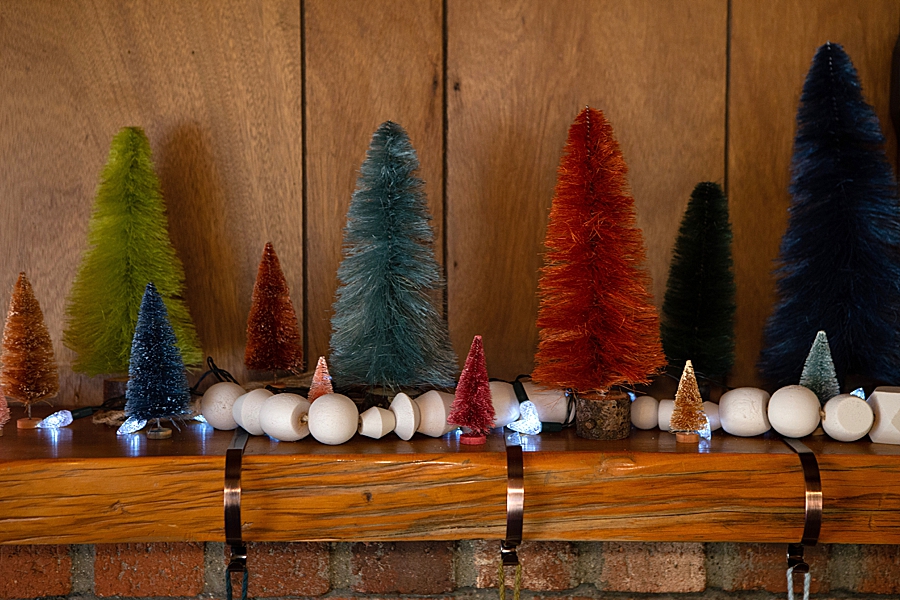
Preparation and Material Sourcing
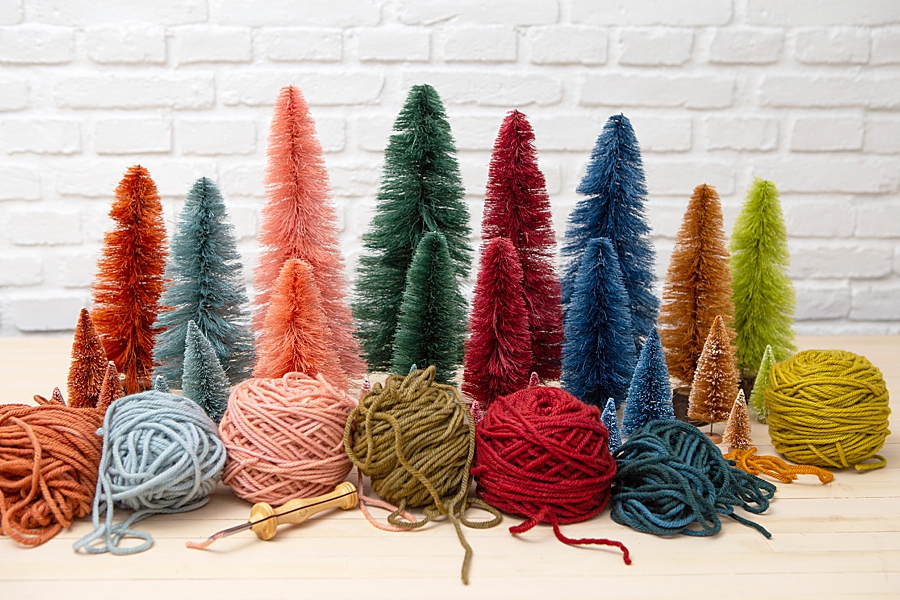
The project began with the identification of a specific color palette derived from "Cardo" yarn by Manos del Uruguay, used in the creation of heirloom punch needle stockings. To bridge the gap between textile arts and sculptural decor, the following materials were assembled:
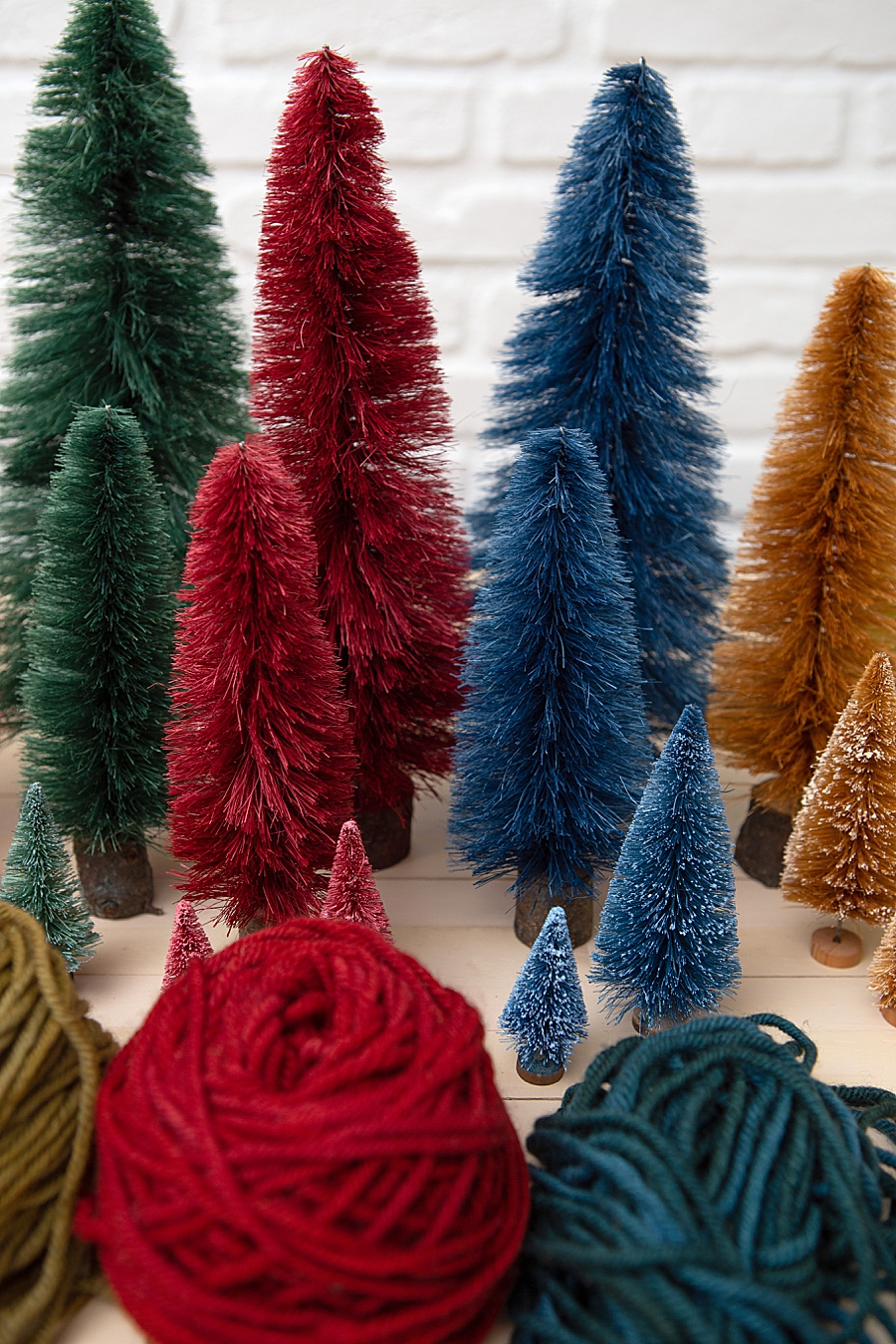
- Substrate: 15 natural-fiber bottle brush trees from Studio59 Handmade.
- Colorant: Rit Dye, selected for its versatility on various fiber types.
- Additives: Liquid dish soap (surfactant) and table salt (mordant/exhaustion agent).
- Equipment: A one-gallon mixing pitcher, cookie sheets, and cooling racks for the drying phase.
The Dyeing Chronology
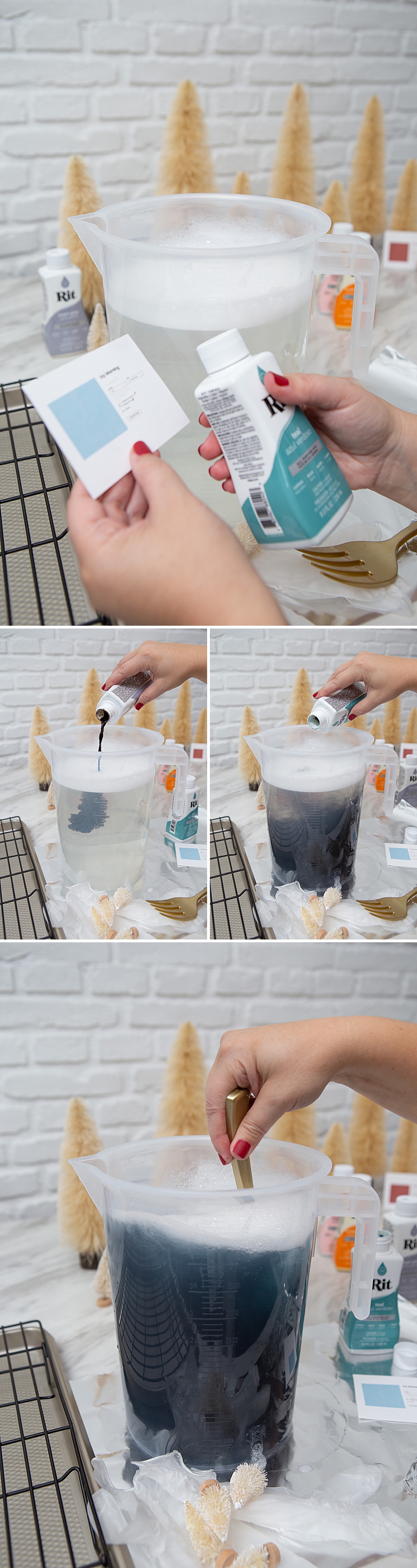
- Formula Calibration: Utilizing the Rit Dye Color Formulas database, specific ratios were selected to match the yarn samples. These formulas were documented and printed to ensure consistency across multiple batches.
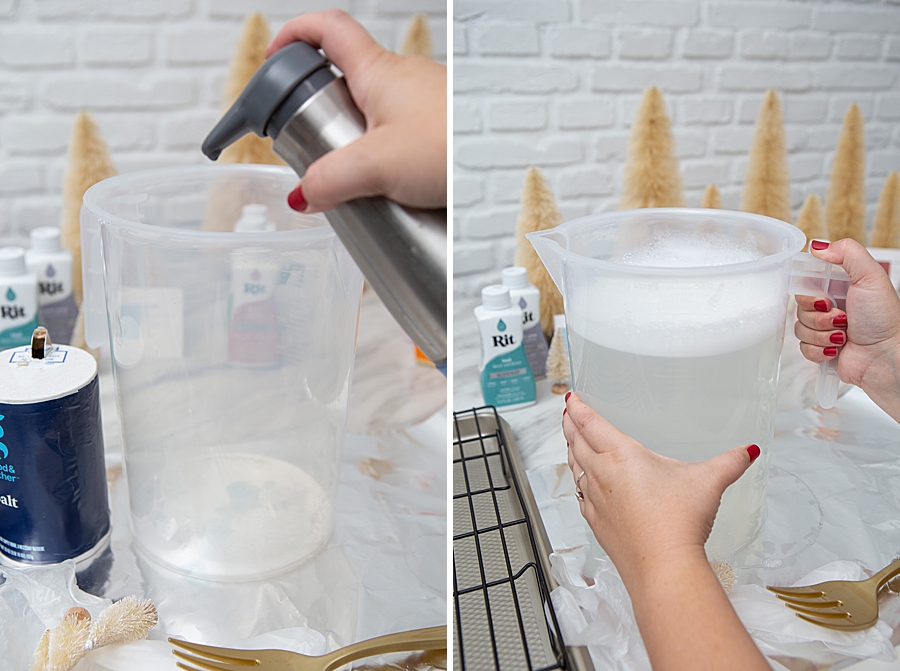
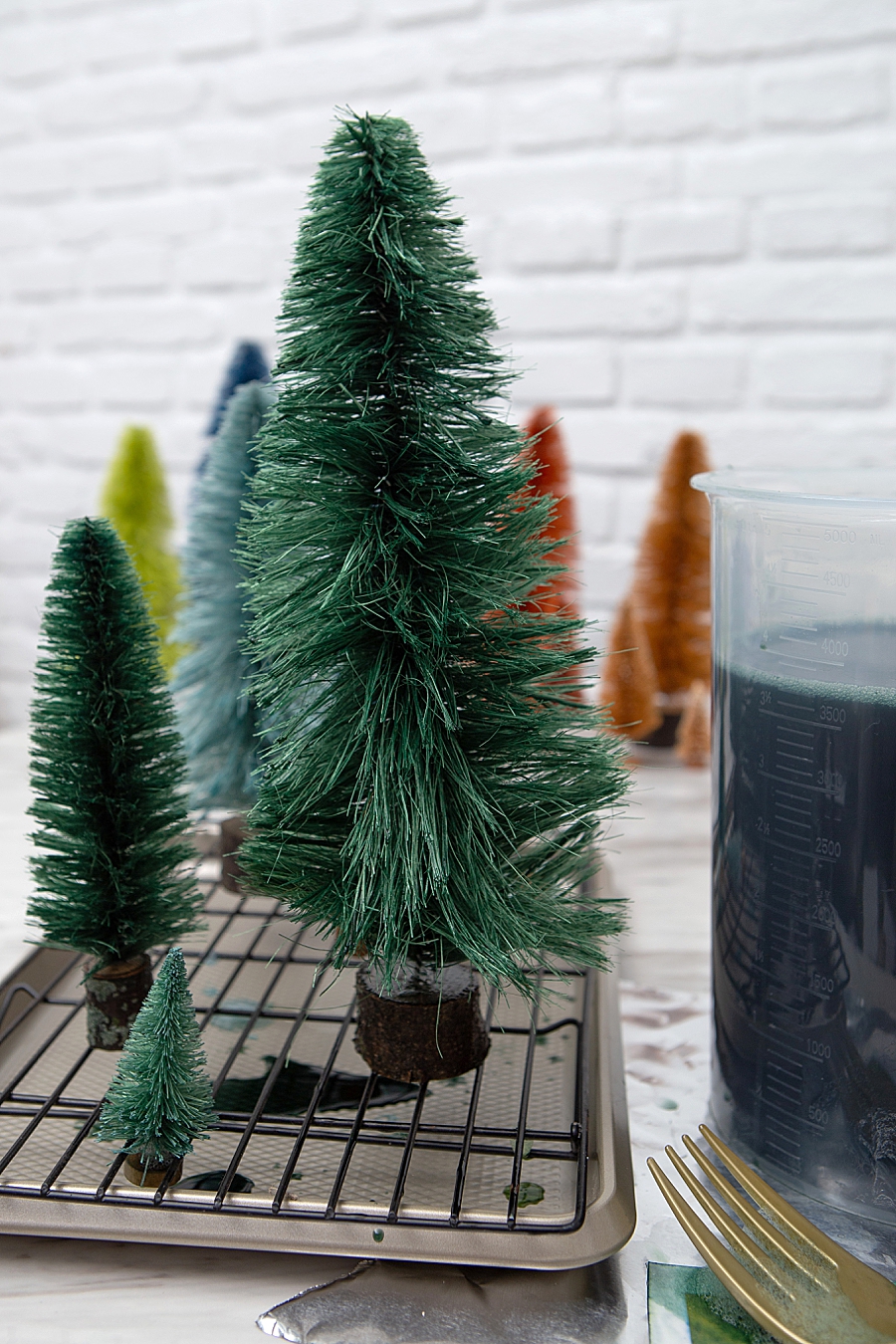
- Water Solution Preparation: The base solution consisted of one gallon of the hottest available tap water. To this, one tablespoon of dish soap was added to reduce surface tension—allowing the dye to penetrate the dense bristles of the trees—alongside a teaspoon of salt to help the pigment adhere to the fibers.
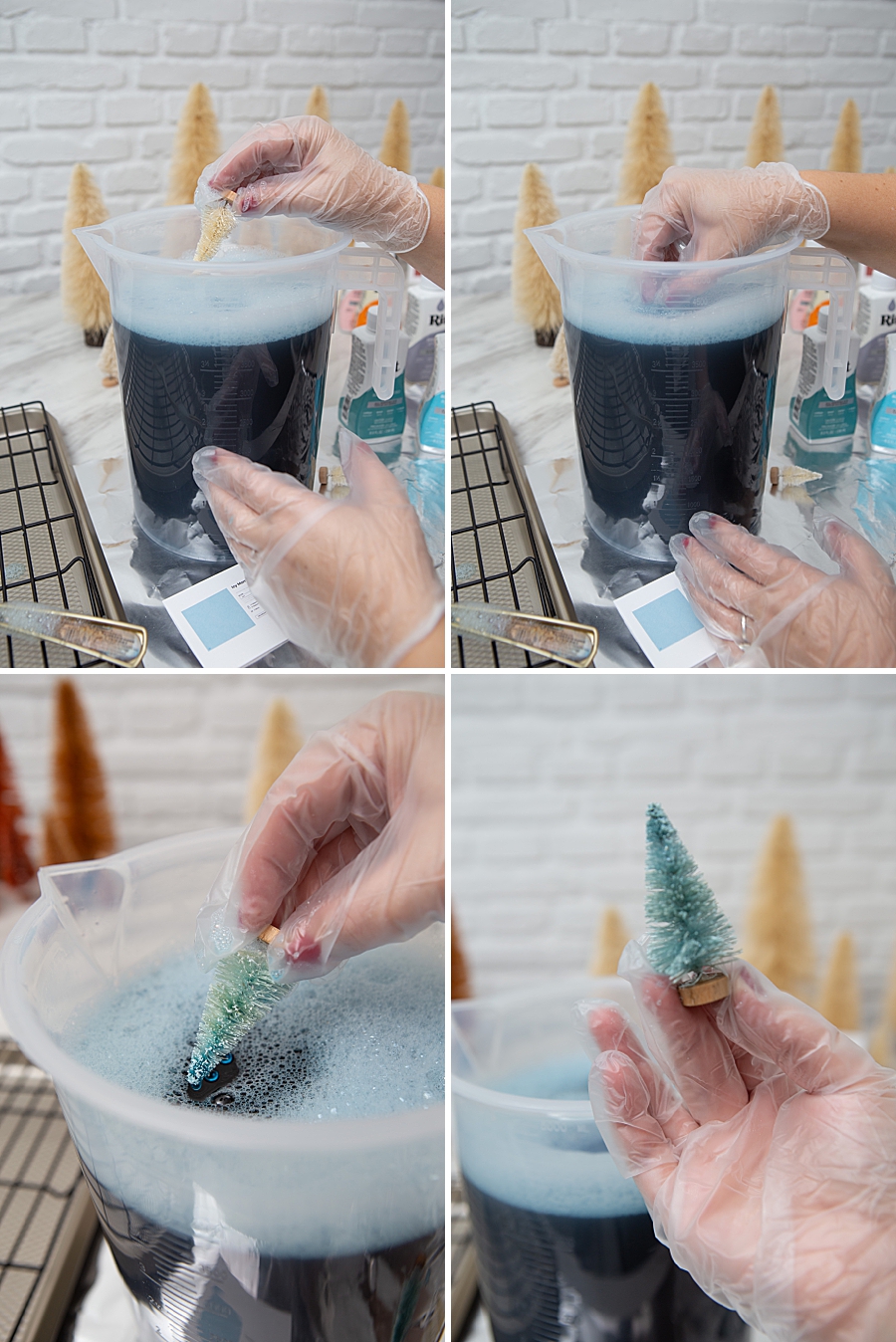
- The Testing Phase: Before committing high-value handmade trees to the dye bath, a control test was conducted using smaller, inexpensive trees. This step is critical in the artisanal process to account for variables such as water pH and temperature, which can alter the final hue.
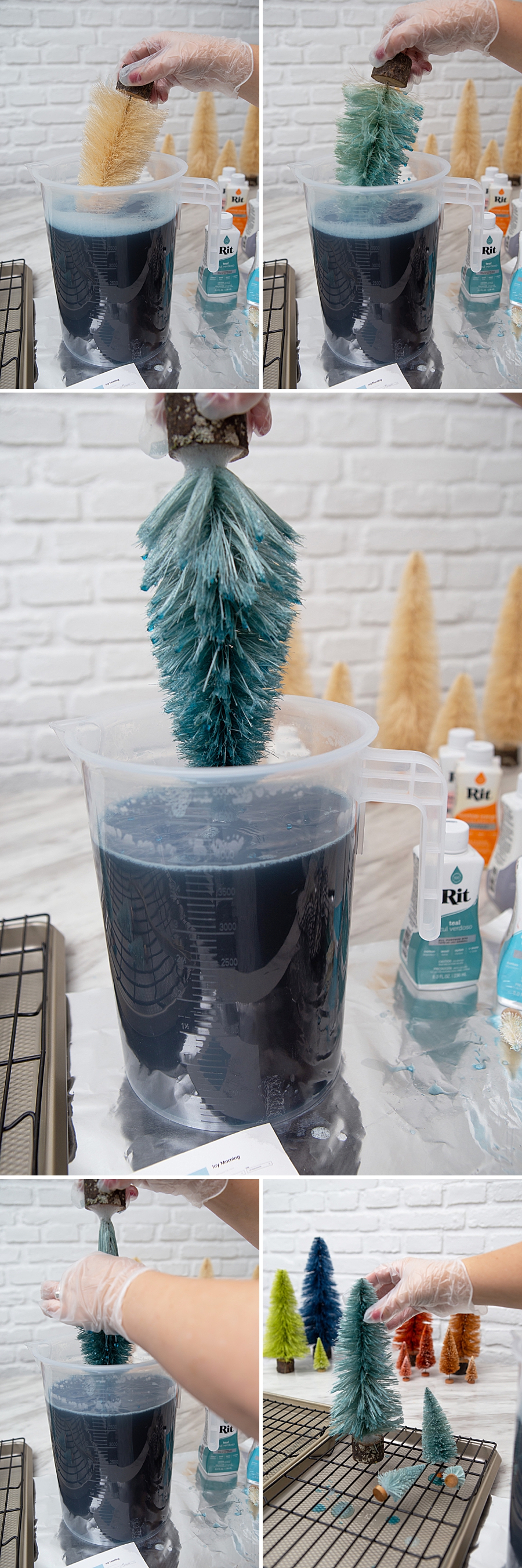
- Application: Each tree was submerged in the dye bath for approximately 45 seconds. This duration was found to be sufficient for deep pigment saturation without compromising the structural wire core of the tree.
- Post-Dye Processing: Excess water was manually removed by running a hand down the bristles, a technique that also helps to reset the shape of the tree after immersion.
- Curing: The trees were placed on cookie cooling racks over sheets to allow for 360-degree airflow. A minimum drying time of 12 hours (overnight) was required to ensure the color set permanently.
Supporting Data: The Economic Impact of DIY and Etsy Artisans
The success of projects like the dip-dyed bottle brush trees is supported by significant growth in the craft and hobbyist sector. According to market analysis, the global handicrafts market reached a value of approximately $752.2 billion in 2022, with a projected compound annual growth rate (CAGR) of 9.1% through 2028. This growth is driven by the increasing accessibility of specialized tools and the rise of digital platforms that connect independent makers with a global audience.
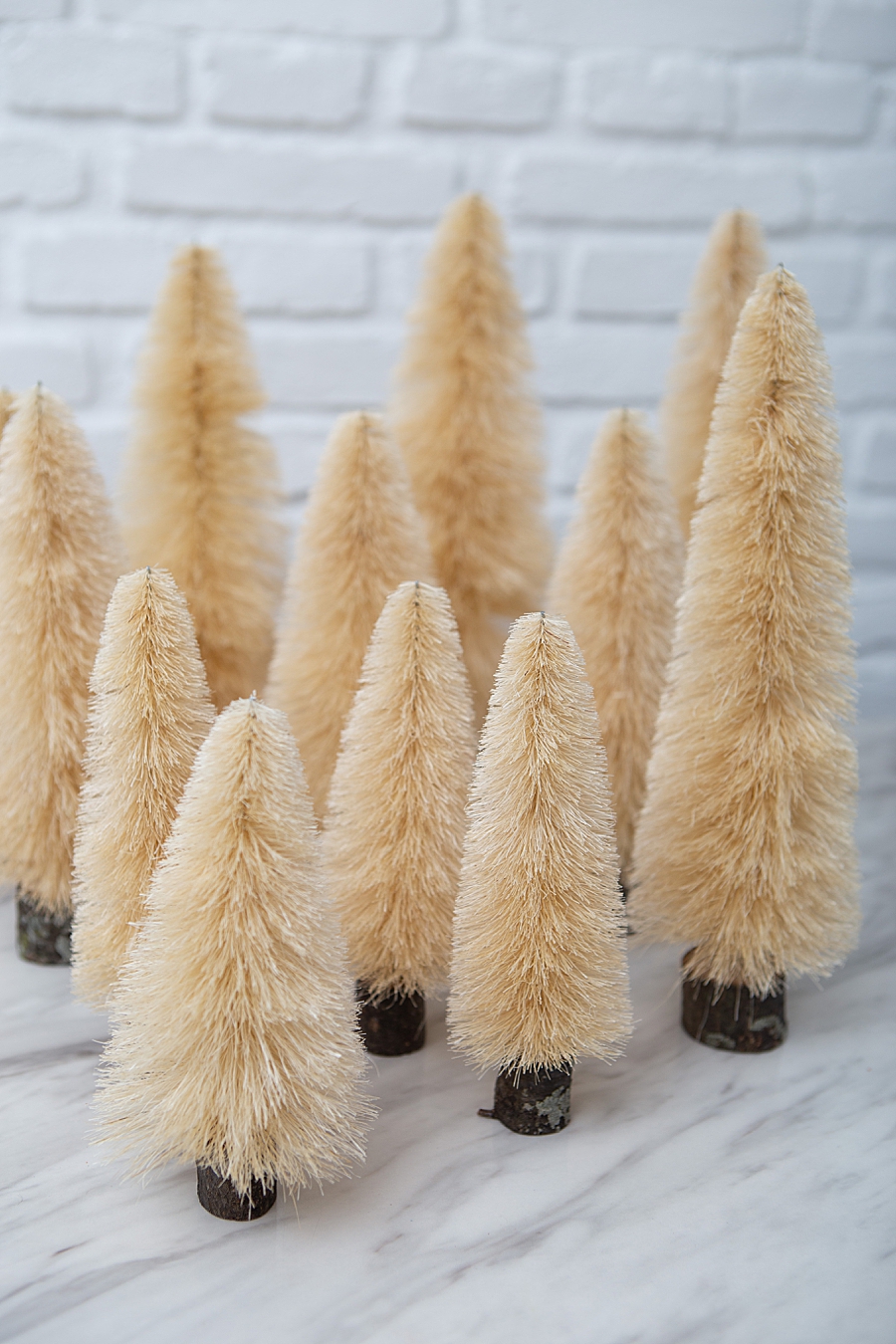
Etsy, the primary platform for sourcing the trees used in this project, reported that as of late 2022, it hosted over 7.5 million active sellers. A substantial portion of these sellers are based in the United States, catering to a demographic that prioritizes sustainability and domestic labor. Furthermore, the "Do-It-Yourself" (DIY) home decor market has seen a surge in the "customization" sub-sector. Consumers are no longer satisfied with off-the-shelf products; they seek "semi-custom" experiences where they purchase a high-quality base product (like a natural bottle brush tree) and apply their own artistic finishing touches.
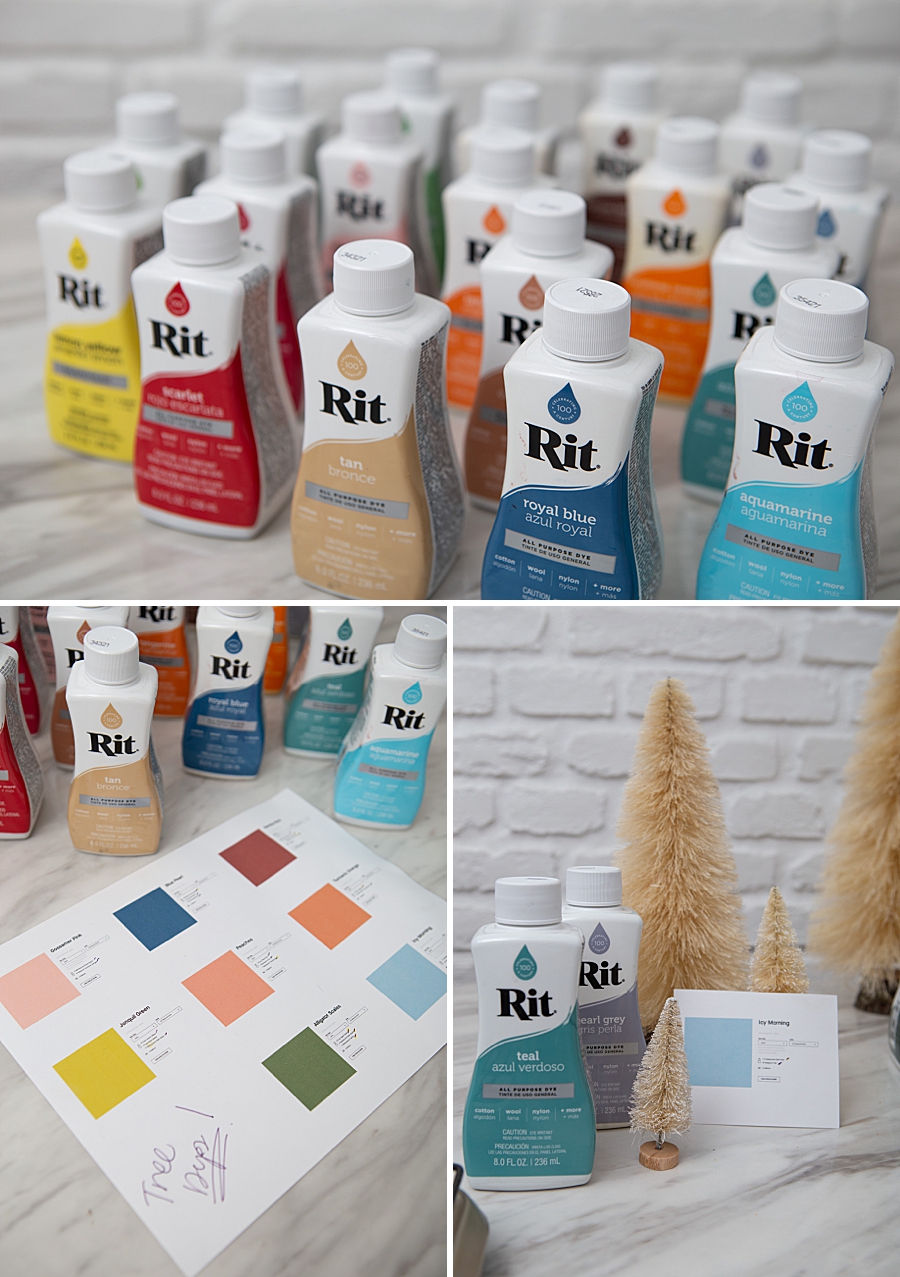
Analysis of Implications for the Holiday Decor Industry
The shift toward custom-dyed, handmade decor has several long-term implications for the retail industry. First, it signals a move away from the "disposable" holiday culture. By investing in high-quality materials and personal labor, consumers are creating heirloom items intended to be used for decades rather than a single season. This aligns with broader environmental goals of reducing waste associated with low-cost, short-lifespan consumer goods.
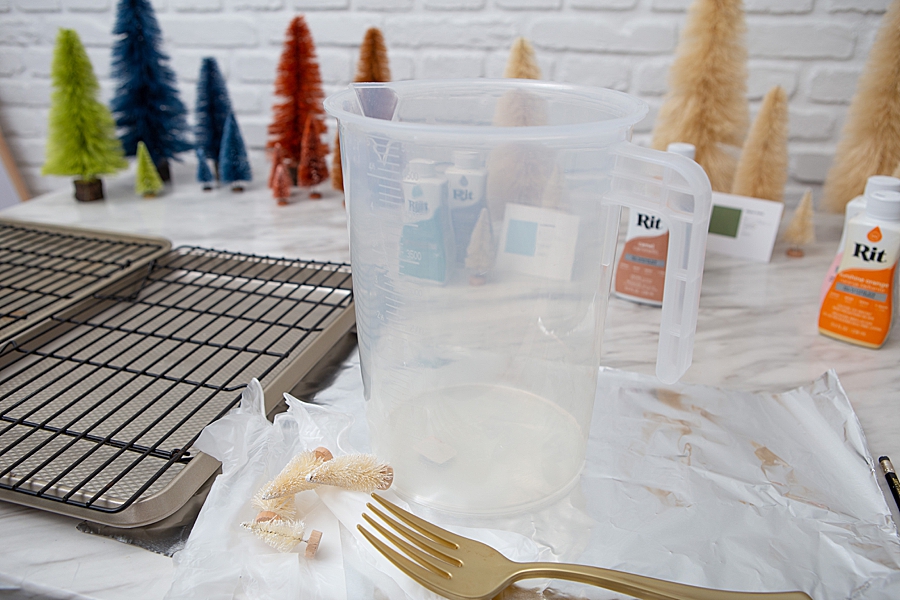
Second, the reliance on digital color formulas and professional-grade dyes like Rit indicates that the line between professional interior design and amateur crafting is blurring. The availability of high-level technical data—such as specific dye ratios to match textile brands—empowers the average consumer to achieve a "designer look" at a fraction of the cost of a professional commission.
Finally, this trend reinforces the importance of the "story" behind the object. In the context of the Something Turquoise project, the trees are not merely decorations; they are a complementary extension of a family’s handmade stockings. This narrative element is a powerful driver in the modern economy, where the emotional connection to an object is often as important as its functional utility.
Official Responses and Marketplace Sentiment
While official statements from large-scale manufacturers are rare regarding small-scale DIY trends, the response from the artisanal community is one of robust support. Sellers on platforms like Etsy have noted that the "natural" or "uncoated" versions of their products are increasingly popular, as they serve as a blank canvas for creators.
Industry experts suggest that the "Made in USA" label remains a potent marketing tool in the holiday sector. Consumers frequently express frustration with the quality control of mass-imported plastics and synthetic fibers. The ability to source a product made of natural materials that can be safely dyed with household-grade chemicals provides a level of safety and satisfaction that mass-market retailers struggle to replicate.
Conclusion: The Future of Personalized Seasonal Aesthetics
The project of dip-dyeing bottle brush trees to match heirloom punch needle stockings serves as a microcosm of the current state of home decor: a blend of traditional craft, modern technical resources, and a firm rejection of standardized mass production. As more consumers seek to create "Instagram-worthy" spaces that also reflect their personal values and support domestic makers, the demand for customizable, high-quality base materials is expected to rise.
For those in the holiday market, the message is clear: there is a growing appetite for products that allow for personal expression. Whether through the precise chemistry of a dye bath or the support of a local artisan, the future of the holiday season is increasingly handmade, customized, and domestically sourced. This approach not only results in a more cohesive and professional aesthetic but also fosters a deeper connection to the traditions and objects that define the winter season.