

The modern professional photography landscape, while creatively fulfilling, often burdens its practitioners with an overwhelming array of administrative and operational tasks that detract from their core artistic passion. What typically begins as a pursuit driven by a love for visual storytelling and human connection frequently evolves into a demanding entrepreneurial venture requiring proficiency in everything from email management to complex client relationship systems. This significant administrative overhead, often unanticipated by emerging artists, can impede growth, stifle creativity, and lead to professional burnout. However, a growing trend in specialized support services is offering a potent solution: the virtual assistant (VA). These professionals are not merely handling overflow; they are strategically transforming the operational backbone of photography businesses, allowing artists to reclaim their time and focus on what they do best.
The journey of a photographer, from capturing moments to delivering finished products, is inherently multifaceted. Beyond the lens, photographers are expected to be adept marketers, meticulous accountants, responsive customer service representatives, and proficient digital organizers. Data from various industry analyses consistently indicates that small business owners, including photographers, can spend upwards of 40-60% of their working hours on non-revenue-generating administrative duties. This includes tasks such as responding to inquiries, scheduling appointments, managing social media, updating websites, and preparing documents—activities that, while essential for business continuity, divert critical energy from artistic production and direct client engagement. The emergence of digital photography and online platforms has only amplified these demands, necessitating a constant online presence and sophisticated digital workflow management.
This evolving landscape presents a strategic imperative for photographers: delegation. The opportunity cost of a photographer spending hours on tasks that could be efficiently handled by a skilled assistant is substantial. Every hour spent drafting spreadsheets or chasing invoices is an hour not spent scouting locations, honing artistic techniques, networking with potential clients, or simply enjoying personal time. The implications of effective delegation extend beyond mere time-saving; it directly impacts business growth, profitability, and the mental well-being of the entrepreneur. By offloading these responsibilities, photographers can dedicate their mental and creative faculties to their core competencies, ultimately enhancing the quality of their artistic output and improving client satisfaction.
The concept of virtual assistance has steadily gained traction over the past two decades, evolving from general secretarial support to highly specialized roles catering to specific industries. For the photography sector, this evolution has culminated in services tailored to its unique operational requirements. Pioneers in this specialized field, such as Vancouver-based photographers Sara Rogers and Aileen Choi, co-owners of Together We Co, recognized this critical gap. Their venture was born from a firsthand understanding of the administrative quagmire photographers face and a vision to empower them through dedicated, expert virtual support. Their services span a comprehensive range of business management and virtual assistant functions, demonstrating the profound depth of support a VA can provide beyond basic email handling.
The transformation brought about by virtual assistants is evident across multiple critical facets of a photography business.
1. Client Relationship Management (CRM) Setup and Maintenance: Orchestrating Seamless Client Journeys
Client Relationship Management (CRM) systems are the digital backbone of any service-based business, enabling structured interaction with customers from initial inquiry through post-service follow-up. For photographers, a robust CRM system is paramount for tracking leads, managing appointments, coordinating project timelines, and maintaining consistent communication. However, the initial setup and ongoing maintenance of these systems—which often involves configuring automation sequences, customizing client portals, and integrating various communication channels—can be daunting and time-consuming. A virtual assistant specializing in CRM can assume full responsibility for this intricate process. They can organize lead pipelines, design automated email sequences for various client touchpoints (e.g., booking confirmations, pre-shoot guides, post-delivery feedback requests), track client availability, and ensure that no potential client falls through the cracks. This systematic approach not only enhances professionalism but also significantly reduces the administrative burden on the photographer, leading to higher conversion rates and improved client satisfaction. The seamless management of client data by a VA ensures that the photographer is always informed and prepared, fostering stronger client relationships.
2. SEO-Friendly Blogging: Cultivating a Powerful Online Presence
In the digital age, a robust online presence is non-negotiable for photographers seeking to attract new clients. Blogging, in particular, serves as a powerful tool for demonstrating expertise, showcasing portfolio work, and improving search engine optimization (SEO). Yet, many photographers struggle to consistently produce high-quality, SEO-optimized blog content due to time constraints imposed by shoots, editing, and other business demands. A virtual assistant with content creation and SEO knowledge can become an invaluable asset here. They can research relevant keywords, draft compelling blog posts covering a wide array of topics—from real wedding stories and lifestyle shoot highlights to practical tips for clients and guides to local venues—and optimize these posts for search engines. This ensures that the photographer’s website ranks higher in search results, driving organic traffic and attracting a steady stream of potential clients. Furthermore, VAs can repurpose blog content across various platforms, transforming a single blog post into engaging social media snippets, email newsletter segments, or even podcast episode ideas, maximizing content reach and impact.
3. Image Curation and Submission for Publications: Elevating Industry Profile
Gaining features in reputable wedding blogs and magazines, such as Junebug Weddings, is a highly effective strategy for increasing a photographer’s visibility, attracting new clients, and networking within the industry. However, the process of curating images, adhering to submission guidelines, and managing multiple submission pipelines can be incredibly labor-intensive and detail-oriented. A virtual assistant can expertly navigate this complex landscape. They can meticulously select the most compelling images from a gallery, optimize them for web publication according to specific platform requirements, handle the entire submission process, and systematically track the status of each submission. This frees the photographer to focus on their creative work, while the VA diligently works to secure valuable features that enhance the photographer’s professional credibility and brand prestige within the competitive photography market.
4. Online Gallery Store Setup and Management: Building Passive Income Streams
Establishing an online gallery store where clients can easily order prints, albums, and other photographic products not only enriches the client experience but also creates a significant passive income stream for the photographer. Many photographers, however, lack the time or technical expertise to set up and efficiently manage such a storefront. A VA can be instrumental in designing and configuring an aesthetically pleasing and user-friendly online store, integrating it seamlessly with chosen professional printing labs, and managing the entire order fulfillment process. This includes setting up promotions, handling customer inquiries related to orders, and even overseeing shipping and handling logistics. When expertly managed, an online gallery store becomes a consistent revenue generator, allowing photographers to monetize their work long after the initial shoot without direct, continuous involvement.
5. Album Design and Proofing: Delivering Tangible Legacies
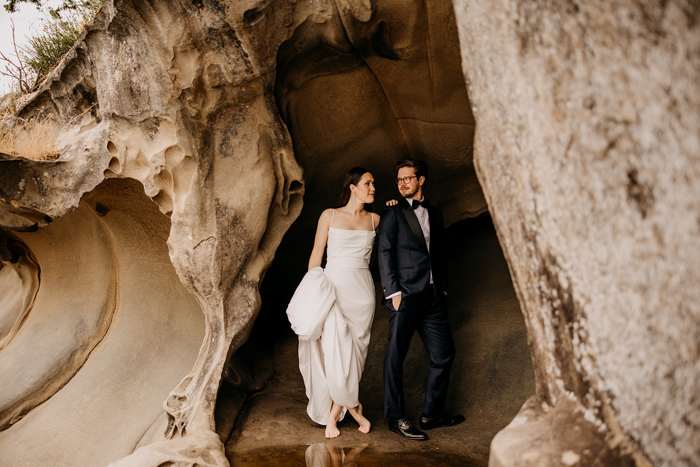
A professionally designed wedding album or photobook serves as a timeless heirloom, allowing clients to relive their most cherished memories in a tangible format. While incredibly valuable, the process of designing and proofing albums can consume a substantial amount of a photographer’s time. This involves careful image selection, intricate layout design, multiple rounds of client feedback, and revisions. A virtual assistant can streamline this entire process. They can take the initial selection of images, create compelling album layouts using specialized software, manage the communication with clients for feedback and approvals, and coordinate with album manufacturers. This ensures the delivery of beautifully crafted albums efficiently, transforming a time-intensive task into a smooth, delegated workflow, allowing photographers to offer a premium product without the associated time sink.
6. Email Management and Template Creation: Mastering Communication Efficiency
For busy photography business owners, an overflowing email inbox is a perpetual challenge, often leading to delayed responses and missed opportunities. The sheer volume of inquiries, confirmations, and general correspondence can be daunting. A virtual assistant can effectively manage the photographer’s business email account, ensuring prompt and professional responses to all inquiries. Beyond simply replying, VAs can design and implement a comprehensive suite of email templates for common scenarios—initial inquiries, booking confirmations, payment reminders, post-shoot follow-ups, and testimonial requests. This standardization not only saves countless hours but also ensures brand consistency and professionalism in all client communications, enhancing the overall client experience and preventing potential clients from being "ghosted."
7. Event Day Document Preparation: Ensuring Flawless Execution
The success of any photography event, be it a wedding, commercial shoot, or portrait session, hinges on meticulous preparation. Coordinating timelines, shot lists, vendor contacts, and ensuring all necessary permits and licenses are in place can be an arduous process that diverts the photographer’s attention from their primary creative role. A VA can take charge of all event day document preparation. This includes creating detailed timelines for the day, compiling comprehensive shot lists tailored to client preferences, researching and securing any required permits or licenses for locations, and liaising with other vendors (e.g., wedding planners, florists, caterers) to ensure seamless coordination. By handling these logistical complexities, the VA allows the photographer to arrive on set fully focused on their artistic vision and client interaction, minimizing stress and maximizing efficiency.
8. Social Media Management and Content Creation: Cultivating Digital Engagement
Maintaining an active and engaging presence across various social media platforms is crucial for marketing a photography business and connecting with potential clients. However, the ever-changing algorithms, the demand for fresh content, and the time required for consistent engagement can be overwhelming. A virtual assistant specializing in social media can expertly manage all aspects of a photographer’s online presence. This includes developing a content strategy, creating visually appealing and engaging posts (including graphics, videos, and stories), scheduling posts for optimal reach, actively engaging with followers, monitoring trends, and adapting content to new platform features. This consistent and professional social media management amplifies the photographer’s brand message, fosters community, and generates leads, all without consuming the photographer’s valuable time.
9. Post-Production Coordination: Optimizing Workflow Efficiency
The post-production phase—culling, editing, and final image preparation—is notoriously time-consuming and often involves late nights for photographers. While the final artistic touches remain the photographer’s domain, much of the initial coordination and management can be delegated. A virtual assistant can coordinate with external post-production teams or manage the workflow with AI-powered editing software. This includes organizing raw files, managing deadlines with editors, tracking progress, and preparing batches of images for the photographer’s final review and artistic adjustments. By streamlining this often-arduous process, VAs can significantly reduce turnaround times and free up the photographer’s schedule, allowing more time for creative pursuits, client interaction, or personal life, without compromising the quality of the final product.
10. Administrative Support for Photography Contests and Awards: Boosting Industry Recognition
Entering prestigious photography contests and awards offers an invaluable opportunity for photographers to gain broader exposure, network with peers, and significantly boost their credibility and SEO. However, the process of researching suitable contests, understanding submission requirements, preparing entries, and adhering to deadlines can be complex and time-intensive. A virtual assistant can demystify and manage this entire process. They can research and identify relevant contest opportunities, track all deadlines and submission criteria, prepare the necessary image files and accompanying documentation, and submit entries on behalf of the photographer. Crucially, they can also manage the public announcement of any wins or recognition, updating the photographer’s website and social media channels to leverage these achievements for marketing and brand building, further solidifying the photographer’s reputation and attracting high-caliber clients.
The economic and professional implications of integrating virtual assistants into photography businesses are profound. It represents a strategic investment that empowers photographers to scale their operations without succumbing to burnout, allowing them to focus on their unique artistic vision and client relationships. This shift also contributes to the burgeoning gig economy, creating opportunities for skilled administrative professionals. For the photography industry as a whole, it signals a move towards greater efficiency, specialization, and sustainability for independent artists.
As the demands on modern entrepreneurs continue to escalate, the value proposition of a virtual assistant becomes increasingly clear. For photographers experiencing a surge in inquiries and a rapidly filling schedule, it is not merely a luxury but a strategic necessity to recruit specialized help. The insights shared by Sara Rogers and Aileen Choi of Together We Co underscore the transformative potential of such partnerships. By delegating the myriad administrative tasks to expert virtual assistants, photographers can reclaim their time, enhance their business operations, and ultimately achieve a more fulfilling and profitable career without compromising their artistic integrity or personal well-being. For those ready to elevate their photography business, specialized virtual assistant services offer a clear path forward, enabling growth, efficiency, and sustained success in a competitive market.