

The landscape of home-based crafting and personalized manufacturing has undergone a significant transformation with the introduction of Cricut Infusible Ink, a proprietary sublimation system designed to bring industrial-grade durability to the consumer market. Unlike traditional methods of garment and accessory decoration, which typically rely on topical adhesives, Infusible Ink utilizes a chemical process known as sublimation to bond pigments directly with the molecular structure of the base material. This technological shift allows hobbyists and small-business owners to produce items—ranging from apparel and tote bags to ceramic coasters and mugs—that possess a factory-quality finish characterized by vibrant colors and a seamless, "zero-feel" texture.
The Mechanics of Sublimation: From Solid to Gas
At the core of Cricut Infusible Ink is the scientific principle of sublimation. In a standard heat transfer vinyl (HTV) application, a design is cut from a sheet of polymer and adhered to the surface of a fabric using heat-activated glue. This creates a layered effect where the design sits on top of the material, making it susceptible to cracking, peeling, and fading over time as the adhesive degrades through mechanical wear and laundering.
Infusible Ink bypasses these limitations by utilizing specialized ink that, when subjected to high temperatures (typically between 385°F and 400°F), transitions directly from a solid state into a gas without passing through a liquid phase. During this high-heat window, the fibers of the compatible base material—which must be polyester-based or polymer-coated—open up to receive the gas. As the material cools, the ink reverts to a solid state, becoming permanently trapped within the substrate. The resulting design is not an addition to the surface but is instead an integral part of the object itself.
Historical Context and the Rise of the "Maker" Economy
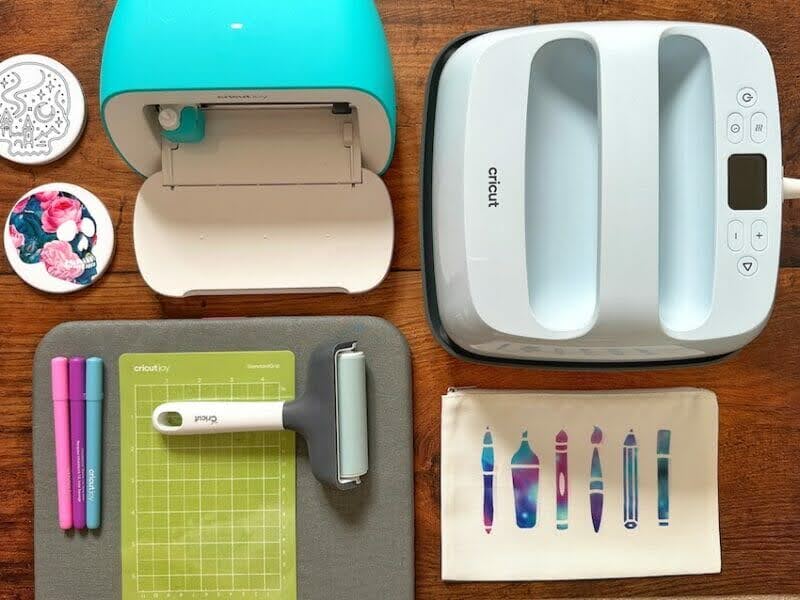
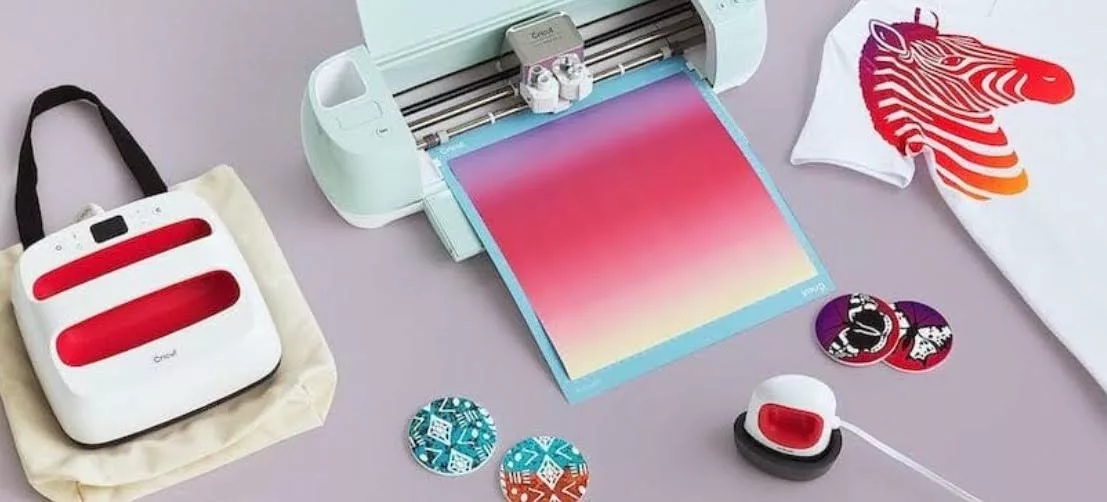
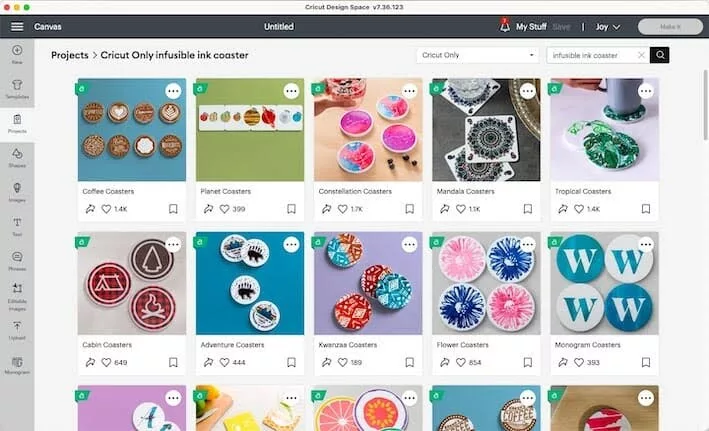
The development of Infusible Ink by Cricut Inc. in 2019 marked a pivotal moment in the "Maker Movement," a social and economic trend emphasizing DIY culture and small-scale manufacturing. Historically, sublimation was a complex process requiring expensive wide-format printers, specialized software, and industrial heat presses, making it inaccessible to the average consumer. Cricut’s entry into this space democratized the technology by providing pre-printed transfer sheets and specialized pens that could be used with their existing line of electronic cutting machines, such as the Cricut Maker, Explore, and Joy series.
According to market research data from the creative industries sector, the global personalized gift market is projected to reach over $38 billion by 2027. The accessibility of sublimation technology has played a critical role in this growth, allowing independent creators on platforms like Etsy and Shopify to compete with large-scale retailers by offering high-quality, durable custom goods with low overhead costs.
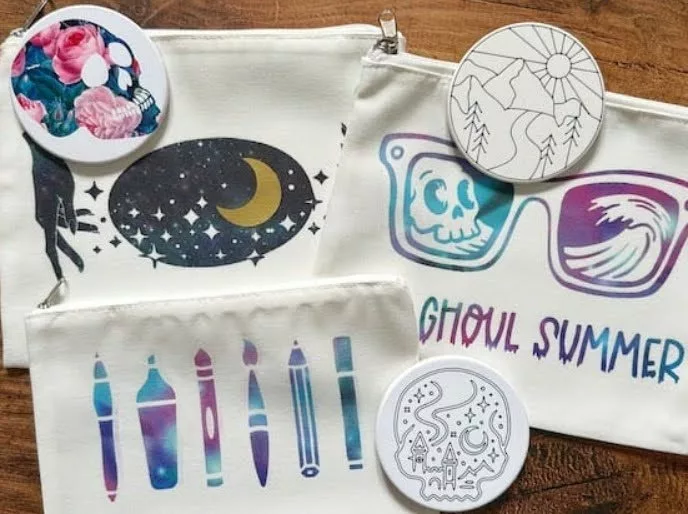
Comparative Analysis: Infusible Ink vs. Traditional Heat Transfer Vinyl
To understand the impact of Infusible Ink, it is necessary to compare it against its predecessor, Heat Transfer Vinyl (HTV).
- Durability: HTV is prone to "weeding" issues and eventual peeling after 25 to 50 wash cycles. Infusible Ink is rated to last the entire lifespan of the garment, as the ink is embedded in the fibers.
- Texture: HTV leaves a palpable "hand" or weight on the fabric, which can be uncomfortable in large designs. Infusible Ink is undetectable to the touch, maintaining the original breathability and drape of the fabric.
- Complexity of Design: While HTV requires layering different colors of vinyl—a process that can become bulky and difficult to align—Infusible Ink transfer sheets often come in multi-colored patterns, and Infusible Ink pens allow for hand-drawn or machine-sketched designs with intricate detail that would be impossible to weed in vinyl.
Technical Protocols for Textile Application: The Cosmetic Bag Case Study
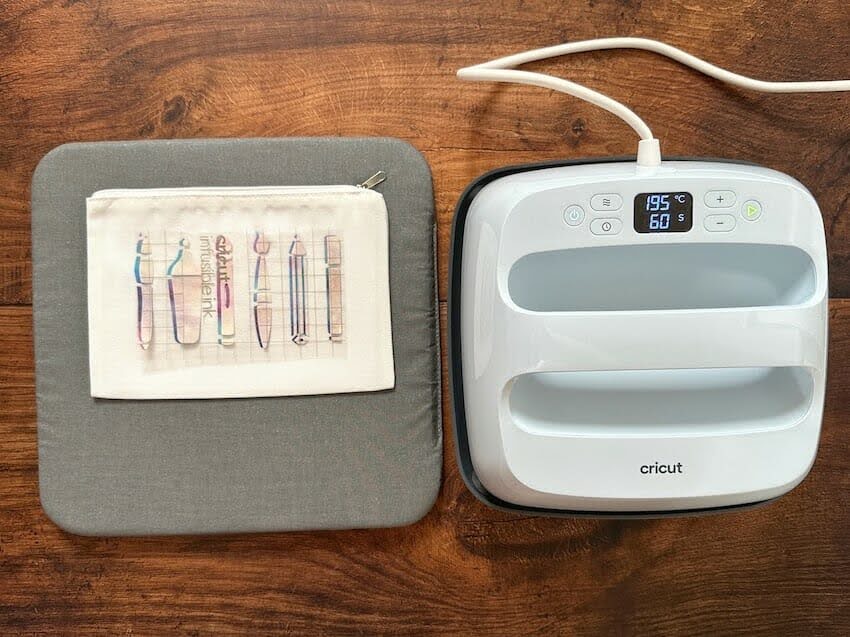
The application of Infusible Ink requires strict adherence to temperature and pressure protocols to ensure a successful molecular bond. The following procedure outlines the standard operating steps for personalizing a polyester-based cosmetic bag using Infusible Ink Transfer Sheets.
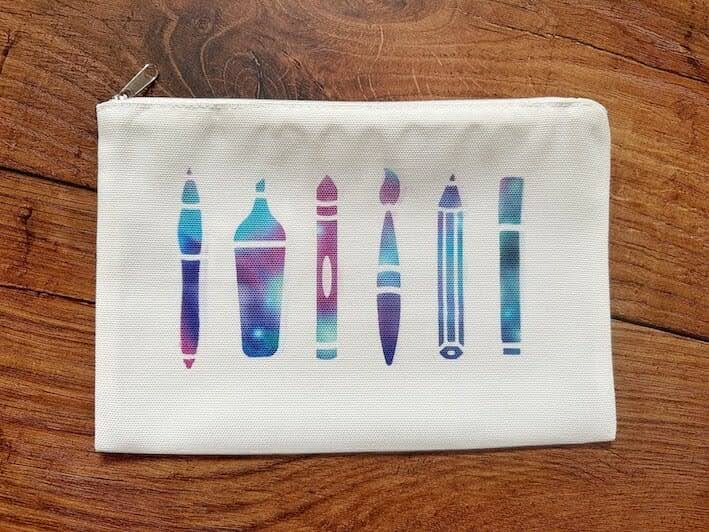
Phase 1: Design and Digital Preparation
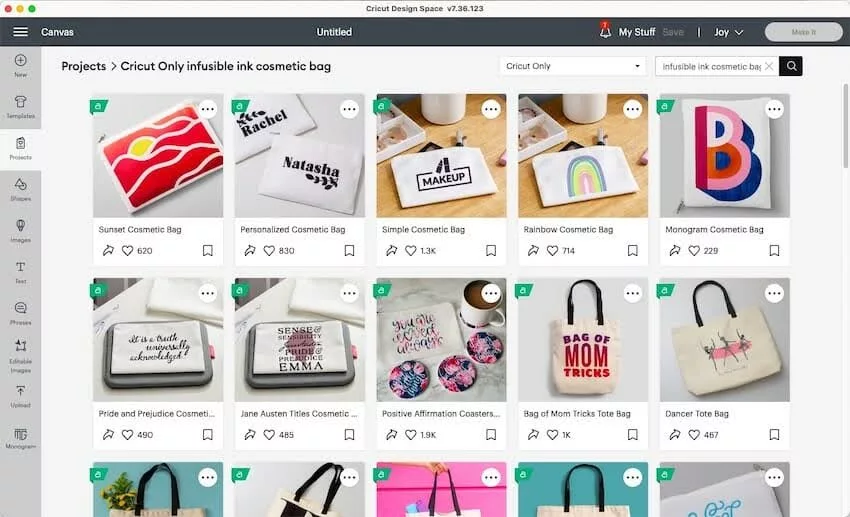
The process begins in a digital design environment, such as Cricut Design Space. Because the transfer sheet is placed face-down on the substrate during application, all designs—particularly those containing text—must be "mirrored" prior to cutting. Failure to mirror the design results in a reversed final product.
Phase 2: Mechanical Cutting and Weeding
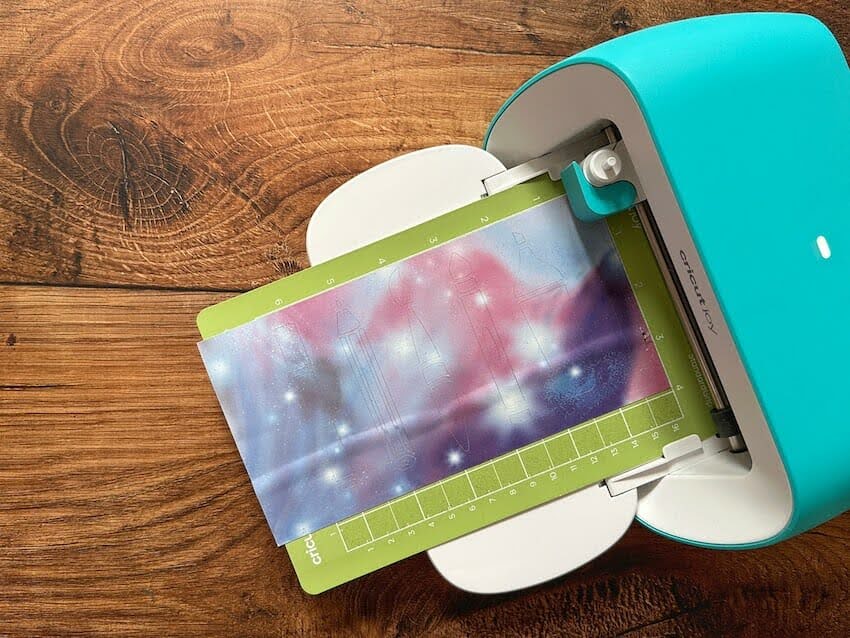
The Infusible Ink sheet is loaded onto a cutting mat with the ink side facing upward. Once the cutting machine completes the design, the "weeding" process begins. Unlike vinyl, which is pliable, Infusible Ink sheets are paper-like and are best weeded by "cracking" the paper—bending it slightly until the excess pieces pop away from the clear liner.
Phase 3: Thermal Transfer
The substrate (the cosmetic bag) is pre-heated to remove moisture and wrinkles. A piece of cardstock is placed inside the bag to prevent "ghosting" or the bleeding of ink through to the back side. The weeded design is placed face-down, covered with a sheet of butcher paper (to protect the heat press), and pressed at 385°F for 60 seconds with light pressure. The result is a permanent, high-resolution graphic.
Technical Protocols for Rigid Surfaces: The Ceramic Coaster Case Study
Applying Infusible Ink to rigid, non-porous surfaces like ceramic requires a different set of parameters, primarily because ceramic acts as a heat sink, requiring longer exposure times.
Phase 1: Manual Illustration or Machine Drawing
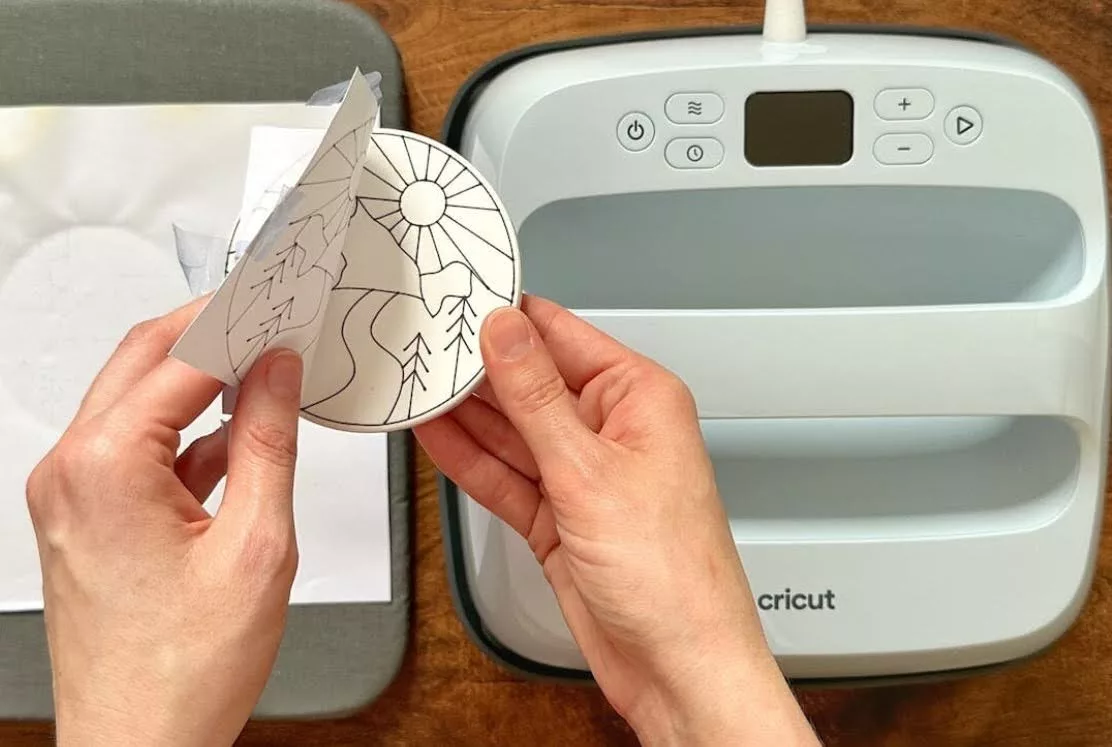
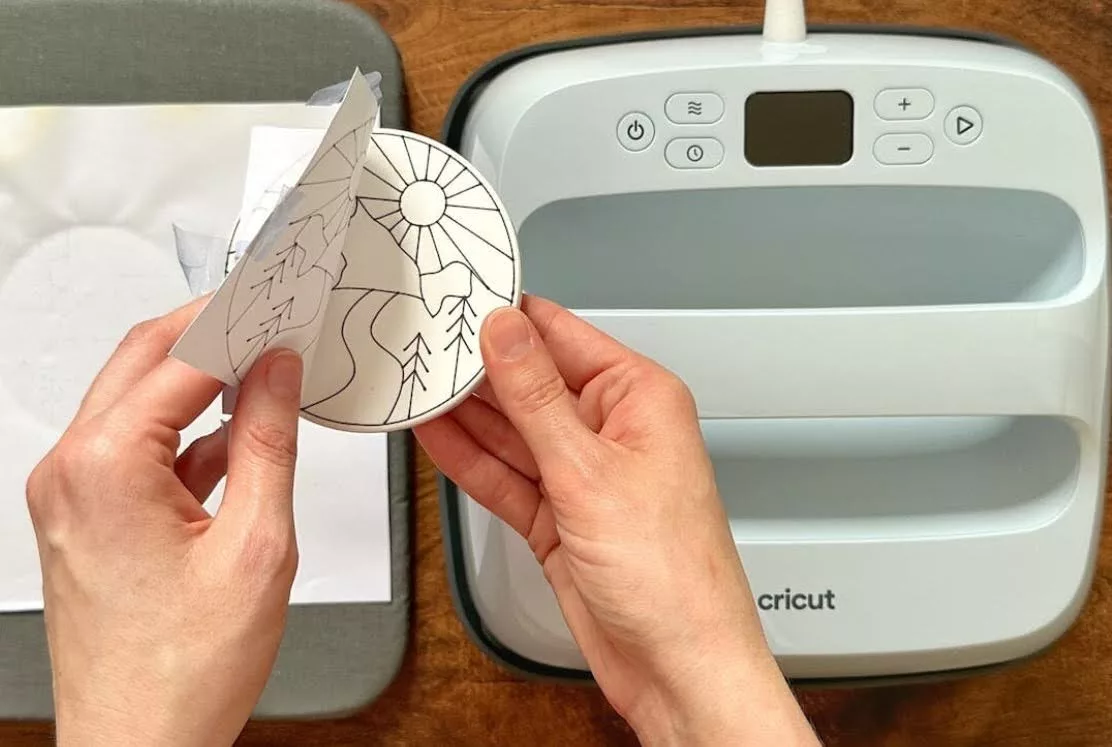
Using Infusible Ink Pens and Markers, designs can be drawn directly onto standard laser copy paper. This allows for a level of artistic expression that exceeds the capabilities of pre-printed sheets. When using a cutting machine to draw, the pen is placed in the accessory clamp, and the machine executes the vector design.
Phase 2: Surface Preparation
Ceramic coasters must be "blanks" specifically manufactured with a polyester coating. Standard ceramic tiles from a hardware store will not work, as the ink has no polymer to bond with. The surface must be cleaned with a lint-free cloth and isopropyl alcohol to remove fingerprints, as skin oils can create barriers to ink absorption.
Phase 3: Thermal Integration
The coaster is placed face-down on top of the design. The heat press is applied to the bottom of the coaster or through the paper at 400°F for up to 240 seconds. This extended duration ensures the heat permeates the dense ceramic material sufficiently to trigger the sublimation of the ink.
Material Compatibility and Warranty Implications
A critical factor in the success of Infusible Ink projects is the chemical composition of the "blank." The technology is optimized for 100% polyester; however, blends with at least 65% polyester are generally considered acceptable, though they result in a more "vintage" or faded appearance. Natural fibers like 100% cotton are incompatible because they lack the plastic-based pores necessary to trap the gas.
Industry experts and manufacturers emphasize the use of brand-specific "blanks" to guarantee results. While third-party sublimation blanks are available, Cricut officially states that their Infusible Ink products are calibrated for their own line of materials. Furthermore, using non-authorized materials or third-party inks in cutting machines can, in some instances, complicate warranty claims if the machine’s hardware is damaged by unvetted accessories.
Maintenance and Longevity Standards
For items produced with Infusible Ink, maintenance protocols are essential for preserving the vibrancy of the pigments. For textiles, it is recommended to machine wash in cold water with mild detergent and avoid fabric softeners, which can coat the fibers and dull the appearance of the design. For rigid items like coasters, hand-washing is preferred, as the high heat and abrasive detergents used in dishwashers can eventually cause the polyester coating on the ceramic to degrade.
Broader Impact and Future Outlook
The introduction of consumer-level sublimation technology has bridged the gap between amateur crafting and professional manufacturing. This shift has significant implications for the "side-hustle" economy, allowing individuals to produce merchandise that is indistinguishable from retail-grade products.
As material science advances, it is expected that the range of compatible substrates will expand. Researchers are currently exploring ways to make sublimation more effective on darker fabrics—currently a limitation of the technology, as the transparent gas is best viewed on white or light-colored backgrounds—and on a wider variety of natural-synthetic hybrids. For now, Cricut Infusible Ink remains a benchmark in the DIY industry, offering a permanent solution for personalization that meets the high standards of modern consumers.