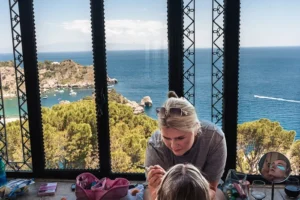



The landscape of the American wedding industry is undergoing a significant transformation as an increasing number of couples pivot away from traditional domestic ceremonies in favor of international destination weddings. Recent market analysis suggests that the global destination wedding market is projected to reach a valuation of over $78 billion by 2027, driven largely by North American couples seeking unique, experiential celebrations that double as extended vacations for their guests. Among the myriad of global options, five locations have emerged as the primary choices for US couples: Costa Rica, Mexico, Italy, the Caribbean, and France. While each offers a distinct cultural and aesthetic appeal, Costa Rica is increasingly viewed as the premier choice for couples prioritizing a balance of ecological sustainability, accessible luxury, and adventurous "weddingmoons."
The Global Shift Toward Experiential Matrimony
The traditional wedding model—often characterized by large guest lists and high-pressure, single-day events—is being replaced by more intimate, multi-day experiences. For US couples, the decision to host a wedding abroad is often motivated by three primary factors: cost-efficiency, guest experience, and the desire for a "built-in" honeymoon. By streamlining guest lists to close friends and family, couples can often afford higher-tier luxury accommodations and personalized services that would be cost-prohibitive at a large-scale domestic event.
Data from the travel and hospitality sector indicates that destination weddings typically span three to five days, incorporating group excursions such as snorkeling, wine tastings, or rainforest tours. This shift has necessitated a more sophisticated infrastructure in host countries, leading to the rise of specialized wedding planning firms and dedicated luxury venues designed to cater to the specific logistical needs of international travelers.
Costa Rica: The Convergence of Sustainability and Luxury
Costa Rica has distinguished itself as a frontrunner in the destination wedding market, largely due to its national commitment to environmental conservation and its "Pura Vida" philosophy. For the modern US couple, the country offers a diverse topographical range that includes active volcanoes, cloud forests, and dual-coastline beach access.
The economic impact of wedding tourism in Costa Rica is substantial. The Instituto Costarricense de Turismo (ICT) has noted a steady increase in high-spending international visitors who arrive specifically for nuptial events. These travelers typically contribute more to the local economy than the average tourist, as they utilize high-end catering, photography, and transportation services.
Case Study: Casa Rio Mar Luxury Villas
Central to Costa Rica’s appeal are venues that offer exclusivity and privacy. Casa Rio Mar Luxury Villas, located on the southern end of Jaco, serves as a primary example of the "private resort" model that is currently trending. The complex, which comprises seven exclusive villas, allows couples to host their entire wedding party in a single, secure location.
Industry analysts point out that venues like Casa Rio Mar succeed because they provide a "blank canvas" for personalization while maintaining the logistical support of a luxury hotel. With access to private gourmet chefs, dedicated transportation, and on-site event coordination, these venues mitigate the stress of planning from a different continent. The proximity to both the rainforest and the ocean allows for a diverse photographic backdrop, a critical metric for couples in the social media age.
The Role of Professional Coordination
The complexity of planning an international wedding has given rise to specialized firms such as Destination Weddings Costa Rica. These entities serve as the essential bridge between US-based couples and local vendors. Professional planners manage the "chronology of the event," which typically begins 12 to 18 months in advance. Their responsibilities include navigating local legal requirements for marriage licenses, managing vendor contracts in Spanish, and ensuring that the ceremony aligns with the seasonal weather patterns of the tropics.
Mexico: The Regional Powerhouse
Mexico remains the most popular destination for US couples due to its geographic proximity and the sheer volume of all-inclusive options. Regions such as Cancun, the Riviera Maya, and Los Cabos offer highly competitive wedding packages that simplify the planning process.
- Cancun and the Riviera Maya: These areas are favored for their turquoise waters and established infrastructure. The presence of international hotel chains ensures a standard of luxury that is familiar to US travelers.
- Tulum: This location has carved out a niche for "boho-chic" weddings, attracting couples who desire an eco-conscious but high-fashion aesthetic.
- Cabo San Lucas: Situated at the tip of the Baja Peninsula, Cabo offers a desert-meets-ocean backdrop that is particularly popular with couples from the West Coast of the United States.
While Mexico leads in volume, some couples are beginning to look toward Costa Rica and other locations to avoid the "cookie-cutter" feel often associated with high-volume all-inclusive resorts.
Italy: The Standard for Timeless Elegance
For couples with higher budgets and a penchant for European history, Italy remains the gold standard. The Italian wedding market is centered on three primary regions: Tuscany, the Amalfi Coast, and Lake Como.
The appeal of Italy lies in its "Old World" charm. Exchanging vows in a centuries-old villa or a rustic vineyard offers a level of prestige and romanticism that is difficult to replicate in the Western Hemisphere. However, the logistical hurdles—including the "Nulla Osta" (a document required for foreigners to marry in Italy)—often require the assistance of high-end international planners. The Italian wedding experience is as much about the culinary heritage as it is about the ceremony, with many couples citing the food and wine as the primary reason for their choice.
The Caribbean: Island Bliss and Proximity
The Caribbean islands, including Jamaica, St. Lucia, and the Turks and Caicos, offer a traditional "toes-in-the-sand" experience. These destinations are highly accessible from the East Coast of the US, with flight times often under four hours.
St. Lucia is frequently cited for its dramatic Piton mountains, providing a more rugged and mountainous backdrop than the flatter islands of the Bahamas. Jamaica is noted for its vibrant culture and diverse range of price points, making it accessible for couples with varying budgets. The Caribbean market relies heavily on the "weddingmoon" concept, where the transition from the wedding ceremony to the honeymoon is seamless and immediate.
France: The Pinnacle of Romantic Heritage
France continues to attract couples looking for a chic, sophisticated atmosphere. While Paris remains a perennial favorite for elopements and small ceremonies, the trend is shifting toward the French Riviera and the chateaus of the Loire Valley.
A wedding in France is often viewed as a "legacy event." The use of historic chateaus allows couples to host events that feel like a royal gala. The French market is characterized by meticulous attention to detail, from floral arrangements to Michelin-starred catering. However, France is often the most expensive option on the list, catering to the luxury tier of the US market.
Chronology of a Destination Wedding: A 12-Month Timeline
To ensure a successful international event, industry experts recommend a structured timeline:
- 12–18 Months Out: Select the destination and venue. Secure a local wedding planner and establish a budget.
- 9–12 Months Out: Send "Save the Date" cards to allow guests to book flights and request time off work. Finalize the guest list.
- 6–9 Months Out: Select vendors (photographer, caterer, florist). In Costa Rica, this is the time to secure specific luxury villas like Casa Rio Mar.
- 4–6 Months Out: Finalize the menu and ceremony details. Ensure all passports are valid for at least six months beyond the travel date.
- 2–3 Months Out: Confirm all local transportation and guest excursions.
- 1 Month Out: Finalize the seating chart and provide the venue with the final guest count.
Economic and Cultural Implications
The rise of destination weddings has significant implications for local economies. In Costa Rica, the "wedding effect" supports a wide range of ancillary businesses, from artisanal florists who use native tropical blooms to local musicians and tour operators. There is also a growing emphasis on "giving back," with many couples incorporating a charitable element into their wedding, such as donating to local wildlife conservation efforts.
Furthermore, the environmental impact is a point of increasing analysis. Costa Rica’s leadership in carbon neutrality makes it a more attractive option for the "Green Wedding" movement. Couples are increasingly choosing venues that utilize solar power, practice zero-waste catering, and support local reforestation.
Conclusion: The Future of the Market
As US couples continue to value experiences over material possessions, the destination wedding trend is expected to maintain its upward trajectory. While Mexico and the Caribbean will continue to dominate in terms of sheer volume, Costa Rica is poised to capture the "premium-adventure" segment of the market. Its ability to offer a high-end, private experience—typified by venues like Casa Rio Mar Luxury Villas—combined with its reputation for safety and sustainability, makes it a formidable competitor to traditional European destinations.
For the couple of 2024 and beyond, the wedding is no longer just a ceremony; it is a global event that defines their values and provides a shared adventure for their community. Whether it is the historic elegance of Italy or the lush, tropical luxury of Costa Rica, the world has become the new venue for the American wedding.