
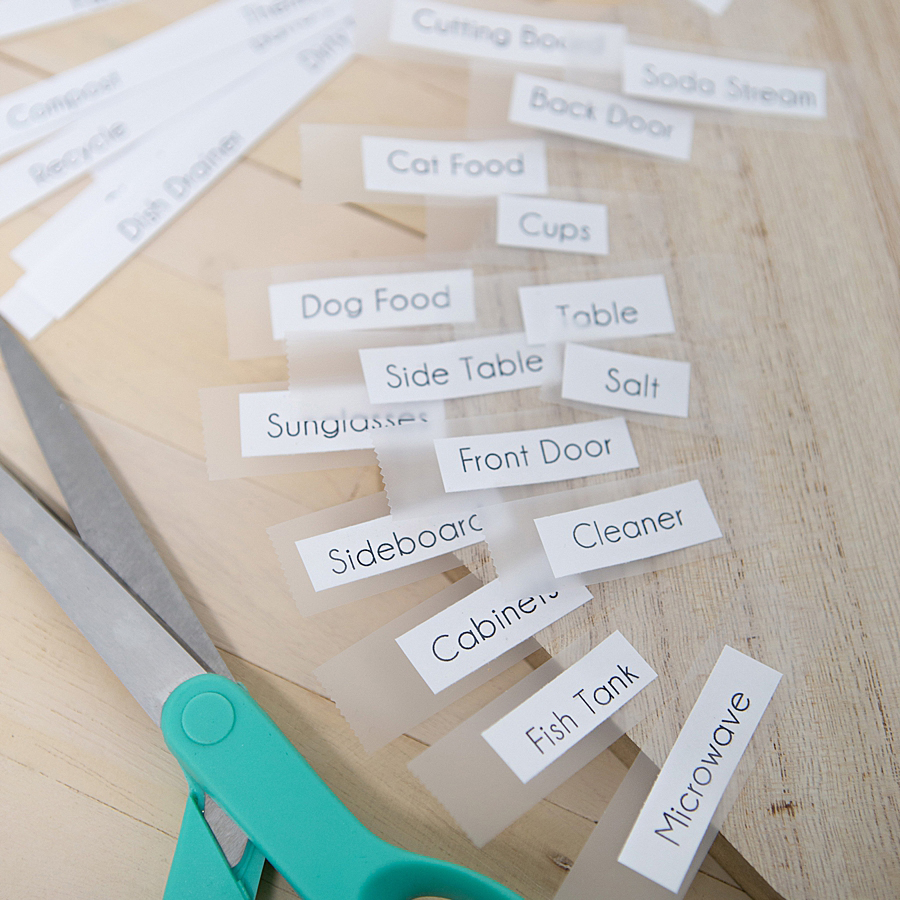
In an effort to address the developmental needs of emergent readers, a new educational strategy has surfaced that leverages the immediate physical environment to bridge the gap between spoken language and written recognition. The initiative, popularized by educational resource developer Jen Causey-Kidder of the organization Something Turquoise, involves the systematic labeling of household objects to create a print-rich environment. By utilizing a curated list of 180 essential household words, the project seeks to transform the domestic sphere into a functional classroom, allowing children to visualize the orthographic representation of objects they interact with daily. This method, rooted in the pedagogical concept of "environmental print," emphasizes functionality over aesthetics, prioritizing the cognitive mapping of words in a real-world context.
The Framework of Environmental Print in Early Education
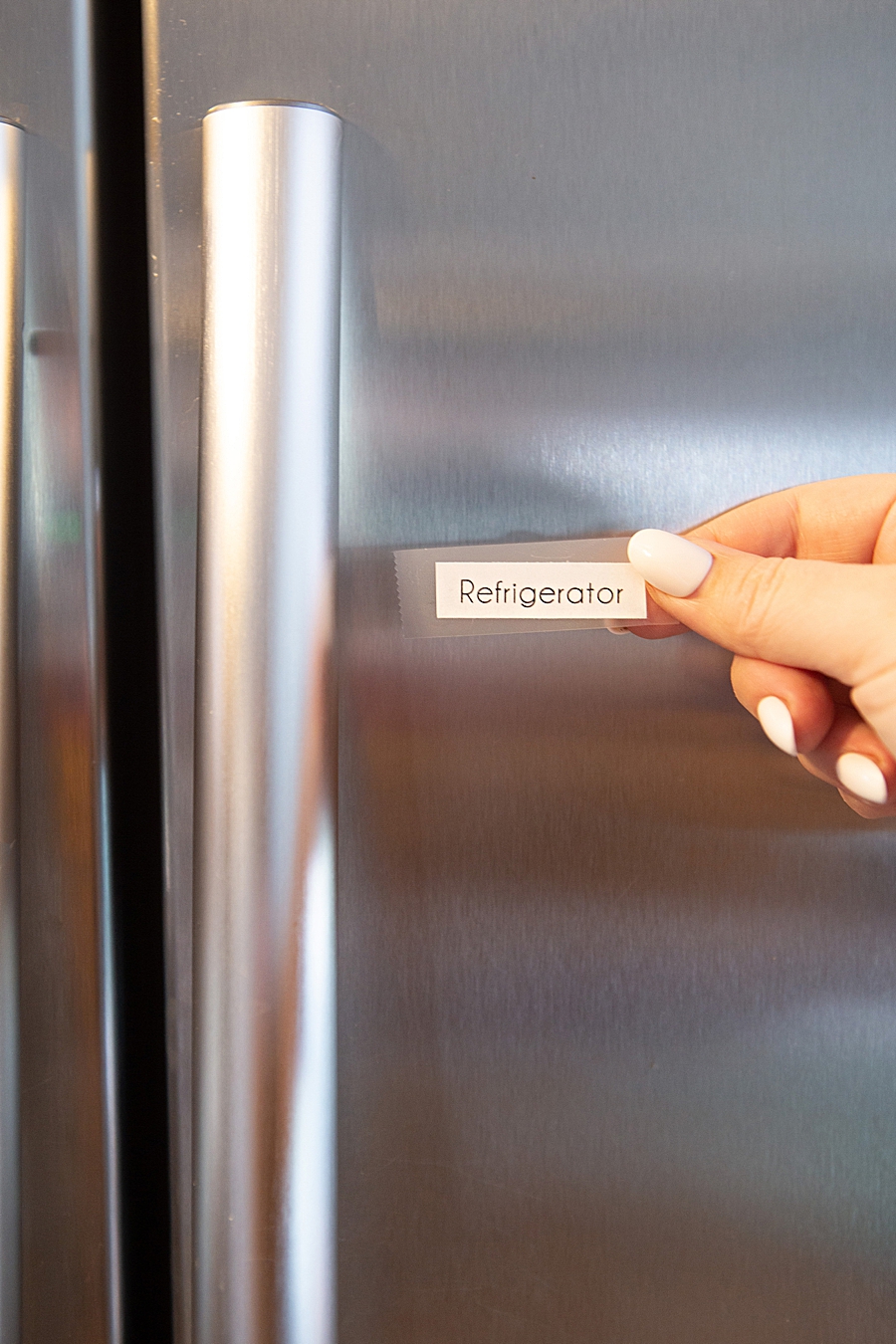
The core of this literacy project rests on the established educational theory that children first learn to read by recognizing symbols and signs in their surroundings. Environmental print—the print of everyday life—includes cereal boxes, street signs, and, in this specific application, household labels. For a child beginning the journey of literacy, the transition from recognizing a physical object to identifying its written name is a critical milestone. By labeling items such as "refrigerator," "door," "lamp," and "chair," parents provide a constant, low-stakes exposure to vocabulary.
Experts in early childhood development suggest that this constant exposure helps build a "sight word" vocabulary. Unlike phonics, which requires the decoding of individual sounds, sight word recognition allows children to memorize the visual configuration of a word. When a child sees the word "table" affixed to the surface they use for meals, the brain creates a direct neurological link between the object and the text. This "magic" of visualization, as described by practitioners, serves as a significant boost to a new reader’s confidence, reducing the frustration often associated with formal reading instruction.
Technical Specifications and Typographic Considerations
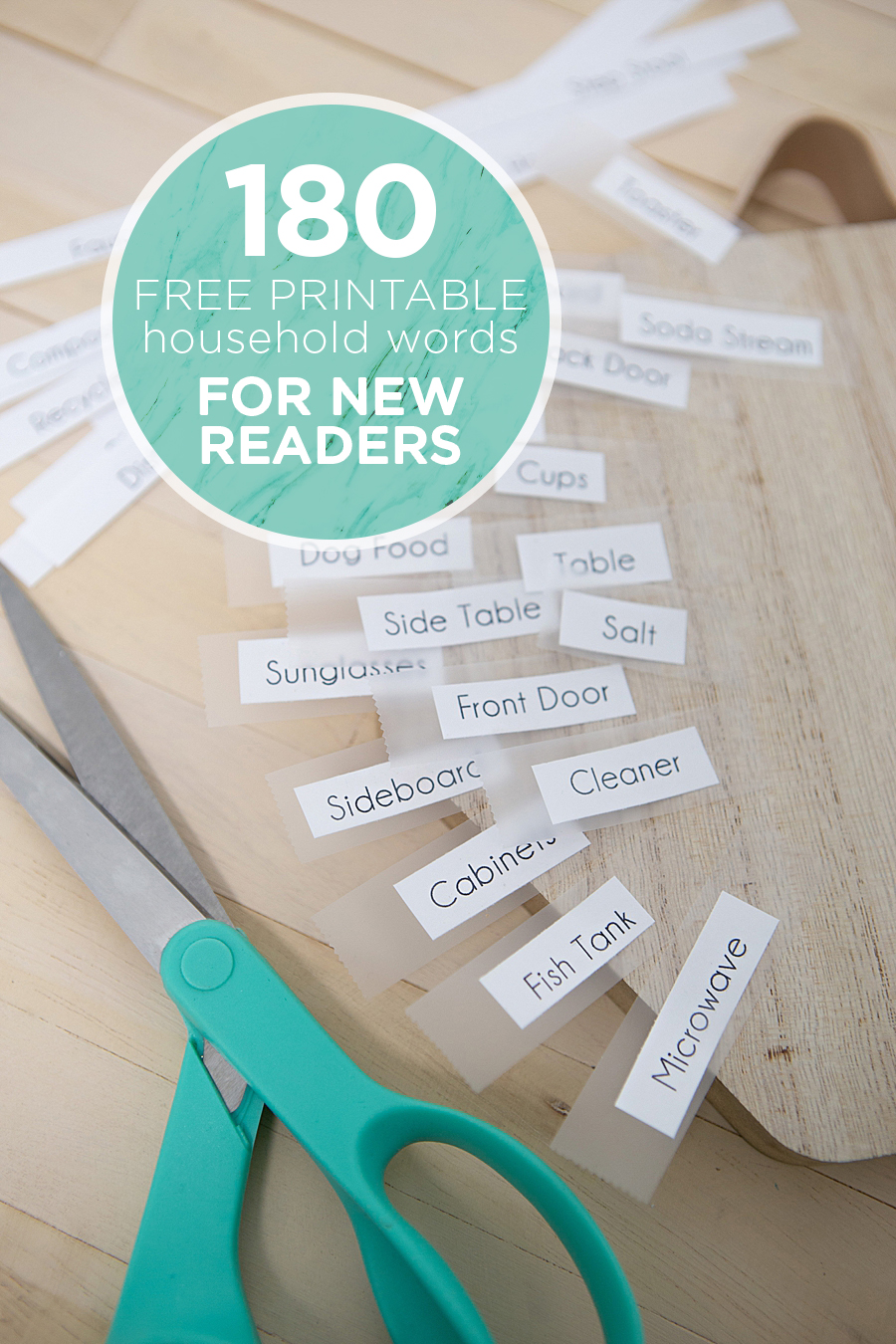
A pivotal component of the project is the selection of an appropriate typeface. Traditional typography often employs "fancy" or stylized versions of certain characters, most notably the lowercase "a," "g," and "t." In many standard fonts, these letters feature serifs or loops (such as the double-story "a") that do not align with the way children are taught to write in primary education. To mitigate confusion, the project utilizes the "Champagne & Limousines" font, a clean, geometric sans-serif typeface that presents letters in their simplest forms.
The importance of font selection in early literacy cannot be overstated. Research in educational psychology indicates that emergent readers can be easily distracted or misled by orthographic variations. By using a font that mimics standard manuscript printing, the labels ensure that the child’s cognitive load is focused on word recognition rather than deciphering complex letter shapes. The printable resource provided by the initiative spans three pages and includes 180 words, ranging from common furniture to more specific household utilities, ensuring a comprehensive coverage of the domestic environment.
Implementation Chronology: A Four-Day Integration Process
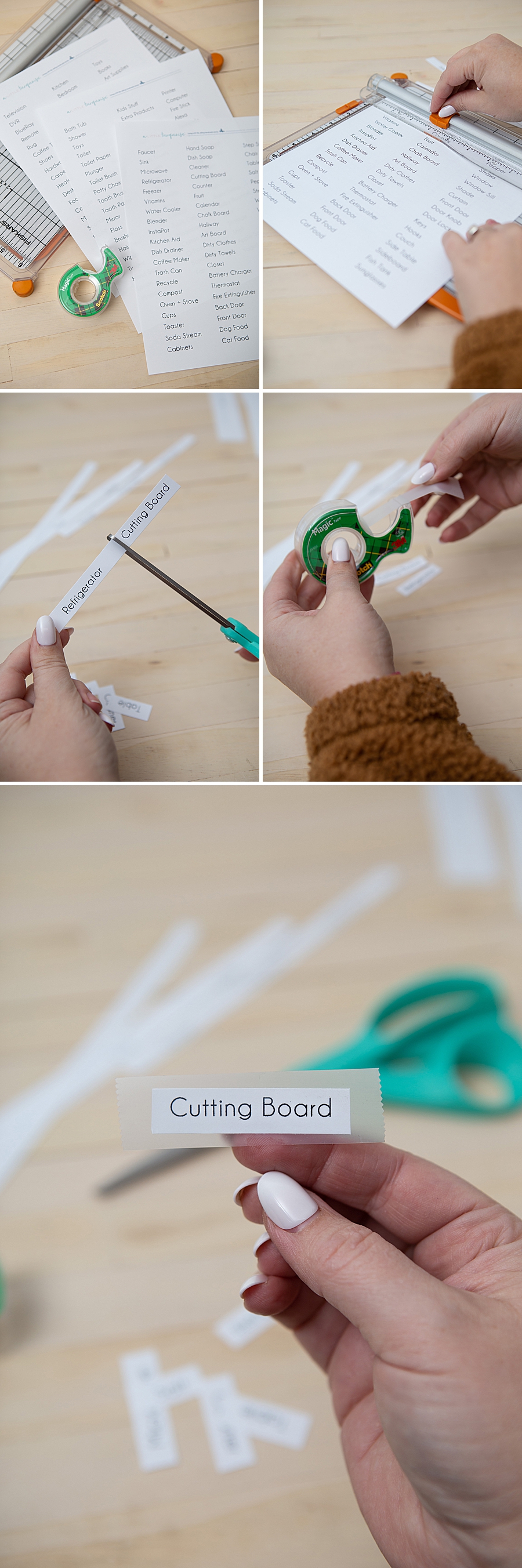
The deployment of these labels is designed to be a collaborative and interactive process rather than a static installation. The documented implementation follows a specific chronological order to maximize engagement and retention:
- Preparation Phase: The primary educator or parent identifies the necessary vocabulary and downloads the standardized 180-word list.
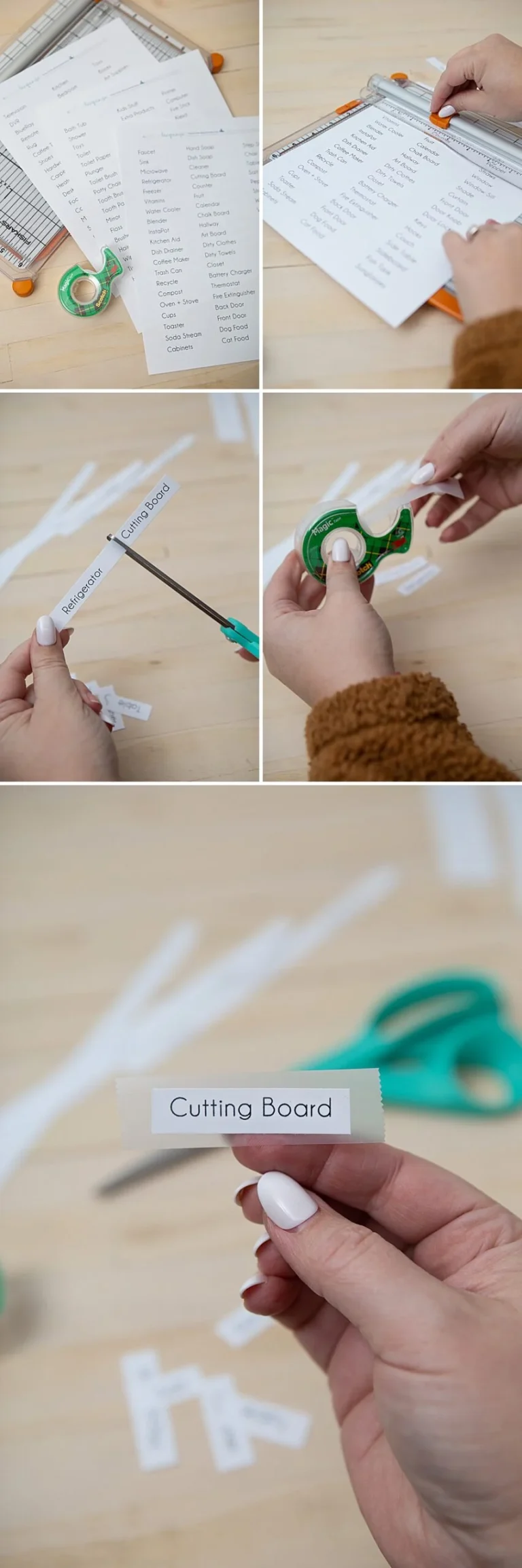
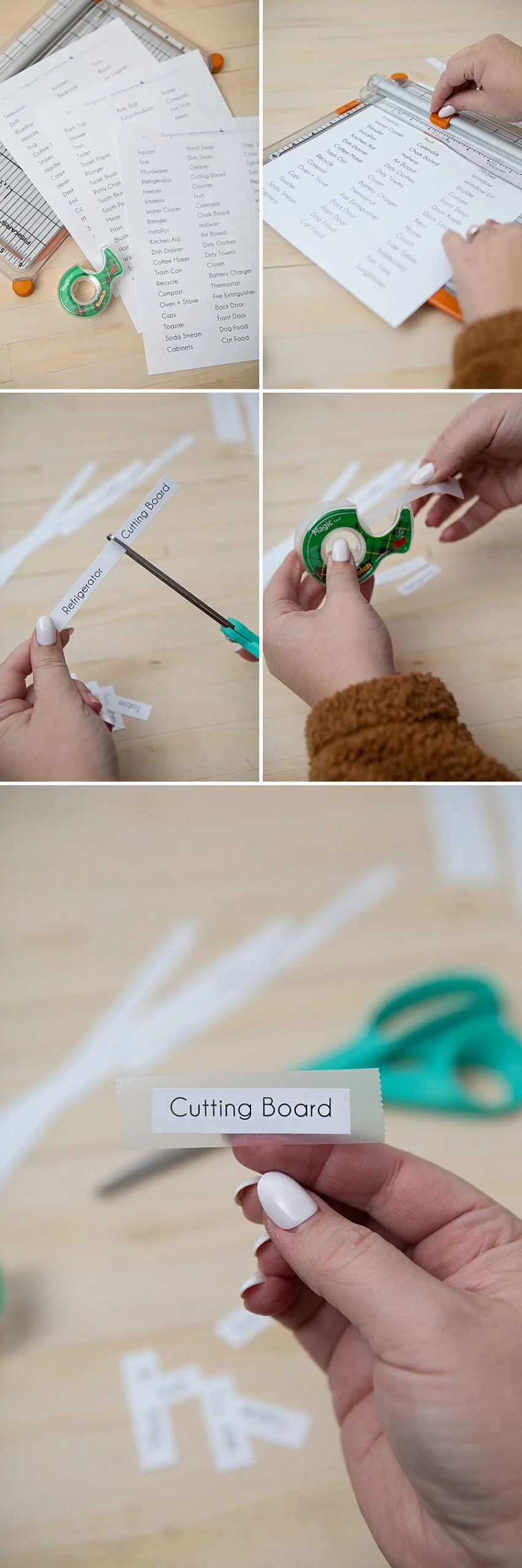
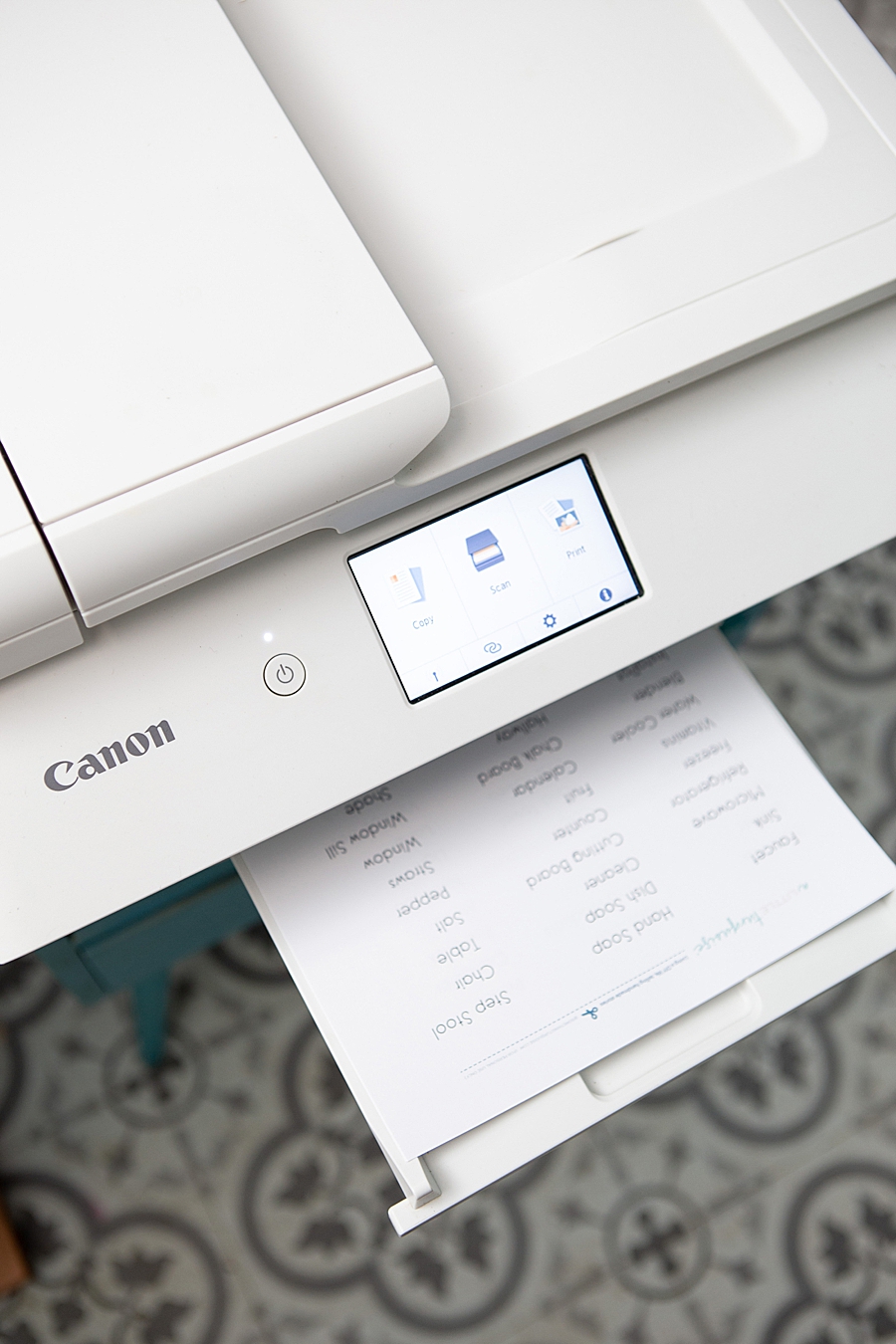
- Production Phase: Using standard printer paper and a crafting printer—specifically the Canon TS9521C was utilized in the pilot—the words are printed and trimmed into individual labels.
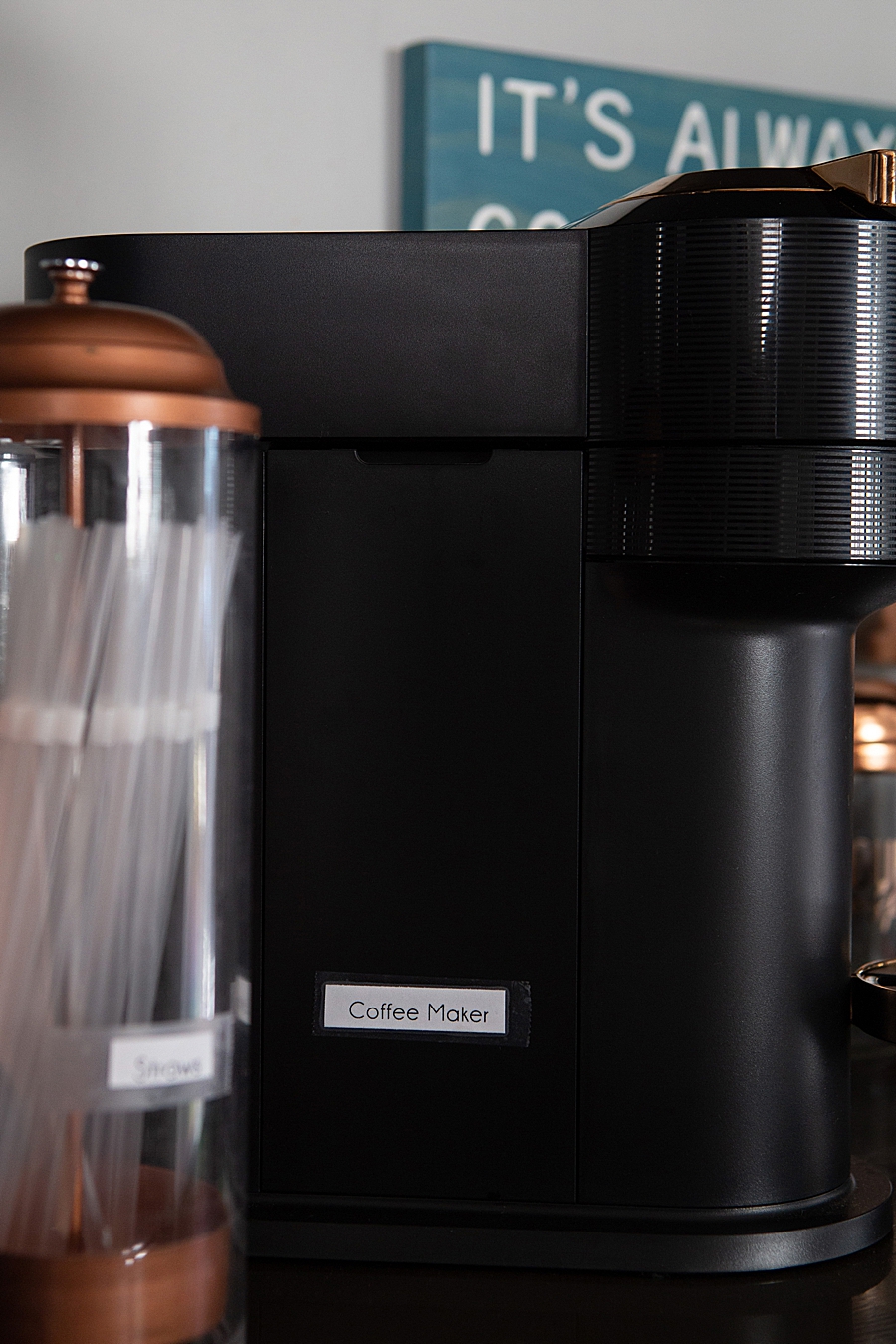
- Active Labeling (Days 1–4): The process of walking through the home and affixing labels is spread over several days. This prevents "print saturation," where the child becomes overwhelmed by too many new visual stimuli at once.
- Interactive Reinforcement: Once the labels are placed, the family engages in "reading walks," where children are encouraged to identify and read the labels aloud as they navigate the house.
This four-day timeline allows the child to take ownership of the learning process. By involving the child in the physical act of taping the labels, the activity shifts from a passive lesson to an active game, fostering a positive emotional connection with reading.
Supporting Data: The Impact of Print-Rich Environments on Literacy
The necessity for such home-based interventions is supported by national literacy statistics. According to the National Assessment of Educational Progress (NAEP), reading proficiency among elementary school students has seen significant fluctuations over the last decade, with a noted decline following the global pandemic. Data suggests that children who grow up in "print-rich" environments—defined as homes with high access to books and visible written language—score significantly higher on standardized literacy tests than those who do not.
Furthermore, the "thirty-million-word gap" study, a seminal piece of research by Hart and Risley, highlighted the profound impact of early language exposure on future academic success. While that study focused on spoken words, modern extensions of the research emphasize that visual exposure to text is a necessary corollary. By introducing 180 labels into the home, parents are effectively increasing the density of literacy-related stimuli, which can help narrow the developmental gap before a child enters formal schooling.
Societal Reactions and Expert Analysis
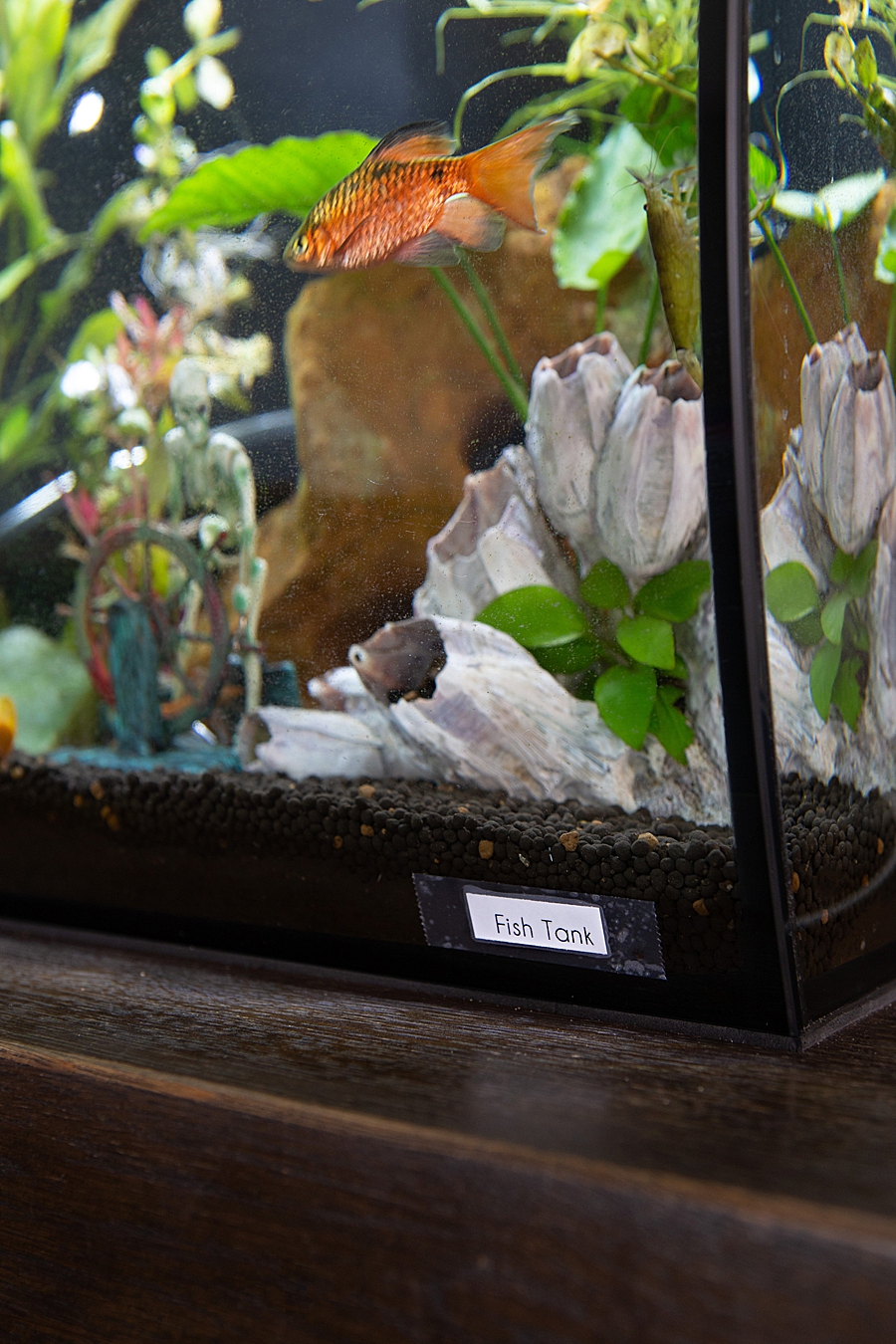
The reception of the household labeling project has been notably positive, though it challenges traditional interior design norms. The creator of the project acknowledges that the labels are "not cute" and may clash with home decor. However, guests and observers have characterized the initiative as a "great idea," prioritizing the child’s developmental gains over aesthetic perfection. This shift in perspective—from the "Instagram-perfect" home to the "functional-learning" home—reflects a growing trend in modern parenting that values educational utility.
Educational consultants have noted that the "functional" nature of these labels serves a dual purpose. First, it teaches the names of objects. Second, it teaches the concept of labeling itself—that symbols carry specific meanings. This is a foundational element of symbolic thought. Reactions from parents who have implemented the system indicate that children often treat the labels as a scavenger hunt, which gamifies the learning experience and reduces the "drudgery" often associated with early phonics drills.
Broader Implications for Early Childhood Education
The implications of this DIY literacy project extend beyond individual households. It represents a democratization of educational tools. By providing the word lists and instructions for free, the initiative bypasses the need for expensive educational toys or private tutoring. All that is required is a basic printer, paper, and tape, making this a highly accessible intervention for families across various socioeconomic backgrounds.
Moreover, the project highlights the evolving role of the parent as a "first teacher." As educational standards become more rigorous, the home is increasingly seen as a vital extension of the classroom. The success of the 180-word labeling project suggests that simple, low-tech solutions can be just as effective as high-tech educational apps, provided they are grounded in sound pedagogical principles.
The long-term impact of such an environment may also include improved spelling and writing skills. As children become accustomed to seeing the correct spelling of "refrigerator" or "microwave" every time they seek a snack, they internalize these complex spellings through passive observation. This orthographic mapping becomes a resource they can draw upon when they begin to produce their own written work in school.
Conclusion and Future Outlook
As the project continues to gain traction on social media platforms like Instagram, where the hashtag #somethingturquoisediy is used to track progress, the trend of environmental labeling appears to be expanding. Future iterations of the project may include bilingual labels for ESL (English as a Second Language) households or specialized lists for different areas of interest, such as garden tools or garage equipment.
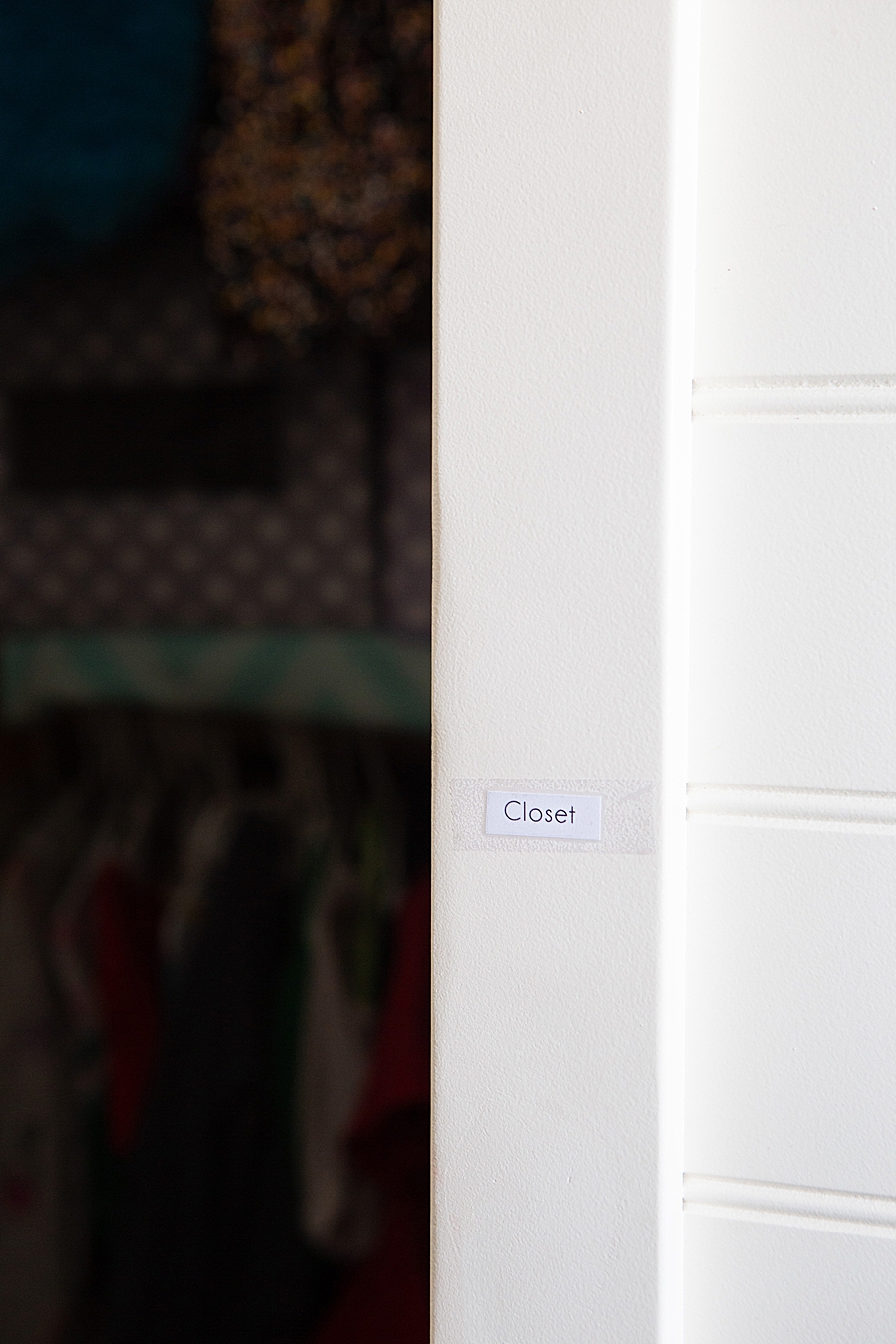
While the labels may eventually be removed once the child reaches a certain level of proficiency, the cognitive foundation they help build remains. The transition from a labeled home to an unlabeled one marks a significant rite of passage in a child’s life—the moment when the world itself becomes readable without assistance. Until then, the presence of 180 functional, albeit "uncute," labels serves as a testament to the power of intentional environment design in the pursuit of literacy. The initiative stands as a clear example of how practical, research-informed strategies can be implemented by parents to provide their children with a significant advantage in their educational journey.