

The Evolution of the Sprinkle-Centric Design Philosophy
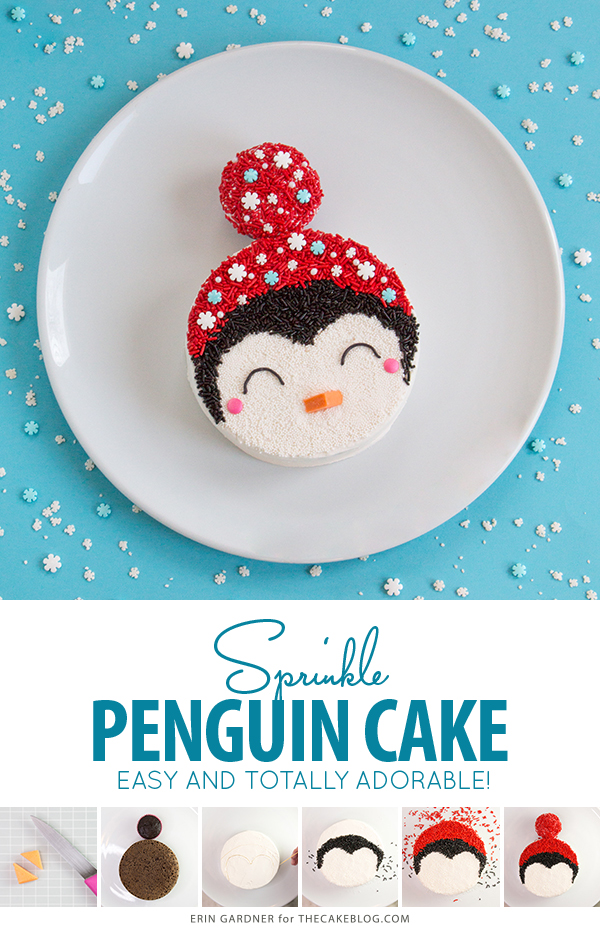
The emergence of the Penguin Cake represents a calculated evolution within the "sprinkle universe," a conceptual framework established by Gardner through her earlier "sprinkle girl" iterations. These designs prioritize the use of nonpareils and shaped sprinkles to create complex imagery without the need for advanced fondant sculpting or intricate piping skills. By utilizing a "fill-in-the-blanks" methodology, the design democratizes high-end cake aesthetics, making them achievable for hobbyists while maintaining a professional finish suitable for commercial display.
This specific tutorial was released to coincide with the winter holiday season, targeting a demographic looking for versatile, winter-themed desserts that bypass traditional religious motifs in favor of general seasonal charm. The penguin motif, characterized by its "kawaii" or "cute" proportions, aligns with current social media trends that favor high-contrast, textured food photography.
Technical Methodology: A Chronological Reconstruction
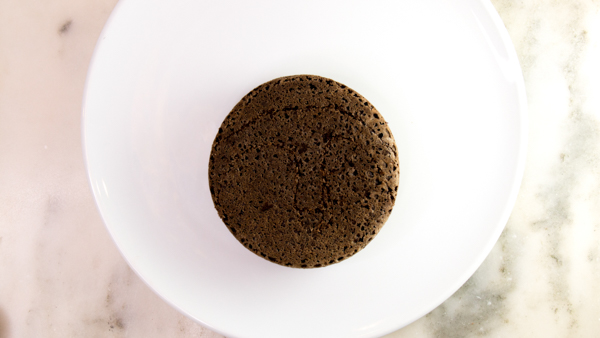
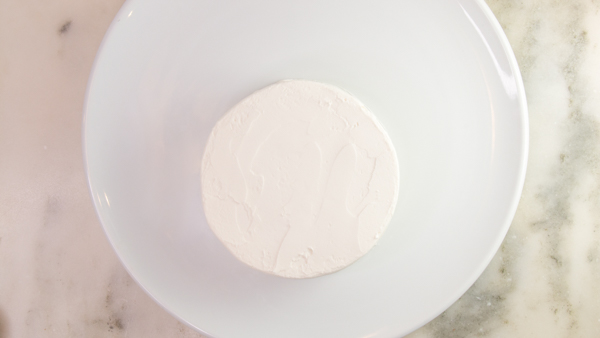
The production of the Penguin Cake follows a rigorous technical sequence designed to ensure structural integrity and visual clarity. The process begins with the preparation of a standard cake base, which is then encased in a "thick layer of plain buttercream." Unlike traditional cake decorating, where a perfectly smooth "crumb coat" and final layer are required, this methodology acknowledges that the buttercream serves primarily as an adhesive.
Phase I: Mapping and Topography
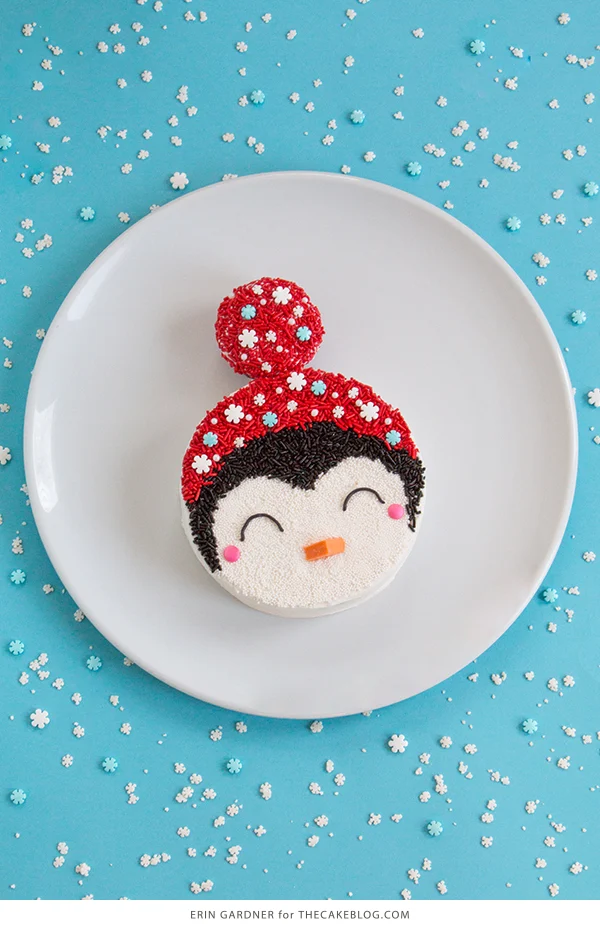
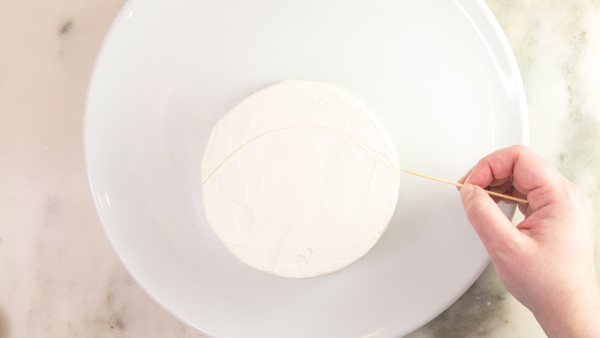
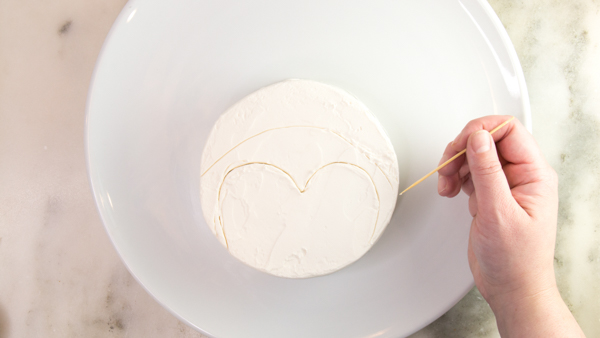
The initial stage involves "mapping" the penguin’s features onto the fresh buttercream. Using a toothpick or skewer, the baker outlines a half-moon shape across the upper hemisphere of the cake to delineate the "hat" area. Below this, an "open-bottom heart" shape is etched to define the facial structure. This stage is critical for maintaining the proportions of the character, acting as a blueprint for the subsequent application of media.
Phase II: Media Application (The Sprinkle Inlay)
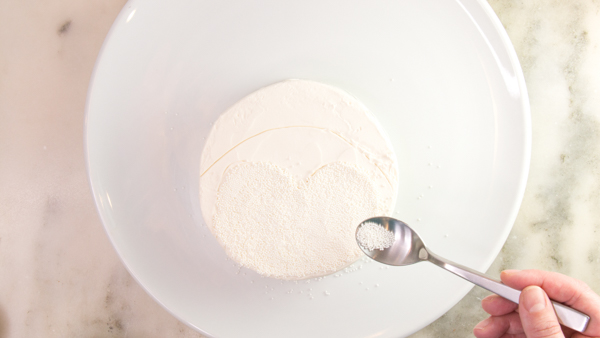
The application of sprinkles is executed in a specific order to minimize cross-contamination of colors. The white nonpareils, representing the face, are applied first. This choice is strategic; as the largest and most central area, it establishes the focal point. A spoon is utilized to distribute the nonpareils, with the convex side of the tool used to smooth the surface—a technique that mirrors industrial inlay processes.
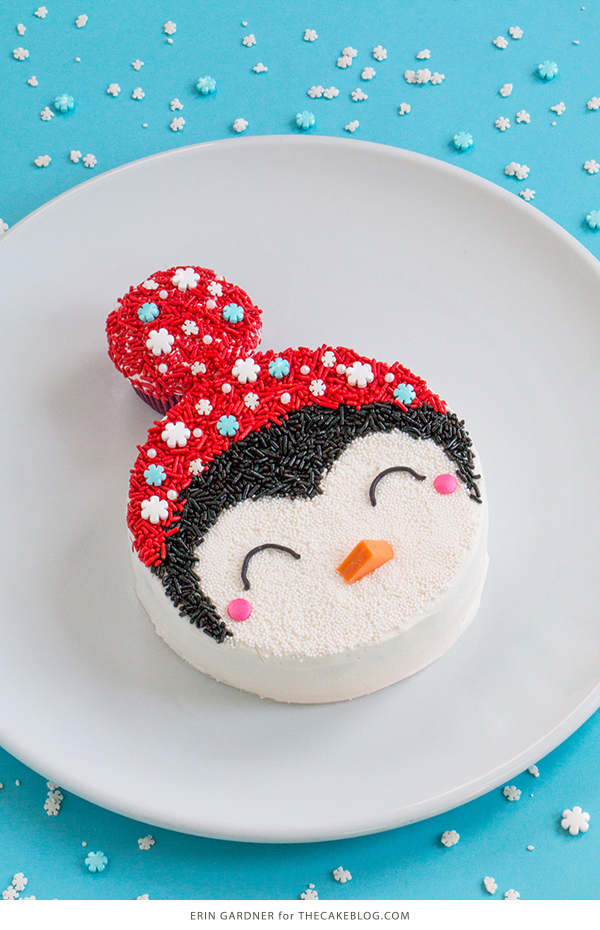
Subsequently, black sprinkles are applied to form the "skin" or outer body of the penguin, followed by red sprinkles for the hat. The tutorial emphasizes a "bottom-up" recovery system, suggesting the cake be placed on a baking sheet to catch and reclaim excess media, thereby reducing material waste.
Phase III: Structural Additions and Detailing
The design incorporates a secondary baked element—a cupcake—to serve as the pom-pom for the penguin’s hat. This element is coated in buttercream and dipped directly into red sprinkles before being "adhered" to the platter with a "dab of buttercream."
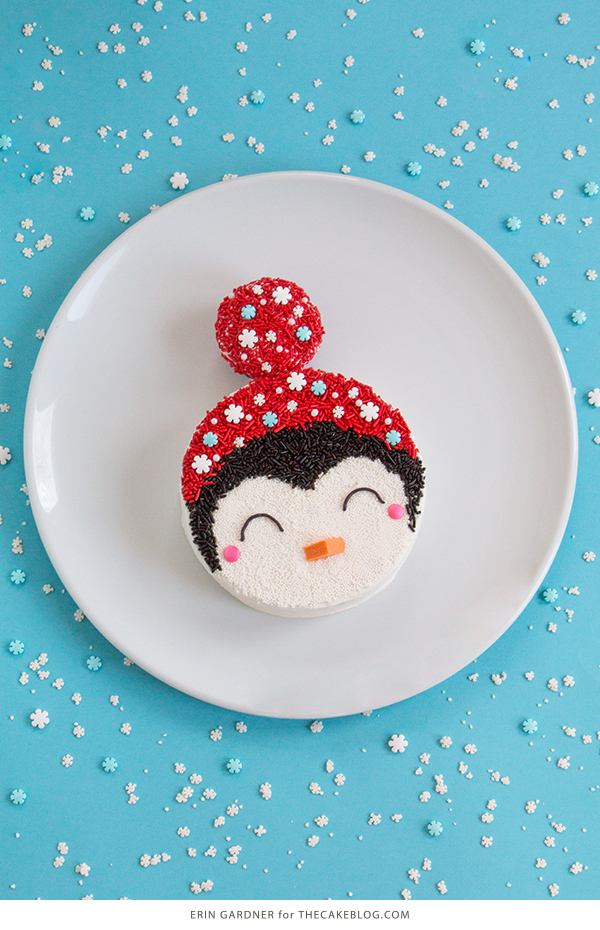
Final detailing involves the use of "edible ready-mades." A Starburst fruit chew is bisected diagonally to create a triangular beak, while pink confetti sprinkles serve as malar markings (cheeks). The eyes are rendered through precision piping using a small round tip and black buttercream, allowing for a degree of expression that solid sprinkles cannot provide.
Material Science: The Interaction of Moisture and Confectionery
A critical observation noted in the tutorial involves the "softening" of sprinkles when exposed to refrigerated environments. This phenomenon is a result of moisture migration; the high water content in many buttercream formulations can dissolve the sugar-based coating of the nonpareils over time, leading to color bleeding and loss of structural "crunch."
To mitigate this, the tutorial advises that the assembly be completed on the day of service. This recommendation highlights a common challenge in the confectionery industry: balancing visual longevity with preparation timelines. For long-term storage, the use of airtight containers is recommended, though the choice between ambient and refrigerated storage remains dependent on the specific stability of the buttercream used (e.g., American, Swiss Meringue, or Italian Meringue).
Market Context and Economic Data
The release of specialized tutorials like the Penguin Cake occurs within a booming global market for cake decorating supplies. According to market research data from 2023, the global cake decorating market is projected to reach a valuation of several billion dollars by 2030, growing at a compound annual growth rate (CAGR) of approximately 5.4%.
The "sprinkle" segment, in particular, has seen a surge in "premiumization." Where nonpareils were once limited to basic primary colors, the market now supports a diverse array of "medleys" and "custom blends" that include metallic finishes, varying shapes (such as the snowflakes used in Gardner’s design), and vegan/natural dye alternatives. This growth is driven largely by the "creator economy," where digital platforms like The Cake Blog provide the necessary "how-to" content that stimulates the purchase of these specialized ingredients.
Industry Response and Impact
While official corporate responses to individual tutorials are rare, the broader culinary community has signaled a shift toward these "texture-forward" designs. Professional pastry chefs have noted that sprinkle-coated cakes offer a high "perceived value" to customers while requiring less labor-intensive "bench time" than traditional hand-painted or sculpted cakes.
"The beauty of the sprinkle-coated method is its forgiveness," says one anonymous industry analyst. "It hides the structural imperfections of the cake while providing a sophisticated, tactile finish that appeals to the modern consumer’s desire for ‘Instagrammable’ food."
Furthermore, the customization options mentioned in the tutorial—such as the addition of chocolate sunglasses or striped hat patterns—encourage "consumer agency." This modular approach to recipe design allows home bakers to feel like "designers" rather than mere "replicators," a psychological distinction that fosters brand loyalty to the content creator.
Broader Implications for Digital Culinary Education
The Penguin Cake tutorial is emblematic of the "micro-learning" trend in the culinary arts. By breaking down a complex-looking final product into manageable, logic-based steps, Gardner and The Cake Blog are contributing to the democratization of specialized skills. This has significant implications for the traditional culinary school model, as more individuals turn to high-quality digital tutorials to achieve professional-grade results at home.
The use of video tutorials alongside written instructions further enhances the accessibility of the content, catering to different learning styles. As augmented reality (AR) and more advanced digital tools enter the kitchen, we can expect the "sprinkle universe" and similar conceptual frameworks to become even more interactive, allowing users to "overlay" designs onto their cakes in real-time.
Conclusion: A Seasonal Staple in the Making
The Adorable Sprinkle Coated Penguin Cake stands as a testament to the power of thoughtful design in the confectionery arts. It is not merely a recipe but a blueprint for a specific style of edible art that prioritizes texture, contrast, and accessibility. As the winter season progresses, designs of this nature are expected to proliferate across social media platforms, further cementing the role of digital contributors like Erin Gardner in shaping contemporary food culture.
By combining material science (managing sprinkle moisture), economic strategy (utilizing market-available "ready-mades"), and artistic vision, the tutorial provides a comprehensive roadmap for culinary success. Whether served at a small holiday gathering or a winter birthday celebration, the Penguin Cake represents the intersection of technical precision and whimsical creativity that defines the modern baking era.