


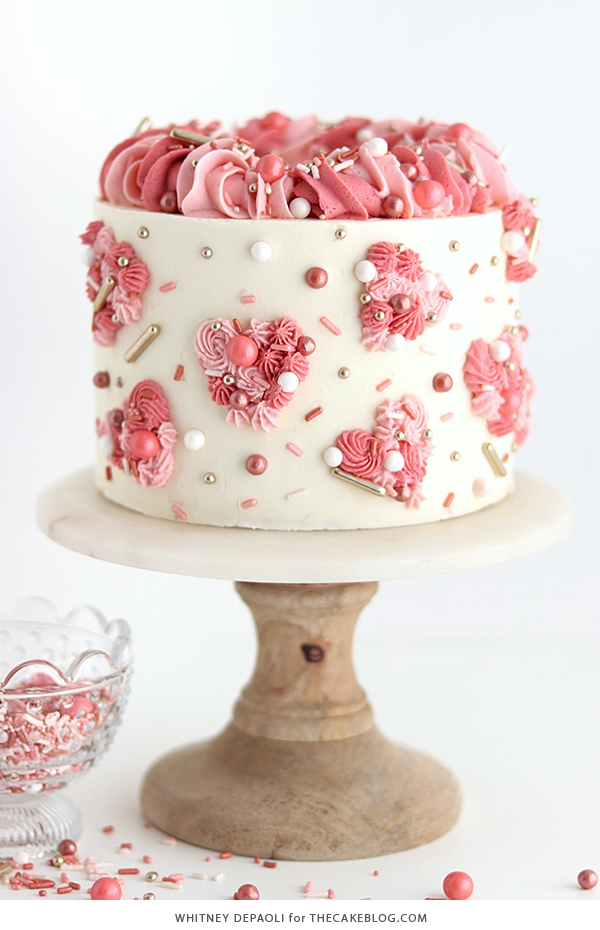
The landscape of seasonal confectionery is undergoing a significant transformation as artisanal techniques once reserved for high-end patisseries transition into the mainstream culinary consciousness. This shift is exemplified by the latest instructional release from Whitney DePaoli, a prominent contributor to The Cake Blog, who has introduced a sophisticated "piped heart" methodology that merges traditional Valentine’s Day motifs with modern textural aesthetics. The technique, which leverages specific geometric imprinting and multi-layered buttercream application, represents a broader trend in the baking industry toward accessible yet visually complex designs that cater to the "prosumer" market—amateur bakers who utilize professional-grade tools and techniques.
Technical Overview of the Imprint-and-Fill Methodology
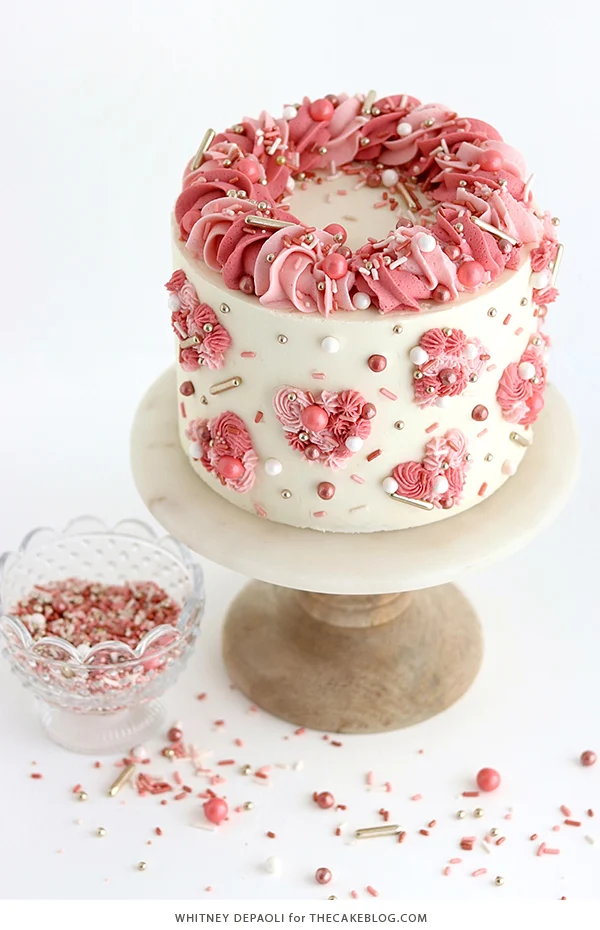
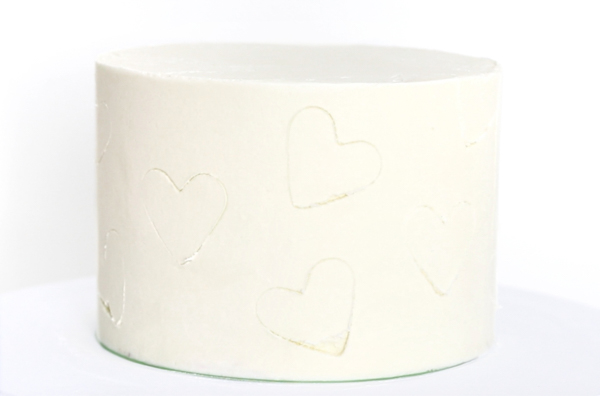
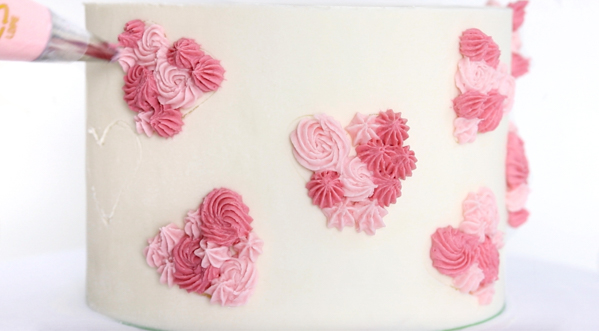
At the core of this culinary development is a systematic approach to surface decoration that prioritizes precision over freehand execution. The methodology utilizes a heart-shaped cookie cutter not as a cutting tool, but as a structural guide. By imprinting the silhouette of a heart onto a chilled, frosted cake surface, the decorator establishes a clear boundary for the subsequent application of buttercream. This architectural approach minimizes the margin for error, allowing for a more uniform distribution of shapes across the cake’s circumference.
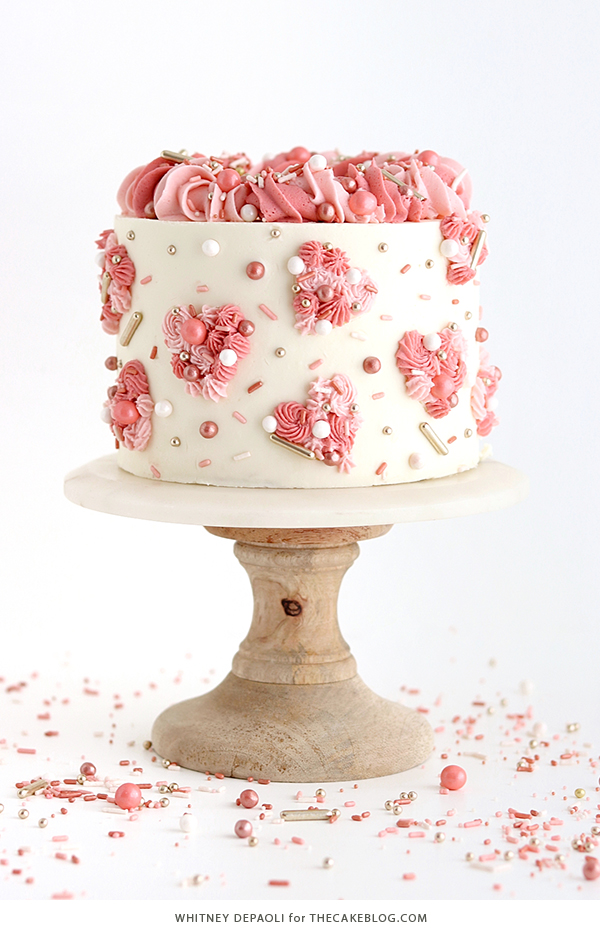
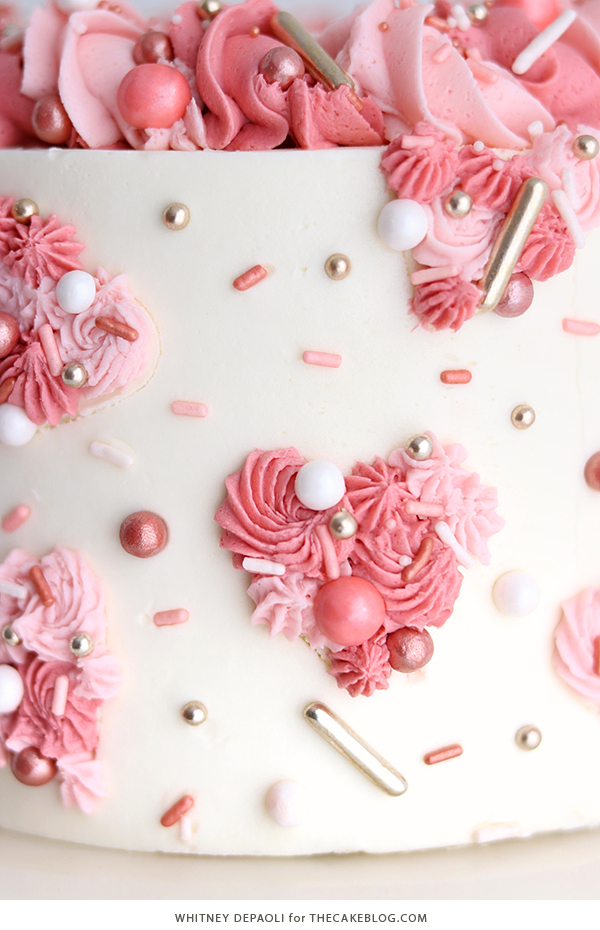
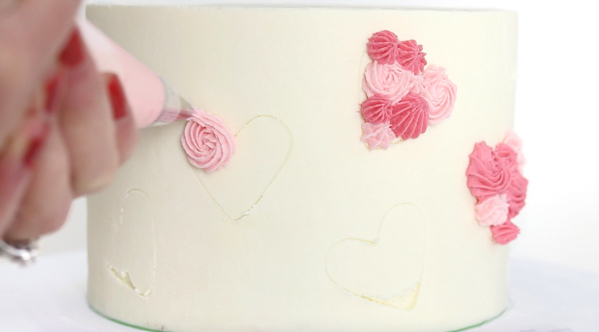
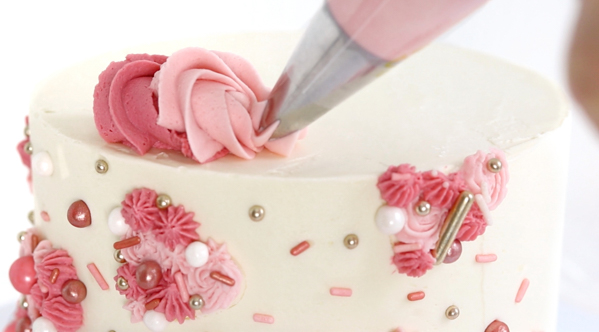
The application phase involves a diverse array of piping tips, specifically the 1M, 199, and 21 tips, which are used to create a variety of "rosettes" and "stars" within the pre-marked boundaries. This multi-tip strategy is designed to maximize visual depth through varying diameters and ridge counts in the frosting. By filling the heart-shaped voids with these micro-textures, the resulting design achieves a three-dimensional effect that mimics the appearance of embroidery or floral arrangement.
The Evolution of the Valentine’s Day Aesthetic
Historically, Valentine’s Day confectionery was dominated by smooth fondant finishes or simple royal icing scripts. However, market data from the last five years indicates a decisive move toward "maximalist" textures. Industry analysts suggest that this trend is driven by the visual demands of social media platforms, where high-contrast, high-texture images perform significantly better than their flat counterparts.
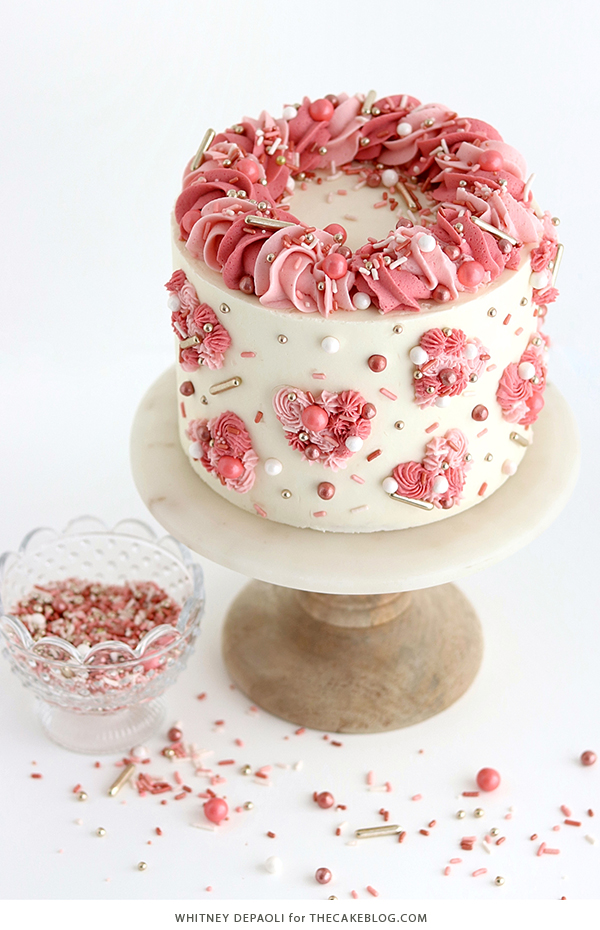
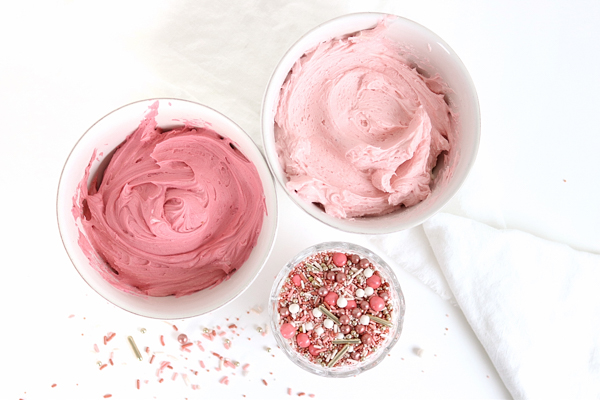
The "Piped Hearts" design is a direct response to this evolution. While the color palette remains rooted in traditional pinks and rose golds—utilizing specific pigments such as Americolor Dusty Rose—the application is decidedly contemporary. By moving away from the singular, large heart motif of the 20th century, DePaoli’s method encourages a decentralized, random pattern that reflects modern graphic design principles. This technique was reportedly inspired by the work of digital influencer @frostedfujicakes, highlighting the circular nature of innovation within the online baking community.
Economic and Cultural Significance of Holiday Confectionery
The release of such specialized tutorials coincides with a period of peak economic activity in the baking sector. According to reports from the National Retail Federation (NRF), consumer spending on Valentine’s Day-related food items has seen a steady increase, with a significant portion of that spending directed toward "experiential" baking at home. The rise of the "Galentine’s Day" phenomenon—a celebration of platonic friendship—has further expanded the market, creating a demand for versatile designs that are suitable for both romantic and social contexts.

Furthermore, the global home-baking market, which was valued at approximately $14 billion in 2020, is projected to continue its upward trajectory. Tutorials that demystify complex professional techniques are a primary driver of this growth, as they lower the barrier to entry for hobbyists while encouraging the purchase of specialty equipment such as piping bags, gel colors, and decorative sprinkles.
Chronology of the Decorating Process
The execution of the Piped Hearts Valentine’s Cake follows a rigorous chronological sequence designed to ensure structural integrity and visual clarity.
- Preparation and Pigmentation: The process begins with the preparation of a stable medium, typically American buttercream, which is favored for its tintable nature and structural rigidity. The frosting is divided and calibrated using food color gels to achieve specific tonal gradations.
- Tool Configuration: Four piping bags are fitted with a variety of star and rosette tips. This stage is critical for ensuring a seamless workflow during the high-detail piping phase.
- Surface Imprinting: On a foundation of chilled frosting, the heart-shaped cookie cutter is used to create a geometric "map." Analysts note that the chilling of the base cake is a non-negotiable step, as it prevents the cutter from deforming the primary frosting layer.
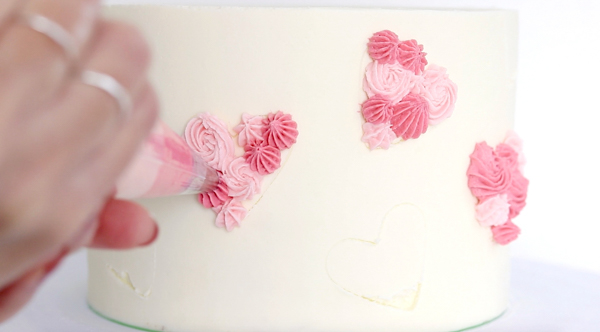
- Textural Infilling: The interior of the heart imprints is populated with rosettes and stars. The objective here is density; the closer the piping, the more defined the final shape appears.
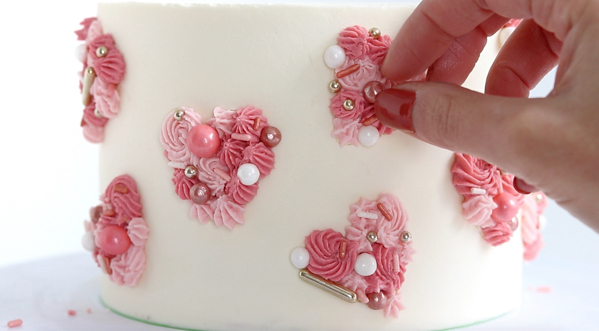
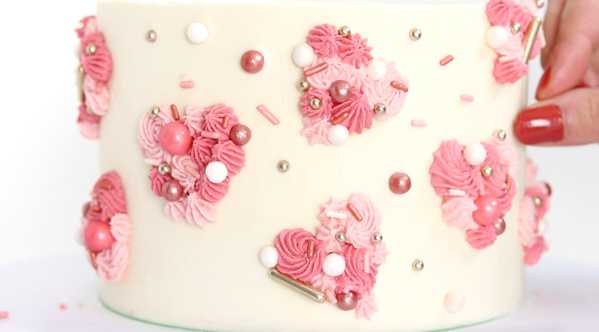
- Accenting and Stabilization: Sprinkles are added to fill minute gaps. This is often done using a damp fingertip or precision tweezers to ensure placement accuracy.
- The Border Finale: The design concludes with a "rosette rope border," a technique that requires the decorator to pipe counter-clockwise in alternating colors, providing a frame for the intricate side-panel work.
Regulatory and Safety Considerations in Cake Decoration
A notable aspect of modern cake decoration is the increasing use of metallic elements, such as gold and silver dragées. The DePaoli tutorial includes a significant cautionary note regarding these items. While gold and silver dragées are widely available and considered "safe for decoration," the United States Food and Drug Administration (FDA) has not approved many of these metallic-coated products for human consumption.
In a professional journalistic context, this highlight reflects a growing awareness within the culinary community regarding the intersection of aesthetics and food safety. Professional bakers are increasingly encouraged to provide clear instructions to consumers regarding non-edible elements, such as long gold rods or large metallic spheres, which may pose a choking hazard or contain non-consumable minerals. This transparency is becoming a standard in the industry, protecting both the creator and the consumer.
Broader Industry Implications and Analysis
The "Piped Hearts" technique is more than a simple holiday project; it is a case study in the democratization of culinary art. By breaking down a complex visual into a series of repeatable, tool-based steps, creators like DePaoli are essentially "open-sourcing" professional aesthetics.
From a business perspective, this movement toward textured buttercream designs offers a sustainable alternative to fondant-heavy cakes. Buttercream is generally more palatable to the average consumer and requires less labor-intensive "sculpting," which can reduce the time-cost for professional bakeries. Additionally, the ability to customize the color palette—moving away from traditional pinks to "monotone" or "alternative" schemes—allows bakers to market the same technical skill for various occasions, from weddings to corporate events, by simply altering the pigment and the shape of the initial imprint.
Reactions from the Culinary Community
While formal statements from major culinary institutions on this specific tutorial are pending, the general consensus among pastry chefs is one of approval for techniques that emphasize "texture over perfection." Chef-educators often point out that "fill-in" techniques are excellent for developing "muscle memory" in novice decorators. The random nature of the heart placement and the variety of tips used allow for a more forgiving experience than the rigid symmetry required by traditional Victorian piping.
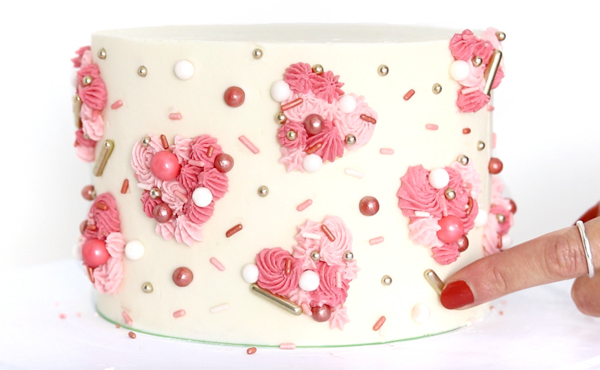
Industry observers also note that the "textured cake" trend shows no signs of waning. As consumers become more sophisticated in their tastes, they are looking for desserts that feel "hand-crafted" rather than "factory-produced." The intentional irregularities in the piped hearts and the addition of hand-placed sprinkles satisfy this consumer desire for authenticity and artisanal effort.
Conclusion
The Piped Hearts Valentine’s Cake stands as a testament to the current state of the baking arts: a blend of digital inspiration, traditional themes, and technical innovation. As the industry moves forward, the focus remains on providing consumers and hobbyists with the tools and knowledge to create high-impact, visually stunning centerpieces. Whether used for a professional commission or a personal celebration, the methodology pioneered by Whitney DePaoli and her contemporaries continues to redefine the boundaries of what is possible in the modern kitchen. This focus on texture, color theory, and geometric precision ensures that the tradition of the Valentine’s Day cake will remain relevant and vibrant for years to come.