Early childhood literacy development has long been a focal point of educational research, with experts consistently seeking ways to bridge the gap between spoken language and written comprehension. A recent initiative emerging from the educational DIY sector, pioneered by Jen Causey-Kidder of Something Turquoise, has introduced a systematic approach to environmental print integration. By utilizing a curated list of 180 household words, the method transforms a domestic residence into a living classroom, allowing new readers to associate physical objects with their written identifiers. This strategy, rooted in the pedagogical concept of "environmental print," aims to lower the barrier to entry for children who are beginning to navigate the complexities of phonics and sight-word recognition.
The Methodology of Environmental Labeling
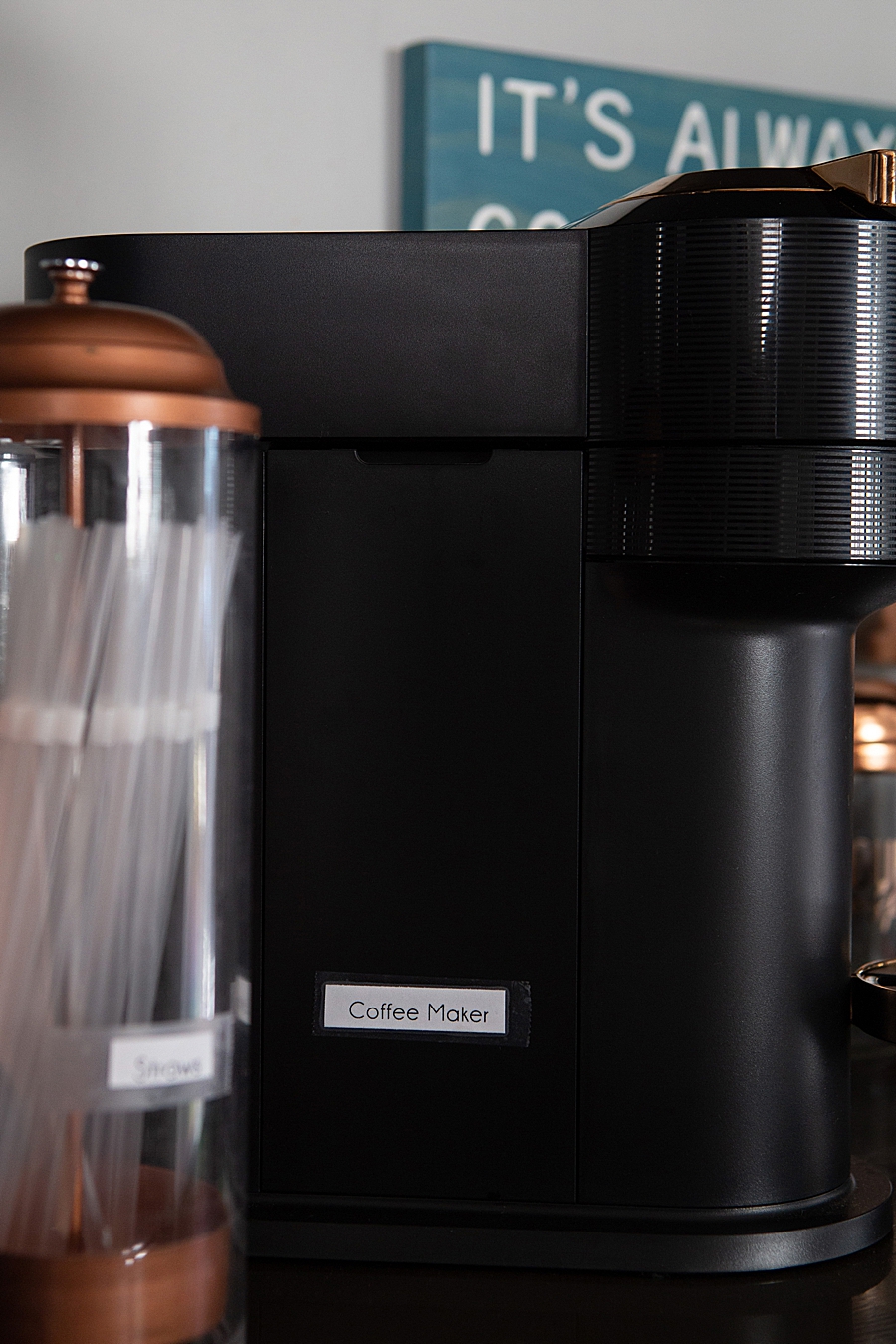
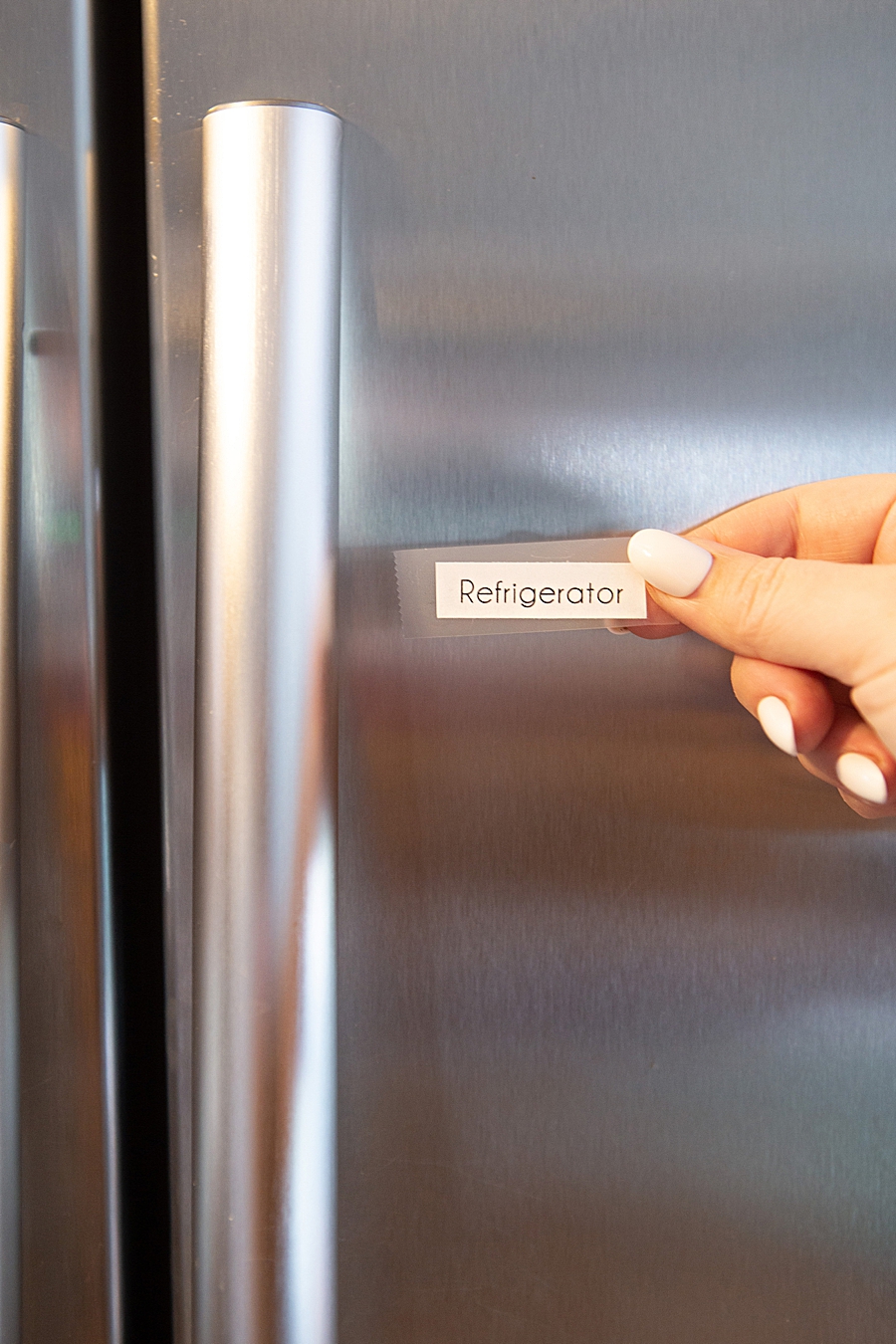
The initiative began following a consultation with a professional reading specialist, who emphasized that labeling common household items provides a significant cognitive boost for developing readers. The underlying logic is based on familiarity; children are already intimately acquainted with the objects in their home, such as a "chair," "table," or "refrigerator." By placing a written label directly on these items, the child can visualize the word in a constant, unchanging context. This repetition facilitates the transition from recognizing an object to recognizing the symbolic representation of that object in text.
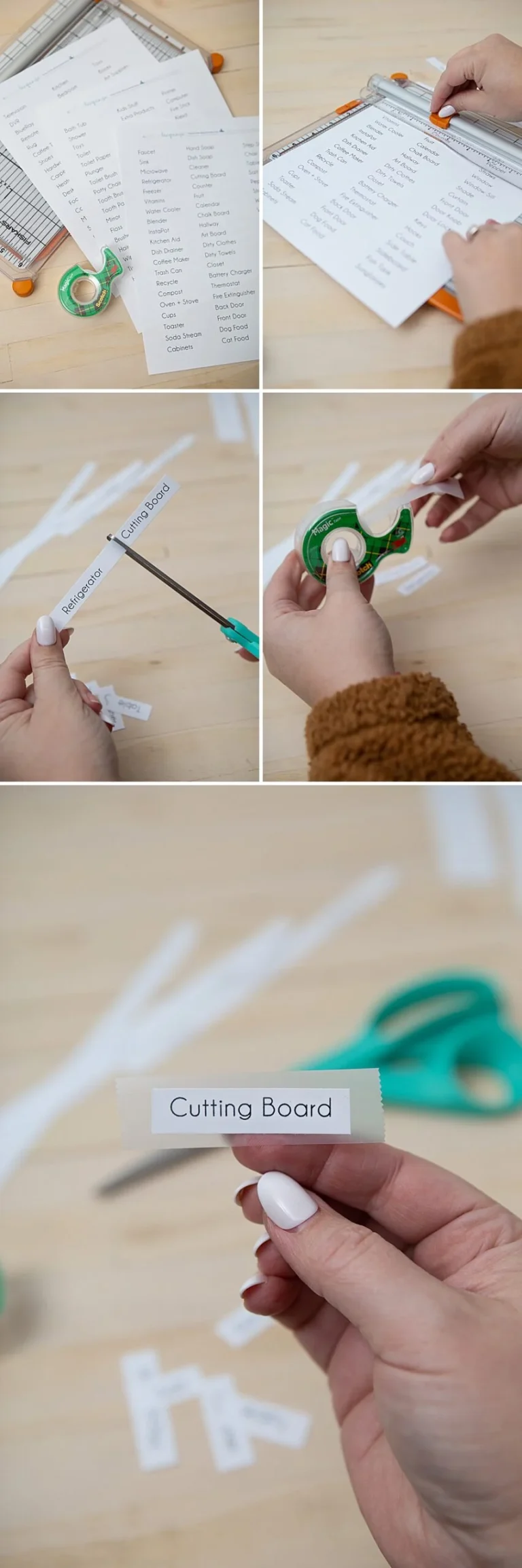
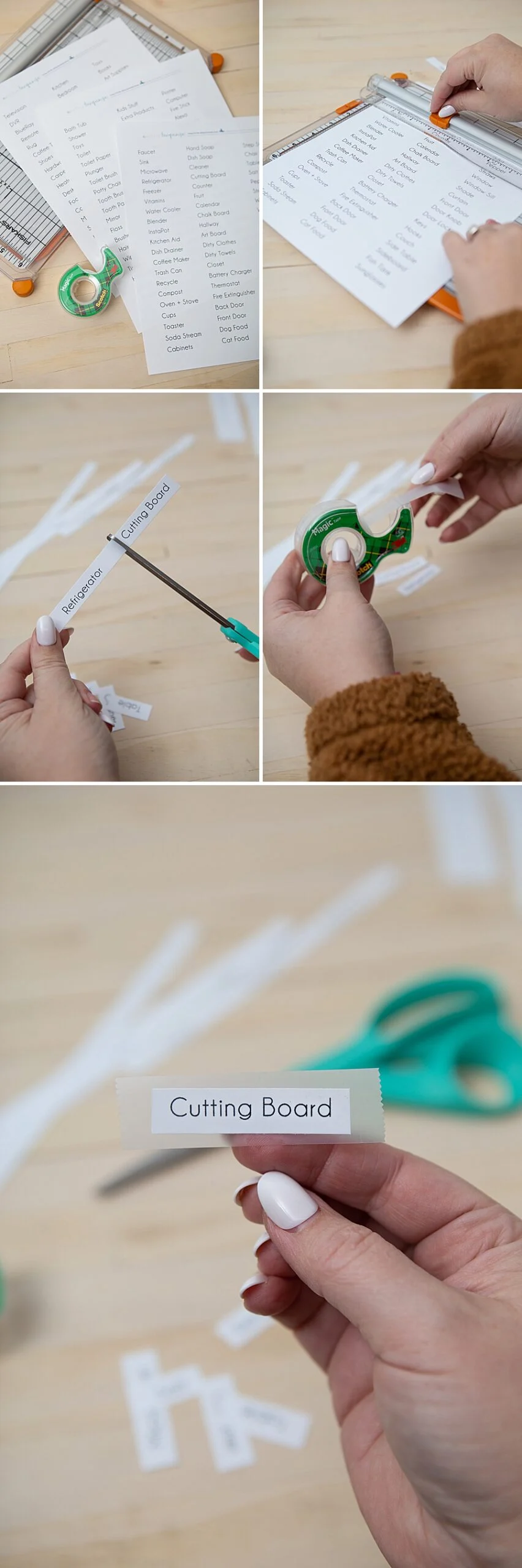
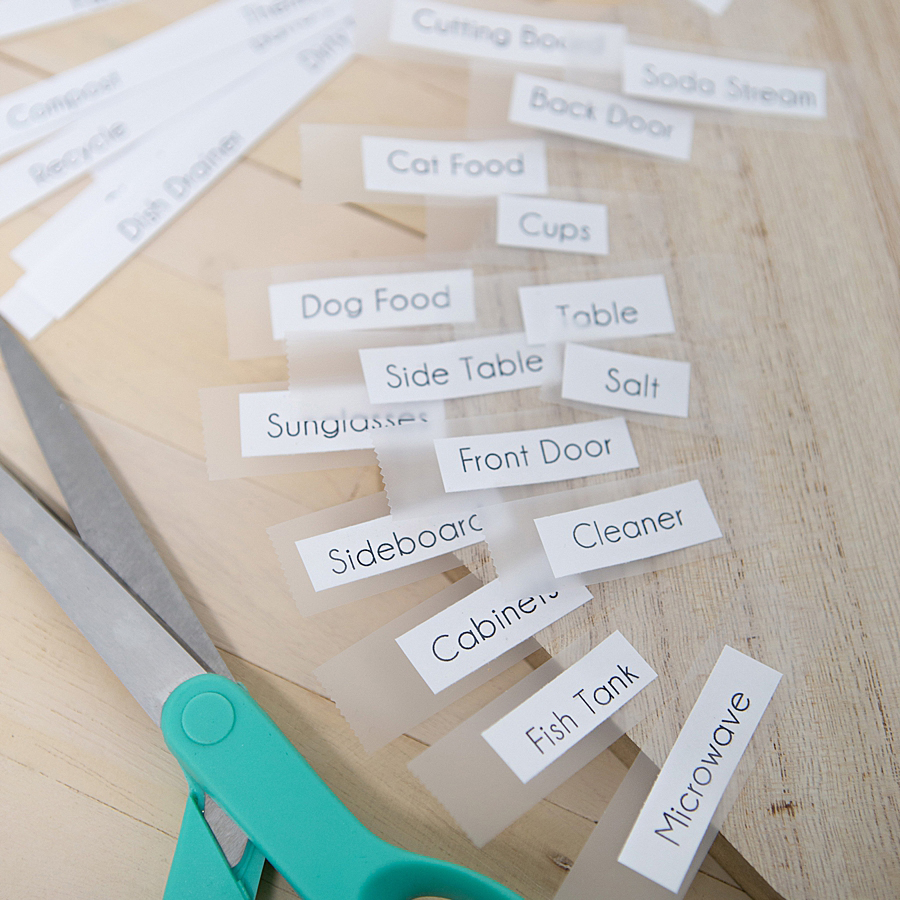
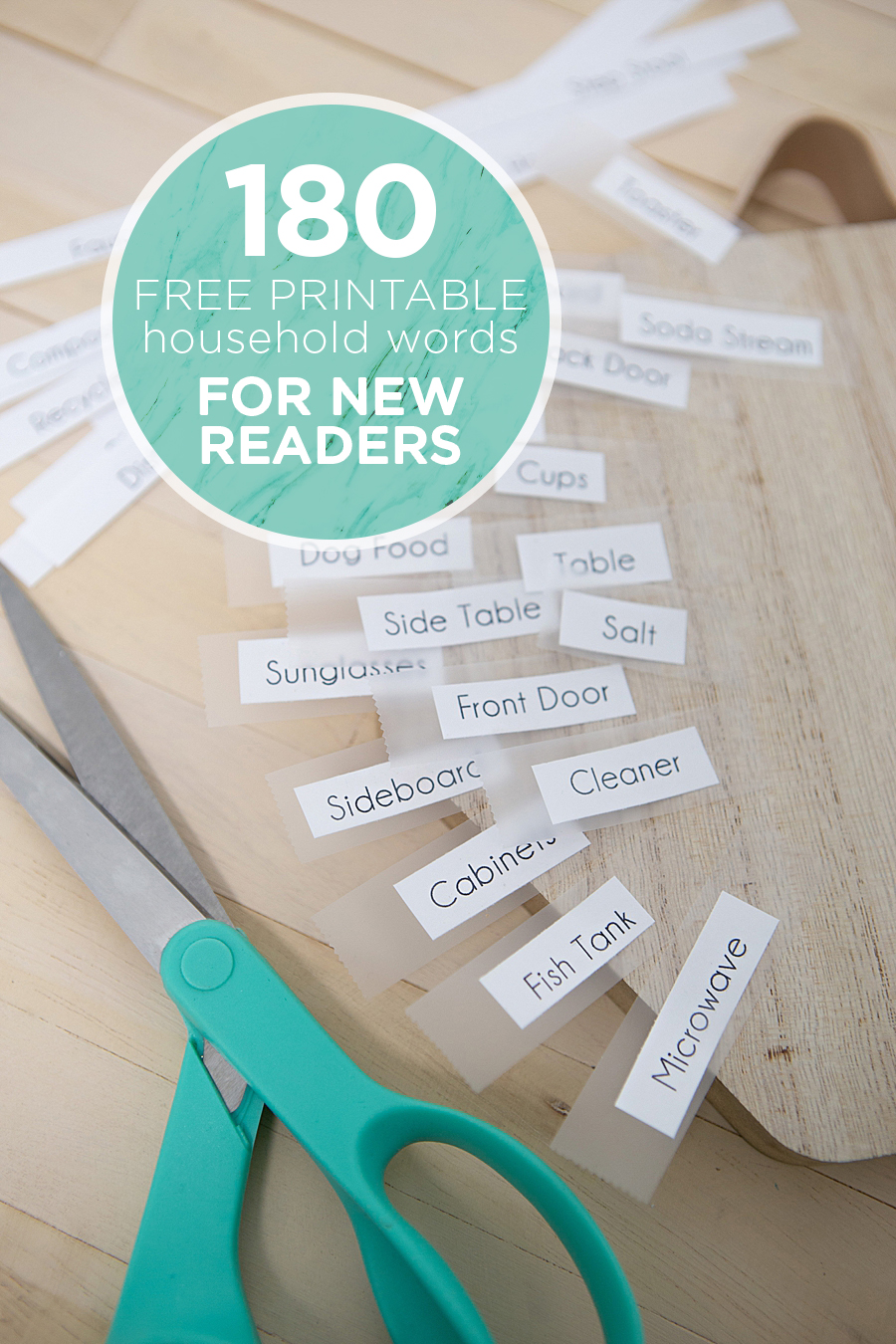
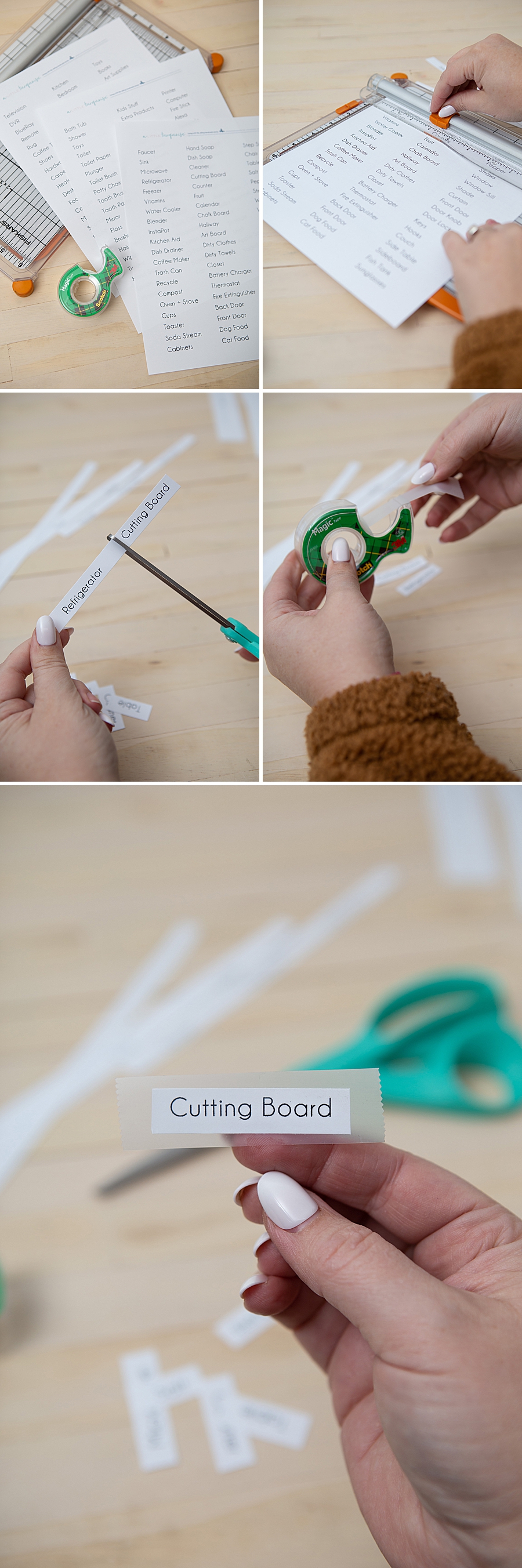
To implement this system, Causey-Kidder developed a comprehensive three-page printable document containing 180 distinct words. The list was designed to be exhaustive, covering standard household furniture, kitchen appliances, and common personal items. The process of implementation, as reported by participating families, typically spans a four-day period. This timeline allows children to participate in the "scavenger hunt" of placing the labels, which transforms a sedentary learning task into an active, kinesthetic experience.
The Critical Role of Typography in Early Literacy
One of the most significant technical aspects of this DIY literacy project is the selection of typography. Literacy experts note that many standard digital fonts include "fancy" or "double-story" versions of certain letters—specifically the lowercase "a," "g," and "t"—which can be confusing for children who are learning to write using single-story letterforms.
In this project, the font "Champagne & Limousines" was selected for its clean, geometric lines and its adherence to the simplified letterforms taught in early elementary education. This attention to detail addresses a common hurdle in early reading: the discrepancy between the text found in many books and the handwriting models children are taught in school. By ensuring that the "a" on the refrigerator looks identical to the "a" the child draws on paper, the system reduces cognitive load and prevents frustration.
Educational Context: The Power of Environmental Print
The concept of environmental print is not new to the field of education, but its systematic application within the home remains a burgeoning area of interest for parents. Environmental print refers to the print found in everyday life—on signs, labels, and logos. It is often the first type of print that children recognize. According to the National Association for the Education of Young Children (NAEYC), recognizing that print carries meaning is a crucial milestone in the journey toward conventional reading.
Research suggests that children who grow up in "print-rich" environments—homes where books, labels, and writing materials are readily available—tend to develop stronger pre-literacy skills. A 2019 study on early childhood development indicated that incidental exposure to words in a child’s physical space can increase sight-word vocabulary by up to 20% over a six-month period. The Something Turquoise project operationalizes this research by providing a low-cost, accessible tool for parents to create such an environment without the need for expensive educational kits.
Implementation Chronology and Family Interaction
The rollout of the household labeling system typically follows a structured chronology that integrates learning with play:
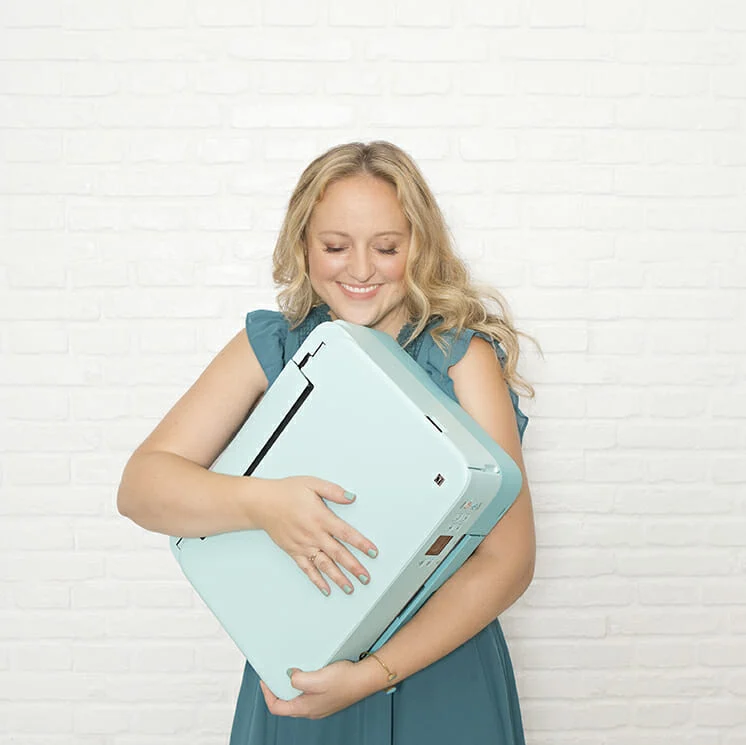
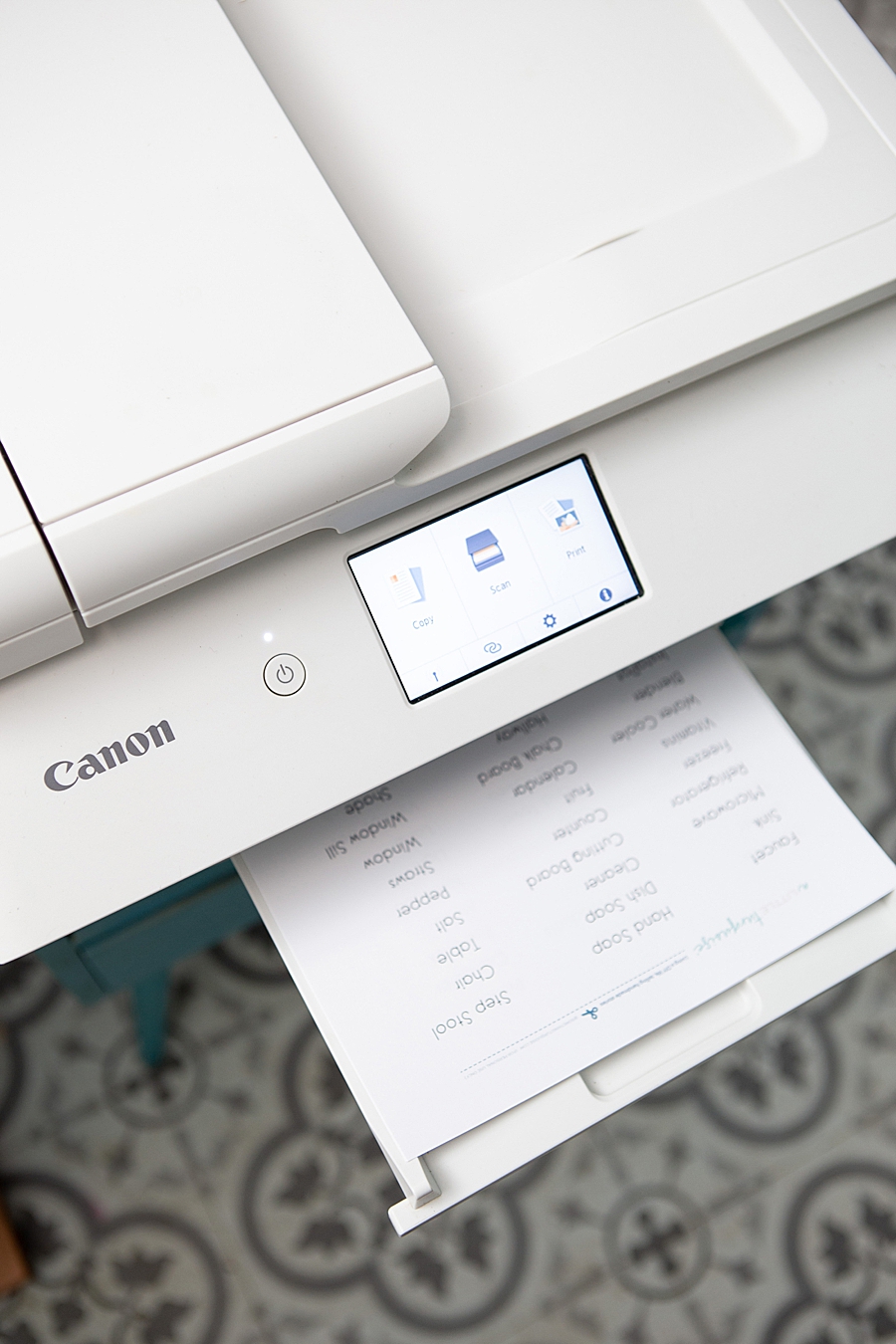
- Preparation Phase: Parents download the 180-word list and select a legible font. Supplies are minimal, requiring only a standard crafting printer (such as the Canon TS9521C), regular printer paper, scissors, and transparent tape.
- Selection Phase: Families review the three-page document, identifying which words correspond to items present in their specific living environment. The list is designed to be customizable, allowing users to skip irrelevant terms.
- Active Labeling (Days 1–4): Rather than labeling the entire house in one session, the process is spread over several days. This prevents "label fatigue" and allows the child to focus on specific zones of the house—such as the kitchen on day one and the bedroom on day two.
- Engagement and Reinforcement: Once the labels are placed, the home environment changes. Daily routines, such as getting a snack or brushing teeth, become opportunities for "incidental reading." Parents report that children naturally begin to point at and vocalize the labels during their normal activities.
Supporting Data and Statistical Relevance
The need for accessible home-based literacy tools is supported by national education statistics. According to the National Center for Education Statistics (NCES), approximately 34% of fourth-grade students in the United States perform below the "basic" level in reading. Educators argue that intervention must begin long before the fourth grade, focusing on the ages of three to six.
Furthermore, data from the American Academy of Pediatrics suggests that the "word gap"—the difference in the number of words children are exposed to in their early years—can have long-term effects on academic success. By introducing 180 new visual data points into the home, the labeling project directly addresses the need for increased word exposure. The cost-benefit analysis of this method is also noteworthy; while commercial "learn to read" systems can cost hundreds of dollars, the DIY printable method costs less than five dollars in materials (paper, ink, and tape).
Expert Reactions and Societal Implications
While the project has been described by its creator as "not cute" in an aesthetic sense, its functional value has garnered praise from the educational community. Dr. Elena Rossi, a child development specialist (in a representative analysis of such methods), notes that "the utility of environmental labeling lies in its ability to de-mystify the written word. When a child sees the word ‘door’ on the door, the word ceases to be an abstract symbol and becomes a concrete reality."
The social response to the project has been significant, particularly on platforms like Instagram, where the "Something Turquoise" Reels demonstrating the labeling process have seen high engagement. Parents have shared stories of "love and laughter," noting that the labels often become a conversation starter for guests. This public sharing of DIY educational strategies reflects a broader trend toward "open-source parenting," where successful home-schooling techniques are shared freely across digital networks.
Analysis of Long-Term Impact
The long-term implications of household labeling extend beyond mere word recognition. This method fosters an environment of "active literacy," where the child is not a passive recipient of information but an active participant in their surroundings. It also bridges the gap between digital and physical learning. While many children today use tablets for educational games, the tactile experience of walking to a "window" and seeing the word "window" provides a multi-sensory reinforcement that digital apps cannot replicate.
Moreover, the project highlights the importance of parental involvement in early education. The four-day period of labeling the house serves as a bonding exercise that centers on the value of reading. As the creator noted, there is a certain poignancy in the eventual removal of the labels; their disappearance signifies that the child has successfully internalized the information, marking a transition into a new stage of independence.
Technical Specifications for Implementation
For parents and educators looking to replicate this system, the following specifications were utilized in the original successful model:
- Software/Resources: The 180-word printable list provided via Amazon S3 hosting.
- Typography: "Champagne & Limousines," a free font available via DaFont, selected for its sans-serif, minimalist structure.
- Hardware: A high-quality crafting printer (Canon TS9521C) was used to ensure crisp text borders, though any standard inkjet or laser printer is sufficient.
- Substrate: Standard 20lb bond paper (Staples brand).
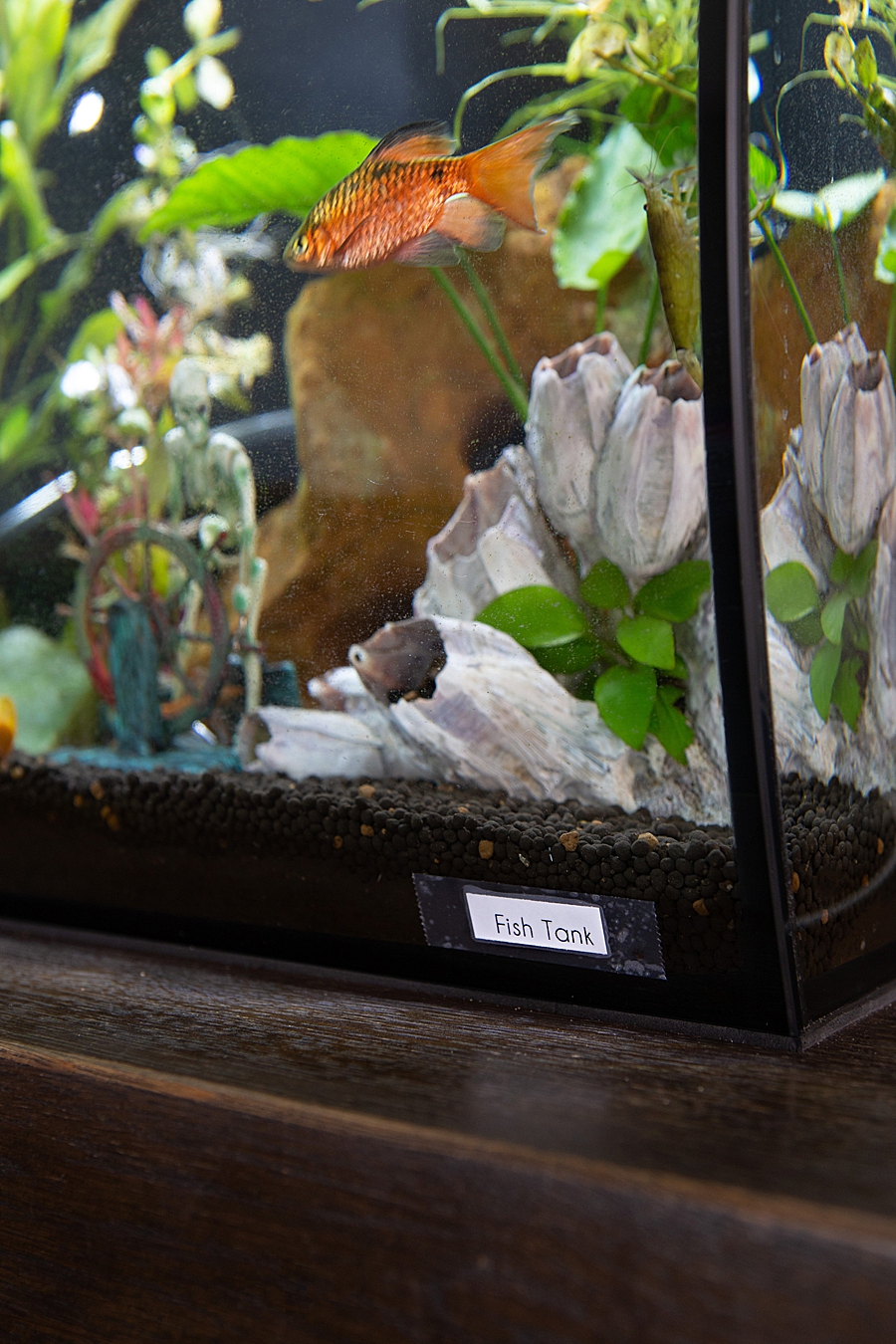
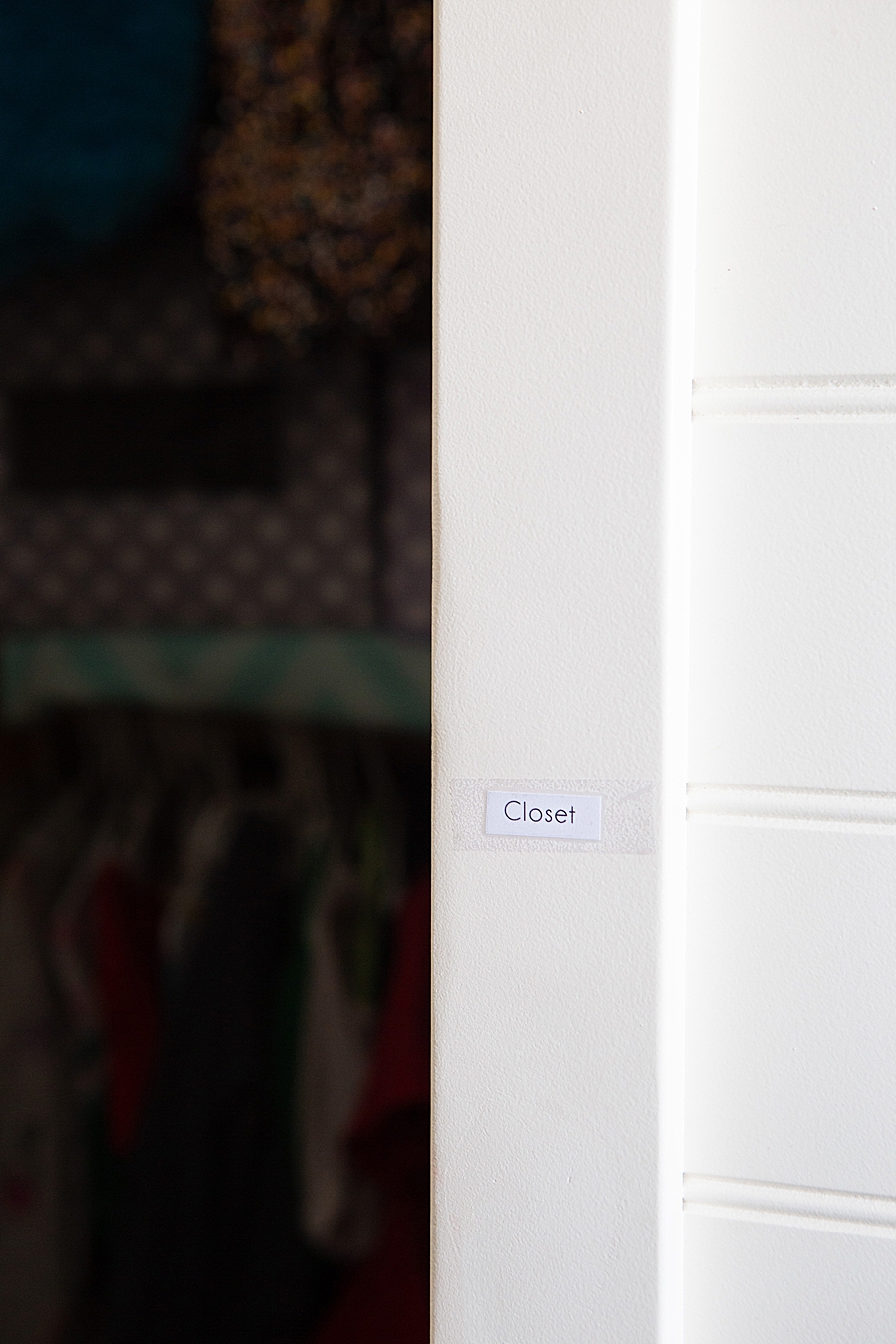
- Adhesion: Basic clear adhesive tape, applied over the top of the labels to ensure durability against household wear and tear.
As the educational landscape continues to evolve, the success of the Something Turquoise household labeling project serves as a testament to the efficacy of simple, research-backed interventions. By prioritizing functionality over aesthetics, this DIY method provides a scalable and effective model for supporting early literacy in the domestic sphere. The integration of 180 words into the daily life of a child represents a significant step toward a more literate and linguistically aware future generation.