

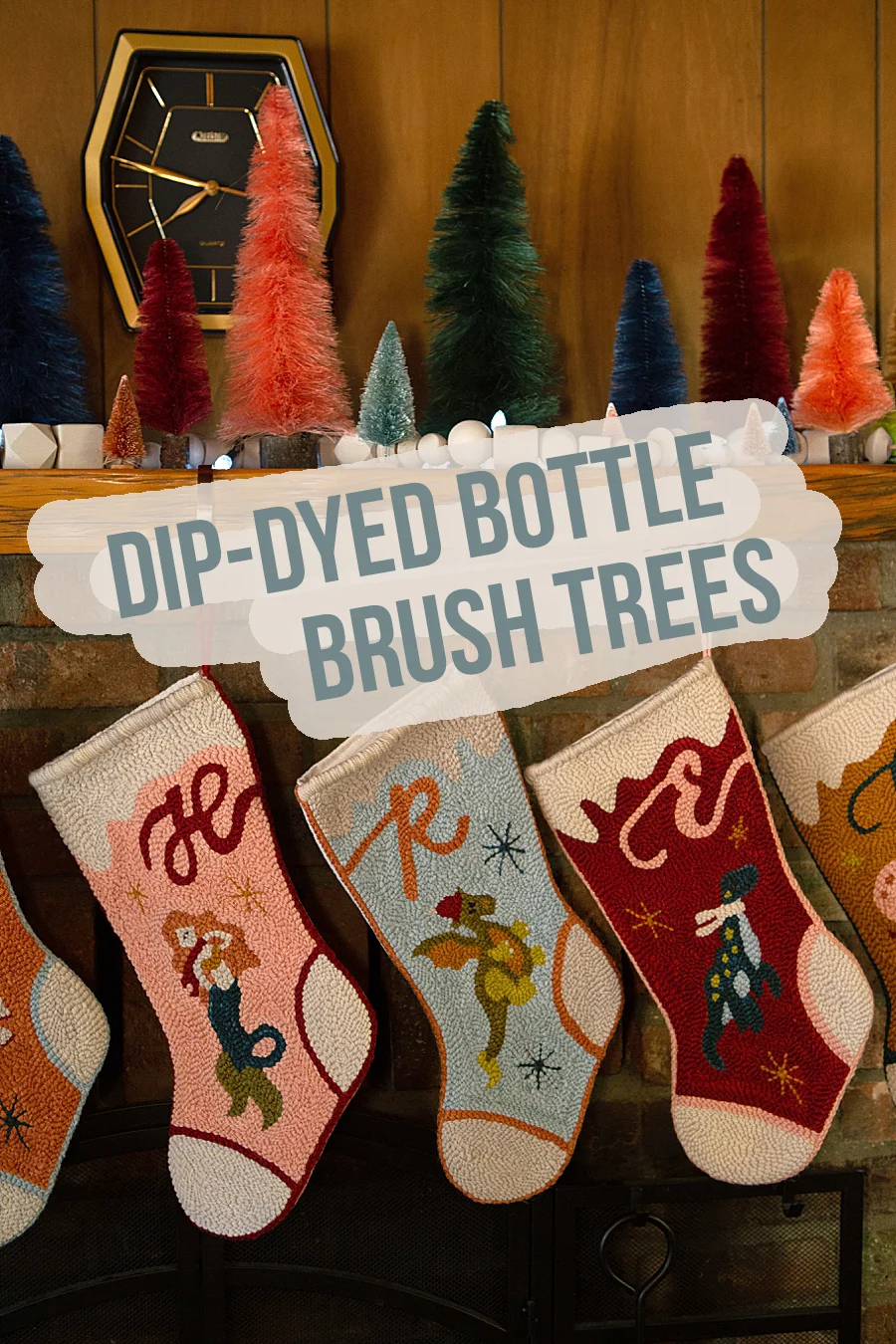
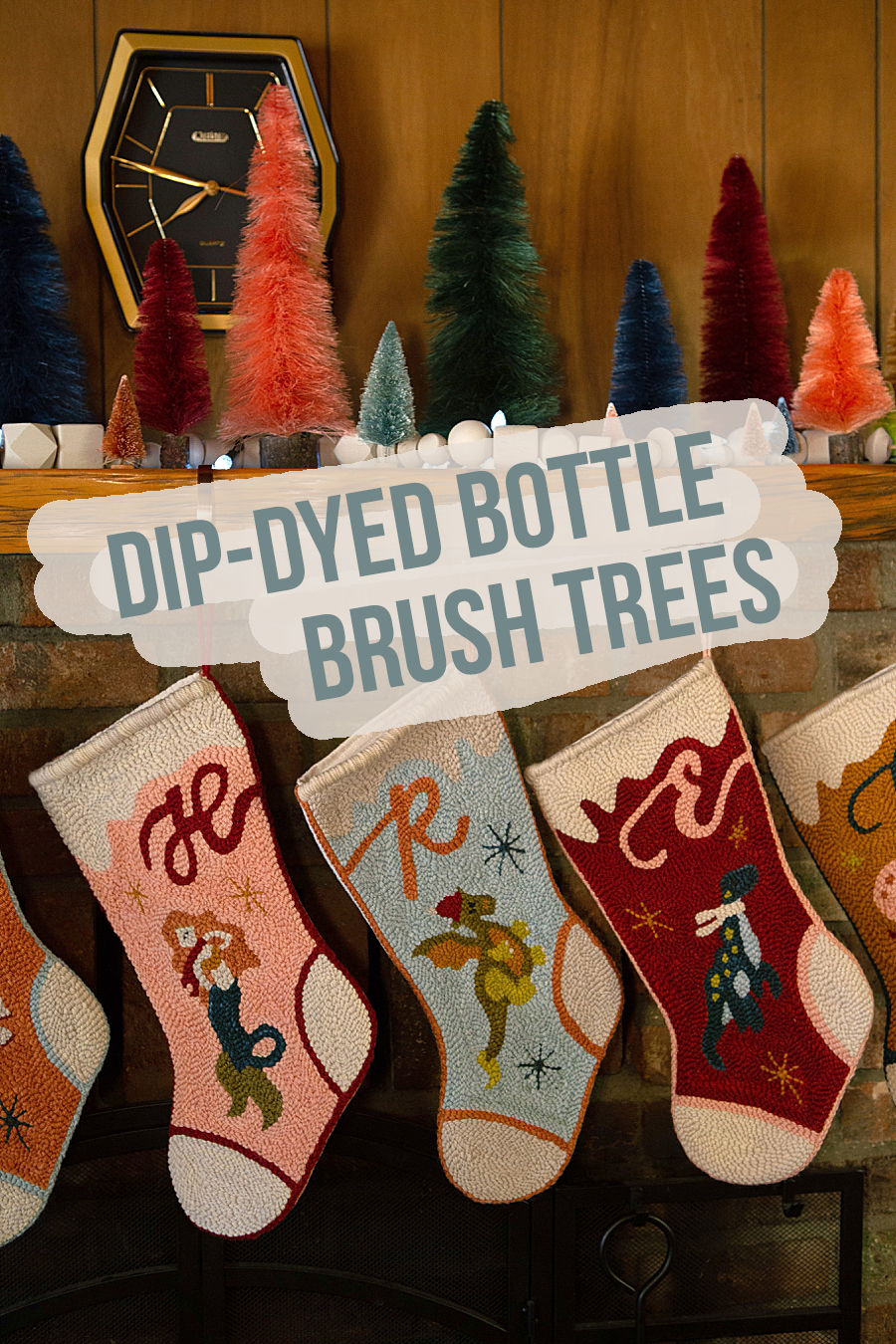
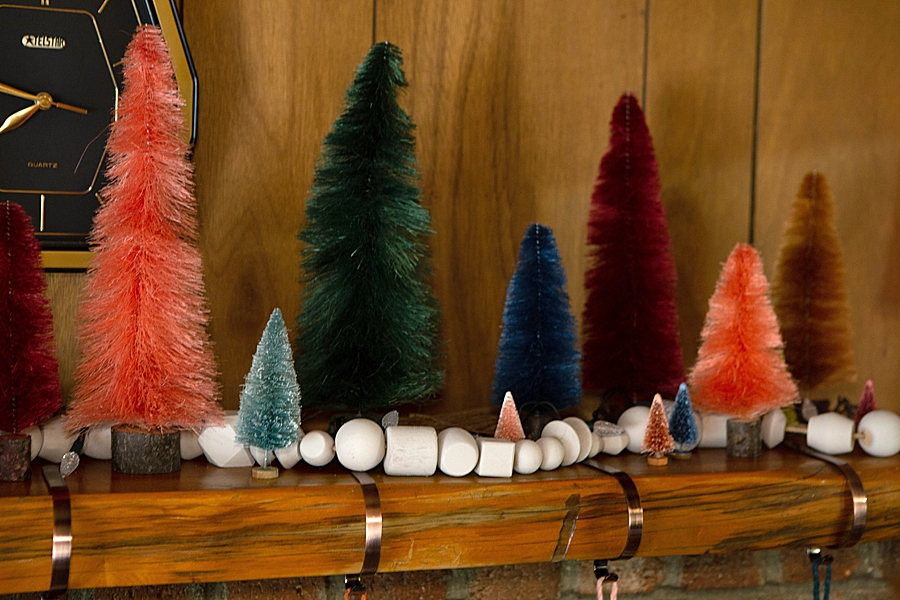
The intersection of artisanal craftsmanship and personalized home aesthetics has reached a new milestone in the seasonal decor sector, as consumers increasingly pivot toward high-quality, domestically produced alternatives to mass-manufactured holiday goods. This shift is exemplified by the growing trend of custom-dyed bottle brush trees, a movement that combines the vintage appeal of mid-century sisal ornaments with modern color-matching technology. As holiday enthusiasts seek to harmonize their interior environments, the process of dip-dyeing natural fibers has emerged as a primary method for achieving a cohesive visual narrative across various textile elements, including heirloom-quality punch needle stockings and specialized woolen accents.
The Shift Toward Domestic Sourcing and Artisanal Manufacturing
The contemporary holiday market is currently witnessing a significant recalibration of consumer priorities. For decades, the market for seasonal miniatures, specifically bottle brush trees, has been dominated by mass-produced imports. However, a growing demographic of hobbyists and professional decorators is expressing dissatisfaction with the quality and environmental impact of these high-volume goods. This has led to a resurgence in the popularity of platforms such as Etsy, which facilitate a direct connection between consumers and domestic creators like Rachel of Studio59 Handmade.
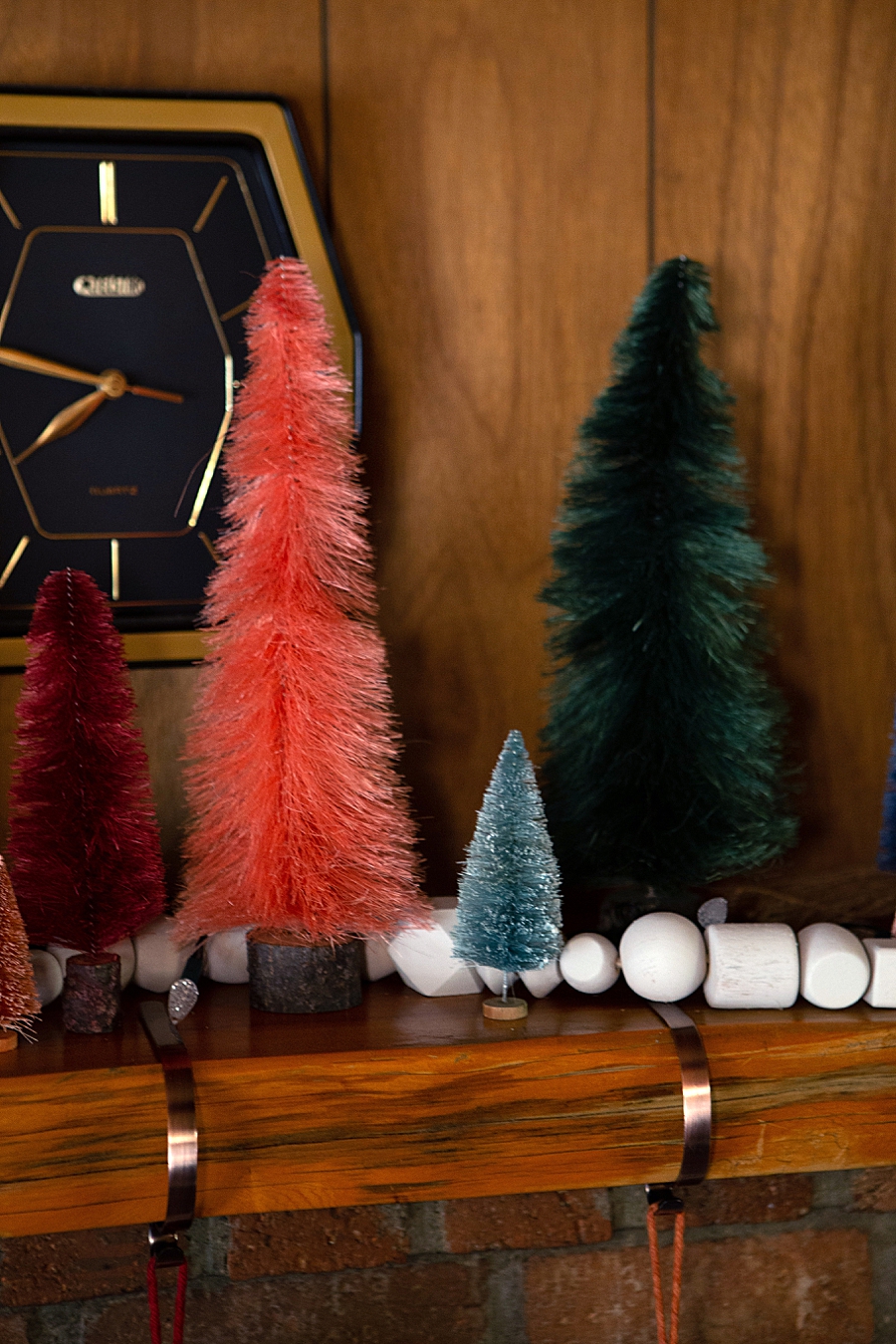
Artisans in this space are filling a critical gap by providing "natural" or undyed versions of traditional holiday staples. These products, often handmade in the United States, utilize sustainable materials and offer a level of structural integrity—available in classic, thin, and wide profiles ranging from four to twelve inches—that mass-market equivalents frequently lack. The movement toward domestic sourcing is not merely a matter of patriotic sentiment but is rooted in a desire for material transparency and the longevity of holiday "heirlooms."
Historical Context of Bottle Brush Trees
To understand the current fascination with these miniatures, one must look to their industrial origins. Originally manufactured by the Silver-Chamberlin Company in the 1930s, bottle brush trees were created using the same machinery used to produce actual cleaning brushes. These early iterations were made of animal hair or sisal fibers, dyed green, and adorned with lacquer "berries."
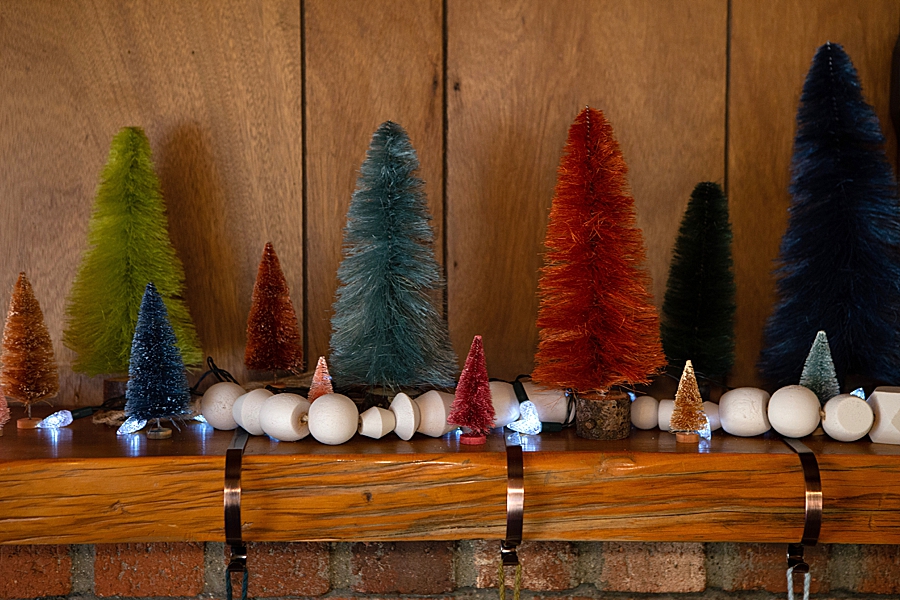
In the post-World War II era, these trees became staples of "Putts" villages and elaborate Christmas mantle displays. The current revival of the craft involves returning to these organic roots—specifically using sisal, a stiff fiber derived from the Agave sisalana plant. Sisal’s natural porosity makes it an ideal substrate for modern dyeing agents, allowing for the precise color saturation required for contemporary "tablescapes" that deviate from the traditional red-and-green holiday palette.
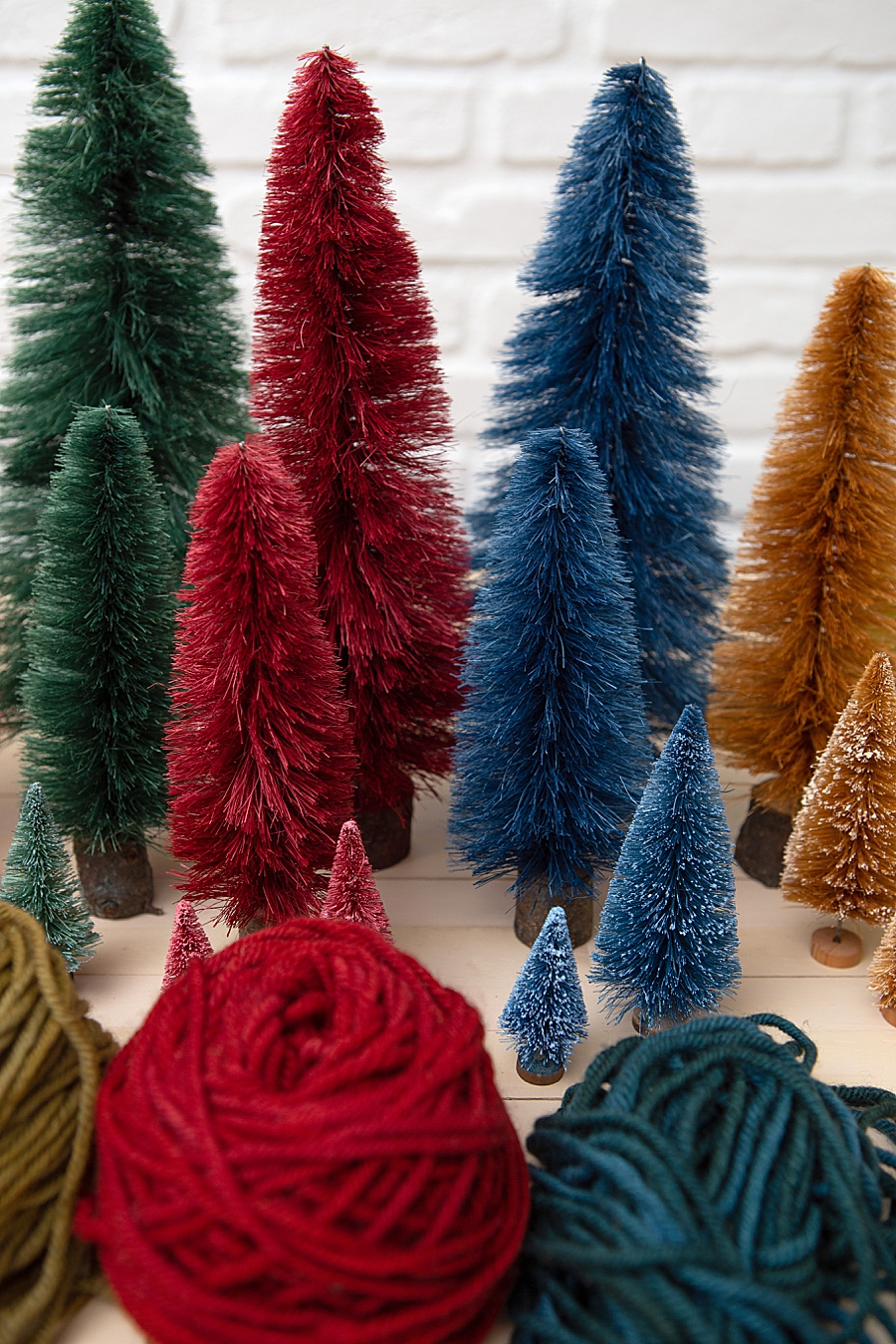
Technical Chronology: The Precision Dyeing Process
The methodology for achieving professional-grade color matching on sisal trees involves a systematic approach to chemistry and temperature control. The process, as utilized by leading DIY practitioners such as Jen Causey-Kidder of Something Turquoise, follows a rigorous technical sequence designed to ensure colorfastness and vibrancy.
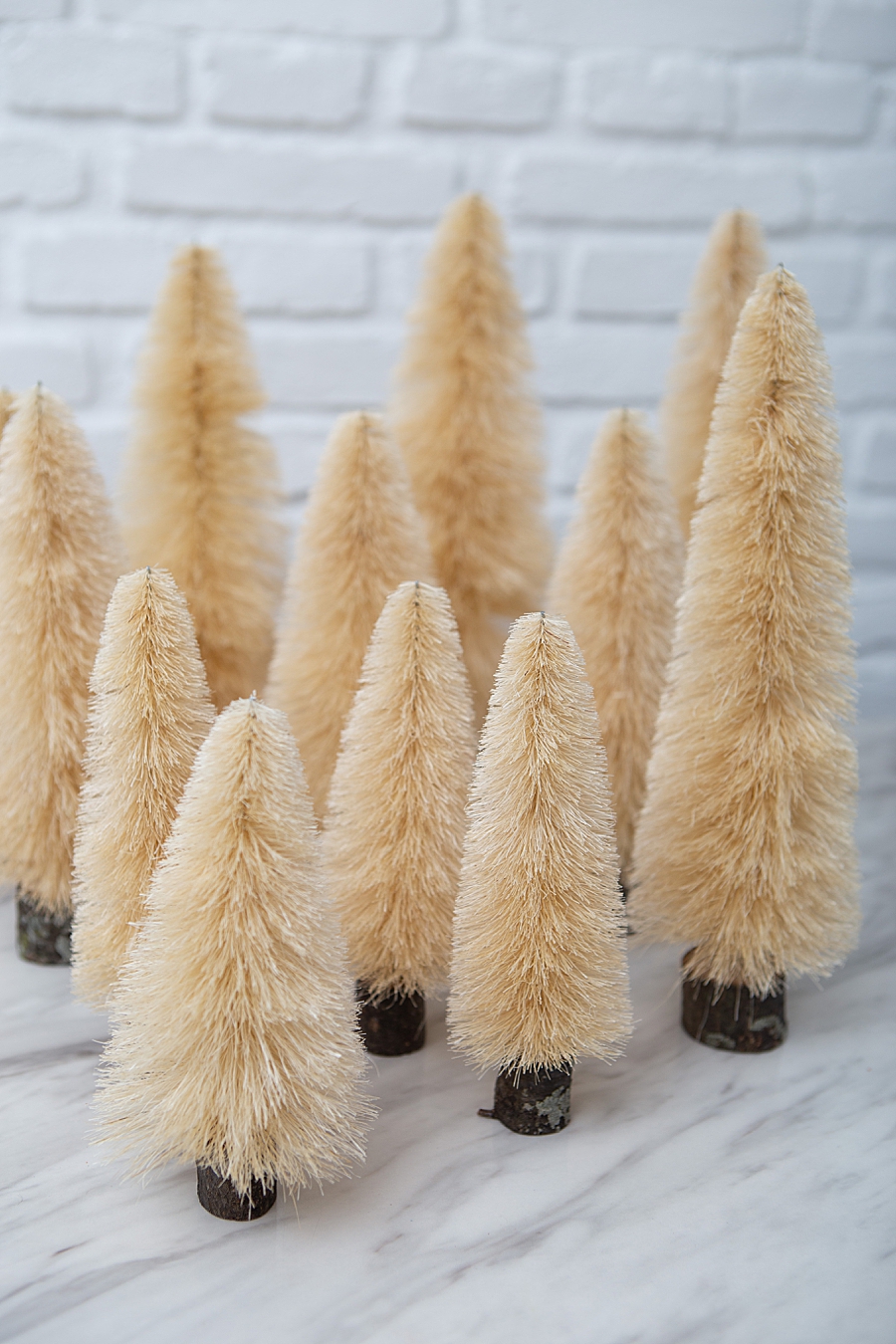
Phase I: Preparation and Formula Selection
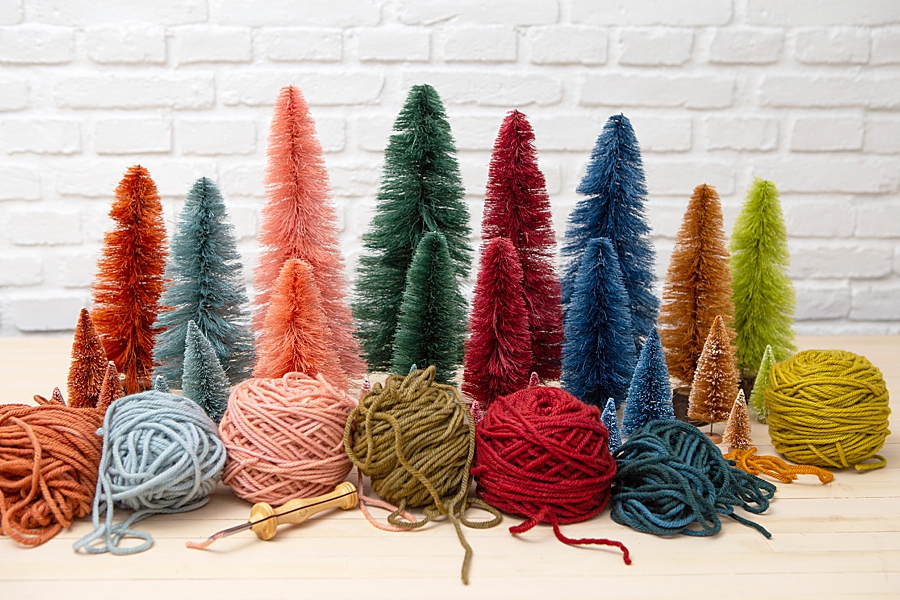
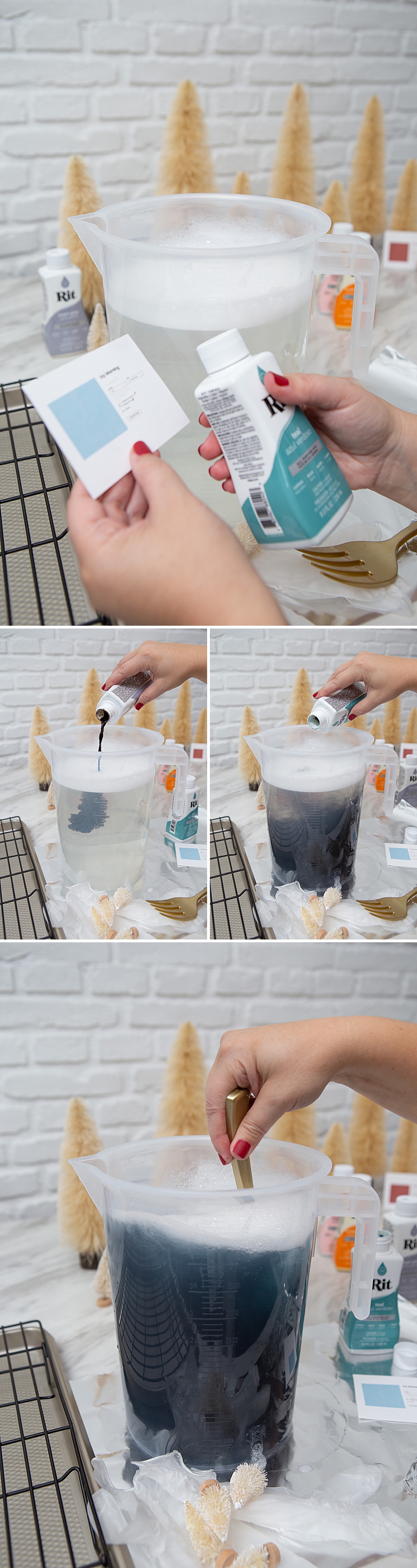
The initial phase requires the alignment of various textile mediums. When matching trees to specific yarns—such as the Cardo line by Manos del Uruguay, a high-quality wool produced by a non-profit social cooperative—practitioners utilize digital tools provided by dye manufacturers. Rit Dye, a leader in the domestic coloring market since 1918, offers comprehensive color formulas that allow users to replicate specific hex codes or textile shades by mixing primary and secondary liquid dyes.
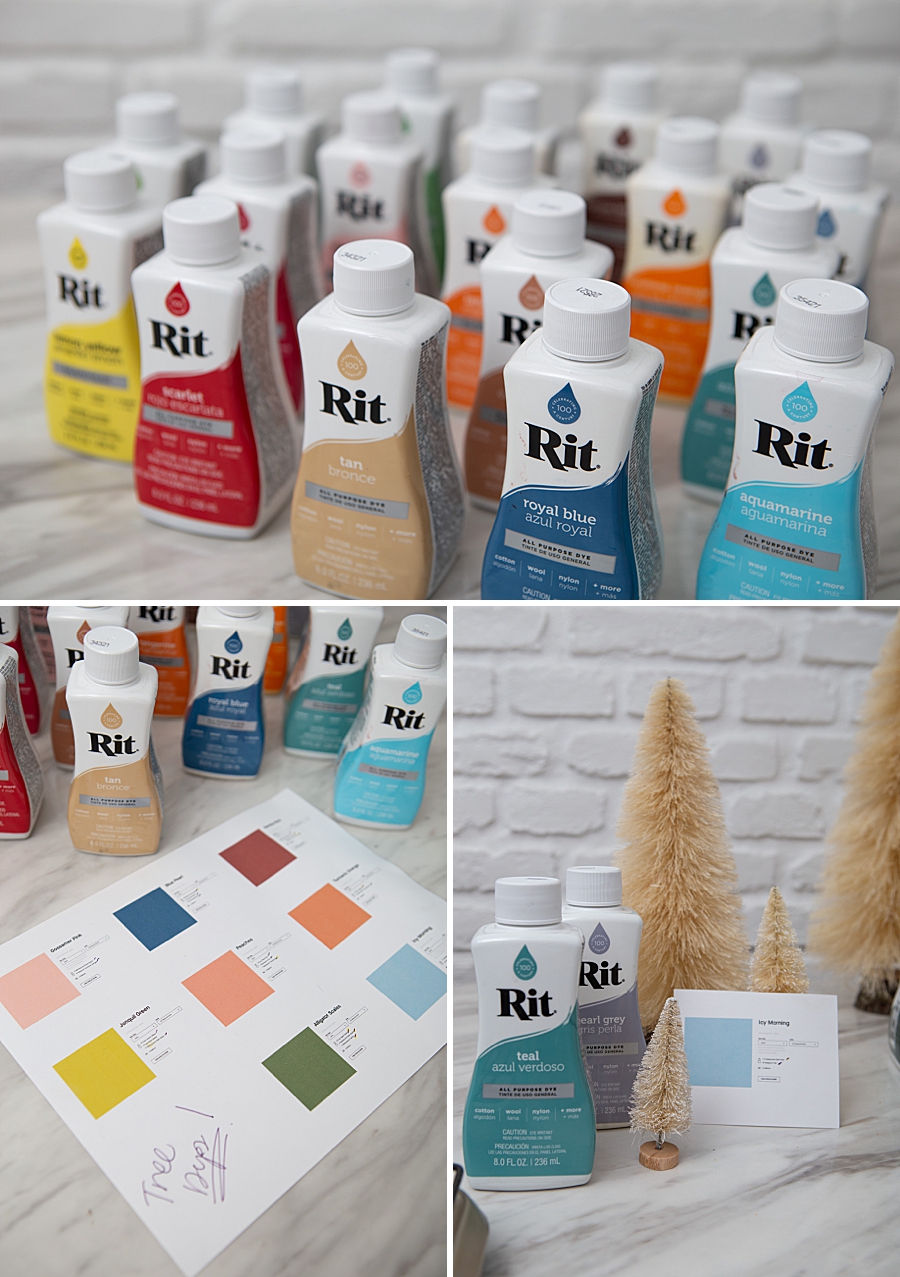
Phase II: Solution Chemistry
The dyeing bath is not merely a mixture of pigment and water. To facilitate even distribution and fiber penetration, the solution must be chemically optimized. This involves:
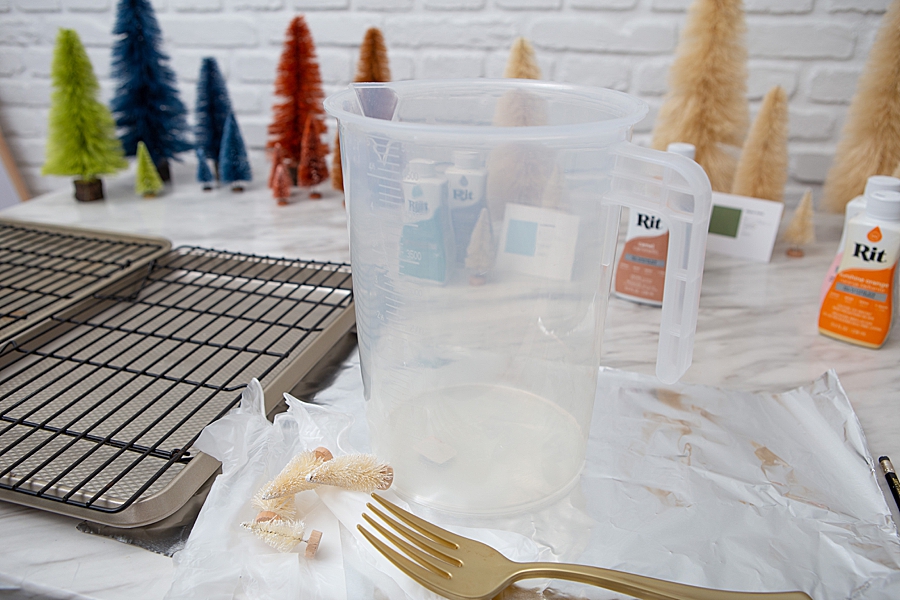
- Thermal Activation: Utilizing water at the highest possible temperature to open the sisal fibers.
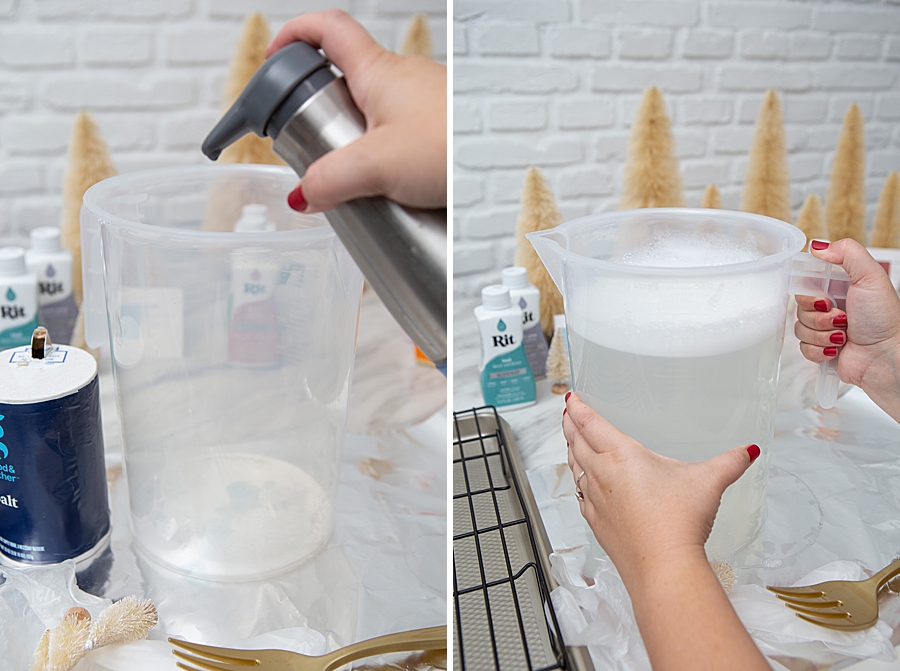
- Surfactant Addition: Incorporating dish soap (a surfactant) to reduce the surface tension of the water, allowing the dye to spread evenly across the dense "needles" of the tree.
- Electrolyte Integration: Adding salt (sodium chloride) to the bath. In the context of acid or all-purpose dyes, salt acts as an exhausting agent, driving the pigment out of the solution and into the fibers, thereby increasing the depth of the color.
Phase III: Submersion and Testing
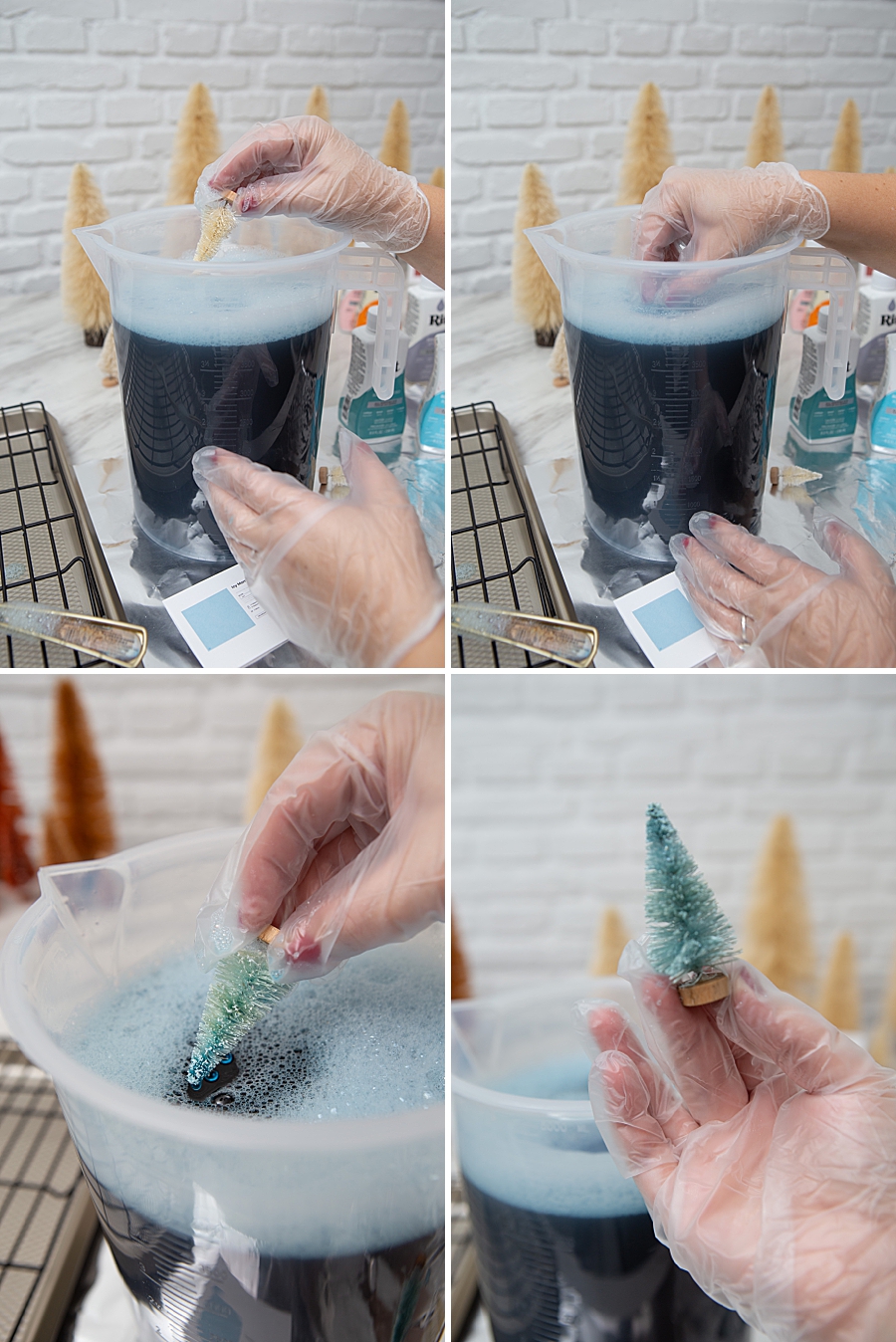
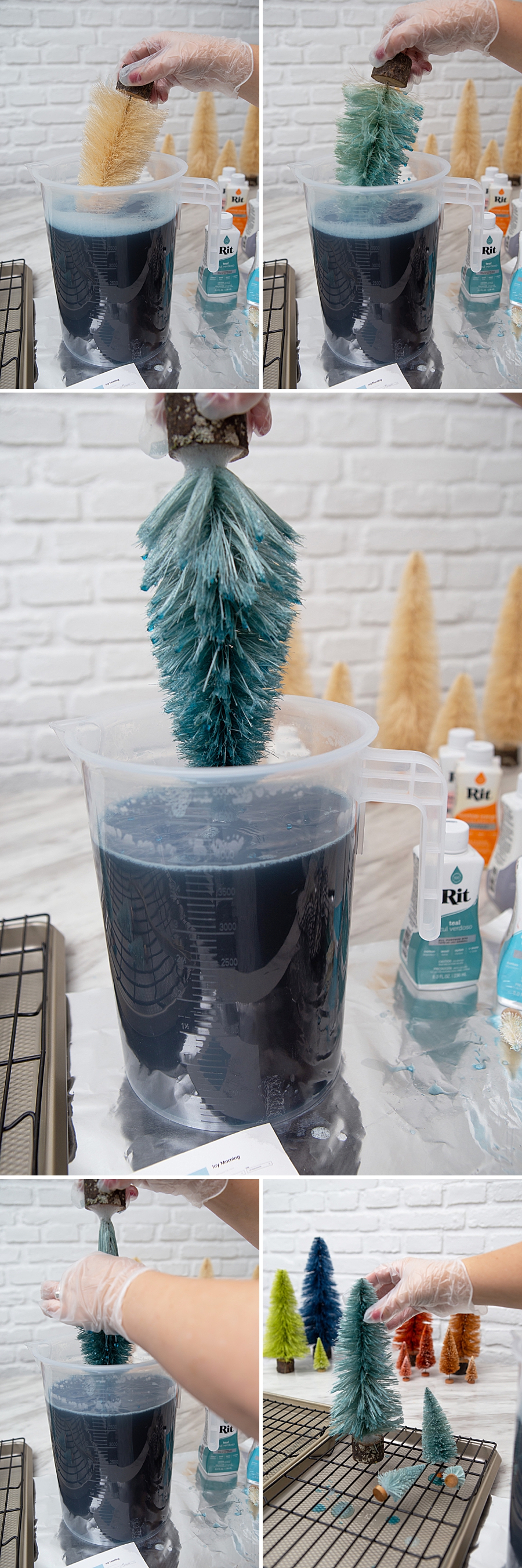
Before committing high-value handmade trees to the dye, a testing phase is conducted using scrap materials or lower-cost miniatures. This "control" step ensures the formula reacts correctly with the specific fiber density of the product. Once the color is verified, the natural trees are submerged for approximately 45 seconds. This duration is critical; sisal absorbs liquid rapidly, and over-saturation can lead to structural softening of the wire core or an overly dark hue that obscures the natural texture of the bristles.
Phase IV: Post-Processing and Curing
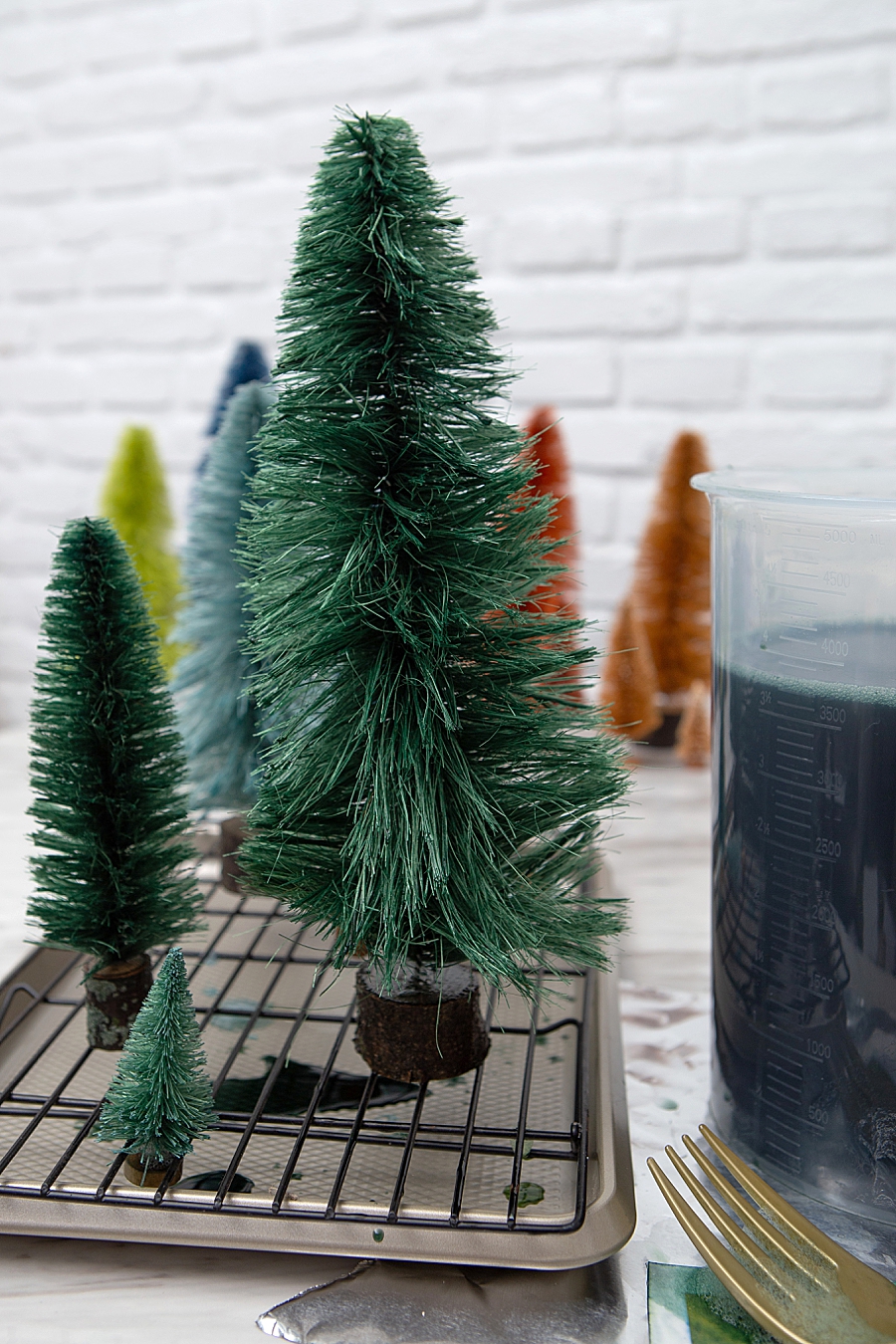
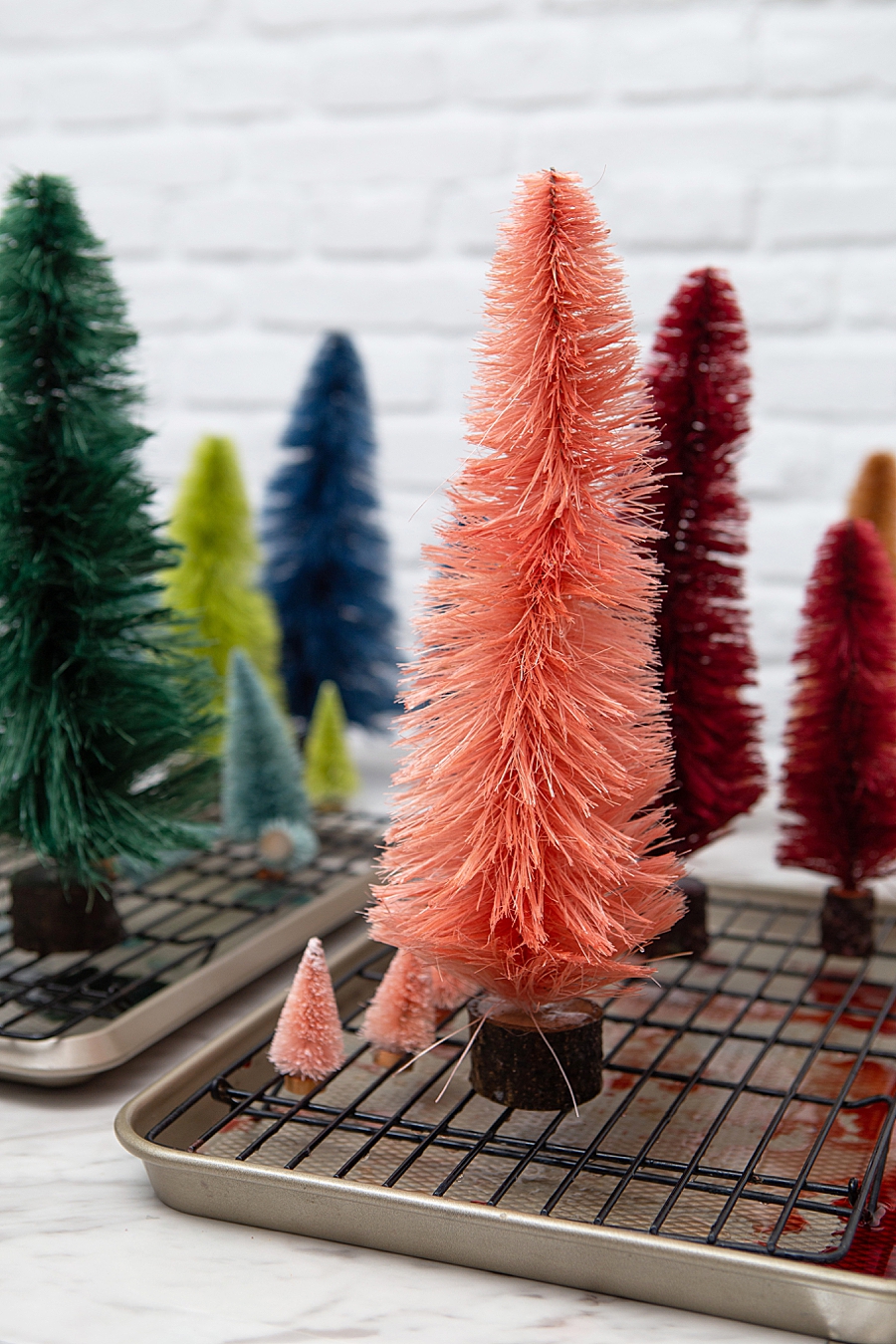
Following submersion, excess moisture is manually removed to prevent "pooling" of pigment at the base of the tree. The drying process occurs on elevated cooling racks, which allow for 360-degree airflow. This curing phase typically lasts 12 to 24 hours, ensuring the dye is fully set and the fibers have returned to their original rigidity.
Economic and Market Data Analysis
The rise of custom DIY holiday projects is reflected in broader economic trends within the craft and hobby industry. According to data from the Association for Creative Industries (AFCI), the "handmade" economy contributes billions to the US GDP annually, with holiday-related spending accounting for a substantial portion of fourth-quarter revenue for small-scale manufacturers.
The "Etsy Effect" has further decentralized the supply chain. By allowing individual artisans like those at Studio59 Handmade to reach a global audience, the market has shifted from a "one-size-fits-all" model to a "bespoke-on-demand" model. This is particularly evident in the niche for "natural" holiday supplies, which serve as blank canvases for consumers who possess the technical skill to customize their own decor.
Furthermore, the integration of social media platforms like Instagram and TikTok has transformed the DIY process into a spectator sport. "Reels" and short-form videos documenting the transformation of a plain sisal tree into a designer-grade ornament serve as both marketing for the material suppliers (Rit Dye, Studio59) and instructional content for the consumer base.
Supporting Materials: The Role of Premium Textiles
A key driver for the precision dyeing trend is the increased use of premium textiles in home holiday decor. The punch needle stocking—a technique that creates a rug-like texture using loops of yarn—has seen a resurgence as a modern heirloom. When these stockings are made with high-end materials like Manos del Uruguay Cardo yarn, the standard "off-the-shelf" holiday decorations often appear aesthetically discordant.
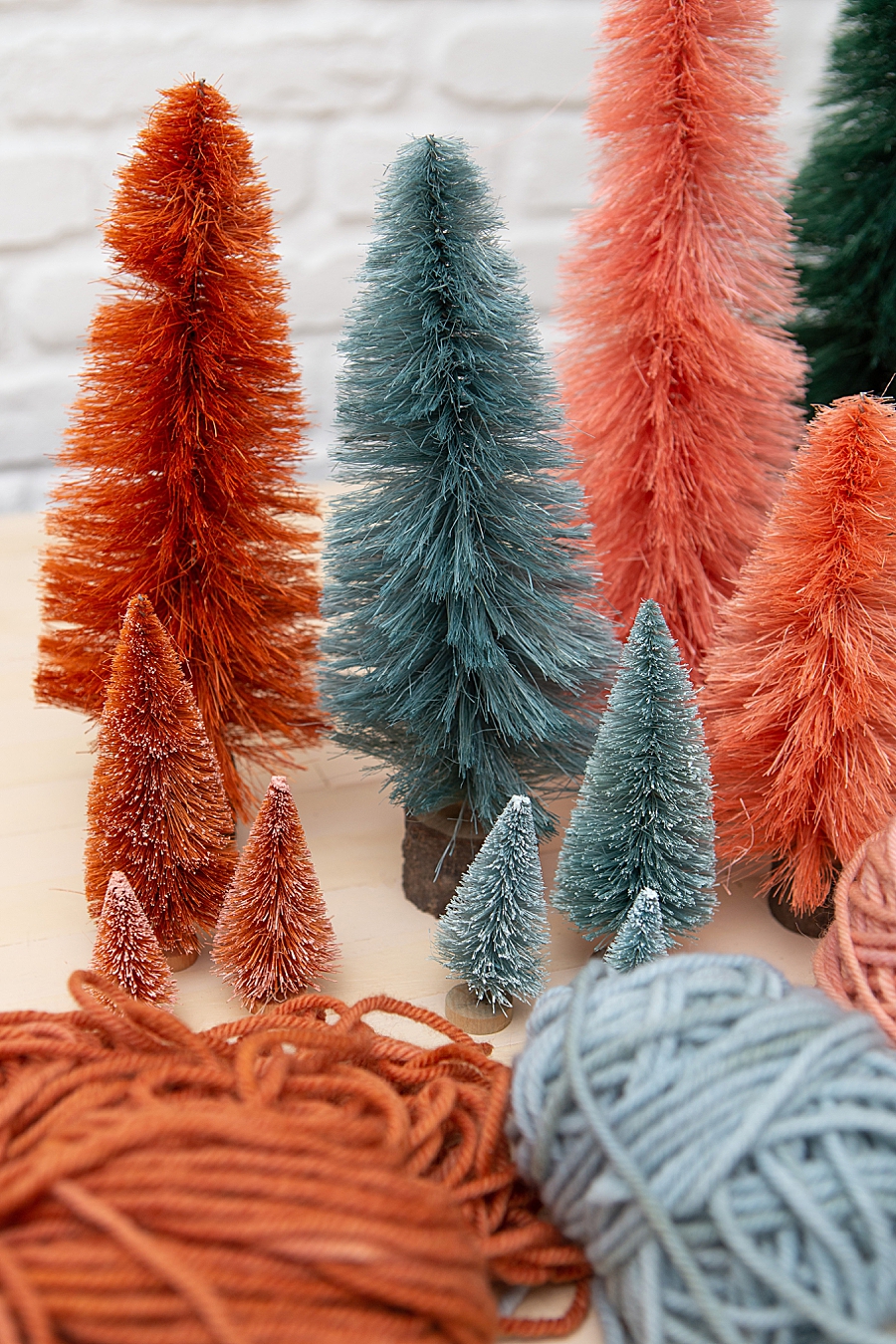
Manos del Uruguay, as a member of the World Fair Trade Organization, provides yarns that are hand-dyed in small batches. The inherent variegation and depth of these yarns necessitate a custom approach to surrounding decor. By dyeing bottle brush trees to match the specific lot numbers of the wool, decorators achieve a level of "total design" previously reserved for professional interior stylists.
Implications for the Future of Seasonal Decor
The move toward customized, domestically sourced holiday items carries several long-term implications for the retail sector:
- Sustainability: Consumers are increasingly viewing holiday decor as a long-term investment rather than disposable plastic goods. High-quality sisal and wire trees, when properly dyed and stored, can last for decades.
- Skill Acquisition: The popularity of these projects indicates a growing "literacy" in home chemistry and textile arts among the general public.
- Reshoring of Craft: As the demand for high-quality "blanks" (natural trees, unpainted ceramics, raw wood) grows, there is a significant opportunity for US-based micro-manufacturers to reclaim market share from overseas industrial hubs.
Conclusion
The practice of dip-dyeing bottle brush trees to match artisanal textiles represents a sophisticated evolution of the DIY movement. It is a response to the homogenization of global retail and a celebration of technical precision in the domestic sphere. By combining the historical charm of the sisal tree with modern color science and a commitment to supporting small-scale American artisans, contemporary decorators are redefining the visual language of the holiday season. As this trend continues to mature, it is likely to influence broader manufacturing trends, pushing the industry toward greater customization, higher material standards, and a renewed appreciation for the handmade.