


The modern journey to matrimony often presents couples with a significant financial undertaking, far removed from historical norms where parental contributions traditionally covered the bulk of wedding expenses. Today, a growing number of couples are shouldering a substantial portion, if not the entirety, of their wedding costs, necessitating a shift towards meticulous financial planning and disciplined saving strategies. This evolving landscape, characterized by escalating wedding prices and persistent economic pressures like student loan debt and fluctuating job markets, underscores the critical need for effective money management both for and on the big day.
The Evolving Landscape of Wedding Financing
For many engaged couples, the dream of a picture-perfect wedding is often juxtaposed against the realities of their financial situation. Data from various wedding industry reports consistently indicate a rising average cost for weddings. For instance, in recent years, the national average wedding cost in the United States has frequently hovered between $28,000 and $35,000, with considerable regional variations. This figure, while an average, represents a substantial sum for individuals or couples already managing monthly bills, mortgage or rent payments, and other financial commitments.
Historically, parental contributions played a dominant role in funding weddings. However, contemporary trends reveal a significant redistribution of financial responsibility. A 2023 study by The Knot indicated that couples now pay for 60% of their wedding expenses on average, with parents of the bride contributing 20% and parents of the groom 10%. This contrasts sharply with previous decades where parental contributions often exceeded 75%. This shift means that couples are increasingly looking for ways to fund their celebrations themselves, emphasizing the importance of proactive savings. The aspiration for a #debtfreewedding has consequently gained traction, reflecting a broader movement towards financial prudence and avoiding the burden of post-nuptial debt. This commitment to financial independence often extends beyond the wedding itself, laying a strong foundation for future joint financial goals.
Establishing a Financial Foundation: Setting Your Wedding Budget

The initial and arguably most critical step in saving for a wedding is to establish a realistic and comprehensive budget. Without a clear understanding of what a wedding might cost and what a couple can realistically afford, saving efforts can lack direction and fall short. This process involves several key considerations:
- Determining Affordability: Before any specific wedding elements are considered, couples must objectively assess their current financial standing. This includes analyzing combined income, existing debts, regular monthly expenses, and discretionary spending. An honest evaluation of what can be comfortably allocated towards wedding savings each month without compromising essential living expenses or existing financial goals (like an emergency fund) is paramount.
- Researching Average Costs: While a national average provides a benchmark, actual wedding costs vary widely based on factors such as guest count, geographic location (major cities typically have higher costs), venue choice, vendor selections (e.g., photographers, caterers, florists), and the overall desired aesthetic. Researching local vendor prices and typical expenditures for similar weddings can provide a more accurate picture.
- Prioritizing Expenses: A wedding budget is not merely a list of line items but a reflection of a couple’s priorities. Discussions should cover what aspects of the wedding are most important to them (e.g., food and beverage, photography, a specific venue, attire) and where they are willing to compromise. This prioritization helps in allocating funds strategically and making informed decisions when faced with trade-offs.
- Allocating Contributions: Clearly defining who will pay for what is essential. This includes outlining contributions from the couple themselves, as well as any agreed-upon contributions from parents or other family members. Subtracting these contributions from the total estimated budget reveals the amount the couple needs to save independently.
Tools such as detailed budget planners, often provided by wedding planning resources or financial institutions, can greatly assist in this process. For instance, resources like the "Savvy Weddings Budget Blueprint" mentioned in the original context, aim to guide couples through building a personalized budget, helping them understand their grand total and where every dollar should be allocated before the saving process even begins. This methodical approach transforms a potentially overwhelming task into a manageable financial plan.
Calculating Your Savings Trajectory: Monthly Contributions
Once a comprehensive wedding budget is established and family contributions are factored in, the next logical step is to determine a monthly savings target. This calculation transforms the daunting overall sum into actionable, regular contributions, making the goal more attainable.
The fundamental math is straightforward:
- Take the total estimated wedding budget.
- Subtract any confirmed contributions from family members or other external sources.
- Divide the remaining amount by the number of months until the planned wedding date.
For example, if a couple aims for a $30,000 wedding, and their families are contributing $10,000, they are responsible for $20,000. If their wedding is 24 months away, their monthly savings target would be approximately $833.33 ($20,000 / 24 months). Should they be 18 months out, this figure rises to about $1,111.11 per month. A shorter timeline, such as 12 months, would necessitate a monthly saving of $1,666.67.

Financial advisors often suggest a general guideline: allocating between 10% to 20% of one’s take-home pay towards a specific savings goal, such as a wedding fund. This percentage can serve as a useful starting point, allowing couples to adjust their wedding timeline or overall budget until the calculated monthly savings figure feels realistic and sustainable. If the initial calculation results in an unmanageable monthly amount, couples have the flexibility to either extend their engagement period, thereby spreading the cost over more months, or re-evaluate their budget to identify areas where costs can be reduced. This iterative process ensures that the savings plan is not only ambitious but also achievable without causing undue financial strain.
Strategic Saving: Principles for Accumulating Wedding Funds
Beyond the mathematical calculations, effective saving hinges on adopting sound financial principles and leveraging available tools. These strategies not only facilitate the accumulation of funds but also cultivate positive financial habits that extend well beyond the wedding day.
The "Pay Yourself First" Philosophy:
A cornerstone of personal finance, the "pay yourself first" principle advocates for prioritizing savings over discretionary spending. Before paying bills or indulging in non-essential purchases, a predetermined amount should be transferred directly into a savings account. This proactive approach ensures that savings goals, like funding a wedding, are met consistently. Financial experts universally emphasize the importance of having an emergency fund in place before embarking on other significant savings goals. Being financially prepared for unexpected expenses prevents potential derailment of wedding savings, ensuring that unforeseen events don’t necessitate dipping into funds earmarked for the big day or, worse, accumulating new debt. Integrating wedding savings into this "pay yourself first" framework solidifies its importance within a couple’s overall financial health.
Making Saving Habitual and Engaging:
The psychological aspect of saving plays a significant role in its success. Framing savings as a chore can lead to procrastination and inconsistency. Conversely, making saving an engaging and goal-oriented activity can foster greater commitment. Research in behavioral economics suggests that individuals are more likely to achieve financial goals when they are clearly defined and visualized. Creating specific sub-savings accounts for various wedding elements—perhaps "Venue Fund," "Dress Fund," "Honeymoon Fund," or even "Flowers & Decor"—can make the abstract goal of "wedding savings" more tangible and motivating. This personalization transforms saving from a generic task into a series of smaller, achievable milestones directly linked to the desired outcome.
The Power of Automation:
One of the most effective strategies for consistent saving is automation. Setting up automatic transfers from a checking account to a dedicated savings account eliminates the need for manual intervention and reduces the temptation to spend the money before it reaches savings. This "set it and forget it" approach leverages human behavior by removing friction from the saving process. When funds are automatically moved out of the primary spending account, they are less likely to be perceived as available for immediate discretionary use. This consistency is crucial for accumulating significant sums over time, ensuring that monthly targets are met without conscious effort or willpower. Studies have shown that individuals who automate their savings tend to save more consistently and accumulate wealth faster than those who rely on manual transfers.

Optimizing Returns: High-Yield Savings Accounts:
While the primary goal of a wedding savings account is accumulation, maximizing the growth of these funds through interest rates can provide an additional boost. Traditional brick-and-mortar banks often offer modest interest rates on savings accounts, sometimes barely outpacing inflation. However, online-only banks and certain financial institutions frequently provide significantly higher Annual Percentage Yields (APYs) on their savings products. Opting for a high-yield savings account ensures that the money set aside for the wedding is not just sitting idle but is actively working for the couple, earning interest that contributes to the overall fund. Even seemingly small differences in interest rates can lead to substantial gains over an 18-to-24-month saving period.
Leveraging Digital Banking Solutions: The Case of Capital One 360
In response to the growing need for flexible and efficient saving mechanisms, digital banking platforms have emerged as powerful tools for goal-oriented savings. These platforms often integrate features designed to simplify the saving process, making it more accessible and effective for users. Capital One 360 serves as a notable example of a financial institution offering features specifically beneficial for couples saving for a significant event like a wedding.
Capital One 360, an online banking division, provides a suite of savings tools engineered to make accumulating funds for various financial goals, including weddings and honeymoons, more streamlined. Its appeal lies in its combination of automation capabilities, flexible account structures, and competitive interest rates, all managed through a user-friendly digital interface.
Automatic Savings Plans: A core feature of Capital One 360 is its robust AutoSave functionality, which allows users to customize how and when money is moved into their savings accounts. This suite of tools addresses different saving preferences and income patterns:
- Autopilot: This intelligent feature facilitates small, daily transfers (ranging from a few cents up to $15) from a linked checking account into savings. The system analyzes recent checking activity to determine an appropriate transfer amount, making it a "slow-and-steady" option that builds savings incrementally without a significant perceived impact on daily finances. It’s particularly effective for those who find large, infrequent transfers challenging.
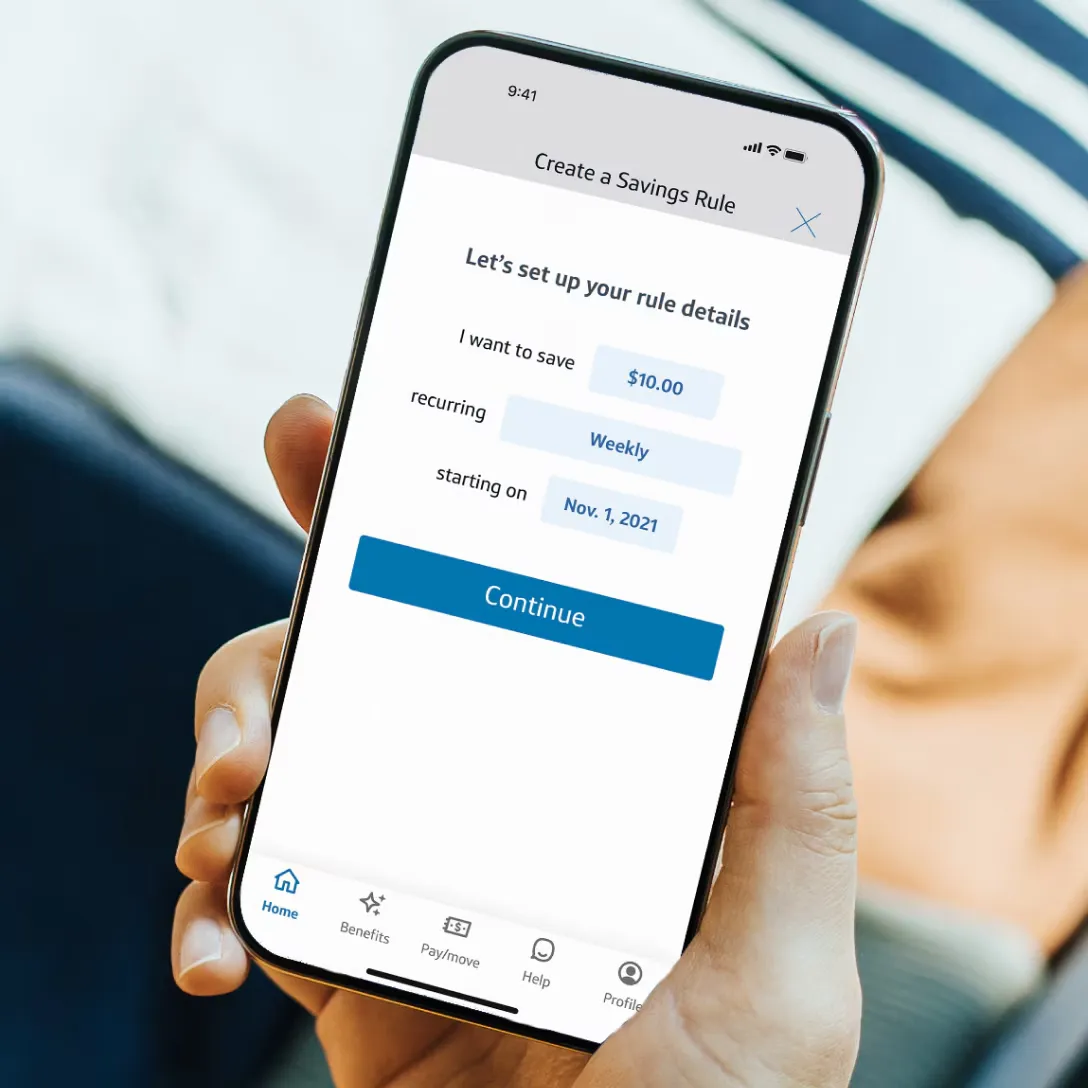
- Recurring Transfers: For couples with a fixed monthly savings goal, this option allows for scheduled transfers at regular intervals—weekly, biweekly, monthly, quarterly, semi-annually, or annually. These transfers can originate from a Capital One checking account or an external bank account, providing flexibility and ensuring consistent progress towards the target sum. This is ideal for adhering to the calculated monthly savings target discussed earlier.
- Paycheck Percentage: This feature caters to individuals whose income may fluctuate, or who prefer to base savings directly on their earnings. It enables users to automatically allocate a set percentage of every direct-deposited paycheck into their savings account. This ensures that a portion of income is saved immediately upon receipt, aligning with the "pay yourself first" principle.
These automated plans are designed to remove the psychological and logistical barriers to consistent saving. By configuring these rules within Capital One 360’s mobile app, users can monitor their savings growth and make adjustments as needed, offering 24/7 access and control. The ease with which these plans can be tweaked or updated provides adaptability, allowing couples to respond to changes in their financial situation or wedding planning needs.

Sub-accounts for Goal Organization:
Capital One 360 allows users to open multiple, distinct savings accounts, often referred to as "sub-accounts," each with its own name. This feature is particularly valuable for wedding planning, enabling couples to create separate funds for specific wedding components (e.g., "Catering Fund," "Photography Fund," "Honeymoon Airfare"). This organizational structure enhances clarity, tracks progress for individual goals, and reinforces the psychological motivation discussed earlier by making savings more tangible and directly linked to specific aspirations.
Competitive Interest Rates:
Beyond the convenience of automation and organization, Capital One 360 typically offers competitive interest rates on its savings accounts. These rates are often higher than those found at traditional brick-and-mortar banks, meaning that the saved money earns more passively. This "money working for you" aspect contributes to faster growth of the wedding fund, providing an additional benefit without requiring active management from the couple.
Potential Welcome Bonuses:
From a practical standpoint, financial institutions occasionally offer welcome bonuses for new account openings, particularly for checking accounts. While these bonuses are typically tied to meeting specific deposit requirements, they can provide an initial boost to a new financial relationship. For instance, a couple opening a Capital One 360 Checking account to potentially earn a bonus could then link it to a 360 Performance Savings account to establish their automated wedding savings plan. This factual offering, when available, can be an attractive incentive.
Expert Insights and Broader Financial Implications
Financial experts consistently advocate for the strategies outlined above, underscoring their importance not just for funding a wedding but for establishing robust financial health as a couple. The disciplined approach to saving for a wedding can serve as a foundational exercise in joint financial management, preparing couples for future shared financial goals such as buying a home, raising a family, or planning for retirement.
The implications of approaching wedding financing strategically extend beyond the immediate event:

- Avoiding Post-Wedding Financial Strain: Commencing married life free from wedding-related debt reduces stress and allows couples to focus on other financial priorities without the burden of repayment. Conversely, couples who accrue significant debt for their wedding often face prolonged financial strain, impacting their ability to save for down payments, invest, or handle unforeseen expenses.
- Building Financial Literacy and Communication: The process of budgeting, setting savings goals, and tracking progress together fosters crucial financial communication and literacy skills between partners. These are invaluable for a healthy long-term relationship.
- Establishing Positive Financial Habits: The discipline cultivated through dedicated wedding savings can translate into broader positive financial habits, such as consistent saving for other goals, responsible spending, and strategic debt management.
- Empowerment and Control: Having a clear financial plan and actively working towards a debt-free wedding provides a sense of empowerment and control over one’s finances, rather than feeling dictated by external pressures or consumerist expectations.
Conclusion: A Pathway to Financial Serenity for Your Big Day and Beyond
The journey to a wedding day, while joyous, is increasingly intertwined with careful financial planning. As couples take on greater responsibility for funding their celebrations, the emphasis on intentional saving, strategic budgeting, and leveraging modern financial tools has never been more critical. By meticulously setting a budget, calculating achievable monthly savings targets, and adopting principles like "pay yourself first" and automation, couples can navigate the financial complexities of wedding planning with confidence.
Digital banking solutions, exemplified by platforms like Capital One 360 with their comprehensive AutoSave features and goal-oriented sub-accounts, provide accessible and efficient mechanisms to turn saving aspirations into reality. These tools not only simplify the process of accumulating funds but also contribute to the broader objective of fostering financial discipline and stability. A debt-free wedding is more than just a celebratory event; it is a significant milestone that can lay a solid foundation for a couple’s shared financial future, enabling them to embark on married life with peace of mind and the freedom to pursue their next big dreams.
Disclosure: I have not been paid to write or share this post; these are my own opinions that I am voluntarily sharing. The links contained in this post are affiliate links, meaning if you decide to try out Capital One 360 for yourself, I will receive a bonus for your referral. It’s a nice bonus for me, but I would recommend this bank and their Savings Account to you regardless of if I got this bonus or not, because it has helped me THAT much and I think it will help you, too!
Happy Saving!! xo