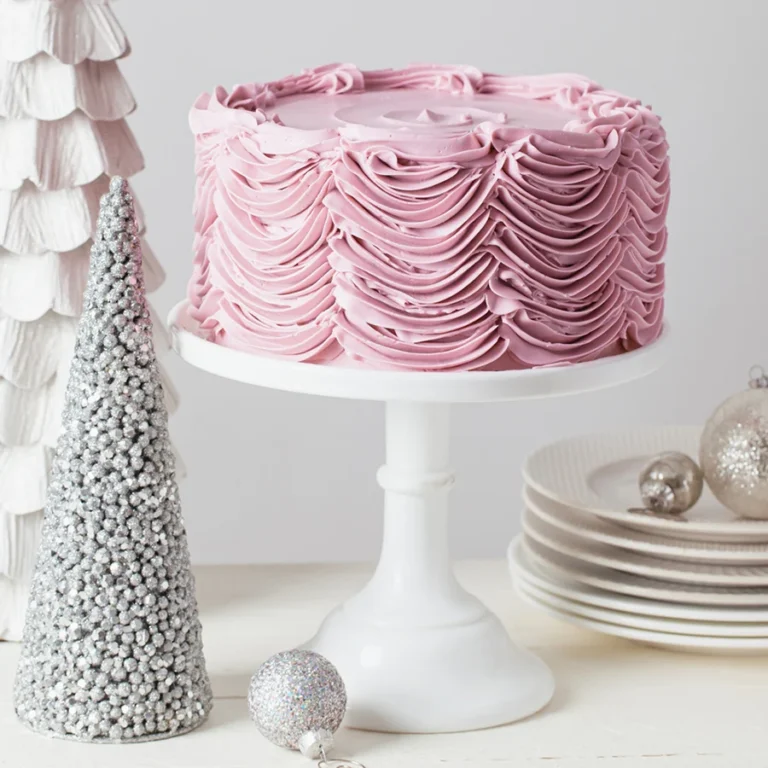

The Hazelnut Nutcracker Cake has emerged as a significant addition to the contemporary holiday pastry canon, blending traditional winter flavor profiles with advanced confectionery techniques. Developed by noted pastry designer and author Tessa Huff for The Cake Blog, the recipe represents a calculated departure from standard holiday desserts by prioritizing structural complexity and a nuanced spice palette. The cake features a dense brown sugar and nutmeg sponge, layered with a hazelnut praline Swiss meringue buttercream, and is finished with an intricate swag piping design intended to evoke the aesthetic of classical ballet costumery.
Conceptual Origin and Artistic Inspiration
The development of the Hazelnut Nutcracker Cake is rooted in the cultural tradition of Pyotr Ilyich Tchaikovsky’s 1892 ballet, The Nutcracker. Historically, the ballet has served as a cornerstone of the Christmas season in North America, particularly following the success of George Balanchine’s 1954 production for the New York City Ballet. The cake’s design specifically references the "Waltz of the Flowers" and the "Dance of the Sugar Plum Fairy," utilizing visual cues to bridge the gap between performing arts and culinary expression.

While traditional holiday cakes often rely on the inclusion of dried fruits or heavy molasses, the Hazelnut Nutcracker Cake utilizes roasted hazelnuts (Corylus) as its primary flavor driver. This choice aligns with the seasonal availability of the nut, which is harvested in late autumn. By substituting the literal "sugar plum" with a "sugared plum" color palette and a nutty flavor profile, the creator addresses the logistical difficulty of sourcing fresh plums during the winter months while maintaining the thematic integrity of the Nutcracker motif.
Culinary Composition and Flavor Profile
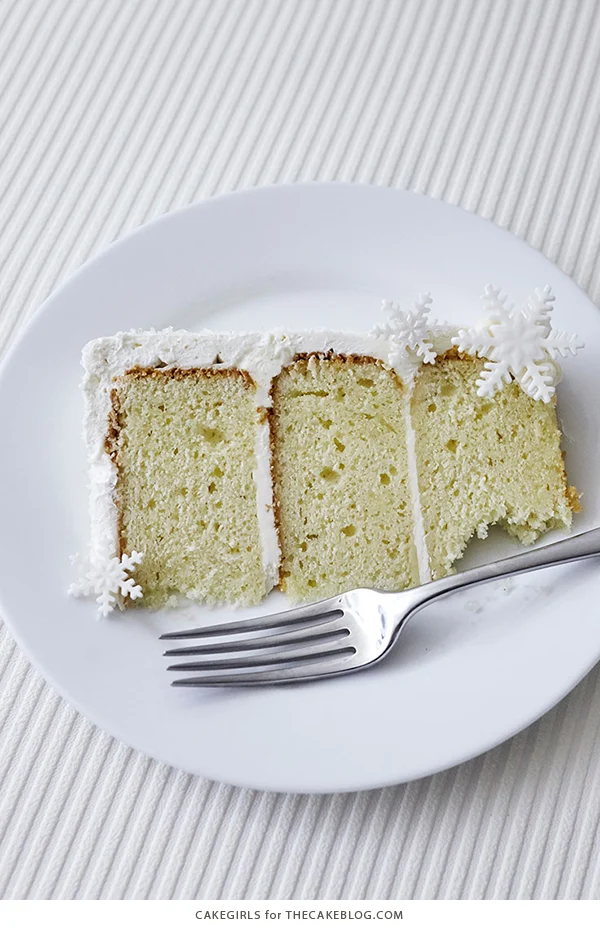
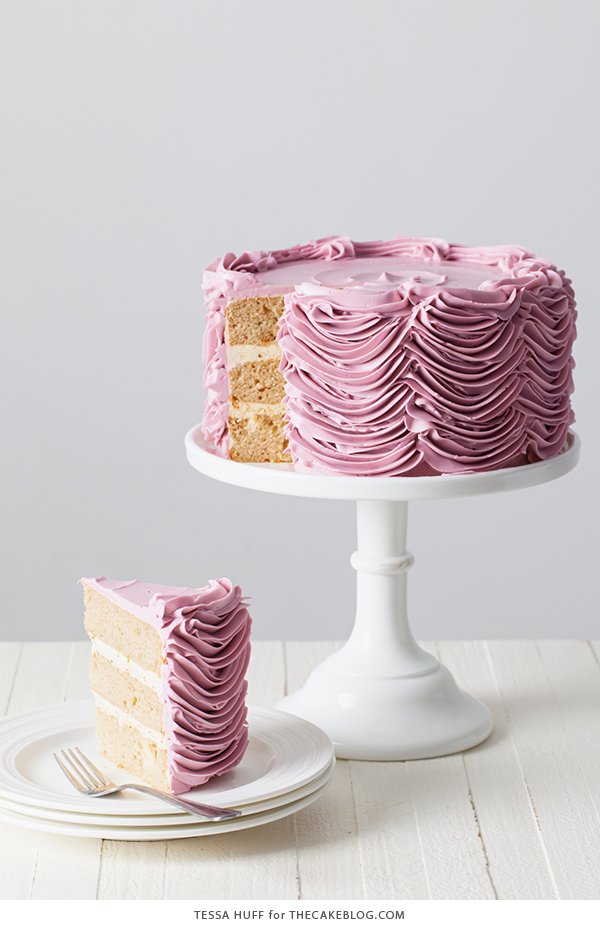
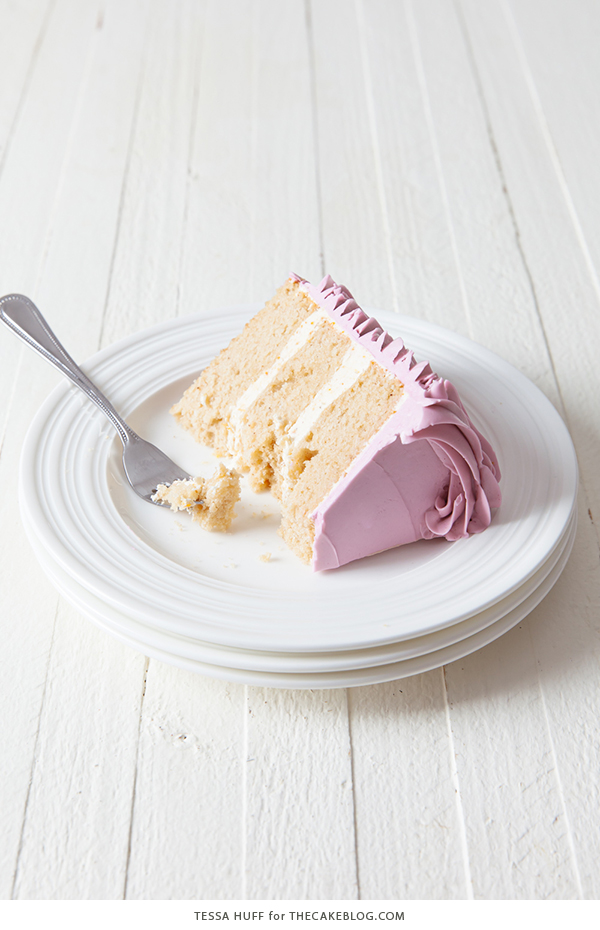
The structural foundation of the dessert is a brown sugar nutmeg cake. From a chemical perspective, the use of brown sugar over granulated white sugar introduces molasses, which acts as a humectant, ensuring a moist crumb and providing a deep, caramel-like base that complements the bitterness of roasted nuts. Freshly grated nutmeg (Myristica fragrans) provides a sharp, aromatic contrast to the sweetness of the sponge.
The internal filling and external frosting utilize a Swiss meringue buttercream (SMBC). Unlike American buttercream, which relies on the mechanical aeration of butter and powdered sugar, SMBC is a cooked meringue where egg whites and sugar are heated to 160°F (71°C) before being whipped and integrated with softened unsalted butter. This results in a silky, less saccharine finish that serves as a superior carrier for the hazelnut praline powder.
The Praline Process
The hazelnut praline component is achieved through a multi-stage process of caramelization and pulverization:
- Roasting: Hazelnuts are roasted to enhance the oils and deepen the flavor profile.
- Caramelization: A dry or wet caramel is prepared and poured over the nuts to create a brittle.
- Pulverization: Once cooled and hardened, the brittle is ground into a fine powder.
The integration of this praline powder into the buttercream provides a dual-textured experience, offering both the smoothness of the meringue and the micro-crunch of the caramelized nuts.
Technical Execution of the "Tutu" Aesthetic
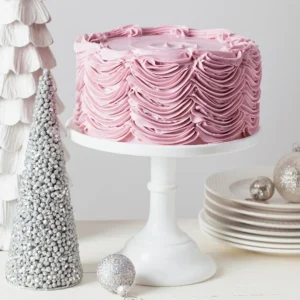
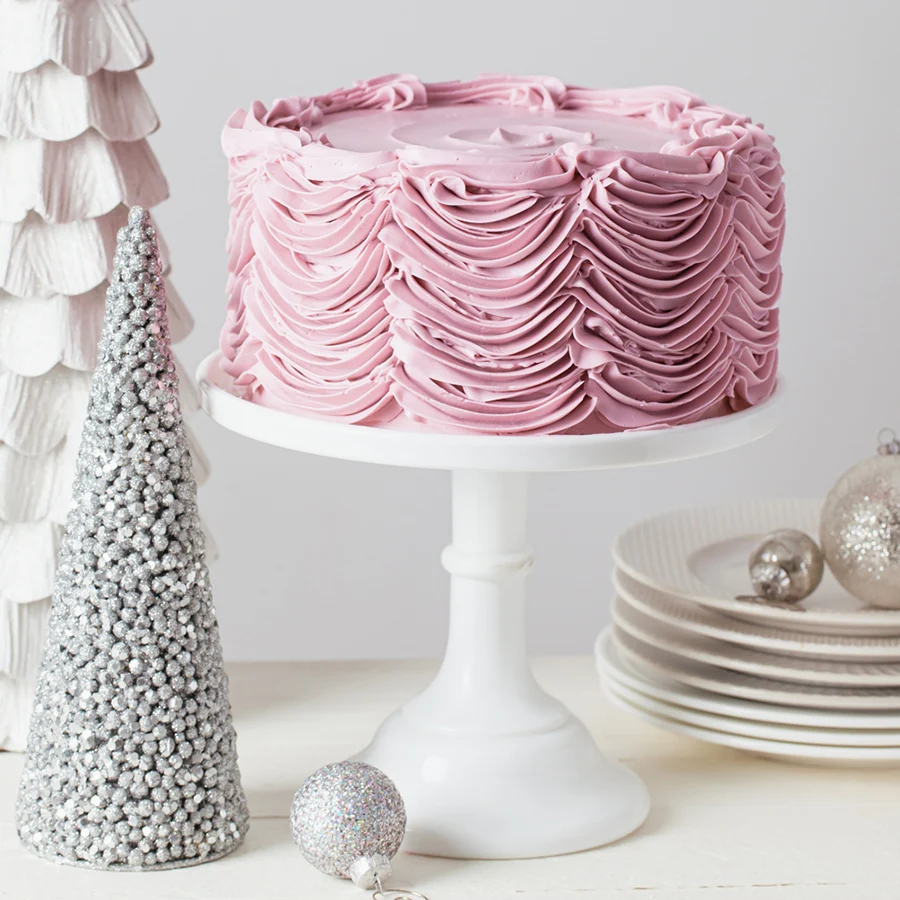
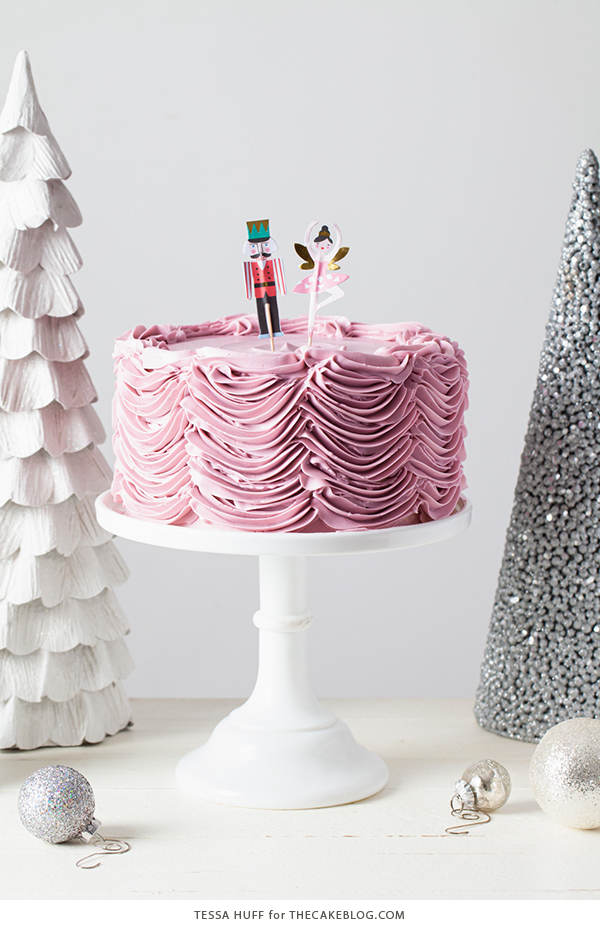
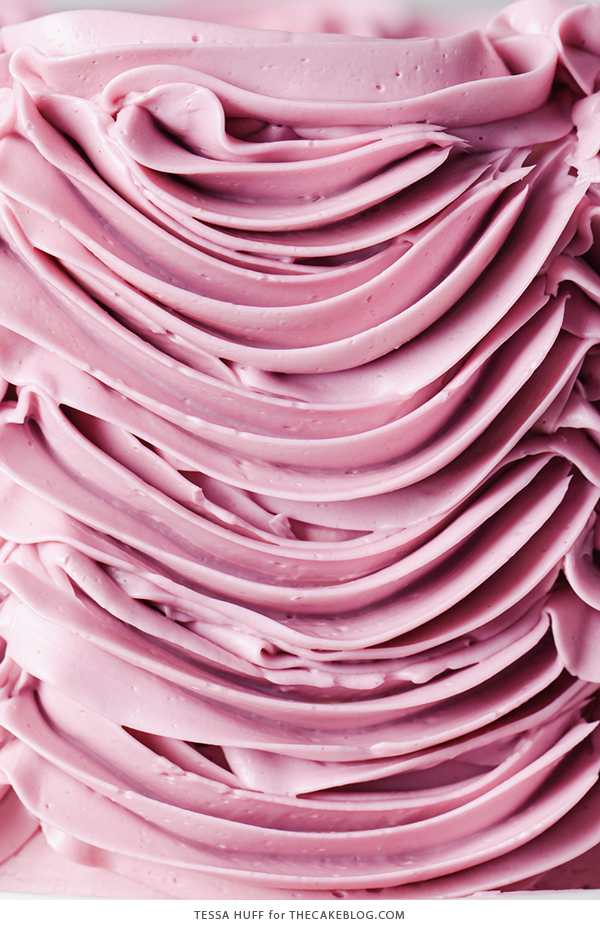
The visual hallmark of the Hazelnut Nutcracker Cake is its "swag" buttercream piping. This technique requires a high degree of manual dexterity and a specific understanding of buttercream viscosity. To achieve the look of a ballet tutu’s ruffles, the baker employs a petal tip (such as the Wilton 125 or similar).
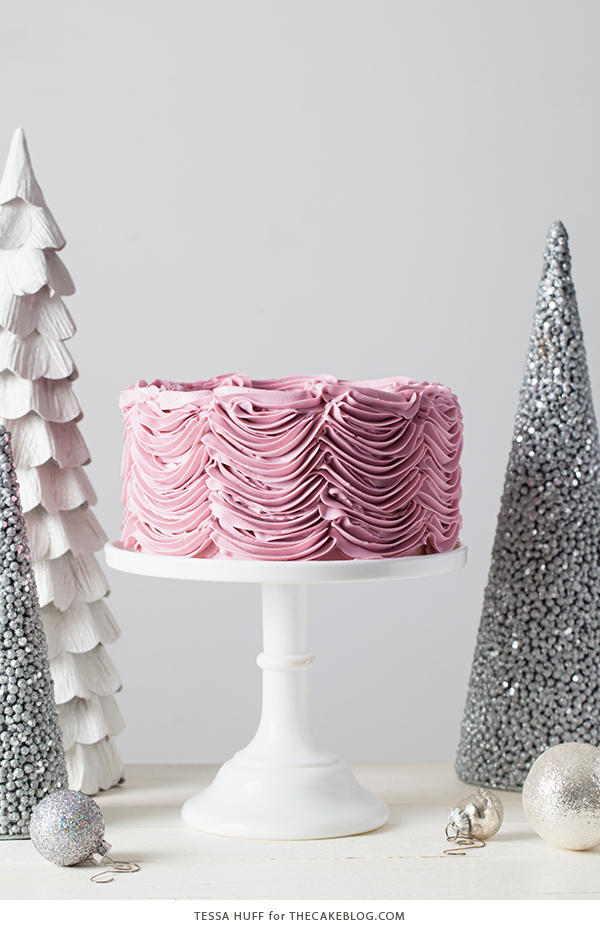
The piping is executed in a series of overlapping U-shaped movements, or "swags," which are layered vertically around the circumference of the cake. The choice of a "sugared plum" purple hue for the ruffles serves a dual purpose: it reinforces the Nutcracker theme and provides a sophisticated, muted aesthetic that contrasts with the traditional bright reds and greens of the holiday season.
Chronology of Recipe Development and Publication
The Hazelnut Nutcracker Cake was officially released in December 2019, positioned as a centerpiece recipe for the Christmas season. The timeline of its development reflects the rigorous testing required for high-end pastry design:
- September – October: Conceptualization phase, during which the flavor profile was selected based on seasonal ingredient forecasts and thematic relevance.
- November: Technical testing of the Swiss meringue buttercream to ensure the praline powder did not compromise the stability of the swag piping.
- Late November: Photography and documentation of the assembly process to provide clear instructional guidance for home bakers.
- December: Formal publication on The Cake Blog, accompanied by a comprehensive tutorial.
Since its release, the recipe has undergone peer review within the baking community, maintaining a high rating of 4.5 out of 5 stars based on user feedback regarding flavor balance and the clarity of the technical instructions.
Supporting Data and Market Context
The popularity of specialized holiday cakes like the Hazelnut Nutcracker Cake reflects broader trends in the $11 billion global baking ingredients market. Consumer interest in artisanal, "from-scratch" baking has seen a significant uptick, particularly during the fourth quarter of the fiscal year.
According to industry data, hazelnut consumption in the United States has seen steady growth, with Oregon producing approximately 99% of the nation’s crop. The use of hazelnuts in premium desserts is often associated with "affordable luxury," a consumer trend where shoppers seek high-quality, gourmet experiences within the home environment.
Furthermore, the "Nutcracker" branding taps into a significant economic engine. Many ballet companies report that The Nutcracker accounts for nearly 40% to 45% of their annual ticket revenue. By aligning a culinary product with this specific cultural phenomenon, creators leverage an existing emotional and financial ecosystem.
Official Responses and Culinary Analysis
Professional pastry chefs have noted that the Hazelnut Nutcracker Cake exemplifies the "modern-classic" style of cake decorating. This style prioritizes clean lines and monochromatic or limited color palettes over the more cluttered designs of previous decades.
"The use of praline powder within a Swiss meringue base is a sophisticated choice," notes one culinary analyst. "It allows for a concentrated flavor without the weight of a heavy nut paste, which could cause the delicate swag piping to sag or lose definition."
Critics and enthusiasts alike have praised the cake for its restraint. While the design is intricate, it avoids the use of non-edible supports or excessive fondant, staying true to a "buttercream-first" philosophy that has regained popularity in the late 2010s and early 2020s.
Broader Impact and Implications for Holiday Baking
The introduction of the Hazelnut Nutcracker Cake has contributed to a shift in how home bakers approach holiday projects. By providing a professional-grade design that is accessible through detailed tutorials, platforms like The Cake Blog have democratized high-end pastry techniques.
The cake also highlights the importance of storytelling in food media. The narrative of childhood nostalgia and the specific reference to Tchaikovsky’s work transform the recipe from a simple set of instructions into a cultural artifact. This approach has proven successful in engaging a younger demographic of bakers who value the "aesthetic" and "story" behind their culinary creations as much as the taste.
Conclusion
The Hazelnut Nutcracker Cake stands as a testament to the intersection of tradition and technical innovation. By synthesizing the warmth of brown sugar and nutmeg with the refined elegance of hazelnut praline and ballet-inspired piping, the recipe offers a comprehensive sensory experience. As holiday traditions continue to evolve, the integration of classical arts into culinary design, as seen in this cake, provides a roadmap for future seasonal innovations. The meticulous balance of flavor, structure, and theme ensures its place as a recurring favorite in the high-end holiday baking circuit.