
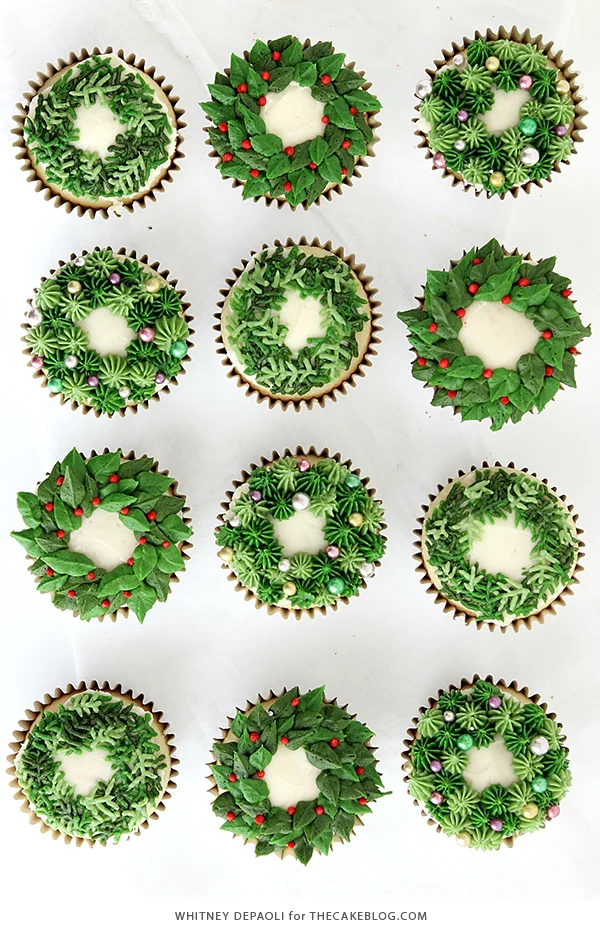
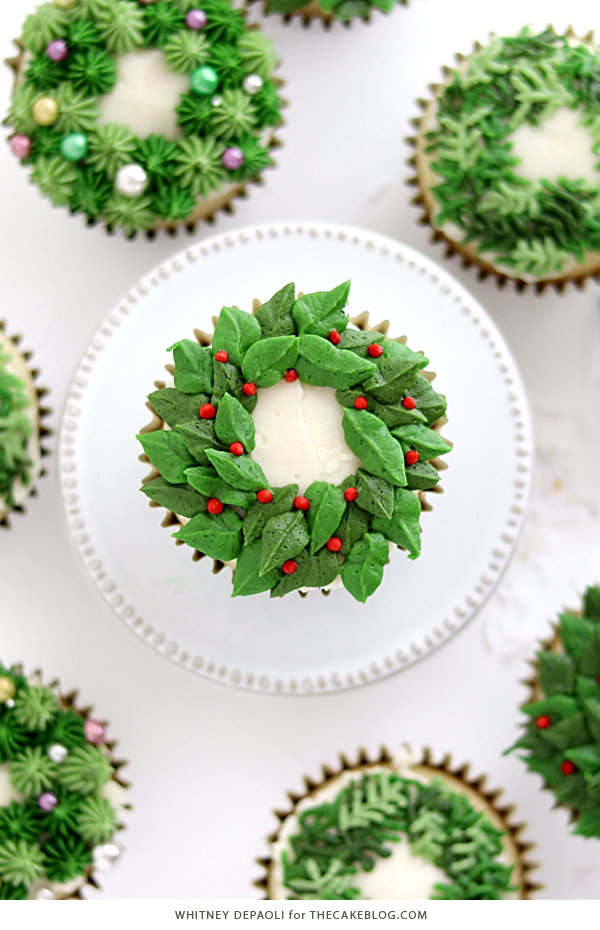
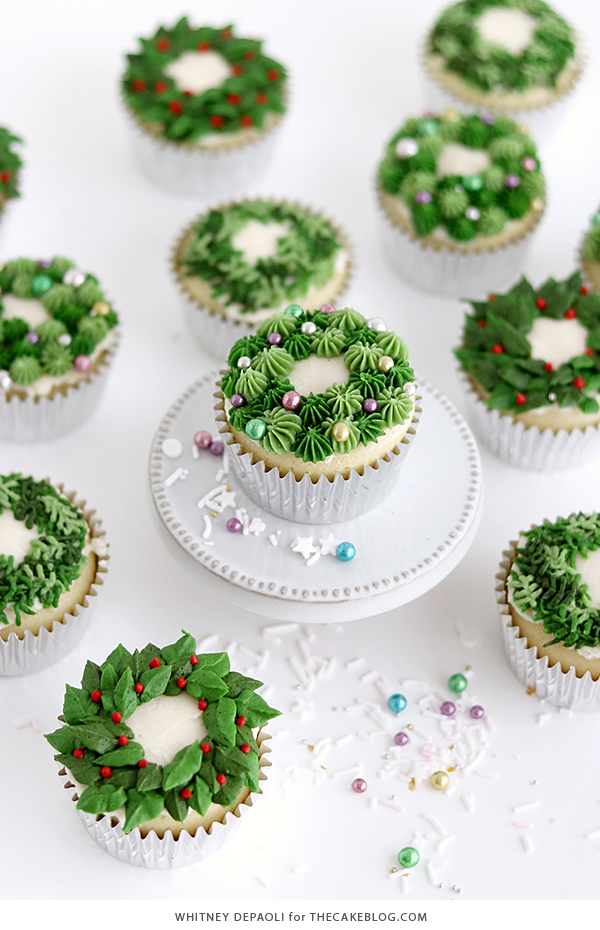
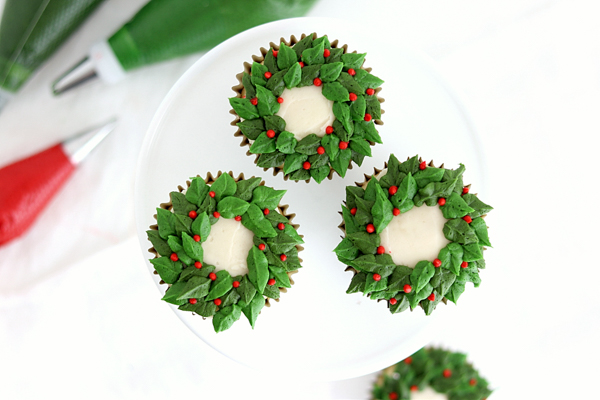
The holiday season traditionally ushers in a surge of culinary creativity, and the latest tutorial from acclaimed baker Whitney DePaoli for The Cake Blog highlights a sophisticated yet accessible approach to seasonal confectionery. As home bakers and professional pastry chefs alike prepare for the peak of the winter holidays, DePaoli’s "Christmas Wreath Cupcakes" offer a trifecta of designs that merge classic holiday iconography with modern buttercream piping techniques. These designs—the Berry Wreath, the Pine Sprig Wreath, and the Sprinkled Wreath—demonstrate a significant trend in the artisanal baking industry: the move toward hyper-detailed, texture-rich "micro-decorating" on individual servings.
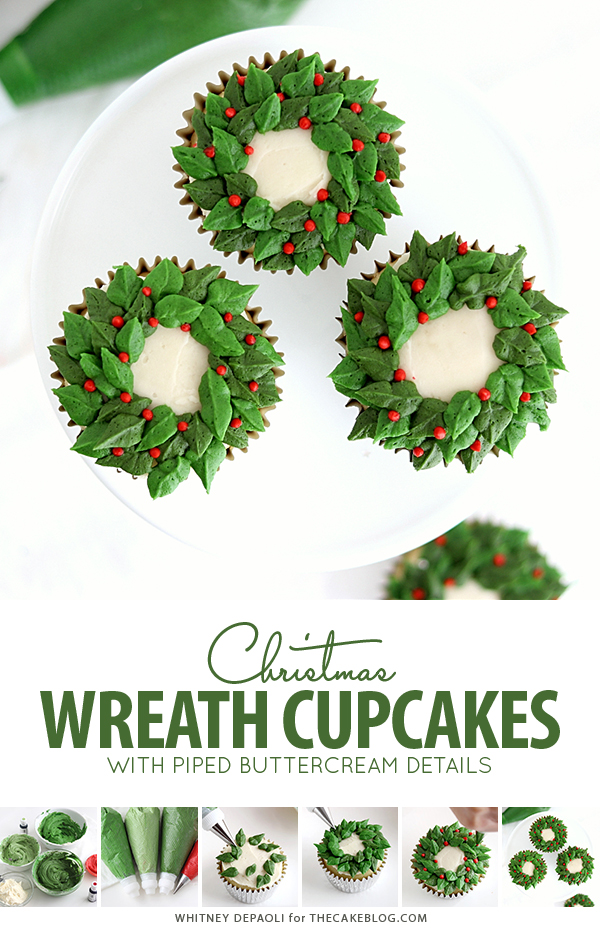
The release of this tutorial coincides with a broader market trend where consumers are increasingly seeking DIY solutions for high-end aesthetic desserts. According to industry data, the global cake decorating supplies market has seen a steady compound annual growth rate, driven largely by social media influencers and digital tutorials that democratize professional-level skills. DePaoli’s latest contribution focuses on the versatility of American buttercream and the strategic use of specific piping tips to mimic the organic textures of evergreen foliage.
Technical Methodology and Chronology of Creation
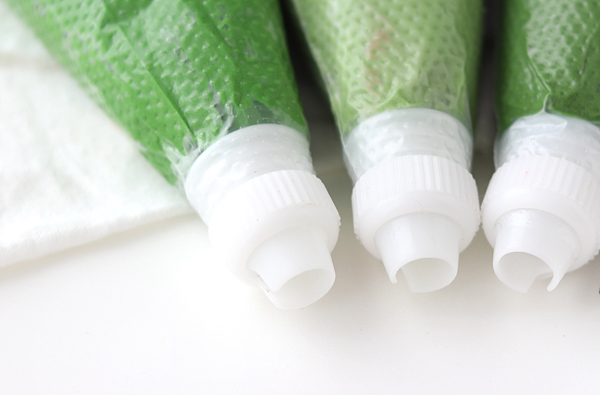
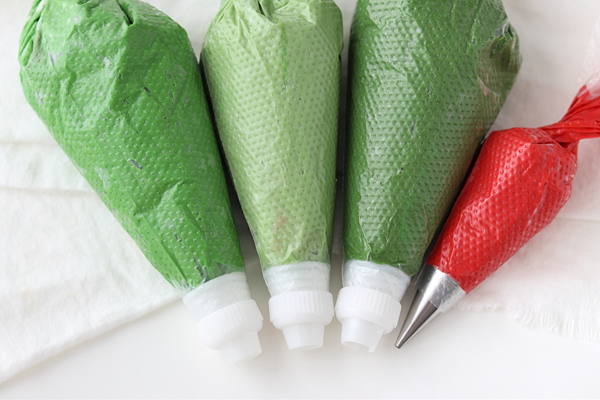
The production of these festive cupcakes follows a rigorous technical workflow designed to maximize efficiency and visual impact. DePaoli emphasizes the importance of prep work, specifically the use of couplers in piping bags. This technical choice is a critical component of the workflow, allowing the decorator to switch between different tips—such as the #352 leaf tip, the #3 round tip, and the #199 star tip—without the need for multiple bags for each shade of green. This method not only reduces plastic waste but also ensures consistency in the buttercream’s temperature and texture throughout the decorating process.
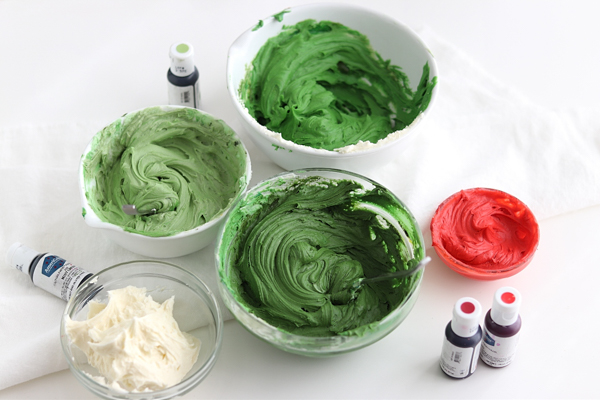
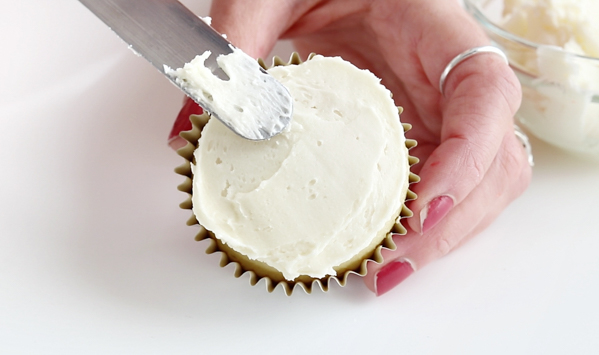
The chronological development of the cupcakes begins with the preparation of the buttercream. DePaoli utilizes four primary colors: three distinct shades of green (light, medium, and dark) and a vibrant red for the berries. The use of varied green tones—specifically achieved through gel colors like Americolor Forest Green and Avocado—adds a layer of realism and depth to the "foliage." Once the colors are prepared, each cupcake receives a thin, "crumb-coat" style layer of uncolored buttercream. This base serves as a canvas, ensuring that the piped designs have a smooth surface to adhere to while preventing the cake’s crumb from interfering with the delicate piping.
Design Breakdown: The Three Wreath Variations
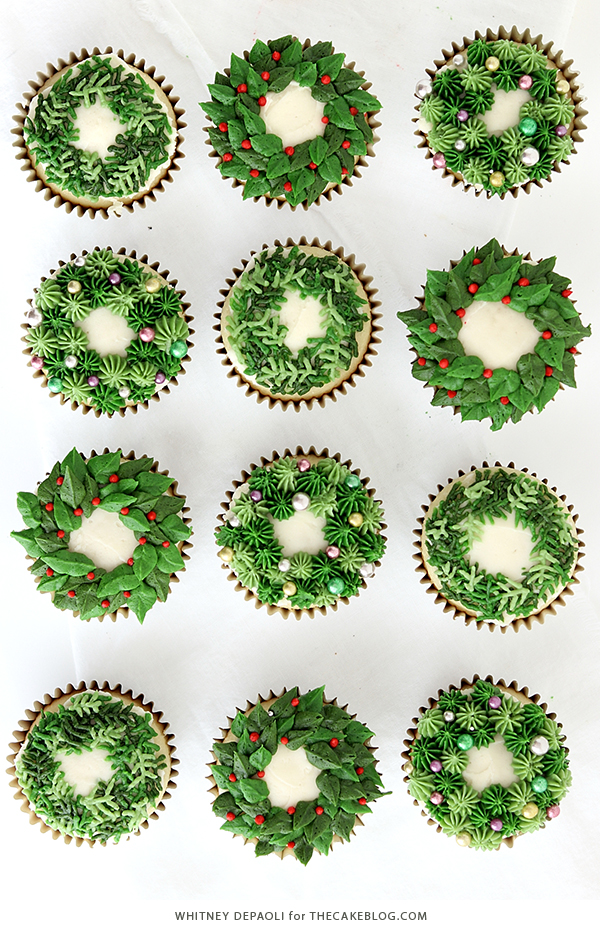
The tutorial outlines three distinct architectural styles for the wreaths, each requiring a different level of precision and time investment.
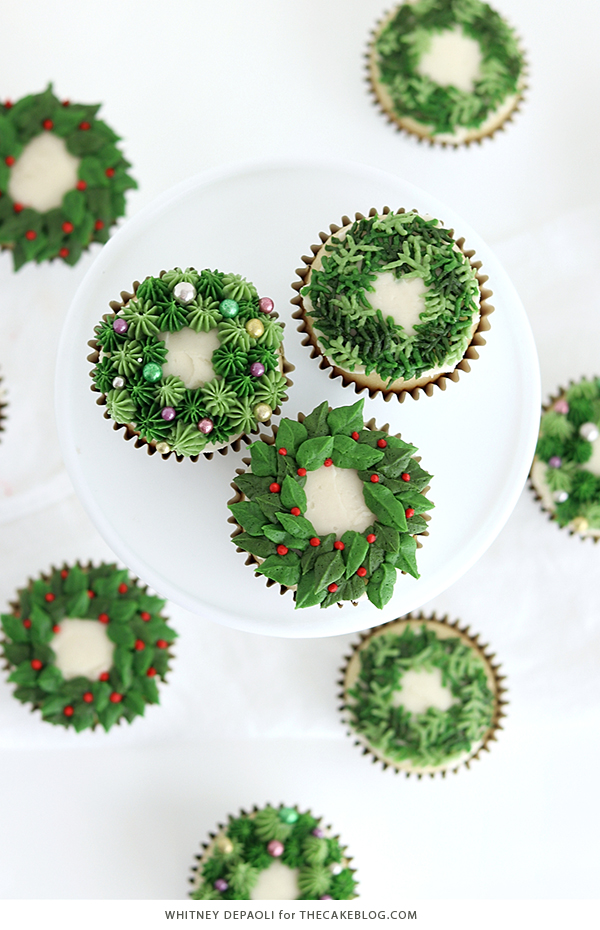
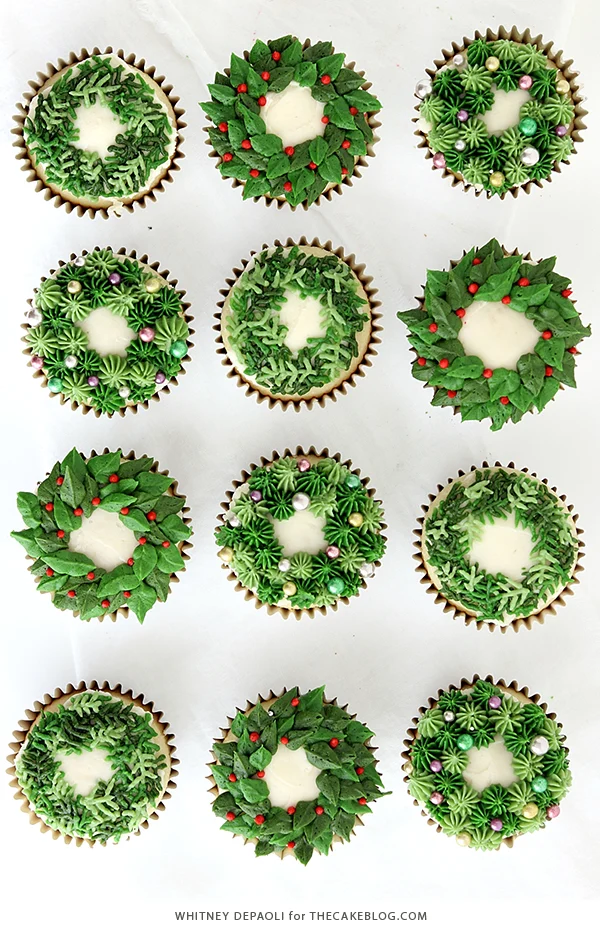
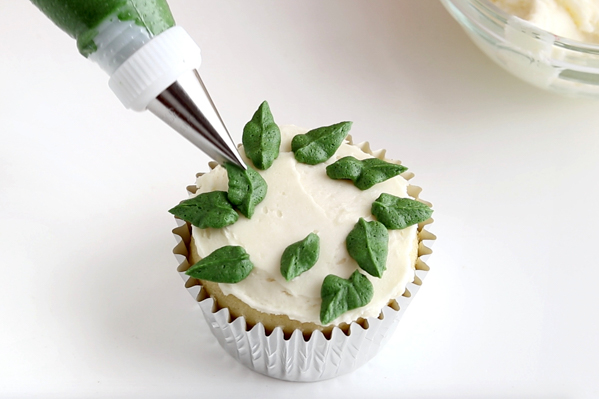
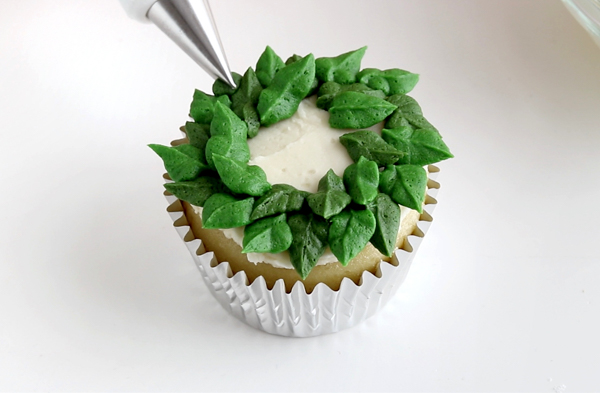
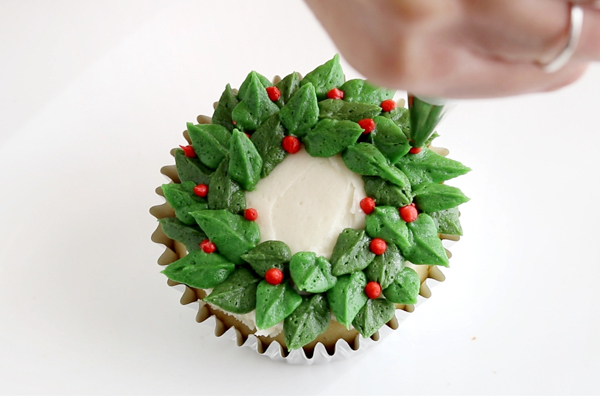
The Berry Wreath utilizes the #352 leaf tip, a staple in the decorator’s kit known for its "open beak" shape. By holding the tip parallel to the cupcake surface and applying steady pressure while pulling away, the baker creates a series of overlapping leaves. The two-toned approach—mixing medium and dark green—mimics the natural variegation found in holly or boxwood wreaths. The final touch involves the #3 round tip to pipe red buttercream berries, providing a high-contrast focal point.
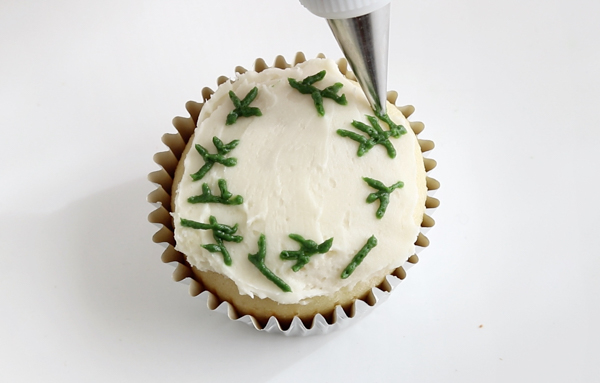
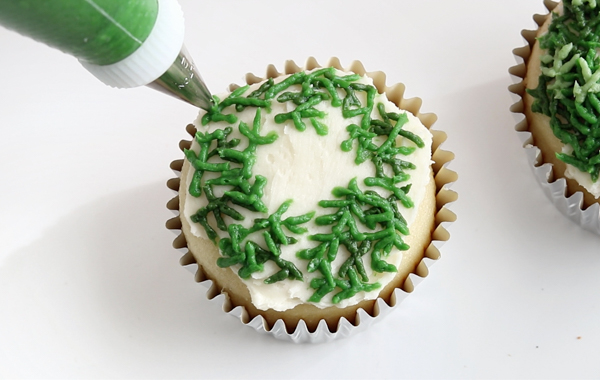
The Pine Sprig Wreath represents a more labor-intensive design, focusing on the needle-like texture of coniferous trees. This design requires the #3 round tip for all three shades of green. The technique involves piping a central "stem" and then overlaying it with small "V" shapes to simulate pine needles. This design is noted for its high level of detail and is recommended for bakers looking to showcase a more artisanal, hand-crafted aesthetic.
The Sprinkled Wreath offers a more whimsical, "ornamented" look, utilizing the #199 star tip. This design relies on "drop stars"—small, textured bursts of buttercream—to create a dense, bushy wreath. The addition of spherical sprinkles serves as a representation of Christmas ornaments, a technique that allows for further customization based on the baker’s chosen color palette.
Market Context and the Rise of Edible Artistry
The popularity of tutorials like DePaoli’s is supported by current consumer behavior in the food and beverage sector. Market research indicates that during the Q4 holiday window, consumer spending on baking ingredients and decorating tools increases by approximately 25-30% compared to other quarters. Furthermore, the "aesthetic food" movement on platforms like Instagram and Pinterest has transformed baking from a purely functional task into a form of visual communication.
Professional bakers note that these wreath designs tap into the psychological comfort associated with holiday traditions. The wreath itself, a symbol of eternity and the cyclical nature of the seasons, has been a staple of winter decor for centuries. Translating this symbol into a culinary format allows hosts to provide a personalized, high-touch experience for guests. Analysts suggest that the "individual portion" trend—cupcakes over large cakes—remains dominant because it offers better portion control and allows for a diverse display of different artistic styles on a single dessert table.
Industry Reactions and Expert Perspectives
While the tutorial is aimed at home bakers, the techniques described are rooted in professional pastry standards. Culinary educators point out that the use of different piping tips to create specific botanical textures is a foundational skill in high-end wedding cake design. By applying these skills to cupcakes, DePaoli makes "luxury baking" accessible to a wider audience.
"The key to the success of these designs is the consistency of the buttercream," says one industry consultant. "American buttercream is preferred here because of its crusting properties, which allow the sharp edges of the leaf and star tips to remain defined even at room temperature. If the buttercream is too soft, the ‘wreath’ loses its architectural integrity."
Furthermore, the emphasis on using a variety of green shades is a masterclass in color theory. In professional food photography and display, monochromatic designs can often appear flat. By instructing users to divide their frosting into three distinct intensities of green, DePaoli ensures that the cupcakes have a three-dimensional quality that translates well both in person and on digital platforms.
Broader Implications for the Holiday Season
As the holiday season progresses, the impact of such tutorials extends beyond the kitchen. They contribute to a culture of "intentional hosting," where the effort put into the menu is seen as a gift in itself. The "Christmas Wreath Cupcakes" project is indicative of a larger shift toward experiential holidays, where the process of making the food is as much a part of the celebration as the consumption.
The economic implications are also noteworthy. The demand for specific piping tips and gel food colorings often leads to supply chain surges in the weeks leading up to December 25th. Retailers who specialize in baking supplies frequently report that "seasonal kits" or tutorials that list specific tool numbers, like DePaoli’s #352 and #199 tips, drive significant traffic to their e-commerce sites.
In conclusion, Whitney DePaoli’s tutorial serves as a comprehensive guide for those looking to elevate their holiday baking. Through the strategic use of color, texture, and professional tools, these Christmas Wreath Cupcakes represent the intersection of tradition and modern culinary art. As home kitchens across the country transform into miniature bakeries this December, the adoption of these professional techniques ensures that the spirit of the season is reflected in every piped leaf and buttercream berry. The tutorial stands as a testament to the enduring appeal of the holiday wreath and the ever-evolving creativity of the global baking community.