

The Evolution of the Sprinkle-Centric Design Philosophy
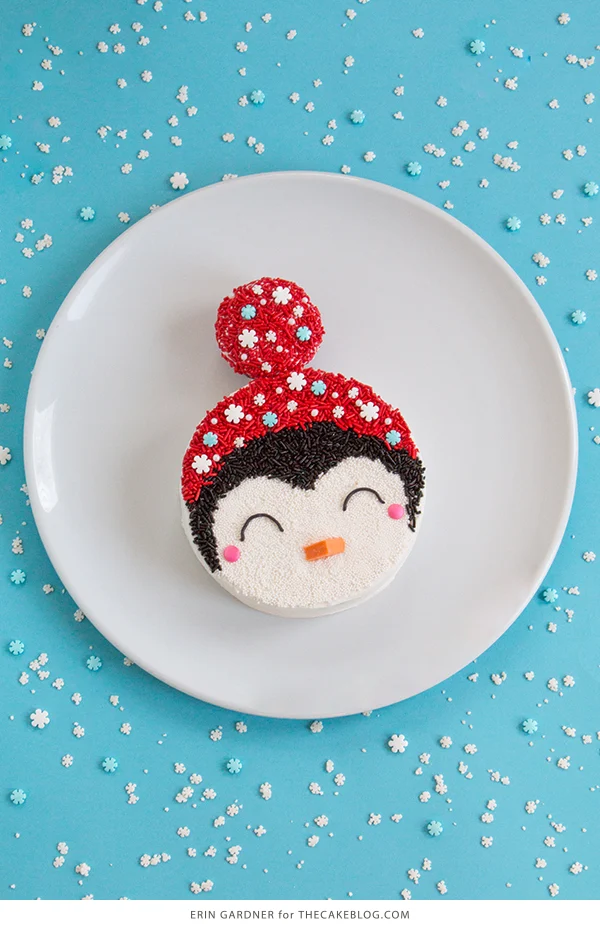
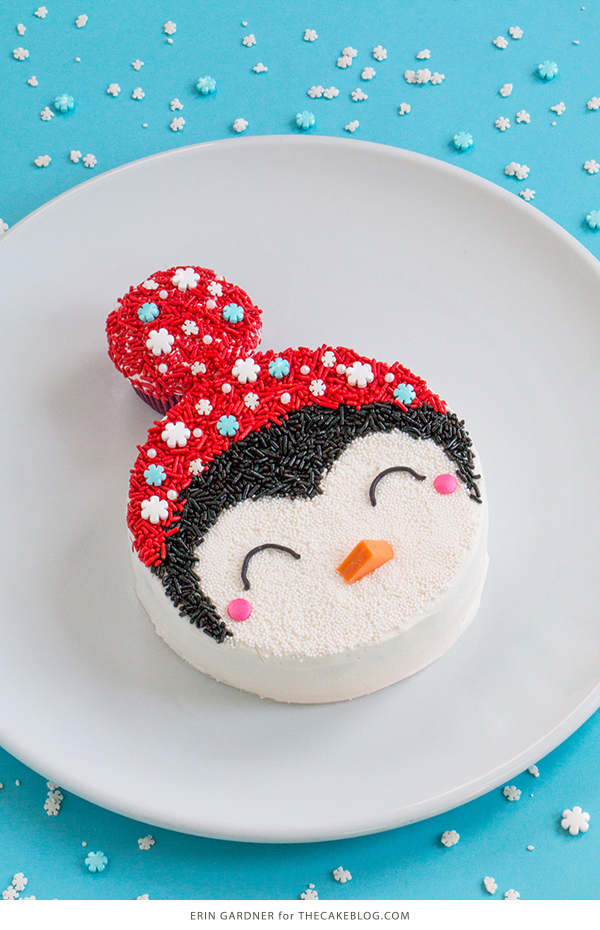
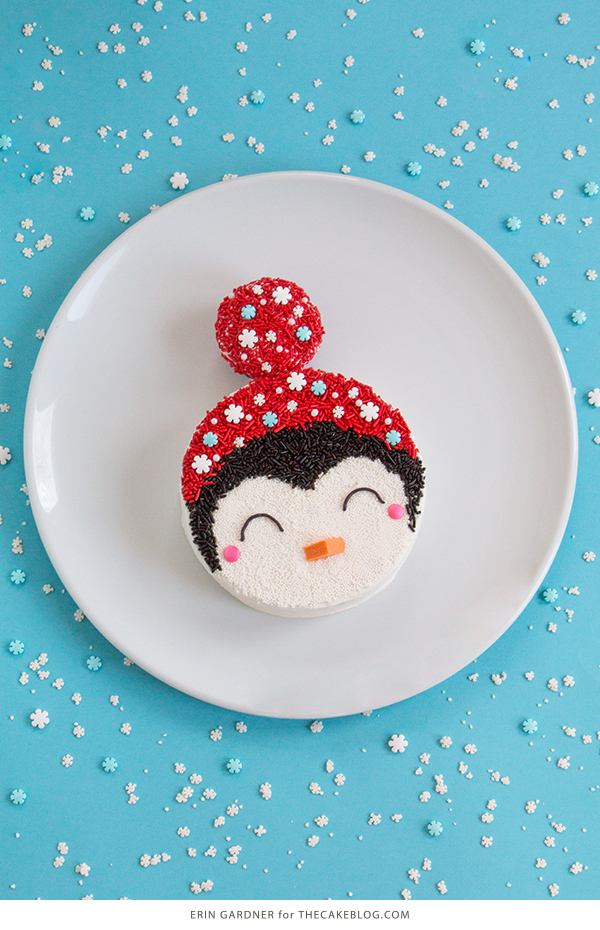
The concept of the "Sprinkle Penguin" is rooted in a broader movement within the confectionery arts that prioritizes texture and "kawaii" (cute) aesthetics. This design philosophy, popularized by contributors like Gardner, relies on the use of nonpareils—tiny, spherical sugar pearls—to create a uniform, velvet-like finish on the exterior of a cake. By segmenting the cake’s surface into distinct zones, bakers can "paint" with sugar, using color to define the character’s anatomy.
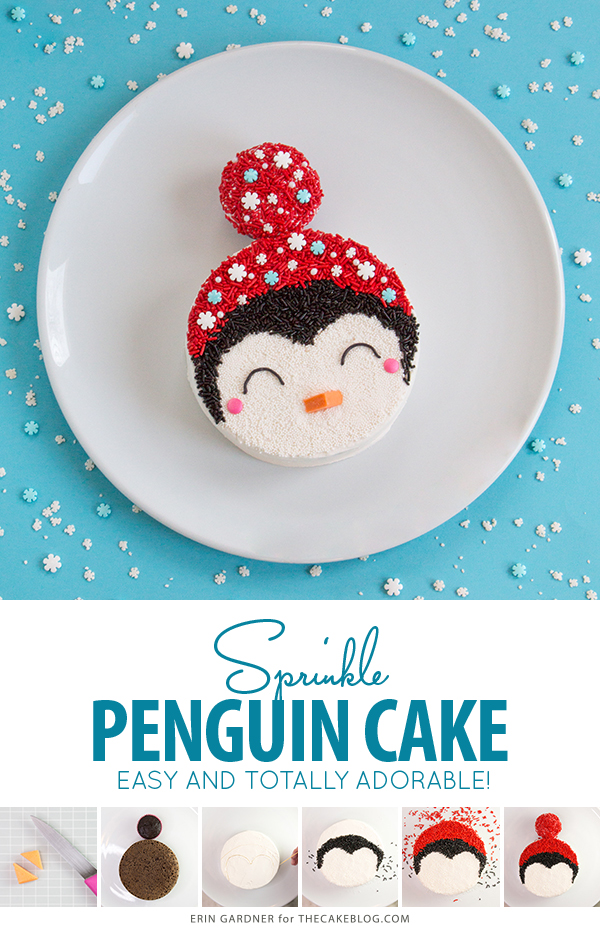
The "sprinkle universe" identified by Gardner represents a shift in the domestic baking market. According to market research data, the global cake decorating supplies market is projected to reach significant valuations by 2028, driven largely by the "experience economy" where consumers value the process of creation as much as the final product. Gardner’s tutorial leverages this trend by offering a modular design; the penguin can be modified with chocolate sunglasses, various hat colors, or seasonal sprinkle shapes like stars and miniature trees. This adaptability ensures that the design remains relevant for a variety of winter occasions, from children’s birthdays to more formal holiday gatherings.
Chronology of the Assembly Process
The construction of the Penguin Cake is a multi-stage process that requires careful preparation of the cake base followed by a systematic application of decorative elements. The tutorial outlines a specific sequence to ensure the integrity of the design and the vibrancy of the colors.
Phase I: Architectural Preparation and Mapping
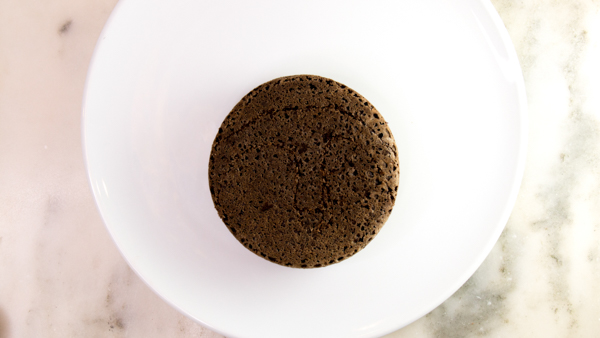
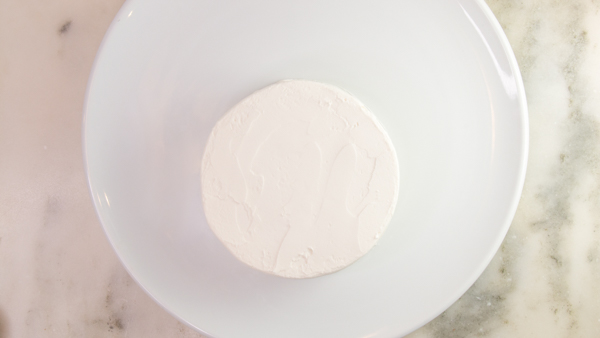
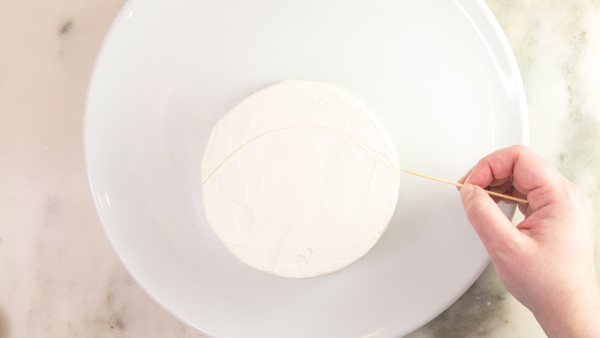
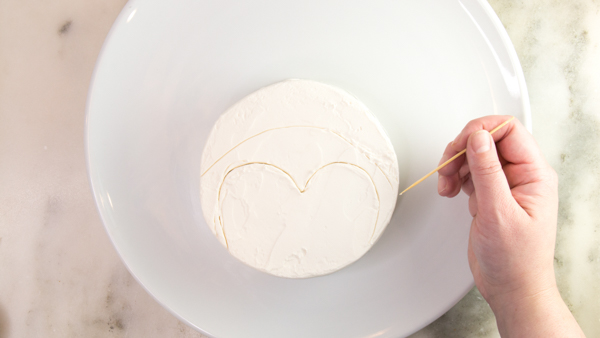
The process begins with the application of a thick, "plain" buttercream layer. Unlike traditional smooth-finish cakes, the level of precision in the icing phase is secondary to the volume of the frosting. The buttercream serves as the adhesive for the sprinkles, and a thicker layer allows for better "grip." Once iced, the baker uses a toothpick or skewer to etch a blueprint directly into the soft frosting. This mapping includes a half-moon shape across the top of the cake to delineate the winter hat and an open-bottom heart shape on the front face to define the penguin’s facial mask. This "blueprinting" stage is critical, as it provides the boundaries for the subsequent sprinkle application.
Phase II: Zonal Sprinkle Application
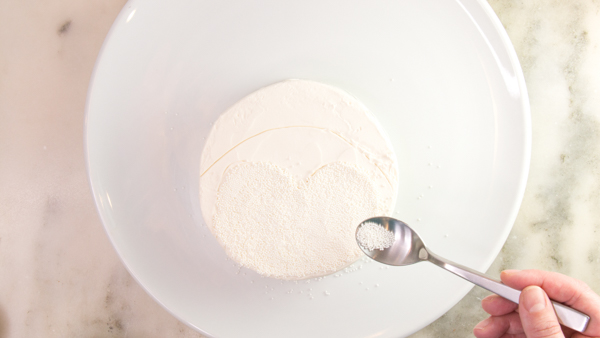
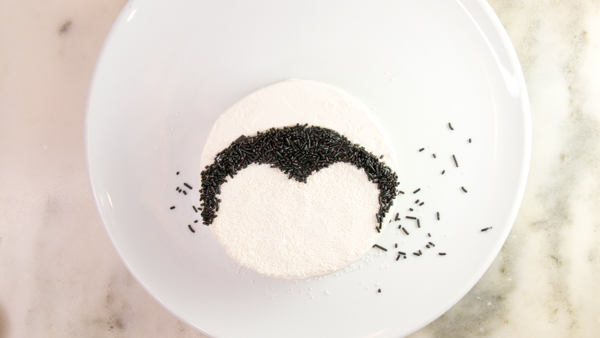
Gardner emphasizes a "large-to-small" workflow. The first area to be filled is the penguin’s white face, using white nonpareils. A spoon is utilized to pour the sprinkles, while the back of the spoon serves as a leveling tool to ensure an even distribution. To manage the inevitable overflow of sugar pearls, the cake is placed on a baking sheet to catch excess material, a standard industry practice that reduces waste and maintains a clean workspace.
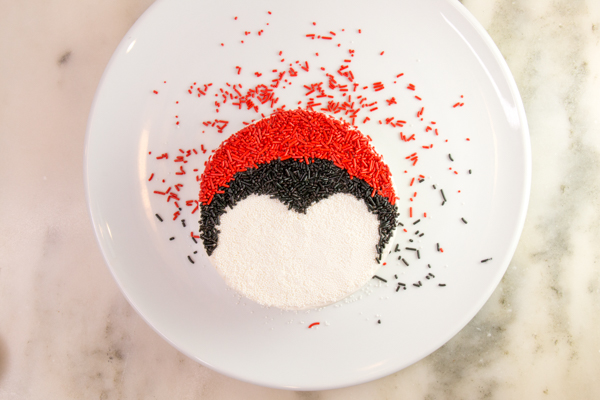
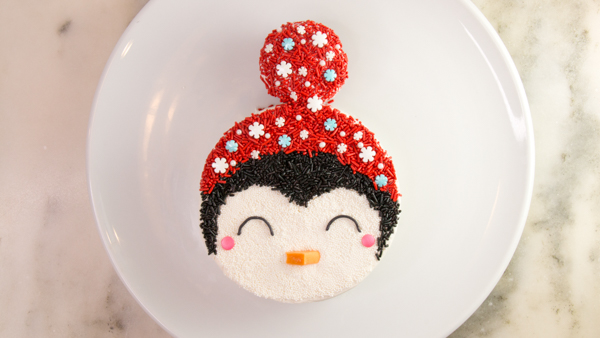
Following the face, the "skin" of the penguin is created using black sprinkles. Gardner notes that any stray black sprinkles that migrate into the white facial zone can be meticulously removed using a toothpick, highlighting the forgiving nature of the medium. The final major zone is the hat, which is filled with red sprinkles, though Gardner suggests that alternating colors could be used to create a striped pattern, further increasing the customization potential of the project.
Phase III: Structural Accents and Facial Features
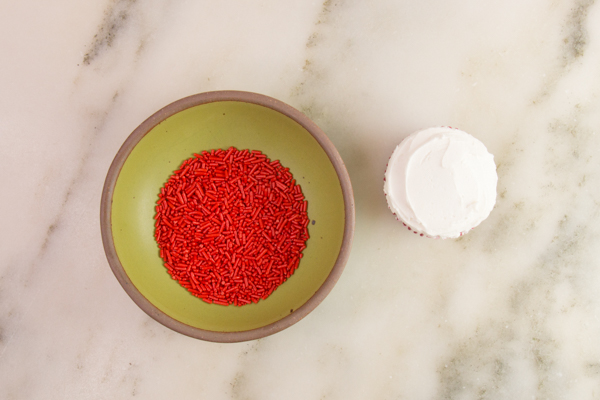
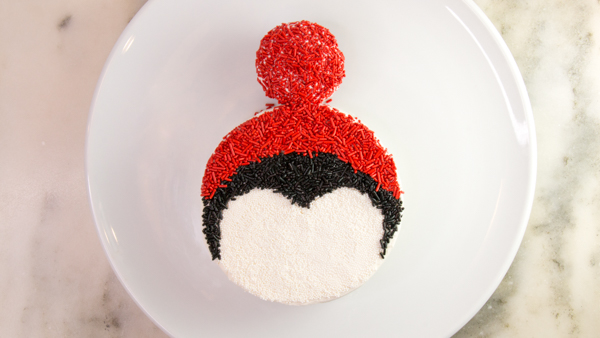
A unique element of this tutorial is the use of a standard cupcake to create the pom-pom for the penguin’s hat. The cupcake is coated in buttercream and dipped into the red sprinkles before being "glued" to the cake platter with a dab of frosting. This use of a secondary baked good adds three-dimensional depth to the design without requiring complex carving.
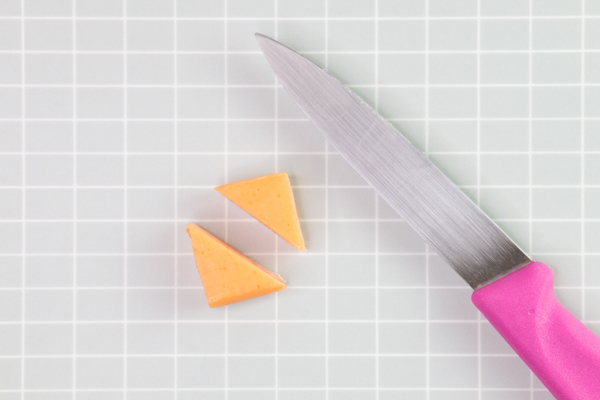
The final details—the eyes, beak, and cheeks—utilize a mix of confectionery items. A Starburst candy is sliced diagonally to create a triangular beak, while pink confetti sprinkles are placed to represent blushing cheeks. The eyes are piped using black buttercream and a small round tip, forming two semi-circles that contribute to the character’s "precious" expression. The design is finished with snowflake-shaped sprinkles scattered across the hat area, reinforcing the winter theme.
Technical Considerations: Moisture Migration and Texture
A critical component of Gardner’s advice involves the timing of the decoration. Sprinkles, being composed primarily of sugar and food coloring, are susceptible to moisture. When stored in a refrigerated environment, the humidity can cause the colors to bleed or the texture of the nonpareils to soften. To maintain the structural integrity and "crunch" of the sprinkle coating, Gardner recommends finishing the cake on the day it is intended to be served.
The storage of leftovers is similarly dictated by the choice of buttercream. While American buttercream (typically made of butter and powdered sugar) can remain stable at room temperature for short periods, European-style buttercreams (such as Swiss or Italian Meringue) require refrigeration. This technical distinction is vital for home bakers to understand, as the shelf life and visual appeal of the sprinkle coating are directly tied to environmental conditions.
Market Context and the "Instagram Effect"
The Penguin Cake tutorial arrives at a time when visual platforms like Instagram and Pinterest heavily influence consumer baking habits. The "Instagrammable" nature of the sprinkle-coated cake—characterized by high-contrast colors and a tactile, matte finish—makes it highly shareable. Industry analysts have noted that "character-based" desserts often see a 30% higher engagement rate on social media compared to traditional floral or geometric designs.
Furthermore, the democratization of baking through digital tutorials has led to a rise in "semi-homemade" approaches. By providing a clear, step-by-step video and written guide, The Cake Blog and contributors like Gardner enable consumers to achieve high-end results using supermarket staples like Starburst candies and pre-made sprinkles. This reduces the barrier to entry for novice bakers who might be intimidated by professional-grade materials like fondant or gum paste.
Broader Implications for the Confectionery Industry
The popularity of such tutorials has a direct impact on the retail sector. Retailers have reported increased sales of specific sprinkle shapes and colors during the winter months, often driven by viral tutorials. The "Sprinkle Penguin" specifically utilizes a "mix-and-match" approach to pantry staples, which encourages consumers to purchase multiple types of sprinkles—nonpareils for the body and shaped quins (like snowflakes) for the accents.
From a pedagogical perspective, Gardner’s tutorial represents an effective method of teaching spatial awareness and color theory to amateur decorators. By breaking down a complex animal shape into manageable geometric zones (the half-moon and the heart), the tutorial simplifies the artistic process into a series of repeatable actions. This "paint-by-numbers" style of cake decorating is expected to remain a dominant trend in the DIY space, as it provides a high success rate for the end user.
Conclusion
The Adorable Sprinkle Coated Penguin Cake by Erin Gardner serves as a benchmark for modern, accessible cake design. By combining structural simplicity with high-impact texture, the tutorial addresses the needs of the contemporary home baker who seeks professional results with minimal specialized equipment. As winter celebrations continue to drive demand for festive, themed desserts, the Penguin Cake stands as a versatile and reliable option, blending the whimsy of character design with the sophisticated application of sugar-based textures. Through the "sprinkle universe," Gardner has provided a roadmap for creative expression that is both technically sound and aesthetically compelling, reinforcing the role of digital tutorials in shaping the future of domestic confectionery arts.