


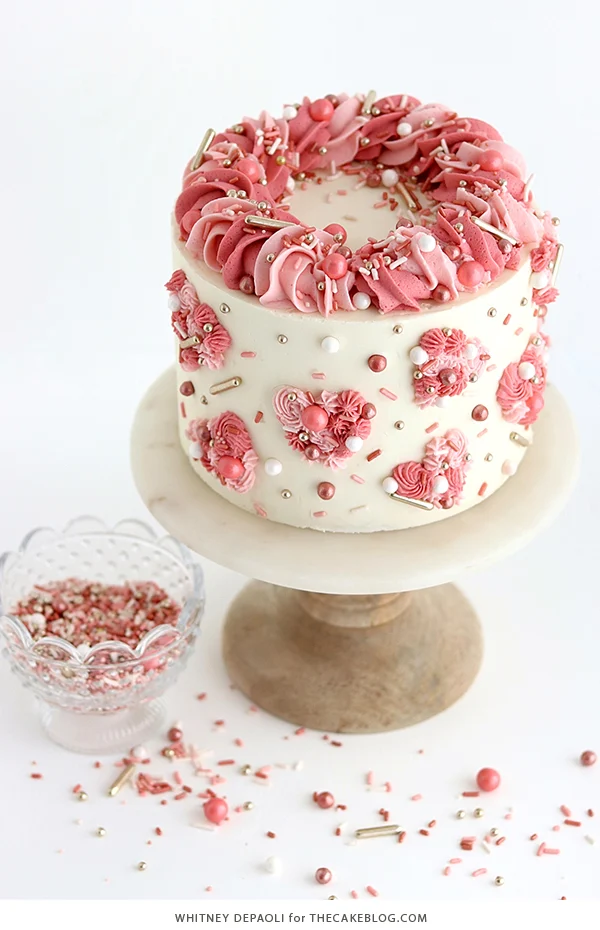
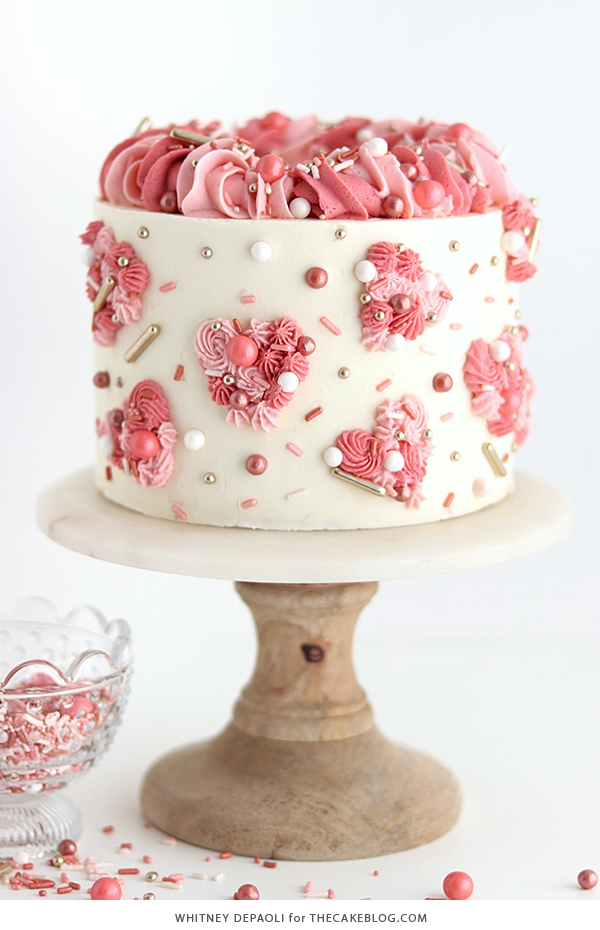
The intersection of traditional culinary aesthetics and modern digital influence has birthed a new era of artisanal baking, characterized by intricate textures and sophisticated color palettes. As Valentine’s Day remains a cornerstone of the global confectionery industry, professional decorators and home enthusiasts alike are seeking innovative methods to reimagine classic motifs. One such development is the "Piped Hearts" technique, a method that leverages geometric imprinting and varied piping tip applications to create a multi-dimensional, textured finish. Contributor Whitney DePaoli, a prominent figure in the digital baking community, recently codified this technique, citing inspiration from contemporary social media trends and the evolving preferences of the modern consumer.
The Evolution of the Valentine’s Day Aesthetic
For decades, Valentine’s Day cake design was dominated by smooth fondant finishes or simple buttercream rosettes in primary shades of red and white. However, the rise of visual-centric platforms such as Instagram and Pinterest has shifted the industry toward "maximalist texture" and "muted romanticism." The Piped Hearts tutorial represents this shift, moving away from flat imagery toward a "bas-relief" style of decorating where the design sits proud of the cake surface.
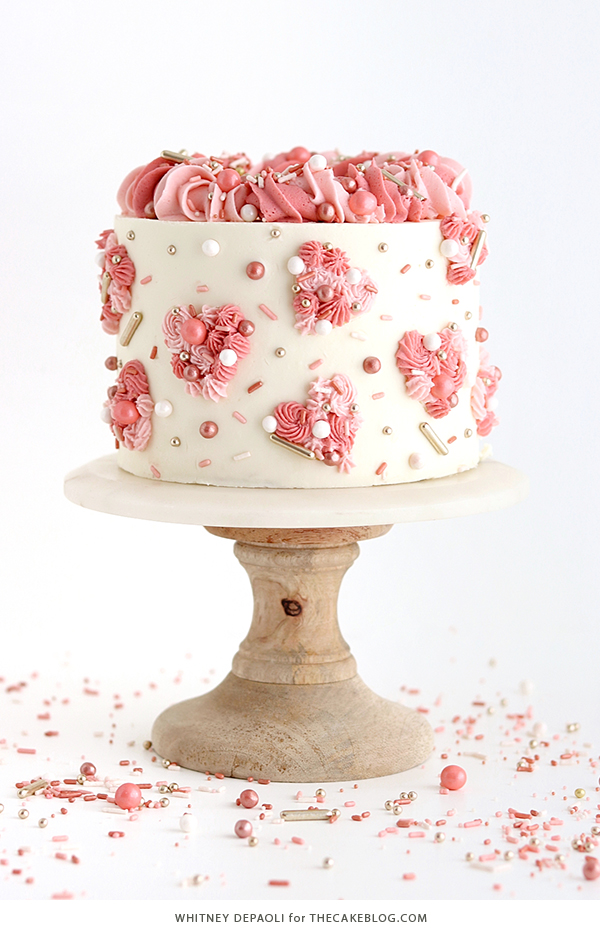
The core of this modern aesthetic lies in the rose gold and dusty rose color palettes. These tones have largely supplanted the bright crimsons of the early 2000s, reflecting a broader trend in interior design and fashion that favors metallic undertones and sophisticated pastels. By utilizing specific gel-based tints, such as Americolor Dusty Rose, decorators can achieve a depth of color that maintains its vibrancy without compromising the structural integrity of the buttercream.
Technical Chronology of the Piped Hearts Method
The execution of the Piped Hearts design follows a rigorous chronological workflow that prioritizes temperature control and spatial planning. According to technical specifications provided by DePaoli, the process begins with a foundation of "chilled" frosting. This is a critical step in professional cake assembly, as a cold surface provides the necessary resistance for imprinting without damaging the base layer.
Phase I: Preparation and Color Theory
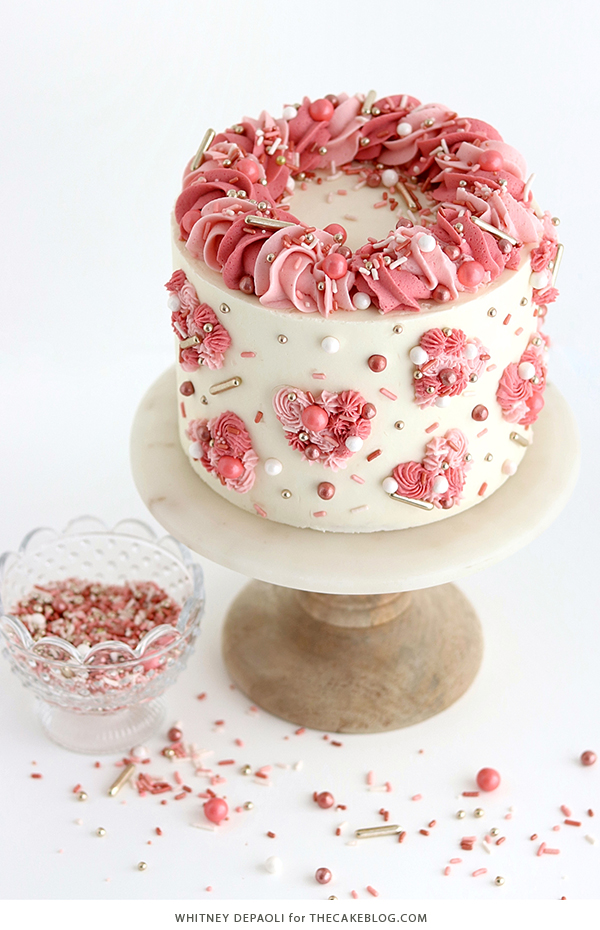
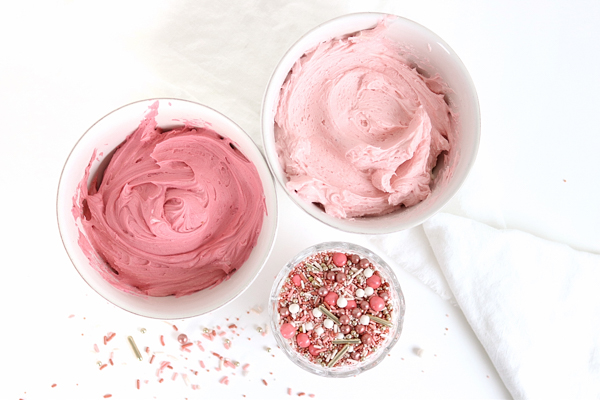
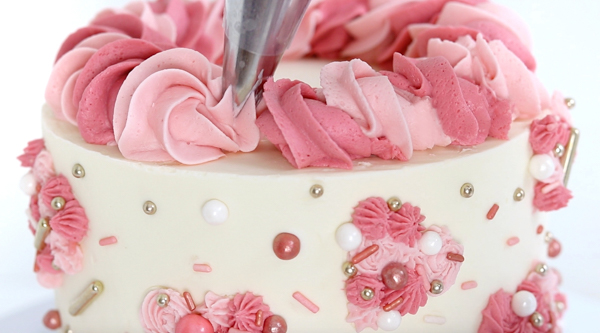
The initial phase involves the bifurcation of the buttercream supply. To create visual interest, the frosting is divided and tinted into varying saturations of the same hue. This monochromatic approach, often referred to as "ombre" or "tonal" layering, is a hallmark of contemporary design. The preparation of piping bags is equally precise, requiring a suite of tips: the 1M (large open star), the 199 (small open star), and the 21 (medium open star). These tools are selected specifically for their ability to produce "rosettes" and "stars" of varying diameters, which are essential for the subsequent "fill-in" process.
Phase II: Geometric Imprinting
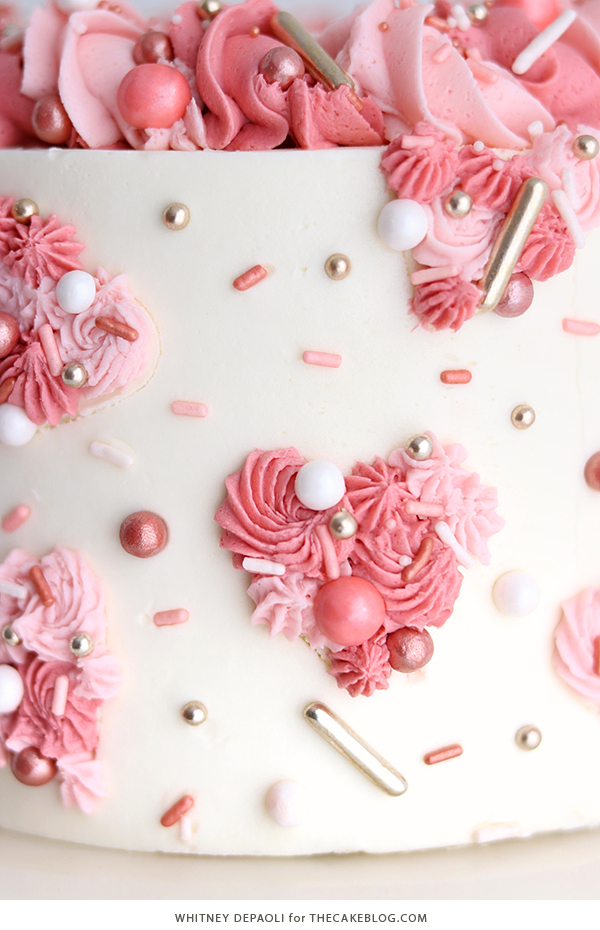
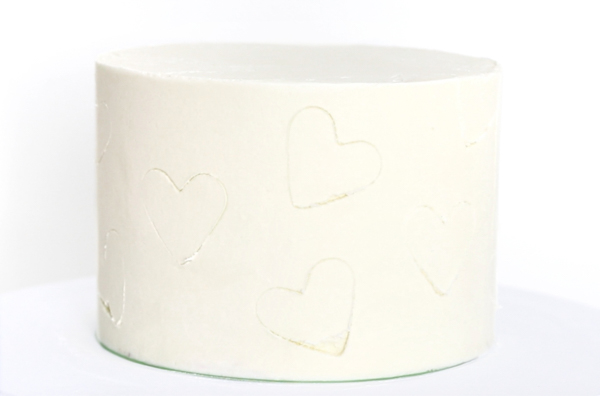
The defining characteristic of this technique is the use of a heart-shaped cookie cutter as a template rather than a cutting tool. By lightly pressing the cutter into the chilled exterior of the cake, the decorator creates a physical "map." Industry analysts note that this "imprint-and-fill" method has become increasingly popular because it democratizes high-level artistry, allowing those without advanced freehand drawing skills to achieve perfect symmetry and professional-grade layouts.

Phase III: The Application of Texture
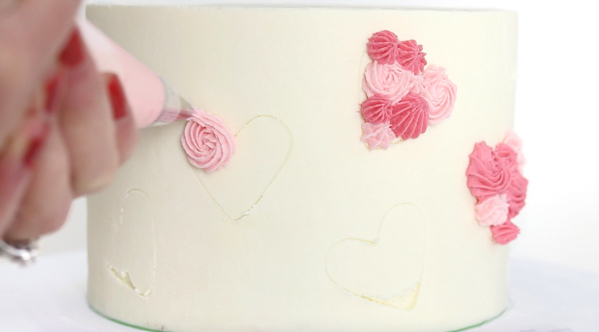
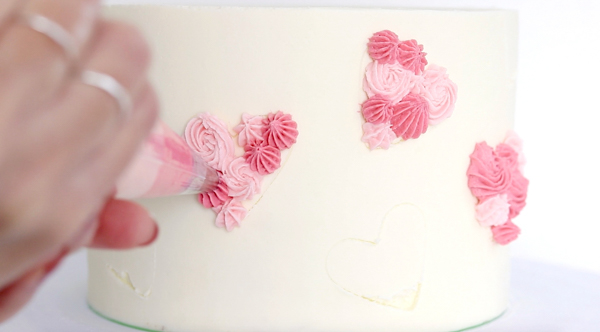
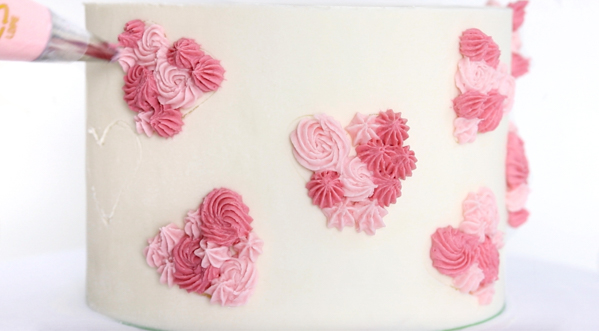
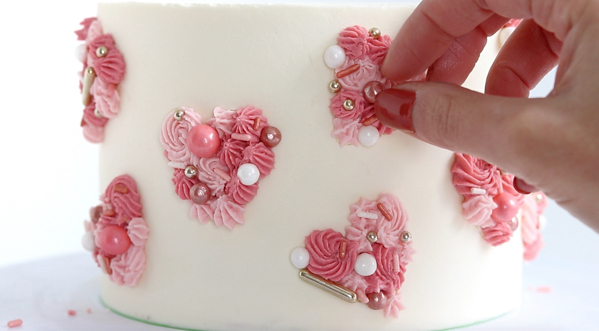
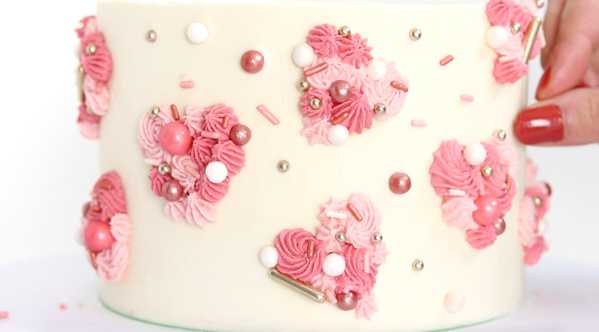
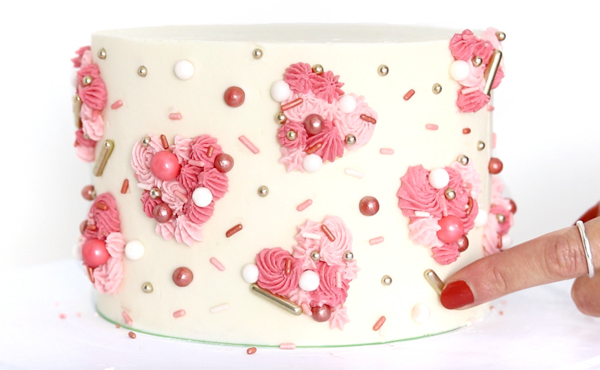
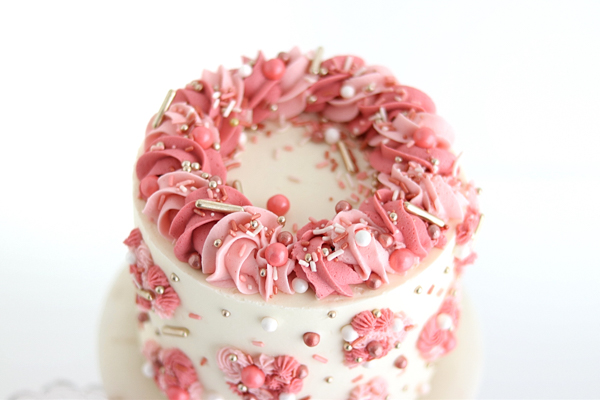
Once the map is established, the decorator fills the void within the imprinted hearts using a randomized pattern of rosettes and stars. This phase relies on the "density of application." By alternating between different piping tips and color saturations, the decorator creates a "tapestry" effect. The final addition of sprinkles—including metallic rods and varied sugar pearls—serves to bridge the gaps between buttercream deposits, adding a tertiary layer of texture that catches the light and enhances the "rose gold" theme.
Supporting Data: The Valentine’s Day Baking Economy
The release of such tutorials coincides with a significant seasonal surge in the baking and craft industries. Data from the National Retail Federation (NRF) indicates that Valentine’s Day spending in the United States regularly exceeds $20 billion annually. A substantial portion of this expenditure is directed toward "specialty food items," with a growing percentage of consumers opting for DIY baking supplies over pre-packaged goods.
Market research suggests that the "home-baking boom" of the early 2020s has had a lasting impact on consumer behavior. There is a heightened demand for professional-grade tools, such as specific Wilton or Americolor products, as home bakers look to replicate the results seen in digital tutorials. The Piped Hearts technique, which utilizes standard professional equipment, fits perfectly into this market niche, providing a high-impact visual result that is achievable for the dedicated hobbyist.
Regulatory and Safety Considerations in Confectionery Design
As cake decorating becomes more complex, the industry has faced increased scrutiny regarding the safety of decorative elements. A notable point of discussion in the Piped Hearts tutorial involves the use of metallic dragees—specifically the long gold rods often used in rose gold sprinkle mixes.
The U.S. Food and Drug Administration (FDA) maintains strict guidelines regarding "edible" versus "non-toxic" decorations. While many silver and gold dragees are sold globally as cake decorations, the FDA has not approved certain metallic coatings for direct consumption. This has led to a standard industry practice of "decorative use only" labeling. Professional decorators are increasingly adopting a policy of transparency, instructing clients and guests to remove non-approved elements before consumption. This highlights a broader challenge in the industry: balancing the desire for "Instagrammable" metallic finishes with rigorous food safety standards.
Professional Analysis of the "Instagram Effect"
The Piped Hearts tutorial specifically credits the Instagram account @frostedfujicakes as an inspiration, illustrating the circular nature of digital trend-sharing. In the modern baking landscape, a single post can trigger a global shift in technique. This "Instagram Effect" has compressed the timeline between the invention of a technique and its widespread adoption.
From an analytical perspective, the success of the Piped Hearts design lies in its "modular" nature. While the tutorial focuses on Valentine’s Day, the core logic—imprinting a shape and filling it with varied piping—can be adapted for any holiday or theme. This versatility is a key driver of engagement in the digital space. By providing a "framework" rather than just a "recipe," contributors like DePaoli empower other creators to iterate on the design, further fueling the trend’s longevity.
Broader Implications for the Culinary Arts
The shift toward highly textured, "piped-heavy" designs like the Piped Hearts cake also signals a return to buttercream-centric artistry. For much of the late 20th century, fondant was the preferred medium for high-end cakes due to its clean, sculptural properties. However, the modern consumer’s preference for flavor and "authentic" textures has led to a buttercream renaissance.
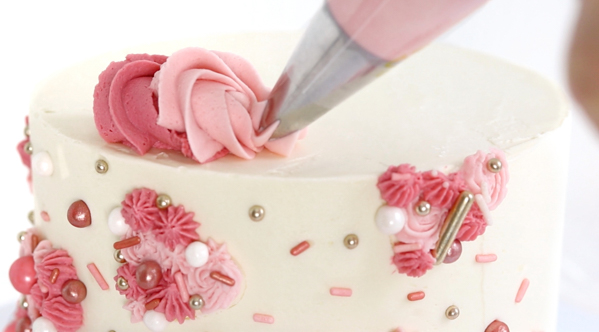
American buttercream, used in this tutorial, is particularly favored for its stability and ease of tinting. Unlike Swiss or Italian Meringue buttercream, which can be temperamental in humid conditions, American buttercream develops a slight "crust," which is advantageous for the imprinting technique described. This technical choice reflects a broader industry movement toward "user-friendly" mediums that do not sacrifice visual impact.
Conclusion: The Future of Seasonal Confectionery
As the baking industry moves forward, the Piped Hearts Valentine’s Cake stands as a testament to the power of shared knowledge and digital collaboration. It represents a synthesis of traditional symbols and cutting-edge decorative styles. For the confectionery market, the continued popularity of such techniques ensures a steady demand for specialized tools, high-quality pigments, and educational content.
The broader impact of these trends extends beyond the kitchen. They influence food photography, social media marketing, and even the way families celebrate holidays. By transforming a simple cake into a "centerpiece" of artisanal craftsmanship, decorators are reinforcing the value of the "handmade" in an increasingly digital world. Whether for a "honey" or a "Galentine," the Piped Hearts cake is more than a dessert; it is a manifestation of the current cultural moment in the culinary arts.