


In an era where digital screens often dominate the early childhood landscape, educators and literacy advocates are increasingly returning to tactile, environment-based methodologies to foster foundational reading skills. A recent initiative popularized by DIY and lifestyle platform Something Turquoise has brought renewed attention to the concept of "environmental print"—the use of labels on everyday household items to bridge the gap between spoken language and written word recognition. The project, which involves the strategic placement of 180 printed labels throughout a domestic residence, serves as a practical application of pedagogical theories regarding early childhood development and literacy acquisition.
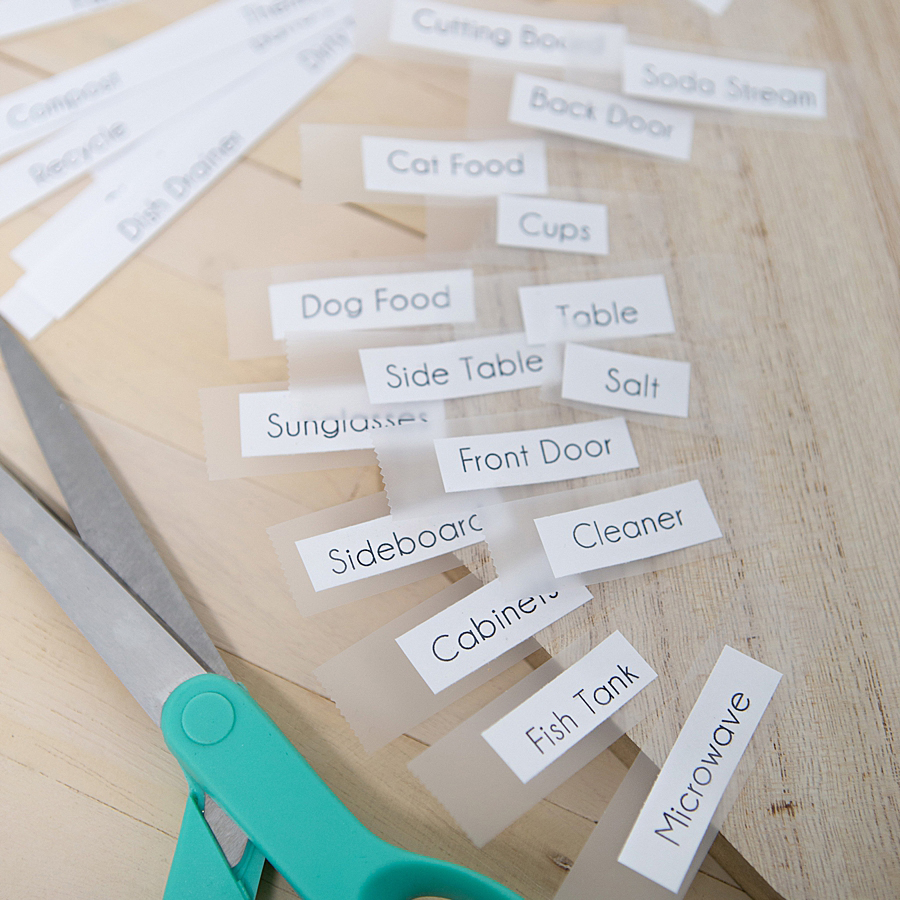
The initiative is centered on the premise that children, particularly those in the "emergent reader" stage, possess a high degree of familiarity with their physical surroundings but often lack the visual-symbolic connection required for reading. By labeling common objects—ranging from "refrigerator" and "lamp" to "bookshelf" and "door"—parents can create a "print-rich environment" that facilitates passive learning and active engagement. According to reading specialists, this method allows children to visualize words they already use in daily speech, effectively demystifying the mechanics of reading through constant, low-pressure exposure.
The Chronology of Implementation: A Four-Day Educational Rollout
The implementation of a comprehensive household labeling system is not an instantaneous task but rather a structured educational event. Based on reports from early adopters, the process typically spans approximately four days to ensure both thoroughness and child engagement. The chronology of the project generally follows a specific progression designed to maximize the child’s interest and retention.
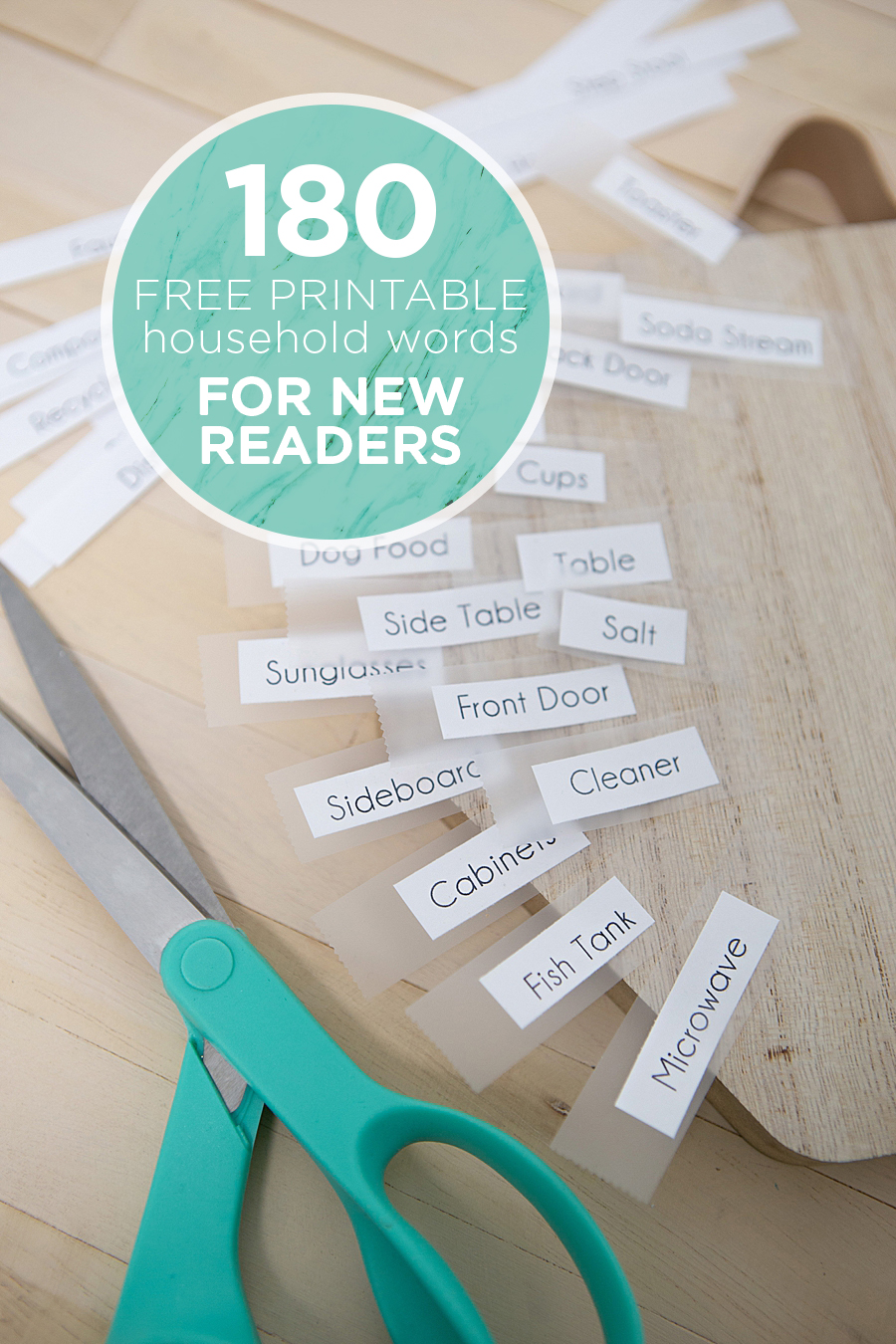
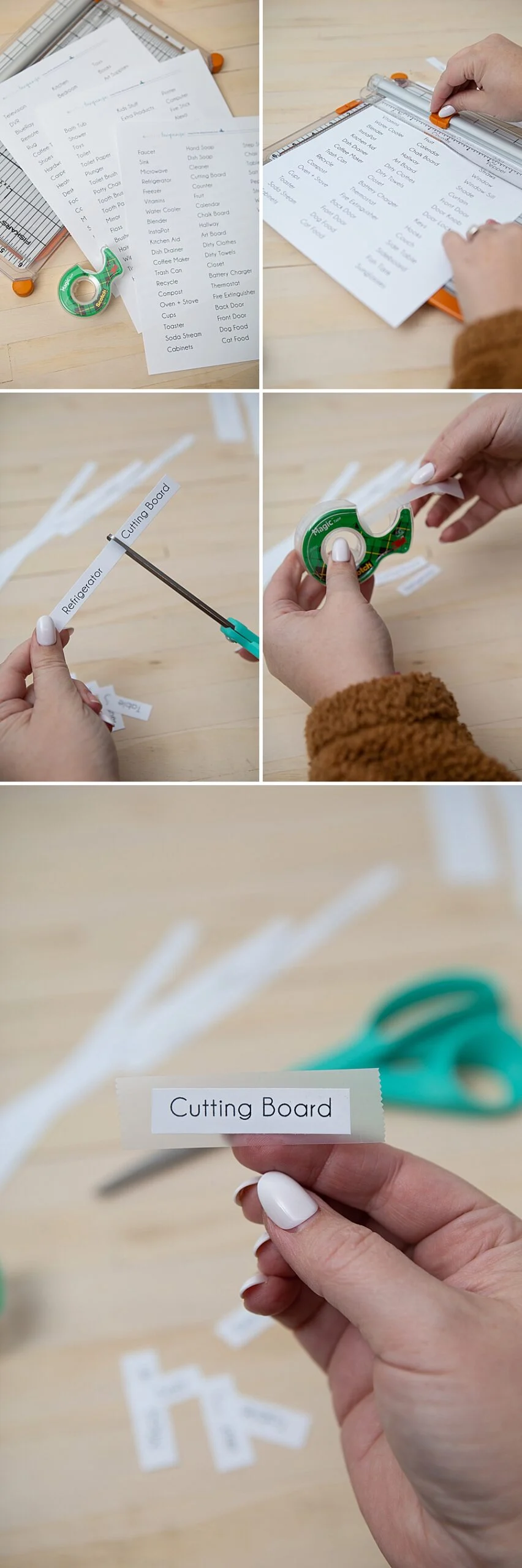
On the first day, the focus is on selection and preparation. This involves identifying a vocabulary list that mirrors the specific inventory of the home. The Something Turquoise project utilized a standardized list of 180 words, though experts suggest that customization is key to maintaining relevance. The second day is dedicated to the technical aspects of production: selecting legible typography and printing the labels. The third and fourth days involve the physical placement of the labels, an activity that serves as a collaborative "scavenger hunt" for the children. This phase is critical, as it transforms a domestic space into a living classroom, allowing the child to take ownership of their learning environment.
Technical Specifications: The Importance of Typography in Early Literacy
One of the most critical, yet often overlooked, aspects of this literacy strategy is the selection of an appropriate typeface. Professional educators emphasize that the aesthetic of a font is secondary to its functionality in a learning context. For a child just beginning to decode letters, "fancy" or serif fonts can be significantly detrimental to the learning process.
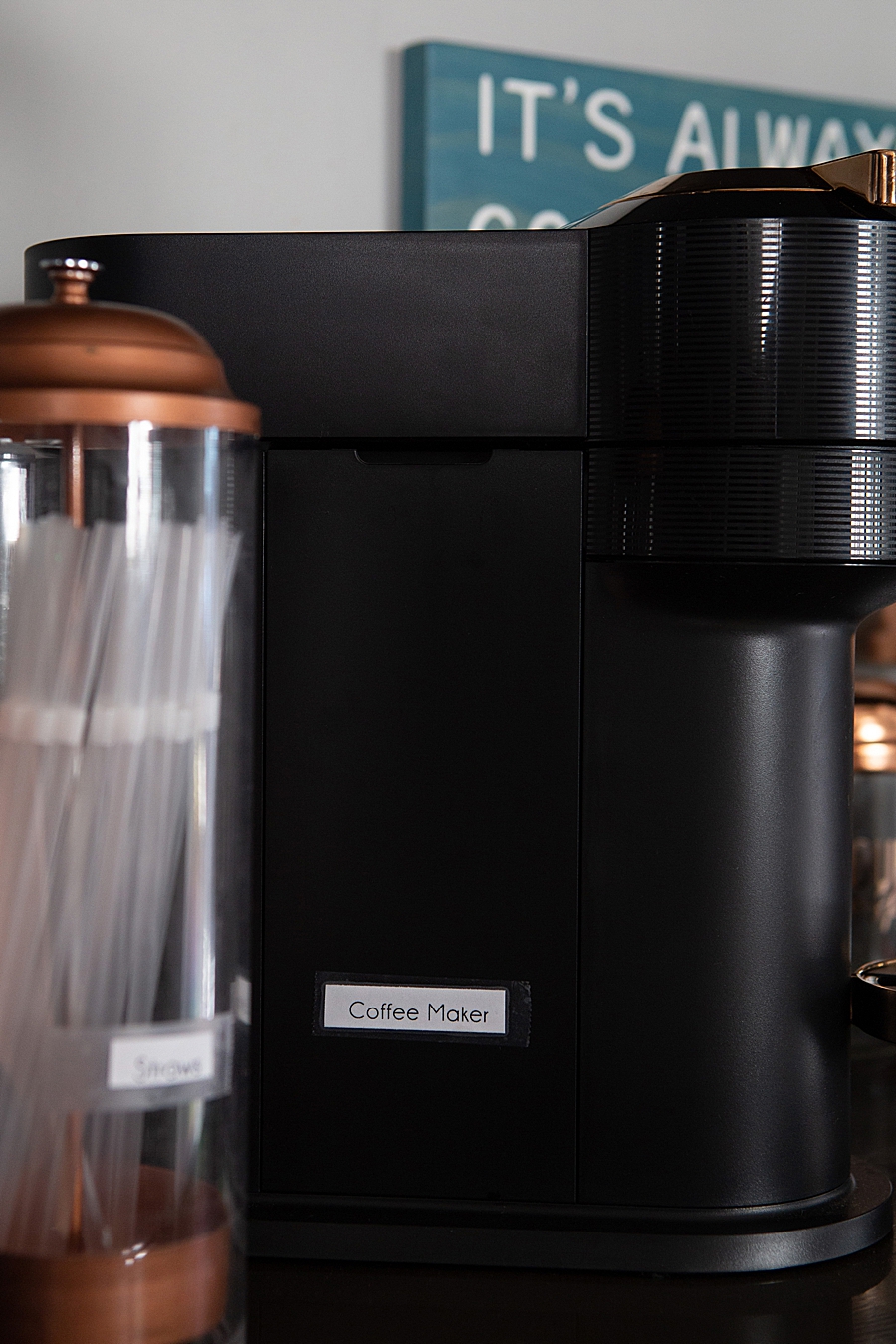
Specific characters, such as the lowercase "a," "g," and "t," often vary wildly between font families. In many decorative or formal typefaces, these letters appear in "double-story" or stylized forms that do not match the "single-story" versions children are taught to write in school. The Something Turquoise project utilized the font "Champagne & Limousines," a clean, sans-serif typeface that prioritizes geometric simplicity. By using a font that mirrors the standard letterforms found in primary education workbooks, parents can prevent the cognitive dissonance that occurs when a child encounters unfamiliar variations of known letters.
Supporting Data: The Impact of Print-Rich Environments
The effectiveness of household labeling is supported by a significant body of research in the field of early childhood education. According to data from the National Center for Education Statistics (NCES), children who are exposed to high-density print environments before entering kindergarten consistently score higher on standardized reading assessments in the first and third grades.
Research indicates that environmental print serves as the first "text" a child reads. By recognizing a label on a cereal box or a door, a child is practicing "logographic reading"—the ability to recognize words as whole units before they master the phonetic sounds of individual letters. This builds the confidence necessary to transition into more complex decoding strategies. Furthermore, studies conducted by the International Literacy Association suggest that the presence of labels in the home increases the frequency of "spontaneous literacy events," where a child independently points out and identifies words without being prompted by an adult.
Pedagogical Analysis: Functionality Over Aesthetics
A recurring theme in the implementation of this project is the rejection of traditional home decor standards in favor of educational utility. While modern interior design often prioritizes a "clutter-free" or "curated" look, the presence of 180 white paper labels taped to furniture and appliances represents a deliberate shift toward functionality.
Reading specialists argue that the "visual noise" created by these labels is a necessary trade-off for the cognitive benefits they provide. Guests and visitors often react with curiosity to these displays, providing additional opportunities for the child to explain the project, thereby reinforcing their own learning through verbal articulation. The "un-aesthetic" nature of the project serves as a visual testament to the household’s priority on academic development over domestic perfection.
Logistics and Supply Requirements
The logistical requirements for executing a large-scale household labeling project are relatively modest, making it an accessible intervention for families across various socioeconomic backgrounds. The primary tools identified for the project include:

- A Comprehensive Word List: A curated list of 180 words ensures that almost every functional object in a standard home is accounted for.
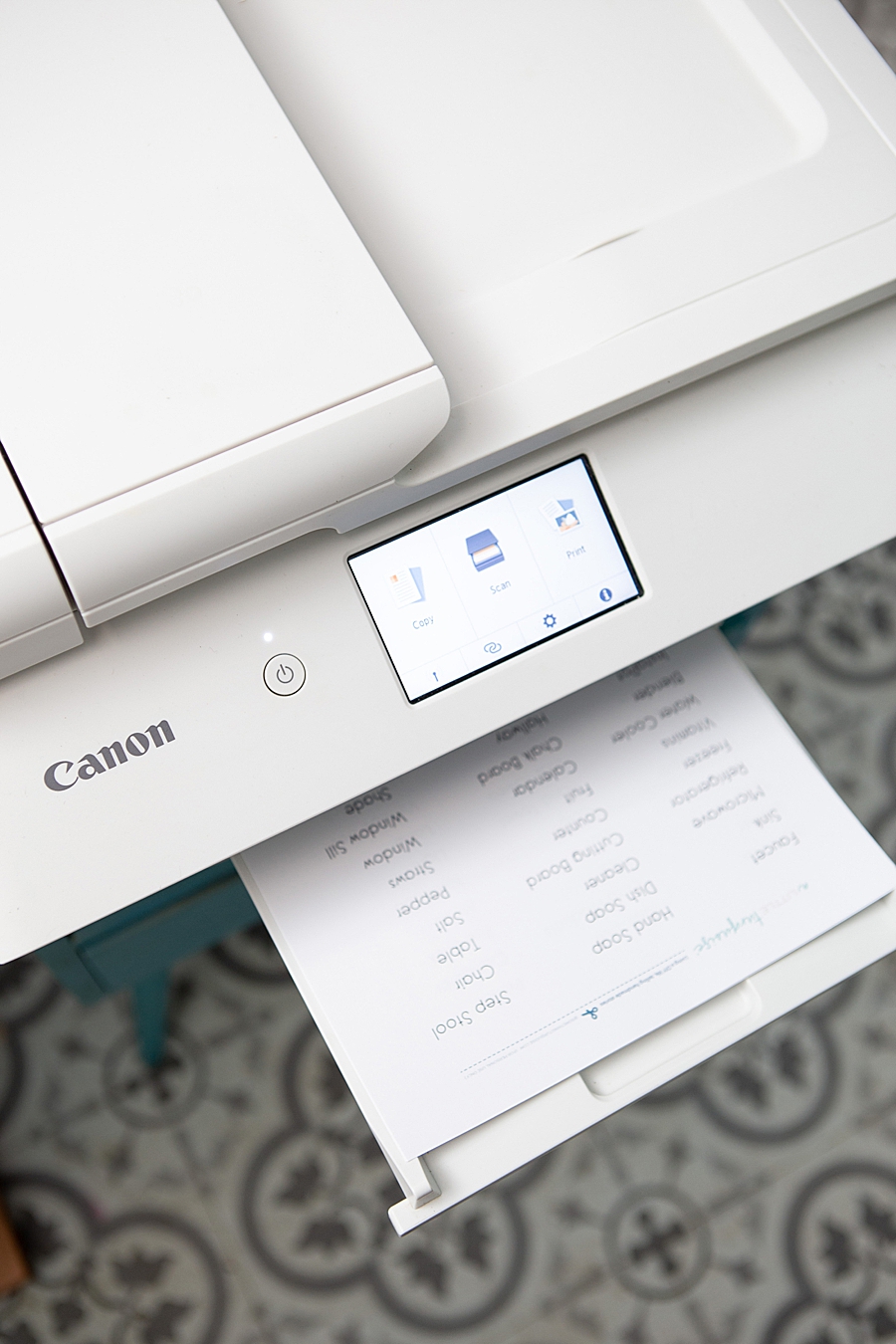
- Standard Printing Materials: Regular printer paper and a standard inkjet or laser printer (such as the Canon TS9521C used in the Something Turquoise tutorial) are sufficient.
- Adhesive: Transparent tape is preferred over permanent adhesives to allow for easy removal once the child has mastered the vocabulary.
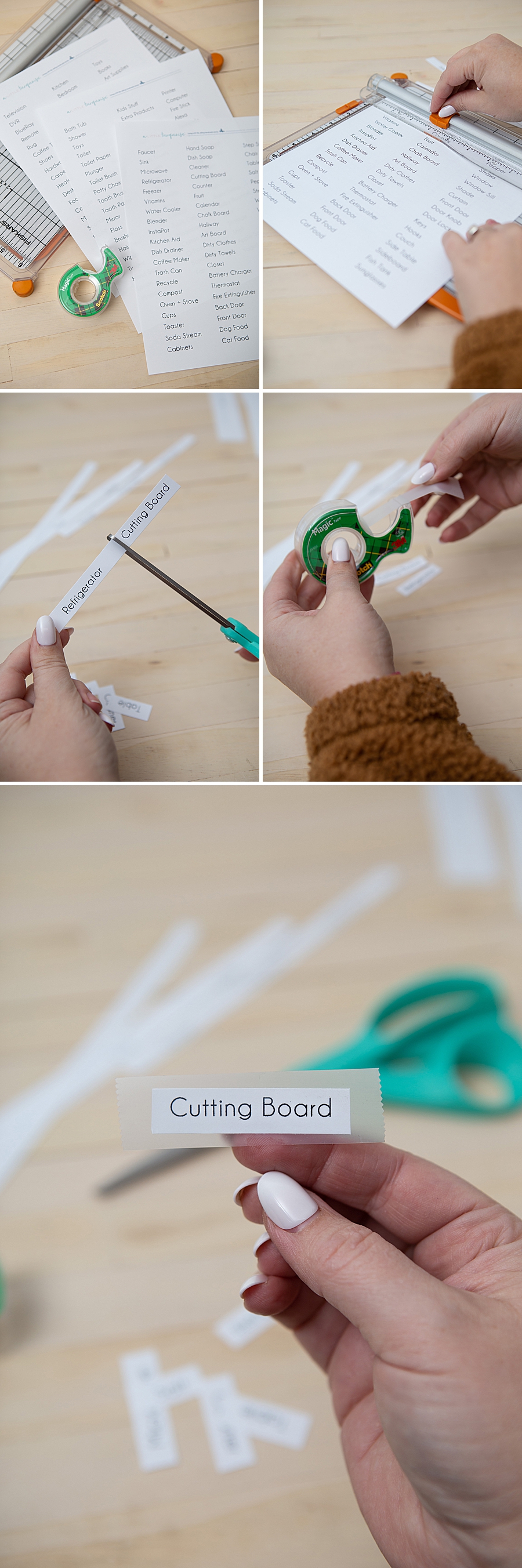
- Trimming Tools: Scissors or a paper trimmer to ensure the labels are uniform and easy to handle.
The simplicity of the "Print, Trim, Tape" method is designed to lower the barrier to entry for busy parents, allowing the focus to remain on the interaction between the parent, the child, and the text.
Broader Implications and Community Response
The broader implications of such DIY literacy projects extend beyond individual households. As these strategies are shared on social media platforms like Instagram and Twitter, they foster a community of "educational DIYers" who exchange tips on font selection, word lists, and placement strategies. The hashtag #somethingturquoisediy has become a repository for parents to document the success of their children’s reading journeys, creating a digital archive of informal educational data.
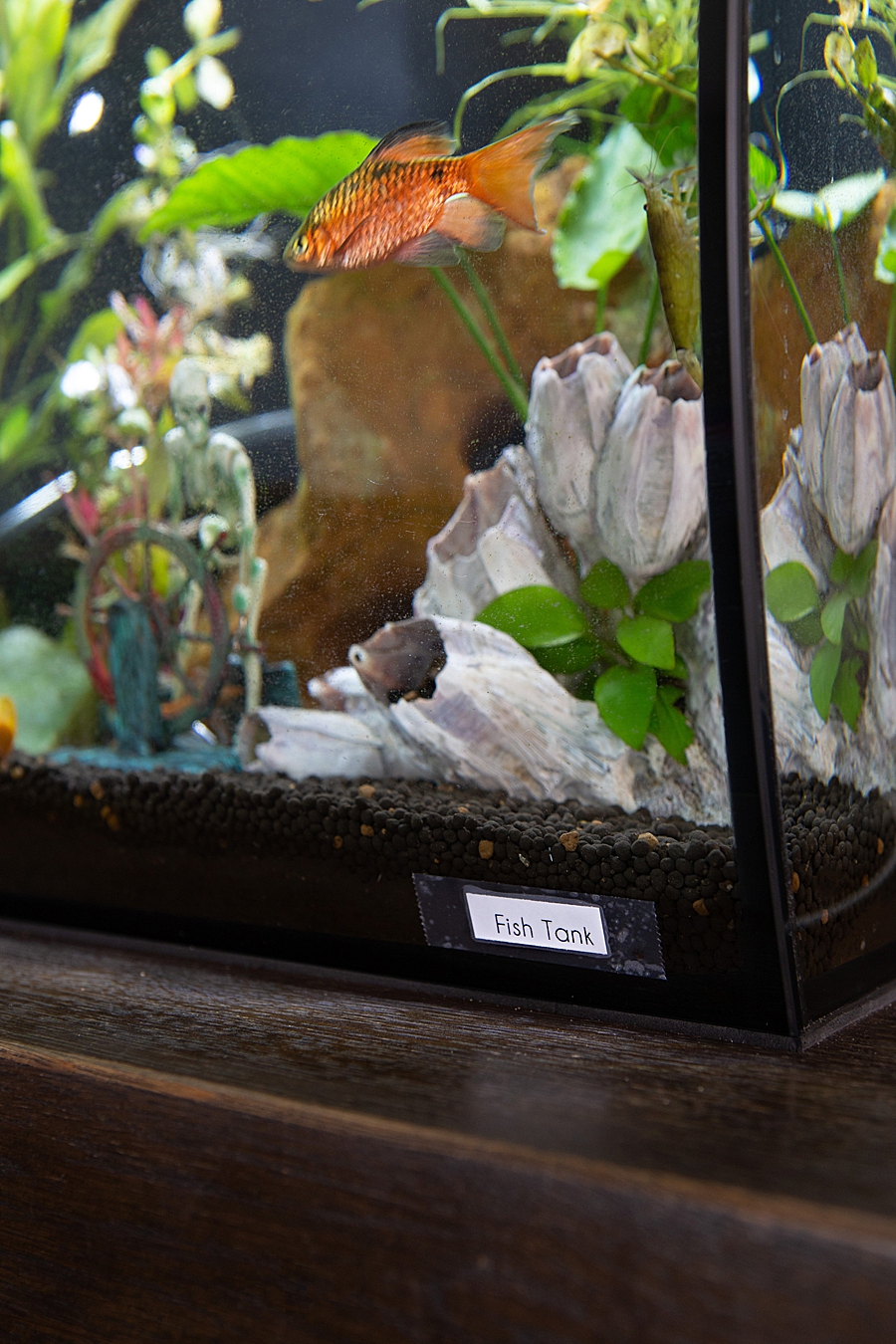
From a societal perspective, the normalization of "living in a classroom" reflects a growing trend of "parent-as-educator," a role that became particularly prominent during the global shifts toward remote learning. By integrating literacy into the physical structure of the home, parents are acknowledging that learning is not a localized event that only occurs within school hours, but a continuous process integrated into daily life.
Conclusion: Long-Term Academic Trajectory
While the labels themselves are temporary, the neural pathways they help establish are permanent. Educational psychologists note that the goal of household labeling is eventual obsolescence. Once a child can recognize the word "refrigerator" without the label, the "scaffolding" (the label) can be removed. This process of gradual release of responsibility is a cornerstone of effective teaching.
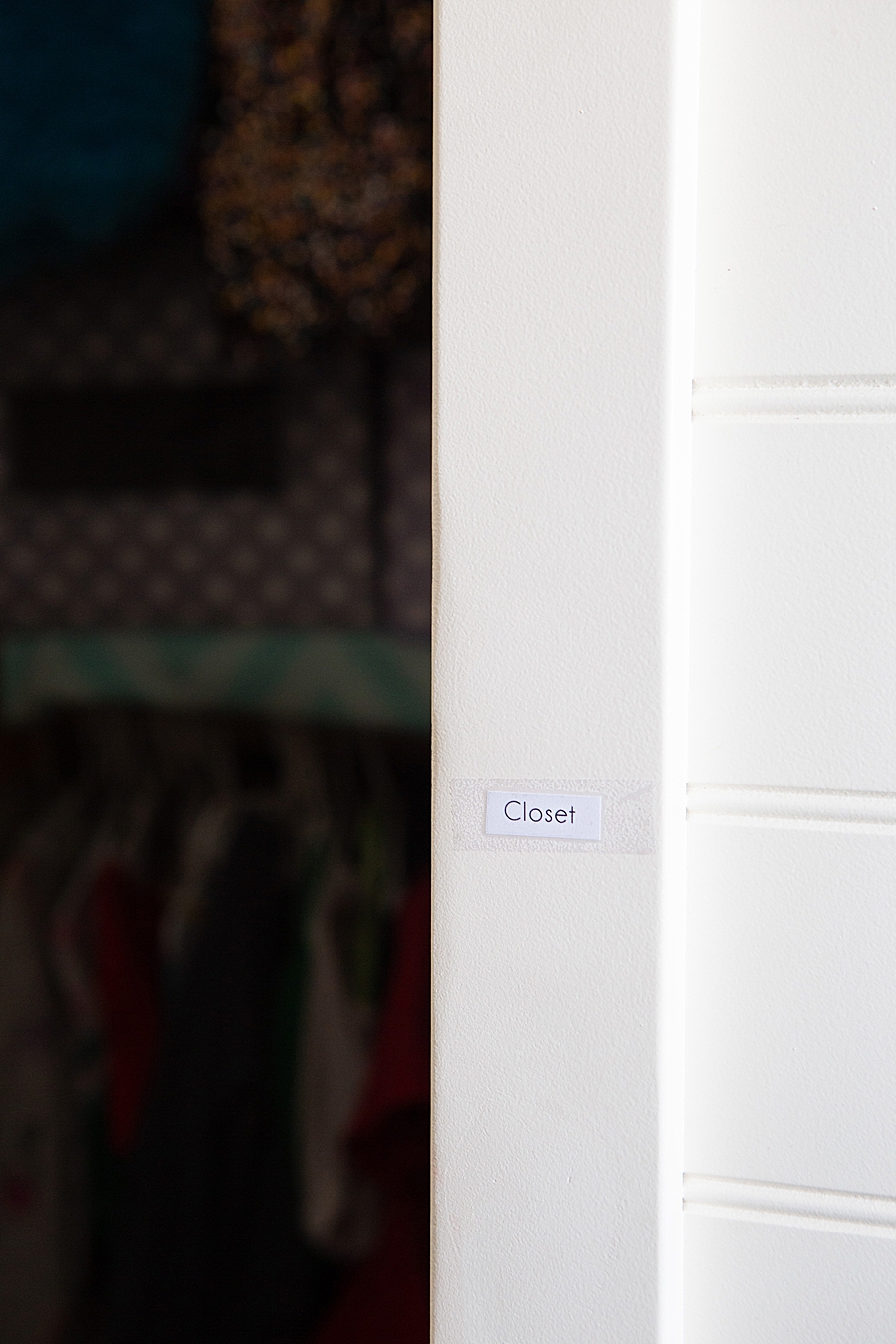
The Something Turquoise initiative serves as a reminder that the most effective educational tools are often the simplest. By transforming the home into a labeled environment, parents provide their children with a constant, silent tutor. As these children grow, the early confidence gained from "reading the house" often translates into a more positive attitude toward formal reading instruction, setting the stage for long-term academic success. Though the homeowners may eventually feel a sense of nostalgia when the labels are finally peeled away, the literacy skills remains as a permanent fixture of the child’s intellectual foundation.