
The Evolution of the Sheet Cake in Modern Gastronomy
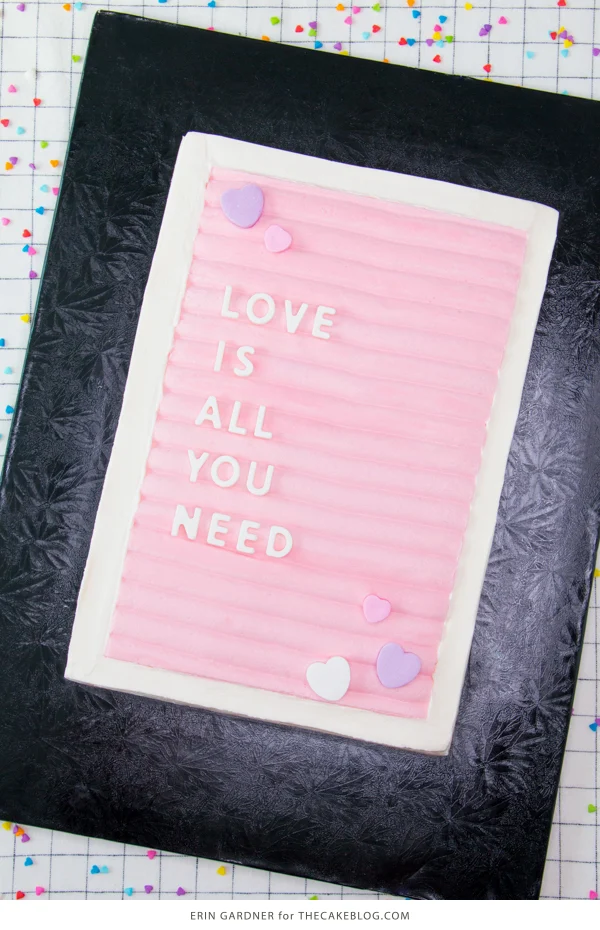
Historically, the sheet cake has been viewed as a utilitarian staple of American gatherings, valued more for its surface area and ease of transport than for its architectural complexity. However, the 21st-century "maker movement" and the rise of social media platforms such as Instagram and Pinterest have fueled a demand for high-concept, visually striking desserts that remain accessible to the average baker. The Message Board Sheet Cake fits into this trend by prioritizing clean lines and typography over traditional floral piping or elaborate fondant sculpting.
Industry analysts note that the global cake market, valued at approximately $14.3 billion in 2022, is increasingly driven by personalization. Consumer behavior reports indicate that 73% of millennials and Gen Z consumers prefer customized food experiences for special events. By transforming a standard sheet cake into a medium for literal communication, decorators are responding to a market that values "shareable" content—desserts that serve as both a meal and a message.
Technical Methodology and Procedural Chronology
The construction of the Message Board Sheet Cake is a multi-stage process that requires precision in temperature control and tool application. The methodology is divided into three primary phases: the creation of the textured board, the fabrication of the typographic elements, and the final assembly.
Phase I: Texturing the Buttercream Surface
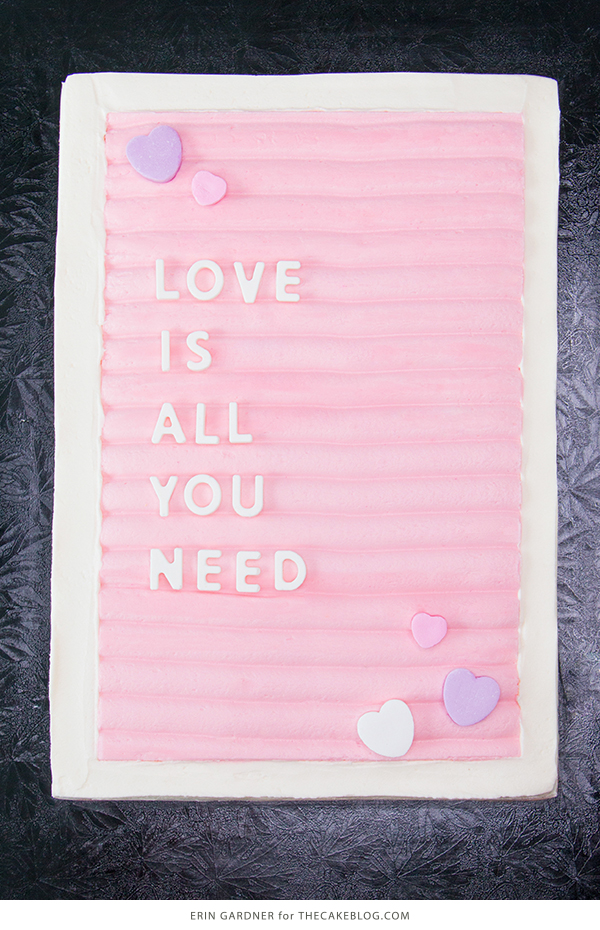
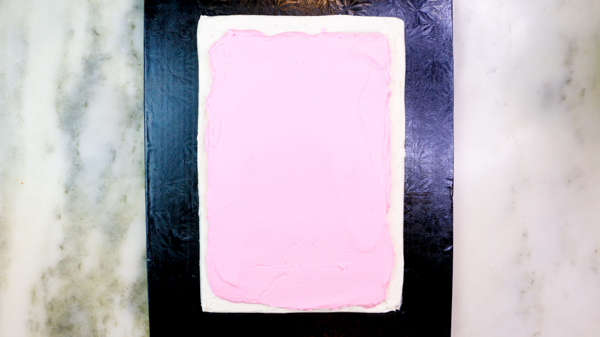
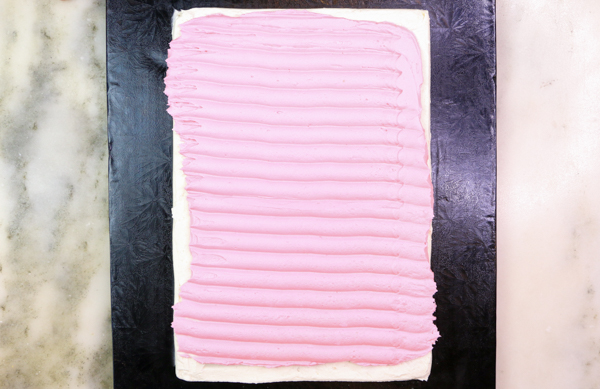
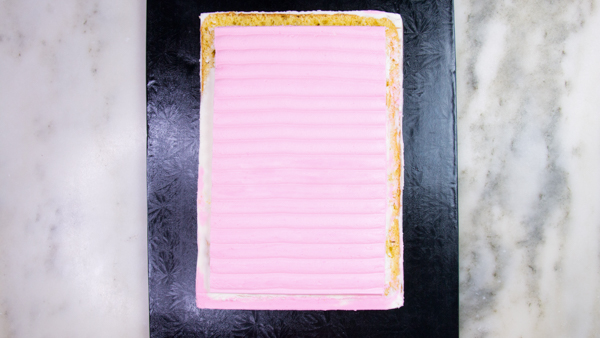
The foundational element of the design is the "felt" ridge effect. This is achieved by applying a thick, level layer of buttercream—often tinted in pastel or muted tones to mimic modern board designs—across the surface of the sheet cake. Achieving a perfectly level base is critical; any slope in the frosting will result in uneven "lines" when the texturing tool is applied.
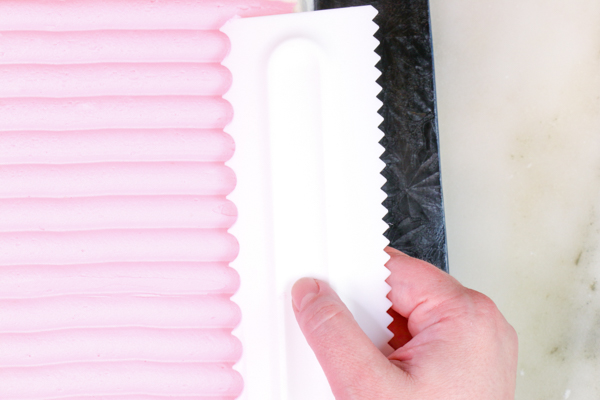
The primary tool recommended for this effect is a scalloped cake comb. When dragged across firm buttercream, the comb creates uniform horizontal ridges. A critical technical detail involves overlapping the comb by one or two ridges during each pass to ensure continuity across the entire length of the cake. For bakers lacking specialized hardware, an alternative method involves piping parallel lines with a large round tip. While effective, internal testing suggests this method consumes nearly double the volume of buttercream, increasing both the caloric density and the production cost of the unit.
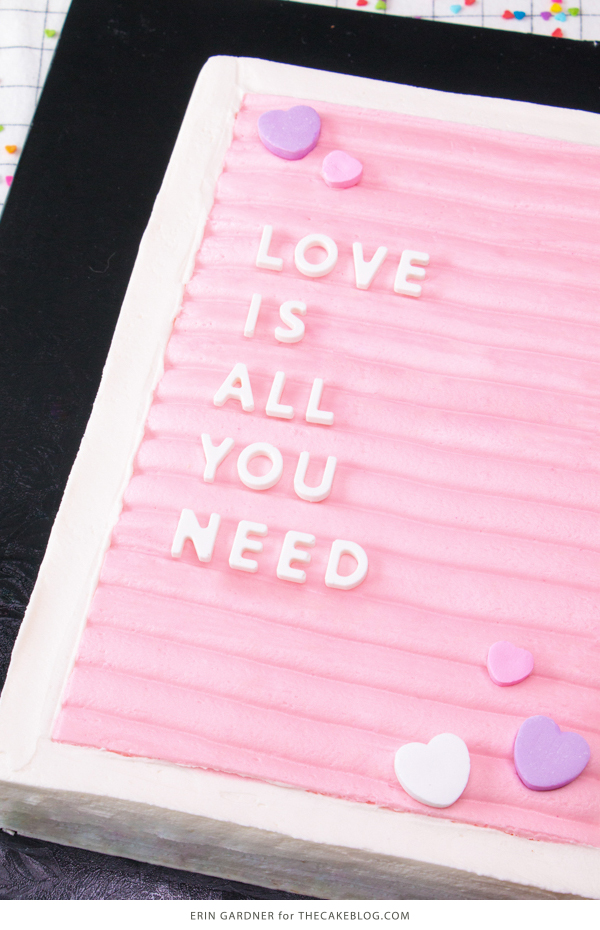
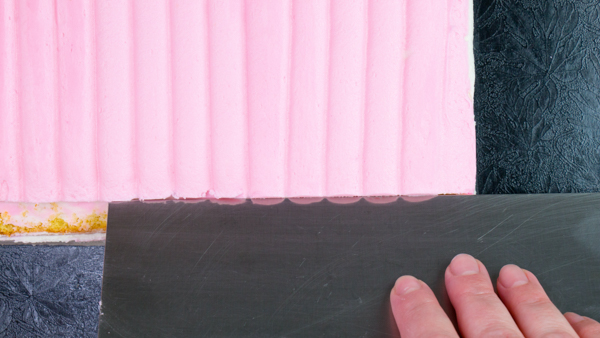
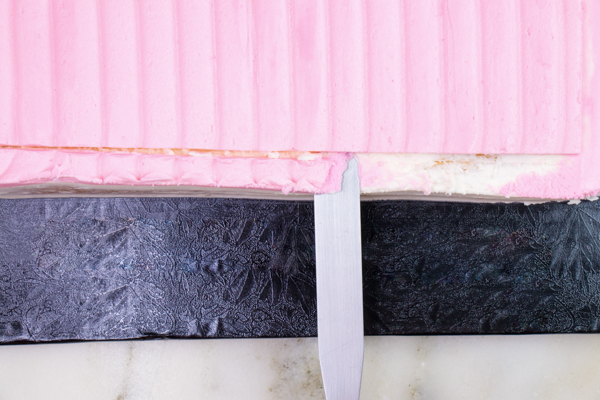
Following the texturing, the cake must be chilled until the buttercream is structurally sound. This "flash-chilling" phase is essential for the next step: the border excision. Using a bench scraper dipped in warm water, the decorator removes a one-inch perimeter of the textured frosting to create a recessed well, which is then filled with a contrasting border using a basketweave piping tip. This frame mimics the plastic or wooden edges of a physical message board.
Phase II: Typographic Fabrication
The letters for the Message Board Sheet Cake are typically rendered in white chocolate or compound coating to provide a stark contrast against the colored background. The use of chocolate molds ensures typographic consistency, a hallmark of the felt-board aesthetic.
The procedure involves:
- Melting and Tempering: White chocolate is brought to a fluid state and transferred to a piping bag.
- Vibration and Levelling: Once the molds are filled, they must be tapped against a hard surface to release trapped air bubbles, which can cause structural weaknesses or unsightly pitting in the finished letters.
- Refinement: Excess chocolate is scraped away to ensure the backs of the letters are flat, allowing them to sit flush against the buttercream ridges.
For decorators without access to letter molds, the tutorial suggests a manual tracing method using parchment paper over a printed template. This highlights a broader trend in the baking industry: the democratization of professional techniques through the use of household items.
Phase III: Assembly and Layout Logic
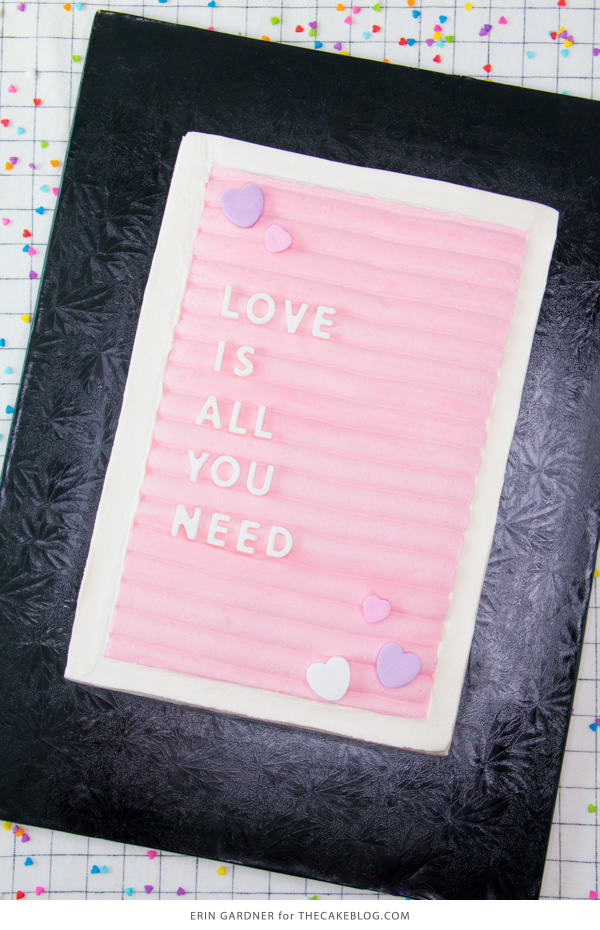
The final assembly requires a calculated approach to spacing. Decorators are advised to map out their message on parchment paper prior to placing the letters on the cake. By identifying the center point of each word and working outward, the baker avoids the common pitfall of "text crowding" or running out of horizontal space. Because the buttercream is chilled, letters can be adjusted with a small offset spatula or knife tip without compromising the integrity of the ridges.
Market Context and Consumer Trends
The release of this tutorial coincides with the peak of the Q1 confectionery season. According to the National Retail Federation (NRF), Valentine’s Day spending in the United States alone often exceeds $25 billion, with candy and baked goods accounting for a significant portion of that expenditure. The Message Board Sheet Cake is strategically positioned as a "versatile asset" for small-scale bakeries and home businesses looking to capture this market.
Unlike complex tiered cakes, which require significant labor hours and structural engineering, the sheet cake format is highly scalable. "The efficiency of the scalloped comb technique allows for a high-end look with a relatively low labor-to-profit ratio," says a spokesperson for a leading culinary arts institute. "It bridges the gap between the ‘supermarket sheet cake’ and the ’boutique custom cake.’"
Furthermore, the design taps into the "New Nostalgia" aesthetic. The felt letter board, originally a mid-century tool for office directories and church basements, saw a massive resurgence in the 2010s as a minimalist home accessory. By translating this aesthetic into frosting, Gardner utilizes a familiar visual language that resonates with a broad demographic.
Data-Driven Analysis of Decorative Techniques
When evaluating the technical merits of the Message Board Sheet Cake, several data points emerge regarding material efficiency and durability:
- Buttercream Volume: The scalloped comb method requires approximately 2.5 cups of frosting for a standard 9×13 inch sheet cake to achieve the necessary depth for ridges. The alternative piping method requires 4.5 to 5 cups.
- Structural Integrity: Chilled buttercream (at 40°F or 4°C) provides a "Shore A" hardness sufficient to support chocolate letters weighing up to 5 grams each without sinking or tilting.
- Production Time: For an experienced decorator, the texturing and bordering process takes approximately 15–20 minutes, excluding chilling time. This makes it a viable option for high-volume commercial production.
Industry Response and Cultural Impact
Professional pastry chefs have noted that tutorials like Gardner’s are shifting the landscape of culinary education. By breaking down complex visual effects into manageable steps—such as using a bench scraper to create a "recessed" look—the tutorial empowers a new class of "prosumer" bakers.
"We are seeing a move away from the hyper-realistic ‘cake that looks like a shoe’ toward ‘cake that looks like a clean, designed object,’" explains a food trend analyst. "The Message Board Sheet Cake is the epitome of this. It’s clean, it’s legible, and it’s inherently customizable."
The design also addresses a growing demand for "interactive" food. While the cake itself is not interactive in a mechanical sense, the ability for a customer to choose a specific, often humorous or sentimental, phrase creates a psychological connection to the product. Common phrases cited in social media iterations of this design include "I Love You More Than Cake," "It’s a Girl," and "Another Year Older, Still No Filter."
Future Implications for Confectionery Design
As the baking industry continues to evolve, the principles established in the Message Board Sheet Cake tutorial are likely to influence future trends. The use of "textural combs" is expanding beyond simple ridges to include wood-grain effects, fabric-like weaves, and geometric patterns.
Additionally, the integration of typography into cake design is becoming more sophisticated. We may see the rise of 3D-printed edible letter molds or laser-cut stencils that allow for even more complex fonts to be applied to the "message board" format.
In conclusion, the Message Board Sheet Cake is more than a simple tutorial; it is a case study in how traditional baking can adapt to modern aesthetic preferences and market demands. By combining the efficiency of the sheet cake with the high-concept appeal of modern graphic design, Erin Gardner has provided a blueprint for the next generation of celebratory desserts. As consumers continue to seek out ways to make their milestones "picture-perfect," the ability to "say it with a cake" in a clear, stylish, and delicious manner remains a powerful tool in the baker’s arsenal.