
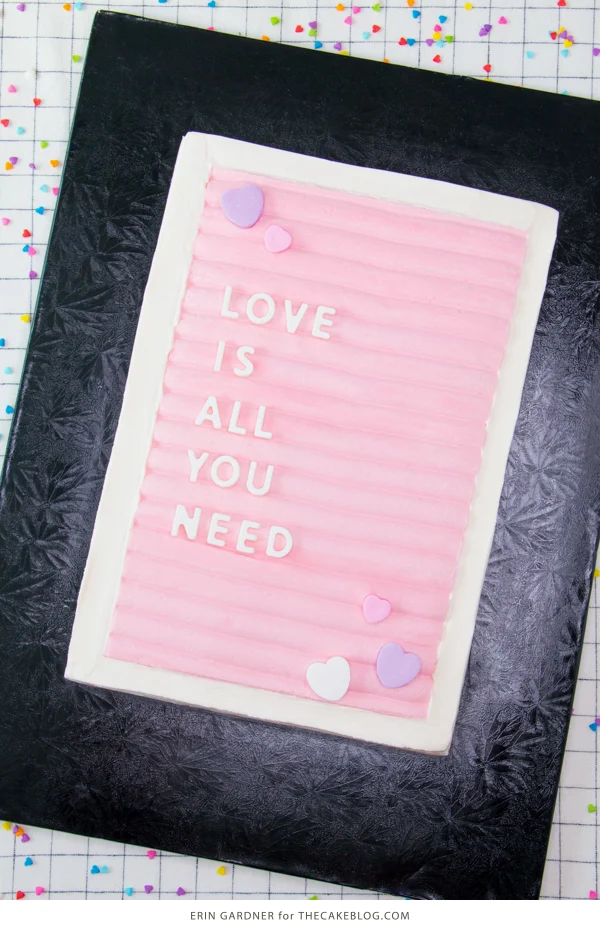
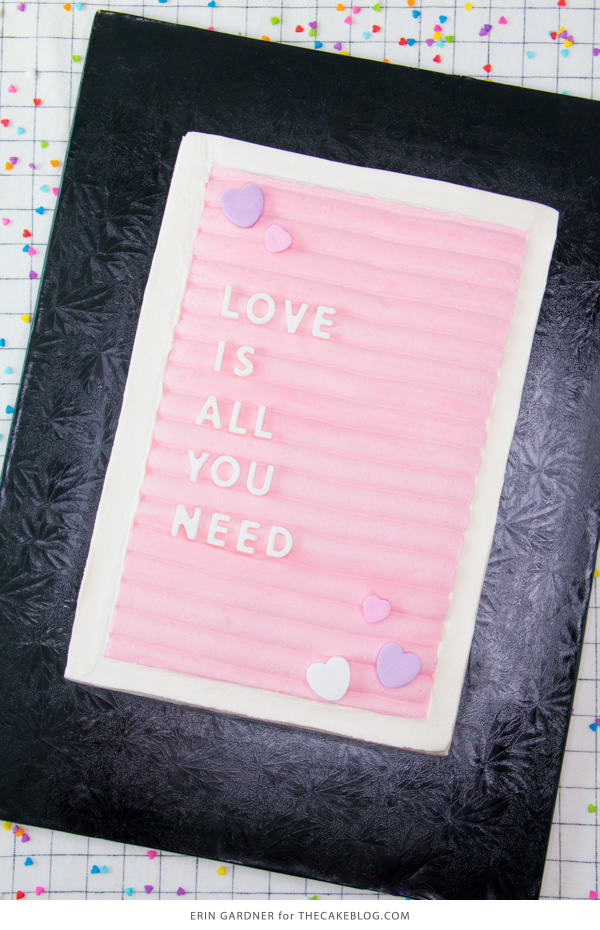
The intersection of nostalgic home décor and contemporary confectionery arts has reached a new milestone with the release of a specialized decorating tutorial by Erin Gardner, a prominent contributor to the culinary platform The Cake Blog. This design, which mimics the aesthetic of mid-century felt letter boards, represents a significant shift in the "artisanal sheet cake" movement, prioritizing high-concept typography and tactile textures over traditional floral arrangements. By utilizing accessible tools such as scalloped cake combs and silicone letter molds, the tutorial provides a scalable framework for home bakers to produce professional-grade, personalized desserts.
Technical Framework of the Message Board Aesthetic
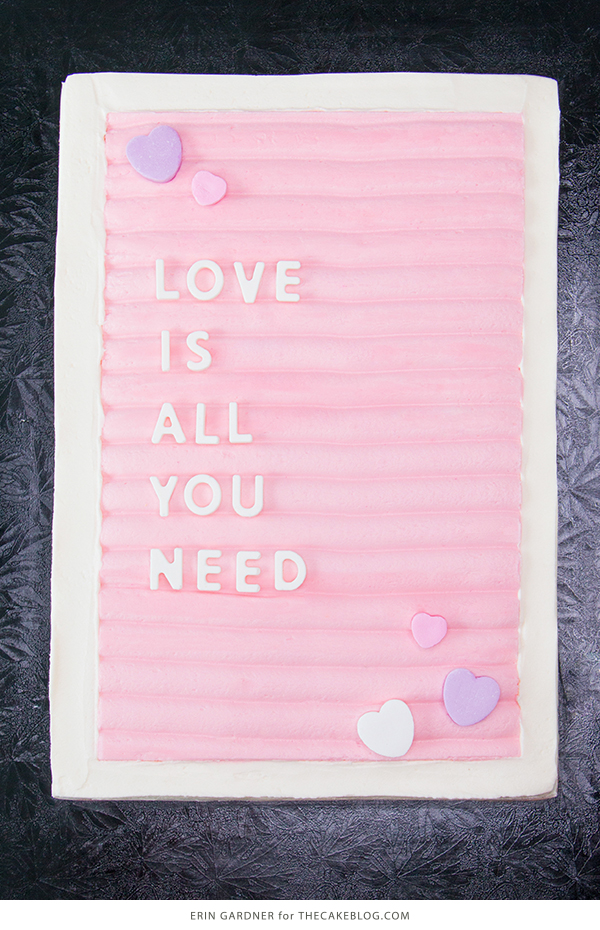
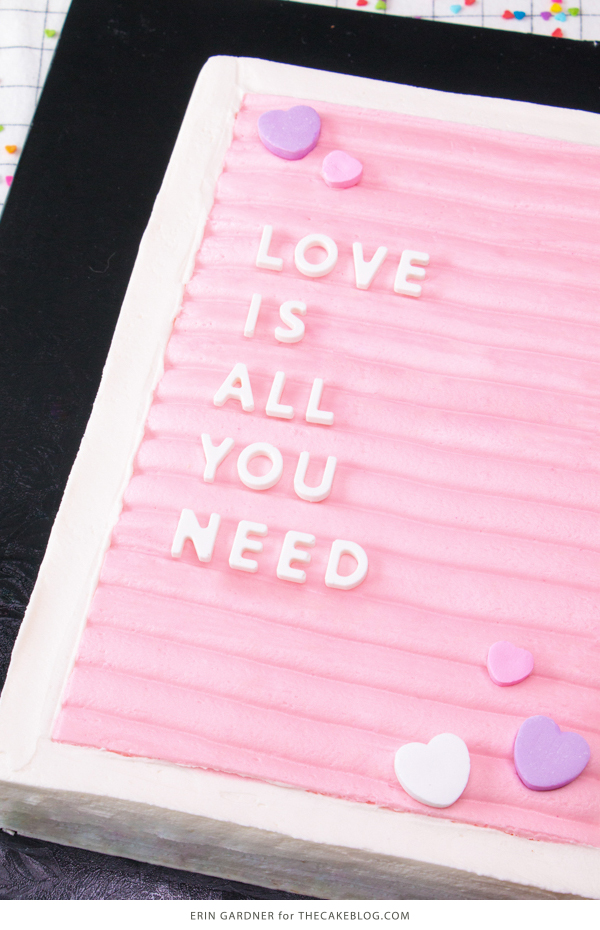
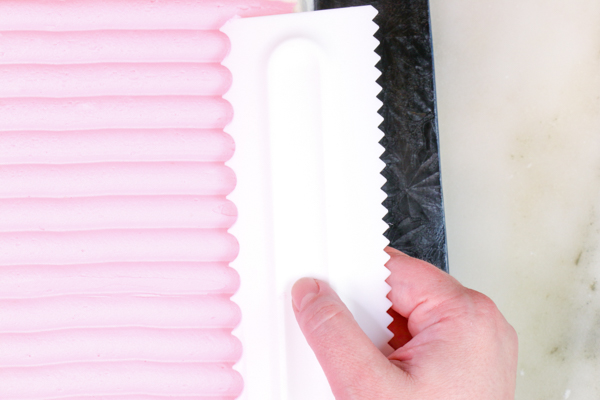
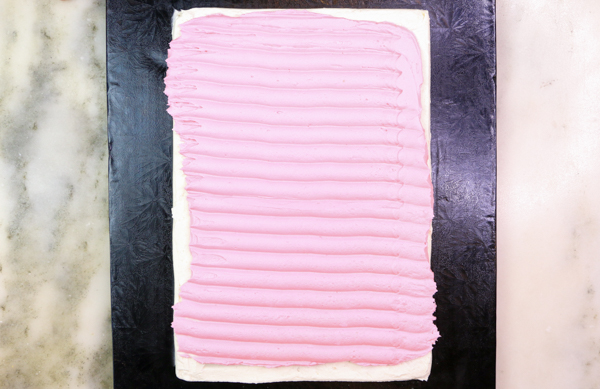
The core of the design lies in the replication of the horizontal ridges found on traditional office and lobby directories. In her methodology, Gardner outlines a two-pronged approach to achieving this texture, catering to varying skill levels and tool availability. The primary method involves the application of a thick, leveled layer of buttercream, which is then manipulated with a scalloped cake comb. This tool, often used in professional patisseries to create uniform grooves, is dragged lengthwise across the cake.
For bakers lacking specialized equipment, the tutorial suggests a secondary technique: piping individual lines across the surface using a large round tip. While this method requires approximately double the volume of buttercream, it ensures that the "felt board" effect remains accessible to the amateur market. This focus on "multiple paths to the destination" highlights a growing trend in the DIY sector where professional results are decoupled from the necessity of expensive, single-use kitchen gadgets.
A Chronological Approach to Edible Typography
The construction of the Message Board Sheet Cake follows a rigorous chronological sequence designed to ensure structural integrity and visual clarity. The process begins with the preparation of the canvas, followed by the technical execution of the letter board texture, and concludes with the fabrication of the typographic elements.
Phase I: Surface Preparation and Texturing
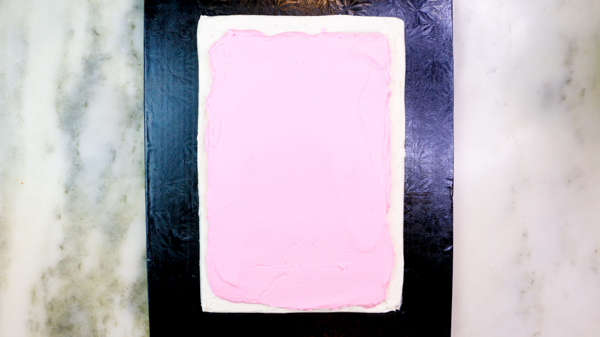
The initial phase requires the application of a base layer of pink buttercream. Journalistic observation of the technique suggests that leveling is the most critical step; an uneven base would result in distorted ridges once the comb is applied. Following the texturing process, the cake must undergo a "chilling phase." This is a standard professional practice that allows the fat content in the buttercream to solidify, creating a firm surface that can withstand further manipulation without smearing.
Phase II: Border Definition and Cleanup
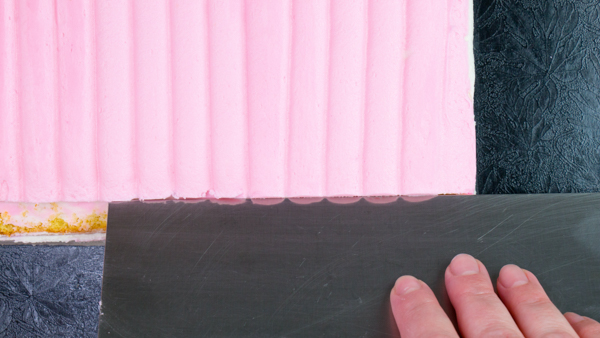
Once the textured surface is firm to the touch, the "bordering" process begins. Gardner recommends the use of a heated bench scraper to cut a precise one-inch border around the perimeter of the cake. This removal of excess frosting creates a recessed "board" effect, which is then framed using a basketweave piping tip. By orienting the smooth side of the tip upward, the baker creates a flat, ribbon-like frame that mimics the wooden or plastic casing of a physical letter board.
Phase III: The Fabrication of Chocolate Lettering
The typography of the cake is achieved through the use of melted white chocolate. This medium was selected for its ability to hold sharp edges and its rapid setting time. The chocolate is piped into molds, which are then tapped against a work surface to eliminate air bubbles—a process known as "de-gassing" in chocolate work. For those without molds, the tutorial provides a manual alternative: tracing letters over a printed template using parchment paper. This ensures that the font remains consistent and legible, maintaining the "clean" look associated with modern interior design.
The Cultural Resurgence of the Letter Board
The popularity of the Message Board Sheet Cake is deeply rooted in the broader cultural resurgence of analog communication tools. Felt letter boards, originally patented in the mid-20th century for commercial signage, saw a massive revival in the late 2010s as staples of "Instagrammable" home décor. According to market research into consumer lifestyle trends, the appeal of these boards lies in their "customizable permanence"—the ability to display a curated thought or announcement in a format that feels more substantial than a digital post.
By translating this aesthetic into a cake, Gardner taps into the "Personalization Economy." Data from the specialty food association indicates that "customized experiences" are a primary driver in the high-end bakery market. Consumers are increasingly moving away from generic "Happy Birthday" cakes in favor of desserts that feature inside jokes, specific milestones, or minimalist branding.
Industry Implications and the "Artisan Sheet Cake" Trend
Historically, the sheet cake was relegated to the status of a budget-friendly option for large gatherings, often criticized for a lack of visual sophistication. However, the "Message Board" design is part of a larger industry-wide rebranding of the format. Professional bakers are now utilizing the large, flat surface area of the sheet cake as a canvas for complex textures and modern graphic design.
Market analysts suggest that this trend is driven by three primary factors:
- Transportability: Unlike tiered cakes, sheet cakes are structurally stable and easier to transport for suburban events.
- Surface Area: The rectangular format provides a superior layout for long-form messaging and "flat-lay" photography, which is essential for social media engagement.
- Cost-Efficiency: By focusing on texture and typography rather than labor-intensive sugar flowers, bakers can offer high-concept designs at a more accessible price point.
Expert Reactions and Consumer Sentiment
While official statements from major baking supply retailers have not been issued specifically regarding this tutorial, the increase in "cake comb" and "letter mold" sales reflects a clear consumer shift. Influencers in the baking community have reacted positively to Gardner’s design, noting that it solves the perennial problem of "handwriting anxiety" among amateur decorators. By using chocolate molds, the baker removes the variable of shaky handwriting, ensuring a uniform, professional finish every time.
"The design works perfectly for a number of occasions including showers, gender reveals, and of course, birthdays," Gardner noted in the release. This versatility is a key selling point in an era where consumers are looking for "multi-use" inspiration that can be adapted through simple color or font changes.
Analysis of Technical Challenges and Best Practices
Despite the accessibility of the design, a fact-based analysis of the technique reveals several potential challenges for the uninitiated. The "combing" of the buttercream requires a consistent speed and pressure; any hesitation results in "stutter marks" on the ridges. Furthermore, the temperature of the white chocolate is paramount. If the chocolate is too hot, it may warp the silicone molds; if it is too cool, it will not flow into the narrow corners of the letters.
The tutorial’s recommendation to arrange the message on parchment paper before placing it on the cake is a crucial piece of "pre-visualization" logic. This prevents the need to reposition letters, which would inevitably scar the delicate buttercream ridges. This emphasis on "planning before placement" reflects the precision-oriented nature of modern pastry arts.
Broader Impact on the Home Baking Market
The release of the Message Board Sheet Cake tutorial is expected to further democratize high-end cake design. As more home bakers master the use of simple industrial tools like bench scrapers and combs, the gap between "store-bought" and "home-made" continues to blur. This shift has broader implications for the economy of the baking industry, as it increases the demand for professional-grade ingredients (such as high-fat European-style butter and premium white chocolate) among the general public.
In conclusion, the Message Board Sheet Cake is more than a seasonal recipe for Valentine’s Day; it is a manifestation of the current "minimalist-maximalist" trend in food design. It takes a maximalist approach to texture and customization while maintaining a minimalist, clean aesthetic. As the culinary world continues to draw inspiration from interior design and analog history, the sheet cake will likely remain at the forefront of this evolution, serving as a versatile canvas for the messages of a highly personalized society.