

The landscape of the DIY and personalization market has undergone a significant transformation with the introduction of sublimation-based technologies tailored for residential use. At the forefront of this shift is Cricut Infusible Ink, a specialized transfer system designed to create permanent, professional-grade designs on a variety of compatible substrates. Unlike traditional heat transfer vinyl (HTV) or iron-on materials, which adhere to the surface of a material using a heat-activated adhesive, Infusible Ink utilizes a chemical process known as sublimation to bond ink directly with the fibers or coating of the base material. This technological distinction ensures that the resulting designs are resistant to flaking, peeling, cracking, or wrinkling, effectively becoming a permanent part of the item’s molecular structure.
The Mechanics of Sublimation: From Solid to Gas
The efficacy of Cricut Infusible Ink is rooted in the science of sublimation. In a standard printing environment, ink remains on the surface. However, sublimation involves the transition of a substance from a solid state directly into a gaseous state without passing through a liquid phase. When high heat—typically ranging between 385°F and 400°F (195°C to 205°C)—is applied to the Infusible Ink sheets or pen drawings, the solid ink converts into a volatile gas.
Simultaneously, the heat causes the pores of the polymer-based substrate, such as polyester fabric or a polymer-coated ceramic coaster, to open. The gaseous ink permeates these open pores. As the heat source is removed and the material cools, the pores close, trapping the ink inside. The ink then reverts to a solid state, now integrated into the material rather than sitting atop it. This results in a "seamless" feel where the design cannot be felt by hand, offering a factory-quality finish that withstands repeated laundering and environmental exposure.
Chronology of Development and Market Entry
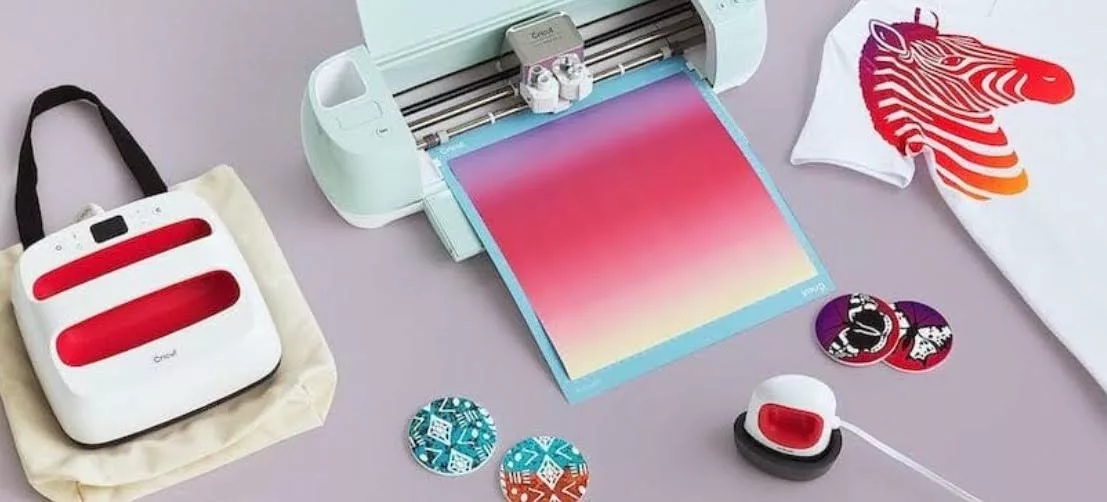
The release of Infusible Ink in mid-2019 marked a pivotal moment for Cricut, Inc., a company that had previously dominated the market with electronic cutting machines like the Explore and Maker series. Prior to this, sublimation was largely restricted to industrial settings or required expensive, specialized printers and bypass systems. By developing pre-inked transfer sheets and markers that could be cut using existing home machines, Cricut democratized high-end personalization.
Since its launch, the product line has expanded from basic solid colors to complex patterns, including marble, floral, and galactic themes. The ecosystem now includes a wide array of "blanks"—specifically engineered items like mugs, hats, and tote bags—optimized to receive the ink. This expansion reflects a broader trend in the global personalized gifts market, which was valued at approximately $26.3 billion in 2022 and is projected to reach over $43 billion by 2032, driven by the increasing demand for unique, custom-made consumer goods.
Technical Requirements and Material Compatibility
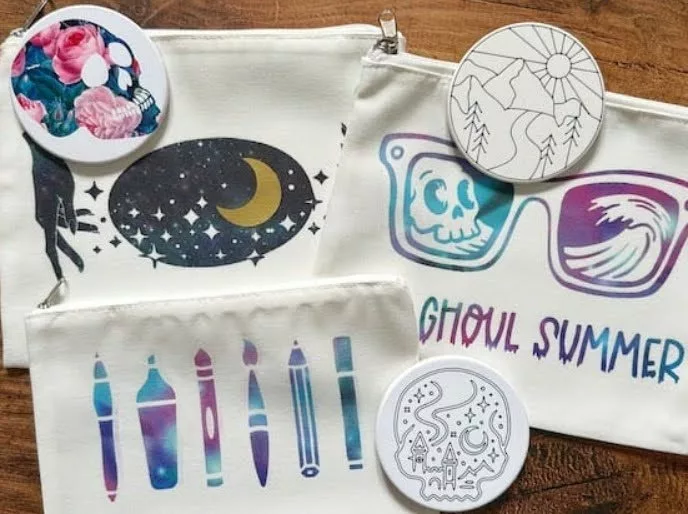
A critical factor in the successful application of Infusible Ink is the composition of the base material. The sublimation process requires a high percentage of polyester or a specific polymer coating to facilitate the bond.
- Fabric Composition: For textiles, a minimum of 65% polyester is generally required. While the ink will transfer to lower-percentage blends, the colors will appear faded or "vintage," and the design may wash out over time. Pure cotton is incompatible with Infusible Ink because natural fibers do not have the necessary pores to trap the gas.
- Hard Substrates: Items such as coasters, mugs, and aluminum sheets must be pre-treated with a specialized polymer coating.
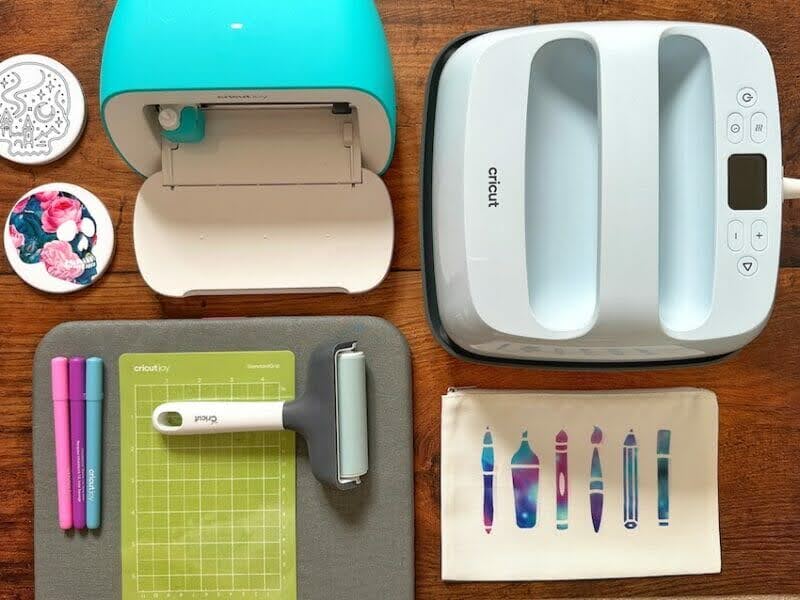
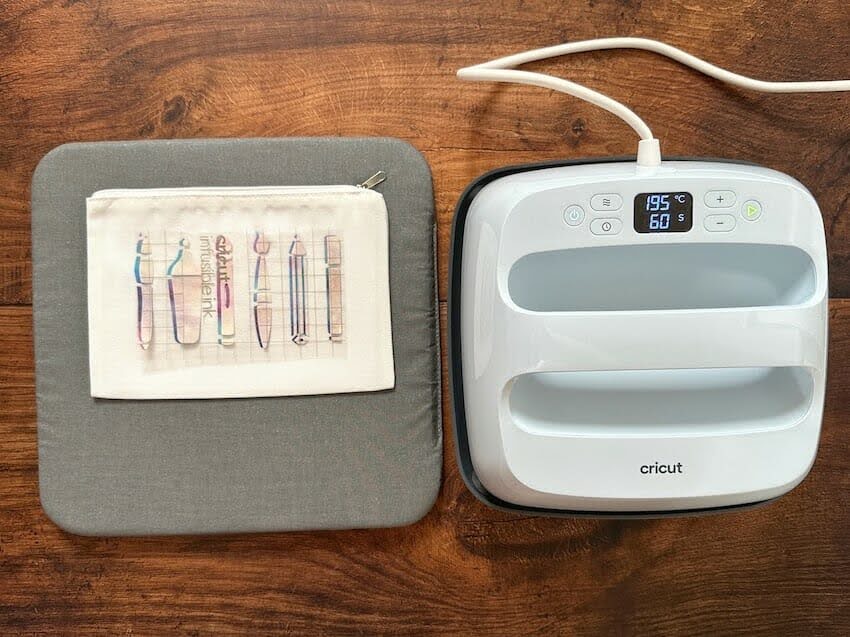
- Heat Consistency: Unlike HTV, which can sometimes be applied with a standard household iron, Infusible Ink requires a heat press capable of reaching high temperatures with even distribution. The Cricut EasyPress or a dedicated mug press is often utilized to ensure the constant, high-pressure contact necessary for a clean gas transfer.
Procedural Methodology: Transfer Sheets vs. Pens
The application of Infusible Ink generally follows two distinct workflows depending on the medium used: Transfer Sheets or Infusible Ink Pens and Markers.
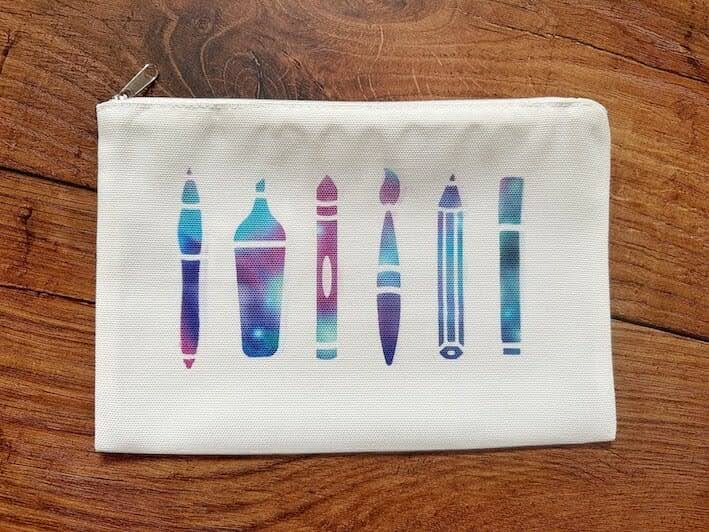
The Transfer Sheet Protocol
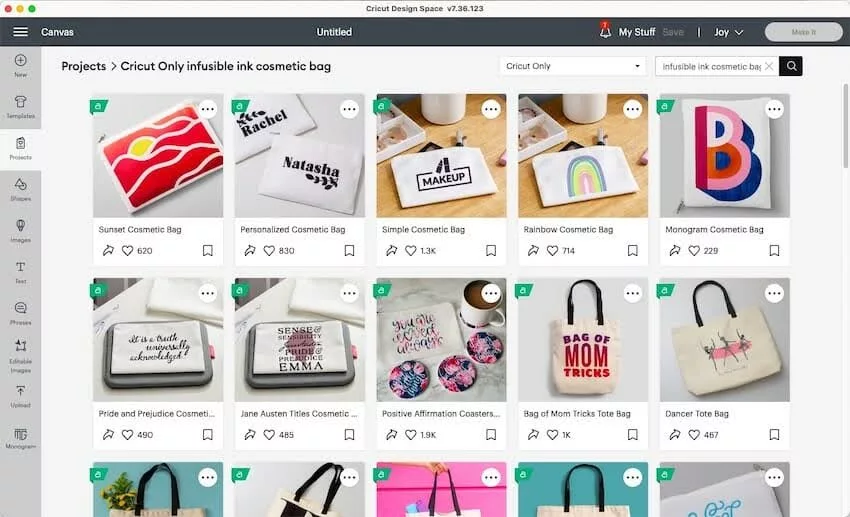
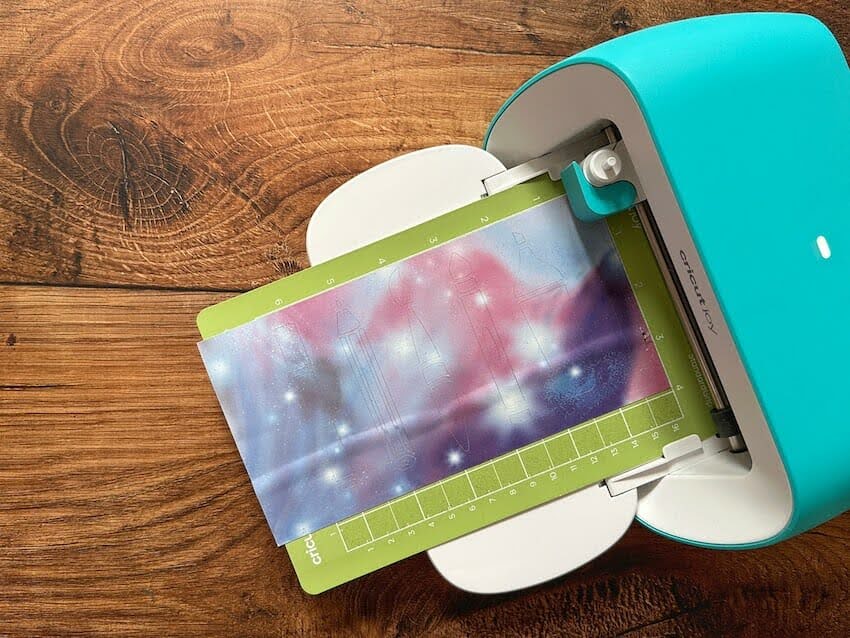
Transfer sheets are pre-inked pages that are loaded into a cutting machine. The process begins in a digital design environment, such as Cricut Design Space. Because the design is placed face-down on the substrate during application, the software must "mirror" the design before cutting. Once cut, the user performs a process called "weeding," removing the excess ink sheets to leave only the desired graphic on a clear liner.
The application phase involves cleaning the substrate with a lint roller (for fabrics) or a lint-free cloth (for ceramics) to remove microscopic debris that could cause "blue specks" or "ghosting" during the heat transfer. The design is then pressed for a specific duration—typically 40 to 60 seconds—under a protective layer of butcher paper to prevent ink bleed onto the heat press.
The Pen and Marker Protocol
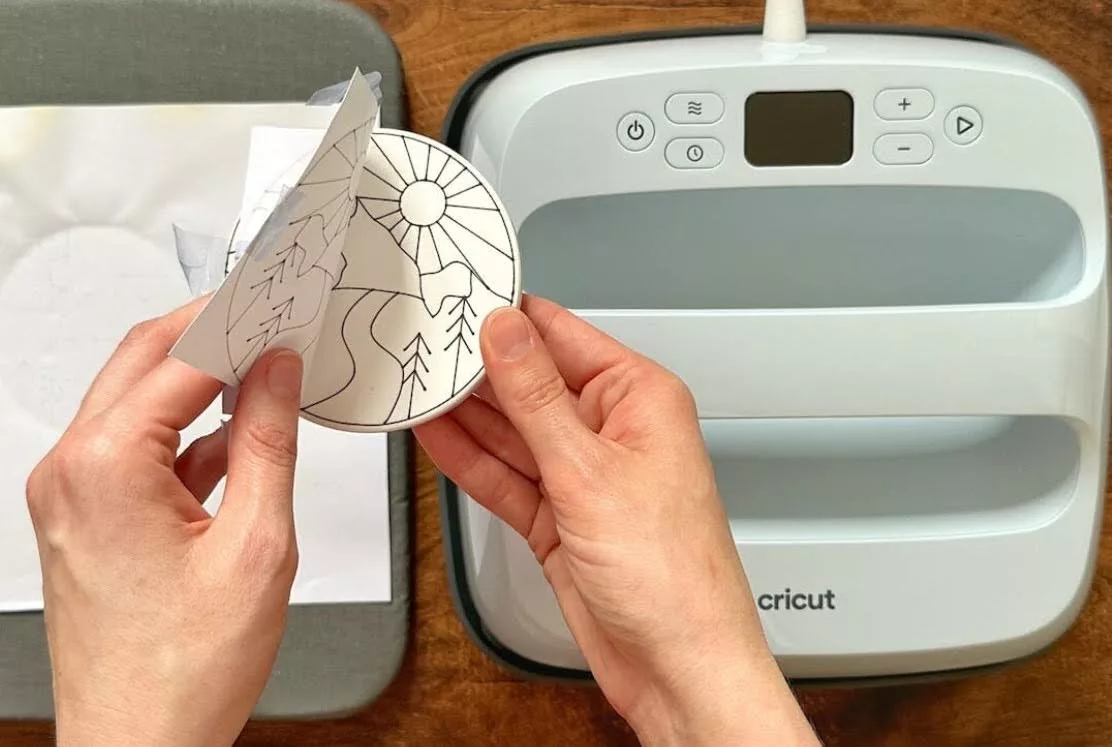
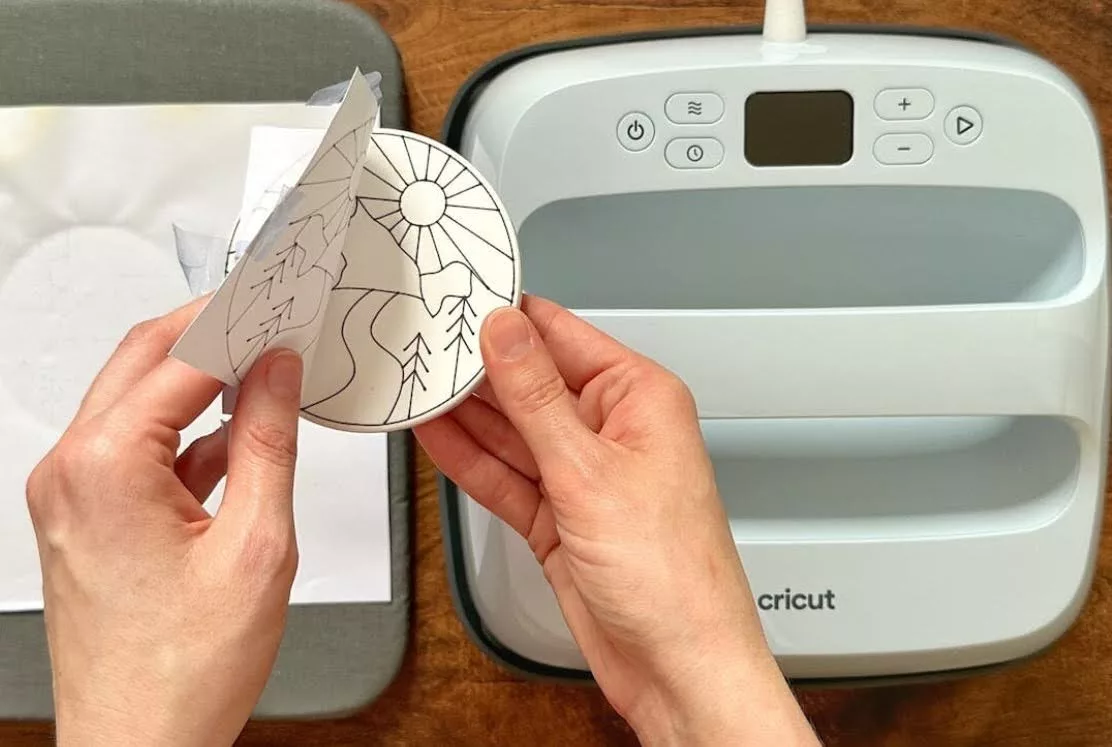
For more intricate or hand-drawn aesthetics, Infusible Ink Pens allow for freestyle artistry or machine-drawn precision. In this method, the cutting machine holds the pen and draws the design onto standard laser copy paper. This paper then acts as the transfer vehicle. This method is particularly popular for creating personalized coasters. The ceramic substrate is placed face-down on the drawing, secured with heat-resistant tape, and pressed. The results mimic hand-painted tiles but with the durability of factory-sealed ceramics.
Industry Standards and Brand Integrity
Cricut maintains a rigorous stance regarding the use of its branded "blanks." While third-party sublimation blanks are available on the market, the company emphasizes that its own products are tested for "vibrancy, permanence, and ease of use." Industry analysts note that this vertical integration—selling both the hardware (presses), the software, and the consumables (ink and blanks)—is a strategic move to ensure quality control and brand loyalty.
Furthermore, the company has issued guidance stating that the use of non-Cricut sublimation sheets or pens with their machines may, in certain circumstances, impact the warranty if the materials cause damage to the hardware. This has sparked a debate within the crafting community regarding "open-source" crafting versus proprietary ecosystems, though most professional crafters agree that for high-stakes projects, using matched components yields the most predictable results.
Maintenance and Longevity Analysis
The primary value proposition of Infusible Ink is its durability. In laboratory-style wash tests, designs created with this technology have shown no significant degradation after 50+ industrial wash cycles, provided the maintenance protocols are followed. These protocols include:
- Washing: Cold water machine wash with mild detergent.
- Drying: Tumble dry on low heat.
- Chemical Exposure: Avoidance of bleach and fabric softeners, which can break down the polymer bonds over time.
- Cleaning Hard Goods: For coasters and mugs, hand-washing is recommended to avoid the abrasive environment of a dishwasher, which can eventually dull the finish of the polymer coating.
Broader Impact and Economic Implications
The accessibility of Infusible Ink has significant implications for the "side hustle" economy. With a relatively low barrier to entry—approximately $500 to $1,000 for a full setup including a machine, press, and initial supplies—individuals are increasingly launching small businesses via platforms like Etsy and Shopify. This micro-entrepreneurship trend is a byproduct of the "Prosumer" movement, where consumer-grade tools provide professional-grade output.
Furthermore, the environmental impact of sublimation is often cited as a benefit compared to traditional screen printing or vinyl. Because the ink is integrated into the material, there is no "hand-feel" or heavy plastic layer that can eventually shed microplastics into the water system during washing. However, the reliance on polyester (a synthetic plastic-based fiber) remains a point of discussion among eco-conscious consumer groups.
Conclusion
Cricut Infusible Ink represents a sophisticated bridge between industrial manufacturing and home-based creativity. By leveraging the chemical properties of sublimation, it provides a solution for creators seeking longevity and professional aesthetics in their work. As the technology continues to evolve, and as more compatible substrates are developed, the distinction between "store-bought" and "home-made" continues to blur, solidifying the role of advanced chemical transfer systems in the future of the global crafting industry.