


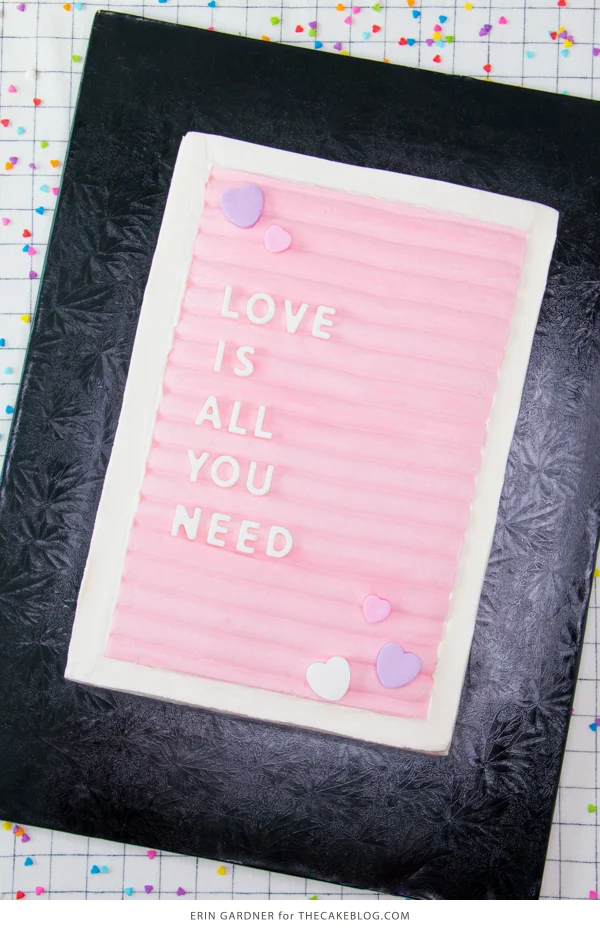
The traditional sheet cake, long a staple of communal celebrations and retail bakeries, is undergoing a significant aesthetic transformation as home bakers and professional pastry chefs alike adopt more interactive and customizable designs. This shift is exemplified by the "Message Board Sheet Cake," a concept developed by noted pastry contributor Erin Gardner. The design draws inspiration from the minimalist aesthetic of felt letter boards, which gained widespread popularity in home décor throughout the late 2010s. By translating this interior design trend into a confectionery medium, Gardner provides a versatile platform for personal expression that transcends the limitations of traditional piped cursive inscriptions. This tutorial-based innovation highlights a broader movement in the culinary arts toward "maximalist" customization through simplified, accessible techniques.
The Evolution of the Sheet Cake as a Decorative Canvas
Historically, the sheet cake was valued primarily for its efficiency and volume, designed to serve large groups at a low cost. However, the modern culinary landscape has seen a re-evaluation of the format. According to market research, the global cake decorating market is projected to expand significantly through 2030, driven by the increasing accessibility of professional-grade tools to the general public. The Message Board Sheet Cake represents a synthesis of this accessibility and the demand for personalization.
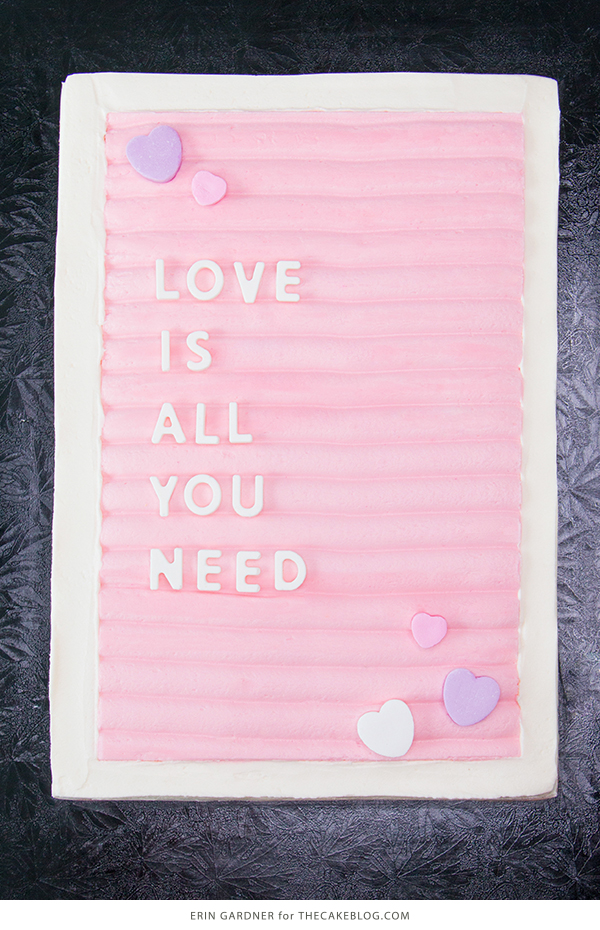
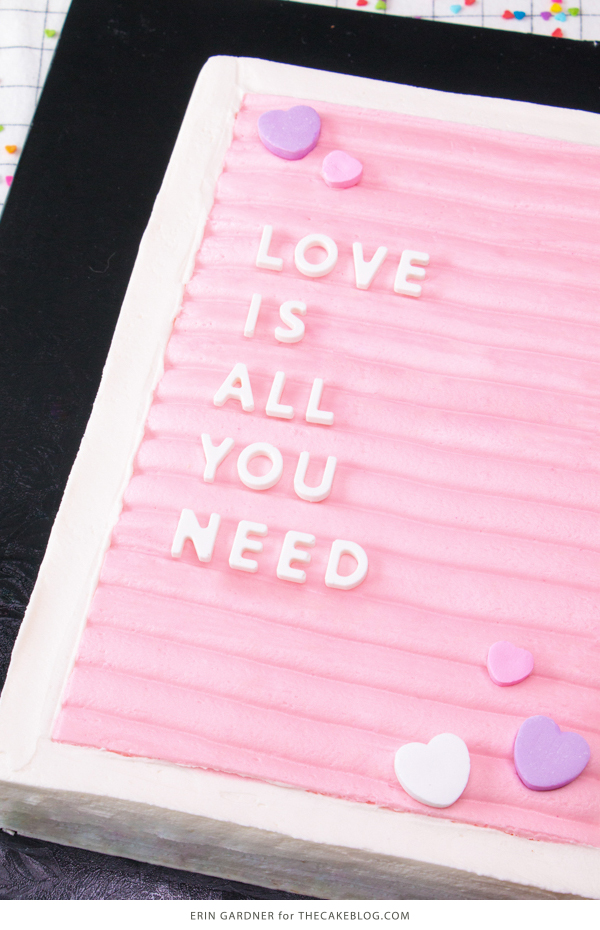
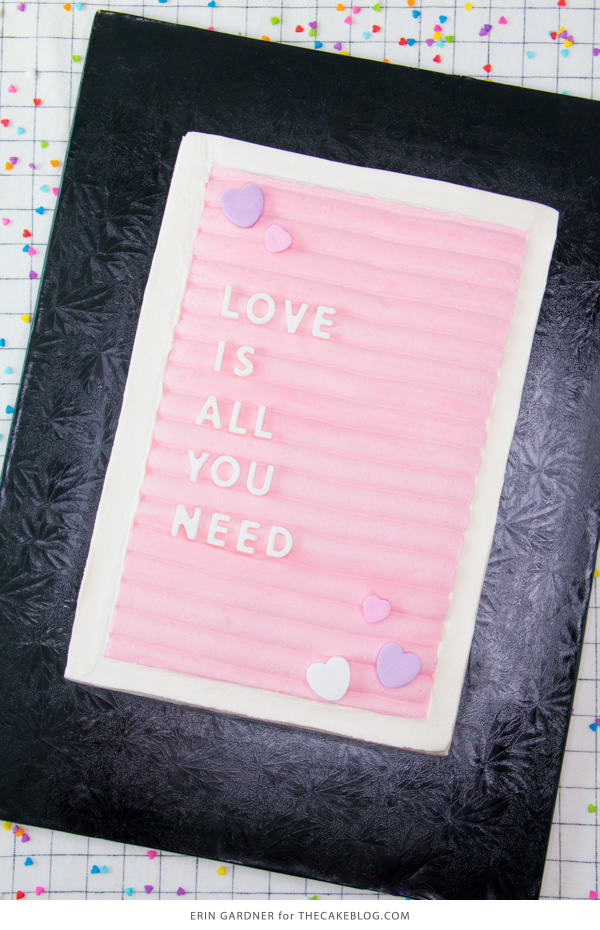
The design relies on two primary components: a textured buttercream surface that mimics the ridges of a felt board and molded white chocolate letters that act as the "tiles." This approach allows the baker to adjust the message in real-time, offering a level of flexibility that traditional icing cannot match. Furthermore, the design is adaptable for various high-volume events, including Valentine’s Day, gender reveals, bridal showers, and milestone birthdays.
Technical Methodology and Procedural Chronology
The creation of the Message Board Sheet Cake follows a specific chronological sequence designed to ensure structural integrity and visual precision. The process begins with the preparation of the "board" and concludes with the application of the typographic elements.
Phase I: Constructing the Textured Foundation
The primary challenge in creating a message board aesthetic is the replication of parallel horizontal ridges. Gardner outlines two distinct methods for achieving this effect, catering to different skill levels and tool availability.
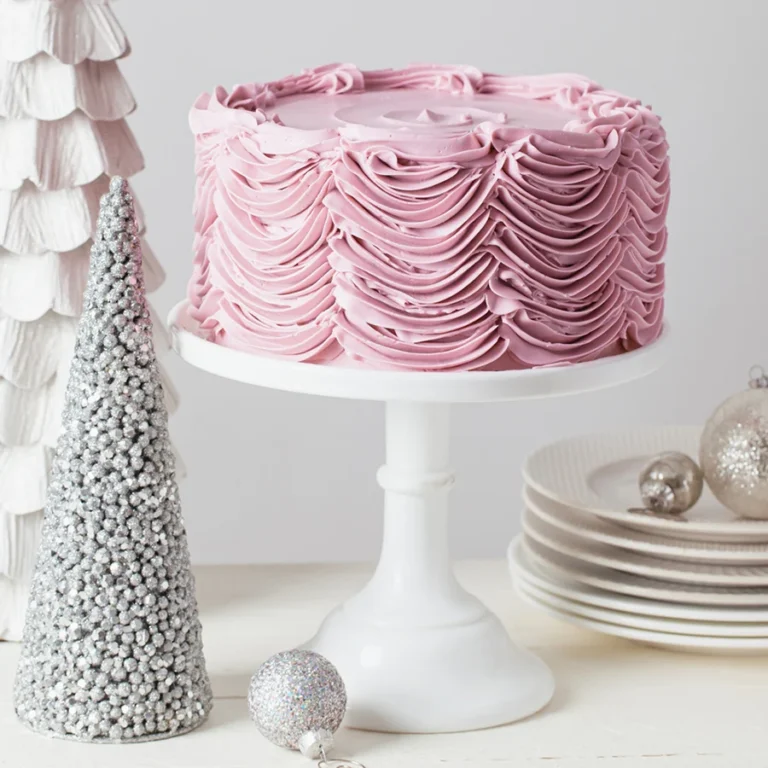
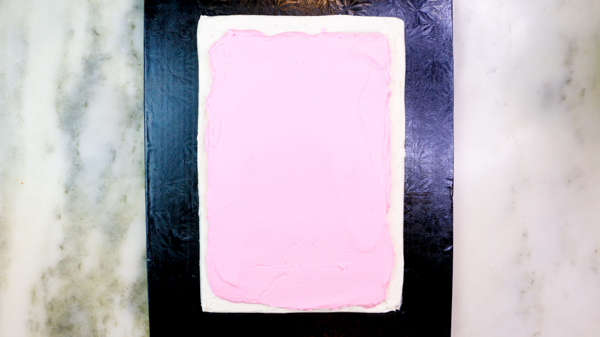
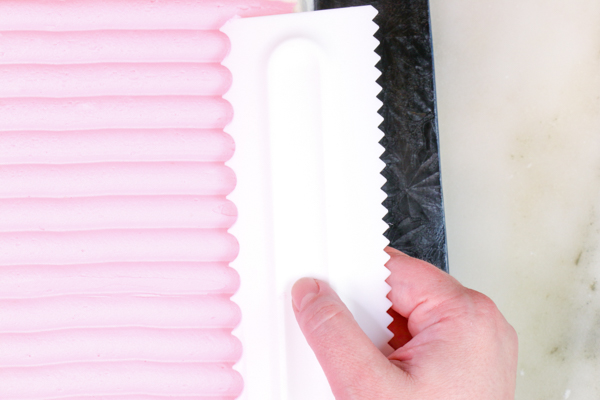
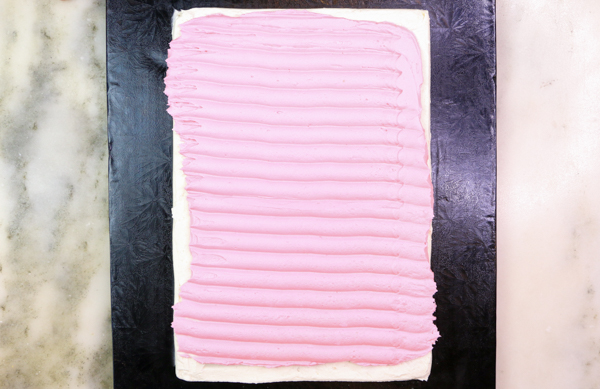
- The Scalloped Comb Method: This is the preferred professional approach. A thick, level layer of buttercream—often tinted in soft hues like pastel pink—is applied to the surface of the cake. A scalloped cake comb is then dragged across the frosting. The key to a clean finish lies in the overlap; by aligning the comb with the previous row, the baker ensures a seamless transition across the entire length of the cake.
- The Piping Alternative: For those without specialized combs, a large round piping tip can be used to extrude parallel lines of buttercream across the surface. While this method is more accessible, it requires approximately double the volume of buttercream to achieve the same depth and coverage as the combed method.
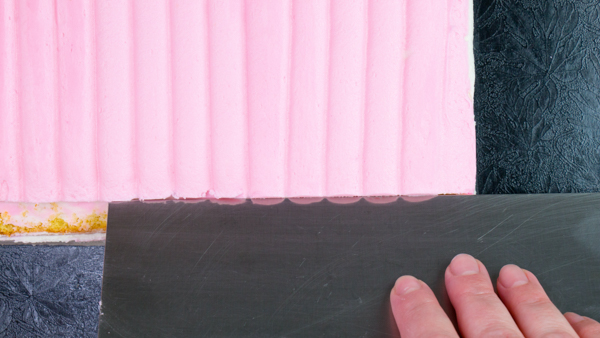
Following the application of the texture, the cake must be chilled until the buttercream is firm. This refrigeration step is critical for the subsequent "cleaning" of the edges. Once the frosting has set, a bench scraper—warmed in water to ensure a smooth cut—is used to trim a one-inch border around the perimeter. This creates a recessed area for the message board, which is then framed using a basketweave piping tip to simulate a physical frame or border.
Phase II: Typographic Fabrication
The letters of the message board are constructed from melted white chocolate or compound chocolate (candy melts). The choice of white chocolate is strategic, as it provides a neutral, high-contrast element against the colored buttercream background.
The fabrication process involves filling silicone letter molds with melted chocolate, then tapping the molds against a hard surface to eliminate air bubbles—a process known in the industry as "vibrating the mold." Once the chocolate has solidified, either at room temperature or through rapid cooling in a refrigerator, the letters are de-molded. Gardner also suggests a "trace-and-pipe" method for those without molds, involving the use of parchment paper overlays on printed templates, demonstrating the design’s focus on technical flexibility.
Phase III: Final Assembly and Layout Logistics
The final phase requires a calculated approach to spacing and alignment. To avoid the common pitfall of asymmetrical text or running out of lateral space, the tutorial recommends laying the message out on parchment paper prior to placing it on the cake. By counting the ridges on the cake and starting the application from the center of the message outward, the baker maintains a professional, centered appearance.
Material and Supply Analysis
The success of the Message Board Sheet Cake is contingent upon the use of specific culinary tools and ingredients. The required materials include:
- Sheet Cake: A standard rectangular base, typically 9×13 inches or larger.
- Buttercream Frosting: Both tinted (for the board) and plain (for the border).
- White Chocolate or Candy Melts: Used for the structural integrity of the letters.
- Scalloped Cake Comb: The primary tool for creating the board texture.
- Bench Scraper: Essential for creating clean, geometric borders.
- Piping Bags and Tips: Specifically a basketweave tip for the frame and a large round tip if the piping method is chosen.
- Letter Molds: Silicone molds are recommended for uniform typography.
Market Trends and Consumer Reception
The rise of "DIY" (Do-It-Yourself) culture in the confectionery sector has been bolstered by social media platforms such as Instagram and Pinterest. Data suggests that tutorials emphasizing "attainable luxury"—designs that look professional but can be executed at home—receive the highest levels of consumer engagement.
Industry analysts note that the "Message Board" aesthetic appeals to a demographic that values both nostalgia and modern "clean-girl" or "minimalist" aesthetics. By providing a template that is easily modified, Gardner addresses a significant market demand for customizable food products. In professional settings, custom-designed cakes can command a premium price, often 20% to 50% higher than standard designs, due to the labor-intensive nature of personalization.
Expert Perspectives on Pastry Innovation
Erin Gardner’s contribution to the "Cake Blog" reflects a broader trend among pastry educators to democratize complex designs. By offering "many paths to the destination," Gardner acknowledges the varying resource levels of her audience.
Culinary experts suggest that the Message Board Sheet Cake is an example of "modular decorating." This is a technique where individual components (the letters, the board, the frame) are prepared separately and then assembled. This method is highly efficient for commercial bakeries, as it allows for the mass production of letters that can be quickly applied to pre-combed cakes upon a customer’s order.
Broader Implications for the Baking Industry
The transition from traditional piping to molded chocolate elements represents a significant shift in the required skill set for modern bakers. While traditional piping requires years of practice to master steady-handed calligraphy, molded elements allow for perfect typography regardless of the baker’s handwriting. This shift toward "tool-assisted" decorating allows for a higher standard of consistency across the industry.
Furthermore, the design’s adaptability to different color palettes and font styles makes it a resilient trend. Unlike holiday-specific designs, the Message Board Sheet Cake can be rebranded for any season. For instance, a black board with white letters can mimic a chalkboard for "Back to School" events, while a green board could serve as a sports-themed scoreboard.
Conclusion
The Message Board Sheet Cake is more than a simple tutorial; it is a reflection of the current intersection between home décor, social media trends, and culinary evolution. By utilizing standard tools like the cake comb and bench scraper in innovative ways, Erin Gardner has provided a blueprint for a new generation of celebratory cakes. As the demand for personalized, "Instagrammable" food continues to rise, the principles of modularity and texture demonstrated in this design will likely remain central to the craft of contemporary cake decorating. The methodology ensures that whether for a professional gallery or a family gathering, the message is delivered with both clarity and style.