


The landscape of home-based customization has undergone a significant transformation with the introduction and refinement of sublimation-based technologies, most notably Cricut Infusible Ink. This proprietary system represents a departure from traditional heat-transfer vinyl (HTV) and iron-on methods, which rely on a top-layer adhesive bond. Instead, Infusible Ink utilizes a chemical process that allows pigment to become an integral part of the base material’s molecular structure. This advancement has bridged the gap between amateur hobbyist projects and professional-grade manufacturing, providing a solution for creating vibrant, fade-resistant designs on a variety of polymer-coated substrates and polyester fabrics.
The Evolution of Personalized Manufacturing
The DIY crafting industry has seen exponential growth over the last decade, driven by the accessibility of digital cutting machines and thermal presses. Historically, personalization was limited to screen printing—which requires significant equipment and setup—or HTV, which, while accessible, is prone to degradation over time. HTV sits on the surface of the fabric, making it susceptible to cracking, peeling, and "weeding" issues after repeated laundering.
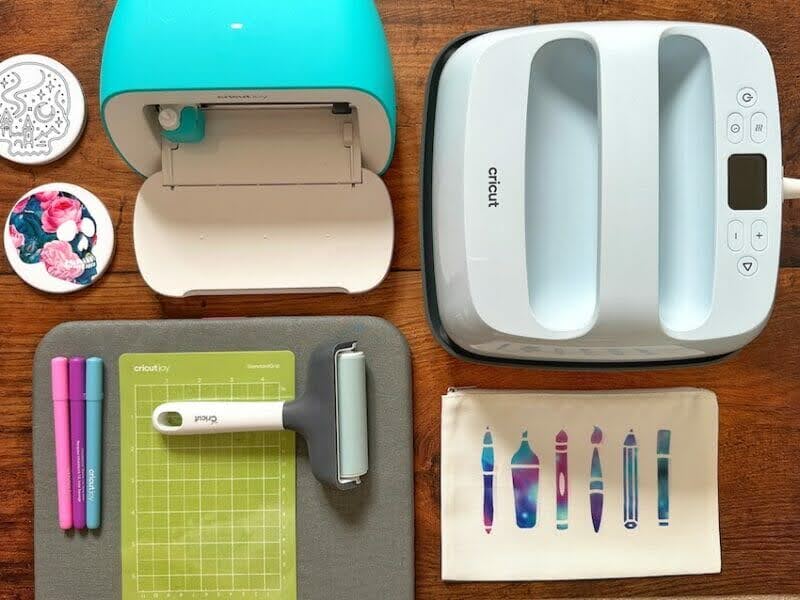
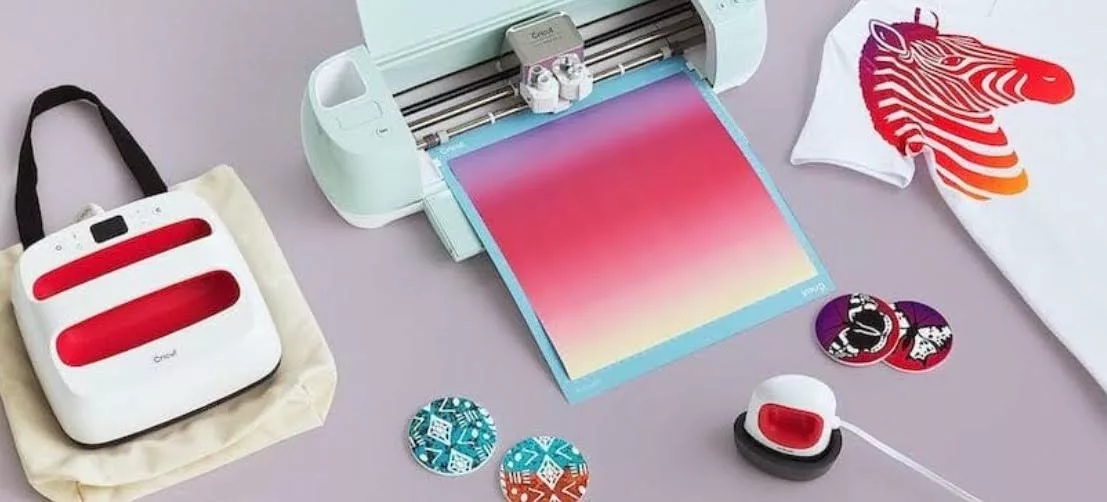
Cricut Infusible Ink was developed to address these durability concerns. By simplifying the complex industrial process of sublimation for the consumer market, the technology allows individuals to produce items that are indistinguishable from retail-quality goods. The system is comprised of two primary delivery methods: Infusible Ink Transfer Sheets, which are pre-inked solid colors or patterns, and Infusible Ink Pens and Markers, which allow for hand-drawn or machine-plotted designs on standard laser copy paper.
Technical Mechanism: The Science of Sublimation
At the core of Infusible Ink is the scientific principle of sublimation. In this process, the specialized ink is subjected to high temperatures—typically between 385°F and 400°F (195°C to 205°C). At these extreme temperatures, the solid ink converts directly into a gas without passing through a liquid state. Simultaneously, the pores of the polymer-coated or polyester-based "blank" (the item being decorated) open to receive this gaseous pigment.
As the heat source is removed and the material cools, the pores close, trapping the ink inside the fibers or the coating of the substrate. The result is a permanent bond that is flush with the surface. Because the design is "infused" rather than "adhered," it maintains the texture of the original material. On garments, this means the design is breathable and soft to the touch; on hard surfaces like ceramic or aluminum, the finish is smooth and resistant to scratching.
Market Impact and the "Prosumer" Movement
Market analysts have noted that the rise of technologies like Infusible Ink has fueled the "prosumer" movement—where consumers purchase professional-grade equipment for personal or small-business use. According to industry reports, the global personalized gift market is projected to reach several billion dollars by 2030, with home-based entrepreneurs accounting for a significant portion of this growth.
The primary appeal of the Infusible Ink system lies in its "factory-finish" quality. For small business owners selling on platforms like Etsy or Shopify, the longevity of the product is a critical selling point. Items produced with sublimation technology do not require the delicate washing instructions often associated with iron-on vinyl, thereby increasing the perceived value and lifespan of the merchandise.
Implementation Protocols: Transfer Sheets and Markers
The application of Infusible Ink requires a disciplined approach to ensure professional results. Unlike standard crafting projects, the chemical nature of the transfer means that environmental factors such as moisture and oils from the skin can affect the outcome.
Protocol for Transfer Sheets: Fabric-Based Substrates
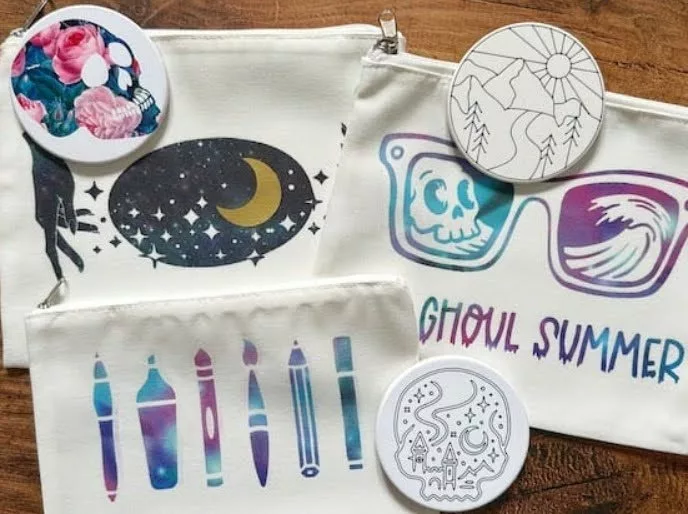
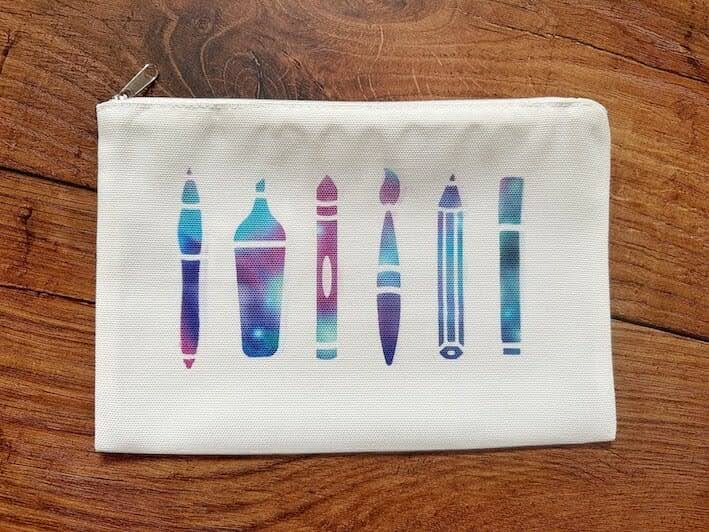
The use of transfer sheets is the most common method for decorating large surface areas such as cosmetic bags, tote bags, and apparel. The process follows a strict chronological sequence:
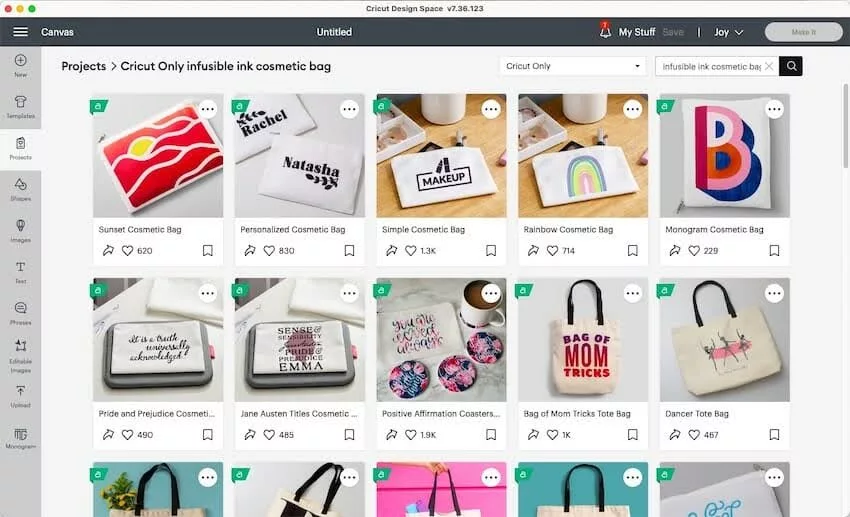
- Digital Preparation: Designs must be created in a vector-based software, such as Cricut Design Space. A critical requirement for sublimation is the "Mirror" function; because the sheet is placed face-down on the substrate, the image must be reversed during the cutting phase to appear correctly upon transfer.
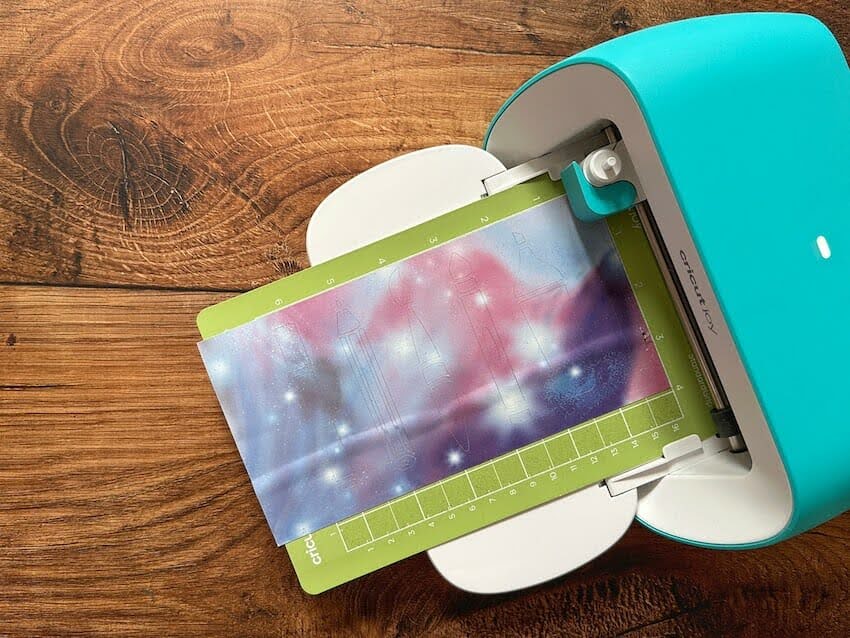
- Mechanical Cutting and Weeding: A digital cutting machine (such as the Cricut Maker or Explore series) executes the design. Unlike HTV, Infusible Ink sheets have a paper-like consistency. "Weeding"—the process of removing excess material—is typically done by hand by gently "cracking" the paper to reveal the cut lines, rather than using sharp metal tools which can damage the liner.
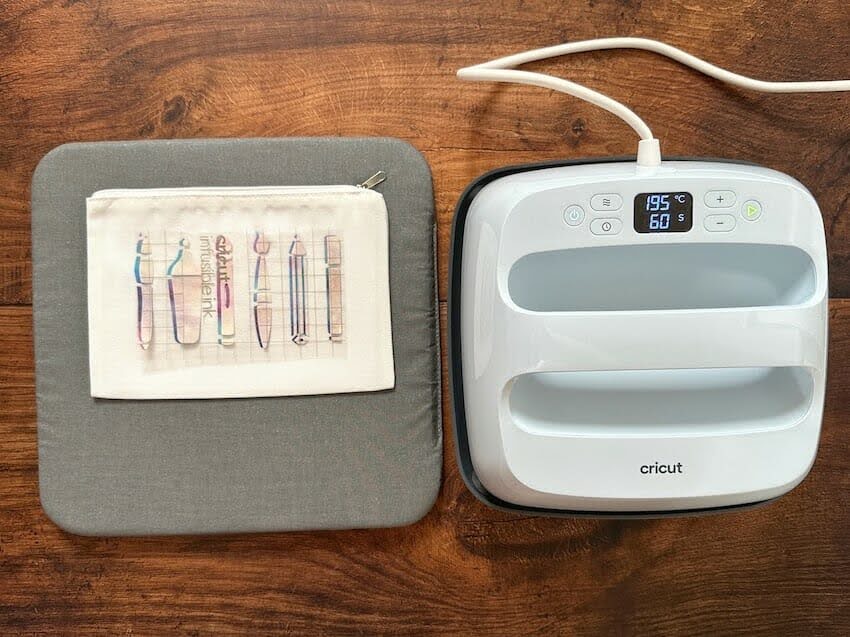
- Thermal Application: The substrate must be pre-heated to remove moisture and wrinkles. The design is then placed face-down. Using a high-heat press, such as the Cricut EasyPress, constant pressure is applied for a duration of 40 to 60 seconds. The "cold peel" method is often recommended, where the liner is removed only after the material has cooled completely to prevent "ghosting" or blurred edges.
Protocol for Pens and Markers: Hard Substrates
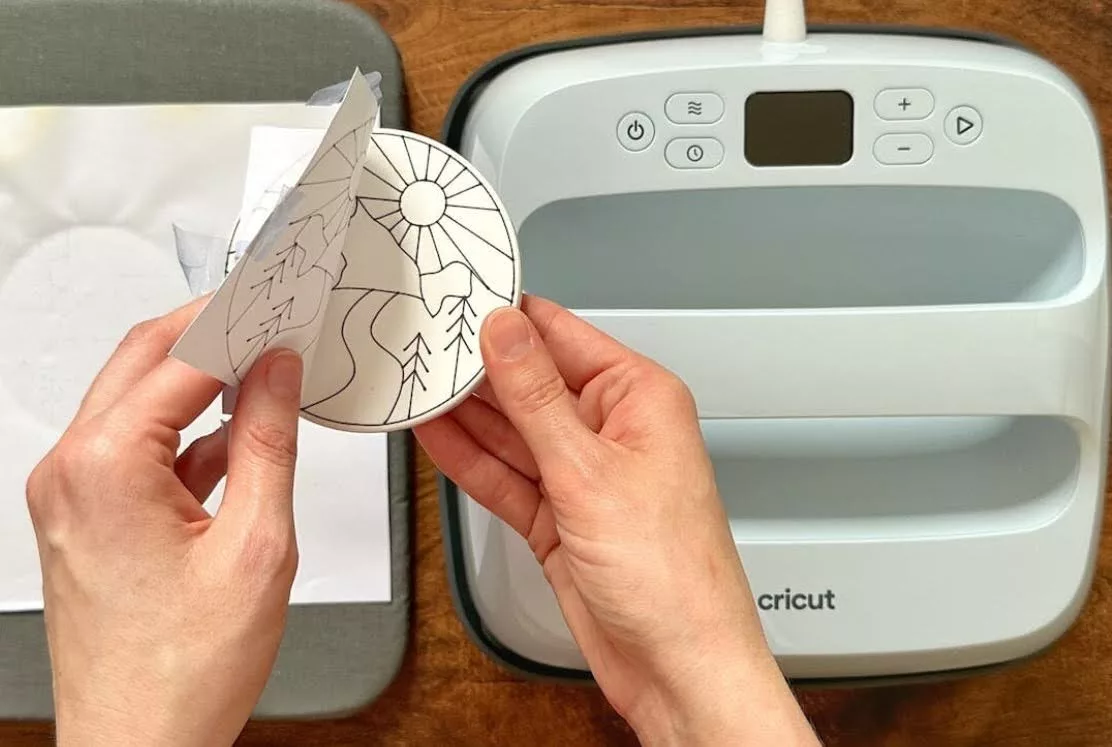
For ceramic coasters or intricate illustrations, Infusible Ink pens offer a different utility. These tools allow the cutting machine to draw designs directly onto laser copy paper, which then acts as the transfer medium.
- Drafting: The machine plots the design onto standard 20lb laser paper. Users can employ multiple colors by following software prompts to swap pens during the drawing process.
- Substrate Preparation: Hard surfaces like ceramic coasters must be wiped with a lint-free cloth and alcohol to remove any oils or dust that could interfere with the ink’s penetration.
- High-Temperature Infusion: Because ceramic and aluminum require higher thermal energy to reach the sublimation point, the press time is often extended. For coasters, the design is taped securely using heat-resistant tape to prevent any shifting, which would result in a "shadow" effect.
Material Compatibility and Quality Control
A significant constraint of the Infusible Ink system is its lack of versatility regarding base materials. The chemical bond of sublimation only occurs with polymers (polyester) or specialized polymer coatings.
- Fabric Composition: A minimum of 65% polyester is generally required for a visible transfer, though 100% polyester yields the most vibrant results. On 100% cotton, the ink has nothing to bond to and will wash out completely during the first laundry cycle.
- Substrate Color: Because the ink is translucent, it must be applied to white or very light-colored backgrounds. Applying blue ink to a black shirt, for instance, would result in an invisible design, as the dark base absorbs the lighter pigment.
- The Role of "Blanks": While third-party sublimation blanks are available, Cricut markets its own line of "Compatible" blanks. These are pre-tested for heat resistance and polymer density, ensuring that the material will not melt or scorch under the 400°F temperatures required for the process.
Official Guidelines and Safety Standards
Safety and maintenance are paramount when dealing with high-heat chemical transfers. Cricut and other industry leaders emphasize several operational standards:
- Ventilation: The sublimation process releases a small amount of gaseous byproduct. It is recommended to operate in a well-ventilated area to avoid the inhalation of fumes.
- Work Surface Protection: High-density foam mats or "EasyPress Mats" are required to reflect heat back into the substrate and protect the underlying work surface from thermal damage.
- Maintenance of Finished Goods: To preserve the integrity of the infusion, manufacturers recommend machine washing in cold water and avoiding bleach. For hard surfaces like coasters, hand-washing with non-abrasive cleaners is advised to prevent the degradation of the polymer coating.
Analysis of Future Implications for the Crafting Sector
The move toward permanent ink technology signals a broader trend in the DIY sector: the "professionalization" of the hobbyist. As consumers become more discerning, the demand for items that can withstand the rigors of daily use—such as dishwashers and high-heat dryers—has forced companies to innovate beyond simple adhesives.
Furthermore, the integration of Infusible Ink with digital design platforms has lowered the barrier to entry for graphic designers and artists. The ability to translate a digital painting into a permanent ceramic or fabric medium with minimal overhead costs is democratizing the production of "merch." We are likely to see further expansion into different substrates, such as treated woods and specialized metals, as the chemistry of polymer coatings continues to advance.
In conclusion, Cricut Infusible Ink represents a sophisticated intersection of chemistry and creativity. By mastering the sublimation process, crafters are no longer limited by the ephemeral nature of surface-level adhesives. The technology ensures that personalized designs are as durable as the items they adorn, marking a permanent shift in how bespoke goods are conceived and manufactured at the consumer level.