


The traditional holiday countdown has undergone a significant transformation in the modern retail landscape, evolving from simple paper windows containing religious verses or chocolates into a multi-million dollar industry dominated by high-end "toy" advent calendars. While these pre-packaged options from brands such as Lego, Disney, and Star Wars offer convenience, they have increasingly become a source of financial strain and consumer fatigue for larger households. In response to these market pressures, a burgeoning movement of "intentional gifting" has emerged, characterized by customized, DIY solutions designed to maximize engagement while stabilizing holiday expenditures. A prominent example of this shift is the adaptation of the over-the-door shoe organizer into a centralized, high-capacity advent system—a method that addresses the logistical challenges of managing multiple children during the twenty-four-day lead-up to Christmas.
The Economic and Psychological Drivers of DIY Transition
The primary catalyst for the shift toward customized advent calendars is a combination of rising retail costs and the phenomenon of "unboxing fatigue." Current market data indicates that premium toy-based advent calendars typically retail between $35 and $50 per unit. For a household with four children, the aggregate cost of these pre-packaged sets can exceed $160 annually. Furthermore, consumer feedback suggests a diminishing return on engagement; by the third week of December, children often lose interest in repetitive themed items, such as small plastic figurines or minor building blocks, which frequently end up discarded or lost.
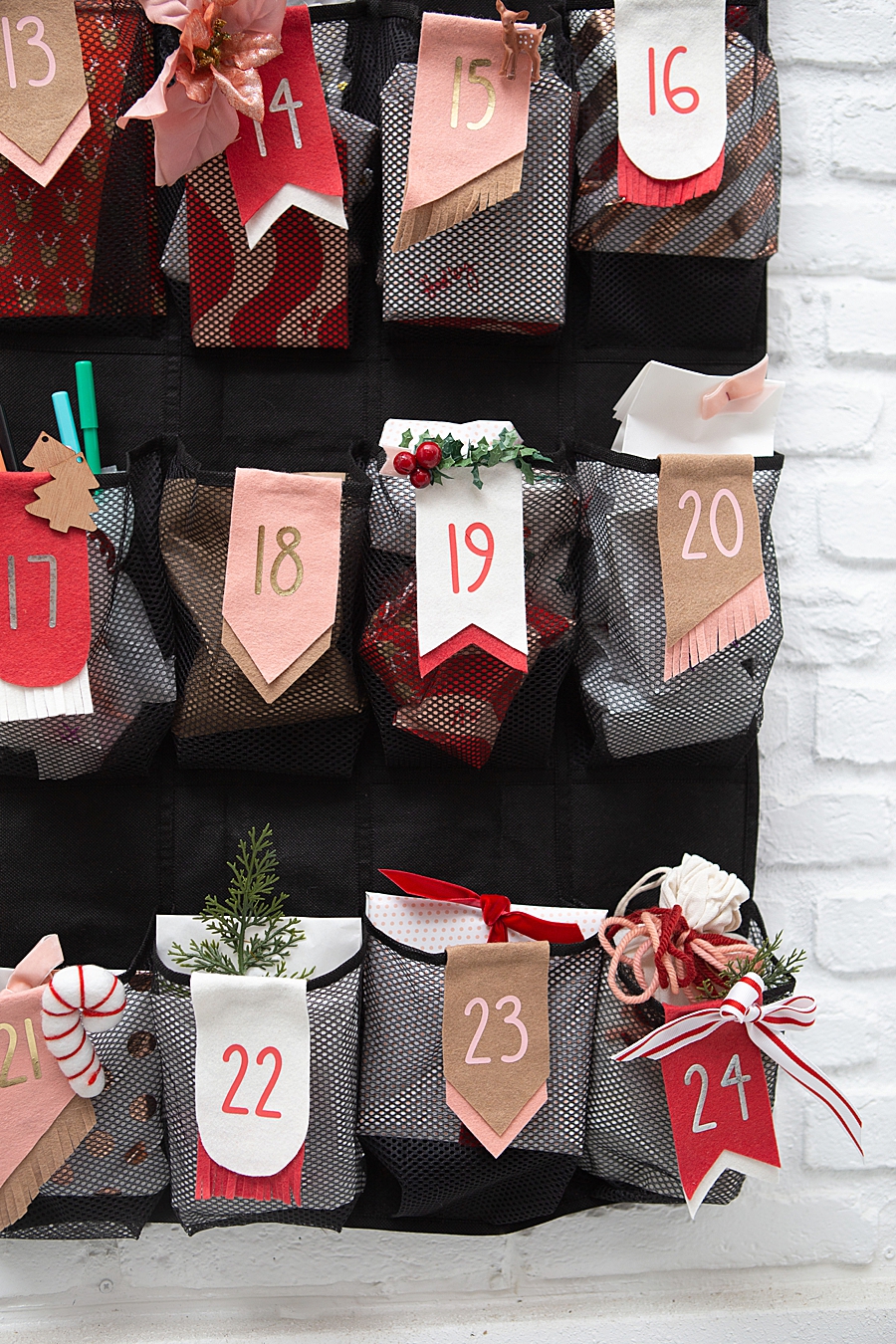
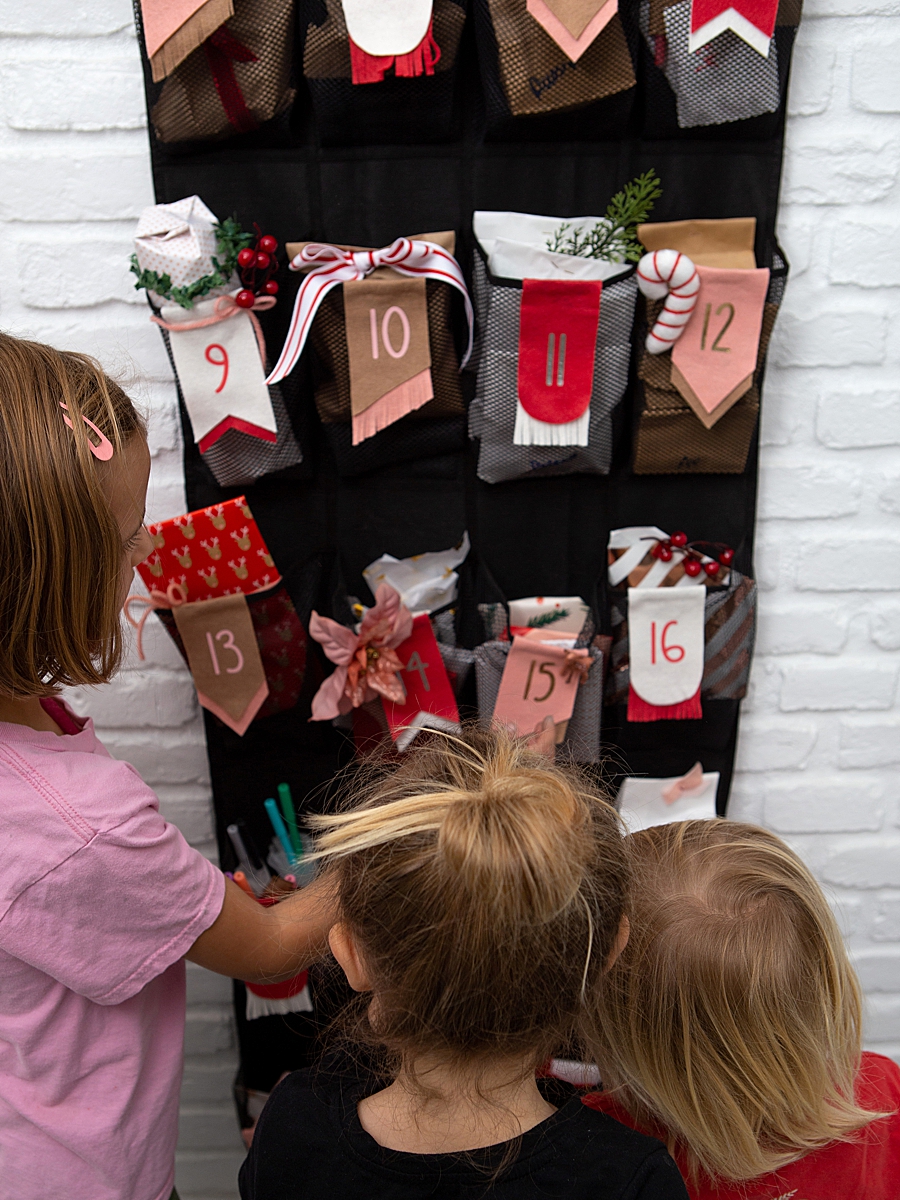
By reallocating a $160 budget toward a singular, large-scale DIY project, families can achieve a higher level of variety and personalization. The "shoe organizer" model provides 24 distinct pockets, which can be utilized to house a diverse array of gifts tailored to the specific developmental stages of children—ranging in age from toddlers to adolescents. This approach not only ensures a higher level of daily excitement but also creates a reusable infrastructure that eliminates the need for recurring purchases of disposable cardboard calendars.
Technical Specifications and Structural Engineering
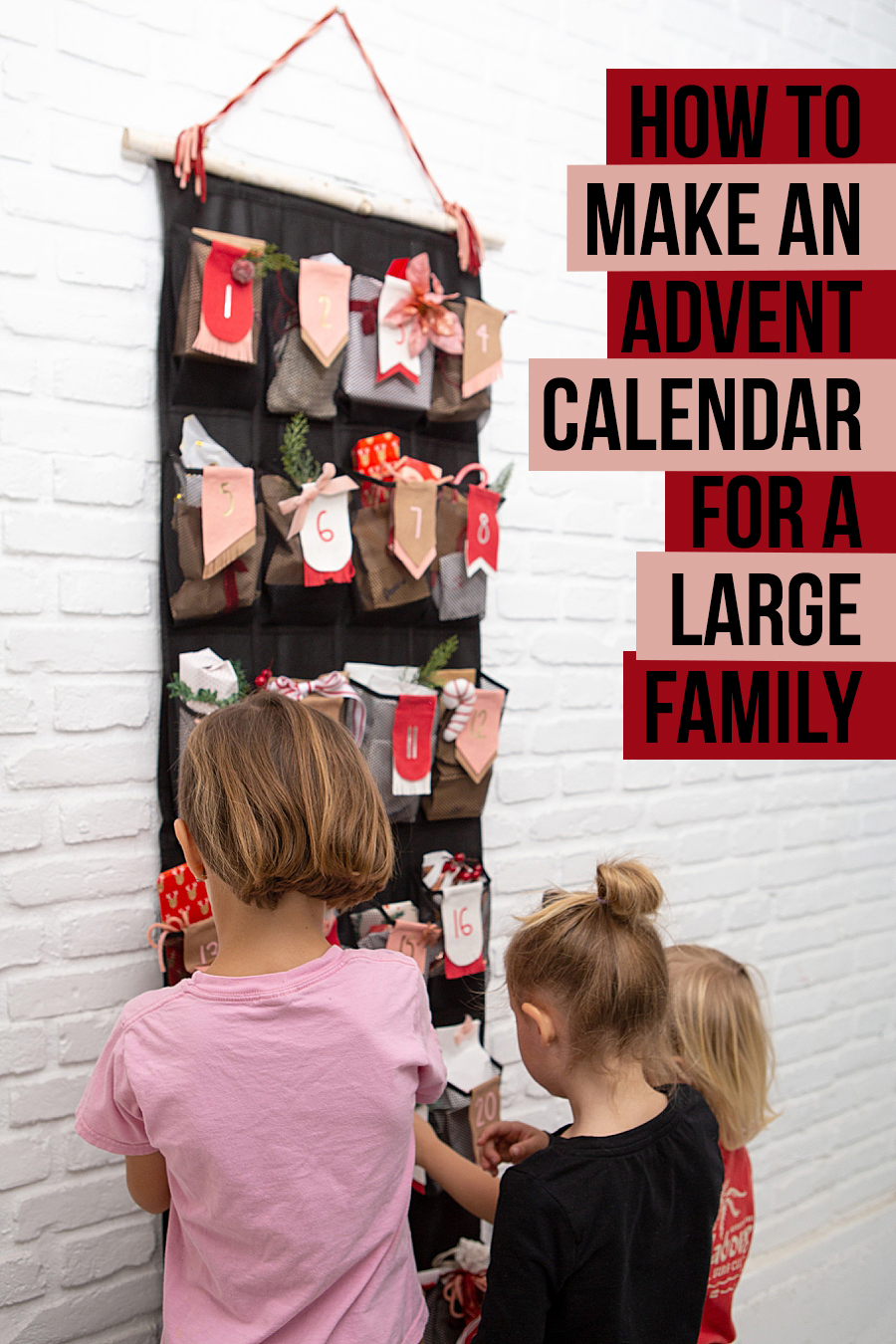
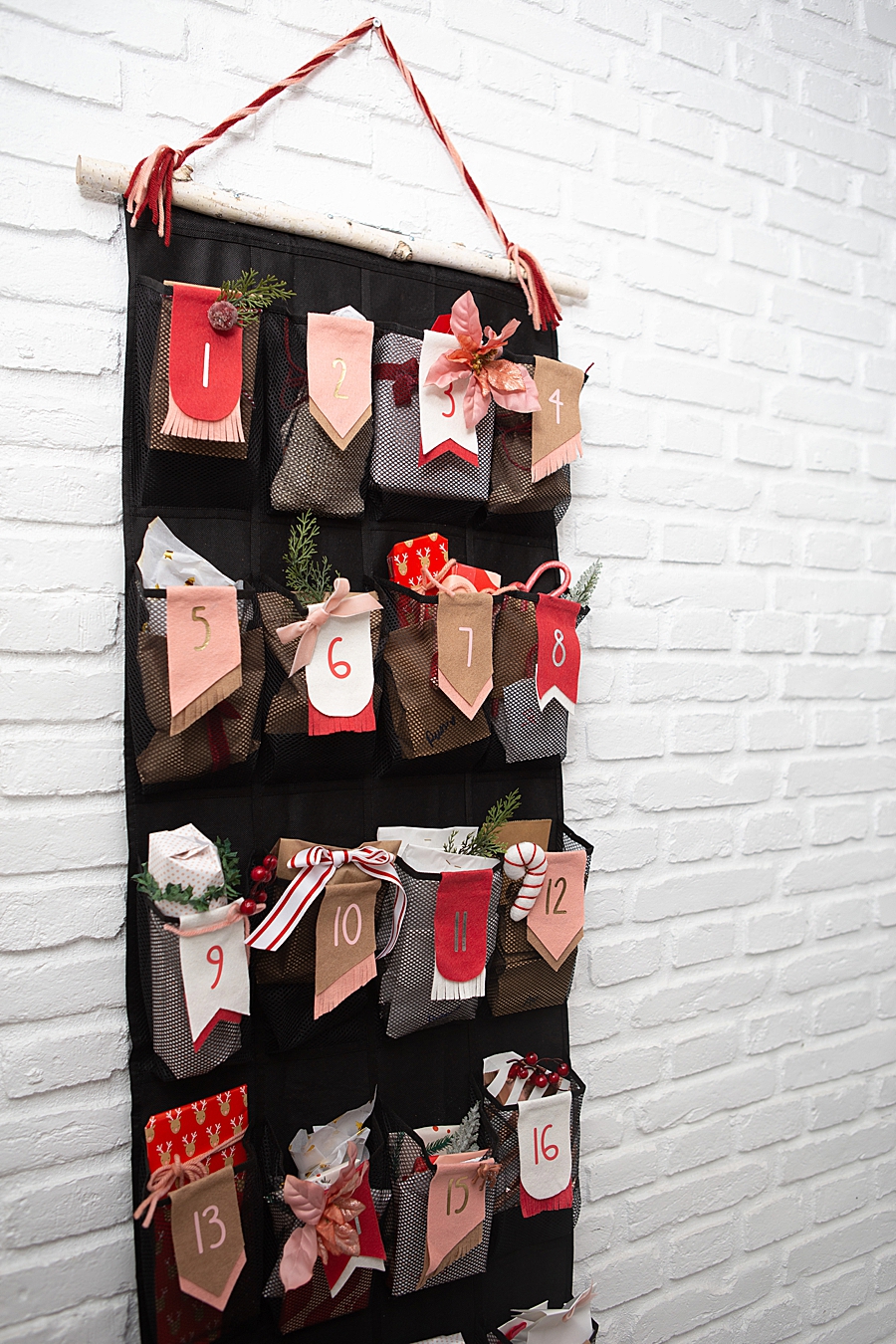
The construction of a high-capacity advent calendar requires a focus on structural integrity, particularly when the system must support the weight of 24 days’ worth of gifts for multiple recipients. A standard black over-the-door shoe rack serves as the primary chassis for the project. However, to elevate the aesthetic and functional quality of the piece, many practitioners are opting for a "branch-suspension" method.

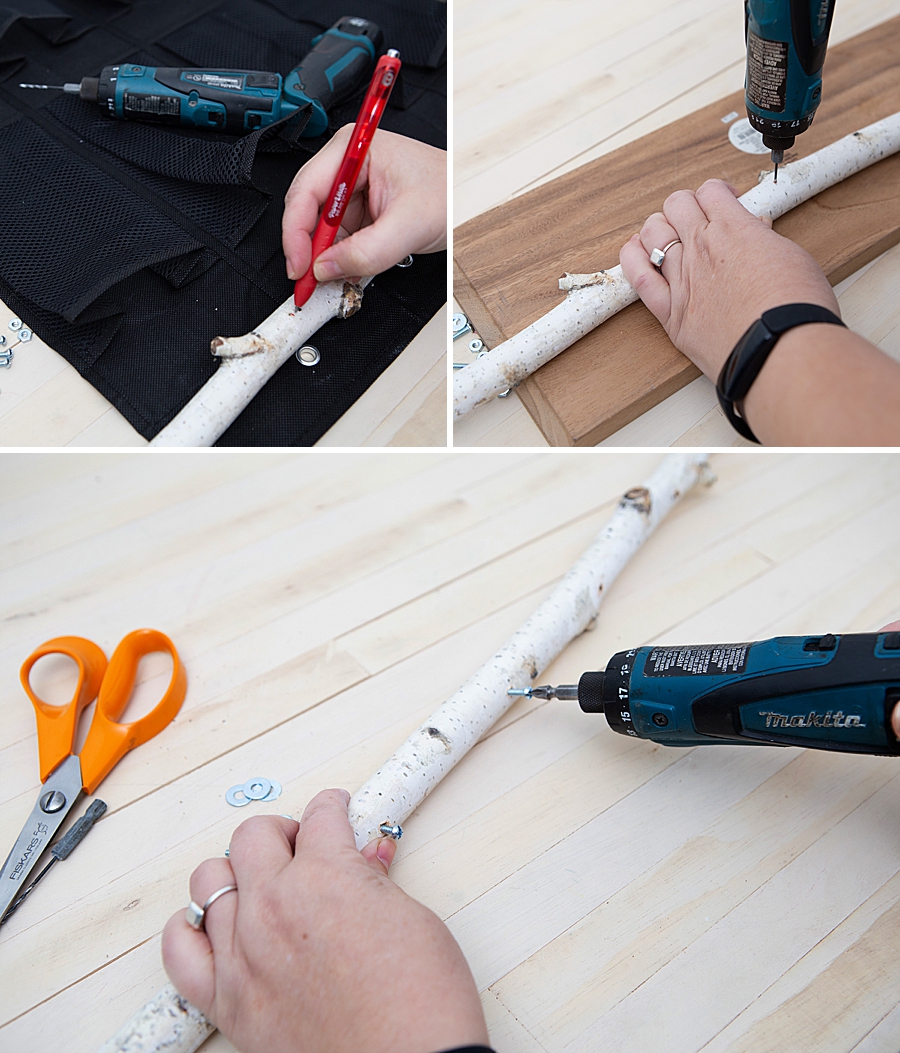
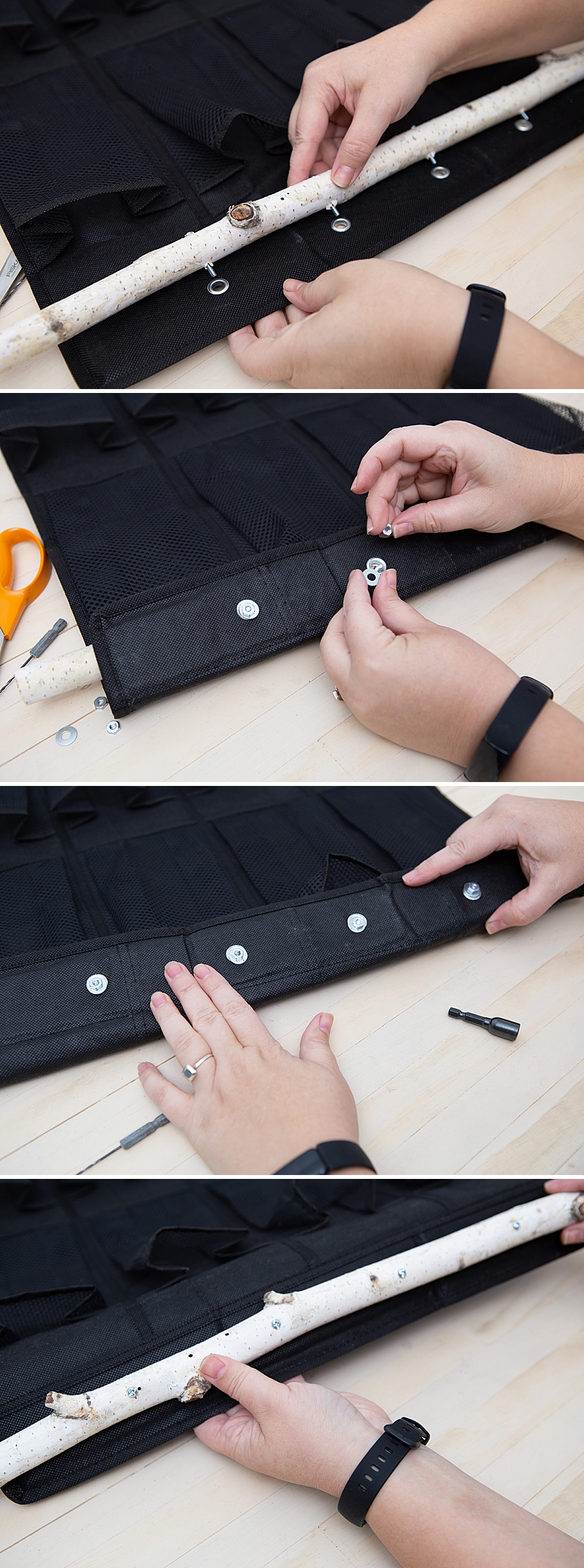
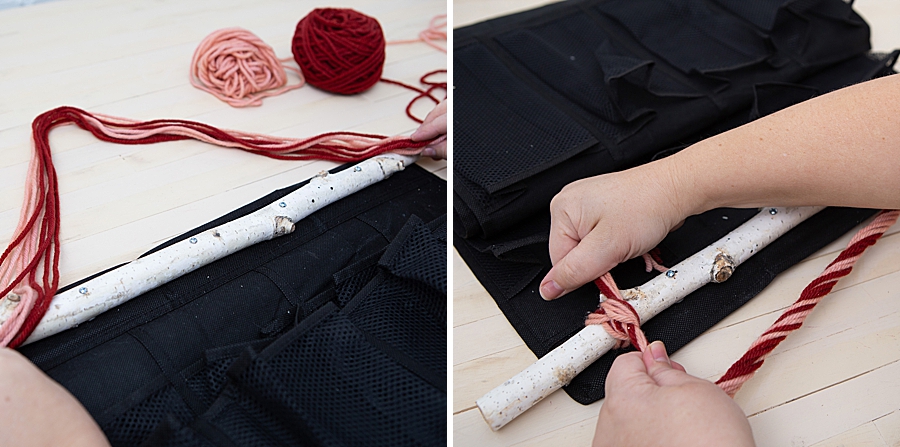
In a recent implementation by lifestyle designer Jen Causey-Kidder, a decorative white branch was repurposed to serve as a load-bearing header for the calendar. To ensure the branch could withstand the gravitational pull of the loaded pockets, technical modifications were necessary. The process involved drilling through the wood and attaching the shoe organizer using 1.25-inch bolts, washers, and nuts. This hardware-heavy approach prevents the fabric from sagging or tearing under the weight of items such as bath bombs, books, or small toys. The entire assembly was then suspended using twelve strands of reinforced yarn, creating a stable and visually appealing holiday installation.
Material Sourcing and Aesthetic Customization
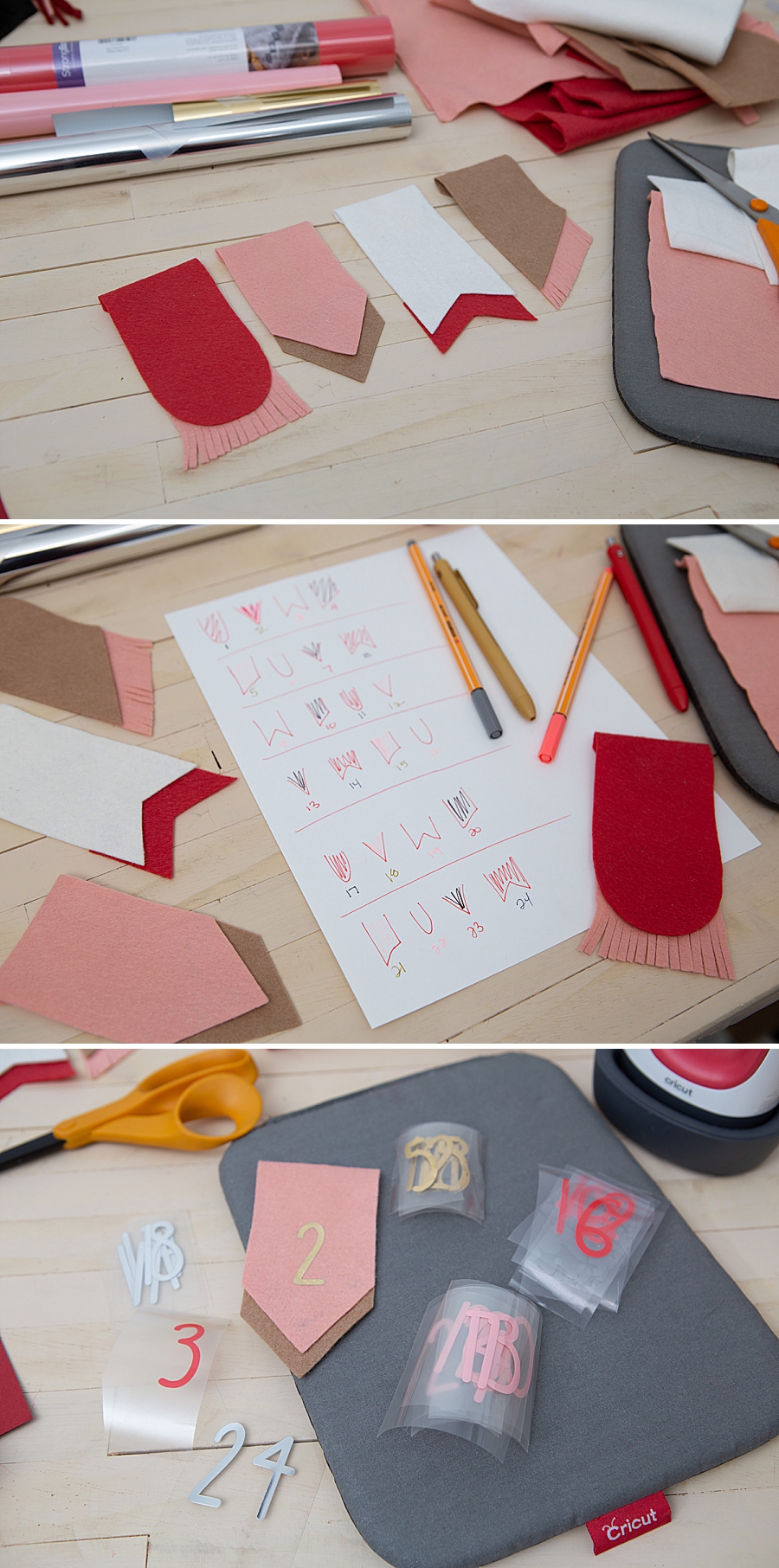
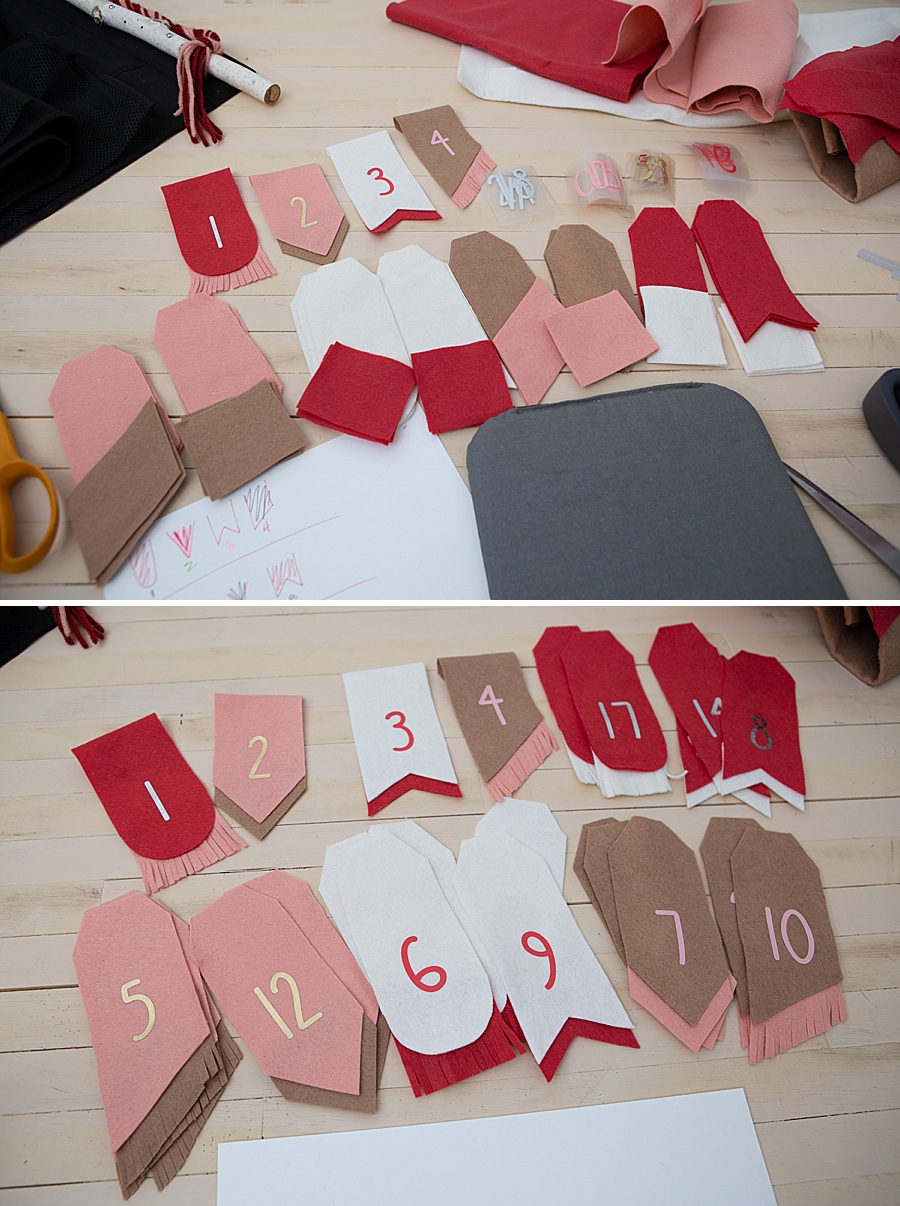
The aesthetic components of the DIY advent calendar involve a sophisticated blend of craft materials and digital design tools. To maintain a professional finish, high-quality textiles such as Benzie Felt in colors like Red, Blush, White, and Castle are utilized for the date tags. These tags are often produced using digital cutting machines, such as the Cricut, which allow for precision in typography and iconography.
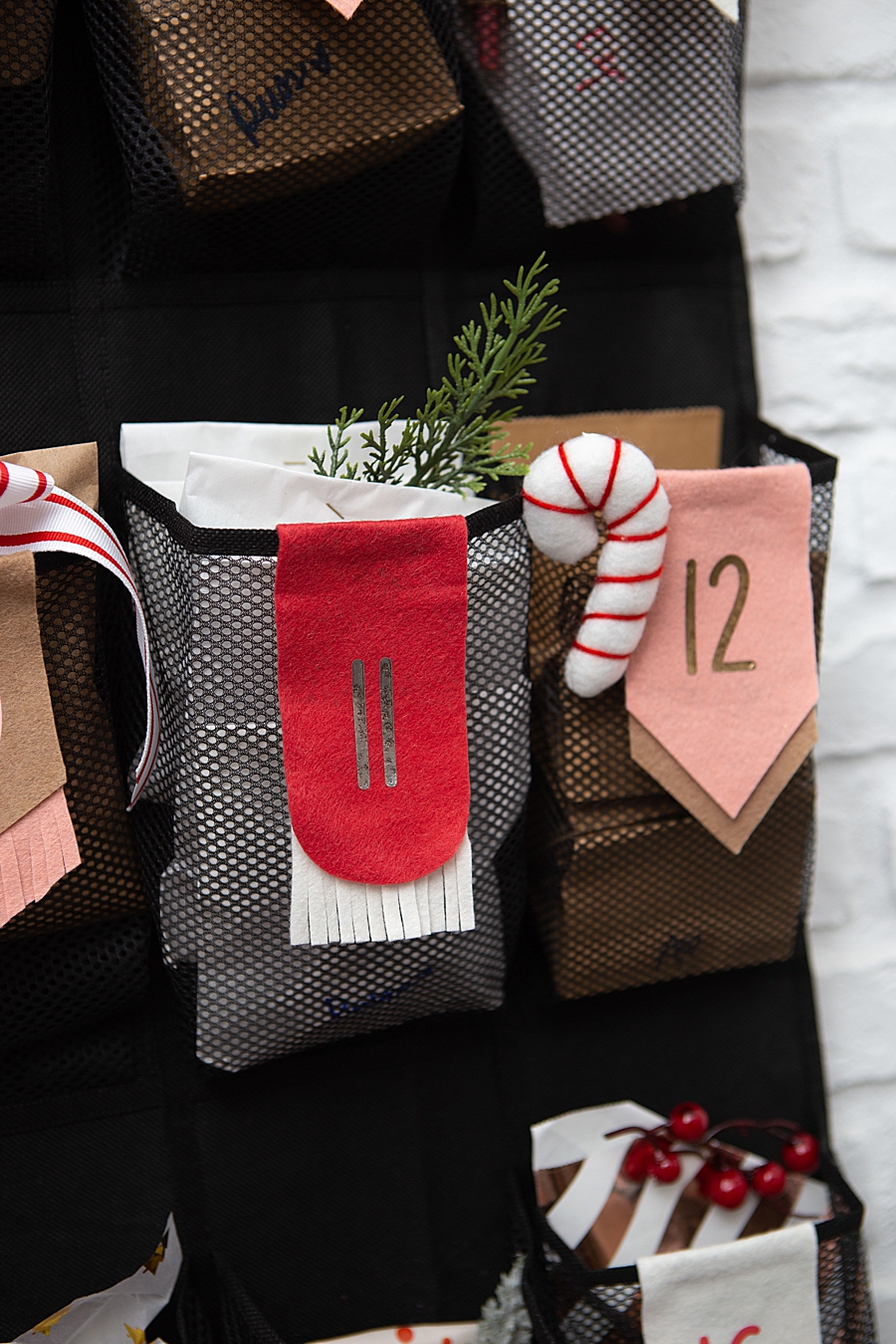
For the numbering system, designers often utilize specific fonts—such as BFC Autumn Harvest—and various iron-on vinyl textures, including gold and silver foils, to create a premium retail look. The planning phase for these components requires a systematic approach; designers typically create a color-swapped chart to ensure a balanced distribution of the four felt styles across the 24-day sequence. These tags are then permanently affixed to the shoe organizer pockets using high-temperature adhesive (hot glue), ensuring they remain secure throughout years of use.

Inventory Management and Gifting Strategy
The efficacy of a large-family advent calendar rests heavily on the diversity of its contents. Unlike commercial sets that are limited to a single brand or theme, the DIY model allows for a curated inventory. Collectors often begin sourcing these items two to three months in advance, scouring various retailers—from specialty boutiques to discount stores—to find unique "stocking stuffer" style gifts.

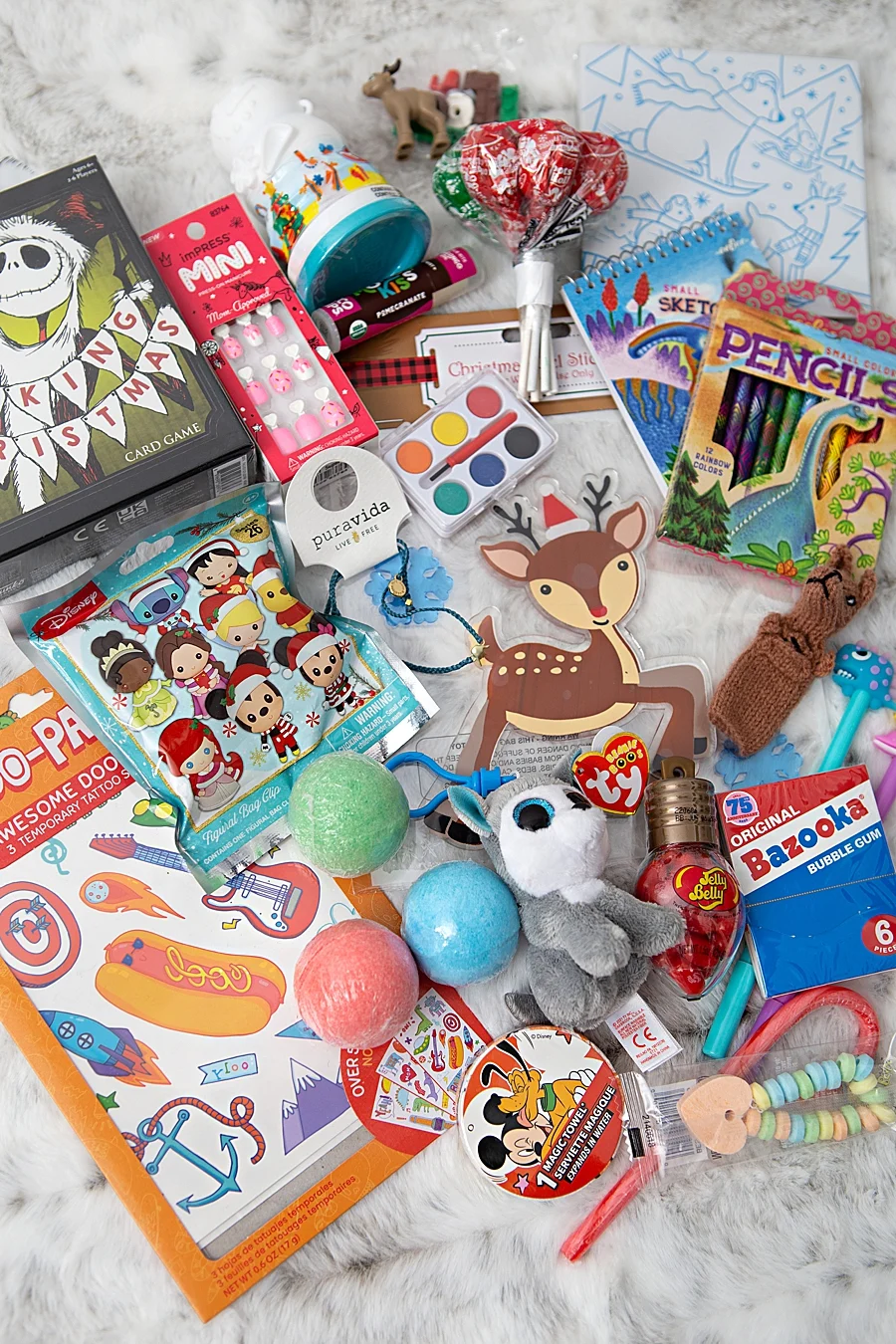
The 2022 inventory list for a successful implementation included a wide range of categories:
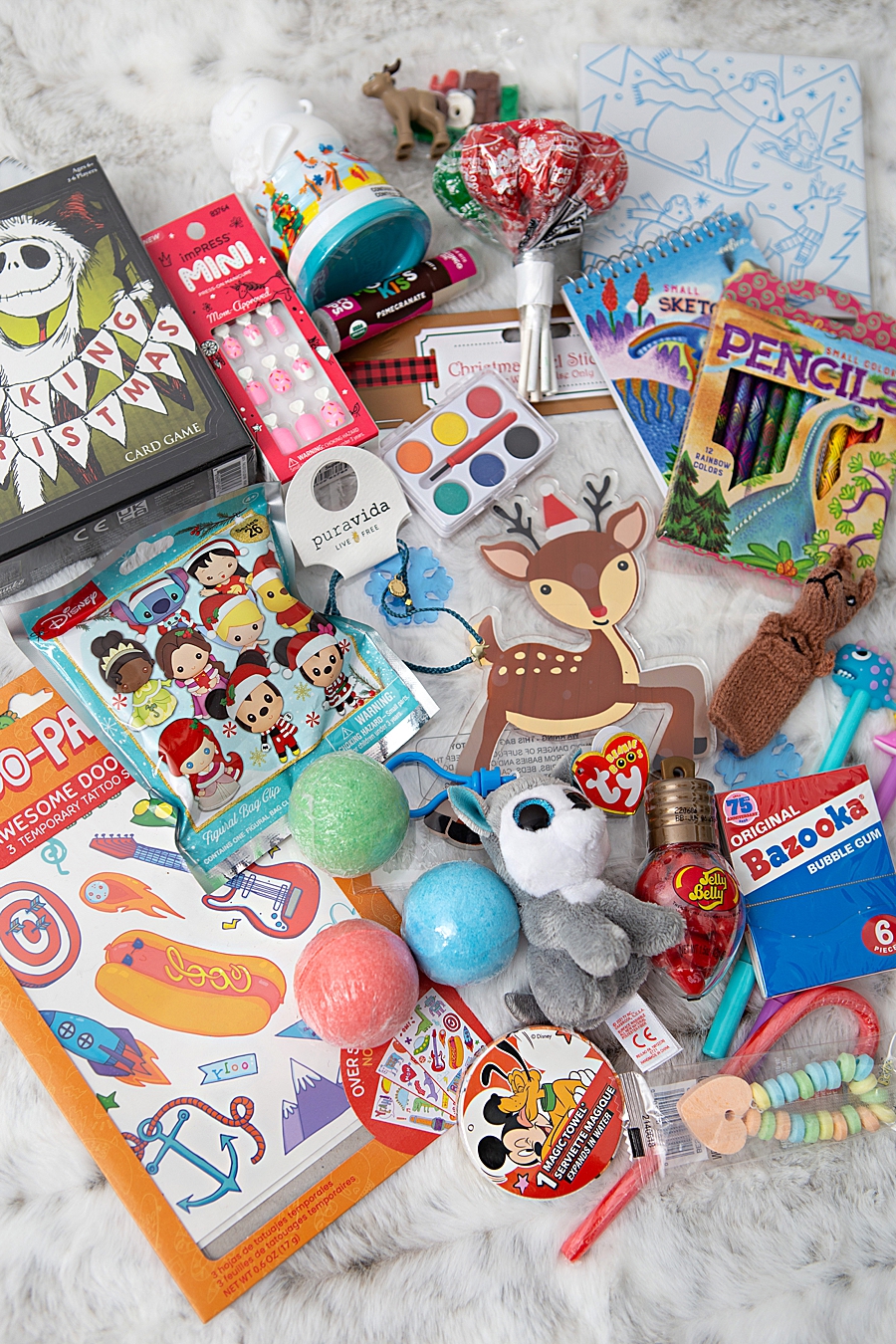
- Accessories: Pura Vida bracelets, press-on nails, and chapstick.
- Creative Tools: Mini watercolor sets, colored pencils, and mini notebooks.
- Interactive Items: Finger puppets, magic towels, and window stickies.
- Toys: Die-cast cars, dinosaurs, and small Lego polybags.
- Consumables: Gourmet candies, gum, and bath bombs.
A critical component of the inventory strategy is the "Mom Trick"—a logistical safeguard where each gift is labeled with its designated opening date before being wrapped. This serves two purposes: it ensures that high-value gifts are opened on specific days (such as weekends or Christmas Eve), and it acts as a deterrent for younger children who might attempt to prematurely remove items from the lower, more accessible pockets.
Financial Analysis and Sustainability
A cost-benefit analysis of the DIY shoe organizer advent calendar reveals significant long-term savings. While the initial investment includes the cost of the shoe rack (approximately $15-$25), hardware, and crafting materials, these are one-time expenses. In the documented case, the total expenditure for gifts was approximately $150, which aligns closely with the $160 cost of four premium commercial calendars. However, the DIY version offers superior value through the quality and variety of the items provided.
From a sustainability perspective, the DIY model significantly reduces the volume of single-use plastic and cardboard waste associated with traditional advent calendars. The shoe organizer and the branch-suspension system are designed for multi-year durability. By simply replenishing the gifts each year, families can maintain the tradition with a lower environmental footprint and a more predictable budget.
Broader Implications for the DIY Market
The success of the "Large Family Advent Calendar" highlights a broader trend in the DIY market: the demand for functional, scalable solutions for domestic management. As families grow, the standard "one-size-fits-all" retail products often fail to meet their needs. This has led to a rise in "life-hack" style projects that repurpose utilitarian household items—like shoe organizers—into festive centerpieces.
This trend also reflects a shift in consumer values. There is an increasing emphasis on the "labor of love" aspect of holiday preparation. The time spent designing, sourcing, and assembling a custom calendar is viewed by many as a way to create lasting family memories that far outweigh the convenience of a store-bought product. The digital sharing of these projects on platforms like Instagram and Twitter, often under hashtags like #somethingturquoisediy, has created a community of practice where parents exchange tips on structural stability, gift ideas, and budget management.
Conclusion
The transition from commercial advent calendars to a customized shoe organizer system represents a strategic response to the economic and psychological realities of modern holiday celebrations. By combining structural engineering, digital design, and careful inventory management, families can create a high-impact holiday tradition that is both cost-effective and highly engaging. As the "intentional gifting" movement continues to gain momentum, it is likely that more households will move away from standardized retail offerings in favor of bespoke solutions that reflect their unique family dynamics and values. The DIY advent calendar is no longer just a craft project; it is a sophisticated exercise in holiday logistics and budget optimization.