


The value of lab-grown diamonds is a multifaceted consideration, intricately woven from their inherent physical characteristics and broader economic forces. Produced in sophisticated, high-tech facilities, these diamonds are meticulously assessed using the same rigorous standards applied to their natural counterparts. However, their market pricing reflects the efficiencies of advanced production methodologies and a steadily increasing availability. Factors such as the precision of craftsmanship, the degree of clarity, the overall size (carat weight), and prevailing market conditions collectively influence their worth, frequently resulting in more accessible price points for consumers seeking high-quality jewelry. For those looking to delve deeper and gain community insights, the largest diamond and jewelry forum offers a valuable platform for discussion and advice.
The Intricacies of Cut Quality in Lab-Grown Diamonds
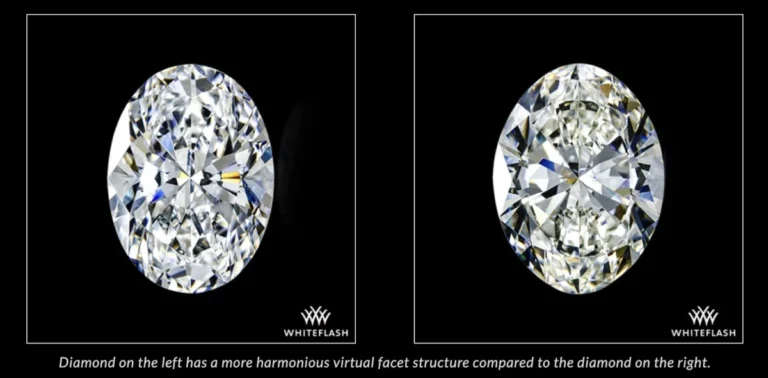
The shape and precise cut of a lab-grown diamond play a pivotal role in how it interacts with light, directly impacting its aesthetic appeal and, consequently, its market value. An expertly executed cut maximizes a diamond’s sparkle, fire, and brilliance by optimizing its proportions, symmetry, and overall facet arrangement. This meticulous craftsmanship results in a diamond that appears more vibrant and captivating. Conversely, a poorly executed cut can diminish these optical qualities, thereby reducing the diamond’s value, even if its other attributes are exceptional.
For lab-grown diamonds, cut quality is paramount. While production methods ensure a consistent, high-quality raw material, achieving the highest degree of precision in cutting and polishing requires the skill of master artisans. Potential imperfections, such as strain or striations from the growth process, or groove marks from specific manufacturing techniques, can subtly affect clarity and light performance, leading to price discrepancies. Savvy buyers often evaluate cut quality through standardized laboratory grading reports and supporting diagnostic tools. For round brilliant diamonds, some consumers also utilize analytical tools like the Holloway Cut Advisor (HCA) as an initial screening mechanism, though it is not a formal certification. Diamonds that demonstrate superior performance in light reflection and visual appeal, often reflected in high cut grades, typically command higher prices.
Understanding Color Grading in Lab-Grown Diamonds
Color in lab-grown diamonds refers to the presence or absence of any color tint, ranging from completely colorless to varying degrees of yellow or brown. Diamonds with grades closer to colorless are generally considered more valuable. These stones exhibit a purer, more "icy" appearance, which enhances their ability to reflect light effectively and complements a wide array of jewelry settings.
The standardized grading scale, commonly ranging from D (colorless) to Z (distinct yellow or brown tint), provides a framework for evaluating diamond color. The rarest and most neutral tones—those closest to D—attract premium prices. A significant advantage of lab-grown diamonds is the enhanced control over color during the creation process. This allows for a greater availability of top-tier color grades, such as D-F, without the steep price escalations often observed with natural diamonds.
However, unintentional tints, such as a grayish cast resulting from manufacturing anomalies or subtle blue hues introduced by impurities, can diminish a diamond’s value by affecting its perceived appearance. The inherent controllability of color in the lab-grown process leads to smaller price differentials between color grades compared to natural diamonds. This allows consumers to prioritize other diamond characteristics while still acquiring visually appealing stones at favorable prices.

Clarity Assessment: The Quest for Flawlessness
Clarity in diamonds, whether natural or lab-grown, quantifies the presence of internal imperfections (inclusions) and external blemishes. These characteristics can influence how light passes through the diamond and its overall transparency. Diamonds with fewer or no visible flaws are inherently more valuable, as they present a cleaner, more flawless appearance under magnification.
Grading categories for clarity range from Flawless (no inclusions or blemishes visible under 10x magnification) down to those with obvious marks. "Eye-clean" diamonds, typically falling within the VS2 to VVS2 range, represent a popular balance between exceptional quality and affordability for many consumers.
Lab-grown diamonds often achieve higher clarity grades more readily due to the controlled environments in which they are created. Nevertheless, minor inclusions that mimic those found in natural diamonds can still occur during the growth process. This can lead to slight price variations across clarity grades, though generally less pronounced than the premiums associated with the extreme rarity of flawless natural diamonds. Factors such as pinpoint clouds or feather inclusions can reduce value if they compromise the diamond’s durability or visibility. Thorough grading reports from reputable laboratories are essential for confirming a diamond’s quality and justifying higher prices for exceptionally clear stones.
Carat Weight: Size Matters, But Not Exclusively
Carat weight is the standard unit of mass for diamonds, with one carat equivalent to 0.2 grams. This measurement directly influences a diamond’s visual presence and its price. Larger diamonds typically command higher prices, as their production requires more resources and time, and they offer a more significant visual impact in jewelry. However, value is not solely determined by size; it is a composite of carat weight in conjunction with other quality attributes.
Advances in technology have enabled the more efficient production of larger lab-grown diamonds, making substantial carat weights more accessible without the prohibitive price jumps seen with natural diamonds. Price increases tend to become more significant for diamonds exceeding 2-3 carats, reflecting the increased complexity of the production processes. Nevertheless, price differentials within this larger carat range generally experience less volatility than in the natural diamond market. This affordability allows buyers to select impressive carat weights while maintaining high standards for cut and clarity.
Production Methods: HPHT vs. CVD and Their Impact on Value
The method employed in creating a lab-grown diamond—either High Pressure High Temperature (HPHT) or Chemical Vapor Deposition (CVD)—significantly influences its production cost and perceived value. The HPHT method simulates the Earth’s natural diamond-forming conditions using large presses, often yielding diamonds with specific crystalline structures and properties. CVD, conversely, involves breaking down carbon-rich gases in a vacuum chamber to deposit layers of carbon atoms onto a diamond seed.

Both HPHT and CVD processes are capable of producing gem-quality diamonds suitable for jewelry. The relative costs and availability can vary depending on the specific producer, the target size, and the desired quality parameters. It is also common for some lab-grown diamonds to undergo post-growth treatments to enhance their color or clarity.
These production methods can influence value due to potential variations in quality. For instance, CVD-grown diamonds might exhibit faint lines or strain patterns that can subtly affect their appearance, while HPHT methods can sometimes lead to unwanted color zoning. Diamonds free from such characteristics, or those that have undergone successful, disclosed treatments, are generally more desirable and can command higher prices. As production technologies continue to advance, the cost of creating diamonds decreases, further impacting market dynamics. Pricing is typically driven by the 4Cs, precision of cut, and the credibility of the grading report. Some retailers may also implement stricter in-house quality control and optical standards, which can influence their pricing strategies.
The Role of Certification in Value Perception
Certification from reputable gemological laboratories is crucial for verifying the attributes of a lab-grown diamond, thereby bolstering buyer confidence in its value. These institutions provide objective reports detailing the diamond’s 4Cs, origin, and any treatments applied. Laboratories such as the Gemological Institute of America (GIA) and the International Gemological Institute (IGI) specialize in thorough evaluations. IGI, in particular, is often favored for its specialized protocols in assessing lab-grown diamonds. Such documentation ensures transparency, differentiating high-quality stones within an increasingly competitive market.
Certified diamonds from esteemed labs like GIA or IGI command higher prices due to their verifiable quality. They offer traceable proof of excellence, mitigating the risks associated with overgrading or undisclosed issues. Buyers prioritize these certifications for assurance, especially as the market for lab-grown diamonds matures. Uncertified or lower-tier graded diamonds may be offered at discounts, even if their specifications appear comparable.
Supply and Demand Dynamics in the Lab-Grown Market
Supply and demand forces exert a significant influence on the valuation of lab-grown diamonds. The rapid expansion of production capabilities has, at times, led to an oversupply of inventory, consequently driving down prices. Ongoing technological advancements continue to reduce manufacturing costs, making newly produced diamonds more affordable and influencing the perceived value of existing inventory. Shifts in consumer preferences, such as a growing demand for larger or uniquely shaped diamonds, can also create temporary price increases for specific categories.
Unlike natural diamonds, whose supply is geologically constrained, lab-grown diamonds can be produced in virtually unlimited quantities. This difference contributes to market volatility. An influx of new producers can lead to substantial price adjustments. Broader economic trends, including a consumer inclination towards more affordable diamond options over rare ones, also impact pricing strategies. Prices in the lab-grown market tend to stabilize around intrinsic quality rather than scarcity. Some sellers differentiate certain lab-grown diamond categories by emphasizing stricter cut standards, superior imaging, and robust documentation, thereby supporting their pricing within their own product offerings.

The Investment Equation: Resale Value and Depreciation
Understanding what determines a diamond’s initial value is only one aspect; its future resale potential is another critical consideration. Lab-grown diamonds, much like many manufactured luxury goods, typically depreciate in value after purchase. While they possess the same physical and chemical properties as natural diamonds, their value retention in the secondary market is generally lower. This is attributable to several factors, including continuous improvements in production technology, an ever-expanding supply chain, and a less established secondary market infrastructure compared to natural diamonds.
Industry observations suggest that lab-grown diamonds may retain only 20-40% of their original retail price in the secondary market, a figure that can fluctuate based on quality and market conditions. This depreciation contrasts with natural diamonds, which, while also depreciating from retail, may retain a higher percentage of their value, depending on their rarity and market demand. The rapid loss in value for lab-grown diamonds is a direct consequence of technological advancements that lower production costs and retail prices over time, diminishing the demand for previously purchased stones.
Several factors contribute to this trend. Scalable manufacturing methods such as CVD and HPHT, coupled with growing global output, mean that as more high-quality lab-grown diamonds enter the market each year, older diamonds must increasingly compete with newer, more affordably priced alternatives. While platforms exist for reselling these diamonds, the pool of buyers is often smaller, leading to lower offers compared to natural diamonds with a known history and perceived scarcity.
Why Natural Diamonds Historically Retain More Value
Natural diamonds possess a finite supply, dictated by geological constraints, and a long-established market presence that contributes to their value retention. While they too depreciate from their initial retail price, their inherent rarity provides a foundational level of perceived value. Lab-grown diamonds, conversely, can be produced under controlled conditions, negating the element of geological scarcity. Consequently, they tend to depreciate more rapidly, similar to other manufactured goods where increased production efficiency leads to reduced costs.
This difference in value retention does not diminish the suitability of lab-grown diamonds for everyday wear or as meaningful gifts. Many buyers are aware of the potential depreciation and are comfortable with this trade-off, prioritizing the significant savings they achieve at the point of purchase. They often view the diamond primarily as an object of beauty and personal adornment rather than a financial investment. For individuals who prioritize legacy, potential appreciation, or a tangible asset that might increase in value over time, natural diamonds may present a more aligned choice.
Durability: An Enduring Quality for All Diamonds
In terms of hardness and durability, lab-grown diamonds are indistinguishable from natural diamonds. Both achieve a perfect score of 10 on the Mohs scale of hardness, making them highly resistant to scratching and abrasion. This inherent toughness ensures that they retain their brilliance and structural integrity when properly cared for. The adage "diamonds are forever" holds true for both types, as they are composed of pure carbon arranged in the same robust crystal lattice structure. Regular cleaning and appropriate handling are essential for maintaining their sparkle and ensuring their longevity, making them suitable for daily wear in engagement rings, heirloom pieces, or any form of jewelry.

The enduring physical qualities of both natural and lab-grown diamonds provide tangible value that extends beyond fluctuations in resale prices. For most owners, the diamond’s appearance and performance remain consistent, offering lasting satisfaction through its inherent beauty and symbolic significance, which often overshadows financial considerations.
Market Trends Shaping the Future of Lab-Grown Diamonds
The continuous increase in lab-grown diamond production has been a primary driver in the downward trend of retail prices. This affordability has broadened accessibility for new buyers, enabling them to acquire more substantial or higher-quality stones. However, it has also exerted downward pressure on the secondary market values. Industry reports consistently indicate market growth, with the potential for further cost reductions as technology continues to advance. This trend is particularly beneficial for consumers purchasing diamonds for personal enjoyment rather than as a speculative investment.
Given the current market trajectory, the likelihood of significant price appreciation for lab-grown diamonds in the resale market appears limited. Consumers seeking transparency can enhance their buying confidence by looking for certifications from trusted laboratories, such as GIA or IGI, which verify quality and origin. While some sellers may provide additional documentation regarding manufacturing or quality control, the grading report remains the primary reference point for most secondary market transactions. Engaging with comprehensive resources like the largest diamond and jewelry forum can offer further insights and facilitate connections with other diamond enthusiasts to stay abreast of market trends and advice.
The Resale Landscape: Navigating Lab-Grown Diamond Transactions
The question of whether lab-grown diamonds are easy to sell hinges on understanding their depreciation patterns and the dynamics of the secondary market. While the notion that lab-grown diamonds are "worthless" for resale is an oversimplification, their resale value is indeed modest. They generally command a price well below their original purchase cost, a common characteristic of many luxury goods. However, well-documented lab-grown diamonds, particularly those accompanied by widely recognized grading reports, can retain a portion of their value. The resale outcomes are typically lower than initial retail prices and are subject to prevailing market conditions.
While the retention rate might be lower than some consumers anticipate, this factor contributes to their initial affordability. This allows buyers to acquire larger, higher-quality diamonds without the pressure of viewing the purchase solely as an investment. By focusing on certified diamonds with clear provenance and documentation, buyers can navigate potential resale scenarios more effectively, transforming perceived limitations into informed opportunities for long-term enjoyment.
The resale market for lab-grown diamonds is intrinsically linked to their ease of production and rapid technological advancements. These factors contribute to an expanding supply and a downward pressure on prices. Unlike natural diamonds, whose value is partly underpinned by scarcity, lab-grown diamonds often experience price reductions as production scales up. Across numerous retailers, pricing for lab-grown diamonds has trended downwards with increased supply, directly impacting the achievable resale value of previously purchased stones.

The Influence of Quality on Resale Value
Prioritizing quality and meticulous documentation is essential for mitigating potential resale challenges. Diamonds with clear growth details and comprehensive laboratory reports typically garner more favorable offers in the secondary market. The key perspective for buyers should be to view these factors as advantageous: lab-grown diamonds offer significant value at the point of purchase, making any subsequent resale returns a welcome bonus rather than a primary financial objective.
Natural diamonds often sell for a percentage of their retail value—ranging from 20% to 60% or more, depending on quality and market conditions—partly due to their perceived scarcity and the established infrastructure of auction houses. In contrast, lab-grown diamonds typically recover around 30% to 40% of their original retail price. For example, a 1-carat lab-grown diamond purchased for $2,000 might resell for approximately $600 to $800. A comparable natural diamond, potentially starting at $10,000, would experience a different depreciation curve. This disparity underscores the differing valuation principles: natural diamonds are valued for their rarity, while lab-grown diamonds are valued for their affordability and accessibility.
The Critical Role of Certification in Resale
The resale value of any diamond is critically dependent on its key qualities, encapsulated by the 4Cs (cut, color, clarity, and carat weight). Certification plays a pivotal role in substantiating these attributes and fostering buyer trust in the secondary market. Reports from laboratories such as GIA or IGI meticulously detail a diamond’s characteristics, including its cut precision, color grade, clarity assessment, and carat weight. Diamonds accompanied by widely trusted lab reports and demonstrating strong cut quality are generally more amenable to resale than comparable stones with less credible documentation.
Additional factors influencing resale include the diamond’s physical condition and the transparency of its production. Diamonds with clear supply-chain records from reputable growers often perform better in resale transactions. Market analyses indicate a growing buyer preference for larger diamonds (exceeding 2 carats) and eye-clean clarity grades. This trend suggests that buyers in the secondary market are increasingly seeking diamonds based on proven excellence and desirable visual attributes for optimal outcomes.
Channels for Resale Transactions
Resale transactions for lab-grown diamonds predominantly occur through online platforms, specialized second-hand marketplaces, and private sales channels. Many traditional jewelers tend to limit their involvement in the resale of lab-grown diamonds due to market dynamics and potential profit margins. Community-driven websites and niche resale venues facilitate these sales, and anecdotal evidence suggests that achievable resale returns typically fall within the 20-40% range for fully certified diamonds.
To optimize the selling process, it is crucial to gather detailed reports, ensure the diamonds are in excellent condition, and compare prices against active listings to establish realistic expectations. Resources like PriceScope offer valuable tools, including diamond price charts, market trend data, and community forums where members share real-world resale experiences and strategies based on current market conditions, making it a significant hub for exploring resale options.

Buyer Priorities in Diamond Selection
When selecting diamonds, buyers should prioritize personal satisfaction and long-term wearability, rather than solely focusing on resale value. The manufacturing process of lab-grown diamonds allows for access to exceptional quality and larger sizes at competitive prices, offering significant everyday value. It is advisable to choose certified options that exhibit strong 4Cs attributes from trusted sources. This approach not only enhances the immediate enjoyment of the diamond but also provides a more favorable foundation should a resale become necessary. Reputable retailers such as Whiteflash, James Allen, and Blue Nile offer extensive selections with dependable grading, facilitating the discovery of diamonds that combine immediate appeal with informed secondary market potential.
The Role of PriceScope in Informed Diamond Purchasing
For individuals contemplating the purchase of a lab-grown diamond or exploring its resale potential, engaging with the PriceScope community offers invaluable support. As the world’s largest independent diamond and jewelry forum, it boasts over 120,000 members and a vast repository of over 260,000 threads of real-user discussions. Joining focused discussions on lab-grown diamonds allows participants to share resale experiences, analyze current market trends, and receive practical advice from a diverse group of buyers.
PriceScope’s suite of tools, including a real-time diamond search and comparison engine covering over a million natural and lab-grown diamonds from trusted vendors, provides essential resources. Monthly updated loose diamond price charts and expert educational materials empower users to compare their options with confidence. Whether evaluating value retention, assessing the impact of the 4Cs, or seeking second opinions on certifications and valuations, PriceScope delivers unbiased, pressure-free insights, enabling buyers to make more informed decisions.
Understanding resale value is important, but its practical application is contingent on knowing where transactions occur and how to navigate them effectively. The largest diamond and jewelry forum serves as a critical resource for gaining this knowledge.
Engaging with the Premier Diamond and Jewelry Forum
While resale values for lab-grown diamonds may remain modest and market conditions are perpetually evolving, navigating these complexities is significantly easier with access to peer-driven knowledge. Rather than relying solely on vendor marketing, individuals can connect with thousands of buyers, sellers, and long-time enthusiasts in forums where genuine experiences are prioritized over sales pitches. Members who have recently sold diamonds share their recovery percentages, the negotiation processes they encountered, and lessons learned, providing a realistic perspective.
PriceScope connects users with the largest independent diamond community online, cultivated over two decades of candid discussions about the post-purchase realities of diamonds. Its search tools enable real-time comparison of lab-grown diamond prices across trusted vendors, offering insights into market rate fluctuations since a purchase or prior to a potential acquisition. Forum threads document numerous resale stories, detailing specific recovery percentages, negotiation tactics, and strategies that proved effective or ineffective. When considering when to list a diamond or how to price a certified stone, seeking advice from individuals who have navigated similar situations and can share insights into actual offers received is invaluable.

The Holloway Cut Advisor tool assists in evaluating cut quality with a level of detail often exceeding that provided by retail consultants, identifying diamonds with excellent light performance that maintain their appeal over time. Vendor reviews from actual customers offer insights into which sellers provide documentation that supports resale and which may offer certificates that buyers in the secondary market find less trustworthy. This wealth of information, gleaned from a community that has witnessed the evolution of the lab-grown diamond market year by year, helps clarify which factors continue to command premiums even as the market becomes more commoditized. Making decisions informed by peer knowledge and clear data is invariably more advantageous than relying on conjecture.
The Future Outlook for Lab-Grown Diamonds
Over time, lab-grown diamonds are increasingly being recognized as enduring keepsakes rather than speculative investments. Their value is derived from emotional significance and their suitability for daily wear. Advancements in production methods continue to enhance quality and stabilize market conditions, as evidenced by reports highlighting growing consumer acceptance. To align with this trend, selecting diamonds with strong, verifiable attributes from the outset is paramount, fostering joy through ownership. When considering resale, it becomes a more straightforward process—making informed choices that ensure happiness extends beyond monetary considerations.
Practical Prospects for Resale
While understanding the possibility of resale is beneficial, grasping the practical implications of that resale value is crucial. The resale value of lab-grown diamonds is generally modest, reflecting their manufactured origin and the continuous expansion of production capacity. Industry analyses from recent years indicate that these diamonds typically retain between 20% and 40% of their original retail purchase price in the secondary market, with many sources converging around the 30-40% range for certified, high-quality specimens.
This depreciation occurs more rapidly than with natural diamonds due to the abundant supply and ongoing price reductions in new production. Buyers benefit most by focusing on the superior size, clarity, and overall quality that can be achieved at lower upfront costs. While resale should be considered a possibility, it should not be the primary motivation for purchase.
Common Resale Value Percentages
Lab-grown diamonds typically recover 20-40% of their initial retail cost when resold, according to multiple market reports and analyses. For instance, data indicates averages in the 30-40% range for certified items in the secondary market. Factors such as certification, cut quality, and the diamond’s comparison to current new-retail pricing often hold more significance than the growth method in most resale scenarios.
This price range exists because lab-grown diamonds lack the geological scarcity that underpins value retention in other categories. A diamond purchased for a few thousand dollars might resell for several hundred to low thousands. Nevertheless, the significant savings realized at the point of purchase make the overall proposition appealing to those prioritizing immediate use and visual appeal over long-term investment potential.

Comparing Resale Values: Natural vs. Lab-Grown
Natural diamonds typically retain 25-60% of their value when resold, aided by their rarity and more established resale channels. Lab-grown diamonds, conversely, generally resell for less than natural diamonds of comparable size and appearance, primarily because new lab-grown supply is abundant and competitively priced.
This difference highlights the distinct factors influencing each diamond type’s value. Natural diamonds may offer better value retention for those viewing them as an investment. Lab-grown diamonds, however, are well-suited for achieving high quality at a lower cost. Most experts agree that neither type is a suitable traditional investment. Therefore, purchasing decisions largely depend on individual priorities, including budget, desired size, and overall satisfaction.
The 4Cs and Their Impact on Resale
The 4Cs—cut, color, clarity, and carat—are critical determinants of a lab-grown diamond’s performance in the resale market. These attributes significantly influence desirability and appeal to buyers in the secondary market. Superior cut quality, particularly when supported by comprehensive grading reports, enhances light performance and can lead to greater interest and prices closer to expected retention levels.
Diamonds exhibiting excellent color in the near-colorless range, high clarity that is eye-clean or better, and substantial carat weight generally perform better in resale markets, aligning with buyer preferences for standout visual appeal. Diamonds with lower grades in these categories may face larger price reductions, underscoring the importance of selecting well-balanced, high-performing diamonds from the outset to improve resale prospects.
Certification’s Influence on Resale Prospects
Certification from respected labs like GIA or IGI provides objective confirmation of a diamond’s characteristics and its lab-grown origin. This builds buyer trust and can positively impact resale value. Comprehensive reports detailing the 4Cs and other relevant information make certified diamonds easier to sell and support secondary market transactions. For diamonds with exceptional cut standards, GIA reports add recognized prestige, making the diamond more appealing for resale by demonstrating verified superior light return. While detailed information from the grower can enhance buyer confidence, it does not provide absolute guarantees.
Typical Resale Transaction Venues
Resale transactions for lab-grown diamonds primarily occur through online platforms, specialized second-hand marketplaces, and private sales. Traditional jewelers often have limited involvement due to market dynamics and profit considerations. Community-driven websites and niche resale venues facilitate these sales, with achievable results generally falling within the 20-40% range for fully certified diamonds. To sell effectively, it is essential to gather detailed reports, ensure the diamond is in excellent condition, and compare prices with active listings to set realistic expectations.

Prioritizing Buyer Choices
Buyers should prioritize lab-grown diamonds for personal satisfaction and long-term wear, rather than focusing on resale value. Their production offers access to outstanding quality and larger sizes at competitive prices, providing tremendous everyday value. Choosing certified options with strong 4Cs attributes from trusted sources is advisable, as this enhances both immediate enjoyment and potential resale outcomes. Retailers such as Whiteflash, James Allen, and Blue Nile offer extensive selections with dependable grading, simplifying the process of finding diamonds that combine immediate appeal with informed secondary market potential.
How PriceScope Aids Diamond Buyers
For those ready to make an informed decision about purchasing a lab-grown diamond or understanding its resale implications, joining the PriceScope community is recommended. As the world’s largest independent diamond and jewelry forum, it offers a platform for real-user discussions and advice. Engaging in focused discussions on lab-grown diamonds allows for the sharing of resale experiences, analysis of market trends, and acquisition of practical advice. PriceScope’s tools, including a real-time diamond search engine and comparison tool, cover over one million natural and lab-grown diamonds from trusted vendors. Monthly updated loose diamond price charts and expert educational resources provide further assistance in comparing options confidently. Whether assessing value retention, the impact of the 4Cs, or seeking opinions on certification, PriceScope offers unbiased insights for smarter decision-making.
Understanding resale value is useful, but only if paired with knowledge of where transactions occur and how to manage them effectively. The largest diamond and jewelry forum provides this critical context.
Joining the Premier Diamond and Jewelry Forum
Resale values for lab-grown diamonds remain modest, and market conditions are continuously evolving. However, navigating these dynamics is simplified through community support. Participants in forums share their real experiences, offering insights beyond vendor marketing. Thousands of buyers, sellers, and enthusiasts converge daily, prioritizing genuine experiences over sales pitches. Those who have recently sold diamonds share their recovery percentages, negotiation experiences, and lessons learned, providing a realistic perspective.
PriceScope connects users with the largest independent diamond community online, built over two decades of candid conversations about post-purchase realities. Its search tools enable real-time comparison of lab-grown diamond prices across trusted vendors, providing insights into market rate changes. Forum threads contain numerous resale stories detailing recovery percentages, negotiation tactics, and effective strategies. Seeking advice from those who have navigated similar situations and can share insights into actual offers received is invaluable when considering resale.
The Holloway Cut Advisor tool aids in evaluating cut quality, identifying diamonds with excellent light performance. Vendor reviews from actual customers offer insights into sellers providing documentation that supports resale. This wealth of information, from a community that has witnessed the evolution of the lab-grown market, clarifies which factors continue to command premiums. Making decisions based on peer knowledge and clear data is always more advantageous than relying on speculation.