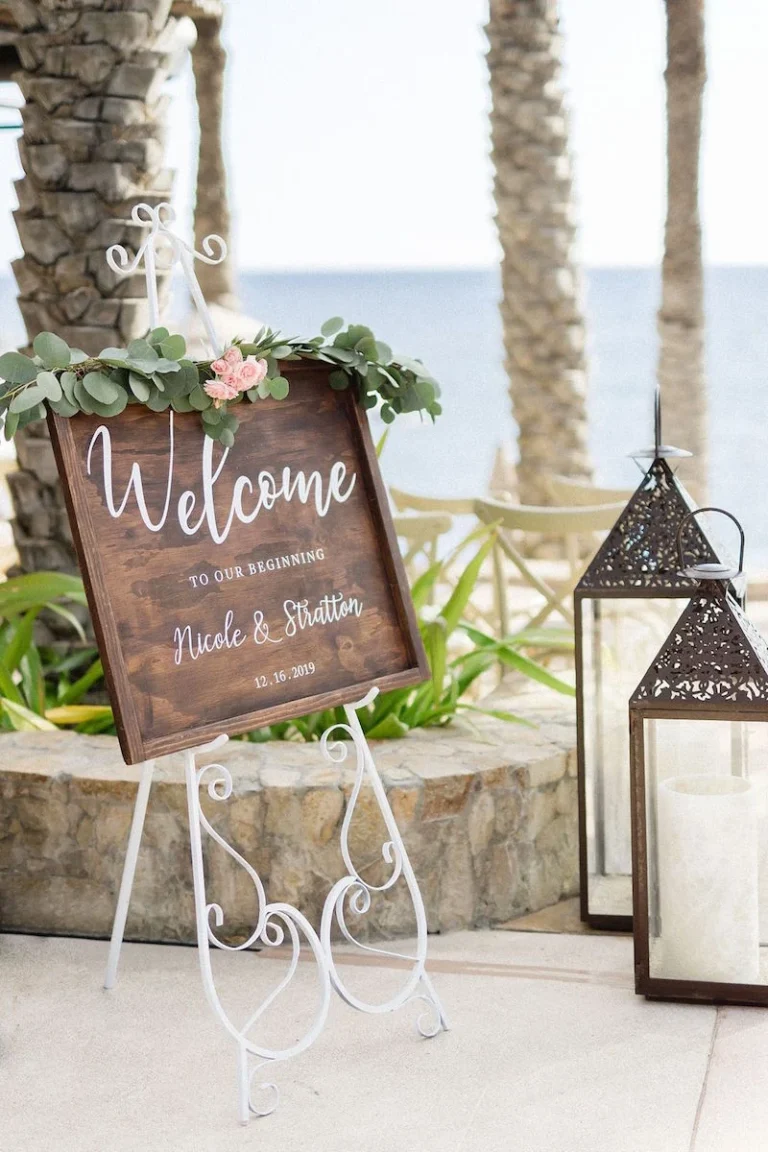




For many couples, the allure of a destination wedding at a resort represents the pinnacle of romantic celebration, blending a dream honeymoon locale with the joyous occasion of marriage. However, transforming this idyllic vision into reality necessitates meticulous planning that extends far beyond selecting a picturesque backdrop. The process of securing a resort for a destination wedding involves a comprehensive research phase, delving into the intricacies of the chosen location and the services offered by potential venues. To navigate this complex landscape and ensure a seamless experience, prospective couples are advised to arm themselves with a specific set of inquiries. By asking the right questions, couples can significantly streamline their decision-making process and confidently identify the resort that will host their unforgettable day.
The Growing Appeal of Destination Weddings
The trend towards destination weddings has seen consistent growth over the past decade. According to industry reports, the market for destination weddings is projected to expand further, driven by a desire for unique, intimate, and experience-rich celebrations. Couples are increasingly seeking to escape the traditional pressures of local wedding planning, opting instead for settings that offer both a stunning matrimonial venue and an extended vacation for themselves and their guests. The average cost of a destination wedding can vary widely, but often, when factoring in guest attendance and accommodation, they can offer a more controlled budget compared to a large, traditional wedding at home. Data from wedding industry surveys indicates that while the average cost of a domestic wedding can range from $25,000 to over $50,000, destination weddings, though seemingly expensive due to travel, can sometimes present a more cost-effective option when all components are considered, especially with package deals. This shift in preference underscores the importance of thorough due diligence when selecting a resort that can adequately cater to these evolving expectations.
Key Inquiries for Resort Selection
To facilitate a more informed and efficient selection process, a comprehensive list of questions has been compiled, targeting critical aspects of resort services and policies that directly impact the destination wedding experience. These questions are designed to elicit detailed information, enabling couples to compare offerings and make decisions based on concrete data rather than assumptions.
1. Inquire About Exclusive Honeymoon Packages
A common and highly beneficial question for couples to pose to destination wedding resorts is whether they offer dedicated honeymoon packages. Recognizing that couples often invest significantly in their destination wedding, many resorts aim to retain guests by providing attractive post-nuptial stay options. These packages are frequently designed to be more budget-friendly than arranging a separate honeymoon trip, allowing newlyweds to extend their stay at the same resort, often at a discounted rate. Understanding the specifics of these packages, including inclusions, duration, and pricing, is crucial for couples to assess how they align with their overall wedding budget and their desires for a prolonged celebration. This foresight can turn the wedding venue into a dual-purpose destination, seamlessly transitioning from wedding celebrations to a romantic honeymoon.
- Supporting Data: Anecdotal evidence and industry trends suggest that resorts offering combined wedding and honeymoon packages often see higher guest retention rates and positive post-event reviews. These packages can range from complimentary room upgrades and spa credits to curated romantic dinners.
- Analysis: The provision of honeymoon packages demonstrates a resort’s understanding of the wedding lifecycle and its commitment to enhancing the overall guest experience beyond the ceremony itself. It indicates a business model that values long-term client relationships.
2. Assess the Availability of Room Block Discounts
When planning a destination wedding, even for a relatively intimate gathering of 20 to 30 guests, a substantial number of room bookings will be required. Therefore, a critical negotiation point with resort representatives is the possibility of a room block discount. Couples should inquire if the resort offers preferential rates for guests who book a predetermined number of rooms. It is advisable for couples to conduct thorough research on the average nightly rates in the local area before engaging in negotiations. This homework empowers them to negotiate effectively, potentially securing lower per-night prices for their guests, thereby making the trip more financially accessible for everyone involved.
- Background Context: Hotel room block negotiations are a standard practice in event planning. The success of these negotiations often hinges on the estimated number of rooms booked and the seasonality of the resort.
- Analysis: A well-negotiated room block discount not only eases the financial burden on guests but also centralizes accommodation, simplifying logistics for the wedding party and fostering a sense of community among attendees. It can also be a strong indicator of a resort’s willingness to be flexible and accommodating to large groups.
3. Determine if an On-Site Planner is Provided
Resorts that specialize in hosting weddings often include the services of an on-site wedding planner as part of their event fees. This is a significant advantage for couples planning from afar. An on-site planner possesses intimate knowledge of the resort’s spaces, its capabilities, and its operational rhythms. They can expertly leverage the venue’s assets to create the couple’s desired wedding vision. This insider expertise is invaluable compared to engaging an external planner who may not have prior experience with the specific resort, potentially leading to a steeper learning curve and unforeseen challenges.
- Timeline/Chronology: The decision to hire an on-site planner is often made early in the venue selection process. Couples can inquire about this service during initial venue tours or phone consultations.
- Statements/Reactions (Inferred): Couples who have utilized on-site planners often report a significant reduction in stress and a greater ability to focus on the emotional aspects of their wedding, rather than the logistical minutiae. They frequently cite the planner’s proactive approach and local knowledge as key to a smooth event.
4. Clarify the Availability of Rental Supplies
Essential for any wedding are numerous small items, such as chargers, decorative candles, and other tabletop elements. If a resort does not readily provide these amenities, couples will need to engage external event rental companies. The logistical challenge of transporting such items internationally or even domestically via air travel is often prohibitive. Therefore, it is highly advantageous if the resort can either supply these items directly or has established partnerships with local rental companies that can deliver and set up orders.
- Supporting Data: The cost of renting event supplies can add a considerable sum to a wedding budget. Industry estimates suggest that rental fees for basic tableware, linens, and decorative items can range from several hundred to several thousand dollars, depending on the quantity and complexity.
- Analysis: A resort that offers a comprehensive inventory of rental items, or has readily accessible local partners, simplifies the planning process by reducing the number of vendors couples need to manage. This can also lead to cost savings due to bundled services or local delivery efficiencies.
5. Confirm In-House Catering Services
Many destination wedding resorts feature on-site restaurants and culinary teams, which can extend their services to provide comprehensive catering for the wedding itself. This often includes options for wedding reception dinners, in-suite breakfasts for guests, and bartender services. It is crucial for couples to ascertain whether these catering services are included in the initial event fees or are considered an additional expense. Understanding the pricing structure and menu options is paramount to ensuring the culinary experience aligns with the couple’s expectations and budget.
- Background Context: In-house catering is a standard offering at most full-service resorts. The quality and variety of cuisine can be a significant differentiator between venues.
- Analysis: Relying on in-house catering can streamline coordination, as dietary restrictions and menu preferences can be managed directly with a single vendor. It also ensures that the culinary team is familiar with the venue’s kitchen facilities and service standards.
6. Inquire About Scheduled Events on the Property
To avoid potential conflicts or a feeling of being rushed, it is prudent for couples to inquire about any other significant events scheduled to take place at the resort concurrently with their wedding. This question helps gauge the overall busyness of the property and the potential for shared resources or crowded common areas. Knowing if other large-scale events are occurring can inform expectations regarding crowd levels, availability of staff, and the general ambiance of the resort during the wedding period.
- Timeline/Chronology: This inquiry should be part of the initial venue assessment, ideally before signing any contracts, to understand potential impacts on the wedding day.
- Analysis: A resort that can effectively manage multiple events simultaneously without compromising the experience of any single event demonstrates strong operational capacity. However, understanding the scale of other events can help couples anticipate potential impacts on privacy and exclusivity.
7. Understand the Local Climate and Weather Patterns
A fundamental aspect of planning any wedding, especially one held outdoors or in a location with distinct seasonal variations, is understanding the prevailing weather conditions. Inquiring about the typical weather patterns in the chosen destination will provide invaluable insights for selecting appropriate settings for the ceremony, reception, and any ancillary activities. For instance, if an area is consistently sunny and hot, couples might prioritize shaded outdoor areas or indoor venues with robust air conditioning. Conversely, a region prone to rain or cooler temperatures would necessitate a strong emphasis on indoor facilities and contingency plans for inclement weather.
- Supporting Data: Climate data, such as average temperatures, rainfall, and humidity levels for different seasons, can be readily accessed through meteorological services and travel websites. For example, Caribbean destinations may experience hurricane seasons, while European locations have distinct summer and winter climates.
- Analysis: Proactive understanding of the climate allows for informed decisions regarding attire, decor, and the overall flow of the wedding day, ensuring guest comfort and the successful execution of planned activities. It also helps in selecting the optimal time of year for the wedding.
8. Investigate Photographer Availability
Many popular wedding resorts often retain an in-house photographer who specializes in capturing bridal portraits and documenting the entire wedding day. This can be a convenient and cost-effective option, as the photographer is likely familiar with the resort’s best vantage points and lighting conditions. Smaller hotels or venues with a lower volume of weddings may not offer this service due to budgetary constraints or a less specialized focus on matrimonial events. Couples should inquire about the availability of an in-house photographer and, if available, review their portfolio to ensure their style aligns with the couple’s preferences.
- Background Context: The inclusion of photography services can vary significantly. Some resorts offer basic coverage, while others provide comprehensive packages with multiple shooters and extensive editing.
- Analysis: Having an in-house photographer can simplify logistics and ensure continuity of style. However, couples should also explore options for external photographers if the resort’s offering does not meet their specific artistic vision or if they desire a different photographic approach.
9. Consider the Need for a Professional DJ
While some resorts might offer basic sound systems capable of playing music from a personal device, this is often a far cry from the services provided by a professional DJ. A skilled DJ does more than just play music; they manage the flow of the event, cue the music for key moments such as the processional and recessional, direct toasts, and energetically introduce the wedding party and guests during the reception. For couples seeking a seamless and engaging atmosphere, hiring a professional DJ is often a worthwhile investment. They ensure that the musical aspect of the wedding contributes positively to the overall celebration.
- Timeline/Chronology: The decision to hire a DJ is typically made after securing the venue and understanding the entertainment options provided. Many DJs can be booked up to a year in advance.
- Analysis: The presence of a professional DJ significantly enhances the guest experience by providing structure and entertainment. Their ability to read the crowd and adapt the music accordingly is crucial for a dynamic and memorable reception.
10. Explore Payment Plan Options
The financial commitment associated with a destination wedding resort can be substantial, often running into tens of thousands of dollars. Given this significant investment, it is highly advisable for couples to inquire about the availability of payment plans. Many resorts are amenable to working with couples to establish a payment schedule that spreads the cost over time, potentially alleviating the pressure of a large upfront payment in the days leading up to the ceremony. Understanding the terms, deposit requirements, and final payment deadlines associated with any offered payment plan is essential for effective financial management.
- Supporting Data: The average cost of a destination wedding package can range from $10,000 to $30,000 or more, depending on the location, resort, and inclusions. Flexible payment options can make these significant investments more manageable.
- Analysis: The availability of payment plans indicates a resort’s flexibility and commitment to accommodating couples’ financial needs. It demonstrates a willingness to partner with clients to ensure their dream wedding is achievable without undue financial strain.
Strategic Comparison and Decision-Making
Armed with the answers to these ten critical questions, prospective couples are well-equipped to embark on a strategic comparison of different destination wedding resorts. It is highly recommended to contact several resorts within the desired geographical area. By systematically evaluating each venue’s offerings against these criteria, couples can identify the package that most comprehensively aligns with their vision, budget, and logistical requirements. This thorough due diligence process is the bedrock of a successful destination wedding, transforming a dream into a beautifully executed reality.