

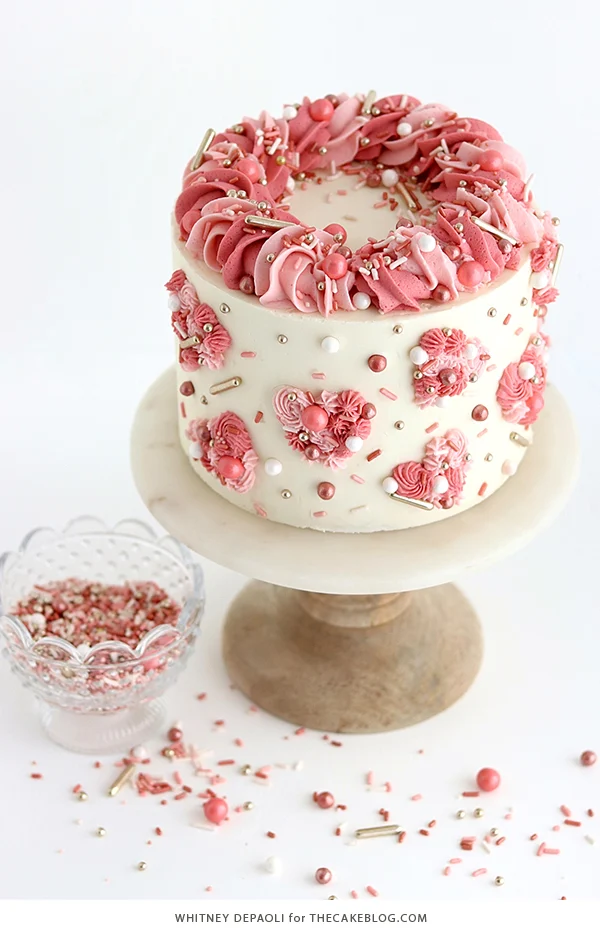
The intersection of traditional seasonal aesthetics and modern social media-driven confectionery techniques has birthed a new standard for domestic pastry arts, as evidenced by the recent unveiling of a sophisticated buttercream application method designed for the Valentine’s Day season. Developed by Whitney DePaoli, a prominent contributor to the industry-leading platform The Cake Blog, the "Piped Hearts" technique represents a strategic shift in how home bakers approach holiday-themed cake decoration. This methodology, which synthesizes textural piping with precise geometric imprinting, offers a scalable solution for creators seeking to produce professional-grade visual results without the requirement of advanced sculptural training.
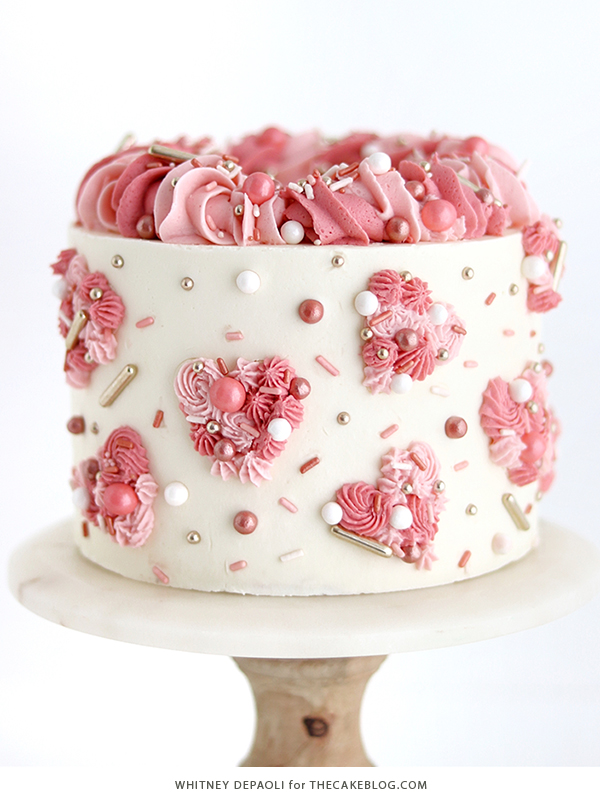
By leveraging accessible tools such as standard star tips and heart-shaped cookie cutters, the technique democratizes high-end cake design. The design’s primary innovation lies in its "fill-in" approach, where the structural integrity of a heart shape is maintained not through a single stencil or mold, but through a mosaic of diverse buttercream textures. This approach mirrors broader trends in the "Caketagram" community—a subset of Instagram-based culinary influencers—where depth, dimension, and mixed media (such as sprinkles and metallic dragées) have become the benchmarks of contemporary success.
Historical Context and the Evolution of Valentine’s Confectionery
Valentine’s Day has long served as a critical fiscal and creative anchor for the global baking industry. Historically, the holiday’s culinary output was dominated by simple heart-shaped sponges and basic red-and-white color palettes. However, the 21st-century shift toward "edible art" has necessitated a more nuanced approach. According to market data from the National Retail Federation (NRF), spending on Valentine’s Day consistently reaches multi-billion dollar thresholds, with a significant portion of consumer interest directed toward specialty food items and "experience-based" home baking.
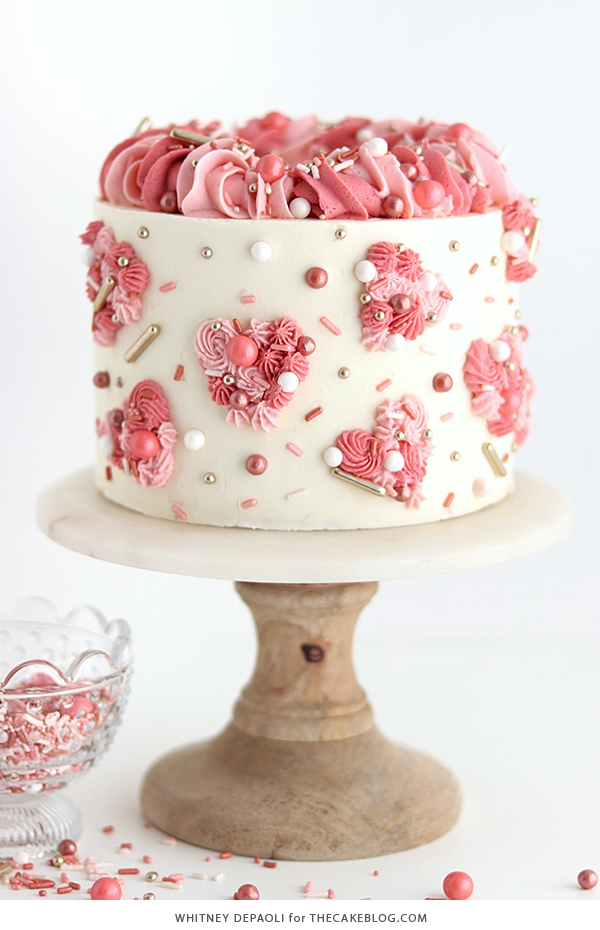
The Piped Hearts Valentine’s Cake enters this market at a time when consumer demand for "Instagrammable" content is at an all-time high. Industry analysts observe that the modern baker is no longer satisfied with traditional flat-surface decorating; there is a quantifiable preference for "maximalist" designs that utilize varied heights and light-reflective elements. Whitney DePaoli’s tutorial acknowledges this shift by citing @frostedfujicakes, a notable digital creator, as the primary inspiration for the technique. This acknowledgment highlights the collaborative and iterative nature of modern pastry trends, where techniques are shared, refined, and disseminated through digital ecosystems.
Technical Methodology and Procedural Chronology
The execution of the Piped Hearts design follows a rigorous chronological framework designed to ensure both aesthetic consistency and structural stability. The process begins with a foundation of chilled buttercream, a prerequisite that allows for the precise imprinting of shapes without compromising the integrity of the base coat.
Phase I: Pigment Integration and Equipment Preparation
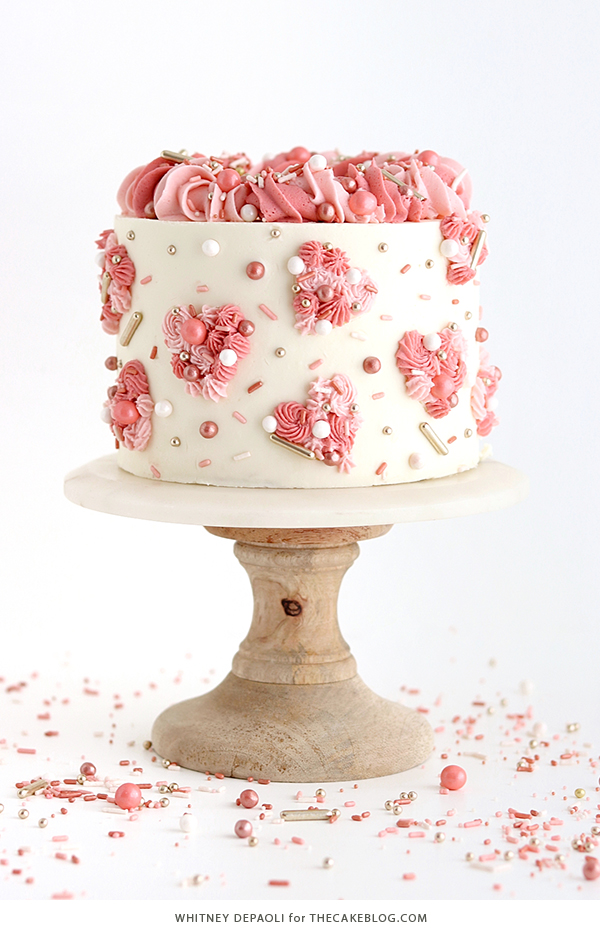
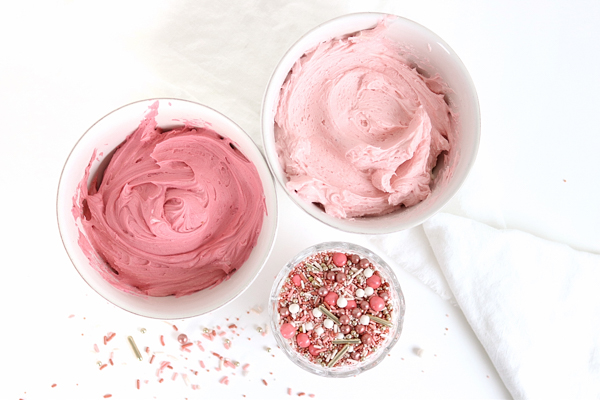
The initial stage involves the strategic coloring of the medium. For this specific iteration, DePaoli utilizes a rose gold-inspired palette, achieved through the use of Americolor Dusty Rose gel. From a technical standpoint, gel-based pigments are preferred over liquid dyes to prevent the thinning of the buttercream’s consistency. The medium is divided into two distinct shades to create visual depth.
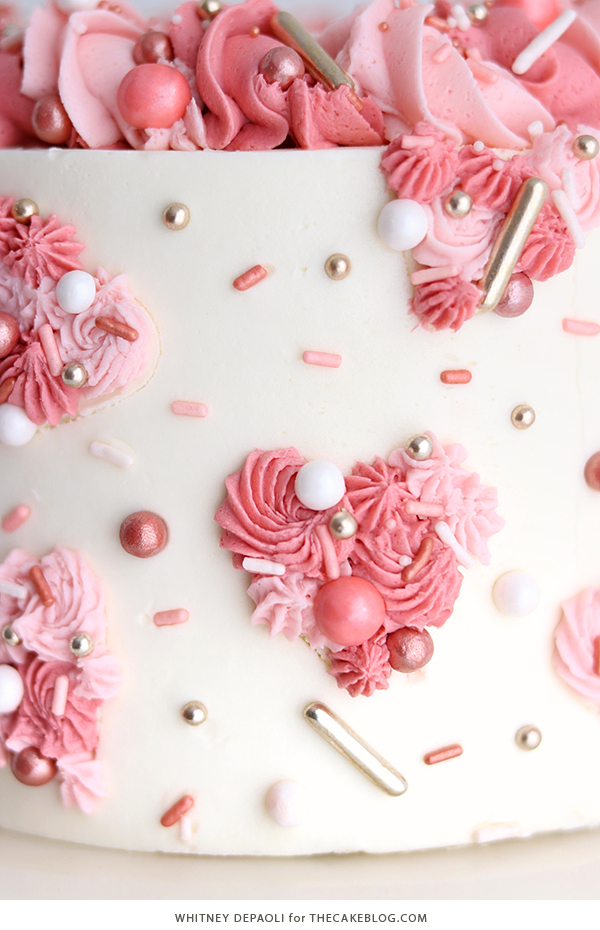
The equipment loadout is specific: four piping bags are utilized, fitted with a variety of stainless steel tips including the 1M (large open star), the 199 (small open star), and the 21 (medium open star). This variety is essential for creating the "tapestry" effect within the heart shapes, as it allows for a range of rosette and star sizes.
Phase II: Geometric Imprinting
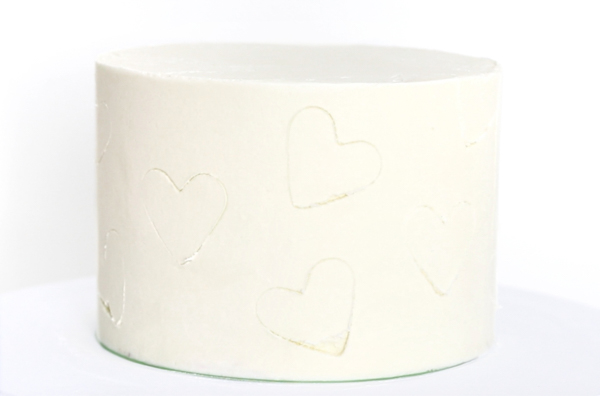
The most critical step for ensuring symmetry is the use of a heart-shaped cookie cutter as a guide. Rather than free-handing the shapes, the baker gently presses the cutter into the chilled exterior of the cake. This creates a faint but permanent guide. Industry professionals note that this "template-first" approach significantly reduces the margin of error for non-professional decorators, ensuring that the final pattern appears intentional and balanced rather than haphazard.
Phase III: Textural Application and Mixed-Media Accents
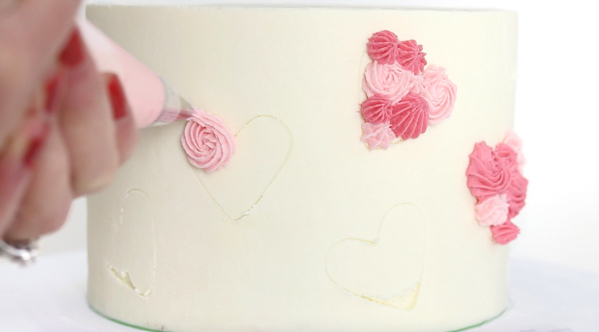
Following the imprinting, the baker fills the heart shapes with a dense collection of piped stars and rosettes. The technique requires a "controlled randomness," where different sizes and shades of pink are intermingled to fill the geometric boundary.
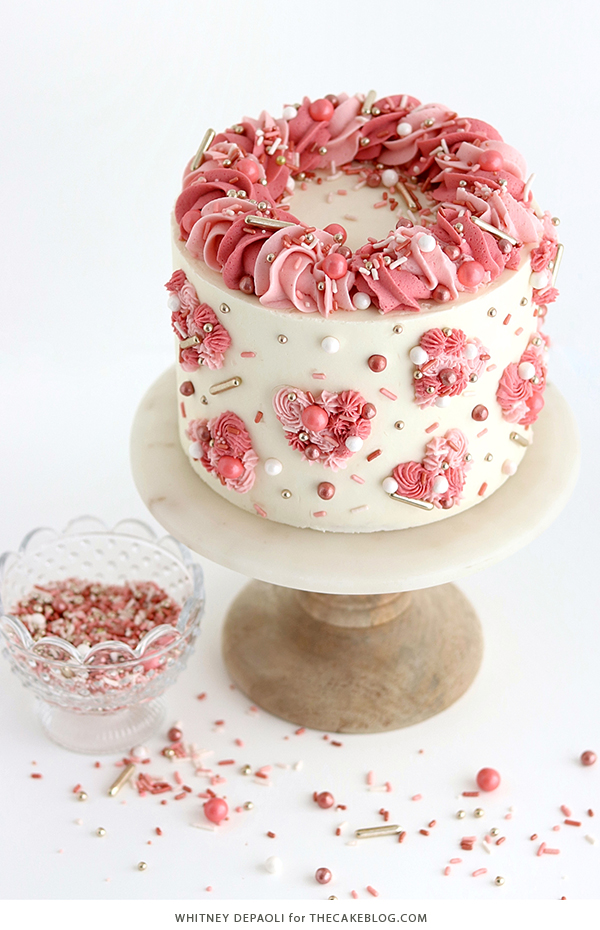
The introduction of sprinkles serves a dual purpose: it hides any minor gaps in the piping and adds a reflective quality to the matte buttercream. DePaoli recommends a "damp towel" method for sprinkle placement—a professional tip where the decorator’s fingertip is slightly moistened to pick up individual sprinkles for precise placement. This level of detail-oriented application is what elevates the design from a standard domestic project to a professional-grade centerpiece.
Material Science: The Role of American Buttercream
The tutorial specifically advocates for the use of American Buttercream (ABC), a choice that reflects both the accessibility of the recipe and its structural properties. Unlike Swiss or Italian Meringue Buttercreams, which are prized for their silkiness but can be sensitive to temperature and humidity, American Buttercream offers a higher crusting potential. This "crust" allows the intricate piped details—the sharp ridges of the 1M rosettes and the delicate points of the 199 stars—to remain defined over time.
From a chemical perspective, the high sugar-to-fat ratio in ABC provides the necessary "stiffness" required for vertical piping on the sides of a cake. For the Piped Hearts technique, this stability is paramount, as the weight of the sprinkles and the density of the rosettes could cause sagging in softer frosting variants.
Safety Standards and Regulatory Considerations
A notable inclusion in the tutorial is the cautionary advice regarding the use of metallic dragées. Gold and silver rods, often used to add a "luxury" finish to modern cakes, occupy a complex space in food safety regulations. While these items are frequently sold as "cake decorations," the U.S. Food and Drug Administration (FDA) has not approved many metallic coatings for human consumption.

The article maintains a journalistic commitment to consumer safety by advising that guests be instructed to remove certain decorative elements, such as long gold rods, before eating. This transparency reflects an increasing awareness within the culinary community regarding the distinction between "non-toxic" and "edible" labels. Professional bakers are increasingly adopting these disclosure practices to mitigate liability and ensure guest well-being.
The Final Flourish: The Rosette Rope Border
The design concludes with a "rosette rope border" on the top circumference of the cake. This element serves to "frame" the vertical heart patterns below. By alternating colors and piping in a counter-clockwise motion at a 45-degree angle, the baker creates a sense of movement and continuity. This border is not merely decorative; it provides a structural finish that draws the eye upward, completing the visual narrative of the cake.
Broader Impact on the Home Baking Industry
The release of this tutorial is representative of a larger movement toward specialized home baking. Analysts from the International Dairy Deli Bakery Association (IDDBA) suggest that the "DIY" movement in pastry has evolved into a "DIFM" (Do It For Me) aesthetic, where home bakers strive to replicate professional results for social validation and personal satisfaction.
The Piped Hearts Valentine’s Cake is more than a seasonal recipe; it is a case study in how complex design can be broken down into repeatable, technical steps. By providing a clear methodology—imprint, pipe, accent—creators like Whitney DePaoli are bridging the gap between the professional kitchen and the domestic counter.
Conclusion and Future Outlook
As Valentine’s Day continues to evolve as a major commercial and creative event, the demand for innovative decorating techniques is expected to grow. The Piped Hearts method, with its emphasis on texture, color theory, and geometric precision, sets a high bar for the 2024 season and beyond. It demonstrates that with the right tools and a disciplined approach to process, the traditional symbols of the holiday can be reimagined for a modern audience.
Future trends in this space likely include the integration of more sustainable ingredients and the continued rise of "mixed-media" cakes that combine buttercream with wafer paper, dried florals, and sophisticated sprinkle blends. For now, the Piped Hearts Valentine’s Cake stands as a definitive example of contemporary holiday baking: a blend of tradition, social media influence, and meticulous technical execution.