

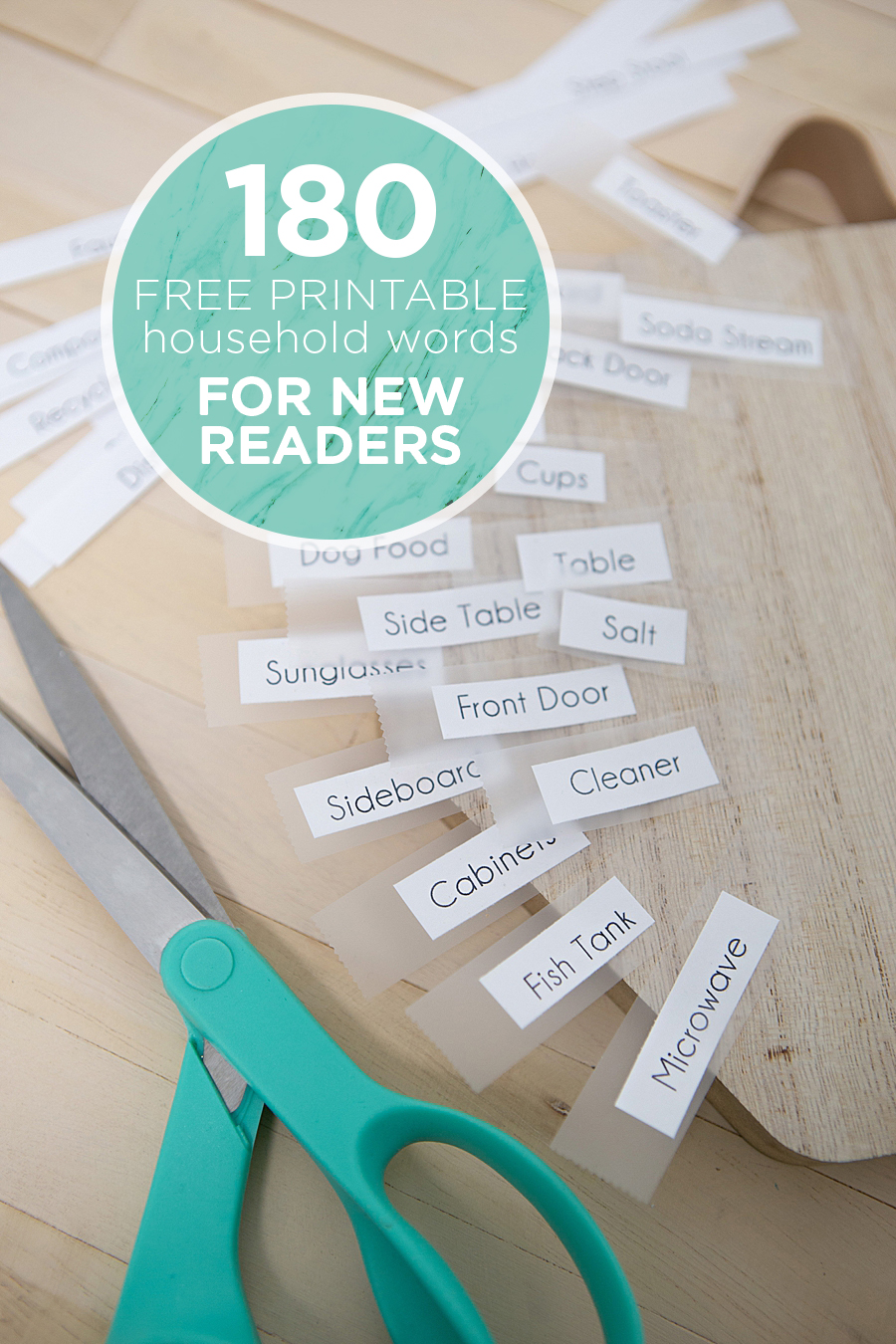
The implementation of environmental print strategies within the domestic sphere has gained significant momentum with the release of a specialized 180-word printable resource designed to bridge the gap between oral language and literacy for early readers. This initiative, developed by educational content creator Jen Causey-Kidder of Something Turquoise, focuses on the "labeling" method—a pedagogical approach long favored by reading specialists to enhance word recognition through high-frequency exposure. By transforming the home into an immersive learning environment, the project aims to utilize the familiarity of household objects to solidify the connection between visual symbols and their spoken counterparts.
The Pedagogical Foundation of Environmental Print
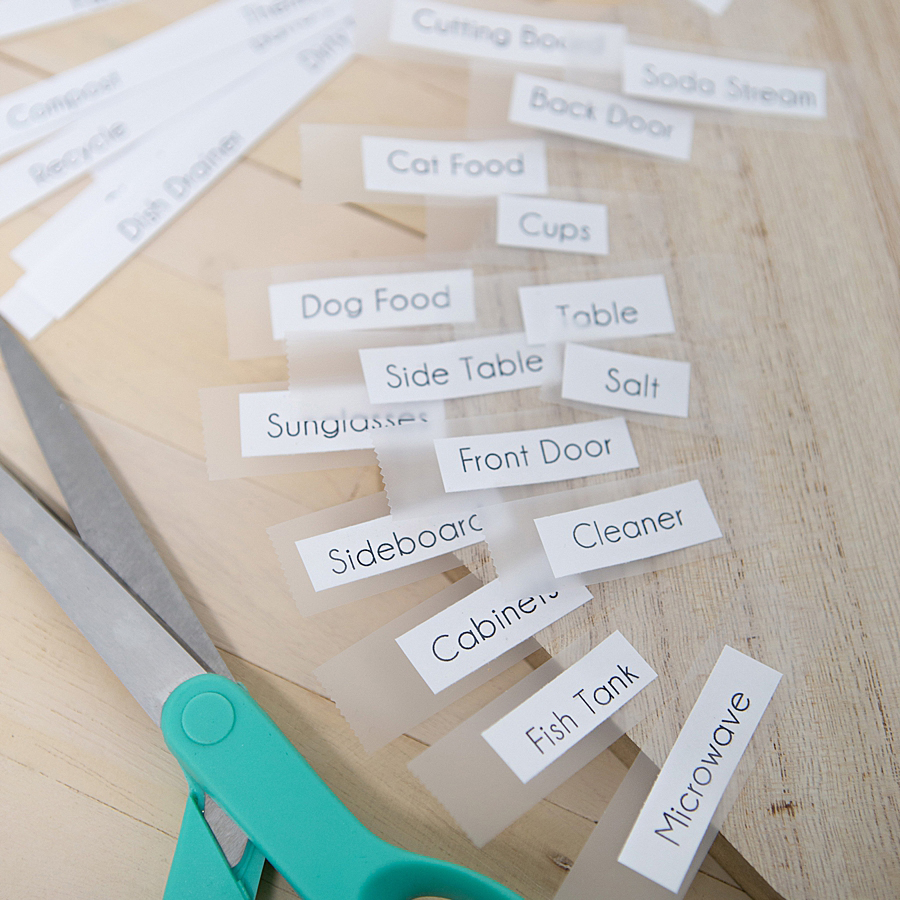
The concept of environmental print refers to the print of everyday life—the signs, labels, and logos that children encounter in their natural surroundings. Educational researchers have long asserted that environmental print is often the first "text" a child learns to read. The newly released 180-word set capitalizes on this developmental milestone by providing a structured, clear, and comprehensive list of items found in typical residential settings.
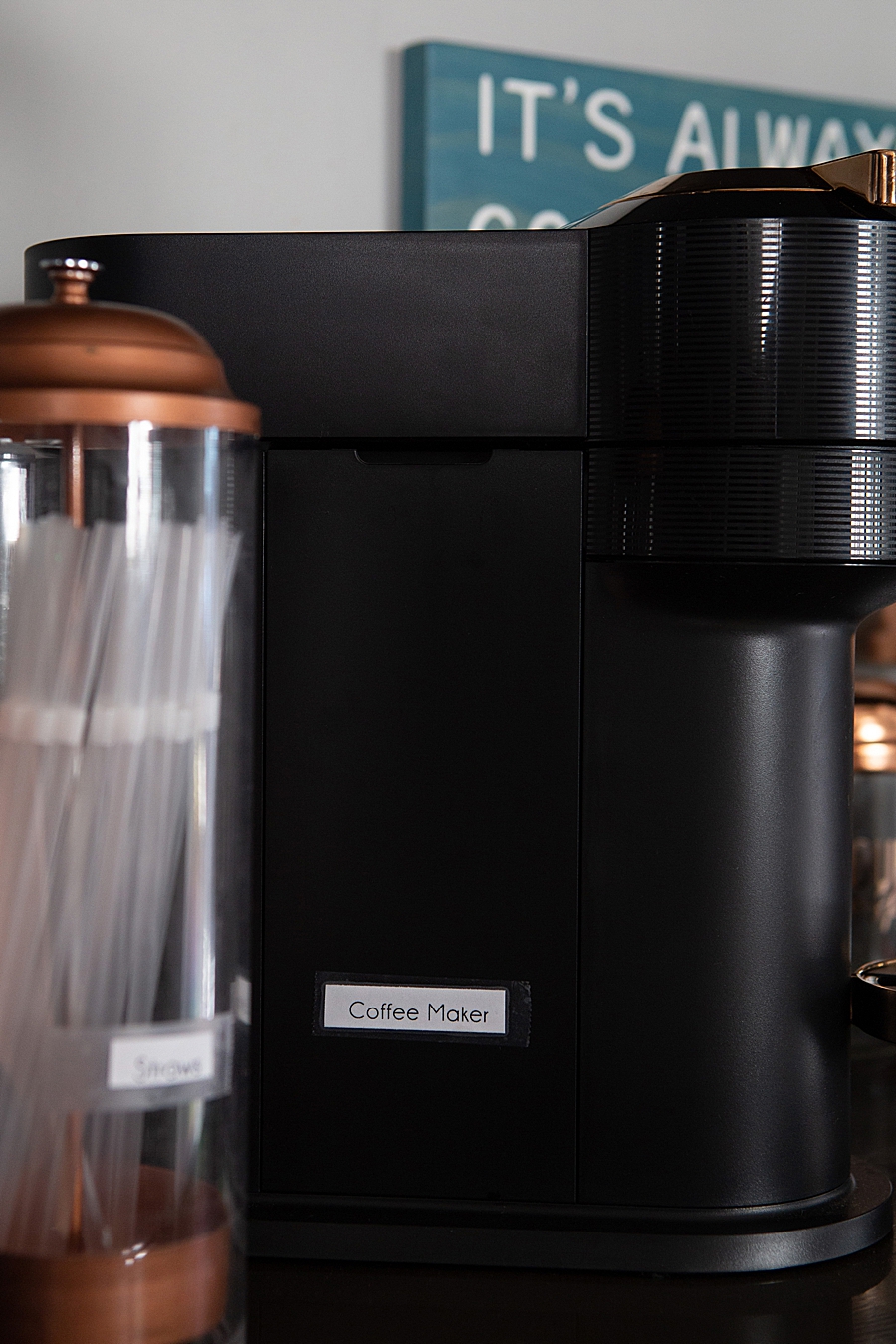
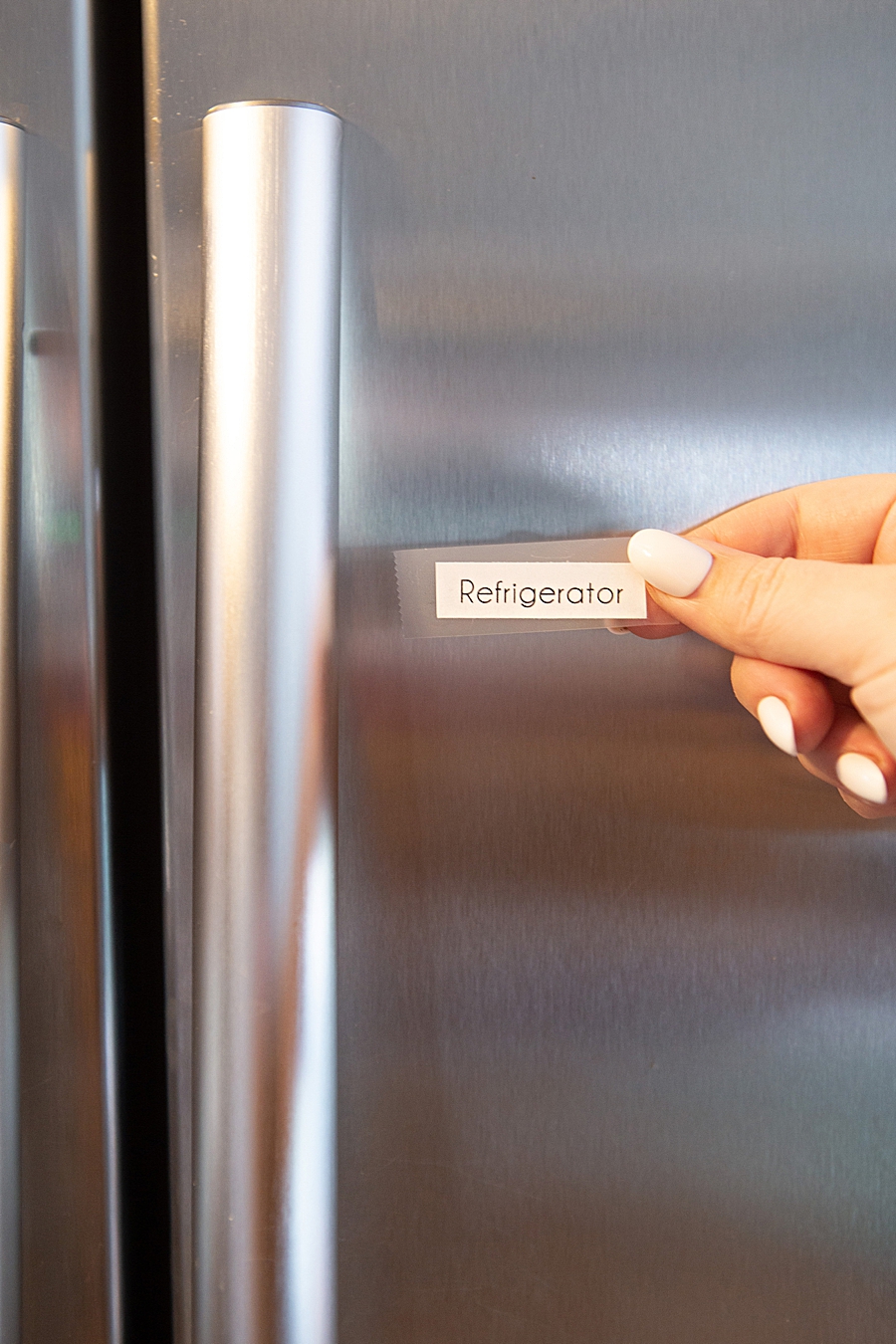
The strategy operates on the principle of "meaningful context." Unlike abstract flashcards, which require a child to memorize a word in isolation, household labels attach the word directly to the physical object it represents. When a child sees the word "refrigerator" affixed to the appliance they use daily, the cognitive load required to decode the word is significantly reduced because the meaning is already established. This method fosters a sense of confidence in "new readers," a demographic typically comprising children between the ages of four and seven who are transitioning from phonemic awareness to fluent word recognition.
Technical Design and Typographic Considerations
A critical component of the project’s efficacy lies in its specific typographic choices. Literacy experts emphasize that for beginning readers, the "shape" of a letter can be a significant barrier to comprehension. Many standard digital fonts utilize "double-story" letters, such as the lowercase "a" with a top hook or the "g" with a closed-loop tail. These forms often differ from the "single-story" letters children are taught to write in early childhood education programs.
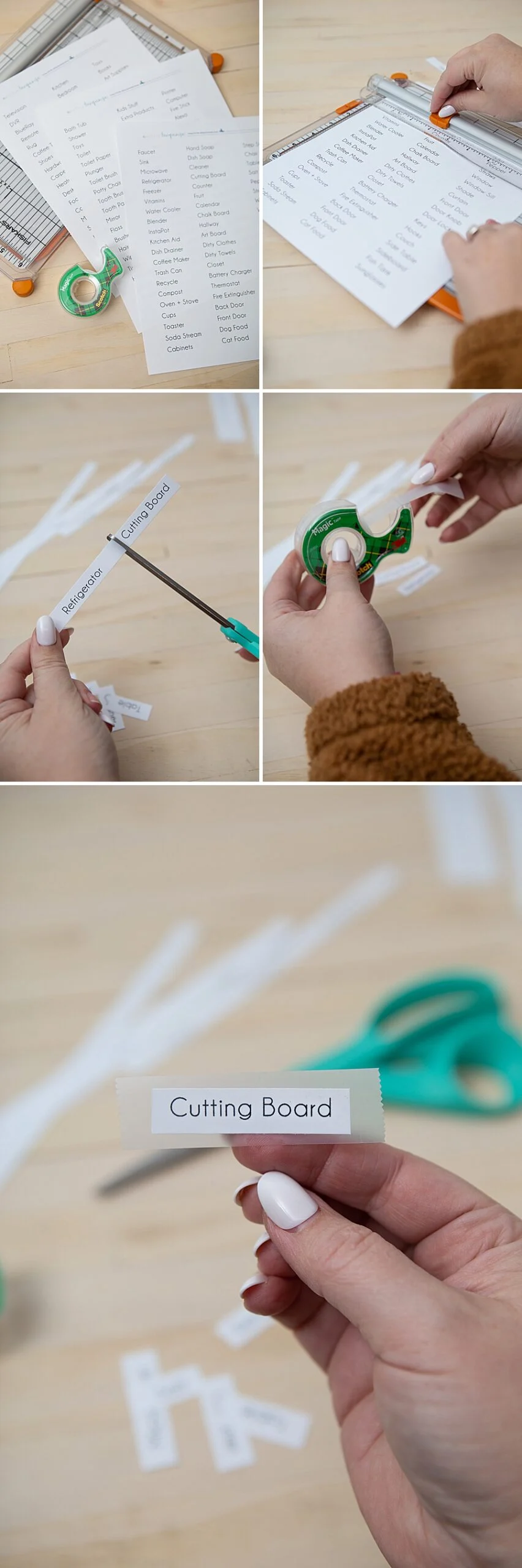
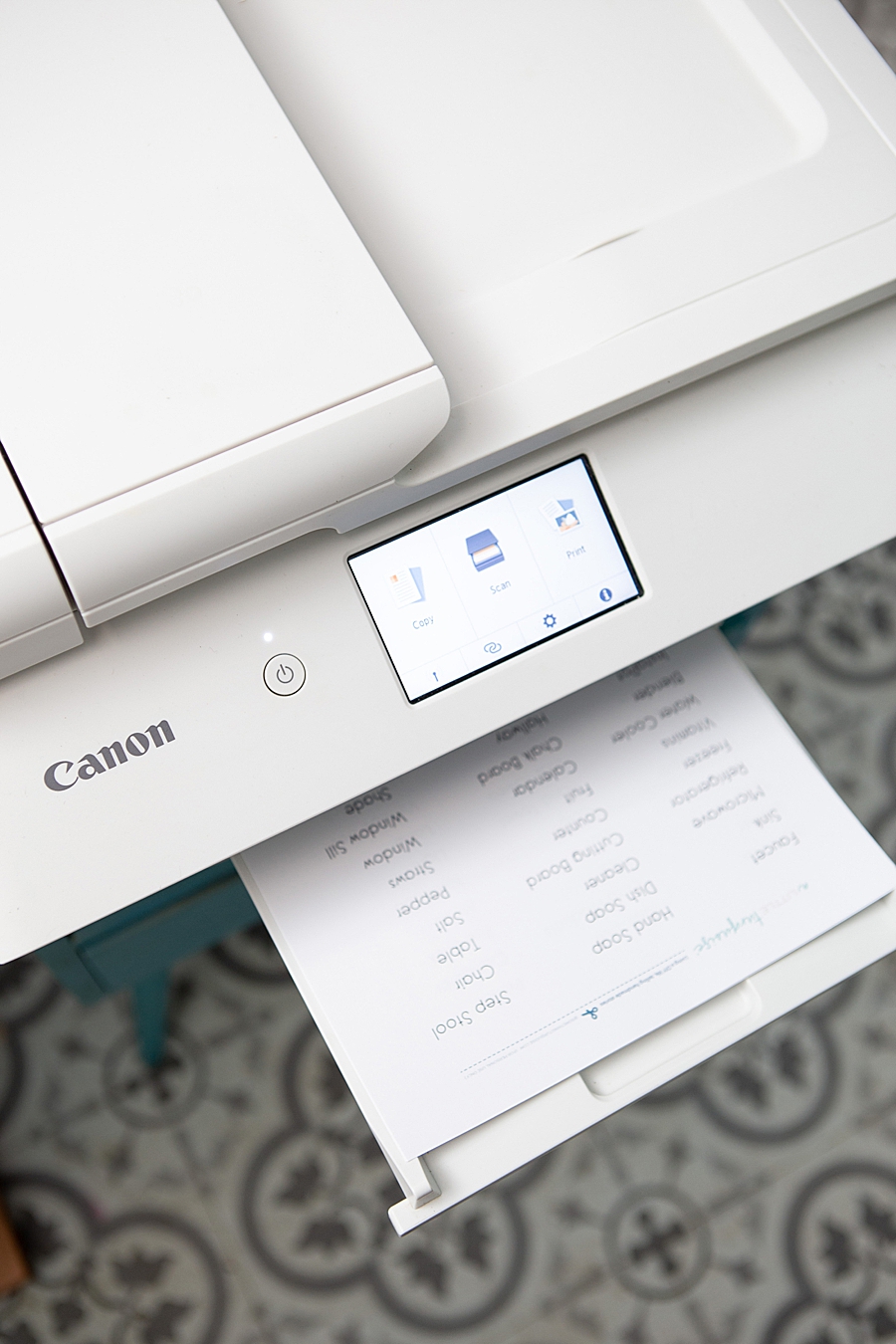
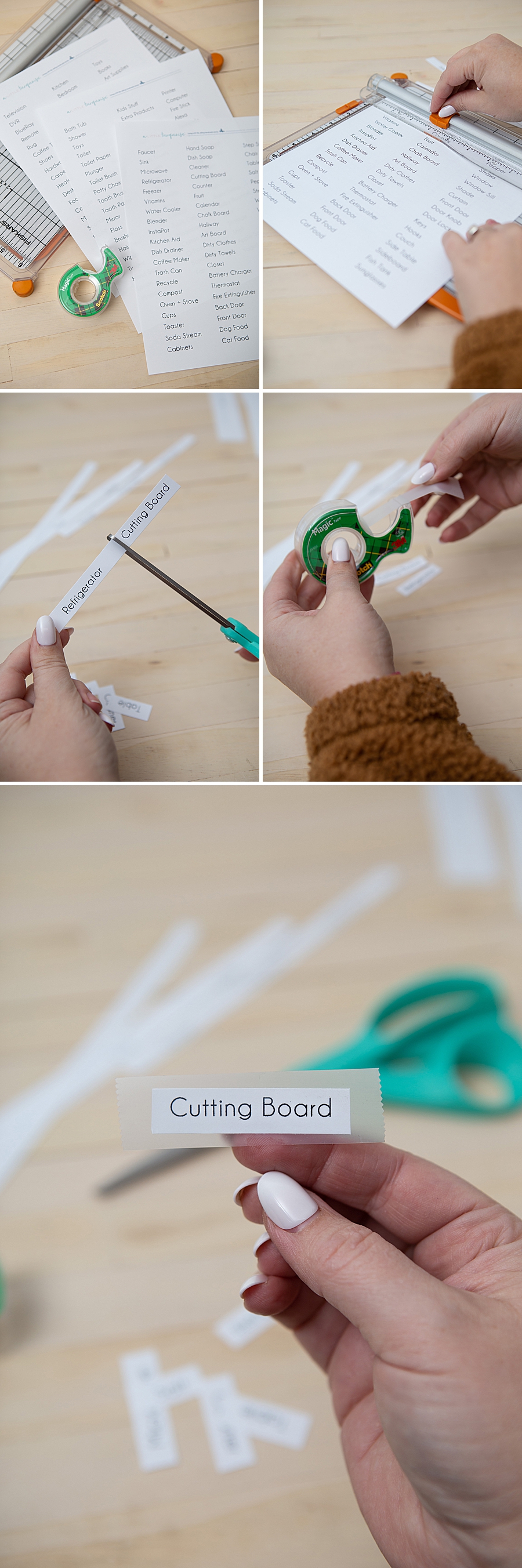
To address this, the printable resource utilizes the font "Champagne & Limousines," a geometric sans-serif typeface. This font was selected for its clean lines and simplified character anatomy, particularly regarding the letters "a," "g," and "t." By providing a visual format that mirrors the handwriting instruction found in primary schools, the labels minimize "visual noise" and allow the child to focus on the sequence of letters. The resource consists of three pages of 180 total words, printed on standard letter-sized paper, intended to be trimmed and applied to surfaces using basic adhesive.
Implementation Timeline and Methodology
The rollout of the labeling system within a household is designed to be a collaborative and multi-day process rather than a singular decorative event. According to the developer’s documented timeline, a successful implementation typically spans four days, categorized into distinct phases of engagement:
- Selection and Customization Phase: Parents review the 180-word list, identifying which items are present in their specific home environment. This ensures the vocabulary is relevant and the child is not confused by labels for non-existent objects.
- Production Phase: The labels are printed, trimmed, and prepared for application. This phase often involves the child in the "cutting" process, which serves as a fine motor skill exercise.
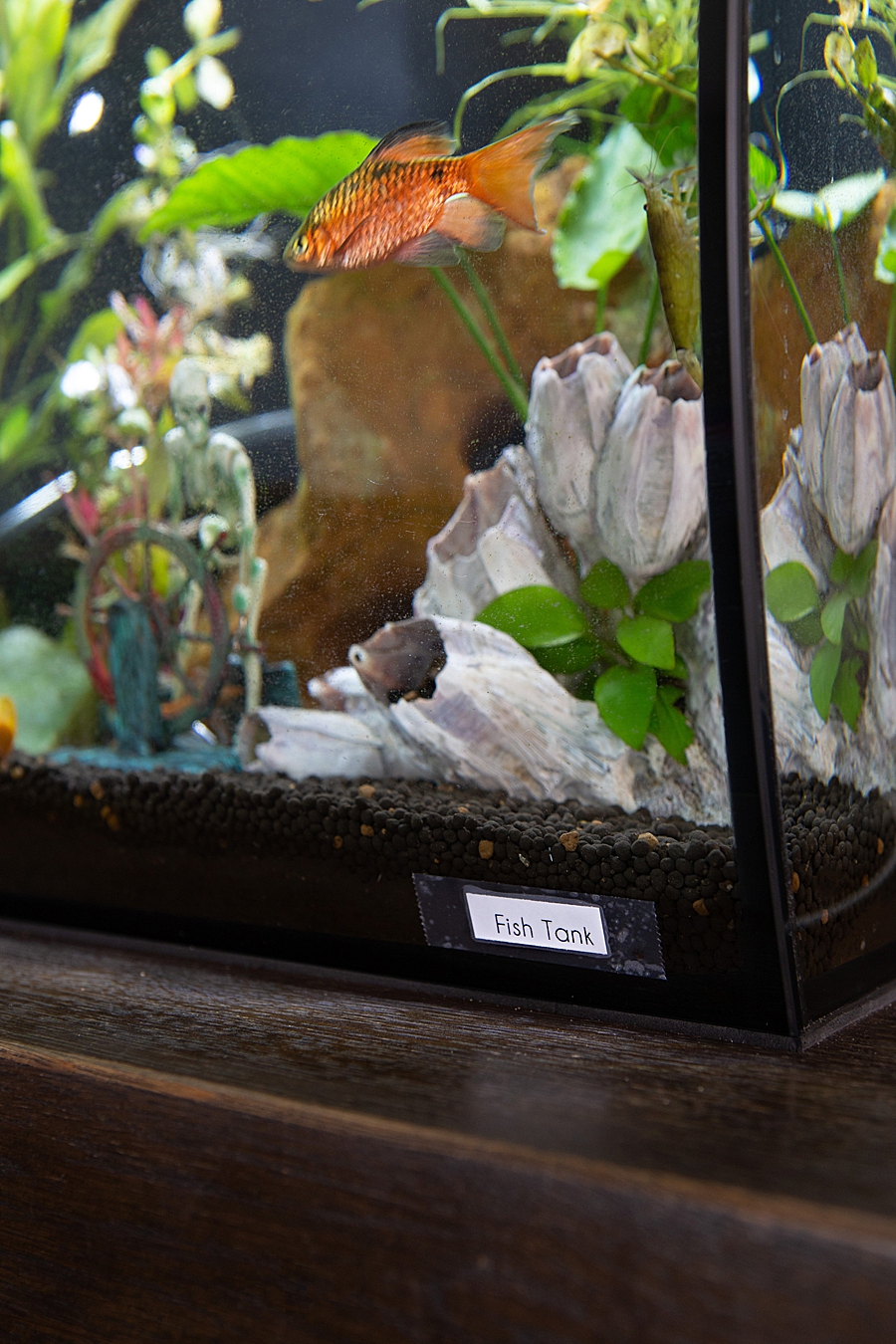
- Application and Exploration Phase: Over the course of several days, the parent and child walk through the residence, identifying objects and physically placing the labels. This active participation creates a "spatial map" of literacy within the home.
- Interactive Reading Phase: Once the labels are established, the household transitions into a "reading-rich" environment where daily routines—such as getting a snack or brushing teeth—are punctuated by the visual recognition of the labels.
This chronological approach ensures that the child views the labels not as static wallpaper, but as interactive tools for navigation and communication.
Supporting Data on Early Literacy Outcomes
The release of these tools comes at a time when early literacy rates are under intense scrutiny. According to data from the National Assessment of Educational Progress (NAEP), early intervention in the home environment is one of the strongest predictors of future academic success. Research indicates that children raised in "print-rich" environments—defined as homes with at least 100 visible words or books—score significantly higher on standardized reading assessments in the third grade.
Furthermore, the "Whole Word" recognition encouraged by environmental labeling serves as a vital supplement to phonics-based instruction. While phonics teaches children to sound out words, "sight words" or high-frequency words are often recognized by their shape and context. By labeling 180 items, parents are effectively creating a massive "sight word wall" that covers 80% of the common nouns a child will encounter in early-level primers.
Comparative Analysis: Functionality vs. Aesthetics
A notable aspect of the project is its prioritization of functional utility over domestic aesthetics. The developer acknowledges that the presence of nearly 200 paper labels throughout a home may clash with traditional interior design standards. However, the journalistic analysis of the project suggests that the "priceless" nature of the learning interaction outweighs the temporary visual clutter.
Guests and observers have noted that the labels serve as conversation starters, often prompting visitors to engage with the child’s learning process. This social reinforcement further validates the child’s efforts. From a psychological perspective, the "functional" nature of the labels reinforces the idea that reading is a practical tool for life, not just an academic chore performed at a desk.
Official Responses and Community Engagement
The project has seen a robust response on social media platforms, particularly Instagram, where the "Reels" demonstrating the labels have garnered significant engagement from the homeschooling and early-education communities. Parents have reported that the "scavenger hunt" aspect of placing the labels transforms a potentially tedious educational task into a high-engagement family activity.
In response to the project’s launch, several early childhood educators have advocated for the expansion of such resources into multiple languages. By providing bilingual labels, the same methodology could be used to support English Language Learners (ELL) or families raising multilingual children. The developer has encouraged community sharing via the hashtag #somethingturquoisediy, creating a digital repository of "stories of love and laughter" that document the real-world application of the labels.
Broader Implications for Modern Education
The shift toward DIY educational resources reflects a broader trend in the democratization of learning tools. As professional-grade crafting printers—such as the Canon TS9521C mentioned in the supply list—become more common in households, parents are no longer dependent solely on commercially published workbooks.
This project also highlights the importance of "incidental learning." In a world increasingly dominated by digital screens, the physical presence of printed words on a refrigerator, a banister, or a lamp provides a tactile and permanent reference point. It encourages children to look "up and out" at their world rather than "down" at a device.
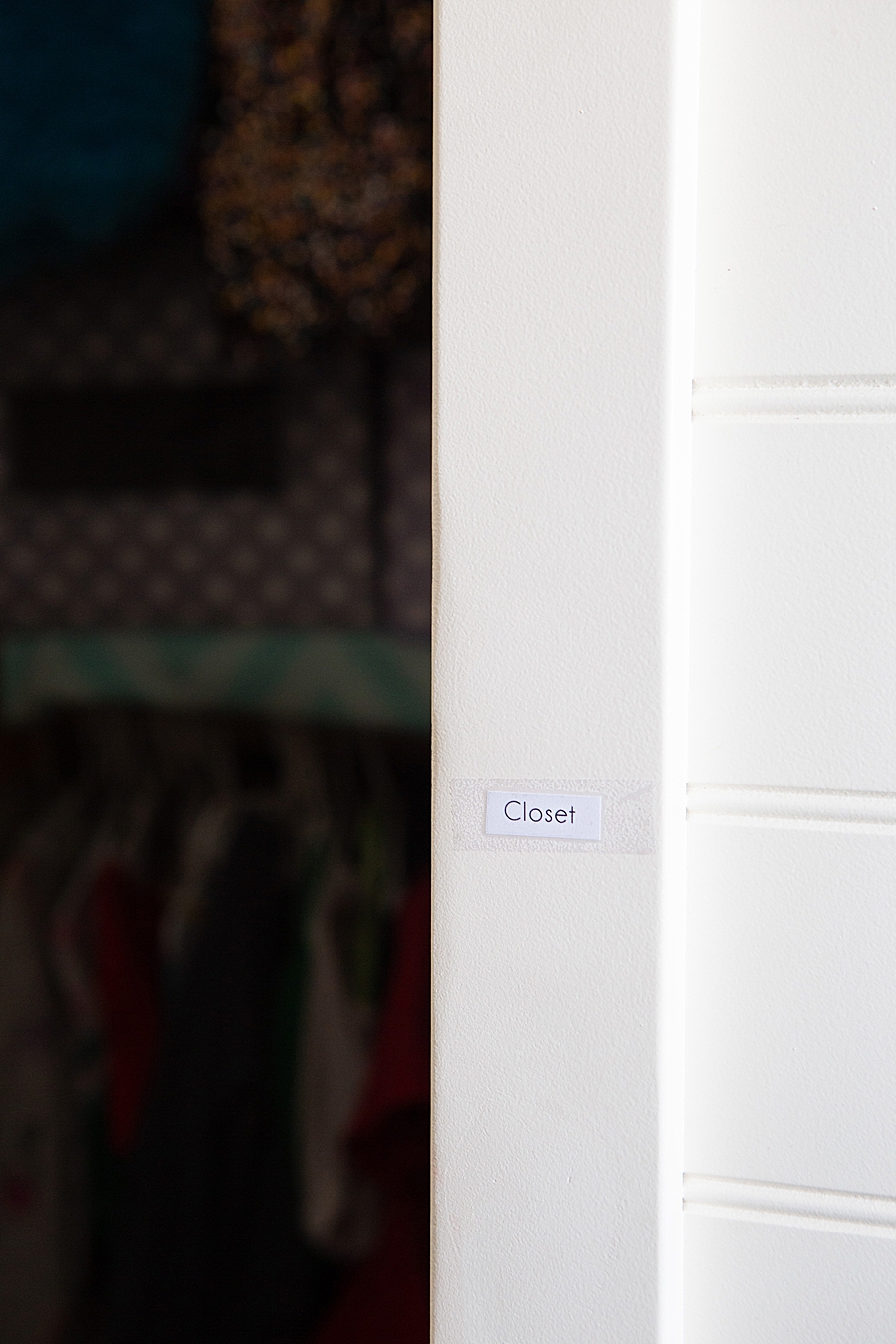
As the labels eventually age and are removed once the child has mastered the vocabulary, they leave behind a foundational "orthographic mapping" in the child’s brain. The long-term implication is a more seamless transition to complex reading materials. While the labels may not be "cute" by traditional standards, their role in the cognitive development of new readers marks them as a highly effective, low-cost intervention in the global effort to improve childhood literacy.
Conclusion and Resource Availability
The 180-word household labeling kit remains available as a free digital download, emphasizing accessibility for families of all socioeconomic backgrounds. The requirements are minimal—regular printer paper, a basic printer, and adhesive tape—making it a scalable solution for literacy advocates and parents alike. As educational paradigms continue to evolve, the success of this project suggests that the most effective learning tools are often those that integrate most naturally into the rhythm of daily life. By turning a "door" into a word and a "window" into a lesson, the project ensures that for the new reader, the entire world becomes a book waiting to be read.